Non-invasive Cancers: Types of Non-invasive Cancers
Non-invasive cancers are characterized by abnormal cell growth that hasn’t spread to surrounding tissues. These cancers are usually confined to a specific area. They haven’t invaded deeper tissues. Early detection of such cancers is critical for effective treatment and better patient outcomes. Medical professionals stress the need for regular screenings. This helps identify these cancers at an early stage. Understanding non-invasive cancers allows healthcare providers to develop targeted treatment plans. This approach can potentially reduce the risk of cancer progression.
Understanding Non-invasive Cancers
Grasping the essence of non-invasive cancers is key to early detection and successful treatment. These cancers grow minimally, staying within their original site. This sets them apart from invasive cancers, which spread into surrounding tissues.
Definition and Characteristics
Non-invasive cancers, also known as pre-cancerous or in situ cancers, mark an early phase in cancer progression. They are confined to the epithelial layer, the cell lining of various body parts, and haven’t invaded deeper tissues. For example, cancer treatment methods differ greatly depending on whether the cancer is invasive or non-invasive. The defining trait of non-invasive cancers is their risk of evolving into invasive cancer if untreated.
Difference Between Invasive and Non-invasive Cancers
The main difference between invasive and non-invasive cancers is their growth patterns and ability to spread. Invasive cancers have invaded surrounding tissues and can metastasize to other body parts. On the other hand, non-invasive cancers stay localized and are often more treatable because of their contained nature. Recognizing these distinctions is essential for choosing the right treatment approach.
Types of Non-invasive Cancers
Understanding the different types of non-invasive cancers is key for effective diagnosis and treatment. These cancers are characterized by abnormal cell growth that is confined to a specific area. They have not invaded surrounding tissues. This category includes several distinct conditions, each with its unique features and implications.
Ductal Carcinoma In Situ (DCIS)
Ductal Carcinoma In Situ (DCIS) is a non-invasive breast cancer where cells are contained in the milk ducts. It’s considered pre-cancerous because it can develop into invasive cancer if left untreated. DCIS is often detected during mammography and is typically treated with surgery or radiation therapy.
Lobular Carcinoma In Situ (LCIS)
Lobular Carcinoma In Situ (LCIS) involves abnormal cell growth in the lobules of the breast. While it’s not considered a true cancer, LCIS indicates an increased risk of developing breast cancer. Women with LCIS are monitored closely for any changes in breast tissue.
Cervical Intraepithelial Neoplasia (CIN)
Cervical Intraepithelial Neoplasia (CIN) refers to the presence of abnormal cells on the surface of the cervix that could potentially become cancerous. CIN is classified into three stages based on the severity of the cellular changes. Regular Pap smears can detect CIN, allowing for early intervention.
Other Common Non-invasive Cancers
Besides DCIS, LCIS, and CIN, there are other types of non-invasive cancers. These include:
-
Melanoma In Situ
A condition where abnormal melanocytes are confined to the epidermis, representing an early stage of melanoma.
-
Bladder Carcinoma In Situ
A flat, high-grade lesion in the bladder that is considered a precursor to invasive bladder cancer.
-
Barrett’s Esophagus with Dysplasia
A condition where the esophageal lining changes, potentially leading to esophageal cancer if not managed properly.
-
Vulvar Intraepithelial Neoplasia
Abnormal cell growth on the vulva that can progress to cancer if not treated.
Each of these non-invasive cancers requires a tailored approach to management and treatment. This highlights the importance of accurate diagnosis and monitoring.
Risk Factors for Developing Non-invasive Cancers
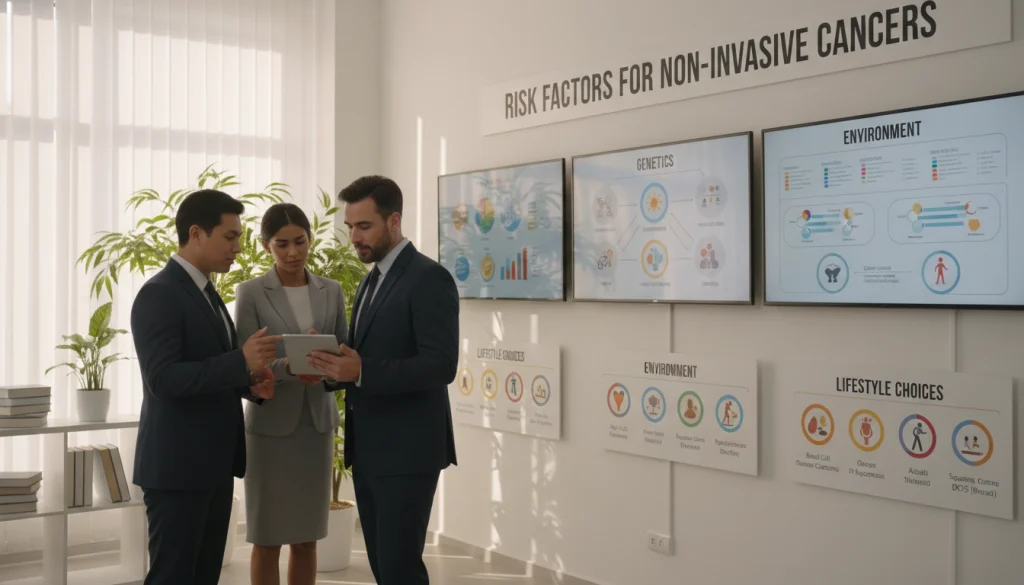
Non-invasive cancers are shaped by genetic, environmental, and lifestyle factors. Understanding these elements is key to preventing and detecting cancers early.
Genetic Predisposition
Genetics significantly influence non-invasive cancer development. Those with a family history of cancer face higher risks. Specific mutations, like BRCA1 and BRCA2, greatly increase breast cancer risk.
Environmental Factors
Environmental exposures also impact cancer risk. Radiation and chemicals are among these factors. For example, endocrine-disrupting chemicals raise the risk of breast cancer.
Lifestyle Considerations
Lifestyle choices are critical in cancer risk. Diet, exercise, and habits like tobacco and alcohol use matter.
Dietary Influences
Eating too much processed food and not enough fruits and vegetables can raise cancer risk.
Physical Activity Levels
Regular exercise lowers the risk of many cancers.
Tobacco and Alcohol Use
Tobacco and alcohol are major cancer risks. Tobacco is linked to many cancers, and alcohol, to breast cancer.
Screening and Early Detection Methods
Effective screening and early detection are critical in managing non-invasive cancers. Early detection boosts treatment success rates and lowers the risk of cancer becoming invasive. This approach is essential for better health outcomes.
Mammography for Breast Cancer
Mammography is a key tool for breast cancer screening, spotting issues before symptoms arise. Regular use of mammograms greatly enhances the likelihood of catching and treating cancer early.
Pap Smears for Cervical Cancer
Pap smears play a vital role in lowering cervical cancer rates by identifying pre-cancerous changes. It’s advised that women start regular screenings at age 21.
Other Screening Techniques
There are numerous screening methods for non-invasive cancers beyond mammography and Pap smears. Dermatological checks are vital for skin cancer detection. Colonoscopy and endoscopy help in spotting gastrointestinal cancers. New technologies aim to detect cancers even earlier.
Dermatological Examinations
Dermatological exams thoroughly inspect the skin for any unusual growths or changes. This is critical for catching skin cancers early.
Colonoscopy and Endoscopy
Colonoscopy and endoscopy allow for visual inspections of the colon and other gastrointestinal areas. They help identify cancer or pre-cancerous conditions.
Emerging Screening Technologies
New screening technologies, like advanced imaging and molecular diagnostics, are being developed. They aim to improve early detection for various non-invasive cancers.
Diagnostic Procedures for Non-invasive Cancers
Non-invasive cancers are diagnosed through a mix of imaging, biopsy, and lab tests. These methods help doctors spot cancer cells early. This leads to better treatment results.
Imaging Technologies
Imaging is key in spotting non-invasive cancers. It shows where, how big, and how far the tumor is.
- Provides detailed views of inside the body
- Shows how far cancer has spread
- Helps guide biopsies
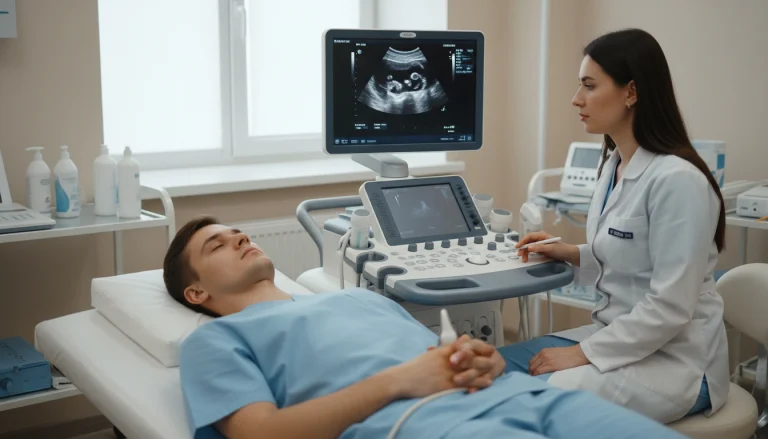
Ultrasound
Ultrasound uses sound waves to see inside the body. It’s great for checking breast tissue and guiding biopsies.
MRI and CT Scans
MRI and CT scans give detailed images. MRI is top for soft tissues, while CT is better for finding calcifications.
PET Scans
PET scans use a radioactive tracer that lights up cancer cells. This makes them stand out during the scan.
Biopsy Procedures
Biopsy takes a tissue or cell sample for testing. It’s the surest way to diagnose cancer.
- Needle biopsy: Uses a needle to get tissue or cells
- Surgical biopsy: Takes a bigger tissue sample surgically
Laboratory Tests
Laboratory tests check tissue or cell samples for cancer. They confirm cancer’s presence and its type.
Biomarker Analysis
Biomarkers are substances from cancer cells or in response to cancer. Testing them helps diagnose and understand cancer behavior.
Genetic Testing
Genetic testing looks at cancer cell genetics for mutations. This info is vital for targeted treatments and predicting outcomes.
Staging and Grading of Non-invasive Cancers
Non-invasive cancers need accurate staging and grading to guide treatment and predict outcomes. These processes are vital in managing non-invasive cancers. They help determine the disease’s extent and aggressiveness.
Understanding Cancer Staging Systems
Cancer staging systems classify cancer spread. For non-invasive cancers, staging is simpler than for invasive ones. This is because the disease is confined to its original site. The most used system for non-invasive cancers, like ductal carcinoma in situ (DCIS), looks at the size and extent of the lesion.
Grading Criteria for Non-invasive Cancers
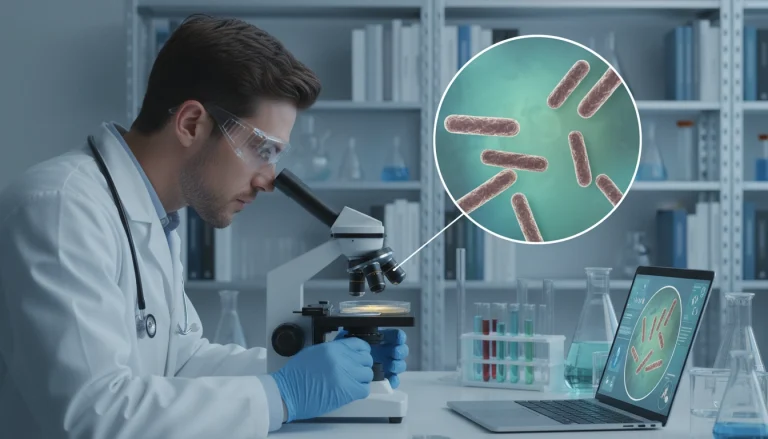
Grading non-invasive cancers involves looking at cancer cells under a microscope. It determines their aggressiveness. The criteria often focus on cell differentiation and nuclear features.
Low-Grade vs. High-Grade Lesions
Low-grade lesions are well-differentiated and less aggressive. High-grade lesions are poorly differentiated and more aggressive. Knowing the difference is key for choosing the right treatment.
Prognostic Implications
The grade of a non-invasive cancer greatly affects prognosis. High-grade lesions have a higher risk of recurrence and progression. This means they need more aggressive treatment and closer monitoring.
Treatment Options for Non-invasive Cancers
Treatment options for non-invasive cancers have seen significant advancements, giving patients a variety of choices. The right treatment depends on several factors. These include the cancer type, its location, and the patient’s health.
Surgical Approaches
Surgery is often considered for non-invasive cancers, mainly when cells are localized. The aim is to remove the affected area while keeping as much surrounding tissue intact.
Lumpectomy and Excisional Procedures
Lumpectomy and other excisional procedures involve removing the tumor and some healthy tissue. This method is frequently used for non-invasive breast cancers, like ductal carcinoma in situ (DCIS).
Minimally Invasive Techniques
Minimally invasive techniques, such as laparoscopic and robotic-assisted surgeries, offer a less invasive option. These methods reduce recovery time and minimize scarring. They are appealing for patients with non-invasive cancers in various locations.
Radiation Therapy
Radiation therapy is another treatment option for non-invasive cancers. It uses high-energy rays to kill abnormal cells.
External Beam Radiation
External beam radiation therapy (EBRT) delivers radiation from outside the body to the tumor site. It’s commonly used for non-invasive cancers that are sensitive to radiation.
Brachytherapy
Brachytherapy involves placing a radioactive source directly into or near the tumor. This method delivers a high dose of radiation locally. It minimizes damage to surrounding healthy tissues.
Medication and Hormone Therapy
For certain non-invasive cancers, medication and hormone therapy are recommended. These treatments aim to reduce the risk of progression or recurrence. They target specific cellular mechanisms.
The choice between these treatments is highly individualized. It considers the patient’s preferences, the cancer’s characteristics, and the benefits and risks of each option.
Latest Advancements in Non-invasive Cancer Treatments
Non-invasive cancer treatments are experiencing a significant transformation. This change is driven by cutting-edge research and technological innovations. These advancements are reshaping how non-invasive cancers are treated, bringing new hope to those affected.
Targeted Therapies
Targeted therapies mark a major leap forward in treating non-invasive cancers. These therapies employ drugs that target cancer cells directly, reducing harm to healthy cells. For example, tamoxifen and raloxifene are used to treat non-invasive breast cancers like ductal carcinoma in situ (DCIS).
Targeted therapies offer several advantages, including fewer side effects and better treatment outcomes. They are often combined with other treatments, such as surgery or radiation therapy.
Immunotherapy Approaches
Immunotherapy is another exciting field in non-invasive cancer treatment. It leverages the body’s immune system to combat cancer. Techniques like checkpoint inhibitors and cancer vaccines are being explored for their effectiveness in treating non-invasive cancers.
- Checkpoint inhibitors: Drugs that enhance the immune system’s ability to target cancer cells.
- Cancer vaccines: Vaccines designed to stimulate the immune system to recognize and attack cancer cells.
Emerging Technologies and Clinical Trials
The field of non-invasive cancer treatment is also seeing the introduction of new technologies and clinical trials. These innovations promise to enhance treatment outcomes further.
Photodynamic Therapy
Photodynamic therapy uses light-sensitive compounds to destroy cancer cells. It is being researched for its application in treating certain non-invasive cancers.
Cryotherapy
Cryotherapy, or cryoablation, freezes cancer cells to destroy them. This method is being tested in clinical trials for non-invasive cancers.
Nanotechnology Applications
Nanotechnology is being explored for its ability to deliver targeted therapies directly to cancer cells. This could lead to fewer side effects and more effective treatments.
These advancements in non-invasive cancer treatments are setting the stage for more effective and personalized care. As research continues to advance, patients can look forward to even more innovative treatments in the future.
Recovery and Follow-up Care
Recovery and follow-up care are vital for non-invasive cancer treatment. After treatment, patients need to be closely monitored. This is to prevent cancer from coming back and to ensure their long-term health.
Post-treatment Monitoring
Post-treatment monitoring involves regular check-ups and tests. These are done to keep an eye on the patient’s health. They help catch any issues early on.
Frequency of Follow-up Visits
The frequency of follow-up visits varies. It depends on the type of non-invasive cancer and the treatment. Generally, patients can expect:
- Follow-up appointments every 6-12 months for the first few years
- Annual visits thereafter, or as advised by their healthcare provider
Surveillance Testing
Surveillance testing includes imaging tests, blood tests, and other diagnostic procedures. These are done to watch for any signs of cancer coming back or getting worse.
Long-term Surveillance Strategies
Long-term surveillance strategies are customized for each patient. They take into account the patient’s risk factors and treatment history. These strategies may include:
- Regular imaging tests, like mammograms or ultrasounds
- Periodic blood tests to check tumor markers
- Annual check-ups with a healthcare provider
Psychological Impact and Support Systems
Non-invasive cancer diagnosis profoundly impacts patients’ psychology. The news of cancer, even if non-invasive, can be distressing. It affects a person’s mental health and overall well-being.
Coping with a Cancer Diagnosis
Coping with a cancer diagnosis means coming to terms with the condition. Understanding the treatment options is essential. Patients need a support system for emotional and psychological support during this challenging time.
Support Groups and Resources
Support groups and resources are key in helping patients cope. They offer a platform for sharing experiences and connecting with others facing similar situations.
- Local cancer support groups
- Online forums and communities
- Counseling services
Mental Health Considerations
Mental health is vital for patients with non-invasive cancer. Managing anxiety and depression is essential for overall well-being.
Managing Anxiety and Depression
Patients can manage anxiety and depression through mindfulness, meditation, and therapy. These techniques help in coping.
Professional Mental Health Support
Seeking professional mental health support is often necessary. Mental health professionals provide tailored guidance and support.
Lifestyle Modifications After Diagnosis
Lifestyle changes are key in managing non-invasive cancer and improving life quality for patients. After a diagnosis, individuals can make several changes to support their treatment and overall well-being.
Nutrition and Diet Recommendations
A well-balanced diet is essential for individuals with non-invasive cancer. Focus on consuming a variety of fruits, vegetables, whole grains, and lean proteins. Certain foods have been shown to have anti-cancer properties, such as:
- Berries rich in antioxidants
- Leafy greens high in vitamins and minerals
- Fatty fish containing omega-3 fatty acids
Exercise and Physical Activity
Regular physical activity can help manage symptoms and improve overall health. Recommended exercises include:
- Brisk walking
- Swimming or water aerobics
- Yoga or Pilates for flexibility and strength
Stress Management Techniques
Managing stress is vital for individuals dealing with a cancer diagnosis. Effective stress management techniques include:
Mindfulness and Meditation
Practicing mindfulness and meditation can help reduce stress and improve mental well-being.
Relaxation Practices
Engaging in relaxation practices such as deep breathing exercises or progressive muscle relaxation can also be beneficial.
Preventing Progression to Invasive Cancer
To prevent non-invasive cancers from becoming invasive, a multi-faceted approach is essential. It’s important to understand the risk factors and take steps to reduce them.
Risk Reduction Strategies
Several strategies can help prevent non-invasive cancers from becoming invasive. These include making lifestyle changes and undergoing medical interventions.
- Lifestyle changes such as maintaining a healthy diet and exercising regularly
- Medical interventions like chemoprevention and prophylactic surgeries
Chemoprevention Options
Chemoprevention uses medications to prevent cancer from progressing. For example, tamoxifen is used to prevent breast cancer.
Prophylactic Surgeries
Prophylactic surgeries, like mastectomies, are considered for those at high risk of invasive cancer.
Importance of Regular Follow-ups
Regular follow-ups are vital for monitoring non-invasive cancers and taking timely action.
- Periodic imaging and screening tests
- Clinical examinations to monitor for any changes
- Adjusting treatment plans as necessary
Patient Experiences and Case Studies
Patient stories on non-invasive cancers provide deep insights into diagnosis, treatment, and recovery. These narratives reveal the hurdles patients face and the triumphs achieved through timely detection and treatment.
Success Stories in Early Detection
Early cancer detection has greatly enhanced patient outcomes. For example, a woman with ductal carcinoma in situ (DCIS) was diagnosed via routine mammogram. She then underwent successful treatment, averting the risk of invasive cancer. These tales emphasize the critical role of regular screenings.
Navigating Treatment Decisions
Choosing the right treatment for non-invasive cancers can be overwhelming. Patients must weigh several factors, including cancer type, health status, and personal views. A case study of a patient with lobular carcinoma in situ (LCIS) shows the need for thoughtful deliberation between surveillance and preventive actions.
Life After Non-invasive Cancer Diagnosis
Life post-non-invasive cancer diagnosis requires continuous monitoring and lifestyle changes. Patients often prioritize health and wellness more than ever. Support from healthcare teams, loved ones, and support groups is essential. It aids in recovery, helping patients to adapt and flourish.
Living Well Beyond Non-invasive Cancer
Survivorship is a key part of the cancer journey, even more so for those with non-invasive cancer. It’s not just about recovering from treatment. It’s about adopting a lifestyle that supports long-term health and happiness.
For those who’ve had non-invasive cancer treatment, the goal is to maintain a healthy lifestyle. This helps prevent recurrence and ensures overall wellness. It involves following up with care, making smart diet and exercise choices, and managing stress well.
Embracing survivorship means being proactive about health. It’s about staying updated on cancer research and knowing where to find support. This way, individuals can move through their journey with confidence, knowing they’re doing everything right to live well beyond non-invasive cancer.
Living well beyond non-invasive cancer is about resilience, support, and a dedication to health. It’s a journey that needs patience, understanding, and a proactive approach to well-being.
FAQ
Q: What is the difference between invasive and non-invasive cancers?
A: Non-invasive cancers grow abnormally but stay in one place. Invasive cancers spread to other areas, causing more harm.
Q: What are the common types of non-invasive cancers?
A: Types include Ductal Carcinoma In Situ (DCIS), Lobular Carcinoma In Situ (LCIS), and Cervical Intraepithelial Neoplasia (CIN). Melanoma In Situ is another example.
Q: How are non-invasive cancers diagnosed?
A: Diagnoses use mammography, ultrasound, MRI, and CT scans. Biopsy and lab tests, like biomarker analysis, are also used.
Q: What are the treatment options for non-invasive cancers?
A: Treatments include surgery, radiation, and medication. Hormone therapy may also be used, based on the cancer type.
Q: Can non-invasive cancers progress to invasive cancer?
A: Yes, if untreated, non-invasive cancers can become invasive. Early detection and treatment are key.
Q: How can the risk of developing non-invasive cancers be reduced?
A: Reduce risk by knowing your genetic predisposition and avoiding harmful substances. Healthy lifestyle choices and chemoprevention are also effective.
Q: What lifestyle changes can help after a non-invasive cancer diagnosis?
A: Eat healthily, exercise regularly, and manage stress. Avoid tobacco and alcohol to support your recovery.
Q: What is the importance of follow-up care after treatment for non-invasive cancers?
A: Follow-up care is vital for catching any cancer return or new cancers early. It also helps manage treatment side effects.
Q: Are there support systems available for patients with non-invasive cancers?
A: Yes, support groups, counseling, and mental health resources are there to help. They aid in coping with the diagnosis and treatment decisions.
Q: What advancements are being made in the treatment of non-invasive cancers?
A: New treatments include targeted therapies and immunotherapy. Photodynamic therapy and nanotechnology are also being explored, promising better outcomes for patients.