Understanding Open Nephrectomy
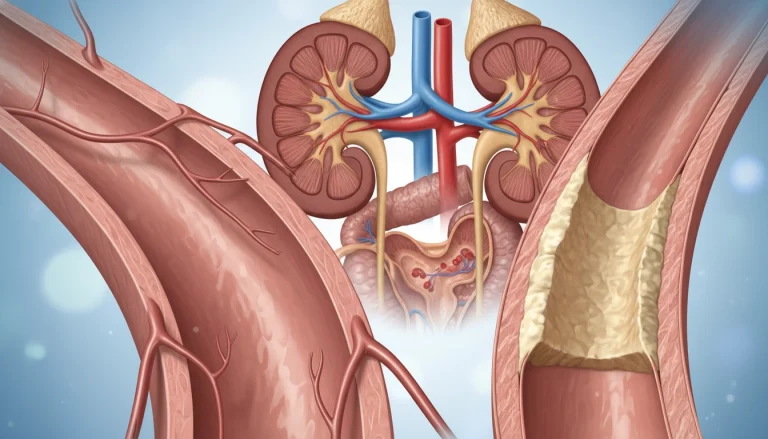
A surgical procedure to remove a kidney, known as nephrectomy, is performed for various medical reasons. This includes kidney cancer or severe kidney damage. This complex operation involves making an incision to access the kidney. The kidney is then carefully removed along with any affected surrounding tissue. The surgical team takes great care to minimize risks and ensure a smooth recovery for the patient. As a significant surgical intervention, understanding the nuances of this procedure is essential for both patients and healthcare providers.
Open nephrectomy is a surgical procedure that involves removing a kidney through an open incision in the abdomen or flank. This traditional method has been a cornerstone in treating various kidney conditions. It’s essential to understand its definition, basic concepts, and historical development.
Definition and Basic Concept
Open nephrectomy is defined as a surgical operation where a kidney is removed through a single, large incision. It is performed under general anesthesia and requires a hospital stay. The basic concept revolves around accessing the kidney through an open approach. This allows surgeons to directly visualize and manipulate the kidney and surrounding tissues.
- Involves a single, large incision
- Performed under general anesthesia
- Requires careful postoperative care
Historical Development of the Procedure
The historical development of open nephrectomy dates back to the late 19th century when the first successful nephrectomy was performed. Over the years, the procedure has evolved with advancements in surgical techniques, anesthesia, and postoperative care. Despite the advent of minimally invasive techniques, open nephrectomy remains a vital option for complex cases.
- First successful nephrectomy in the late 19th century
- Advancements in surgical techniques and anesthesia
- Continued relevance in complex cases
Indications for Open Nephrectomy
Open nephrectomy is a treatment option for certain kidney issues, like tumors or injuries. The decision to undergo surgery is based on a detailed patient evaluation.
Renal Cell Carcinoma
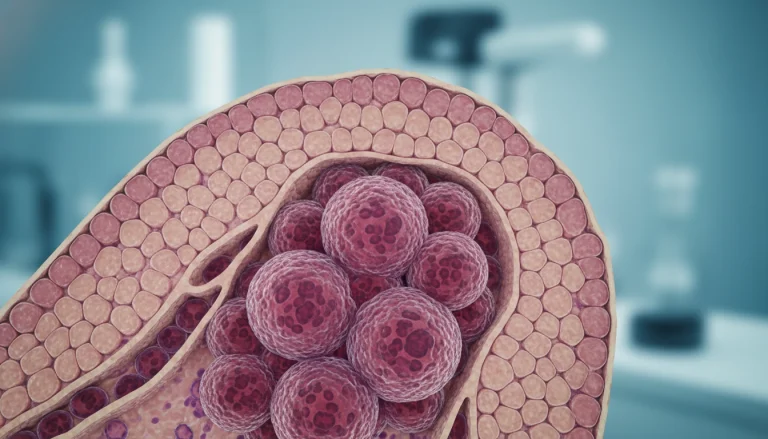
Renal cell carcinoma often leads to open nephrectomy. This cancer starts in the kidney’s proximal convoluted tubule, a part of the small tubes that filter waste. Open nephrectomy is chosen for large or complex tumors.
- Complete removal of the tumor
- Potential for cure in early-stage cancer
- Effective management of symptoms
Non-Functioning Kidney
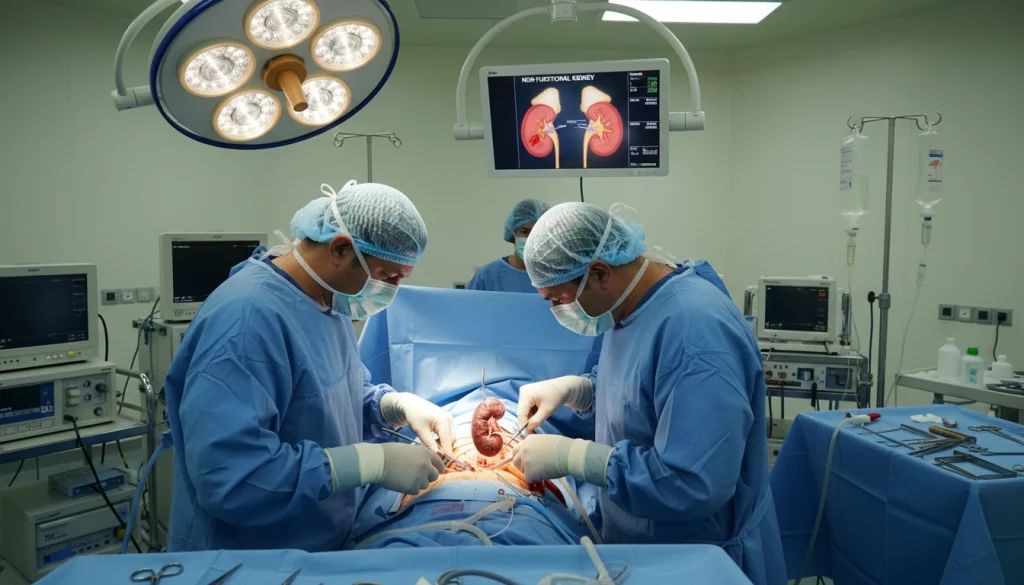
A non-functioning kidney may require open nephrectomy due to chronic obstruction, infection, or severe damage. Removing it can relieve symptoms like pain and recurrent infections.
Trauma and Emergency Situations
Severe renal trauma or emergency situations like life-threatening hemorrhage may require open nephrectomy. This surgery can be lifesaving and is often urgent.
- Rapid control of bleeding
- Removal of damaged kidney tissue
- Prevention of further complications
These scenarios underscore the role of open nephrectomy in treating various kidney conditions. The choice of this surgical method depends on the patient’s specific needs and the condition’s nature.
When Open Nephrectomy Is Preferred Over Minimally Invasive Approaches
Open nephrectomy offers distinct advantages in certain scenarios, making it the preferred choice for both surgeons and patients. While minimally invasive methods have become popular, there are specific situations where open nephrectomy is more suitable.
Large Tumor Size
When dealing with large tumors, open nephrectomy is often the preferred option. This is due to the complexity of the procedure and the need for precise surgical techniques. Minimally invasive methods struggle with large tumors, requiring more extensive dissection and manipulation.
- Tumors larger than 7 cm are often considered for open nephrectomy.
- The size and location of the tumor can impact the complexity of the surgery.
- Open nephrectomy allows for better control and visualization during the procedure.
Complex Vascular Involvement
Complex vascular involvement is another scenario where open nephrectomy is preferred. When the renal vessels are significantly involved or compromised, open surgery provides the necessary exposure and control. This is essential for safely managing these complex vascular structures.
Previous Abdominal Surgery
Patients with previous abdominal surgery may benefit from open nephrectomy. This is due to the presence of adhesions and altered anatomy. Open nephrectomy allows surgeons to navigate these complexities more effectively.
- Previous surgeries can lead to adhesions that complicate minimally invasive procedures.
- Open nephrectomy provides a more straightforward approach in such cases.
- Surgeons can better manage any complications arising from previous surgeries.
In conclusion, open nephrectomy is preferred in cases involving large tumor size, complex vascular involvement, and previous abdominal surgery. It offers better control, visualization, and management of complications.
Preoperative Evaluation and Planning
Open nephrectomy demands thorough preoperative planning for the best results. This stage is key in evaluating the patient’s health, spotting risks, and deciding on the surgical method.
Required Diagnostic Tests
Diagnostic tests are critical in the preoperative phase. They confirm the diagnosis, analyze the tumor’s features, and check the kidney’s function.
Imaging Studies
Imaging, like CT scans and MRI, is vital. It helps gauge the tumor’s size, location, and how it affects nearby tissues. This information guides the surgical plan.
Laboratory Tests
Laboratory tests, including blood and urine analysis, assess kidney function and overall health.
Patient Assessment
Assessing the patient thoroughly is essential. It involves reviewing their medical history, current health, and any underlying conditions.
Surgical Planning Considerations
Planning the surgery requires careful consideration. Factors include the tumor’s characteristics, the patient’s anatomy, and the surgeon’s expertise. The preoperative phase is complex, needing a team effort. It involves surgeons, radiologists, anesthesiologists, and more.
Preparing for Open Nephrectomy
Preparation for an open nephrectomy is vital to reduce risks and ensure a positive outcome. It requires following preoperative instructions and managing medications carefully.
Preoperative Instructions
Before undergoing an open nephrectomy, patients must adhere to certain preoperative guidelines. These may include:
- Following a specific diet or fasting regimen
- Avoiding certain medications or supplements
- Arranging for post-surgery care at home
Medication Management
Effective medication management is a critical part of preparing for an open nephrectomy. This involves:
Medications to Discontinue
Some medications must be stopped before surgery, such as:
- Blood thinners
- Certain diabetes medications
Medications to Continue
Other medications should be continued as directed by your healthcare provider, including:
- Essential medications for chronic conditions
By diligently following preoperative instructions and managing medications effectively, patients can greatly enhance the success of their open nephrectomy.
The Open Nephrectomy Surgical Procedure
The open nephrectomy is a complex surgery needing meticulous planning and execution. It involves several critical steps, including anesthesia administration, surgical approach, and incision types.
Anesthesia Administration
Anesthesia administration is a vital part of the open nephrectomy procedure. General anesthesia is commonly used to ensure patient comfort and reduce pain during the surgery.
Surgical Approach and Incision Types
The surgical approach for open nephrectomy requires making an incision to access the kidney. There are two main incision types used:
-
Flank Incision
A flank incision is made on the side of the body, allowing direct access to the kidney.
-
Transabdominal Incision
A transabdominal incision is made through the abdomen, providing an alternative approach to accessing the kidney.
Step-by-Step Surgical Technique
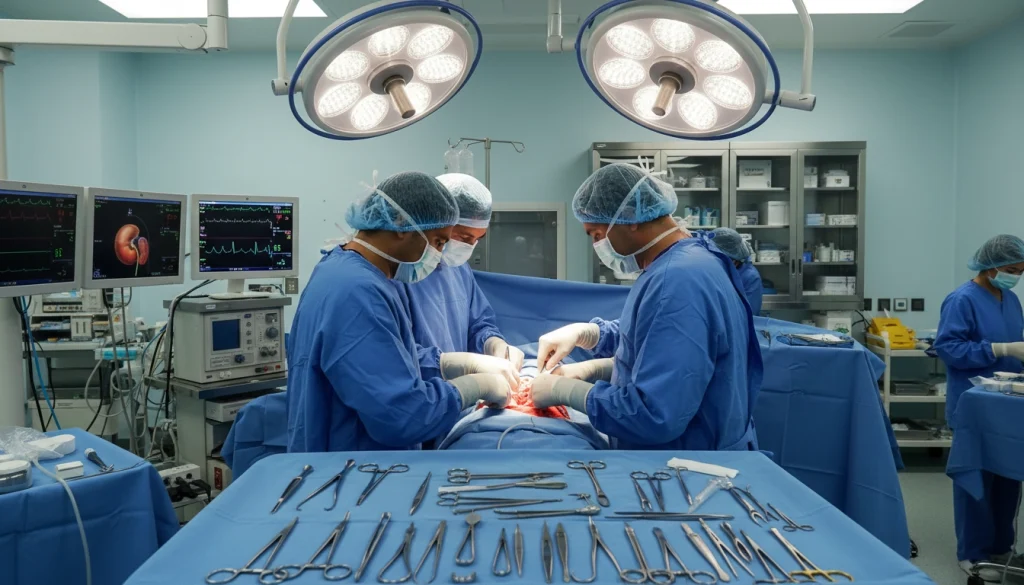
The step-by-step surgical technique for open nephrectomy involves:
-
Initial incision and exposure of the kidney.
-
Dissection and mobilization of the kidney.
-
Ligation and division of the renal vessels.
-
Removal of the kidney.
-
Closure of the incision site.
Each step demands precision and skill to ensure a successful outcome.
Types of Open Nephrectomy Procedures
Open nephrectomy encompasses various approaches, each tailored to different renal conditions and injuries. The procedure chosen depends on the disease’s extent, the patient’s health, and the underlying condition. This diversity ensures a personalized treatment plan for each patient.
Radical Nephrectomy
Radical nephrectomy removes the entire kidney and surrounding tissues, including the adrenal gland and lymph nodes. It’s often used for renal cell carcinoma and other kidney cancers. The aim is to remove the tumor completely to prevent its spread.
Simple Nephrectomy
Simple nephrectomy involves removing a non-functioning or diseased kidney without touching the adrenal gland or surrounding tissues. It’s commonly done for benign conditions like a non-working kidney due to blockage or infection. The goal is to remove the diseased kidney while keeping the rest intact.
Partial Nephrectomy (Open Approach)
Partial nephrectomy, or nephron-sparing surgery, removes only the diseased part of the kidney, saving the healthy part. It’s used for small tumors or when keeping kidney function is essential. The open method allows for precise tumor removal with minimal damage to the kidney.
Comparison with Laparoscopic and Robotic Approaches
Open nephrectomy, laparoscopic nephrectomy, and robotic nephrectomy each have unique advantages and disadvantages. The choice between these surgical methods depends on several factors. These include the patient’s condition, the complexity of the procedure, and the surgeon’s expertise.
Advantages of Open Technique
Open nephrectomy offers several advantages, mainly in complex cases. These include:
- Direct visualization and tactile feedback, which are critical in complicated surgeries
- Better control in cases with significant bleeding or complex vascular involvement
- No limitation by tumor size, making it suitable for large tumors
These benefits make open nephrectomy a preferred choice in certain situations.
Disadvantages Compared to Minimally Invasive Approaches
Despite its advantages, open nephrectomy has several drawbacks compared to laparoscopic and robotic approaches:
- Larger incision, leading to potentially more postoperative pain
- Longer recovery time
- Greater risk of complications related to the incision site
These factors contribute to the growing preference for minimally invasive techniques when feasible.
Selection Criteria for Surgical Approach
The choice between open, laparoscopic, and robotic nephrectomy is influenced by several factors, including:
- The nature and extent of the disease
- The patient’s overall health and previous surgical history
- The surgeon’s experience with different techniques
By considering these factors, healthcare providers can select the most appropriate surgical approach for each patient.
Potential Risks and Complications
It’s vital for surgeons and patients to grasp the risks and complications of open nephrectomy. This major surgery can lead to various adverse outcomes, affecting recovery and long-term health.
Intraoperative Complications
Intraoperative complications during open nephrectomy are serious and need immediate action. These issues can stem from the surgery’s complexity and the patient’s health.
Bleeding and Vascular Injuries
Bleeding and vascular injuries are severe intraoperative complications. They can cause significant blood loss, requiring transfusions, and risk damage to vital structures.
Adjacent Organ Injury
Adjacent organ injury is another complication, where organs near the surgery site, like the bowel or spleen, can get damaged. It demands precise surgical technique to reduce the risk.
Early Postoperative Complications
Early postoperative complications can happen right after surgery. These may include infections, respiratory issues, or cardiac problems. It’s critical to monitor and provide proper care to manage these risks.
Long-Term Complications
Long-term complications of open nephrectomy include chronic pain, hernias at the incision site, and impacts on kidney function. Patients should be informed of these possibilities to manage their expectations and follow-up care.
In conclusion, while open nephrectomy is a critical surgery for many medical conditions, it comes with various risks and complications. Understanding these risks is key to improving patient outcomes.
Immediate Postoperative Care
Patients undergoing open nephrectomy require detailed immediate postoperative care. This is vital for managing pain and preventing complications. It ensures a smooth recovery and reduces the risk of postoperative issues.
Pain Management
Effective pain management is a key aspect of postoperative care. Patients receive analgesics to manage pain, with dosages adjusted based on their response. Using multimodal analgesia, which combines different pain relief medications, helps optimize pain control.
Wound Care
Proper wound care is essential to prevent infection and promote healing. The surgical site is monitored for signs of infection, and dressings are changed as needed. Patients are also taught how to care for their wounds at home.
Monitoring for Complications
Patients are closely monitored for complications such as bleeding, infection, or respiratory issues. Vital signs are regularly checked, and any abnormalities are promptly addressed. 
Recovery Process After Open Nephrectomy
Understanding the recovery process is key for those undergoing open nephrectomy. It helps manage expectations and ensures a smooth healing journey. The recovery phase includes several critical components that patients need to know.
Hospital Stay Duration
The length of hospital stay varies based on individual health and surgery complexity. Generally, patients stay 5 to 7 days.
Activity Restrictions
Post-discharge, patients should avoid heavy lifting, bending, or strenuous activities for 4 to 6 weeks. This helps the body heal and minimizes complications.
Return to Normal Activities
Most patients can gradually return to normal activities in 6 to 8 weeks. Yet, full recovery may take several months.
Follow-up Care Schedule
Follow-up appointments are vital for monitoring healing and addressing concerns. Patients usually have visits with their surgeon within 1 to 2 weeks post-discharge, and as needed thereafter.
Key recovery aspects include:
- Following the prescribed medication regimen
- Adopting a healthy diet to aid healing
- Staying hydrated
- Attending all scheduled follow-up appointments
Living with One Kidney
After undergoing open nephrectomy, understanding the long-term health implications is essential. It’s important to make lifestyle adjustments to ensure overall well-being. Many individuals can live normally with one kidney, but certain precautions and monitoring are necessary.
Long-term Health Considerations
Those with one kidney must be mindful of the risks and take proactive steps. This includes regular monitoring of kidney function and preventing kidney disease.
Kidney Function Monitoring
Regular visits to a healthcare provider are vital for monitoring the remaining kidney’s function. Blood tests and urine tests are often used to assess kidney health.
Preventing Kidney Disease
A healthy lifestyle is critical in preventing kidney disease. Managing blood pressure, diabetes, and obesity is essential. A balanced diet and regular exercise also contribute significantly.
Lifestyle Adjustments
Adopting certain lifestyle changes can help maintain health with one kidney. This includes dietary modifications, staying hydrated, and avoiding contact sports that could harm the remaining kidney.

Understanding the implications of living with one kidney and making the right lifestyle adjustments can lead to a healthy, active life post-open nephrectomy.
Special Considerations for Different Patient Populations
Open nephrectomy presents unique challenges for various patient groups. Each requires a tailored approach to achieve the best outcomes.
Pediatric Patients
Pediatric patients face special challenges due to their size and developing bodies. The surgical team must be skilled in pediatric care. The equipment used must also be appropriately scaled.
Elderly Patients
Elderly patients often have comorbid conditions that complicate surgery and recovery. It’s vital to conduct thorough preoperative evaluations and postoperative care to manage these risks effectively.
Patients with Comorbidities
Patients with comorbidities, such as diabetes and cardiovascular disease, need careful management to reduce surgical risks.
Diabetes
Diabetic patients require close glucose monitoring before, during, and after surgery. This is to prevent any complications.
Cardiovascular Disease
Those with cardiovascular disease are at a higher risk for cardiac complications during and after surgery. A detailed preoperative cardiac evaluation is necessary.
Healthcare providers must understand these special considerations to deliver quality care to diverse patient populations undergoing open nephrectomy.
Advances in Open Nephrectomy Techniques
Open nephrectomy techniques have seen significant advancements, thanks to technological and methodological innovations. These improvements have greatly enhanced the safety, effectiveness, and outcomes of the procedure.
Technological Innovations
Technological advancements have been key in refining open nephrectomy techniques. The introduction of advanced imaging technologies, like 3D imaging and intraoperative ultrasound, has boosted surgical accuracy. Also, the application of advanced energy devices has cut down on blood loss and tissue damage.
Improved Surgical Approaches
Advances in surgical techniques have also played a vital role in the evolution of open nephrectomy. The adoption of smaller incisions and muscle-sparing methods has lessened postoperative pain and sped up recovery. Enhanced knowledge of renal anatomy has enabled more precise dissection and the preservation of surrounding tissues.
Cost and Insurance Considerations for Open Nephrectomy
Open nephrectomy, like many surgical procedures, comes with various costs that patients should be aware of. Understanding these financial aspects is key for planning and preparing for the surgery.
Average Procedure Costs
The average cost of open nephrectomy can vary significantly. This is due to factors like location, hospital fees, and surgeon charges. Here are some key cost components to consider:
- Hospital stay
- Surgical fees
- Anesthesia costs
- Postoperative care
Insurance Coverage
Insurance coverage for open nephrectomy varies by provider and policy. Most insurance plans cover a significant portion of the costs for medically necessary nephrectomies. Patients should:
- Verify their insurance coverage
- Understand out-of-pocket expenses
- Check for any pre-approval requirements
It’s essential for patients to discuss their insurance coverage with their healthcare provider. This way, they can understand the financial implications of open nephrectomy.
Conclusion
Open Nephrectomy is a major surgery for kidney issues, like renal cell carcinoma and non-functioning kidneys. We’ve delved into its details, from its origins to modern surgical methods. This journey through Open Nephrectomy highlights its importance in treating kidney problems.
Choosing Open Nephrectomy involves a detailed preoperative evaluation and planning. This ensures the procedure aligns with the patient’s health and the condition’s complexity. The surgery requires precise anesthesia, a detailed surgical approach, and thorough postoperative care.
It’s essential for patients and healthcare professionals to understand Open Nephrectomy’s implications. Knowing its indications, benefits, and risks helps in making informed decisions. As medical technology advances, Open Nephrectomy remains a key option for kidney surgery.
FAQ
Q: What is an open nephrectomy?
A: An open nephrectomy is a surgical procedure. It involves removing a kidney through a single incision in the abdomen or flank.
Q: Why is open nephrectomy performed?
A: It’s used to treat various conditions. These include renal cell carcinoma, non-functioning kidney, and trauma or emergency situations.
Q: How long does it take to recover from an open nephrectomy?
A: Recovery time varies. Most patients stay in the hospital for several days. They may need several weeks to return to normal activities.
Q: What are the risks and complications associated with open nephrectomy?
A: Risks include bleeding, infection, and injury to adjacent organs. Long-term complications can be kidney disease.
Q: Can I live a normal life with one kidney?
A: Yes, most people can live normally with one kidney. It’s important to follow a healthy lifestyle and monitor kidney function regularly.
Q: How is pain managed after open nephrectomy?
A: Pain management involves medications. This includes opioids and non-opioid analgesics to control pain and discomfort.
Q: Are there any dietary restrictions after open nephrectomy?
A: Patients are advised to follow a healthy diet. They may need to limit certain foods or substances to protect their remaining kidney function.
Q: Can open nephrectomy be performed on pediatric patients?
A: Yes, it can be performed on pediatric patients. The procedure is often used to treat conditions like Wilms tumor or congenital anomalies.
Q: How does open nephrectomy compare to laparoscopic or robotic nephrectomy?
A: Open nephrectomy is preferred for complex cases or large tumors. Laparoscopic or robotic nephrectomy may be suitable for smaller tumors or less complex cases.
Q: What are the costs associated with open nephrectomy?
A: Costs vary. Factors include location, insurance coverage, and surgeon fees.
Q: Is open nephrectomy covered by insurance?
A: Most insurance plans cover it. Patients should check with their insurance provider to confirm coverage and understand any out-of-pocket costs.