For kids with epilepsy, finding a good treatment can be tough. When medicine doesn’t work, treatments like Vagus Nerve Stimulation (VNS) might be tried. VNS uses a small device to send electrical signals to the vagus nerve. This helps cut down on seizures and makes life better. It’s one of many ways to treat epilepsy in kids. Understanding VNS and other surgeries, including Pediatric Epilepsy Surgery, is key for families dealing with epilepsy. This article will cover VNS, its benefits, and what to expect.
Understanding Pediatric Epilepsy
Understanding pediatric epilepsy is key for families facing this complex disorder in kids. It’s a neurological condition that causes recurring seizures. These seizures can greatly affect a child’s life, growth, and daily tasks.
Epilepsy in children can stem from many causes. These include genetic factors, brain injuries, infections, and developmental issues. The symptoms of pediatric epilepsy vary greatly among kids. This makes it hard to diagnose and treat.
Diagnosing Pediatric Epilepsy
To diagnose pediatric epilepsy, a thorough evaluation is needed. This helps find the cause of seizures and plan the best treatment. The diagnostic steps include:
- A detailed medical history and physical check to find possible causes and rule out other conditions.
- An electroencephalogram (EEG) to measure brain electrical activity.
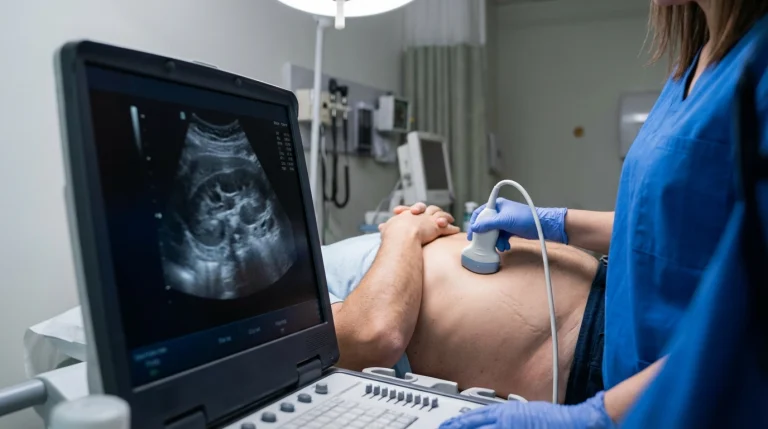
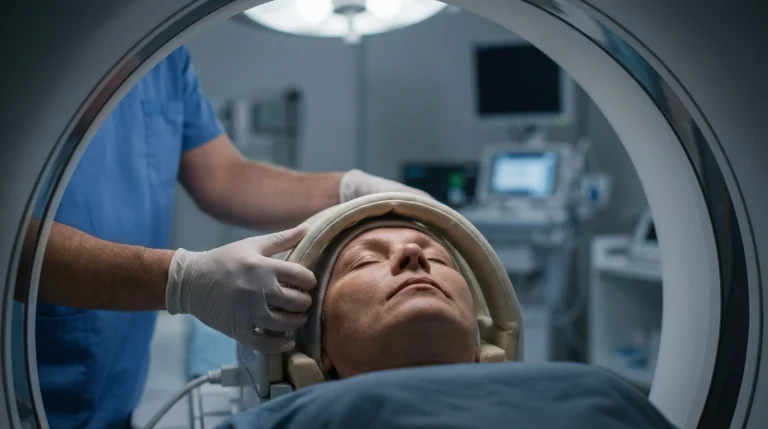
- Imaging studies like MRI or CT scans to see the brain’s structure.
- Other tests like blood tests or lumbar puncture to check for other seizure causes.
Getting an accurate diagnosis is vital for creating a treatment plan. This plan might include medication, surgery, or other treatments like vagus nerve stimulation (VNS). VNS is a surgical option for some kids with epilepsy.
Knowing about the diagnosis and treatment options helps families make better choices for their child. For kids who might need Pediatric Epilepsy Surgery or pediatric seizure surgery, it’s important to understand the benefits and risks.
Why Surgery May Be Considered
For some kids with epilepsy, surgery might be an option when other treatments don’t work. Pediatric Epilepsy Surgery, like Vagus Nerve Stimulation (VNS), is a choice for kids whose seizures can’t be controlled with medicine.
The decision to think about surgery is made when seizures really hurt a child’s life. Doctors look at how often seizures happen, how the child is growing, and if current treatments work. Pediatric epilepsy specialists make this decision.
When medicine can’t stop seizures, kids face many challenges. These include:
- Frequent hospital stays because of long or bad seizures
- Slowing down in growth or moving backward
- Not being able to do everyday things or play with friends
- Higher chance of getting hurt from seizures
In these cases, VNS surgery might be a good option. It involves putting a device that sends electrical signals to the vagus nerve. This can help reduce how often seizures happen.
Pediatric epilepsy specialists work with families to find the best treatment. They consider each child’s unique needs and situation. Their goal is to control seizures better, improve life quality, and support the child’s overall health.
Overview of Vagus Nerve Stimulation (VNS)
Vagus Nerve Stimulation (VNS) has changed how we treat epilepsy in kids. It’s a new option for those who don’t get better with medicine.
VNS sends electrical signals to the vagus nerve. This nerve connects to different parts of the brain. It’s a treatment for kids with epilepsy who haven’t improved with medicines.
Stimulating the vagus nerve can help lower seizure frequency. This gives hope to kids and their families.
Benefits of VNS Therapy
VNS therapy has many benefits for kids. It can lower seizure frequency, improve life quality, and help reduce medicine use.
- Reduction in seizure frequency: Many kids see a big drop in seizures.
- Improved quality of life: VNS can make daily life better for kids. They can do more things they love.
- Potential reduction in medication: Some kids might need less medicine after starting VNS.
The VNS Surgical Procedure
Epilepsy surgery options for kids now include the VNS procedure. It involves a surgical implantation of a nerve stimulator. This treatment is for children with epilepsy who haven’t responded well to medication.
What to Expect During the Procedure
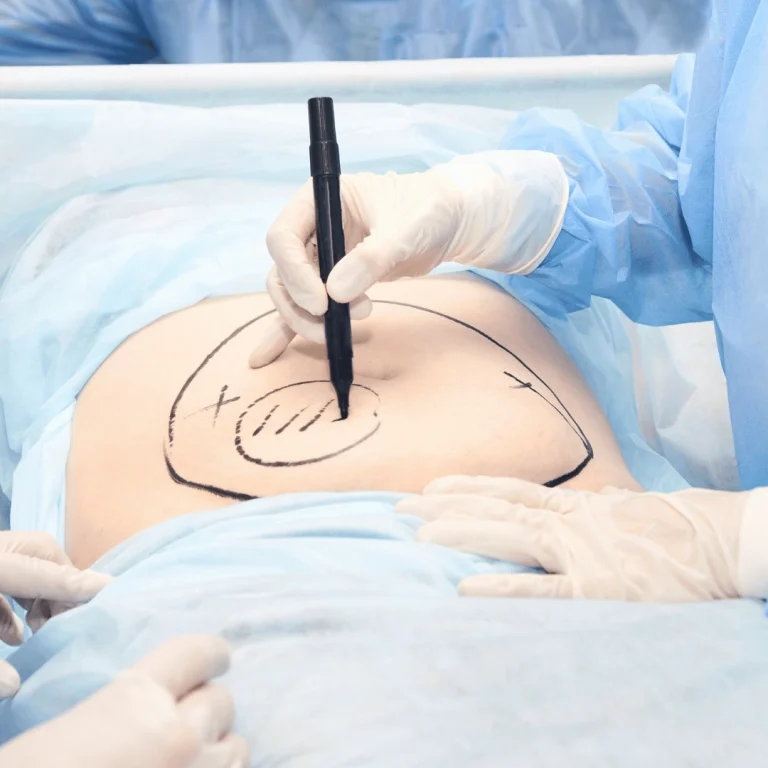
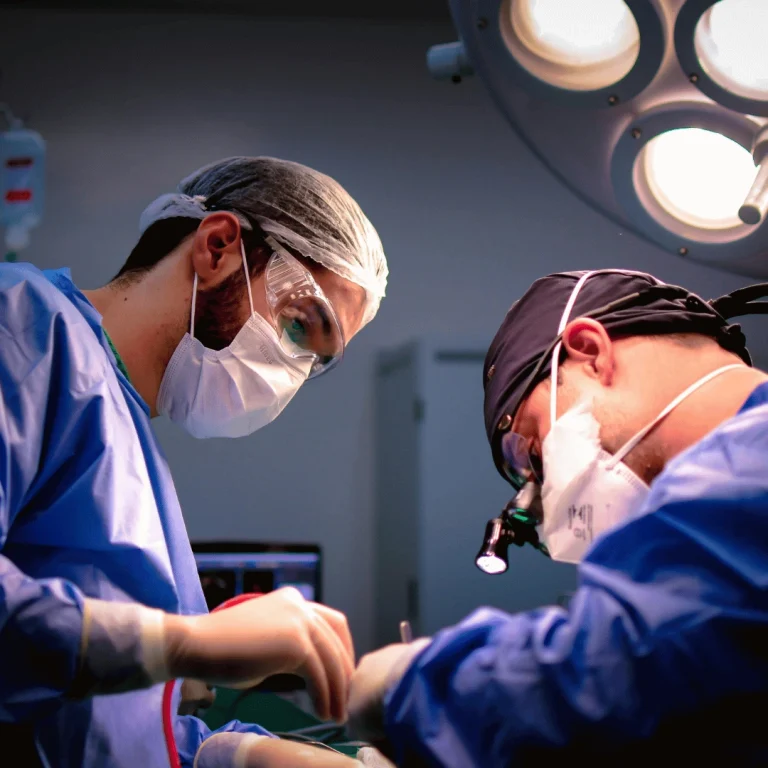
The VNS surgical procedure has several key steps. First, the surgery is done under general anesthesia to keep the child comfortable.
The team, including neurosurgeons and anesthesiologists, implants the VNS device under the skin. They make two small incisions: one in the chest and another in the neck. The generator goes under the skin, and the electrodes are placed around the vagus nerve.
- The surgeon carefully places the electrodes on the vagus nerve.
- The generator is programmed to deliver electrical impulses to the vagus nerve at set intervals.
- The device is tested during the surgery to ensure it’s working correctly.
After the procedure, the child is taken to the recovery room for monitoring. Post-operative care includes managing any discomfort and monitoring for any signs of complications.
The entire process, from preparation to recovery, is designed to be as safe and effective as possible. It offers new hope to families dealing with pediatric epilepsy.
Benefits of VNS in Pediatric Patients
Vagus Nerve Stimulation (VNS) is a new hope for kids with epilepsy. It sends gentle electrical impulses to the vagus nerve. This can greatly reduce seizures in children.
One big plus of VNS is how it improves a child’s life. With fewer seizures, kids can do more things every day. This makes them happier and helps them grow better. Plus, it might mean they need less medicine, which is good for their health.
VNS changes many things for a child. Some of the main benefits are:
- Less frequent and severe seizures
- A better quality of life and daily activities
- Maybe less need for epilepsy medicine
- Better thinking and growing skills
Many families have seen the good side of VNS. For example, a child who used to have lots of seizures could now go to school and play sports. This made their life much better.
Even though VNS isn’t a cure, it’s a great option for kids who haven’t found other treatments to work. Knowing about VNS helps families make the best choices for their kids.
Risks and Complications of VNS
Vagus Nerve Stimulation (VNS) is a promising treatment for kids with epilepsy. But, it’s important to know the possible risks. Like any surgery, VNS can affect the outcome and the patient’s life quality.
The main risks include infection, device problems, and vocal cord issues. Infection is rare but can happen. Device problems might need more surgery. Vocal cord issues can affect speech and breathing, but are usually temporary.
Common Risks and Complications
| Complication | Description | Frequency |
|---|---|---|
| Infection | Risk of infection at the surgical site or around the implanted device. | Rare |
| Hardware Malfunction | Failure of the VNS device, requiring replacement or repair. | Occasional |
| Vocal Cord Paralysis | Temporary or permanent paralysis affecting speech and breathing. | Occasional |
It’s key for families to know these risks before choosing VNS for their child. Talking to a healthcare provider about these risks is also important. This way, families can understand what to expect.
In summary, VNS is a valuable treatment for kids with epilepsy. But, knowing the risks helps families make better choices. The benefits of VNS, like fewer seizures and better life quality, must be balanced against the possible risks.
Comparing VNS with Other Surgical Options
VNS is one of several surgical options for childhood epilepsy. It’s important to compare it with other choices to make informed decisions. When looking at childhood epilepsy surgery, knowing the different approaches is key.
Pediatric epilepsy surgery includes many procedures. These include resective surgery, responsive neurostimulation, and VNS. Each option has its own benefits and drawbacks. Families need to understand these when choosing a treatment.
Resective Surgery vs. VNS
Resective surgery removes the brain part where seizures start. VNS, on the other hand, stimulates the vagus nerve to lower seizure frequency. It doesn’t require removing brain tissue.
| Surgical Option | Procedure | Benefits | Risks/Complications |
|---|---|---|---|
| Vagus Nerve Stimulation (VNS) | Implanting a device to stimulate the vagus nerve | Reduces seizure frequency, adjustable settings | Voice changes, coughing, device malfunction |
| Resective Surgery | Removing the seizure focus in the brain | Potential for significant seizure reduction or cure | Surgical risks, possible neurological deficits |
| Responsive Neurostimulation | Implanting a device that detects and responds to seizure activity | Real-time seizure detection and response | Device-related complications, possible tissue damage |
It’s vital for families and healthcare providers to understand these differences. This helps in choosing the best surgical option for pediatric epilepsy.
Follow-Up Care After VNS Surgery
Follow-up care is key for kids who had VNS surgery for epilepsy. It’s a detailed plan that includes post-operative care. This care is essential for managing epilepsy with VNS surgery.
After surgery, kids need regular check-ups with doctors. These visits help track their progress and adjust the VNS device settings. It’s important to see how well the treatment is working and make changes to control seizures better.
Monitoring Progress and Adjusting Therapy
The VNS device sends electrical impulses to the vagus nerve at set times. It’s important to check how well the device is working and adjust its settings. Doctors use this information to fine-tune the device, aiming for the best seizure control with few side effects.
The table below shows the typical follow-up care schedule for kids after VNS surgery:
| Follow-Up Timeframe | Care Activities | Purpose |
|---|---|---|
| 1-2 weeks post-surgery | Wound check, device activation | Ensure proper healing and initial device settings |
| 4-6 weeks post-surgery | Device programming, seizure monitoring | Adjust device settings based on seizure activity |
| Every 3-6 months | Ongoing device monitoring, therapy adjustments | Optimize seizure control and minimize side effects |
Following this care plan helps doctors improve outcomes for kids with VNS surgery for seizures.
Research and Innovations in Epilepsy Surgery
New research is making epilepsy surgery better and safer. This brings hope to families with kids who have epilepsy. The biggest progress is in Vagus Nerve Stimulation (VNS) technology.
New VNS devices are smaller and more advanced. These changes make the treatment more effective and comfortable for patients.
Advancements in VNS Technology
The latest in VNS technology includes:
- Improved design for better comfort and use
- Advanced algorithms for personalized treatment
- Longer battery life for fewer surgeries
- Better tools for monitoring and adjusting therapy
These updates make VNS a better choice for kids. They help tailor treatments to each child’s needs, making VNS more effective.
Future Directions in Epilepsy Surgery
The future of epilepsy surgery looks bright. Several areas of research could lead to big breakthroughs:
- Development of closed-loop VNS systems that adjust automatically
- Studies on combining VNS with other therapies for better control
- Improvements in imaging and diagnostics to find the right candidates
As research keeps moving forward, we’ll see even better treatments for kids with epilepsy. The hard work in epilepsy surgery shows the medical field’s commitment to helping those with this condition.
Resources for Families Facing Pediatric Epilepsy
When a child is diagnosed with epilepsy, families need lots of help. They must find pediatric epilepsy specialists for guidance and care. This is more than just medical treatment; it’s about building a strong support system.
Support groups are key in managing the emotional and practical sides of pediatric epilepsy. They offer a place to share experiences, get emotional support, and learn from others facing similar issues.
Key Support Resources
- Epilepsy Foundation: Provides many resources, like support groups, educational materials, and advocacy.
- Local Support Groups: Many communities have groups that meet in person, creating a valuable network for families.
- Online Forums: Websites and social media groups dedicated to epilepsy offer a space for families to connect and share information.
Educational resources are also essential for families with pediatric epilepsy. Knowing about the condition, its management, and the healthcare system can help families cope better.
| Resource | Description | Benefit |
|---|---|---|
| Epilepsy Foundation Educational Materials | Guides on managing epilepsy, including medication and lifestyle adjustments. | Empowers families with knowledge to manage their child’s condition effectively. |
| Pediatric Epilepsy Specialists | Medical professionals specializing in children with epilepsy. | Provides expert medical care tailored to the child’s specific needs. |
| Online Webinars and Workshops | Educational events on various aspects of epilepsy management and care. | Offers up-to-date information and insights from experts in the field. |
Organizations focused on epilepsy research and support offer valuable resources for families. They fund research, provide grants, and advocate for policies that support individuals with epilepsy.
By using these resources, families can better handle the challenges of pediatric epilepsy. It’s about creating a support system that meets the medical, emotional, and educational needs of the child and the family.
Conclusion: The Future of Pediatric Epilepsy Surgery
Vagus Nerve Stimulation (VNS) is a big help for kids with seizures. It’s a key epilepsy surgery option for kids. Thanks to new tech, treating seizures in kids is getting better. But, the work doesn’t stop here. New studies and ideas are always coming up. We need to keep helping families dealing with epilepsy surgery. Knowing the good and bad of VNS and other surgeries helps families choose the best for their kids. The future of treating epilepsy in kids looks bright, with even more progress expected.