Pediatric Eye Diseases: Overview of Pediatric Eye Diseases
Children’s eye health is a critical aspect of their overall well-being. Various conditions can affect their vision, potentially leading to long-term complications if left undiagnosed or untreated. Understanding the symptoms and risk factors associated with these conditions is essential for parents and guardians. Early detection and appropriate treatment can significantly improve outcomes for children’s eye health.
As a parent, being informed about the possible eye diseases that can affect your child is vital. This knowledge allows you to seek medical attention promptly if you notice any unusual signs or symptoms. Ensuring your child receives the necessary care is key to maintaining their optimal vision.
The Developing Visual System in Children
From birth to early childhood, the visual system rapidly develops and matures. This complex process involves various physiological changes. These changes enable children to perceive and interpret visual information.
Stages of Eye Development
The development of a child’s eyes is a highly coordinated process. At birth, the eyes are not fully formed. The retina, macula, and optic nerve continue to mature over the first few years of life.
- The retina develops the ability to detect light and transmit signals.
- The macula, responsible for central vision, matures over the first year.
- The optic nerve, critical for transmitting visual information to the brain, continues to myelinate.
For more information on common ophthalmic diseases in children, visit Acibadem International.
Vision Milestones in the First Years
Children achieve various vision milestones during their first years. These include:
- Tracking objects and faces by 2-3 months.
- Recognizing familiar faces and objects by 6 months.
- Developing depth perception by 12 months.
Monitoring these milestones is critical for detecting any abnormalities. Early detection of vision problems can significantly impact treatment effectiveness.
Overview of Pediatric Eye Diseases
Pediatric eye diseases pose a significant concern for both parents and healthcare professionals. They can impact a child’s vision and overall quality of life. These conditions range from refractive errors to severe diseases that could lead to vision loss if not managed correctly.
Prevalence and Statistics
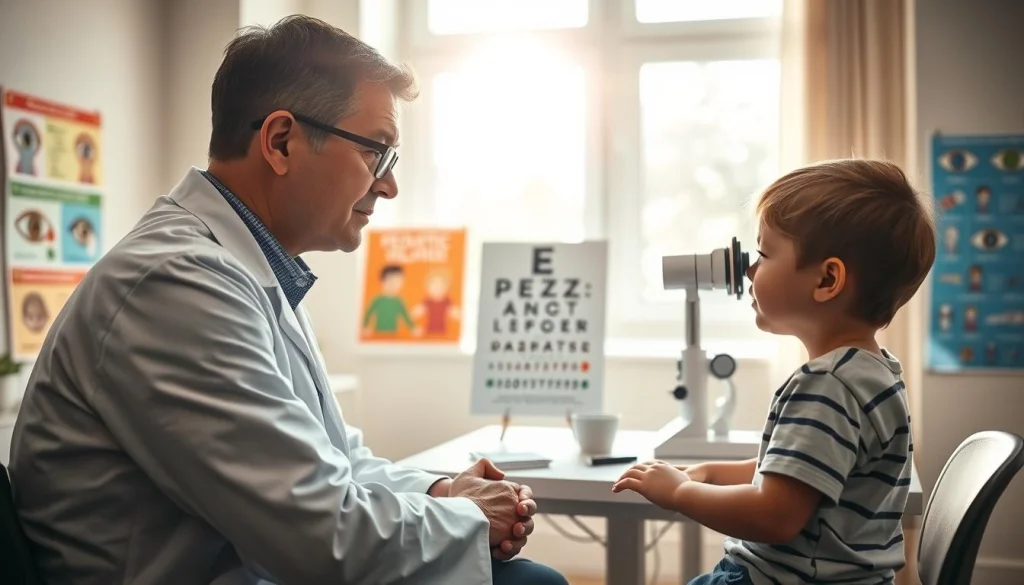
Pediatric eye diseases are more common than many might think. Studies show a significant percentage of children are affected by eye diseases. For example, refractive errors like myopia, hyperopia, and astigmatism are among the most prevalent.
Statistics reveal that about 5% to 10% of preschool-age children need vision correction or further evaluation. This highlights the critical need for early detection through regular eye exams.
Common Risk Factors
Several factors increase the risk of pediatric eye diseases. A family history of eye conditions is a significant risk factor, as many eye diseases have a genetic link. Premature birth also poses a risk, leading to issues like retinopathy of prematurity.
Other risk factors include certain medical conditions, like diabetes, which can cause diabetic retinopathy. Developmental disorders may also be associated with a higher incidence of eye problems. Identifying these risk factors is key to early detection and management of pediatric eye diseases.
- Family history of eye diseases
- Premature birth
- Certain medical conditions (e.g., diabetes)
- Developmental disorders
Understanding these risk factors and the prevalence of pediatric eye diseases is essential. Healthcare providers and parents can then work together to ensure children receive the necessary care. This protects their vision and overall eye health.
Refractive Errors in Children
Understanding refractive errors is key to keeping children’s eyes healthy. These errors happen when the eye’s shape doesn’t let light focus right on the retina. This leads to vision problems. They’re common in kids and can really affect their daily life and learning.
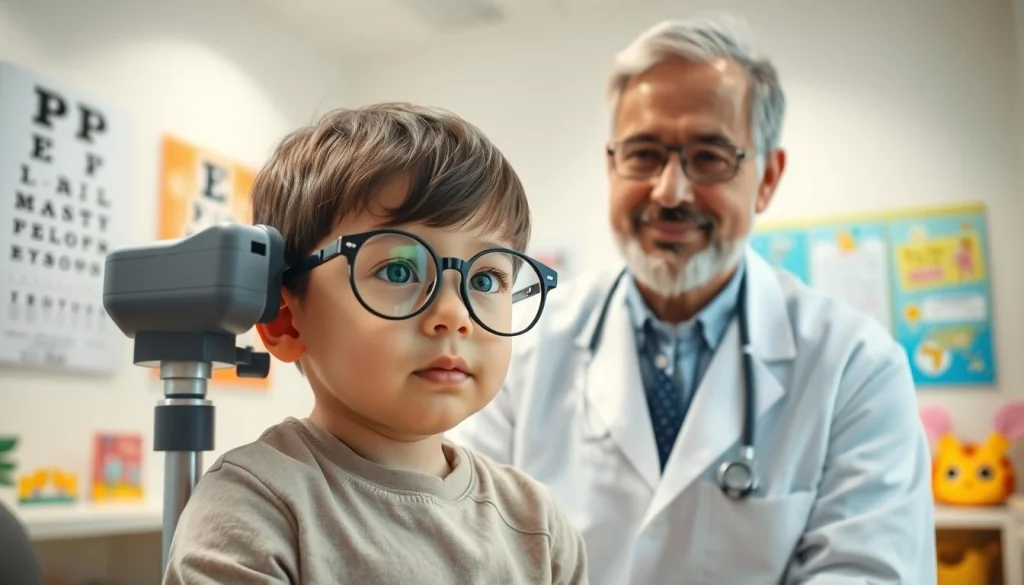
Children can have different types of refractive errors. Myopia, or nearsightedness, makes close things clear but distant ones blurry. Hyperopia, or farsightedness, lets you see far-off things better but near ones are fuzzy. Astigmatism causes blurry vision at all distances due to an irregularly shaped cornea or lens.
Myopia (Nearsightedness)
Myopia makes it hard to see things far away clearly. This is because the eyeball is too long or the cornea is too steep. It’s becoming more common in kids. With the right treatment, its progression can be slowed.
Hyperopia (Farsightedness)
Hyperopia makes it easier to see things far away but harder to see things close up. This is because the eyeball is too short or the cornea is too flat. It can cause eye strain and discomfort when doing near tasks like reading or drawing.
Astigmatism
Astigmatism is caused by an irregularly shaped cornea or lens. It leads to blurry or distorted vision at all distances. Kids with astigmatism might experience eye strain, headaches, or trouble seeing fine details. It often occurs with myopia or hyperopia, making regular eye exams vital for accurate diagnosis and treatment.
Corrective measures like glasses or contact lenses can help manage refractive errors in kids. Regular eye exams are critical to monitor the condition and adjust the treatment plan as needed. Early detection and treatment of refractive errors are essential for maintaining children’s eye health and vision.
Amblyopia (Lazy Eye)
Amblyopia, a common vision disorder, affects children and can lead to permanent vision loss if untreated. It occurs when vision development is disrupted, often due to misalignment or significant refractive error differences between the eyes.
Causes and Mechanisms
Several factors contribute to amblyopia, including strabismus (crossed eyes) and significant refractive error differences. Obstruction of vision, such as from cataracts, also plays a role.
These factors cause the brain to favor one eye over the other. This leads to underdevelopment of the weaker eye.
Signs and Symptoms
Signs of amblyopia include favoring one eye and tilting the head to see. Poor depth perception is another symptom.
Children with amblyopia might not report vision problems. Their brain adapts to rely on the stronger eye.
Treatment Options and Outcomes
Treatment for amblyopia aims to strengthen the weaker eye. This forces the brain to use it.
Options include patching the stronger eye and using atropine therapy to blur the vision in the stronger eye. Corrective eyewear also helps address refractive errors.
Early detection and treatment significantly improve outcomes. Most children achieve improved vision in the affected eye.
Strabismus (Crossed Eyes)
Strabismus, commonly known as crossed eyes, is a condition where the eyes are misaligned. This misalignment can lead to vision problems or amblyopia if not treated. The issue arises when the muscles controlling eye movement are not coordinated. As a result, the eyes point in different directions.
Understanding the causes and symptoms of strabismus is key to effective treatment. Early intervention is critical for correcting strabismus. It allows for timely treatment that can significantly improve outcomes. Treatment options include corrective glasses, vision therapy, or sometimes surgery to align the eyes properly.
Addressing strabismus early can prevent long-term vision issues. Regular eye exams are vital for detecting strabismus and other pediatric eye diseases. This ensures children receive the necessary care for optimal vision development.
FAQ Pediatric Eye Diseases
Q: What are pediatric eye diseases?
A: Pediatric eye diseases are conditions affecting children’s eyes. They can lead to vision problems or other complications.
Q: What is the importance of understanding pediatric eye diseases?
A: It’s vital to understand these diseases for early detection and treatment. This ensures children get the care they need for their eye health.
Q: What are refractive errors in children?
A: Refractive errors, like myopia, hyperopia, and astigmatism, are common in kids. They affect how children see the world.
Q: What is amblyopia, and how is it treated?
A: Amblyopia, or lazy eye, happens when vision development is disrupted. Treatment includes patching the stronger eye or using atropine to strengthen the weaker one.
Q: What is strabismus, and what are its treatment options?
A: Strabismus, or crossed eyes, means the eyes are misaligned. Treatment may include glasses, vision therapy, or surgery to align the eyes.
Q: How can pediatric eye diseases be detected early?
A: Early detection involves monitoring vision milestones and recognizing signs and symptoms. Understanding common risk factors, like family history and certain medical conditions, is also key.
Q: What are the common risk factors for pediatric eye diseases?
A: Risk factors include family history, certain medical conditions, and significant differences in refractive error between the two eyes.