Pelvic Examination During Pregnancy: Cervical Length and Dilation Evaluation
A pelvic examination is a vital part of prenatal care. It gives healthcare providers essential information about the health and progress of a pregnancy. These exams help spot any early issues. This ensures expectant mothers get the right care and guidance throughout their pregnancy. Healthcare professionals conduct detailed assessments. They offer personalized advice and interventions when needed. This helps ensure a healthier outcome for both mother and baby.
The Role of Pelvic Assessments in Prenatal Care
Pelvic assessments are vital in prenatal care, ensuring the health of both mother and fetus. They monitor pregnancy progress and spot issues early. This allows healthcare providers to intervene promptly.
Definition and Clinical Importance
Pelvic assessments examine the pelvic area, focusing on the cervix, uterus, and reproductive organs. This is key for understanding the cervix’s dilation and effacement. It also helps identify any abnormalities. The significance lies in its ability to provide vital information about the pregnancy’s status.
Evolution of Prenatal Examination Practices
Prenatal examination practices, including pelvic assessments, have seen significant changes. Advances in technology and a deeper understanding of pregnancy have led to better techniques. These improvements have enhanced the accuracy of prenatal assessments, allowing for more tailored care.
When Pelvic Examinations Are Performed Throughout Pregnancy
Pelvic examinations are vital in prenatal care, occurring at different times during pregnancy. They allow healthcare providers to monitor the health of both the mother and the fetus. This helps in identifying any issues early on.
First Trimester Examination Timeline
In the first trimester, pelvic exams are usually done at the first prenatal visit, around 8-12 weeks. This check confirms pregnancy, estimates gestational age, and looks for any abnormalities.
- Confirm pregnancy and determine gestational age
- Check for cervical abnormalities or infections
- Assess the size and position of the uterus
Second Trimester Assessment Schedule
In the second trimester, pelvic exams are done around 16-20 weeks. These exams measure cervical length and assess the risk of preterm labor.
- Measure cervical length to assess preterm labor risk
- Check for any signs of cervical dilation or effacement
Third Trimester Examination Frequency
In the third trimester, pelvic exams become more frequent, starting around 36 weeks. These exams check if the cervix is ready for labor and look for any complications.
- Assess the cervix for labor readiness
- Check for any signs of fetal distress or other complications
- Evaluate the pelvic floor for any abnormalities
Knowing when pelvic exams are scheduled can make expectant mothers feel more prepared and informed about their prenatal care.
Medical Indications for Prenatal Pelvic Assessments
The role of prenatal pelvic assessments in modern obstetrics is vital. They are essential for the health and well-being of both mother and fetus during pregnancy.
These assessments have multiple medical uses. They confirm pregnancy and evaluate the cervix. They also help identify early complications.
Pregnancy Confirmation and Dating
Pregnancy confirmation and dating are key reasons for prenatal pelvic assessments. Healthcare providers use the first pelvic exam to confirm pregnancy and estimate gestational age. They also look for any issues with fetal development.
- Confirming intrauterine pregnancy
- Estimating gestational age through uterine sizing
- Identifying any issues with fetal development
This information is critical for creating a personalized prenatal care plan. It ensures timely interventions if necessary.

Cervical Length and Dilation Evaluation
Evaluating cervical length and dilation is another important aspect of prenatal pelvic assessments. This helps monitor the risk of preterm labor and identify cervical abnormalities that could affect pregnancy outcomes.
- Measuring cervical length to assess preterm labor risk
- Evaluating cervical dilation to monitor labor progression
- Identifying cervical insufficiency or other abnormalities
By monitoring these factors closely, healthcare providers can take proactive steps. This ensures a healthier pregnancy.
Identifying Potencial Complications
Prenatal pelvic assessments are also vital for identifying complications that may arise during pregnancy. Healthcare providers can detect issues like infections, cervical lesions, or other abnormalities through careful examination and assessment.
- Detecting vaginal infections or abnormal discharge
- Identifying cervical lesions or abnormalities
- Assessing for risks associated with previous cervical surgery or trauma
Early detection of these complications allows healthcare providers to develop targeted treatment plans. This reduces the risk of adverse pregnancy outcomes.
Pelvic Examination During Pregnancy: Complete Procedure Guide
Expectant mothers often have questions about the pelvic examination procedure, which is an essential aspect of prenatal care. Understanding the steps involved can help alleviate anxiety and make the experience more comfortable.
Pre-Examination Preparation Steps
Before the pelvic examination, healthcare providers typically prepare the patient by explaining the procedure and ensuring they are comfortable. This may involve:
- Emptying the bladder to avoid discomfort during the examination
- Removing clothing as necessary to facilitate the examination
- Positioning on the examination table, usually in a semi-sitting position with feet in stirrups
These steps are critical for a smooth and effective Prenatal Care Steps process.
The Examination Process Explained
The pelvic examination itself involves several key components, including a visual examination and a manual examination. The healthcare provider will:
- Visually inspect the cervix and vagina for any abnormalities
- Perform a bimanual examination to assess the size and position of the uterus
- Check for any signs of infection or other complications
This thorough approach ensures that the healthcare provider can assess the progress of the pregnancy and identify any issues early.
Post-Examination Considerations
After the pelvic examination, patients may experience some mild discomfort or spotting, which is usually temporary. It’s essential to follow any Post-Examination Care instructions provided by the healthcare provider, such as:
- Monitoring for any signs of infection or unusual bleeding
- Resuming normal activities as advised by the healthcare provider
By understanding the pelvic examination procedure and what to expect afterward, expectant mothers can better navigate their prenatal care journey.
Instruments and Methods Used in Obstetric Pelvic Examinations
The tools and techniques in obstetric pelvic exams are key for tracking pregnancy and spotting issues early. These exams are essential for keeping an eye on the health of both mom and baby during pregnancy.
Speculum Examination Techniques
Speculum exams allow doctors to see the cervix and vagina. A speculum, a tool that opens the vaginal walls, is used. This lets the doctor check for any problems or infections.
- Types of speculums used include the Pedersen and Graves speculums.
- The choice of speculum may depend on the patient’s anatomy and the stage of pregnancy.
- Proper insertion and handling of the speculum are key to avoid discomfort.
Bimanual Palpation Approach
Bimanual palpation is when a doctor feels the abdomen with one hand and the vagina with the other. This checks the uterus and cervix size, position, and feel.
- The examiner checks cervical dilation and effacement.
- The size and position of the uterus are evaluated to confirm gestational age.
- This technique helps in identifying any abnormalities in the reproductive organs.
Digital Cervical Assessment
Digital cervical assessment is when a doctor feels the cervix with a gloved finger. It checks dilation, effacement, and the fetal head’s position.
- It provides valuable information about labor progress.
- The assessment can help identify issues that may need medical help.
- It’s a key part of prenatal care, mainly in the third trimester.
Safety and Risk Assessment of Prenatal Pelvic Examinations
Understanding the safety and risks of prenatal pelvic exams is key for informed prenatal care. These exams are vital for monitoring pregnancy health. Yet, they come with certain considerations.
Evidence-Based Safety Profile
Prenatal pelvic exams have a solid safety record, backed by extensive clinical evidence. Research indicates they are safe when done by skilled healthcare professionals. They do not significantly raise the risk of pregnancy complications.
The safety of these exams comes from strict clinical guidelines and proper techniques. Healthcare providers stick to evidence-based practices to reduce risks.
Situations Requiring Modified Approaches
Certain situations call for a modified approach to prenatal pelvic exams. For example, women with cervical incompetence or vaginal bleeding need special care.
Healthcare providers evaluate each patient’s unique situation. They choose the best examination technique to ensure safety for both mother and fetus.
When Examinations Should Be Postponed
In some cases, it’s wise to delay a prenatal pelvic exam. This is often true for active vaginal bleeding, suspected preterm labor, or infection risks.
The decision to delay is made after a thorough risk assessment. It balances the need for the exam against the risks to the pregnancy.
Managing Discomfort During Prenatal Pelvic Examinations
Reducing discomfort during pelvic exams is vital in prenatal care, making the experience better for expectant mothers. These exams are essential for tracking the health of both the mother and the fetus. They allow healthcare providers to monitor the progress and well-being of the pregnancy.
Expected Sensations vs. Abnormal Pain
Women may feel some discomfort during a prenatal pelvic exam. It’s important to tell the difference between normal sensations and pain that’s not typical. Normal sensations might include mild discomfort or pressure. On the other hand, abnormal pain is usually sharp or severe.
- Mild discomfort or pressure is normal during the examination.
- Sharp or severe pain is not typical and should be reported to the healthcare provider.
- Communicating any unusual sensations to the provider can help adjust the examination technique.
Comfort Enhancement Techniques
Several methods can improve comfort during prenatal pelvic exams. These include effective communication with the healthcare provider, relaxation techniques, and sometimes, the use of a smaller speculum.
- Breathing exercises can help relax the pelvic muscles.
- Discussing concerns or fears with the healthcare provider beforehand can reduce anxiety.
- Using a comfortable position, such as having a support person present or using a pillow, can also help.
Urgent Situations Requiring Unscheduled Pelvic Assessments
Certain urgent situations during pregnancy necessitate prompt evaluation through unscheduled pelvic examinations. These assessments are critical in identifying potentially life-threatening complications. They impact the health of both the mother and the fetus.
Evaluating Vaginal Bleeding in Pregnancy
Vaginal bleeding during pregnancy is a concerning symptom that requires immediate evaluation. The causes can range from benign implantation bleeding to more serious conditions. These include placenta previa or placental abruption. An unscheduled pelvic assessment can help determine the cause of bleeding. It guides further management.
Assessing Preterm Labor Symptoms
Preterm labor symptoms, such as regular uterine contractions leading to cervical dilation before 37 weeks of gestation, necessitate urgent evaluation. Unscheduled pelvic assessments are critical in assessing cervical dilation and effacement. They determine the risk of preterm birth and implement appropriate interventions.
Investigating Abnormal Discharge or Infection
Abnormal vaginal discharge or signs of infection during pregnancy can be indicative of underlying conditions. These conditions may affect pregnancy outcomes. Unscheduled pelvic assessments allow for the evaluation of discharge characteristics. They also enable the collection of samples for further analysis. This is to diagnose and treat infections promptly.
Psychological and Emotional Aspects of Prenatal Examinations
Prenatal exams are vital in pregnancy care but can cause anxiety for expectant mothers. The emotional and psychological effects of these exams are significant. They greatly influence the overall prenatal care experience.
Addressing Anxiety and Apprehension
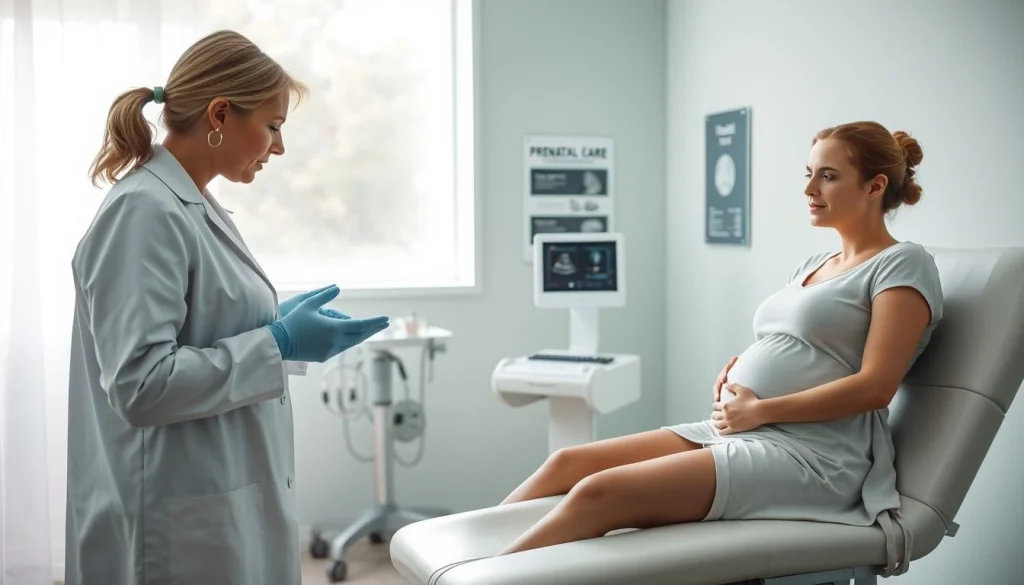
Anxiety and apprehension are common among pregnant women during prenatal exams. Healthcare providers can ease these feelings by creating a supportive atmosphere. They should explain the exam process and address any concerns the patient has.
Techniques like deep breathing, relaxation, and open communication can also help manage anxiety.
Effective Provider-Patient Communication
Effective communication between healthcare providers and patients is key to making prenatal exams comfortable. Providers should clearly explain the exam’s purpose and process. They should also listen to the patient’s concerns and be sensitive to their needs.
This open and empathetic communication builds trust. It can significantly reduce anxiety and discomfort during prenatal exams.
Patient Rights and Informed Consent for Pelvic Examinations
Knowing your rights as a patient is key when facing pelvic examinations during pregnancy. These exams are a common part of prenatal care. Being aware of your rights can greatly impact your experience.
Understanding Your Examination Rights
Patients have specific rights regarding pelvic examinations, including the right to informed consent. This means you have the right to be fully informed about the examination. This includes its purpose, the procedure, and any risks or benefits.
- You have the right to refuse or consent to a pelvic examination at any time.
- You are entitled to a clear explanation of the examination and its purpose.
- You have the right to have a chaperone present during the examination if you so desire.
Questions to Ask Before Your Examination
To ensure you are fully informed, consider asking your healthcare provider the following questions before your pelvic examination:
- What is the purpose of this pelvic examination?
- What will the examination entail?
- Are there any potentially risky complications associated with the examination?
By being informed and asking the right questions, you can ensure your pelvic examination respects your rights. This promotes your comfort and well-being.
Cultural Sensitivity and Personal Preferences
Cultural sensitivity is essential in prenatal care, most noticeably during pelvic exams. Healthcare providers must grasp the varied cultural backgrounds and personal preferences of their patients. This ensures respectful and effective care is delivered.
Culturally Competent Examination Practices
Culturally competent care requires understanding and respecting cultural differences that affect patient comfort and compliance. It’s about being sensitive to modesty concerns, using appropriate language, and knowing cultural practices that influence prenatal care. For instance, some cultures have specific rituals or preferences during pregnancy that should be respected during exams.
Accommodating Individual Needs and Concerns
Meeting individual needs and concerns is vital for patient-centered care. This means discussing patient preferences, addressing anxieties, and adjusting exam techniques as necessary. Such actions improve patient comfort and trust, leading to superior prenatal care outcomes.
Effective communication is critical for understanding and fulfilling patient needs. By being receptive to feedback and concerns, healthcare providers can customize their care. This respects the personal preferences and cultural backgrounds of their patients.
Differences Between Pregnant and Non-Pregnant Pelvic Examinations
Pelvic exams for pregnant women are distinct from those for non-pregnant individuals. This is due to the body’s changes during pregnancy. These adaptations are essential for the safety and comfort of both the mother and her fetus.
Anatomical and Physiological Considerations
Pregnancy brings about significant changes in the pelvic area. These include:
- Increased blood flow and vascularity
- Relaxation of pelvic ligaments and joints
- Changes in cervical mucus and dilation
- Potential for cervical effacement
Healthcare providers must be cautious and gentle during these exams. This is to prevent discomfort or complications.
Modified Techniques for Pregnant Patients
Healthcare providers adjust their methods for pelvic exams during pregnancy. These adjustments include:
- Gentle speculum examination to avoid causing unnecessary discomfort or bleeding
- Careful bimanual examination to assess fetal and uterine size without applying undue pressure
- Digital cervical assessment that takes into account the cervical dilation or effacement
These adapted techniques ensure pelvic exams during pregnancy are safe and informative. They provide valuable insights into the health and progress of the pregnancy.
Alternative and Complementary Assessment Methods
Beyond the traditional pelvic exam, alternative and complementary assessment methods offer a more detailed view of pregnancy. They enrich the prenatal care experience by providing insights into fetal development and maternal health. This approach ensures a more complete understanding of the pregnancy journey.
Ultrasound Evaluation Benefits
Ultrasound evaluation is a key alternative method that offers detailed images of the fetus and placenta. It allows healthcare providers to track fetal growth, spot any abnormalities, and check amniotic fluid levels. The advantages of ultrasound include:
- Non-invasive and safe for both mother and fetus
- Provides real-time images for accurate assessments
- Helps in identifying early signs of complications
Non-Invasive Monitoring Options
Non-invasive monitoring options are gaining popularity for their comfort and safety. They include:
- Fetal heart rate monitoring to assess fetal well-being
- Maternal blood pressure monitoring to detect hypertension
- Urine analysis to check for proteinuria or other abnormalities
These methods complement traditional pelvic examinations, ensuring a holistic approach to prenatal care.
Navigating Your Pregnancy Journey with Confidence
Understanding the role of pelvic examinations in prenatal care is essential for a healthy pregnancy. Being informed about these procedures and their purposes helps expectant mothers build confidence in their healthcare providers. It also makes them feel more in control of their pregnancy.
Prenatal care is vital for monitoring the health of both mother and baby. Regular pelvic examinations are key, allowing healthcare providers to track pregnancy progress and spot any complications early. This proactive approach is critical for a healthy pregnancy.
By engaging in prenatal care and understanding pelvic examinations, women can boost their confidence. This knowledge empowers them to ask informed questions, address concerns, and make informed decisions. It leads to a more positive pregnancy journey.
As expectant mothers navigate their pregnancy, prioritizing prenatal care and maintaining open communication with healthcare providers is essential. This approach ensures the best outcomes for both mother and baby. It lays a strong foundation for a healthy and confident start to parenthood.
FAQ About Pelvic Examination During Pregnancy
Q: What is a pelvic examination during pregnancy?
A: A pelvic examination during pregnancy is a medical procedure. It’s done by a healthcare provider to check reproductive health and pregnancy progress. The provider visually examines the cervix, vagina, and uterus. They also perform a manual check of the uterus and cervix size and position.
Q: Are pelvic examinations during pregnancy painful?
A: Pelvic examinations are generally not painful. Yet, they might cause some discomfort. The discomfort level varies based on individual tolerance and the healthcare provider’s techniques.
Q: How often are pelvic examinations performed during pregnancy?
A: The frequency of pelvic examinations varies. It depends on individual circumstances, like complications or pregnancy concerns. Typically, they’re done at the first prenatal visit, around 36 weeks, and at labor onset.
Q: Can I refuse a pelvic examination during pregnancy?
A: Yes, patients can refuse a pelvic examination or any medical procedure. It’s important to discuss concerns or questions with your healthcare provider. This helps understand the implications of refusing the examination.
Q: What are the benefits of pelvic examinations during pregnancy?
A: Pelvic examinations provide valuable information about pregnancy health and progress. They help healthcare providers identify early complications or concerns. This enables timely interventions, improving pregnancy outcomes.
Q: Are there any risks associated with pelvic examinations during pregnancy?
A: Pelvic examinations are generally safe when done by a trained healthcare provider. Yet, there’s a small risk of infection or complications if sterile techniques are not followed.
Q: Can I request a female healthcare provider to perform the pelvic examination?
A: Yes, patients can request a female healthcare provider. This request should be respected whenever possible.
Q: How can I prepare for a pelvic examination during pregnancy?
A: To prepare, discuss concerns or questions with your healthcare provider. Empty your bladder before the examination. Be ready to provide a medical history.
Q: What should I expect during a pelvic examination?
A: During a pelvic examination, the healthcare provider will visually examine the cervix and vagina. They will then manually check the uterus and cervix size and position. The examination is usually done in a stirrups or lithotomy position.
Q: Can pelvic examinations detect pregnancy complications?
A: Yes, pelvic examinations can detect pregnancy complications. They can identify cervical dilation or effacement, indicating preterm labor or other issues.