Polio (Poliomyelitis): What Is Polio (Poliomyelitis)?
Polio, a highly contagious viral disease, can cause lifelong paralysis. It spreads mainly through the fecal-oral route. Poor hygiene and contaminated food or water are key factors. Understanding the risks and consequences of Polio is vital for public health. Historically, it has caused widespread outbreaks. These have resulted in significant morbidity and mortality globally. Efforts to eradicate Polio have been ongoing. Vaccination is a key strategy. By examining the facts and current status of Polio, we can better appreciate the importance of continued public health initiatives.
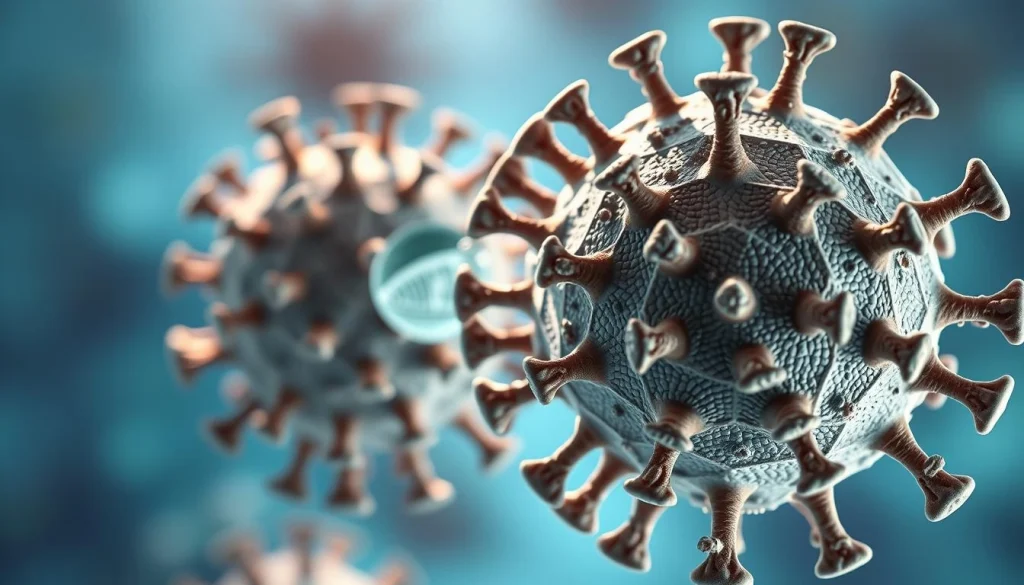
Polio, or poliomyelitis, has a complex history and remains a critical global health concern. It is caused by the poliovirus, a highly infectious agent. This virus can lead to severe consequences, including paralysis and death.
Definition and Medical Classification
Polio is classified as a viral infection affecting the nervous system. It is divided into three main types: PV1, PV2, and PV3, with PV1 being the most virulent. Diagnosis involves clinical evaluation and laboratory tests to detect the virus.
Symptoms of polio range from mild, flu-like symptoms to severe manifestations. These include muscle weakness, paralysis, and respiratory failure. Understanding these symptoms is key for early detection and management.
Global Significance as a Public Health Concern
Polio is a significant public health concern globally. It has the power to cause widespread outbreaks and severe disability. Despite eradication efforts, it continues to affect communities worldwide, mainly in areas with low vaccination coverage.
The global response to polio includes vaccination campaigns, surveillance, and public health initiatives. These efforts aim to eradicate the disease. The importance of polio as a public health issue highlights the need for continued investment in these initiatives. This is to protect vulnerable populations and ultimately eliminate the disease.
Historical Perspective of Polio
Polio, or Poliomyelitis, has a long history, with evidence dating back to ancient Egypt. It wasn’t until the late 19th and early 20th centuries that it became a major public health issue. Major outbreaks then occurred in the United States and Europe.
The introduction of vaccines marked a significant shift in the fight against Polio. Dr. Jonas Salk developed the inactivated poliovirus vaccine in the 1950s. Dr. Albert Sabin followed with the oral poliovirus vaccine in the 1960s. These vaccines have been key in controlling the disease’s spread. They have been tested extensively and are now used worldwide.
The global push to eradicate Polio has seen significant progress. The number of cases has plummeted with the launch of widespread vaccination campaigns. The World Health Organization (WHO) and other global health bodies are committed to eradicating Polio. They focus on vaccinating children in endemic areas and responding to outbreaks.
FAQ About Polio (Poliomyelitis)
Q: What is Polio (Poliomyelitis)?
A: Polio, or Poliomyelitis, is a viral disease that can cause lifelong paralysis. It’s caused by the poliovirus, which spreads easily. This can happen through contaminated food, water, or direct contact with someone who’s infected.
Q: How is Polio transmitted?
A: Polio mainly spreads through the fecal-oral route. This means the virus is ingested through contaminated food or water, or by touching an infected person’s feces. Poor hygiene and sanitation also play a role in its spread.
Q: What are the symptoms of Polio?
A: Symptoms of Polio vary from mild to severe. They can include fever, headache, sore throat, and vomiting. In severe cases, Polio can cause permanent paralysis, leading to lifelong disability.
Q: Is there a cure for Polio?
A: There’s no cure for Polio, but it can be prevented with vaccination. The inactivated poliovirus vaccine (IPV) and oral poliovirus vaccine (OPV) are very effective in stopping the disease.
Q: How can Polio be prevented?
A: Preventing Polio involves vaccination, good hygiene, and sanitation. Vaccinating children against Polio and practicing regular handwashing are key. These actions help stop the disease from spreading.
Q: What is the global status of Polio eradication efforts?
A: Despite progress, Polio remains a concern in some countries. Global health efforts, along with those from governments and healthcare professionals, aim to eradicate Polio completely.