Pregnancy Symptoms: A Comprehensive Overview
Expecting mothers often wonder about the early signs that indicate a pregnancy. Recognizing these signs is key for monitoring health and ensuring a smooth journey. Various physical and emotional changes can signal the onset of pregnancy. Understanding these changes helps women take necessary steps to care for their health. By being aware of the common symptoms associated with pregnancy, women can better prepare themselves for the journey ahead.
The First Signs of Pregnancy
Pregnancy’s initial signs can be quite subtle, making it vital to know what to look for. Each woman’s journey is unique, yet there are common indicators that may hint at pregnancy.
Missed Period and Its Significance
A missed period is often seen as a key early sign of pregnancy. Yet, it’s not always a definitive indicator due to various factors. These can include irregular menstrual cycles, stress, hormonal imbalances, or certain medical conditions. A missed period might prompt a woman to take a pregnancy test. It’s important to note that other factors can also lead to a missed period.
Implantation Bleeding vs. Normal Menstruation
Implantation bleeding happens when a fertilized egg attaches to the uterine lining, causing light bleeding or spotting. This can be mistaken for a light period. Unlike regular menstruation, implantation bleeding is typically lighter and shorter. Understanding this difference can help women identify possible pregnancy earlier.
Early Hormonal Changes
Early pregnancy brings about hormonal changes that can cause a variety of symptoms. These include mood swings, breast tenderness, and fatigue. These symptoms are triggered by the increase in human chorionic gonadotropin (hCG) and estrogen levels. Recognizing these signs can help women suspect pregnancy before a missed period or a positive test.
Pregnancy Symptoms: A Comprehensive Overview
Pregnancy symptoms vary greatly among women. Some may experience mild discomforts, while others face more severe issues. It’s vital to understand these symptoms to manage them effectively.
Morning Sickness and Nausea
Morning sickness is a common symptom, characterized by nausea and vomiting. It can occur at any time, not just in the morning. Hormonal changes are believed to cause it, though the exact reason remains unknown.
- Nausea can be triggered by certain smells or tastes.
- Eating small, frequent meals can help alleviate symptoms.
- Staying hydrated is key to prevent dehydration.
Breast Changes and Tenderness
Breast tenderness and changes are early signs of pregnancy. Hormonal fluctuations cause the breasts to swell, become tender, and sometimes painful.
Fatigue and Exhaustion
Fatigue is a hallmark symptom of pregnancy, most pronounced in the first trimester. It’s caused by hormonal changes and increased blood volume.
Energy Conservation Strategies
To manage fatigue, conserving energy is essential. This can be achieved by:
- Prioritizing tasks and breaking them down into manageable chunks.
- Taking regular breaks to rest.
- Engaging in gentle exercises, like walking, to boost energy levels.
When Fatigue May Indicate Other Issues
While fatigue is normal, extreme exhaustion can sometimes indicate underlying issues such as anemia or thyroid problems. It’s critical to discuss persistent fatigue with a healthcare provider.
When Do Pregnancy Symptoms Typically Begin?
Understanding when pregnancy symptoms start can prepare women for the journey ahead. Symptoms can begin as early as a week post-conception. Yet, the timing and intensity vary widely among women.
Timeline of Early Symptoms
Early pregnancy symptoms often appear within the first few weeks post-conception. Common symptoms emerge around the missed period, typically at 4-6 weeks of pregnancy.
- Implantation bleeding or spotting: 6-12 days after conception
- Mood swings and fatigue: 1-2 weeks after conception
- Nausea and breast tenderness: 2-4 weeks after conception
Individual Variations in Symptom Onset
The onset of pregnancy symptoms varies significantly among women. Some may notice symptoms early, while others might not feel anything until later.
Factors Affecting Symptom Intensity
Several factors can influence the intensity of pregnancy symptoms. These include hormonal changes, sensitivity to these changes, and overall health.
- Hormonal fluctuations: The increase in estrogen and progesterone levels can cause various symptoms.
- Sensitivity to hormonal changes: Women may react differently to the same hormonal shifts.
- Overall health and lifestyle: Pre-existing health conditions and lifestyle choices can impact symptom severity.
First Trimester Symptoms
The first trimester is a time of significant change in the body. It brings a unique set of symptoms that expectant mothers should be aware of. These symptoms are key to navigating this critical period.
Weeks 1-4 Common Experiences
In the first four weeks, spotting or implantation bleeding might occur. This can be mistaken for a light period. Women also often experience breast tenderness and fatigue.
- Mild cramping
- Spotting or light bleeding
- Breast tenderness
Weeks 5-8 Physical Changes
As pregnancy advances to weeks 5-8, symptoms can become more pronounced. Morning sickness and nausea become more common. Increased urination is also a symptom due to hormonal changes.

Weeks 9-13 Developments
By weeks 9-13, the body continues to adapt. Hormonal stabilization begins, and some symptoms may start to ease.
Hormonal Stabilization Signs
Signs of hormonal stabilization include a decrease in morning sickness for some. Women may also feel a general sense of well-being.
Physical Adaptations
Physical adaptations during this period include noticeable weight gain. Breast changes also occur in preparation for lactation.
- Noticeable weight gain
- Further breast changes
- Continued fatigue
The first trimester is marked by significant hormonal and physical changes. Understanding these changes is essential for preparing for the months ahead.
Second Trimester Symptoms
As pregnancy advances into the second trimester, women often feel a mix of relief and new sensations. This period, from week 14 to week 27, is marked by significant physical developments and body changes.
Weeks 14-17 Body Changes
Between weeks 14 to 17, the body undergoes more noticeable changes. The uterus expands, and the skin on the abdomen stretches. Women may notice a visible baby bump and experience linea nigra, a dark line from the pubic bone to the navel.
Weeks 18-22 New Sensations
Between weeks 18 and 22, many women feel the baby’s movements, described as fluttering or kicking. This period also sees changes in body image as pregnancy becomes more evident.
Baby Movement and Kicks
The sensation of the baby moving inside the womb is thrilling. Initially, these movements might feel like gentle flutters, but they grow stronger over time.
Body Image Changes
As the belly grows, women may see changes in their body image. This includes stretch marks, weight gain, and a shift in their center of gravity. These changes affect posture and mobility.
Weeks 23-27 Physical Developments
In the final stretch of the second trimester (weeks 23-27), physical developments become even more pronounced. The baby’s movements grow stronger, and the body continues to adapt to the growing fetus.
The second trimester is a time of significant growth and change. Understanding these changes helps expectant mothers navigate this phase with greater ease and confidence.
Third Trimester Symptoms
As the due date nears, women face a variety of symptoms in the third trimester. This stage, from week 28 to week 40, brings significant physical challenges. It’s a time of intense preparation for the baby’s birth.
Weeks 28-31 Physical Challenges
In weeks 28-31, the growing fetus puts pressure on the lower back and pelvis. Symptoms include shortness of breath and frequent urination. The expanding uterus presses against the ribcage, and the baby’s head on the bladder causes these issues.
Weeks 32-36 Preparation Signs
From weeks 32-36, the body gears up for labor. Women may feel Braxton Hicks contractions more often. These contractions are a rehearsal for the real thing during labor.
Braxton Hicks Contractions
Braxton Hicks contractions are mild and feel like menstrual cramps. They’re a normal pregnancy occurrence. They help the uterus get ready for labor.
Weeks 37-40 Pre-Labor Symptoms
In the last weeks (37-40), women may feel pre-labor symptoms. Lightening, or the baby dropping, is a common sign. It shows the body is getting ready for labor.
Lightening and Engagement
Lightening is when the baby’s head moves down into the pelvis. This process, known as engagement, can make breathing easier. Yet, it also increases pressure on the pelvis and bladder.
Knowing about third-trimester symptoms helps expectant mothers prepare for their baby’s arrival. It also helps them tell normal pregnancy progression from possible complications.
Digestive System Changes During Pregnancy
Expectant mothers often face various digestive changes that can affect their comfort and well-being. These changes stem from hormonal shifts and the physical pressure of the growing fetus.
Heartburn and Acid Reflux
Heartburn and acid reflux are common complaints in later pregnancy stages. The hormone progesterone relaxes digestive tract muscles. This allows stomach acid to flow back up into the esophagus, causing discomfort.
Constipation and Hemorrhoids
Constipation is another prevalent issue, often worsened by iron supplements and slowed digestion due to progesterone. This can lead to the development of hemorrhoids, swollen veins in the rectal area.
Food Aversions and Cravings
Pregnancy also brings about strong food aversions and cravings, influenced by hormonal changes. The exact cause is not fully understood. It’s believed these cravings may be related to nutritional deficiencies or hormonal fluctuations.
Common Food Triggers
Some foods are more likely to trigger aversions or cravings. Common culprits include spicy or fatty foods, which can worsen heartburn. Certain smells or tastes may also induce nausea.
Nutritional Implications
It’s vital for pregnant women to maintain a balanced diet despite these challenges. Managing food aversions and cravings through nutritional adjustments can help ensure both mother and fetus receive necessary nutrients.
Urinary System Symptoms
The urinary system undergoes significant changes during pregnancy, leading to various symptoms. These changes are mainly due to hormonal fluctuations and the physical pressure exerted by the expanding uterus.
Frequent Urination Causes
Frequent urination is a common symptom of the urinary system during pregnancy. Several factors contribute to this symptom:
- Increased blood volume, leading to more fluid being processed by the kidneys.
- The expanding uterus puts pressure on the bladder.
- Hormonal changes that affect bladder control.
Urinary Tract Infections During Pregnancy
Pregnant women are more prone to urinary tract infections (UTIs) due to urinary system changes. UTIs can cause discomfort and potentially lead to more serious complications if not treated promptly.
Pelvic Floor Changes
Pelvic floor muscles support the bladder, uterus, and bowel. During pregnancy, these muscles can become weakened, leading to issues like incontinence. Strengthening these muscles through exercises can help mitigate such problems.
Skin, Hair, and Nail Changes
As pregnancy advances, women often see notable changes in their skin, hair, and nails. These shifts are mainly due to hormonal fluctuations and increased blood flow.
Pregnancy Glow and Skin Pigmentation
The “pregnancy glow” is a common phenomenon attributed to increased blood flow and hormonal changes. Yet, some women may experience skin darkening or pigmentation changes.
Melasma (Mask of Pregnancy)
Melasma, also known as the “mask of pregnancy,” is a condition characterized by patches of discoloration on the face. It is more common in women with darker skin tones.
Linea Nigra Development
The linea nigra is a dark line that runs from the navel to the pubic bone, appearing in many pregnancies. It typically fades after childbirth.
Hair Growth and Texture Changes
Pregnancy can lead to changes in hair growth and texture. Some women experience thicker, fuller hair due to increased hormone levels.
- Increased hair growth rate
- Changes in hair texture (e.g., curlier or straighter)
- Reduced hair shedding
Nail Growth and Strength
Hormonal changes during pregnancy can also affect nail health, leading to faster growth and changes in nail strength.
Emotional and Psychological Pregnancy Symptoms
Pregnancy is more than just a physical change; it’s a profound emotional and psychological journey. Hormonal shifts during pregnancy can deeply affect a woman’s emotional state. This leads to symptoms that are as significant as the physical changes.
Mood Swings and Hormonal Influences
Mood swings are a common emotional symptom in pregnancy. The rapid hormonal changes, mainly the rise in estrogen and progesterone, impact brain neurotransmitters. This can cause irritability, anxiety, and sadness.
Anxiety and Depression During Pregnancy
Some women face more intense emotional challenges, like anxiety and depression. These conditions can be triggered or worsened by hormonal shifts and the significant life changes pregnancy brings.
Coping Strategies for Emotional Changes
It’s essential to manage emotional and psychological symptoms during pregnancy for the well-being of both mother and baby. Effective coping strategies include:
- Seeking support from loved ones and healthcare providers
- Engaging in self-care practices like meditation and yoga
- Maintaining a healthy lifestyle through diet and exercise
Support Systems
A strong support system is key for managing pregnancy’s emotional aspects. This includes family, friends, support groups, and professional counseling.
Self-Care Practices
Self-care is essential, not just a luxury, during pregnancy. Activities that promote relaxation and reduce stress, such as reading, taking warm baths, or practicing mindfulness, can greatly enhance emotional well-being.
Distinguishing Pregnancy Symptoms from Other Conditions
Pregnancy symptoms can often be mistaken for other medical conditions. It’s critical to know the differences. Women may confuse symptoms of pregnancy with those of premenstrual syndrome (PMS), illnesses, or other health issues. This confusion can make it hard to determine if they are pregnant.
PMS vs. Early Pregnancy
Many women confuse PMS symptoms with those of early pregnancy. Both can cause mood swings, breast tenderness, and fatigue. Yet, there are distinct differences. For example, implantation bleeding, a sign of pregnancy, is not seen in PMS.
Illness Symptoms That Mimic Pregnancy
Certain illnesses can mimic pregnancy symptoms like nausea, fatigue, and changes in appetite. For instance, stomach problems or infections can cause nausea and vomiting. These are also symptoms of early pregnancy. It’s important to understand these similarities to make an accurate self-diagnosis.
When to Consider Other Medical Causes
If symptoms don’t go away or are severe, other medical causes should be considered. Severe abdominal pain or heavy bleeding might not be related to pregnancy. It could be something like an ectopic pregnancy or a stomach issue. In such cases, seeing a healthcare provider is key to figuring out the cause and getting the right treatment.
When to Consult a Healthcare Provider
Knowing when to seek medical help is vital for a healthy pregnancy. Pregnancy is a complex process. Being aware of signs needing medical attention ensures the well-being of both mother and baby.
Concerning Symptoms That Require Immediate Attention
Certain symptoms during pregnancy demand immediate medical evaluation. These include severe abdominal pain, vaginal bleeding, and sudden severe headache. Recognizing these symptoms early can be lifesaving.
- Severe abdominal pain or cramping
- Vaginal bleeding or spotting
- Sudden severe headache or vision changes
Regular Check-up Schedule During Pregnancy
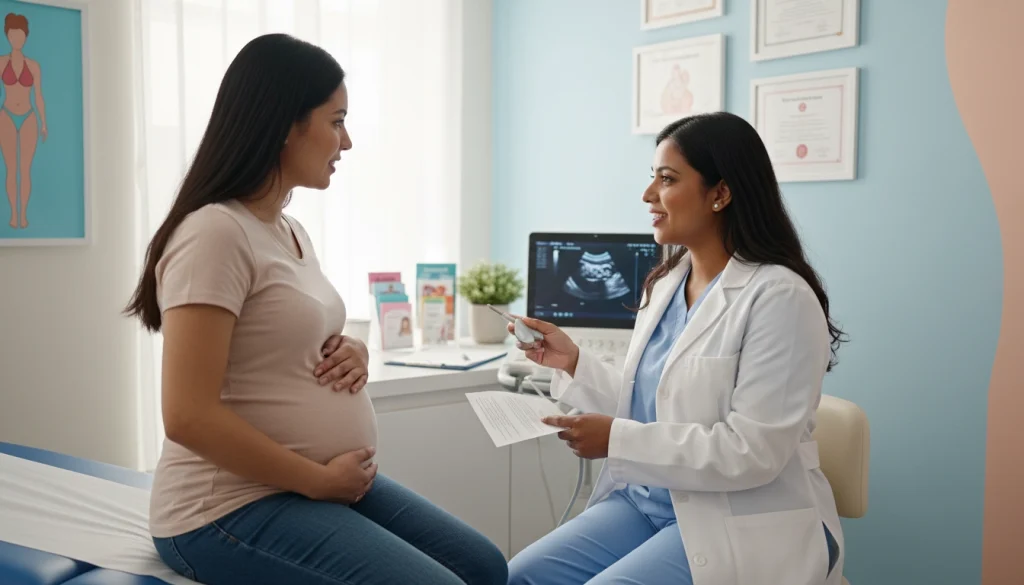
Regular prenatal check-ups are essential for monitoring the health of the mother and the baby. These visits occur monthly until the 28th week. Then, they become more frequent as the due date approaches.
Communicating Effectively About Your Symptoms
Effective communication with your healthcare provider is key to a healthy pregnancy. Keeping a symptom journal can help track any changes or concerns. This makes it easier to discuss them during your appointments.
Managing Common Pregnancy Symptoms
Expectant mothers can alleviate common pregnancy symptoms with the right strategies. Effective management of these symptoms can significantly improve the overall pregnancy experience.
Natural Remedies for Morning Sickness
Morning sickness is one of the most common symptoms of pregnancy. Natural remedies such as ginger tea, vitamin B6 supplements, and acupressure bands can provide relief. Eating small, frequent meals and avoiding strong-smelling foods can also help manage nausea.
Relieving Back Pain and Discomfort
Back pain is another frequent complaint during pregnancy. Maintaining good posture, engaging in gentle exercises like prenatal yoga, and wearing supportive shoes can help alleviate back pain. Using a pregnancy support belt can also provide additional comfort.
Sleep Strategies for Pregnant Women
Sleep can become challenging as pregnancy advances. Establishing a bedtime routine, creating a comfortable sleep environment, and practicing relaxation techniques can improve sleep quality.
Optimal Sleeping Positions
Sleeping on the side, preferably the left side, is recommended as it improves blood flow to the placenta. Using pillows between the knees and under the belly can add comfort.
Creating a Comfortable Sleep Environment
Ensuring the bedroom is cool, dark, and quiet can enhance sleep. Investing in a comfortable mattress and using blackout curtains or a white noise machine if necessary can help create an ideal sleep environment.
Pregnancy Symptoms That May Indicate Complications
It’s vital to grasp the subtleties of pregnancy symptoms to spot complications early. While many symptoms are typical and expected, others signal serious issues needing immediate medical care. Pregnant women must recognize these warning signs to safeguard their health and that of their baby.
Spotting and Bleeding Concerns
Spotting or bleeding during pregnancy can be distressing and often signals complications. Though some spotting is normal, like during implantation, heavy bleeding or pain should prompt an immediate call to a healthcare provider.
Severe Abdominal Pain
Severe abdominal pain is a symptom that demands immediate attention. It can point to several complications, such as ectopic pregnancy or placental abruption. Women experiencing sudden, severe pain should seek medical help without delay.
Preeclampsia Warning Signs
Preeclampsia is a pregnancy complication marked by high blood pressure and significant protein in the urine. Symptoms include severe headaches, vision changes, and abdominal pain. It’s critical to recognize these signs to manage the condition effectively.
Risk Factors
- History of preeclampsia in a previous pregnancy
- First pregnancy
- Multiple pregnancy (twins or more)
- Family history of preeclampsia
Monitoring Guidelines
Regular prenatal check-ups are essential for monitoring blood pressure and catching early signs of preeclampsia. Pregnant women should keep their scheduled appointments and inform their healthcare provider of any concerning symptoms.
Gestational Diabetes Symptoms
Gestational diabetes occurs when the body produces less insulin during pregnancy, causing high blood sugar levels. Symptoms include increased thirst and urination, fatigue, and blurred vision. Recognizing these symptoms is key to early detection and management.
Less Common Pregnancy Symptoms
Every pregnancy is unique, with women experiencing a variety of symptoms. While morning sickness is well-known, some women face unusual symptoms that affect their daily lives. These symptoms can be just as impactful.
Metallic Taste in Mouth
Some pregnant women notice a metallic taste, linked to hormonal changes. This symptom is often most bothersome in the first trimester.
Nasal Congestion and Nosebleeds
Pregnancy hormones can cause nasal congestion and increase the risk of nosebleeds. Using saline nasal sprays can help manage these symptoms.
Carpal Tunnel Syndrome
Fluid retention and swelling can lead to carpal tunnel syndrome, causing numbness or tingling in the hands. Wearing wrist splints can offer relief.
Vision Changes
Some women experience vision changes during pregnancy, such as dry eyes or slight changes in prescription. These effects are usually temporary.
- Metallic taste can be managed with good oral hygiene.
- Nasal congestion can be relieved with humidifiers.
- Carpal tunnel symptoms can be eased with wrist exercises.
- Vision changes typically resolve postpartum.
Understanding these less common pregnancy symptoms can help women navigate their journey more effectively. If any symptoms cause significant discomfort, consulting a healthcare provider is recommended.
Embracing Your Pregnancy Journey: Beyond the Physical Signs
Pregnancy is more than just physical symptoms. It’s a journey filled with emotional, psychological, and social changes. These aspects are just as significant as the physical ones.
Understanding and embracing these aspects can make the pregnancy experience richer. It prepares women for motherhood and beyond. By acknowledging the complexities, women can better cope with challenges and celebrate milestones.
As you move through your Pregnancy Journey, remember that every experience is unique. Pregnancy Symptoms vary greatly from one woman to another. Being aware of these differences helps create a more supportive and inclusive community.
Embracing your Pregnancy Journey means being open to all changes. Physical, emotional, and psychological. By doing so, you can have a more positive and empowering experience.
FAQ
Q: What are the earliest signs of pregnancy?
A: Early signs of pregnancy include a missed period and implantation bleeding. Hormonal changes can also cause mood swings, breast tenderness, and fatigue.
Q: How soon can I experience pregnancy symptoms?
A: Symptoms can start as early as a week after conception. But, timing varies among women. Some notice symptoms before a missed period, while others may not feel anything until several weeks.
Q: What is morning sickness, and how can it be managed?
A: Morning sickness is nausea and vomiting common in pregnancy. Manage it with small meals, avoiding trigger foods, and ginger or vitamin B6 supplements.
Q: Are there any less common pregnancy symptoms I should be aware of?
A: Yes, symptoms like a metallic taste, nasal congestion, and vision changes are less common. They’re caused by hormonal changes and increased blood volume.
Q: How can I distinguish between normal pregnancy symptoms and potentially serious complications?
A: Most symptoms are normal, but severe pain, heavy bleeding, or preeclampsia symptoms need immediate care. Regular check-ups help monitor pregnancy and spot issues early.
Q: What are some effective ways to manage common pregnancy symptoms like back pain and fatigue?
A: Manage back pain and fatigue with good posture, gentle exercise, and relaxation. Rest is key. A supportive pillow or maternity belt can also help with back pain.
Q: Can pregnancy symptoms indicate other underlying medical conditions?
A: Yes, some symptoms can be similar to other health issues. Fatigue and mood swings might signal thyroid disorders or other conditions. Always consult a healthcare provider for unusual or severe symptoms.
Q: How can I cope with emotional changes during pregnancy?
A: Build a support system and practice self-care to cope with emotional changes. Stress-reducing activities like meditation or yoga help. Open communication with healthcare providers and loved ones is also beneficial.