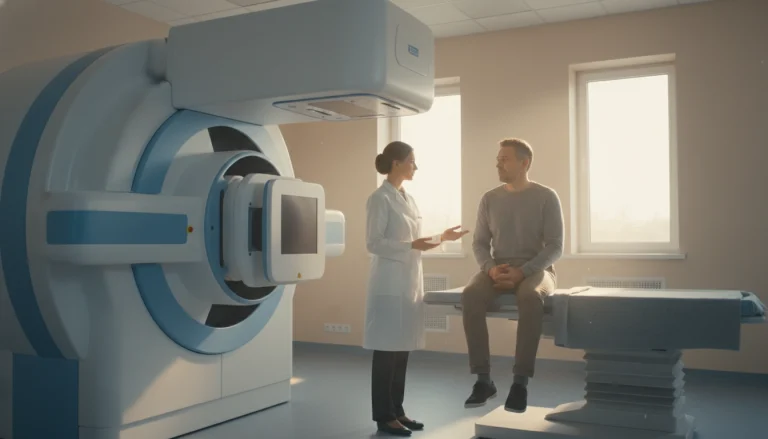
Robotic Bypass Surgery (Minimally Invasive CABG): Smaller Scars, Faster Recovery
Heart bypass surgery can seem scary to many. But, thanks to new tech, robotic bypass surgery is here. It’s a new way to do heart surgery that leaves smaller scars and helps you heal faster than old methods. Robotic systems help surgeons do their job better. This means less pain for you after surgery and a quicker time to get back to life as usual. Robotic bypass surgery is making a big difference in how we treat heart problems.
What is Robotic Bypass Surgery?
Robotic bypass surgery, also known as robotic-assisted CABG, is changing cardiac surgery. It offers a safer, more precise option for patients. This surgery uses advanced robotic systems for coronary artery bypass grafting.
The use of robotic-assisted surgery in cardiothoracic surgery is a big step forward. It leads to less invasive procedures. Surgeons can now do complex bypass surgeries with better precision, smaller cuts, and less harm to the patient. Robotic systems in cardiothoracic surgery have high-definition 3D visualization and precise instruments. These tools let surgeons work on the heart’s complex anatomy easily. They can do delicate procedures that were hard with old surgical methods.
Key Components of Robotic Bypass Surgery
- Advanced Robotic Systems: These systems have high-definition cameras and precise instruments. They help surgeons do detailed procedures with better control.
- Minimally Invasive Approach: Robotic bypass surgery uses smaller cuts. This means less damage to tissues, less pain after surgery, and faster recovery times.
- Enhanced Precision: The robotic system’s ability to scale and filter the surgeon’s movements makes dissection and suturing more precise. This improves the surgery’s quality.
Surgical robotics in cardiothoracic surgery does more than just improve technical skills. It makes surgery more comfortable and less scary for patients. As technology gets better, robotic-assisted surgery will likely make cardiac surgery outcomes even better.
Understanding robotic bypass surgery helps patients and healthcare providers see its benefits and what to consider. It’s a new way to care for the heart.
Benefits of Robotic Bypass Surgery
Robotic bypass surgery is a big step forward in heart surgery. It’s a less invasive way to fix heart problems compared to old methods. This new method aims to make surgery less harsh, making patients’ recovery easier.
Less Invasive, Faster Recovery
Robotic bypass surgery is known for being less invasive. Surgeons use robots to make small cuts, causing less damage. This means less pain, smaller scars, and fewer complications for patients.
The robots help surgeons work more carefully. This leads to better results and quicker recovery times for patients. Here’s a comparison of robotic bypass surgery and traditional CABG:
| Benefits | Robotic Bypass Surgery | Traditional CABG |
|---|---|---|
| Incision Size | Small (1-2 cm) | Large (8-10 cm) |
| Recovery Time | Typically 1-2 weeks | Typically 6-12 weeks |
| Pain Level | Less pain due to smaller incisions | More pain due to larger incisions |
| Risk of Complications | Lower risk due to precision and minimal invasion | Higher risk due to larger incisions and more tissue trauma |
Choosing robotic bypass surgery means getting the latest in heart surgery. It makes the surgery itself better and recovery faster. This makes it a great choice for those wanting to get back to their lives quickly.
The Procedure: Step-by-Step
Robotic systems help surgeons do heart bypass surgery with more precision and less invasion. This leads to quicker recovery times for patients.
The robotic bypass surgery process has several key steps. It starts with preparation and then the surgery itself. First, patients get general anesthesia to stay comfortable and pain-free.
Surgical Process Details
The surgical team makes a few small incisions in the chest. They insert the robotic instruments and a camera through these incisions. The robotic system gives a clear, 3D view of the heart, helping the surgeon work more precisely.
The procedure can be broken down into several steps:
- Preparation of the graft vessel
- Performing the bypass grafting
- Connecting the graft to the coronary artery
- Completing the bypass
| Step | Description | Robotic System’s Role |
|---|---|---|
| 1. Preparation | Patient is given general anesthesia | N/A |
| 2. Incision and Instrumentation | Small incisions are made to insert robotic instruments and camera | Provides high-definition, 3D visualization |
| 3. Graft Preparation | Graft vessel is prepared for bypass | Enhances precision in dissecting the graft vessel |
| 4. Bypass Grafting | Bypass grafting is performed | Facilitates precise suturing and anastomosis |
Throughout the procedure, the robotic system is key. It helps the surgeon work more precisely and see the surgical site better.
Once the bypass is done, the surgeon removes the robotic instruments. Then, the incisions are closed. The patient is taken to the recovery room for care after surgery.
Who are the Ideal Candidates?
Doctors look at several things to see if someone is right for robotic bypass surgery. They check the person’s health and how bad their heart disease is. This helps decide if the surgery is a good choice.
Being in good health is important. People with fewer health problems are often better candidates. The type of heart disease also matters. Those with simpler heart issues are usually a better fit for this surgery.
Key Factors in Determining Ideal Candidates
There are a few key things doctors look at. These include:
- The extent and complexity of coronary artery disease
- The patient’s overall health and presence of comorbidities
- Previous cardiac surgeries or interventions
- The patient’s age and physical condition
| Criteria | Ideal Characteristics | Considerations |
|---|---|---|
| Overall Health | Good overall health with fewer comorbidities | Presence of conditions like diabetes, hypertension |
| Coronary Artery Disease Complexity | Less complex disease | Multiple blockages or complex lesions |
| Previous Cardiac Surgeries | No previous cardiac surgeries | Adhesions from previous surgeries |
Doctors use these factors to see if someone is a good match for robotic bypass surgery. This can mean a quicker recovery and fewer problems for the patient.
Risks and Complications
Robotic-assisted surgery has changed cardiac surgery a lot. But, it’s important to know the risks. Robotic bypass surgery, like any surgery, has risks and complications.
The use of surgical robots makes surgery more precise and less invasive. But, it’s not without risks. Risks include bleeding, infection, and damage to nearby tissues or organs.
Common Risks and Complications
- Bleeding or hemorrhage during or after surgery
- Infection at the surgical site
- Damage to surrounding tissues or organs
- Reaction to anesthesia
- Cardiac complications, such as arrhythmias or heart attack
Surgeons and medical teams take steps to reduce these risks. They do thorough patient checks before surgery. They also use careful surgical techniques and watch patients closely during and after surgery.
Robotic-assisted surgery often has benefits like smaller cuts, less pain, and faster recovery. But, it’s key for patients to talk about their risks and worries with their doctors. Knowing the risks of robotic bypass surgery helps patients make better choices. The advancements in surgical robotics are making it a good option for many needing cardiac surgery.
Preparing for Robotic Bypass Surgery
Getting ready for robotic bypass surgery can make you feel less anxious and help you recover better. This surgery is less invasive, leading to smaller scars and quicker healing. To get the best results, it’s important to prepare well.
Lifestyle Adjustments and Pre-Surgical Tests
Before your surgery, you’ll need to make some lifestyle changes and get some tests done. These steps are key to lowering risks and making your recovery smoother.
Some lifestyle changes you might need to make include:
- Quitting smoking at least two weeks before surgery to reduce respiratory complications
- Adopting a heart-healthy diet rich in fruits, vegetables, and whole grains
- Engaging in regular physical activity, as recommended by your healthcare provider
- Managing stress through techniques such as meditation or deep breathing exercises
Tests before surgery are also important. These might include:
- Blood tests to check for infections or other conditions that could affect surgery
- Electrocardiogram (ECG) to assess heart function
- Chest X-ray to evaluate lung health
- Echocardiogram to examine heart structure and function
- Coronary angiogram to visualize the coronary arteries
By understanding and completing these steps, you can greatly improve your surgery’s success and lower the chance of problems. Always follow the specific advice from your healthcare team. They might have extra steps for you based on your health.
| Pre-Surgical Test | Purpose |
|---|---|
| Blood Tests | Check for infections or conditions that could affect surgery |
| Electrocardiogram (ECG) | Assess heart function |
| Chest X-ray | Evaluate lung health |
Post-Surgery Care and Recovery
After robotic bypass surgery, managing pain and following a rehabilitation plan are vital. The first few days are critical. Patients must carefully follow their doctor’s advice to recover well.
Robotic heart surgery causes less damage than traditional surgery. This means less pain and a faster recovery for many. But, it’s important to manage pain well to heal faster.
Managing Pain and Rehabilitation
Pain after robotic bypass surgery is managed with medicines and other methods. Doctors often give pain meds to help with discomfort. Deep breathing, muscle relaxation, and guided imagery can also help with pain and stress.
Rehabilitation is key to getting back to normal. A good rehab program helps patients regain strength and improve heart health. It includes physical therapy, diet advice, and stress management. Being active in rehab helps achieve the best results.
- Follow the healthcare provider’s instructions for medication and post-operative care.
- Engage in recommended physical activities and rehabilitation programs.
- Maintain a healthy diet to support healing and overall cardiovascular health.
- Monitor for any signs of complications and report them to the healthcare provider promptly.
By focusing on pain management and following a rehab plan, patients can recover more comfortably. This leads to a successful outcome after robotic bypass surgery.
Patient Experiences and Testimonials
People who have had robotic bypass surgery often say it changed their life. They report feeling less pain and healing faster. Each person’s recovery is different, but most agree that robotic surgery made their experience better. John had robotic bypass surgery at a top cardiac care center. “The thought of heart surgery was daunting, but the robotic procedure made it less intimidating,” John recalls. “The recovery was smoother than I expected, and I was back on my feet in no time.”
Sarah also had a positive experience. “I was amazed at how quickly I recovered from the surgery. The minimally invasive nature of robotic bypass surgery meant less trauma to my body, and I was grateful for that.” These stories show the benefits of robotic bypass surgery. Patients often have less pain and heal faster. They also like the smaller scars, which look better.
Key Highlights from Patient Testimonials
- Less post-operative pain due to smaller incisions
- Faster recovery times, allowing patients to return to their normal activities sooner
- Smaller scars, improving the cosmetic outcome of the surgery
- Reduced risk of complications, thanks to the precision of robotic technology
For more insights into patient experiences with advanced medical procedures, you can read about life after radical prostatectomy. It shares real-life stories and the impact of medical advancements on patient recovery and well-being. The positive outcomes reported by patients show how far robotic cardiac surgery has come. As technology keeps improving, we can expect even better results for patients.
Future of Robotic Cardiac Surgery
The field of robotic cardiac surgery is growing fast. New advancements in surgical robots and techniques are coming. This means patients will get better results and heal faster. Future improvements will focus on making surgery more precise and quick. Recovery times will likely get shorter. Artificial intelligence and machine learning might also change how we do robotic heart surgery.
As robotic cardiac surgery gets better, patients and doctors will have more options. This field will likely make heart surgery safer and more effective. It’s an exciting time for the future of heart surgery.