Scarlet Disease: The Cause of Scarlet Disease
Scarlet Disease, also known as scarlet fever, is a common illness in children characterized by a distinctive rash. This condition has been a significant health concern for many years, affecting young individuals greatly. The illness typically starts with a sore throat, followed by a bright red rash that spreads across the body. Understanding the causes, symptoms, and treatment options for Scarlet Disease is essential. It helps in effective management and prevention of complications. As we explore Scarlet Disease further, we will examine its history, symptoms, diagnosis, and treatment methods. This will provide a detailed overview of this childhood condition.
What is Scarlet Disease?
To grasp Scarlet Disease, we must explore its definition, medical classification, and its historical roots. Known also as scarlet fever, it’s a contagious illness mainly seen in children but can impact adults too.
Definition and Medical Classification
Scarlet Disease is caused by group A Streptococcus (GAS) bacteria, the same that causes strep throat. It’s classified as an acute, contagious disease. It’s marked by a bright red rash, fever, and other symptoms. It often arises as a complication of strep throat or skin infections.
Understanding Scarlet Disease’s medical classification is key for diagnosis and treatment. It’s categorized as a bacterial infection. Diagnosis relies on clinical signs and lab tests confirming GAS presence.
Historical Context and Discovery
The Scarlet Disease’s history begins in the 17th century. It was a major cause of illness and death, mainly in children. Its high contagion and severe complications, like rheumatic fever and kidney disease, were alarming.
The discovery of group A Streptococcus as the disease’s cause was a breakthrough. It paved the way for treatments and management, improving the disease’s outlook. This journey through Scarlet Disease’s history showcases the advancements in medicine and public health.
The Cause of Scarlet Disease
The root cause of Scarlet Disease is the Group A Streptococcus bacteria. This bacterial infection is highly contagious and spreads through various means. Understanding the cause is key for effective treatment and prevention.
Group A Streptococcus Bacteria
Group A Streptococcus (GAS) is a type of bacteria linked to Scarlet Disease. These bacteria can cause infections ranging from mild to severe.
Bacterial Characteristics
GAS bacteria are gram-positive and have a chain-like formation under the microscope. They thrive in both oxygen-rich and oxygen-poor environments.
Toxin Production
The GAS bacteria produce erythrogenic toxins, causing the rash in Scarlet Disease. The production of these toxins is vital in the disease’s development.
Transmission Methods
Scarlet Disease mainly spreads through direct contact with an infected person. This can occur through respiratory droplets, skin contact, or touching contaminated surfaces.
Person-to-Person Spread
Person-to-person spread is the primary transmission method. When an infected person coughs or sneezes, they release droplets with GAS bacteria. These can be inhaled by others.
Environmental Factors
Environmental factors, like poor hygiene and crowded living, aid in Scarlet Disease spread. Contaminated surfaces and objects also play a role in transmission.
Recognizing Scarlet Disease Symptoms
Identifying Scarlet Disease symptoms early can greatly improve treatment outcomes. This condition, caused by Group A Streptococcus bacteria, shows through a mix of symptoms. Spotting these signs quickly can lead to better management and lower risks of complications.
Early Warning Signs
The first signs of Scarlet Disease can mimic a common cold or flu. Symptoms include a sore throat, fever, and headache. These signs can quickly turn into more serious issues.
- Fever, often high, above 101°F (38.3°C)
- Sore throat, which can be severe
- Swollen lymph nodes in the neck
The Characteristic Rash
The hallmark symptom of Scarlet Disease is its distinctive rash. This rash is a key diagnostic feature, setting Scarlet Disease apart from other infections.
Appearance and Progression
The rash shows up within 12 to 48 hours after fever starts. It begins as small, flat, red patches that fade when pressed. Over time, it spreads into a widespread red rash.
Distribution on the Body
The rash first appears on the chest and abdomen, then spreads to the back, arms, and legs. It can also reach the face, but the area around the mouth usually stays pale.
Other Common Symptoms
Patients with Scarlet Disease may also have nausea, vomiting, and a white coating on the tongue, known as “strawberry tongue.”
Knowing these symptoms is key for quick diagnosis and treatment of Scarlet Disease. If you or your child shows these signs, seek medical help right away.
Stages of Scarlet Disease
The progression of Scarlet Disease can be broken down into three distinct phases. Grasping these stages is critical for accurate diagnosis and effective management.
Initial Infection Phase
The onset of symptoms marks the beginning of the initial infection phase. These symptoms include a sore throat, fever, and headache. Nausea and vomiting may also occur. This period is when the individual is most contagious.
Rash Development and Peak Illness
The characteristic rash of Scarlet Disease emerges next. It typically appears on the second day of illness and spreads across the body. Accompanied by a high fever, the individual may feel extremely unwell. This stage is when symptoms are at their most severe.
Recovery and Desquamation Phase
As the illness peaks, the body starts to recover. The fever diminishes, and the rash begins to fade. The skin may undergo desquamation, where the outer layer peels off. This process can take several weeks.
Understanding Scarlet Disease’s stages is vital for healthcare providers. It aids in diagnosing and treating the condition. It also helps in educating patients about their illness.
Diagnosing Scarlet Disease
Accurate diagnosis of Scarlet Disease is vital for effective treatment. It requires a combination of physical examination findings and laboratory confirmation. This process involves clinical evaluation, medical history, and laboratory tests to confirm the presence of Group A Streptococcus bacteria.
Physical Examination Findings
A thorough physical examination is key for diagnosing Scarlet Disease. Key findings include the characteristic scarlet rash, fever, and swollen lymph nodes. The rash typically appears as a diffuse erythematous eruption with a sandpapery texture.
Laboratory Tests and Confirmation
Laboratory tests are critical for confirming the diagnosis of Scarlet Disease. The primary tests used are:
- Throat culture
- Rapid strep tests
Throat Culture
A throat culture involves swabbing the throat to collect a sample. This sample is then cultured to identify the presence of Group A Streptococcus bacteria. This test is highly specific but may take 24-48 hours to yield results.
Rapid Strep Tests
Rapid strep tests provide quicker results, typically within minutes. They detect antigens on the surface of Group A Streptococcus bacteria. While these tests are less sensitive than throat cultures, they offer a rapid diagnostic tool.
Differential Diagnosis
Differential diagnosis is essential to distinguish Scarlet Disease from other conditions with similar symptoms. These include viral exanthems, measles, or drug reactions. A careful evaluation of symptoms, physical examination findings, and laboratory results helps in making an accurate diagnosis.
The diagnostic process for Scarlet Disease involves a combination of clinical judgment and laboratory confirmation. Understanding the key diagnostic features and using appropriate laboratory tests allows healthcare providers to accurately diagnose and manage Scarlet Disease.
Treatment Options for Scarlet Disease
Scarlet Disease, caused by Group A Streptococcus, demands prompt antibiotic treatment to ease symptoms and ward off long-term consequences. A multi-faceted strategy is essential, encompassing antibiotic therapy, symptom management, and home care.
Antibiotic Therapy Protocols
Antibiotic treatment stands as the bedrock of Scarlet Disease management. It not only mitigates symptom severity but also curtails the infection’s spread to others.
First-Line Medications
The primary antibiotics for Scarlet Disease treatment include:
- Penicillin
- Amoxicillin
- Azithromycin (for patients allergic to penicillin)
These drugs are potent against Group A Streptococcus, the pathogen behind Scarlet Disease.
Duration and Compliance
It is imperative to adhere to the full antibiotic regimen, usually spanning 10 days. Adherence is critical to ensure the infection’s eradication and to thwart antibiotic resistance.
Symptom Management Strategies
Effective symptom management is a vital component of Scarlet Disease treatment. This entails:
- Employing over-the-counter pain relievers like acetaminophen or ibuprofen to mitigate fever and pain.
- Ensuring hydration through copious fluid intake.
- Engaging in rest to facilitate the body’s recovery.

Home Care Recommendations
Home care is instrumental in the recovery journey. Patients are encouraged to:
- Adopt rigorous hygiene practices, such as frequent handwashing.
- Avoid intimate contact with others to prevent infection dissemination.
- Utilize a humidifier to alleviate a sore throat.
Adhering to these recommendations enables patients to manage Scarlet Disease effectively, minimizing the risk of complications.
Potential Complications of Scarlet Disease
Scarlet Disease, though often self-limiting, can cause significant complications if not managed correctly. These issues can be divided into short-term and long-term health concerns. Each category presents unique challenges for patient care.
Short-term Complications
Short-term complications of Scarlet Disease can occur during the initial infection or shortly after. These issues can greatly affect a patient’s quality of life. In some cases, they may require additional medical intervention.
Ear and Sinus Infections
Ear and sinus infections are common short-term complications. The bacteria causing Scarlet Disease can spread to the Eustachian tube or sinuses. This leads to secondary infections that often need antibiotic treatment.
Abscesses and Pneumonia
Other serious short-term complications include abscesses, such as peritonsillar abscesses, and pneumonia. These conditions can be severe. They may require hospitalization or more aggressive antibiotic therapy.
Long-term Health Concerns
Scarlet Disease can also lead to long-term health concerns. These issues may persist or develop after the initial illness has resolved.
Rheumatic Fever
Rheumatic fever is a significant long-term risk associated with Scarlet Disease. It occurs if the streptococcal infection is not properly treated. This leads to an autoimmune response that can damage heart valves.
Post-streptococcal Glomerulonephritis
Another long-term complication is post-streptococcal glomerulonephritis. This kidney condition results from an immune response to the streptococcal bacteria. It can cause kidney damage or, in severe cases, kidney failure.
Recognizing these complications emphasizes the need for prompt diagnosis and effective treatment of Scarlet Disease. This approach helps mitigate both short-term and long-term health risks.
Scarlet Disease in Children
Scarlet disease, caused by Group A Streptococcus, poses a significant threat in pediatric healthcare. Children’s developing immune systems and frequent exposure in schools and childcare settings make them more vulnerable. This bacterial infection is a pressing concern in the field of pediatrics.
Age-Specific Considerations
The effects of scarlet disease differ among various age groups in children. Youngsters under 10 are most commonly hit, with the highest rates seen between 5 and 8 years old.
- Children under 5 often face more severe symptoms due to their immature immune systems.
- Older kids might show milder symptoms but can spread the disease to others.
- It’s essential to consider age-specific factors for effective disease management.
School and Childcare Management
Managing scarlet disease in schools and childcare is key to preventing outbreaks. It ensures the health and safety of all children.
Return-to-School Guidelines
Children with scarlet disease must adhere to specific guidelines before returning to school:
- Finish at least 24 hours of antibiotic treatment.
- Be fever-free for at least 24 hours, without medication.
- Get a note from a healthcare provider confirming they’re no longer contagious.
Preventing Classroom Outbreaks
To stop scarlet disease from spreading in classrooms, a multi-faceted approach is needed:
- Encourage frequent handwashing to promote good hygiene.
- Teach children to cover their mouths when coughing or sneezing.
- Regularly clean and disinfect surfaces and toys.
Understanding age-specific factors and implementing effective management strategies in schools and childcare can help reduce scarlet disease in children.
Scarlet Disease in Adults
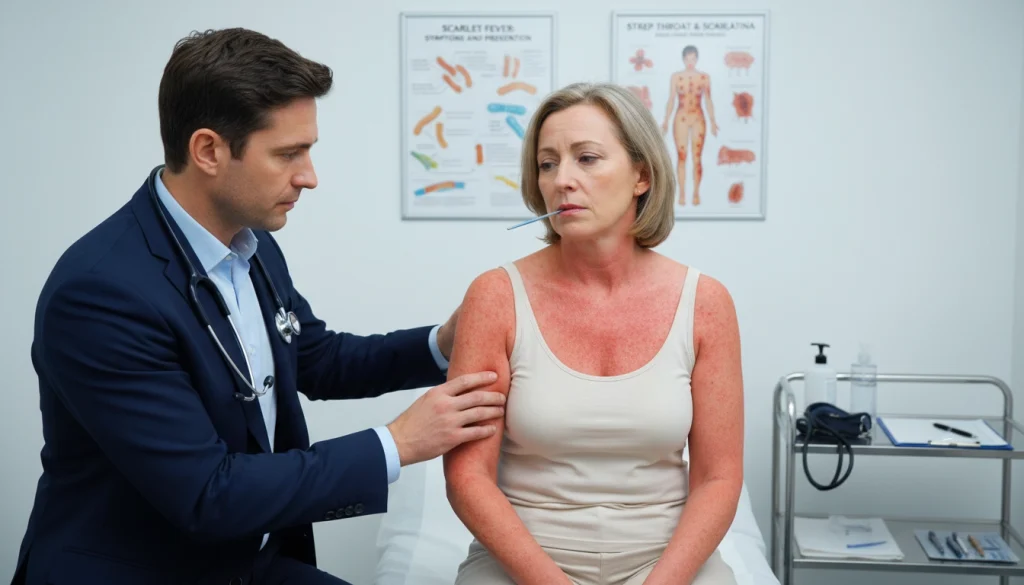
Adults can contract Scarlet Disease, and its presentation may differ from that in children. While it’s commonly associated with pediatric cases, adults, specially those in close contact with infected children or with compromised immune systems, are at risk.
Presentation Differences in Adult Cases
In adults, Scarlet Disease may manifest differently than in children. Adults are more likely to experience severe symptoms, such as high fever, significant sore throat, and a more widespread rash. The rash, which is a hallmark of the disease, may be more pronounced in adults, potentially leading to misdiagnosis if not properly evaluated.
Adults may also be more prone to complications due to underlying health conditions or delayed diagnosis.
Risk Factors and Susceptibility
Certain factors increase an adult’s susceptibility to Scarlet Disease. Close contact with infected individuals, in settings like households or healthcare facilities, elevates the risk. Adults with weakened immune systems, either due to chronic illness or immunosuppressive therapy, are also more vulnerable.
Understanding these risk factors is key for early detection and treatment, reducing the likelihood of complications.
Preventing the Spread of Scarlet Disease
Effective prevention strategies can significantly reduce the incidence of Scarlet Disease. By understanding and implementing these measures, individuals can protect themselves and their communities.
Personal Hygiene Practices
Maintaining good personal hygiene is essential in preventing Scarlet Disease. This includes practices that reduce the transmission of Group A Streptococcus bacteria.
Hand Washing Techniques
Proper hand washing is a critical hygiene practice. It involves using soap and water, rubbing all surfaces of the hands, and rinsing thoroughly. Hands should be washed frequently, specially after coughing or sneezing.
Respiratory Etiquette
Respiratory etiquette involves covering the mouth and nose when coughing or sneezing. This can be done with a tissue or the elbow if a tissue is not available. Proper disposal of tissues is also important.
Isolation and Quarantine Recommendations
Isolating individuals with Scarlet Disease and quarantining those who have been exposed can help prevent the spread. Isolation should continue until the individual has been on antibiotics for at least 24 hours and has shown significant improvement in symptoms.
Quarantine measures for exposed individuals may vary depending on the severity of exposure and the presence of symptoms. Monitoring for symptoms and maintaining good hygiene practices are key during this period.
Epidemiology and Global Impact
The global spread of Scarlet Disease shows varied patterns. It’s caused by Group A Streptococcus bacteria, posing a major health risk worldwide.
Worldwide Prevalence Patterns
Scarlet Disease is widespread, with different rates in various areas. In developed countries, thanks to better healthcare and antibiotics, cases have dropped. Yet, it’s a worry in places with less access to medical care.
It mainly hits kids aged 5 to 15, but adults can get it too. The spread is shaped by factors like population density, cleanliness, and economic status.
Seasonal and Regional Variations
Scarlet Disease peaks in late winter and early spring in temperate zones. Climate, healthcare, and cultural habits vary by region, affecting its spread.
In areas with weak healthcare, Scarlet Disease can cause a lot of illness and sometimes death. This underlines the importance of ongoing public health work to manage the disease.
Modern Research and Developments
Our grasp of Scarlet Disease is expanding, revealing new avenues for research. Advances in medical science have shed light on the disease’s workings and possible treatments.
Antibiotic Resistance Concerns
The threat of antibiotic resistance is a major hurdle in Scarlet Disease treatment. Studies show that the misuse of antibiotics has led to resistant strains of Group A Streptococcus bacteria.
- Increased resistance to commonly prescribed antibiotics.
- Need for alternative treatment strategies.
- Ongoing monitoring of resistance patterns.
Vaccine Development Efforts
Vaccine development is a key focus in combating Scarlet Disease. Researchers are working on creating an effective vaccine, with several candidates in different stages of development.
- Development of vaccines targeting Group A Streptococcus.
- Clinical trials to assess vaccine safety and efficacy.
- Potential for vaccines to reduce disease incidence and complications.
The outlook for Scarlet Disease treatment and prevention is optimistic. Ongoing research aims to tackle current challenges and enhance patient care.
When to Seek Medical Attention
Knowing when to seek medical help is key to managing Scarlet Disease effectively. This condition, caused by Group A Streptococcus bacteria, needs quick treatment to avoid complications. While many cases can be treated at home, some symptoms require immediate medical attention.
Warning Signs Requiring Immediate Care
If you or your child show any of these symptoms, get medical help right away:
- Severe sore throat
- High fever that lasts more than 48 hours
- Rash that doesn’t fade under pressure
- Swollen lymph nodes
- Difficulty swallowing
Follow-up Care Guidelines
After initial treatment, follow-up care is vital. It ensures the infection is cleared and watches for complications. See your healthcare provider if you notice:
- Persistence or return of symptoms
- Signs of complications, such as kidney issues or heart problems
- Concerns about the effectiveness of treatment
Following these guidelines helps manage Scarlet Disease properly. It also reduces the risk of long-term health problems.
Key Takeaways About Scarlet Disease
Understanding Scarlet Disease is key to quick diagnosis and effective treatment. It’s caused by Group A Streptococcus bacteria, marked by a distinctive rash and symptoms like fever and sore throat.
Scarlet Disease can hit anyone, but it’s more common in children. Spotting early signs and knowing the disease’s stages are critical. They help manage symptoms and avoid complications.
Key points about Scarlet Disease highlight the need for antibiotics, good hygiene, and isolation to stop its spread. Knowing the risks and when to seek medical help also plays a big role in better outcomes.
Staying informed about Scarlet Disease helps individuals tackle its challenges. It empowers them to make smart health choices for themselves and their families.
FAQ About Scarlet Disease
Q: What is Scarlet Disease?
A: Scarlet Disease, also known as scarlet fever, is a common childhood illness. It is characterized by a distinctive rash. This rash is often accompanied by a high fever and other symptoms.
Q: What causes Scarlet Disease?
A: Scarlet Disease is caused by Group A Streptococcus bacteria. These bacteria produce toxins. These toxins lead to the characteristic rash and other symptoms.
Q: How is Scarlet Disease transmitted?
A: Scarlet Disease is transmitted through person-to-person contact. It is often spread through respiratory droplets. It can also be spread by touching contaminated surfaces or objects.
Q: What are the symptoms of Scarlet Disease?
A: The symptoms of Scarlet Disease include a bright red rash. It also includes a high fever, sore throat, and swollen lymph nodes. Other symptoms may also occur.
Q: How is Scarlet Disease diagnosed?
A: Diagnosis is made through a combination of physical examination findings and laboratory tests. Throat cultures or rapid strep tests are commonly used.
Q: What is the treatment for Scarlet Disease?
A: Treatment for Scarlet Disease usually involves antibiotic therapy. Penicillin or amoxicillin are commonly used. They combat the underlying bacterial infection.
Q: Can Scarlet Disease be prevented?
A: While there is no vaccine against Scarlet Disease, prevention measures exist. Practicing good hygiene, such as frequent hand washing, is key. Avoiding close contact with infected individuals is also important.
Q: What are the possible complications of Scarlet Disease?
A: Short-term complications include ear and sinus infections. Long-term concerns include rheumatic fever and post-streptococcal glomerulonephritis. These complications can arise from untreated Scarlet Disease.
Q: How long is someone with Scarlet Disease contagious?
A: Individuals with Scarlet Disease are contagious for 24 to 48 hours after starting antibiotic treatment. If left untreated, they can remain contagious for up to several weeks.
Q: Can adults get Scarlet Disease?
A: Yes, adults can contract Scarlet Disease. While it is more common in children, adults may experience different symptoms or severity.
Q: When should I seek medical attention for Scarlet Disease?
A: Seek medical attention if symptoms worsen. If there are signs of complications, or if symptoms do not improve with treatment, seek medical attention.