Self-Breast Examination: What is Self-Breast Examination?
Breast cancer poses a significant threat to women globally. Early detection is key to effective treatment and better survival rates. Regular Self-Breast Examination empowers women to take charge of their health. This technique helps women get to know their breasts’ normal appearance and sensation. It makes spotting unusual changes easier. By doing a Self-Breast Examination monthly, women can catch breast cancer early. This is when it’s most treatable. This article will focus on the importance of women’s health. We’ll dive into the details of Self-Breast Examination. You’ll learn how to do it right and its role in maintaining breast health.
Understanding Self-Breast Examination
Grasping the fundamentals of Self-Breast Examination is vital for women’s health awareness. It allows individuals to take charge of their health by knowing their breasts’ normal appearance and sensation.
Definition and Purpose
Self-Breast Examination involves checking one’s own breasts for any irregularities or changes. Its main goal is to catch breast cancer or other health issues early on.
- To become familiar with the normal appearance and feel of one’s breasts.
- To identify any changes or abnormalities that may require medical attention.
- To complement other breast cancer screening methods such as mammograms.
Regular Self-Breast Examinations can boost women’s breast health awareness. They can also help spot issues early.
Historical Context of Self-Breast Examinations
The idea of Self-Breast Examination has seen a lot of change over time. At first, it faced skepticism. But as breast cancer awareness grew, so did the acceptance and encouragement of self-examinations.
- The establishment of breast cancer awareness campaigns in the late 20th century.
- The inclusion of Self-Breast Examination in women’s health guidelines.
- Advances in medical technology that support the effectiveness of self-examinations.
These advancements have made Self-Breast Examination a key part of women’s healthcare.
What is Self-Breast Examination?
Self-breast examination is a personal and empowering way to monitor breast health. It involves a systematic check of the breasts to identify any changes or abnormalities. This practice is an essential component of breast cancer screening. It allows individuals to become familiar with their breast tissue and detect any unusual changes early.
The Core Components of Self-Examination
The core components of self-breast examination include a visual inspection and a manual examination. During the visual inspection, individuals look for changes in the shape, size, or symmetry of their breasts. The manual examination involves using the fingers to feel for lumps, thickening, or other abnormalities in the breast tissue. It is recommended to perform self-examinations regularly to maintain familiarity with one’s breast health.
To effectively perform a self-breast examination, it is essential to understand the normal texture and feel of one’s breasts. This knowledge enables individuals to identify any deviations from their normal breast tissue. The manual examination should be conducted in a systematic manner, ensuring that all areas of the breast are checked.
Differentiating from Clinical Breast Exams
While self-breast examinations are performed by individuals on themselves, clinical breast exams are conducted by healthcare professionals during a medical check-up. Clinical breast exams are more thorough and involve a professional evaluation of the breasts. Understanding the difference between these two types of examinations is vital for effective breast health management. Self-breast examinations complement clinical breast exams by providing regular monitoring between professional check-ups.
By combining self-breast examinations with clinical breast exams, individuals can enhance their breast cancer screening regimen. This holistic approach to breast health monitoring is key to early detection and effective management of breast abnormalities.
The Importance of Regular Self-Breast Examinations
Breast health awareness starts with regular self-breast examinations. This simple practice is highly effective. By making it a part of your monthly routine, you boost your ability to spot abnormalities early.
Early Detection Benefits
Regular self-breast examinations are key for early cancer detection. Early detection is vital as it boosts treatment success and survival rates. Being proactive about your breast health lets you catch changes that need further checks.
These exams help you know what’s normal for your body. This knowledge makes spotting deviations easier. It’s a powerful tool for early breast abnormality detection.
Becoming Familiar with Your Normal
Knowing what your breasts look and feel like is essential. This knowledge lets you spot subtle signs of trouble. Regular checks help you set a baseline for what’s normal for you.
This way, you gain valuable insights into your body. It’s a step towards better health awareness. This proactive approach is a big part of maintaining your overall well-being.
Breast Cancer Statistics in the United States
Recent data on breast cancer in the United States highlights the importance of awareness and early detection. It shows that breast cancer is a significant health concern, affecting a substantial number of women across the country.
Prevalence and Incidence Rates
Breast cancer prevalence and incidence rates in the U.S. provide critical insights into the disease’s burden. According to recent statistics, breast cancer is the most common cancer among women in the United States, excluding skin cancers. The incidence rate has been steadily increasing, highlighting the need for continued awareness and screening efforts.
Survival Rates and Early Detection Correlation
The correlation between early detection and survival rates is a critical aspect of breast cancer statistics. Early detection through methods like self-breast examinations and mammograms significantly improves survival chances. Data show that when breast cancer is detected at an early stage, the five-year survival rate is substantially higher compared to cases diagnosed at later stages.
Risk Factors for Breast Cancer
The risk of developing breast cancer is shaped by genetic, environmental, and lifestyle factors. Knowing these risks empowers individuals to take steps for their breast health.
Genetic and Family History Factors
Genetic mutations, like those in BRCA1 and BRCA2 genes, greatly raise breast cancer risk. A family history of breast cancer, mainly in first-degree relatives, also increases risk. Genetic testing can spot these mutations early, leading to timely interventions.
Lifestyle and Environmental Factors
Lifestyle and environmental factors also influence breast cancer risk. Drinking alcohol, being obese, and not exercising enough are linked to higher risks. Exposure to certain chemicals and radiation also plays a part in breast cancer development.
Age and Hormonal Factors
Age is a major risk factor, with most cases diagnosed in women over 50. Hormonal influences, such as hormone replacement therapy and reproductive factors, also impact risk. Understanding these factors helps individuals make informed health decisions.
When to Perform Self-Breast Examinations
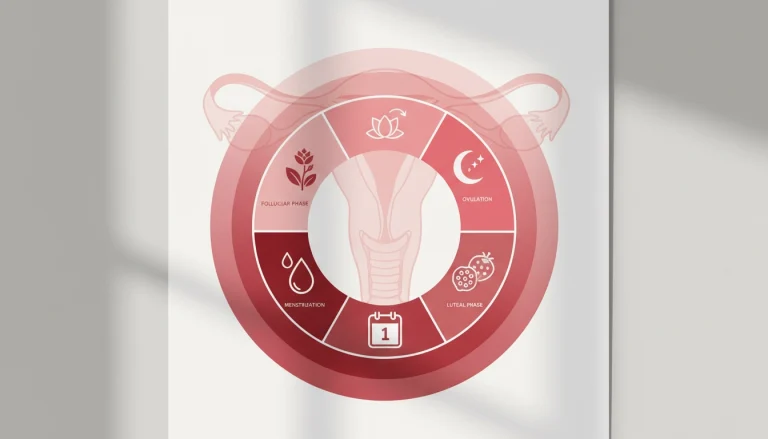
To maximize the benefits of self-breast examinations, timing is key. The menstrual cycle plays a significant role in their effectiveness. Understanding when to perform these exams can greatly enhance their impact.
Optimal Timing During Menstrual Cycle
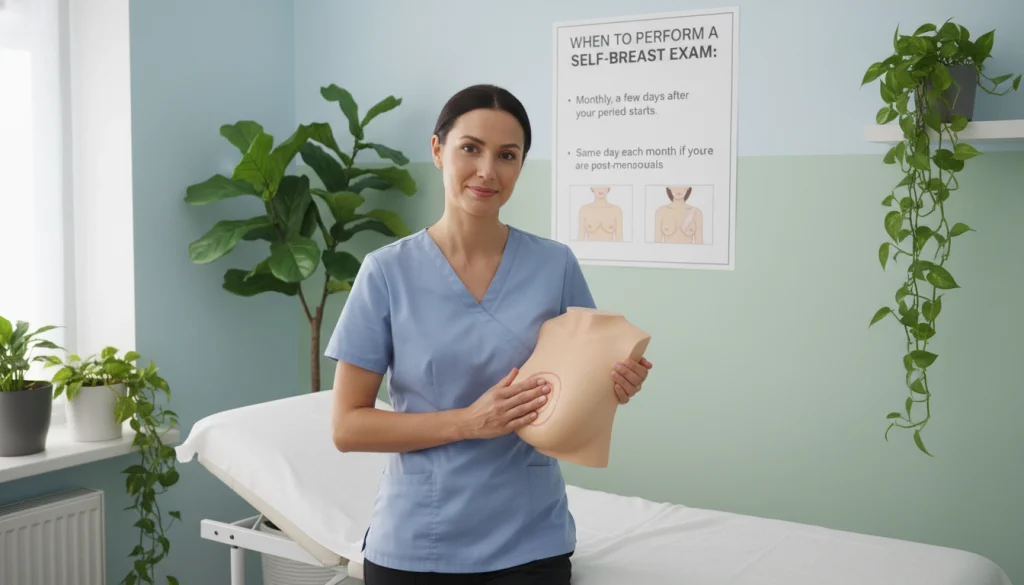
The ideal time for a self-breast examination is 7-10 days after menstruation starts. Hormonal levels are more stable, and breasts are less swollen or tender. This makes it easier to spot any irregularities.
- Perform the examination when breasts are least tender.
- Avoid examining during the premenstrual or menstrual phase when breasts may be swollen.
Frequency Recommendations
Monthly self-breast examinations are generally advised. Consistency helps you get to know your breasts’ normal state. This makes it easier to notice any changes.
- Choose a specific day each month, such as the day after your period ends.
- Mark it on your calendar to ensure you don’t forget.
- Be consistent to effectively monitor breast health.
By timing self-breast examinations correctly and sticking to a monthly routine, individuals can better detect abnormalities early. This proactive approach is vital for maintaining breast health.
Step-by-Step Guide to Self-Breast Examination
Learning how to do a Self-Breast Examination can empower you to take charge of your health. This guide will show you how to do it step by step. You’ll learn different techniques and methods to feel confident in your ability to check your breasts.
Visual Inspection Techniques
Visual inspection is the first step in a Self-Breast Examination. It involves looking at your breasts for any visible changes or abnormalities. Start by standing in front of a mirror with your arms relaxed by your sides. Look for any changes in the shape, size, or contour of your breasts. Note any dimpling, redness, or scaliness of the skin.
- Observe the breasts with your arms raised overhead.
- Check for any nipple discharge or changes in nipple direction.
- Inspect the breasts with your hands on your hips, contracting your chest muscles.
Lying Down Examination Method
The lying down examination is a key part of the Self-Breast Examination. To do this, lie on your back with a pillow under your right shoulder. This helps spread the breast tissue more evenly. Place your right hand behind your head.
- Using the pads of your left fingers, examine your right breast using a circular motion, starting from the outer edge and moving towards the nipple.
- Cover the entire breast area, including the armpit.
- Repeat the process on the left breast using your right hand.
Shower Examination Method
The shower examination method is another effective way to check your breasts. The soap and water make it easier for your hands to glide over your skin.
Examine each breast with the opposite hand, using the same circular motion as before. The slippery surface helps you feel subtle changes or abnormalities more easily.
Proper Finger Techniques and Pressure
Using the right finger techniques and pressure is key during a Self-Breast Examination. Use the pads of your fingers to feel for lumps or changes.
- Apply light pressure to feel the tissue closest to the skin.
- Use medium pressure to examine the middle layer of breast tissue.
- Apply firm pressure to feel the tissue closest to the chest wall.
By mastering these techniques and methods, you can effectively perform a Self-Breast Examination. This enhances your breast health awareness.
What to Look For: Identifying Abnormalities
Understanding what to look for during a self-breast examination is key for early detection of breast abnormalities. Knowing the normal look and feel of your breasts helps you spot changes that may need medical attention.
Common Breast Changes
Breasts naturally change throughout the menstrual cycle and with age due to hormonal shifts and other factors. Some common changes include:
- Swelling or tenderness due to hormonal changes
- Variations in breast size or shape
- Nipple discharge or changes in nipple position
These changes can be normal, but it’s vital to watch for persistent or unusual symptoms.
Warning Signs That Require Medical Attention
While many breast changes are harmless, some signs need immediate medical evaluation. These include:
- A new lump or thickening in the breast or underarm area
- Changes in the size or shape of the breast
- Dimpling or puckering of the skin
- Nipple inversion or discharge, specially if it’s bloody
If you notice any of these warning signs, seeking a healthcare provider’s evaluation is essential for further assessment and diagnosis.
Common Findings and Their Possible Meanings
Understanding common findings in self-breast exams is key to knowing what’s normal versus what might need more attention. During self-exams, people may find various changes or abnormalities. Some are just part of normal breast tissue variations, while others could signal a concern.

Normal Breast Tissue Variations
Normal breast tissue can differ greatly from one person to another. Common variations include differences in size, shape, and texture. Some women naturally have lumpy or dense breast tissue, which can sometimes be mistaken for abnormalities. It’s vital to know what’s normal for your breasts to better spot any changes.
- Variations in breast size and shape
- Differences in nipple direction or areola size
- Presence of Montgomery’s tubercles (small bumps on the areola)
Distinguishing Between Concerning and Non-Concerning Findings
Not all changes or abnormalities found during a self-breast exam are cause for worry. Yet, some findings do require further investigation. For example, new lumps or thickening, skin changes like dimpling or redness, and nipple discharge or inversion are concerning. It’s important to see a healthcare provider if any unusual or persistent changes are noticed.
- Monitor for changes in size, shape, or texture
- Check for nipple discharge or changes in nipple direction
- Be aware of any skin changes or new lumps
When to Consult a Healthcare Provider
Understanding when to seek medical advice can be critical. After conducting a self-breast examination, it’s vital to recognize signs that warrant a doctor’s visit. These signs can help prevent missing a critical window for addressing a health issue.
Immediate Concerns vs. Routine Follow-ups
Notice any unusual changes during your self-examination? This could include new lumps, unusual discharge, or changes in breast shape or size. Such signs often indicate a need for immediate medical attention.
- New or unusual lumps
- Unusual discharge or changes in nipple direction
- Changes in breast shape or size
Preparing for Your Doctor’s Appointment
Preparation is key before your doctor’s visit. Compile a list of your self-examination findings, including any changes and their dates. This information is invaluable for your healthcare provider.
- Document your findings
- Note the date and time of your self-examination
- List any questions or concerns you have
Being prepared and knowing when to seek medical advice is essential. It allows you to proactively maintain your breast health.
Myths and Misconceptions About Self-Breast Examinations
Self-breast examination is vital, yet it’s shrouded in myths and misconceptions. Many women are misinformed or lack the right knowledge on how to conduct these exams effectively.
Addressing Common Fears
One widespread fear is that self-breast examination will cause undue anxiety or panic if something abnormal is found. Yet, the goal of self-examination is not to instill fear. It’s to empower women with knowledge about their bodies.
By understanding what’s normal for their breasts, women can spot changes that might need medical attention. This could help catch issues early.
Evidence-Based Facts vs. Misinformation
There’s a stark contrast between evidence-based facts and misinformation about self-breast examinations. For example, some think self-exams can replace mammograms or clinical breast exams. This is incorrect. Self-exams are meant to complement, not replace, these medical tests.
Research supports that when done right, self-breast examinations can be a valuable tool for monitoring breast health. It’s critical to rely on trustworthy sources for accurate information on technique and benefits.
Complementary Breast Cancer Screening Methods
A well-rounded approach to breast health includes various screening methods. These include mammography, ultrasound, MRI, and clinical breast exams. While self-exams are vital for knowing one’s breast tissue, other methods are key for early detection and diagnosis.

Mammograms and Their Importance
Mammograms are X-ray images of the breast used to detect and diagnose breast diseases, often in the early stages. They are considered the gold standard for breast cancer screening. They can spot tumors too small to be felt. Regular mammograms can detect breast cancer before symptoms appear, greatly improving treatment outcomes.
Ultrasounds and MRIs
Ultrasounds use sound waves to create images of the breast, often used with mammograms for a more detailed view, even in dense breast tissue. Magnetic Resonance Imaging (MRI) is another tool that uses a magnetic field to create detailed images of the breast. It’s very useful for high-risk patients or when more information is needed about a specific area.
Clinical Breast Examinations
Clinical breast examinations (CBEs) are performed by healthcare professionals who manually check the breasts for abnormalities. CBEs can detect issues not seen through self-exams or mammograms alone. They are valuable for women at higher risk or with dense breast tissue.
Self-Breast Examination for Special Populations
Learning how to do self-breast exams is key, more so for certain groups facing unique challenges. This includes pregnant or breastfeeding women, those who have had mastectomies, and transgender individuals. Each group has its own needs for breast health awareness.
Examination During Pregnancy and Breastfeeding
Pregnant or breastfeeding women often see changes in their breasts due to hormonal shifts. It’s important to recognize these normal changes, like increased tenderness or density. This way, they can tell the difference from any unusual signs that might need a doctor’s check-up.
Post-Mastectomy Self-Examinations
Those who have had a mastectomy need to adjust their self-exam methods. It’s vital to pay attention to the surgical area and any reconstruction. This ensures they catch any unusual changes or complications.
Transgender Considerations
Transgender people, whether on hormone therapy or not, should also do self-breast exams. Hormone therapy can cause breast tissue changes, making it important to know one’s breast tissue. Getting advice from a healthcare provider can help tailor self-exam practices.
Empowering Yourself Through Breast Health Awareness
Breast health awareness is a powerful tool in the early detection and prevention of breast cancer. Understanding the importance of self-breast examinations and being proactive about your breast health can significantly enhance your ability to identify any abnormalities early on. Empowering through knowledge is key. Knowing how to perform a self-breast examination correctly, understanding what to look for, and being aware of the risk factors associated with breast cancer can make a significant difference in your overall health and well-being.
By incorporating regular self-breast examinations into your routine and staying informed about breast health, you take an active role in your health care. This proactive approach not only aids in the early detection of any issues but also fosters a deeper understanding of your body. It enables you to make informed decisions about your health.
Breast health awareness is not just about detecting cancer; it’s about taking control of your health. By being informed and proactive, you can reduce your risk and improve your outcomes. Start your journey to better breast health today by making self-breast examinations a regular part of your health routine.
FAQ
Q: What is a Self-Breast Examination?
A: A Self-Breast Examination is a personal check of your breasts. It helps spot any unusual changes or abnormalities. This promotes early detection and boosts breast health awareness.
Q: How often should I perform a Self-Breast Examination?
A: It’s wise to do a Self-Breast Examination once a month. Try to do it at the same time each month. This helps you get to know your breast tissue better.
Q: What are the benefits of regular Self-Breast Examinations?
A: Regular Self-Breast Examinations can catch breast abnormalities early. This includes cancer. They also help you understand your breast health better.
Q: How do I perform a Self-Breast Examination?
A: Start by visually checking your breasts. Then, use your fingers to feel for any lumps or changes. Use a pattern like circles or lines to cover all areas.
Q: What should I look for during a Self-Breast Examination?
A: Look for any changes in your breast’s shape or size. Check for dimpling, redness, or unusual nipple discharge. Also, feel for lumps or thickening.
Q: Are there any specific times when I should not perform a Self-Breast Examination?
A: Avoid Self-Breast Examinations during menstruation. Your breasts may be tender then. Choose a time when they are less sensitive.
Q: Can Self-Breast Examination replace a clinical breast exam or mammogram?
A: No, Self-Breast Examination is not a substitute for clinical exams or mammograms. It’s meant to be a complementary tool for breast health.
Q: What if I find something abnormal during a Self-Breast Examination?
A: If you find something unusual, see a healthcare provider. They can evaluate and advise further.
Q: Are there any special considerations for performing Self-Breast Examinations during pregnancy or breastfeeding?
A: Yes, breasts change during pregnancy and breastfeeding. It’s important to be aware of these changes. Discuss any concerns with a healthcare provider.
Q: How can I become more confident in performing Self-Breast Examinations?
A: Practice and get to know your breasts. Understanding what’s normal for you builds confidence in doing Self-Breast Examinations.