Sinusitis in Children: What is Sinusitis in Children?
Understanding pediatric health issues is vital for parents or caregivers. Sinusitis, an inflammation or infection of the sinus passages, affects many young individuals. This guide aims to provide a detailed look at the condition, its symptoms, and treatment options.
Childhood sinusitis can stem from allergies, viral infections, or anatomical issues. Recognizing symptoms and understanding treatments can greatly improve a child’s quality of life. This article will explore the key aspects of sinusitis in children, ensuring readers have reliable and actionable information. For parents and caregivers, grasping the concept of sinusitis in children is vital. This condition, also known as a sinus infection, occurs when the sinuses become inflamed or infected. This leads to a variety of uncomfortable symptoms.
Definition and Basic Concepts
Sinusitis in children is characterized by the inflammation or infection of the paranasal sinuses. These air-filled cavities surround the nasal passages and produce mucus. This mucus helps filter the air we breathe. When the sinuses become inflamed or infected, mucus buildup occurs. This results in sinus pressure, pain, and breathing difficulties.
Prevalence in the US Pediatric Population
Sinusitis is a notable health concern among children in the United States. Research indicates that it affects a considerable portion of the pediatric population.
Age-Related Statistics
Sinusitis can affect children of any age, but it’s more prevalent in certain age groups. Younger children, under the age of 5, are more susceptible to viral sinusitis due to their developing immune systems. As children grow older, the risk of bacterial sinusitis increases.
Seasonal Variations
The occurrence of sinusitis in children also varies with the seasons. The winter months see a rise in sinusitis cases due to the prevalence of respiratory viruses. Allergies also contribute significantly, mainly during pollen seasons.
Understanding these factors is critical for diagnosing and managing sinusitis in children. Recognizing the signs and symptoms allows parents and caregivers to seek timely medical care. This helps alleviate discomfort and prevent complications associated with sinusitis.
Anatomy of Children’s Sinuses
Understanding the anatomy of children’s sinuses is key to diagnosing and treating sinusitis. The sinuses are air-filled cavities within the nose’s passages. Their development significantly affects their susceptibility to sinus infections.
Developmental Stages of Sinuses
Children’s sinuses develop at different stages. This development starts before birth. But, they continue to mature and change a lot during childhood.
- The maxillary and ethmoid sinuses are present at birth.
- The sphenoid sinuses typically develop by the age of 5.
- The frontal sinuses are usually not fully developed until late childhood or early adolescence.
How Children’s Sinuses Differ from Adults
The anatomy of children’s sinuses differs from adults in several key aspects.
Size and Structure Differences
Children’s sinuses are smaller and less complex than adults’. This affects drainage and increases the risk of infection.
Implications for Treatment
The differences in sinus anatomy between children and adults have significant implications for treatment. For instance, the smaller size and different structure may require adjustments in medication dosage or surgical approaches.
- Narrower nasal passages
- Smaller sinus cavities
- Different sinus development stages
Types of Sinusitis in Children
It’s vital for parents and healthcare providers to grasp the various sinusitis types. This knowledge aids in crafting the best treatment plans for kids. Sinusitis in children is divided into types based on symptom duration and frequency.
Acute Sinusitis
Acute sinusitis is marked by sudden symptoms lasting under four weeks. It usually stems from a viral infection. Common signs include nasal blockage, facial pain, and coughing.
Chronic Sinusitis
Chronic sinusitis lasts over 12 weeks, despite treatment. It can severely affect a child’s daily life. Symptoms include ongoing nasal discharge, cough, and tiredness.
Recurrent Acute Sinusitis
Recurrent acute sinusitis involves frequent acute sinusitis episodes within a year. Symptoms clear up between episodes. This type emphasizes the importance of prevention and management.
Subacute Sinusitis
Subacute sinusitis lasts between four to 12 weeks. It’s a middle ground between acute and chronic sinusitis. Symptoms are not as long-lasting as in chronic cases but not as brief as in acute ones.
Accurate diagnosis and classification of sinusitis are key for effective treatment. Understanding these types allows healthcare providers to tailor care to each child’s unique needs.
Common Causes of Sinusitis in Children
Sinusitis in children stems from infections, allergies, and anatomical issues. Grasping these causes is key to crafting effective treatment strategies.
Viral Infections
Viral infections are a leading cause of sinusitis in kids. They often lead to bacterial sinusitis.
Common Respiratory Viruses
Viruses like rhinoviruses, influenza, and RSV commonly trigger sinusitis in children. These viruses cause nasal and sinus inflammation and congestion.
- Rhinoviruses
- Influenza
- Respiratory Syncytial Virus (RSV)
Bacterial Infections
Bacterial infections are a major cause of sinusitis in children. These can be primary or secondary, following a viral infection.
Primary Bacterial Pathogens
Streptococcus pneumoniae, Haemophilus influenzae, and Moraxella catarrhalis are common bacterial culprits. They can cause both acute and chronic sinusitis.
- Streptococcus pneumoniae
- Haemophilus influenzae
- Moraxella catarrhalis
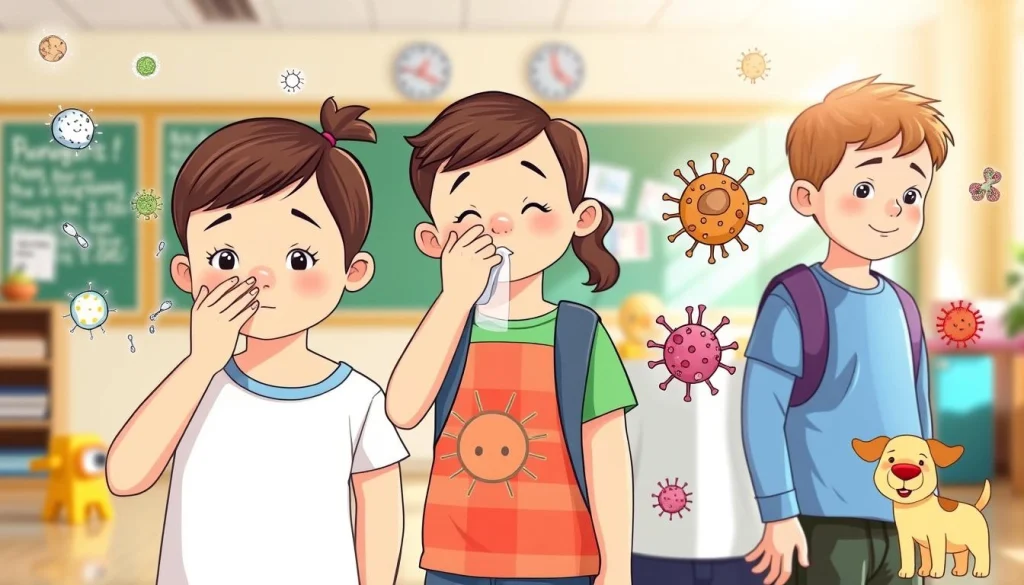
Allergies and Environmental Factors
Allergies and environmental factors significantly contribute to sinusitis in children. Pollen, dust mites, and pet dander can cause allergic reactions. These reactions lead to nasal congestion and sinus inflammation.
Structural Abnormalities
Structural issues like nasal septal deviation, adenoid hypertrophy, and nasal polyps can block sinus drainage. This makes children more susceptible to sinusitis.
By recognizing these causes, parents and healthcare providers can collaborate to prevent and manage sinusitis in children effectively.
Risk Factors for Pediatric Sinusitis
Pediatric sinusitis is shaped by environmental, genetic, and health-related factors. It’s vital for parents and caregivers to grasp these risk factors. This knowledge aids in preventive actions and early intervention when needed.
Daycare Attendance and School Exposure
Children in daycare or school face a higher risk of exposure to pathogens. Viruses and bacteria causing sinusitis are common. The close quarters with peers increase transmission risks.
Immune System Considerations
A child’s immune system is key in combating infections. Those with weakened or developing immune systems are more prone to sinusitis.
Genetic Predisposition
Genetic predisposition can make some children more susceptible to sinusitis. A family history of allergies or sinus issues is a significant indicator.
Underlying Medical Conditions
Certain medical conditions can significantly raise the risk of sinusitis.
Cystic Fibrosis
Cystic fibrosis affects the respiratory, digestive, and reproductive systems. It leads to thick mucus, increasing the risk of sinusitis in children.
Primary Immunodeficiencies
Primary immunodeficiencies impair the immune system. Children with these conditions are more likely to contract infections, including sinusitis.
Understanding these risk factors helps parents and caregivers tackle pediatric sinusitis. It guides them from prevention to treatment strategies.
Recognizing Symptoms of Sinusitis in Children
Spotting sinusitis symptoms in kids is key for timely treatment. Symptoms can differ by age, so it’s essential for parents and caregivers to know the common signs.
Common Symptoms by Age Group
Sinusitis symptoms in children vary with age. Knowing these age-specific signs is vital for early detection.
Infants and Toddlers
- Coughing and congestion
- Irritability and fussiness
- Poor feeding or loss of appetite
- Fever, though it might be mild
School-Age Children
- Nasal congestion and discharge
- Headaches, often felt as facial pain
- Cough, which may get worse at night
- Sore throat from postnasal drip
Adolescents
- Similar symptoms to adults, including facial pain and pressure
- Nasal congestion and purulent discharge
- Headaches and fatigue
- Possible loss of smell
Differentiating from Common Cold
Telling sinusitis apart from a common cold can be tricky. Sinusitis symptoms usually last longer than 7-10 days.
Warning Signs of Complications
Some symptoms suggest sinusitis complications, like:
- Severe headache or facial pain
- Swelling around the eyes
- High fever that doesn’t respond to treatment
- Confusion or changes in mental status
Seeing these warning signs means you need to seek medical help right away.
Diagnostic Approaches for Pediatric Sinusitis
Diagnosing sinusitis in children requires a blend of physical exams, imaging, and lab tests. Accurate diagnosis is key for effective treatment and to avoid complications.
Physical Examination Techniques
A detailed physical exam is the initial step in diagnosing sinusitis in kids. Healthcare providers search for nasal congestion, facial pain, and other sinusitis symptoms.
Nasal endoscopy might be used to directly see the nasal passages and sinuses. This method can spot abnormalities or infections.
Imaging Studies
Imaging tests are vital to confirm the diagnosis and understand sinus involvement.
X-rays
X-rays are sometimes the first imaging test, mainly for older children. Yet, they’re not very sensitive or specific for sinusitis.
CT Scans
CT scans are more accurate than X-rays, showing the sinuses in detail. They’re useful for disease extent and surgical planning.
MRI Considerations
MRI is not usually the first choice for sinusitis but can be helpful in specific cases. It’s useful for complications or soft tissue evaluation.
Laboratory Tests
Laboratory tests are essential for diagnosing and managing sinusitis in children.
Culture and Sensitivity
Culture and sensitivity tests of sinus secretions help identify pathogens. This guides antibiotic treatment.
Allergy Testing
Allergy testing is suggested if allergic rhinitis might be causing sinusitis. Identifying and managing allergies is part of the treatment.
Sinusitis in Children: Possible Complications
The complications of sinusitis in children highlight the need for prompt and effective treatment. Sinusitis can cause serious issues, affecting not just the sinuses but also surrounding areas and overall health.
Orbital Complications
Orbital complications are a major concern in pediatric sinusitis. These happen when the infection spreads to the orbit.
Periorbital Cellulitis
Periorbital cellulitis is an infection affecting the eyelid and surrounding tissues. It causes swelling, redness, and pain.
Orbital Abscess
An orbital abscess is a severe complication where pus forms in the orbit. It can threaten vision.
Intracranial Complications
Intracranial complications are rare but serious. They can have lasting effects.
Meningitis
Meningitis is an infection of the meninges, the protective membranes around the brain and spinal cord.
Brain Abscess
A brain abscess is a pocket of infection in the brain tissue. It’s life-threatening if not treated quickly.
Impact on Quality of Life
Sinusitis complications can greatly affect a child’s quality of life.
Sleep Disturbances
Chronic sinusitis can disrupt sleep due to nasal congestion, pain, and discomfort.
Academic Performance
Persistent symptoms can hinder a child’s ability to focus and perform academically.
Medical Treatment Options for Sinusitis in Children
Treating sinusitis in kids requires a variety of medical steps, each designed for their unique needs. It’s vital to manage sinusitis in children effectively. This helps reduce symptoms, prevents complications, and enhances their overall well-being.
Antibiotics: When They’re Necessary
Antibiotics play a key role in treating bacterial sinusitis in children. Yet, their use must be carefully considered to prevent antibiotic resistance.
First-Line Treatments
For uncomplicated acute sinusitis, amoxicillin is often the first choice for kids. If symptoms are severe or if the child has recently taken antibiotics, amoxicillin-clavulanate might be recommended.
Duration of Therapy
The length of antibiotic treatment for sinusitis in children varies. It usually lasts between 10 to 14 days. This depends on the infection’s severity and how well the child responds to treatment.
Decongestants and Antihistamines
Decongestants and antihistamines help ease nasal congestion and other sinusitis symptoms.
Safety Considerations in Children
- Decongestants should be used with caution in young children due to their side effects.
- Antihistamines can cause drowsiness. They should be selected based on the child’s age and needs.
Nasal Corticosteroids
Nasal corticosteroids help reduce inflammation. They are recommended for treating chronic sinusitis in children.
Pain Management Approaches
Managing pain is critical in treating sinusitis in children. It greatly affects their comfort and overall health.
- Over-the-counter pain relievers like acetaminophen or ibuprofen can be used with a healthcare provider’s guidance.
- Nasal saline irrigations can also help reduce pain and improve drainage.
In conclusion, treating sinusitis in children involves a variety of treatments. These include antibiotics, decongestants, antihistamines, nasal corticosteroids, and pain management strategies. Each treatment plan must be customized for the child’s condition and closely monitored by a healthcare professional.
Surgical Interventions for Pediatric Sinusitis
When conservative treatments fail, surgical interventions become a critical option for managing sinusitis in children. These options are considered when the condition significantly impacts the child’s quality of life or when complications arise.
Indications for Surgery
Surgery is typically recommended for children with chronic or recurrent sinusitis that hasn’t responded to medical therapy. Anatomical abnormalities, such as nasal polyps or a deviated septum, also contribute to sinusitis and may necessitate surgery.
Common Surgical Procedures
Several surgical procedures can be employed to treat sinusitis in children. These include:
- Adenoidectomy: The removal of the adenoids, which can help reduce the incidence of sinusitis.
- Functional Endoscopic Sinus Surgery (FESS): A procedure that aims to improve sinus drainage and reduce the risk of future infections.
Adenoidectomy
Adenoidectomy is often considered for children with enlarged adenoids that are contributing to their sinusitis. This procedure can be performed alone or in conjunction with other surgical interventions.
Functional Endoscopic Sinus Surgery
FESS is a minimally invasive surgery that uses an endoscope to visualize the sinuses and remove any obstructions, such as polyps or bone fragments, to improve sinus drainage.
Post-Surgical Care
After surgery, it’s essential to follow a proper care plan to ensure optimal recovery. This includes:
Recovery Timeline
Most children can return to their normal activities within a few days to a week after surgery. Full recovery may take several weeks.
Follow-up Protocol
Regular follow-up appointments with the healthcare provider are essential to monitor the healing process and address any complications or concerns.
Understanding the indications, procedures, and post-surgical care involved in surgical interventions for pediatric sinusitis helps parents and caregivers make informed decisions about their child’s treatment.
Home Remedies and Supportive Care
Home remedies are essential in managing pediatric sinusitis, providing relief and supporting recovery. These measures complement medical treatments, helping to alleviate symptoms and enhance the child’s quality of life.
Nasal Irrigation Techniques
Nasal irrigation is a simple yet effective method for clearing nasal passages and sinuses. It involves rinsing the nasal cavity with a saline solution to remove mucus and debris.
Saline Solutions
Saline solutions for nasal irrigation can be made at home using sterile water, salt, and baking soda. It’s essential to use sterile or distilled water to prevent infection.
Age-Appropriate Methods
The method of nasal irrigation may vary depending on the child’s age. For younger children, a bulb syringe or a nasal aspirator can be used, while older children can use a neti pot or a squeeze bottle designed for nasal irrigation.
Humidification and Hydration
Maintaining a humid environment and ensuring adequate hydration are critical for thinning out mucus and promoting drainage. Using a humidifier in the child’s room can help keep the air moist, reducing congestion.
Rest and Recovery Strategies
Adequate rest is vital for recovery from sinusitis. Encouraging the child to get plenty of sleep and avoiding strenuous activities can help the body fight off the infection.
Dietary Considerations
A balanced diet rich in fruits, vegetables, and whole grains can support the immune system. Certain foods, such as those high in antioxidants and omega-3 fatty acids, may also help reduce inflammation.
- Include foods rich in vitamin C, like oranges and strawberries, to boost immunity.
- Ensure adequate hydration with water, clear broths, or electrolyte-rich beverages.
- Avoid foods that can trigger or worsen allergies, such as dairy or gluten in sensitive individuals.
Preventing Sinusitis in Children
Preventing sinusitis in kids requires a multi-faceted approach. This includes hygiene practices and environmental modifications. By adopting these strategies, parents can significantly reduce the risk of their children developing sinusitis.
Hygiene Practices
Good hygiene is the first line of defense against sinusitis. Two key hygiene practices are hand washing and respiratory etiquette.
Hand Washing
Frequent hand washing with soap and water is essential. This is true, even more so after coming into contact with someone who is sick. Children should be taught to wash their hands:
- Before eating
- After blowing their nose, coughing or sneezing
- After touching animals or their waste
- After being in a crowded place
Respiratory Etiquette
Teaching children to cover their mouth and nose when coughing or sneezing is vital. They should use a tissue or their elbow to cover their mouth and nose, not their hands.
Environmental Modifications
Making certain changes to the environment can also help prevent sinusitis in children.
Allergen Reduction
Reducing exposure to allergens can help prevent sinusitis. This can be achieved by:
- Using allergen-proof bedding
- Keeping windows closed during pollen season
- Using air purifiers
Air Quality Improvement
Improving indoor air quality can also help. This includes:
- Avoiding strong chemicals or odors
- Maintaining a clean home environment
- Using humidifiers to prevent dry air
Vaccination Considerations
Vaccinations play a critical role in preventing infections that can lead to sinusitis.
Influenza Vaccines
The annual flu vaccine can help prevent influenza. This is a common cause of sinusitis.
Pneumococcal Vaccines
Pneumococcal conjugate vaccines (PCV) protect against pneumococcal disease. This disease can cause sinusitis among other infections.
By implementing these preventive measures, parents can significantly reduce the risk of sinusitis in their children.
When to Consult a Healthcare Provider
Recognizing the appropriate time to seek medical advice is vital for treating pediatric sinusitis. Parents must stay alert to their child’s symptoms. They need to know when professional help is required.
Red Flag Symptoms
Certain symptoms signal the need for immediate medical attention. These include severe headaches, facial pain, or swelling around the eyes. Difficulty breathing, fever over 102°F (39°C), or worsening symptoms also warrant medical care.
Choosing the Right Specialist
Parents may need to consult various specialists for pediatric sinusitis, based on their child’s needs. The main options include:
-
Pediatricians
for general health and initial assessment
-
Otolaryngologists
for specialized care related to ear, nose, and throat issues
-
Allergists
if allergies are suspected to be a contributing factor
Navigating the US Healthcare System
Understanding the healthcare system can be daunting. Yet, knowing the available options is essential. Parents should first consult their child’s pediatrician. They can guide on the next steps and refer to specialists if needed.
Living with Recurrent Sinusitis: Guidance for Parents and Caregivers
Managing recurrent sinusitis in children demands a holistic approach. It includes managing symptoms, preventing future episodes, and boosting quality of life. Parents and caregivers are key in supporting their children through this condition.
Nasal irrigation is a proven method for symptom management. It clears mucus and reduces congestion. Using a humidifier at home also aids in maintaining a healthy nasal environment. Ensuring the child stays hydrated is critical. It helps thin out mucus, making it easier to expel.
To prevent future episodes, it’s important to identify and address underlying triggers. This could include allergies or environmental factors. Collaborating with a healthcare provider to create a personalized treatment plan is vital for Managing Recurrent Sinusitis effectively.
Offering Pediatric Sinusitis Support means being vigilant about signs of complications. Knowing when to seek medical attention is essential. By being proactive and well-informed, parents and caregivers can help their children overcome the challenges of recurrent sinusitis. This improves their overall well-being.
FAQ About Sinusitis in Children
Q: What are the common symptoms of sinusitis in children?
A: Symptoms of sinusitis in children include nasal congestion, headache, and facial pain. They also experience cough and thick nasal discharge. Infants and toddlers may show irritability and difficulty feeding due to these symptoms.
Q: How is sinusitis diagnosed in children?
A: Diagnosing sinusitis in children involves several steps. These include physical exams, imaging studies like X-rays or CT scans, and lab tests. A healthcare provider will consider symptoms and medical history to choose the best diagnostic method.
Q: What are the treatment options for sinusitis in children?
A: Treatment for sinusitis in children may include antibiotics, decongestants, and antihistamines. Nasal corticosteroids and pain management are also used. In severe cases, surgery like adenoidectomy or functional endoscopic sinus surgery might be needed.
Q: How can I help my child manage sinusitis symptoms at home?
A: Home remedies can help manage sinusitis symptoms. Techniques like nasal irrigation with saline solutions and humidification are effective. Encourage hydration, rest, and consider dietary changes to support recovery.
Q: Can sinusitis in children be prevented?
A: Preventing sinusitis in children involves several steps. Good hygiene, like hand washing and respiratory etiquette, is key. Environmental changes, such as reducing allergens and improving air quality, are also important. Vaccinations, including flu and pneumococcal vaccines, play a role in prevention.
Q: When should I consult a healthcare provider for my child’s sinusitis?
A: Seek medical help if your child shows severe symptoms like headache, facial swelling, or breathing difficulties. If symptoms worsen or persist, consult a healthcare provider. It’s important to choose the right specialist, such as a pediatrician or otolaryngologist, for proper care.
Q: How does sinusitis affect a child’s quality of life?
A: Sinusitis can significantly affect a child’s life, causing sleep issues, academic problems, and emotional distress. Effective management is vital to minimize these impacts.
Q: Are there any long-term complications of sinusitis in children?
A: Sinusitis can lead to serious complications in children, including orbital and intracranial issues. These can include periorbital cellulitis, orbital abscess, meningitis, and brain abscess. Prompt medical attention is essential to prevent or manage these complications.