Skin Rejuvenation: What Is Skin Rejuvenation and Why It Matters
Many strive for a youthful complexion, and skin rejuvenation is key. As we age, our skin changes, leading to a dull, tired look. Grasping the concept of skin rejuvenation is vital for a radiant glow. There are many techniques and treatments, each tackling different skin care issues.
Exploring these options helps individuals make informed choices for their skin care. This leads to a more vibrant and healthy look. Skin rejuvenation involves a variety of treatments aimed at achieving a smoother, more radiant complexion. As we age, our skin undergoes changes that can manifest as fine lines, wrinkles, and other aging signs. It’s vital to understand the concept of skin rejuvenation and its significance for those aiming to retain a youthful look.
Definition and Core Concepts
Skin rejuvenation encompasses treatments and techniques aimed at improving skin appearance, making it look healthier and younger. These methods include non-invasive options like chemical peels and microdermabrasion, as well as more invasive procedures such as laser therapy and surgical facelifts. The fundamental idea is to enhance skin texture, diminish aging signs, and boost overall skin health.
The Science Behind Aging Skin
Aging skin results from both intrinsic and extrinsic factors. Intrinsic factors include genetic predispositions and the natural aging process, which decrease collagen production and skin elasticity. Extrinsic factors like UV exposure, smoking, and environmental stressors hasten aging, causing wrinkles, age spots, and skin firmness loss. Recognizing these factors is essential for addressing them through effective skin rejuvenation treatments.
By comprehending the science behind aging skin and the principles of rejuvenation, individuals can make informed choices about their skincare routines and treatments. This leads to healthier, more youthful-looking skin.
The Evolution of Skin Rejuvenation Techniques
The history of skin rejuvenation is a rich tapestry, woven with threads of tradition, science, and innovation. As our understanding of skin health has evolved, so too have the methods used to rejuvenate and restore it.
Historical Perspectives on Skin Care
Ancient civilizations were among the first to develop skin care practices. They used natural ingredients and techniques to maintain skin health. For instance, the Egyptians used honey and milk for their moisturizing and exfoliating properties. The Greeks and Romans employed various herbal remedies and massage techniques.
These early practices laid the groundwork for modern skin rejuvenation techniques. They demonstrated an early understanding of the importance of skin care in overall health and appearance.
Modern Advancements in Rejuvenation Technology
Today, skin rejuvenation encompasses a wide range of technologies and treatments. From laser therapy and chemical peels to microdermabrasion and injectable fillers, these advancements have significantly improved the efficacy and safety of skin rejuvenation procedures.
The development of non-invasive and minimally invasive treatments has also expanded the options available. Now, people can rejuvenate their skin without undergoing surgery.
Common Signs of Aging and How Rejuvenation Addresses Them
Signs of aging, such as fine lines and hyperpigmentation, can be reduced with the right skin rejuvenation methods. As we age, our skin undergoes changes that lead to fine lines, wrinkles, age spots, and a loss of elasticity and volume.
Fine Lines and Wrinkles
Fine lines and wrinkles are common signs of aging. They can result from sun exposure, smoking, and facial expressions. Rejuvenation treatments like botulinum toxin injections and dermal fillers can effectively reduce their appearance.
Hyperpigmentation and Age Spots
Hyperpigmentation and age spots are common signs of aging that can be addressed through rejuvenation treatments. These skin discolorations are often caused by sun damage. They can be treated with chemical peels, microdermabrasion, or laser therapy.
Loss of Elasticity and Volume
The loss of skin elasticity and volume is a natural part of aging. It can cause a sagging appearance and deepened facial folds. Treatments like radiofrequency and ultrasound therapy can restore skin elasticity. Dermal fillers can replenish lost volume.
Understanding the common signs of aging and available rejuvenation treatments helps individuals make informed decisions about their skin care. Whether it’s fine lines, hyperpigmentation, or loss of elasticity, there are effective treatments available to address these concerns.
Non-Invasive Skin Rejuvenation Methods
For those looking to refresh their skin without surgery, non-invasive rejuvenation offers many options. These methods tackle aging signs and skin issues with little downtime and risk.
Topical Treatments and Their Efficacy
Topical treatments are key in non-invasive rejuvenation. They’re effective in tackling early aging signs and keeping skin healthy.
Retinoids and Their Role in Skin Renewal
Retinoids, from vitamin A, are famous for skin renewal. They lessen fine lines, improve texture, and boost collagen.
Antioxidants and Growth Factors
Antioxidants shield skin from environmental harm and free radicals. Growth factors, by stimulating collagen and cell turnover, lead to smoother, younger-looking skin.
Chemical Peels: Types and Benefits
Chemical peels apply a solution to peel off the skin’s top layers, revealing smoother, brighter skin. Various peels address different skin issues, from superficial to deeper rejuvenation.
For more on advanced skin rejuvenation, visit https://acibademinternational.com/smas-facelift/ for insights into cutting-edge treatments.
Microdermabrasion and Exfoliation Techniques
Microdermabrasion is a non-invasive exfoliation that gently removes dead skin cells. It promotes cell turnover and improves texture. Regular sessions brighten skin and reduce fine lines.
Light-Based Skin Rejuvenation Treatments
Advances in technology have brought light-based skin rejuvenation treatments to the forefront of non-invasive cosmetic procedures. These treatments use various light forms to target aging signs, providing numerous benefits for those looking to rejuvenate their skin.
Laser Therapy Options
Laser therapy is a leading light-based treatment, employing concentrated light beams to address specific skin issues. Lasers are classified into ablative and non-ablative types, with fractional technology also playing a role.
Ablative vs. Non-Ablative Lasers
Ablative lasers remove the skin’s top layers, stimulating collagen production and reducing fine lines and wrinkles. Non-ablative lasers, by contrast, stimulate collagen without harming the skin’s surface, leading to less downtime.
Fractional Laser Technology
Fractional laser technology treats only a fraction of the skin at a time, facilitating faster healing and lower complication risks. This method is adaptable for both ablative and non-ablative treatments, addressing diverse skin concerns.
Intense Pulsed Light (IPL) Treatments
IPL treatments employ a broad-spectrum light source to address hyperpigmentation, redness, and uneven skin tone. Unlike lasers, IPL devices emit multiple wavelengths, making them effective for treating a wide range of skin issues in a single session.
- Targets hyperpigmentation and age spots
- Reduces redness and vascular lesions
- Improves overall skin texture and tone
LED Light Therapy for Skin Renewal
LED light therapy uses light-emitting diodes to stimulate cellular processes for skin renewal. Various wavelengths of LED light are applied to address concerns like acne, aging, and inflammation.
This non-invasive, pain-free treatment can be combined with other rejuvenation methods to boost results.
Energy-Based Skin Rejuvenation
The pursuit of youthful, radiant skin has driven the creation of energy-based rejuvenation methods. These techniques employ cutting-edge technology to boost collagen, enhance skin texture, and diminish aging signs.
Radiofrequency Treatments
Radiofrequency (RF) treatments are a leading choice for skin rejuvenation. RF energy warms the skin’s deeper layers, prompting collagen production and skin tightening. This non-invasive approach effectively minimizes fine lines, wrinkles, and sagging skin.
- Stimulates collagen production
- Tightens the skin
- Reduces fine lines and wrinkles
RF treatments cater to various skin types and can be applied to multiple body areas, including the face, neck, and hands.
Ultrasound Therapy for Skin Tightening
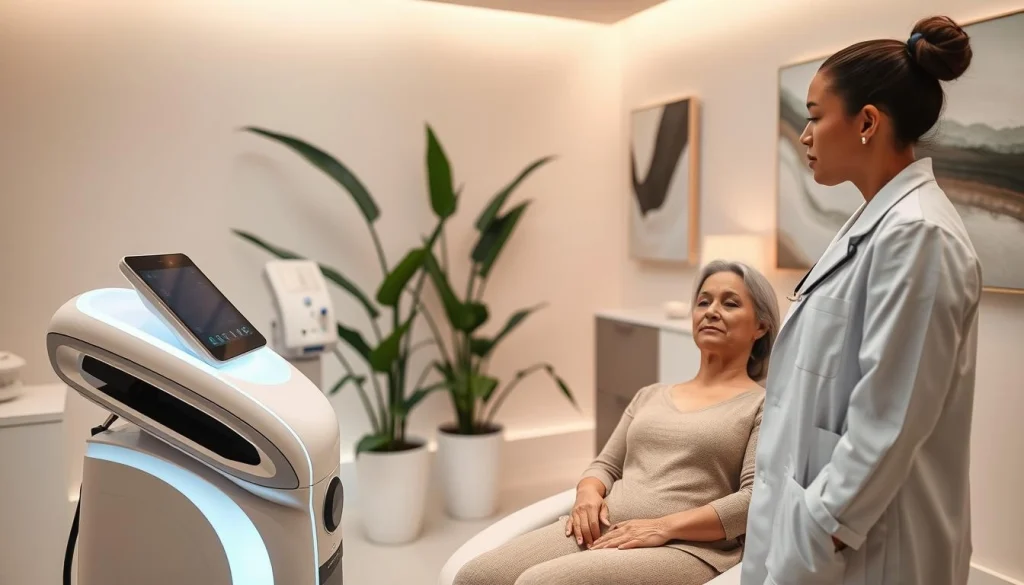
Ultrasound therapy has become increasingly popular for its skin tightening benefits. This non-invasive method employs ultrasound energy to stimulate collagen and enhance skin elasticity. It excels in lifting and tightening facial and neck skin.
- Stimulates collagen production
- Improves skin elasticity
- Lifts and tightens the skin
Ultrasound therapy stands as a safe, effective option for those aiming to rejuvenate their skin without surgery.
Injectable Treatments for Skin Rejuvenation
Injectable treatments have transformed the realm of skin rejuvenation, providing effective solutions for aging signs. They aim to restore a youthful look by tackling wrinkles, fine lines, and volume loss.
Botulinum Toxin (Botox) Procedures
Botulinum toxin, known as Botox, is a favored injectable for smoothing wrinkles and fine lines. Botox procedures are brief, almost painless, and require little downtime. This makes them ideal for those with hectic schedules.
Dermal Fillers and Their Applications
Dermal fillers are injectables that restore volume, smooth wrinkles, and enhance facial features. They come in various materials, each with its own benefits and properties.
Hyaluronic Acid Fillers
Hyaluronic acid fillers draw and hold moisture, giving a natural hydration effect. They’re often used for nasolabial folds, marionette lines, and lip augmentation.
Collagen Stimulators
Collagen stimulators boost the body’s collagen production. They enhance skin elasticity and texture, providing lasting benefits.
Platelet-Rich Plasma (PRP) Therapy
PRP therapy involves injecting platelet-rich plasma from the patient’s blood into the skin. It contains growth factors that stimulate collagen, improve texture, and aid in healing.
These treatments offer a variety of options for those looking to rejuvenate their skin without surgery. Understanding the different injectable treatments helps individuals make informed choices about their skincare.
Minimally Invasive Skin Rejuvenation Procedures
Minimally invasive skin rejuvenation procedures have become increasingly popular. They offer a way to achieve youthful skin without the need for surgery. These methods boast benefits like shorter recovery times and lower risks compared to traditional surgery.
Microneedling and Collagen Induction
Microneedling is a leading minimally invasive treatment that stimulates collagen production. It improves skin texture and reduces fine lines and wrinkles. This process involves tiny needles creating micro-injuries in the skin, triggering the body’s natural healing response and boosting collagen.
- Improves skin texture and tone
- Reduces fine lines and wrinkles
- Minimizes pores
For those exploring facial rejuvenation, microneedling stands out. It offers minimal downtime and delivers effective results.
Thread Lifts and Their Results
Thread lifts are another minimally invasive procedure for skin rejuvenation. This method involves inserting fine threads under the skin to lift and tighten sagging areas. It provides a more youthful look.
- Lifting and tightening of the skin
- Stimulation of collagen production
- Minimally invasive with quick recovery
Thread lifts are ideal for those wanting to address sagging skin without a full facelift. The results are natural-looking, making it a favorite for subtle yet effective rejuvenation.
Surgical Options for Skin Rejuvenation
The field of surgical skin rejuvenation includes a range of procedures aimed at fighting aging signs. These surgeries are designed to tackle specific issues, providing more profound and enduring effects than non-surgical methods.
Facelifts and Their Variations
Facelifts are a key part of surgical skin rejuvenation, focusing on reducing facial and neck aging signs. There are several facelift types, such as traditional, mini, and thread lifts, each with its own advantages and uses. The right facelift depends on the person’s skin, age, and desired results.
Eyelid Surgery and Brow Lifts
Eyelid surgery (blepharoplasty) and brow lifts are surgical options for specific facial areas. Eyelid surgery removes excess skin and fat to rejuvenate the eyes. Brow lifts lift a sagging brow to a youthful position. Both can greatly enhance a youthful look.
These surgical procedures offer a complete solution for those looking to tackle aging signs. Understanding the available options helps individuals make informed choices for their skin rejuvenation path.
The Benefits of Skin Rejuvenation
Skin rejuvenation offers a wide range of benefits, improving not just the skin’s appearance but also boosting confidence. These treatments aim to combat aging signs and skin damage, resulting in a more youthful and radiant look.
Physical Improvements in Skin Quality
Rejuvenation treatments significantly enhance skin quality. They reduce fine lines and wrinkles, improve texture, and diminish age spots and hyperpigmentation. Techniques like chemical peels, microdermabrasion, and laser therapy stimulate collagen and remove damaged skin layers.
Psychological Benefits and Confidence Boost
Psychologically, skin rejuvenation offers significant advantages. It boosts confidence and self-esteem, leading to better mental health and a more optimistic outlook. Feeling good about oneself can positively impact personal and professional life.
Long-term Skin Health Advantages
Rejuvenation treatments also benefit long-term skin health. They stimulate collagen, improve elasticity, and strengthen the skin’s barrier. This helps prevent future skin issues and keeps the skin looking youthful for longer.
In summary, skin rejuvenation’s benefits are extensive. They include physical enhancements, psychological boosts, and long-term health advantages. These make rejuvenation treatments a worthwhile investment in one’s overall well-being.
Recovery and Aftercare for Skin Rejuvenation Treatments
The success of skin rejuvenation treatments heavily relies on proper post-treatment care. Adequate recovery and aftercare not only improve treatment outcomes but also reduce side effects. It’s essential to understand the necessary steps for immediate care and long-term maintenance to achieve the desired results.
Immediate Post-Treatment Care
After a skin rejuvenation treatment, it’s critical to follow your healthcare provider’s specific instructions. This includes keeping the treated area clean, avoiding direct sun exposure, and applying recommended creams or gels. For example, after laser treatments or chemical peels, gentle skin care is vital for healing.
Long-term Maintenance Strategies
Long-term maintenance is vital to sustain the benefits of skin rejuvenation treatments. This involves regular follow-up treatments, consistent sunscreen use, and a skincare regimen tailored to your skin type. Lifestyle factors like a balanced diet, adequate hydration, and not smoking also play a significant role in maintaining treatment results.
When to Seek Medical Attention
While most treatments have minimal side effects, some may require medical attention. Signs that indicate the need for medical help include severe redness, swelling, infection, or unexpected skin changes. It’s important to be aware of these complications and maintain open communication with your treatment provider.
By following post-treatment instructions and maintaining a healthy lifestyle, you can enjoy the benefits of your treatments for longer. Always consult with a professional to tailor aftercare to your specific needs and treatment.
Ideal Candidates for Different Skin Rejuvenation Procedures
Skin rejuvenation procedures vary, and finding the right candidate is key. Several factors determine who is a good fit for these treatments.
Age-Related Considerations
Age is a major factor in choosing skin rejuvenation treatments. Each treatment is tailored for different age groups, addressing unique aging skin concerns.
Younger people might benefit from preventive treatments like chemical peels or microdermabrasion. On the other hand, older adults might need more intense procedures, such as facelifts or laser therapy.
Skin Type and Condition Factors
Skin type and condition are vital in picking the right treatment. Different skin types (normal, dry, oily, or combination) react differently to treatments.
For example, those with sensitive skin may need milder treatments. In contrast, individuals with thicker skin can often handle more aggressive procedures.
Health Considerations and Contraindications
Some health conditions or medications can make certain treatments unsuitable. It’s important to share medical history and current medications with a healthcare provider.
Pregnancy, autoimmune disorders, or certain skin diseases may impact treatment options. A detailed consultation is necessary to find the safest and most effective treatment.
Healthcare providers can guide individuals in choosing the best skin rejuvenation procedures based on their unique needs and conditions.
Potential Risks and Side Effects of Skin Rejuvenation
It’s vital to understand the risks and side effects of skin rejuvenation before making a decision. These treatments can greatly enhance skin appearance and health. Yet, they come with possible complications.
Common Complications and Their Management
Skin rejuvenation treatments, like any medical procedure, can lead to complications. Common side effects include redness, swelling, and bruising at the treatment site. Serious complications, though rare, can include infection, scarring, or changes in skin pigmentation.
Effective management of these complications is key. For instance, topical creams or ointments can help with redness and swelling. Antibiotics may be needed for infections.
- Redness and swelling: Typically temporary and resolved with topical treatments.
- Infection: Rare, but may require antibiotic treatment.
- Scarring: Can occur with invasive procedures; proper wound care is essential.
Minimizing Risks Through Proper Provider Selection
Choosing a qualified and experienced provider is a key step in minimizing risks. This involves researching their credentials, reading reviews, and understanding their approach to complications.
A skilled provider will have the technical skills and offer personalized advice and care. This significantly reduces the risk of adverse effects.
- Verify the provider’s qualifications and experience in skin rejuvenation.
- Review before-and-after photos of previous patients.
- Discuss possible risks and the provider’s approach to managing complications.
Cost Considerations for Skin Rejuvenation Treatments
Exploring skin rejuvenation options requires understanding the costs involved. The prices vary due to several factors. These include the type of procedure, technology used, and the practitioner’s expertise.
Procedure Costs
Prices for skin rejuvenation treatments vary widely. Non-invasive options like chemical peels and microdermabrasion are generally less expensive. They cost between $100 and $500 per session. In contrast, advanced treatments like laser therapy and radiofrequency can range from $500 to $2,000 per session. Surgical procedures, such as facelifts, are the most costly, with prices from $5,000 to $15,000 or more.
Here’s a breakdown of the average cost ranges for different skin rejuvenation treatments:
- Chemical Peels: $100-$500
- Microdermabrasion: $100-$300
- Laser Therapy: $500-$2,000
- Radiofrequency Treatments: $500-$2,000
- Facelifts: $5,000-$15,000
Insurance and Financing
Insurance coverage for skin rejuvenation treatments varies. Most cosmetic procedures are not covered by insurance, as they are considered elective. Yet, some treatments for medical conditions, like certain laser treatments for scarring, might be partially covered. It’s essential to check with your insurance provider to understand what is covered.
For those unable to pay upfront, various financing options are available. Many clinics offer payment plans or partner with financing companies that specialize in medical loans. These plans can make skin rejuvenation treatments more accessible by spreading the cost over time.
The Future of Skin Rejuvenation: Emerging Trends and Technologies
The landscape of skin rejuvenation is rapidly shifting, propelled by technological progress and a deeper grasp of skin health. New trends and innovations are reshaping the field, introducing more effective and customized treatments.
Artificial intelligence (AI) is making a significant impact in skin rejuvenation. AI systems can assess individual skin types and conditions, suggesting personalized treatments. This technology is being applied in various treatments, including laser therapy and topical applications.
Advancements in biomaterials and bioactive compounds are also noteworthy. These developments are leading to more potent topical treatments and injectables, like platelet-rich plasma (PRP) therapy. PRP therapy boosts collagen production, refining skin texture.
Looking ahead, we anticipate a rise in non-invasive and minimally invasive treatments. These will deliver substantial results with minimal downtime. Keeping abreast of these trends and technologies is essential for making informed choices in skin care and rejuvenation.
FAQ About Skin Rejuvenation
Q: What is skin rejuvenation?
A: Skin rejuvenation involves treatments to restore a youthful look. It addresses issues like fine lines, wrinkles, and loss of skin elasticity.
Q: How do I know if I’m a good candidate for skin rejuvenation treatments?
A: The right candidate depends on the treatment. Generally, those with aging skin concerns like wrinkles or hyperpigmentation are good candidates.
Q: What are the different types of skin rejuvenation treatments available?
A: Options range from non-invasive like creams and peels to invasive methods like laser therapy, injectables, and surgery.
Q: How long does it take to see results from skin rejuvenation treatments?
A: Results vary by treatment. Botox effects are seen in days, while chemical peels or laser treatments may need several sessions.
Q: Are skin rejuvenation treatments painful?
A: Most treatments are painless, with some causing mild discomfort. This can be managed with anesthetics or pain techniques.
Q: What are the possible risks and side effects of skin rejuvenation treatments?
A: Risks include redness, swelling, infection, or scarring. They depend on the treatment, highlighting the need for a qualified provider.
Q: How do I maintain the results of my skin rejuvenation treatments?
A: To maintain results, follow a skincare routine, protect your skin from the sun, and consider touch-up treatments.
Q: Can skin rejuvenation treatments be combined?
A: Yes, treatments can be combined for better results. Always do this under a healthcare professional’s guidance to avoid risks.
Q: Are skin rejuvenation treatments covered by insurance?
A: Cosmetic treatments are usually not insured. Some may be covered if medically necessary. Financing options are available.
Q: How do I choose the right provider for my skin rejuvenation treatments?
A: Select a provider by researching their qualifications, experience, and reviews. Ensure they are licensed and trained in your desired treatments.