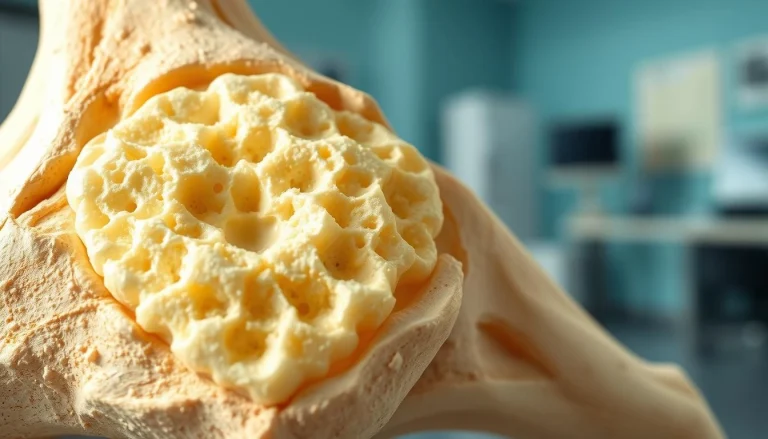
Stomach Cancer: What is Stomach Cancer
Stomach Cancer, also known as gastric cancer, is a serious health condition that affects thousands of people worldwide. It occurs when malignant cells develop in the lining of the stomach. Understanding the risks, symptoms, and treatment options for Stomach Cancer is vital for early detection and effective management. This article aims to provide a detailed overview of the condition. It aims to help readers understand the complexities of this disease.
By exploring the latest research and medical insights, we will examine the various aspects of Stomach Cancer. We will shed light on its causes, diagnosis, and possible treatments. Stomach cancer, also known as gastric cancer, is a complex and aggressive disease. It starts in the stomach. Knowing about it is key for early detection and effective treatment.
Definition and Medical Classification
Stomach cancer is a malignant tumor that begins in the stomach lining, usually from epithelial cells. It’s classified based on the cell type and tumor characteristics. The most common type is adenocarcinoma, making up about 90% of cases. Other types include lymphoma, gastrointestinal stromal tumors (GIST), and neuroendocrine tumors.
Stomach cancer’s medical classification involves staging. This helps determine the disease’s extent and guides treatment choices.
Epidemiology in the United States
In the United States, stomach cancer is relatively rare compared to other cancers. The American Cancer Society reports about 26,500 new cases in 2023. Incidence varies by ethnicity and age.
The disease mostly affects older adults, with most cases in those over 65. Understanding these trends is vital for public health efforts and targeted interventions.
Stomach Anatomy and Physiology
The stomach’s anatomy and physiology are key to grasping stomach cancer. This organ is complex, with a unique structure. It plays a vital role in the digestive system.
Structure and Function of the Stomach
The stomach is a sac-like organ within the gastrointestinal tract. It consists of several layers: mucosa, submucosa, muscularis, and serosa. Each layer is essential for its function. The stomach’s main role is to break down food mechanically and enzymatically.
How Cancerous Cells Develop in Gastric Tissue
Cancerous cells in the stomach arise from DNA mutations in gastric tissue cells. This leads to uncontrolled cell growth. Factors like genetic predisposition, Helicobacter pylori infection, and diet can influence this process.
Types of Stomach Cancer
Understanding the different types of stomach cancer is key for diagnosis and treatment planning. Stomach cancer, also known as gastric cancer, varies based on the cells where it begins. This knowledge is vital for patient outcomes.
Adenocarcinoma
Adenocarcinoma is the most prevalent stomach cancer, making up about 90% of cases. It starts in the glandular cells of the stomach lining. There are two subtypes: intestinal and diffuse. The intestinal type is more common, linked to environmental factors. The diffuse type is rarer and often affects younger individuals.
Lymphoma of the Stomach
Lymphoma of the stomach begins in the stomach’s immune cells. It’s a rare form of stomach cancer. Gastric lymphoma is categorized into primary and secondary types. Primary lymphoma starts in the stomach, while secondary spreads from other parts of the body.
Gastrointestinal Stromal Tumors (GIST)
Gastrointestinal Stromal Tumors (GISTs) are rare, occurring mainly in the stomach. They originate from the interstitial cells of Cajal or their precursors. GISTs can be benign or malignant, with varying aggressiveness. Treatment often involves surgery and targeted therapy.
Neuroendocrine Tumors
Neuroendocrine tumors (NETs) of the stomach are rare, arising from hormone-producing cells. They can be functioning or non-functioning. NETs’ behavior ranges from benign to malignant. Treatment varies based on the tumor’s characteristics, including surgery, medication, or other therapies.
The main types of stomach cancer are summarized in the following list:
- Adenocarcinoma: Originates in glandular cells, most common type.
- Lymphoma: Begins in immune cells, relatively rare.
- GIST: Rare tumors in the digestive tract’s connective tissue.
- Neuroendocrine Tumors: Arise from hormone-producing cells, rare.
Risk Factors for Stomach Cancer
The risk of stomach cancer is shaped by genetic, environmental, and lifestyle factors. Understanding these factors is key to preventing and detecting stomach cancer early.
Helicobacter Pylori Infection
Helicobacter pylori infection is a major risk factor for stomach cancer. This bacterium can lead to chronic gastritis, atrophic gastritis, and intestinal metaplasia. These conditions are precancerous. Eradicating H. pylori can lower the risk of stomach cancer.
Dietary and Lifestyle Factors
Diet significantly impacts stomach cancer risk. A diet high in salt and nitrates, and low in fruits and vegetables, raises the risk. Smoking and excessive alcohol consumption also increase the risk.
Genetic and Familial Predisposition
Those with a family history of stomach cancer face higher risks. Certain genetic syndromes, like hereditary diffuse gastric cancer, also raise the risk. Genetic testing can identify those who need closer surveillance.
Medical Conditions That Increase Risk
Certain medical conditions, like chronic gastritis, gastric atrophy, and pernicious anemia, increase stomach cancer risk. People with these conditions should be closely monitored for cancer signs.
Recognizing Stomach Cancer Symptoms
Understanding stomach cancer symptoms is key to early detection and effective treatment. Stomach cancer, also known as gastric cancer, often presents with nonspecific symptoms. These can be mistaken for other conditions.
Early Warning Signs
Early signs of stomach cancer include persistent indigestion and abdominal discomfort. You might feel full even after eating small amounts. Some people experience a loss of appetite or difficulty swallowing.
Advanced Symptom Presentation
As stomach cancer progresses, symptoms worsen. You may see significant weight loss, abdominal pain, nausea, and vomiting. In some cases, patients notice blood in their stool or vomit.
When to Seek Medical Attention
If you’re experiencing persistent or severe symptoms, seek medical attention. Early diagnosis can greatly improve treatment outcomes for stomach cancer.
Diagnostic Procedures and Tests
To identify stomach cancer, healthcare professionals use various diagnostic tools. These tests are essential for detecting the disease at different stages. They also help in making treatment plans.
Initial Screening and Blood Tests
Screening for stomach cancer starts with blood tests. These tests look for signs of anemia or other abnormalities. Such signs might suggest cancer’s presence, leading to further investigation.
Endoscopy and Biopsy Procedures
Endoscopy is a critical diagnostic method. It involves inserting a flexible tube with a camera into the stomach. This allows for a visual check of the stomach lining. If any suspicious areas are spotted, a biopsy is done. This involves examining tissue for cancer cells.
Imaging Studies
Imaging studies are vital for diagnosing and staging stomach cancer. They include:
-
CT Scans and MRI
CT scans and MRI provide detailed images of the stomach and surrounding tissues. They help assess the cancer’s extent.
-
PET Scans
PET scans identify areas of high metabolic activity. This can indicate cancer spread.
Molecular and Genetic Testing
For some, molecular and genetic testing is recommended. This identifies specific genetic mutations or markers linked to stomach cancer. Such information aids in choosing targeted therapies.
Stomach Cancer Staging
Understanding the stage of stomach cancer is critical for determining the best treatment approach. Stomach cancer staging assesses the tumor’s extent, lymph node involvement, and metastasis presence.
TNM Classification System
The TNM classification system is employed for staging stomach cancer. It evaluates three main factors:
- T: The size and extent of the main tumor
- N: The degree to which nearby lymph nodes are affected
- M: Whether the cancer has metastasized to other parts of the body
Stage Groupings (I-IV)
Stomach cancer is categorized into stages I through IV based on the TNM classification. Stage I represents early cancer, while Stage IV signifies advanced cancer with distant metastasis.
How Staging Guides Treatment Decisions
The stage of stomach cancer influences treatment choices, including surgery, chemotherapy, and radiation therapy. Accurate staging is vital for selecting the most suitable treatment plan.
Surgical Treatment Options
Surgical intervention is a primary treatment modality for stomach cancer, providing various options based on the stage and location of the tumor. The choice of surgical procedure depends on several factors, including the extent of the disease and the patient’s overall health.
Endoscopic Resection for Early-Stage Cancer
For early-stage stomach cancer, endoscopic resection is a viable option. This minimally invasive procedure involves removing the cancerous tissue through an endoscope.
Subtotal and Total Gastrectomy
Subtotal gastrectomy involves removing the part of the stomach containing the tumor, while total gastrectomy involves removing the entire stomach. Both procedures may be necessary depending on the tumor’s location and size.
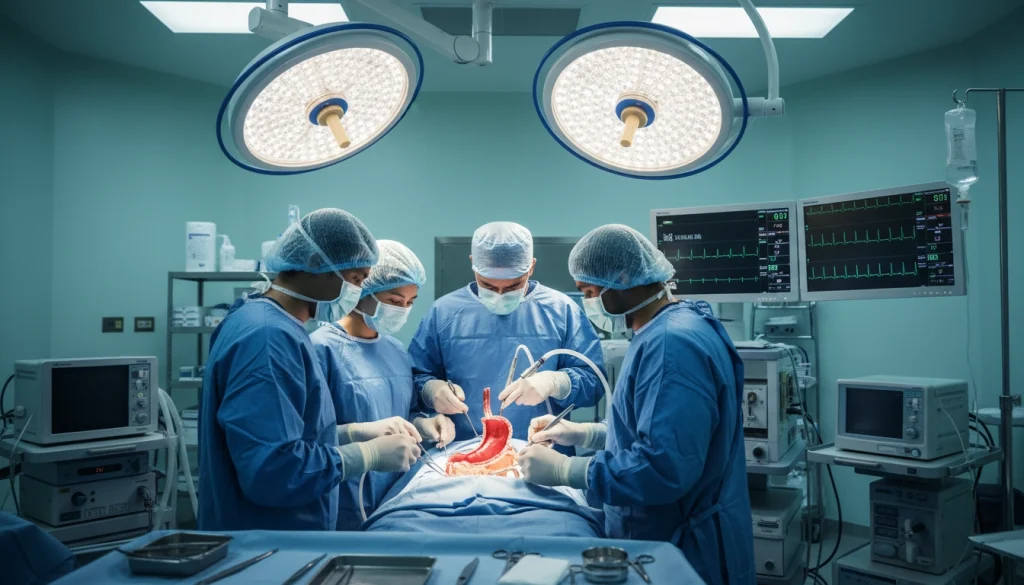
Lymph Node Dissection
Lymph node dissection is a critical component of stomach cancer surgery, involving the removal of lymph nodes that may contain cancer cells. This helps in preventing the spread of cancer.
Minimally Invasive Surgical Approaches
Minimally invasive surgical techniques, such as laparoscopic surgery, are increasingly being used for stomach cancer treatment. These approaches offer benefits like reduced recovery time and less postoperative pain.
- Reduced risk of complications
- Shorter hospital stay
- Less postoperative pain
Chemotherapy for Stomach Cancer
Chemotherapy plays a vital role in treating stomach cancer, used in both neoadjuvant and adjuvant settings. It employs drugs to target and destroy cancer cells, preventing them from growing and dividing.
Neoadjuvant Chemotherapy
Neoadjuvant chemotherapy is given before the main treatment, typically surgery. It aims to reduce the tumor size, making it easier to remove. This method can enhance surgical outcomes and boost the likelihood of a successful resection.
Adjuvant Chemotherapy Protocols
Adjuvant chemotherapy is administered after surgery. Its purpose is to eliminate any cancer cells that might have been left behind. This approach significantly reduces the risk of cancer recurrence and improves survival rates.
Common Drug Combinations
Chemotherapy for stomach cancer often involves a mix of drugs. Regimens like EOX (epirubicin, oxaliplatin, and capecitabine) and FLOT (fluorouracil, leucovorin, oxaliplatin, and docetaxel) are commonly used. The choice of regimen depends on the cancer’s stage and the patient’s health.
Managing Side Effects
It’s essential to manage chemotherapy side effects to preserve the patient’s quality of life. Common issues include nausea, fatigue, and hair loss. Supportive care, such as anti-nausea medications and nutritional counseling, can help alleviate these symptoms.
Radiation Therapy Approaches
Radiation therapy plays a key role in treating stomach cancer, employing various techniques. It can be used alone or in combination with other treatments to boost its effectiveness.
External Beam Radiation
External Beam Radiation Therapy (EBRT) is a prevalent method for stomach cancer treatment. It involves directing high-energy beams from outside the body to target and destroy cancer cells. This method is administered over several sessions. It allows for precise targeting of the tumor while minimizing damage to surrounding healthy tissue.
Combined Chemoradiation
Chemoradiation combines radiation therapy with chemotherapy to enhance treatment efficacy. It is beneficial for locally advanced stomach cancer, helping to shrink tumors and control symptoms. This approach can be used before surgery to make the tumor more operable or after surgery to eliminate any remaining cancer cells.
Radiation Side Effect Management
Managing the side effects of radiation therapy is essential for maintaining patient comfort and quality of life. Common side effects include fatigue, nausea, and diarrhea. Effective management involves a combination of medication, dietary adjustments, and rest. Healthcare providers closely monitor and mitigate these side effects, ensuring treatment can continue uninterrupted.
Targeted and Biological Therapies
Recent breakthroughs in targeted and biological therapies are revolutionizing stomach cancer treatment. These new methods focus on specific molecular targets or mechanisms. They aim to provide more precise and less toxic treatments than traditional chemotherapy.
HER2-Targeted Treatments
HER2-targeted treatments have made a significant impact for those with HER2-positive stomach cancer. Trastuzumab, a monoclonal antibody, has been proven to enhance survival when paired with chemotherapy. Other HER2-targeted agents, like lapatinib and pertuzumab, are being tested in clinical trials.
Angiogenesis Inhibitors
Angiogenesis inhibitors aim to cut off the blood supply to tumors, starving them of nutrients. Ramucirumab, an anti-angiogenic agent, has shown effectiveness in treating advanced gastric cancer. It can be used alone or in combination with chemotherapy.
Immunotherapy Advances
Immunotherapy is a promising area in stomach cancer treatment. It leverages the body’s immune system to combat cancer.
Checkpoint Inhibitors
Checkpoint inhibitors, including pembrolizumab and nivolumab, release the immune system’s brakes. This allows it to target cancer cells more effectively. These drugs have shown promise, mainly in patients with PD-L1 positive tumors.
CAR-T Cell Therapy Research
CAR-T cell therapy involves modifying a patient’s T cells to recognize and destroy cancer cells. Though in its early stages for stomach cancer, CAR-T cell therapy shows great promise for future treatments.
Precision Medicine Approaches
Precision medicine tailors treatments to each patient’s unique cancer characteristics. By identifying specific genetic mutations or biomarkers, healthcare providers can choose the most effective targeted therapy. This approach improves treatment outcomes and reduces side effects.
Clinical Trials and Research Advancements
The field of stomach cancer treatment is rapidly evolving, thanks to ongoing research and clinical trials. These efforts are vital for better patient outcomes and more effective treatments.
Current Clinical Trials in the US
In the United States, numerous clinical trials are exploring new stomach cancer treatments. These trials focus on various methods, including:
- Immunotherapy
- Targeted therapy
- Combination chemotherapy regimens
These trials offer patients the chance to try innovative treatments that are not yet widely available.
Emerging Treatment Paradigms
New research is leading to groundbreaking treatment paradigms for stomach cancer. Some of these emerging approaches include:
- Precision medicine tailored to individual genetic profiles
- Novel drug combinations that target specific cancer pathways
These new treatments hold promise for better survival rates and improved quality of life.

How to Find and Participate in Clinical Trials
Patients looking to join clinical trials should first consult their healthcare provider or search online databases like ClinicalTrials.gov. It’s important to:
- Understand the trial’s eligibility criteria
- Discuss the benefits and risks with a healthcare professional
By participating in a clinical trial, patients can access advanced treatments and help advance stomach cancer research.
Nutritional Management
Nutritional management is key in treating stomach cancer. It helps patients stay strong, cope with treatment side effects, and recover better.
Dietary Needs Before Treatment
Before treatment starts, stomach cancer patients should check their nutrition. They might see a dietitian to find any nutritional gaps. Eating a balanced diet with proteins, complex carbs, and healthy fats is advised to boost their nutrition.
Nutrition During Cancer Therapy
Cancer therapy can change nutritional needs due to side effects like nausea or swallowing issues. Eating smaller, more frequent meals can help. Supplements or alternative nutrition methods might be suggested if regular diet isn’t enough.
Post-Gastrectomy Dietary Adjustments
After a gastrectomy, patients face big dietary changes. They need to eat smaller meals often, avoid foods that cause discomfort, and make sure they get enough vitamins and minerals.
Prevention Strategies
Preventing stomach cancer requires a multi-faceted approach. This includes screening, lifestyle changes, and ongoing surveillance. By adopting these strategies, individuals can significantly lower their risk of stomach cancer.
H. Pylori Screening and Treatment
Screening and treating H. pylori infection is a key prevention strategy. This bacterium causes chronic gastritis and raises the risk of stomach cancer. Detection methods include breath tests, blood tests, and stool tests. If found, antibiotics can clear the infection, reducing stomach cancer risk.
- Breath tests to detect H. pylori infection
- Blood tests to identify antibodies against H. pylori
- Stool tests to detect H. pylori antigens
Dietary and Lifestyle Modifications
Making dietary and lifestyle changes is vital in preventing stomach cancer. Eating more fruits, vegetables, and whole grains can help. Also, avoiding smoked and salted foods, which are high in nitrates and salt, is beneficial.
Surveillance for High-Risk Individuals
Those with a family history of stomach cancer or certain genetic syndromes are at higher risk. Regular endoscopy can catch stomach cancer early, when it’s more treatable.
- Regular endoscopic examinations for high-risk individuals
- Genetic counseling for families with a history of stomach cancer
- Monitoring for early signs of stomach cancer
Living with Stomach Cancer
Living with stomach cancer is more than just medical treatment. It requires a holistic approach to manage the disease’s impact on daily life. Patients must navigate the complexities of their diagnosis, treatment options, and the emotional and social implications that follow.
Coping with Diagnosis and Treatment
Coping with a stomach cancer diagnosis can be overwhelming. Patients often experience a range of emotions, from shock and denial to anxiety and depression. It’s essential for patients to have a support system, whether it’s family, friends, or support groups, to help them navigate these challenges. Treatment options, including surgery, chemotherapy, and radiation therapy, can have significant side effects that impact a patient’s quality of life.
Support Resources in the United States
The United States offers various support resources for stomach cancer patients. These include patient advocacy groups and financial assistance programs.
Patient Advocacy Groups
Organizations such as the American Cancer Society and the Stomach Cancer Foundation provide valuable resources. They offer information on treatment options, support groups, and advocacy. These organizations play a vital role in raising awareness and supporting patients and their families.
Financial Assistance Programs
Financial assistance programs are available to help patients manage the economic burden of cancer treatment. Programs such as the Cancer Financial Assistance Coalition (CFAC) offer resources to help patients access the care they need.
Quality of Life Considerations
Maintaining quality of life is a critical aspect of living with stomach cancer. This involves managing treatment side effects, nutritional counseling, and emotional support. Patients are encouraged to discuss their quality of life concerns with their healthcare team to receive appropriate support.
By understanding the resources available and maintaining open communication with healthcare providers, patients can better navigate the challenges of stomach cancer.
The Future of Stomach Cancer Care
The field of stomach cancer care is rapidly evolving, thanks to new treatments and research breakthroughs. Our growing understanding of the disease is leading to the development of more effective therapies. These advancements aim to enhance patient care and outcomes.
Targeted therapies and immunotherapies are showing great promise in clinical trials. These innovative methods aim to boost treatment effectiveness while reducing side effects. They represent a significant step forward in the fight against stomach cancer.
Genomics and molecular biology research are also playing a key role in stomach cancer care’s future. By pinpointing genetic mutations and biomarkers, doctors can create more personalized treatment plans. This approach ensures that care is tailored to each patient’s unique needs.
Looking ahead, stomach cancer treatment is expected to become even more precise and personalized. The focus will shift towards precision medicine and collaborative care. The ongoing research and emerging treatments offer a bright future for patients, promising better outcomes and improved quality of life.
FAQ
Q: What are the primary risk factors for developing stomach cancer?
A: Key risk factors for stomach cancer include Helicobacter pylori infection and certain dietary and lifestyle choices. Genetic predisposition and specific medical conditions also play a role.
Q: How is stomach cancer diagnosed?
A: Diagnosing stomach cancer involves initial screening and blood tests. It also includes endoscopy and biopsy procedures. Imaging studies like CT scans and MRI are used, along with molecular and genetic testing.
Q: What are the different types of stomach cancer?
A: Stomach cancer types include adenocarcinoma and lymphoma of the stomach. Gastrointestinal stromal tumors (GIST) and neuroendocrine tumors are also forms of stomach cancer.
Q: What are the treatment options for stomach cancer?
A: Treatment options include surgical methods like endoscopic resection and subtotal gastrectomy. Total gastrectomy and lymph node dissection are also considered. Chemotherapy, radiation therapy, and targeted therapies are available. Clinical trials are another option.
Q: How does staging guide treatment decisions for stomach cancer?
A: Staging is critical in guiding treatment decisions. It determines the disease’s extent. This information helps healthcare providers choose the most effective treatment plan.
Q: What are the dietary needs for stomach cancer patients before treatment?
A: Before treatment, stomach cancer patients should focus on a balanced diet. It should be rich in nutrients to ensure optimal health. This preparation is essential for the challenges of treatment ahead.
Q: How can individuals reduce their risk of developing stomach cancer?
A: To reduce stomach cancer risk, individuals should undergo H. pylori screening and treatment. Making dietary and lifestyle changes is also important. Surveillance programs can help those at high risk.
Q: What support resources are available for stomach cancer patients in the United States?
A: In the United States, stomach cancer patients can find support through patient advocacy groups and financial assistance programs. These resources help cope with diagnosis and treatment.