Managing anxiety well is key for our wellbeing. There are many ways to ease its symptoms. The 333 Rule is a simple yet powerful anxiety relief strategy. It works alongside other anxiety management techniques to help during anxious moments. Knowing when to use these methods and spotting when you need professional help is important. It’s a big part of managing anxiety. This article will dive into the 333 Rule, other coping strategies, and why seeking treatment is sometimes necessary. It aims to give a full guide on how to handle anxiety.
Understanding Anxiety and Its Impact on Daily Life
It’s key to understand anxiety, as it can really affect how we live and feel. Anxiety disorders make people worry too much, feel scared, or anxious. This can control their mood and mess up their daily life.
Anxiety shows up in many ways, touching different parts of our lives. It can mess with personal relationships, making it hard to connect with others. It also affects professional performance, causing people to work less well. Learning how to manage anxiety is very important.
Anxiety can change our lives a lot. It might make people avoid certain situations or places that make them anxious. This avoidance can make them feel more alone and lower their quality of life.
Having access to mental health resources is critical for those dealing with anxiety. These can include therapy, support groups, and educational materials. They help people learn how to handle their anxiety.
Knowing about anxiety and how it affects us is the first step to managing it. Techniques like the 333 Rule can help right away. They are part of a bigger plan to deal with anxiety.
What Is the 333 Rule for Anxiety?
The 333 Rule is a simple technique to help with anxiety. It involves noticing three things you see, three sounds you hear, and moving three parts of your body. This method helps you focus on the present and calm your mind.
The Origins and Science Behind the 333 Rule
The 333 Rule comes from therapy for anxiety and PTSD. It’s a way to ground yourself in the present moment. This helps you move away from anxious thoughts and feel calmer.
Studies show that grounding techniques can lessen anxiety and PTSD symptoms. By focusing on what’s around you and how you feel, you can reduce anxiety. For more on managing anxiety, check out resources on hypochondriasis.
Why the 333 Rule Works for Anxiety Management
The 333 Rule distracts you from anxious thoughts by using your senses. It asks you to notice three things you see, three sounds you hear, and move three parts of your body. This distracts your brain and calms your nervous system.
The key advantages of the 333 Rule include:
- Simplicity: It’s easy to remember and can be done anywhere.
- Immediate effect: It can provide quick relief from anxiety symptoms.
- Accessibility: No equipment or training is required.
Adding the 333 Rule to your anxiety management can be very helpful. It’s a reliable way to manage anxiety when it strikes.
How to Practice the 333 Rule for Anxiety
To ease anxiety, try the 333 Rule. It’s a simple way to stay present. It helps by focusing on what’s around you, taking your mind off worries.
Step 1: Identify Three Things You Can See
Start by noticing three things you see. It could be an object, a person, or something in the room. Looking at these things calms your mind. For example, you might see:
- A chair in the room
- A book on the table
- A picture on the wall
By noticing these things, you move your focus from anxiety to the now.
Step 2: Identify Three Sounds You Can Hear
Next, listen for three sounds. It could be traffic, a machine, or someone talking. Listening to these sounds helps you stay grounded. You might hear:
- The sound of a clock ticking
- Background chatter
- The hum of a refrigerator
This method is great for reducing anxiety by focusing on the moment.
Step 3: Move Three Parts of Your Body
Lastly, move three parts of your body. It could be wiggling your toes, tapping your fingers, or nodding. Moving helps release tension and keeps you in the present. For instance:
- Wiggle your toes
- Tap your fingers on your lap
- Shrug your shoulders
The 333 Rule combines visual, auditory, and physical techniques to manage anxiety. For more tips, check out EMDR therapy for anxiety support.
The 333 Rule for Anxiety, Plus Other Coping Methods and When to Seek Treatment
Managing anxiety well often means using self-help and knowing when to get help from experts. The 333 Rule is a simple way to help during anxious times.
The 333 Rule helps you focus on now by noticing three things you see, hear, and can move. It’s a great way to stop worrying and stay in the moment. This technique is great for dealing with sudden anxiety.
There are other ways to cope with anxiety too. Deep breathing, muscle relaxation, and mindfulness are all helpful. Each method has its own way of easing anxiety, and what works for one person might not work for another.
Even though self-help is good, sometimes you need professional help for anxiety. If anxiety really gets in the way of your life, hurts your relationships, or doesn’t go away, it’s time to seek treatment.
- Experiencing intense anxiety that interferes with daily activities
- Noticing a decline in mental health despite using self-help techniques
- Having thoughts of self-harm or suicidal ideation
Knowing when to see a mental health expert is key. They can check your mental health and suggest the best treatment. This might include therapy, medicine, or both.
In short, while the 333 Rule and other self-help methods are useful, knowing when to get more help is also important. By using both self-help and professional advice, you can make a strong plan to manage your anxiety.
When to Use the 333 Rule for Maximum Effectiveness
Knowing when to use the 333 Rule can really boost its power in anxiety management techniques. It’s not a catch-all solution. Its benefits grow when used at the right times.
Situations Where the 333 Rule Is Most Helpful
The 333 Rule shines in situations that make you anxious or panicked. For example, it can help you stay present during a panic attack. It’s also great in stressful spots or when you face unexpected problems.
- In crowded or noisy places where feelings of overwhelm are common
- During moments of intense anxiety or panic
- When experiencing racing thoughts or an inability to focus
Using the 333 Rule in these moments can help you feel more in control and calm your mind.
Limitations of the 333 Rule
Though the 333 Rule is helpful, it’s not perfect for everyone. It might not work for those with severe anxiety. In such cases, it’s key to know when to see a therapist for expert help.
Some downsides include:
- It may not tackle the root causes of anxiety
- It might not work well for severe or complex anxiety disorders
- Counting on this technique alone might not solve anxiety for everyone in the long run
Knowing these limits helps you see when you need more help. This ensures you get the best care for your anxiety.
Deep Breathing Exercises for Anxiety Relief
Deep breathing exercises are a simple yet effective way to cope with anxiety. They calm the mind and body, reducing anxiety and promoting relaxation.
These exercises slow down the heart rate and lower blood pressure. They also help you feel calm. You can do them anywhere, making them a handy strategy for anxiety relief.
Box Breathing Technique
The box breathing technique involves breathing in for a count of four, holding for four, exhaling for four, and holding again for four. This creates a “box” shape with your breath.
To practice box breathing, sit comfortably and close your eyes. Start by inhaling for a count of four. Hold your breath for a count of four, then exhale for a count of four. Hold again for a count of four. Repeat this cycle several times.
4-7-8 Breathing Method
The 4-7-8 breathing method, also known as the “relaxation breath,” involves breathing in through the nose for a count of four, holding for a count of seven, and exhaling through the mouth for a count of eight.
To practice this technique, sit comfortably with your back straight. Place the tip of your tongue behind your upper teeth. Breathe in through your nose for a count of four. Hold your breath for a count of seven, then exhale through your mouth for a count of eight, making a soft “whooshing” sound. Repeat this cycle three to four times.
Diaphragmatic Breathing
Diaphragmatic breathing, also known as belly breathing, engages the diaphragm to help the lungs fill with air more efficiently. This type of breathing is more effective than shallow chest breathing.
To practice diaphragmatic breathing, lie on your back with your knees bent. Place one hand on your belly and the other on your chest. Inhale slowly through your nose, allowing your belly to rise as your diaphragm descends. Exhale slowly through your mouth, allowing your belly to fall as your diaphragm rises. The hand on your belly should move more than the hand on your chest.
By incorporating these deep breathing exercises into your daily routine, you can develop a valuable tool for managing anxiety and promoting overall well-being.
Grounding Techniques Beyond the 333 Rule
Looking to add to your anxiety management tools? Exploring grounding techniques beyond the 333 Rule can be very helpful. These methods help you stay in the present moment, easing anxiety and overwhelm.
Grounding techniques are great when anxiety strikes, giving you a sense of control and calm. By adding different grounding methods to your daily life, you can build a strong plan to manage anxiety.
The 5-4-3-2-1 Sensory Technique
The 5-4-3-2-1 sensory technique is a way to ground yourself by noticing your surroundings. It’s about noticing:
- 5 things you see, like objects or people.
- 4 things you can touch, like your feet or the air.
- 3 things you hear, like sounds or voices.
- 2 things you smell, like scents or fragrances.
- 1 thing you taste, like your mouth or gum.
This technique distracts from anxious thoughts and helps you feel calm and grounded.
Physical Grounding Methods
Physical grounding methods use your senses to connect with the world around you, easing anxiety. Some effective methods include:
- Deep Pressure: Using gentle pressure, like hugging yourself or a weighted blanket.
- Walking Barefoot: Feeling your feet on the ground.
- Physical Activity: Doing activities like yoga or tai chi, which help you stay present.
These physical techniques are great for high anxiety, helping you feel more in control and calm.
By using these grounding techniques, you can manage anxiety better. This improves your overall well-being and resilience.
Progressive Muscle Relaxation for Anxiety
Progressive muscle relaxation is a simple yet effective way to handle anxiety. It involves tensing and relaxing muscles to ease physical tension and help you relax.
How to Perform Progressive Muscle Relaxation
Start by finding a quiet spot to sit or lie down. Begin with deep breathing to calm your mind and body.
- Start with your toes: tense them for a few seconds, and then release.
- Move up through the body, tensing and relaxing each muscle group in turn: feet, calves, thighs, hips, back, shoulders, arms, hands, neck, and head.
- Take your time, focusing on the sensation of tension and relaxation in each area.
Consistency is key to benefiting from progressive muscle relaxation. Regular practice can enhance its effectiveness in managing anxiety.
Benefits for Anxiety Management
Progressive muscle relaxation can greatly reduce anxiety by releasing physical tension and promoting relaxation. It helps you become more aware of your body, making it easier to manage anxiety symptoms.
The benefits of this technique include:
- Reduced muscle tension
- Improved sleep quality
- Enhanced overall sense of well-being
By adding progressive muscle relaxation to your daily routine, you can develop a strong tool for managing anxiety and improving your life quality.
Mindfulness and Meditation Practices
Mindfulness and meditation are great for fighting anxiety. They help us stay in the moment. This way, we can handle anxious thoughts better.
There are many mindfulness and meditation methods to help with anxiety. Guided meditation, body scan meditation, and mindful walking are some of them. Each has its own way of helping us cope with anxiety.
Guided Meditation for Beginners
Guided meditation is perfect for beginners. It lets you follow a guide through a meditation. This can be calming and helps with anxiety.
- Start by finding a quiet, comfy spot to sit or lie down.
- Pick a guided meditation that helps with anxiety or relaxation.
- Just follow the guide’s voice and let yourself relax.
Body Scan Meditation
Body scan meditation focuses on each part of your body. It starts from your toes and goes up to your head. This helps you relax and feel less tense.
- Find a comfy spot to lie down or sit, breathe deeply.
- Focus on your toes, noticing any feelings or tension.
- Slowly move your attention up your body, stopping at each part.
Mindful Walking
Mindful walking mixes walking with mindfulness. It helps you feel calm and present. You focus on the feeling of each step.
- Find a quiet, safe place to walk without distractions.
- Notice how your feet touch the ground, your legs move, and your breath.
- If your mind drifts, gently bring it back to walking.
Adding these mindfulness and meditation practices to your day can help with anxiety relief strategies. It can also boost your mental health.
Cognitive Behavioural Techniques for Anxiety
Managing anxiety often means using cognitive behavioural techniques. These help people change their anxious thoughts. They understand that thoughts, feelings, and actions are linked. Changing one can affect the others.
Challenging Anxious Thoughts
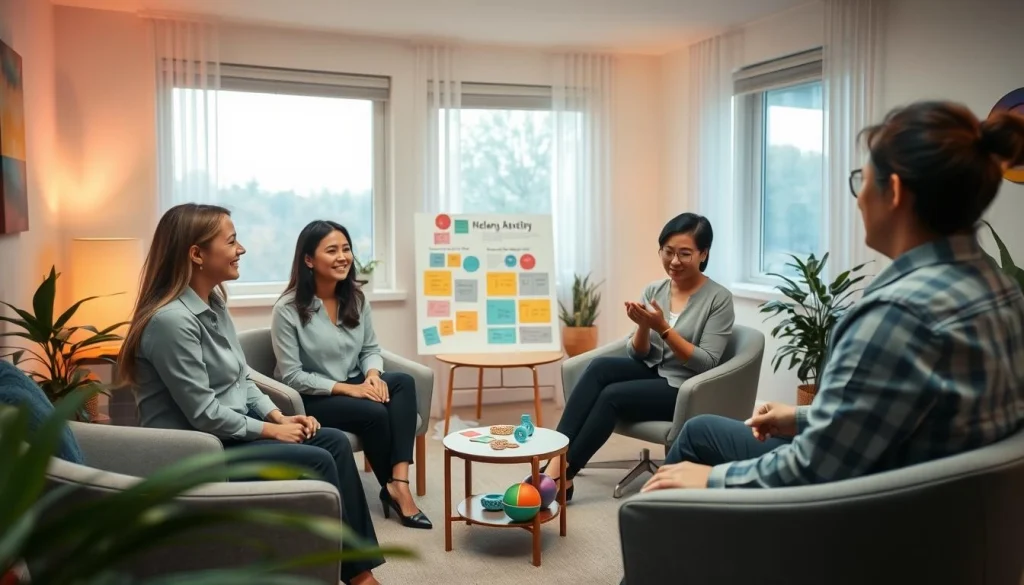
Challenging anxious thoughts means spotting and disputing distorted thoughts. This can lower anxiety by changing how we see and react to tough situations. For example, someone worried about an event might think the worst. By changing these thoughts, anxiety can decrease.
To effectively challenge anxious thoughts, spotting distortions is key. Common ones include overgeneralising and black-and-white thinking. Recognising these helps in changing them.
Thought Reframing Strategies
Thought reframing is a strong tool against anxiety. It changes how we see a situation. For instance, someone worried about a panic attack might think differently. They might say, “I’m ready for this, and I can handle my anxiety.”
Practising thought reframing takes time and effort. It’s not just about changing words but also beliefs. Regular practice can lead to a more positive outlook and less anxiety.
Using cognitive behavioural techniques like challenging thoughts and reframing can help manage anxiety. These methods, with professional help, can lead to a more balanced life.
Lifestyle Changes That Support Anxiety Management
Making smart lifestyle choices can really help with anxiety. By changing daily habits, people can manage their anxiety better. This can also improve their life quality.
Exercise and Physical Activity
Exercise is key for managing anxiety. It releases endorphins, which make us feel good and reduce stress. Activities like walking, jogging, cycling, or yoga are great.
- Reduces Stress: Exercise lowers stress hormones like cortisol.
- Improves Mood: It boosts endorphins, making us feel better.
- Enhances Sleep: Regular exercise can also improve sleep, which anxiety often disrupts.
Sleep Hygiene Practices
Good sleep habits are vital for managing anxiety. Poor sleep can make anxiety worse, creating a cycle. It’s important to have a regular sleep schedule, a quiet sleep space, and avoid caffeine and screens before bed.
- Stick to a consistent sleep schedule to keep your body’s clock in sync.
- Make your bedroom dark, quiet, and cool to help you sleep better.
- Stay away from caffeine and electronic devices an hour before bed.
Nutritional Considerations
Eating well is important for managing anxiety. Some foods can help, while others can make it worse.
- Omega-3 Fatty Acids: Found in fish, nuts, and seeds, they support brain health.
- Complex Carbohydrates: Whole grains can boost serotonin, improving mood.
- Adequate Hydration: Drinking enough water is key for mental health.
By making these lifestyle changes, people can find effective anxiety self-care tips and better access mental health resources. These changes can make a big difference in managing anxiety and improving overall wellbeing.
Recognising When Self-Help Isn’t Enough
Knowing when self-help isn’t enough is key to managing anxiety. Many self-help methods can help, but sometimes, you need a professional’s help.
Warning Signs That Require Professional Attention
Some signs show you need professional help for anxiety. These include:
- Persistent feelings of anxiety that last for an extended period
- Anxiety that interferes with daily life, making routine tasks challenging
- Experiencing panic attacks or severe anxiety symptoms
- Avoiding social situations or places due to anxiety
If you see yourself in these signs, it’s time to seek treatment from a mental health expert.
Impact on Work, Relationships, and Daily Functioning
Anxiety can harm many parts of your life, like work, relationships, and daily tasks. If it’s affecting these areas, you might need more help.
Key areas to assess include:
- Performance at work or school: Is anxiety causing difficulties in concentrating or completing tasks?
- Relationships: Are personal or professional relationships suffering due to anxiety?
- Daily functioning: Is anxiety making everyday tasks, like grocery shopping or cooking, challenging?
Understanding how anxiety affects these areas can help decide when to get professional help. A therapist can offer strategies to manage anxiety and boost your well-being.
When to Seek Professional Treatment for Anxiety
If anxiety is getting in the way of your daily life, it’s time to think about getting help. Anxiety disorders are complex and can show up in many ways. It’s important to know when to ask for help.
Types of Anxiety Disorders
Anxiety disorders include generalised anxiety disorder, panic disorder, social anxiety disorder, and specific phobias. Each one affects people differently and has its own signs.
- Generalised Anxiety Disorder: This is when you worry too much about everyday things.
- Panic Disorder: It’s about sudden, scary feelings that happen without warning.
- Social Anxiety Disorder: This is fear of being judged or embarrassed in social situations.
- Specific Phobias: It’s an intense, irrational fear of something specific.
How to Know It’s Time to Consult a Therapist
Knowing when to see a therapist is key. If you notice any of these signs, it might be time:
- Anxiety that stops you from doing everyday things.
- Feeling anxious for weeks or months without stopping.
- Symptoms that are so bad they affect your relationships or work.
Looking for professional help is brave, not weak. Therapists can teach you anxiety management techniques that fit your needs. They help you take back control of your life.
Professional Treatment Options Available
For those struggling with anxiety, many professional treatments can help. Anxiety is a complex issue that needs a detailed approach. Self-help is good, but professional help is key to tackling anxiety disorders.
Effective management often involves a combination of therapies tailored to the individual’s needs. There are many professional treatments, from traditional therapies to medication and alternative methods.
Cognitive Behavioural Therapy
Cognitive Behavioural Therapy (CBT) is a well-known and effective treatment for anxiety. It helps by changing negative thoughts and behaviours that cause anxiety. Through CBT, people learn new ways to handle their anxiety.
CBT is done with a therapist and includes:
- Identifying distorted or unhelpful thinking patterns.
- Learning techniques to challenge and modify these thoughts.
- Practicing new skills and behaviours to reduce anxiety.
Medication Options
For some, medication is a key part of treating anxiety. There are different types of medication, including:
- Benzodiazepines, which offer short-term relief but are not recommended for long-term use due to dependency risks.
- Selective serotonin reuptake inhibitors (SSRIs), often the first choice for treating anxiety disorders.
- Serotonin-norepinephrine reuptake inhibitors (SNRIs), another effective medication for anxiety.
It’s important to talk to a healthcare professional to find the right medication and dosage.
Alternative Therapies
Along with traditional treatments, alternative therapies can also help manage anxiety. These include:
- Mindfulness-based therapies, which focus on the present moment to reduce anxiety.
- Acupuncture, a practice that uses thin needles to promote relaxation and lower anxiety.
- Yoga and tai chi, which combine physical movement with deep breathing to improve mental health.
These alternative therapies can be used alongside traditional treatments for a more complete approach to managing anxiety.
Finding mental health resources is a big step in managing anxiety. By looking into the different professional treatments available, people can find the best ways to cope with their anxiety.
Conclusion
Managing anxiety well means knowing its effects, using coping methods, and when to get help. The 333 Rule for Anxiety is a simple yet effective way to stay present and feel less overwhelmed.
Using the 333 Rule and other strategies like deep breathing and mindfulness can help a lot. Regular exercise, better sleep, and healthy eating are also key. These changes support managing anxiety.
It’s important to know when to ask for professional help. If anxiety is really affecting your life, work, or relationships, you should get help. Treatments like Cognitive Behavioural Therapy, medication, and alternative therapies can be very helpful.
By using these strategies, you can manage your anxiety better. This improves your well-being and quality of life. The 333 Rule for Anxiety and other methods can make a big difference.
FAQ
Q: What is the 333 Rule for anxiety?
A: The 333 Rule is a simple technique to help with anxiety. It involves noticing three things you see, three sounds you hear, and moving three parts of your body. This helps calm your mind.
Q: How does the 333 Rule help with anxiety management?
A: It distracts you from worrying thoughts. By focusing on the present, it reduces anxiety and panic.
Q: Are there other coping methods for anxiety beside the 333 Rule?
A: Yes, there are many ways to cope with anxiety. These include deep breathing, muscle relaxation, mindfulness, meditation, and cognitive behavioural techniques.
Q: When should I seek professional help for my anxiety?
A: If anxiety affects your daily life, relationships, or work, seek help. Also, if symptoms are severe and hard to manage on your own, get professional advice.
Q: What are some signs that my anxiety requires professional treatment?
A: Look out for persistent worry, avoiding situations, and feeling overwhelmed. If these impact your daily life, you might need professional help.
Q: What types of professional treatment are available for anxiety?
A: Treatments include cognitive behavioural therapy, medication, and mindfulness-based stress reduction. These options can help manage anxiety.
Q: Can lifestyle changes help manage anxiety?
A: Yes, making healthy lifestyle choices can help. Regular exercise, good sleep, and a balanced diet support anxiety management.
Q: How can I practice the 333 Rule effectively?
A: To use the 333 Rule, take a moment to observe your surroundings. Notice three things you see, three sounds you hear, and move three parts of your body. This can help calm you.
Q: Are there any limitations to using the 333 Rule for anxiety?
A: While helpful, the 333 Rule might not work for everyone. Those with severe anxiety or complex trauma may need more support.