What Is Urticaria and How Does It Affect Children
Urticaria, commonly known as hives, is a skin condition characterized by itchy, raised welts. It can be a concerning condition for parents when it affects children. Pediatric urticaria can result from various factors, including allergic reactions, infections, or environmental triggers. Understanding the causes and symptoms is key for effective management and treatment.
Recognizing the signs of urticaria and knowing when to seek medical attention can help alleviate the discomfort and distress it causes in children. Hives, or urticaria, are a common skin reaction in children, caused by allergies and environmental factors. They are characterized by itchy, raised welts on the skin. These can be either acute or chronic.
Definition and Basic Characteristics
Urticaria is a skin condition that shows up as hives, which are itchy, raised areas. These can vary in size and shape and appear anywhere on the body. It’s often linked to allergic reactions but can also be caused by other factors.
Prevalence in Pediatric Populations
Urticaria is quite common in children. Research shows a significant number of kids experience it at some point. It’s more common in those with allergies or atopic dermatitis.
How Children’s Hives Differ from Adults
While urticaria’s basic traits are similar in all ages, there are age-specific differences. Children tend to have acute urticaria, often due to infections or allergies. Adults, on the other hand, are more likely to have chronic urticaria, which is harder to manage.
Knowing these differences is key for proper diagnosis and treatment. Parents should recognize the signs and triggers to get timely medical help.
Common Causes of Urticaria (Hives) in Children
Urticaria, commonly known as hives, can be triggered by a variety of factors in children. Understanding these causes is key to managing the condition effectively.
Food Allergies and Sensitivities
Food allergies are a common cause of urticaria in children. Common allergenic foods include nuts, shellfish, eggs, and dairy products. When a child consumes a food they are allergic to, their body releases histamine. This leads to the formation of hives.
Environmental Allergens
Environmental allergens such as pollen, dust mites, and pet dander can also trigger urticaria. Children who suffer from allergies may experience hives when exposed to these allergens.
Viral and Bacterial Infections
Infections, both viral and bacterial, can cause urticaria in children. Common infections include the common cold, flu, and strep throat. In some cases, the hives may be a symptom of an underlying infection.
Medication Reactions
Certain medications can cause urticaria as an adverse reaction. Antibiotics, such as penicillin, are known to cause hives in some children. It’s essential for parents to monitor their child’s reaction to new medications.
Idiopathic Causes
In some cases, the cause of urticaria in children remains unknown, classified as idiopathic urticaria. This type of hives can be challenging to manage due to the lack of identifiable triggers.
By understanding the various causes of urticaria, parents can take steps to help their children avoid triggers and manage symptoms effectively.
Recognizing the Symptoms of Pediatric Urticaria
The symptoms of pediatric urticaria can vary widely, from mild to severe. It’s essential for parents to be aware of these signs to ensure their child gets the right care. Urticaria, or hives, in children manifests as specific skin changes, often accompanied by other symptoms.
Characteristic Appearance of Hives
Hives in children with urticaria appear as raised, red or white, itchy welts on the skin. These welts can differ in size and shape, with a pale center. The hives’ appearance can be sudden and may change, with new welts appearing as old ones fade.
Distribution Patterns on the Body
Urticaria can affect any part of the body, with varying distribution patterns among children. Some may have localized hives, while others experience widespread hives across the body. Hives can appear on the face, arms, legs, torso, or any combination thereof.
Associated Symptoms (Itching, Pain, Burning)
Children with urticaria often experience itching, which can range from mild to severe. Some may also report a burning sensation or pain in the affected areas. These symptoms can greatly impact a child’s comfort and quality of life.
Angioedema in Children
Angioedema, a condition related to urticaria, involves deeper tissue swelling. It often affects the face, lips, tongue, or throat. In children, angioedema can be concerning due to the risk of airway obstruction. It’s vital for parents to recognize angioedema signs and seek immediate medical attention if they suspect their child is experiencing it.
Types of Urticaria That Commonly Affect Children
It’s vital to grasp the various forms of urticaria to effectively manage it in kids. Urticaria, or hives, can appear in different ways, each with unique characteristics and triggers. Identifying these differences is critical for proper care.
Acute Urticaria (Short-Term)
Acute urticaria is the most prevalent form in children, lasting less than six weeks. It’s often caused by infections, food allergies, or medications. Symptoms usually clear up once the root cause is treated.
Chronic Urticaria (Lasting Over 6 Weeks)
Chronic urticaria, lasting over six weeks, is more challenging to manage. It can stem from autoimmune disorders, hormonal shifts, or other factors. For insights on managing chronic conditions, including understanding food intolerance triggers, visit food intolerance tests.
Physical Urticarias
Physical urticarias are caused by physical stimuli. This group encompasses several subtypes:
-
Cold-Induced Urticaria
This form occurs after cold exposure, causing hives on exposed skin.
-
Dermatographism
Also known as dermatographic urticaria, it results in an itchy, raised mark after skin stroking or scratching.
-
Heat-Induced Urticaria
This rare type is triggered by heat, leading to localized hives.
-
Pressure Urticaria
Pressure urticaria happens after sustained skin pressure, often appearing hours later.
Papular Urticaria (Insect Bite Reactions)
Papular urticaria is a reaction to insect bites or stings, causing itchy papules or hives. It’s more common in children and can be managed by avoiding further bites and treating symptoms.
Each urticaria type needs a specific management and treatment plan. Knowing the exact type of urticaria a child has is essential for effective care.
Diagnosing Hives in Children: What Parents Should Expect
Diagnosing hives in children involves several key steps. Parents need to be aware of these to ensure their child gets the right care. Finding the cause and treating it effectively is the goal.
Initial Pediatric Evaluation
The first step is an evaluation by a pediatrician. The doctor will take a detailed medical history and perform a physical exam. They look for signs of urticaria and possible triggers.
Allergy Testing Methods
Allergy testing is vital for diagnosing hives. There are various methods to detect allergic reactions.
Skin Prick Tests
Skin prick tests involve applying a small amount of an allergen to the skin. The reaction is observed. This test identifies specific allergens causing the hives.
Blood Tests
Blood tests measure allergy-related antibodies. They help diagnose allergies and find triggers for urticaria.
Keeping a Symptom Diary
Parents are often asked to keep a symptom diary. It tracks when hives appear, their duration, and any triggers. This information is key for healthcare providers to understand the urticaria pattern and find causes.
When Referral to a Specialist Is Needed
If hives’ cause is unclear or if they are severe, a specialist referral may be needed. Allergists or dermatologists can do more tests and create specific treatment plans.
Medical Treatment Options for Childhood Urticaria
Childhood urticaria treatment involves various medical strategies to alleviate symptoms and enhance quality of life. The choice of treatment depends on the severity, frequency, and underlying causes of the condition.
First-Line Treatments: Antihistamines
Antihistamines are the first line of treatment for urticaria in children. They effectively relieve symptoms such as itching and reduce the appearance of hives.
Non-Sedating Options
Non-sedating antihistamines are preferred for children. They minimize the risk of drowsiness, allowing for normal daily activities. Loratadine and cetirizine are examples.
Dosing Considerations for Children
The dosage of antihistamines in children is weight-dependent and age-specific. It’s essential to follow the recommended dosing guidelines to ensure efficacy and safety.
Second-Line Treatments
For children who do not respond to antihistamines or have severe symptoms, second-line treatments are considered. These may include corticosteroids for short-term relief during acute episodes.
Corticosteroids: Benefits and Risks
Corticosteroids are potent anti-inflammatory agents effective in quickly resolving urticaria symptoms. Their use is limited due to side effects associated with long-term use, such as growth suppression in children.
- Benefits: Rapid symptom relief, effective for acute episodes
- Risks: Side effects with prolonged use, including growth issues in children
Emerging Therapies for Severe Cases
For children with severe or chronic urticaria unresponsive to conventional treatments, emerging therapies offer new hope. These include biologics targeting specific pathways involved in the urticaria process.
Emerging therapies are typically considered after consultation with a specialist. They may offer a more targeted approach to managing urticaria in children.
Home Management Strategies for Children with Hives
Managing urticaria in children at home requires a mix of soothing treatments, lifestyle changes, and environmental adjustments. These strategies help reduce discomfort and lower the occurrence of hives. Parents can make a significant difference in their child’s well-being.
Soothing Baths and Topical Treatments
Soothing baths offer immediate relief for children with hives. Oatmeal baths are known for their anti-inflammatory effects. Adding colloidal oatmeal to bath water can soothe itchy skin and lessen irritation. After bathing, applying calamine lotion or hydrocortisone cream can further reduce itching and inflammation.
Appropriate Clothing Choices
The type of clothing children wear greatly affects their skin comfort. Choosing loose, breathable fabrics like cotton helps keep the skin cool and reduces irritation. It’s wise to avoid tight clothing and synthetic fabrics that can irritate the skin.
Environmental Modifications
Environmental adjustments are also key in managing urticaria. Keeping the home cool and using air conditioning in hot weather can prevent flare-ups. Minimizing exposure to allergens like pet dander or pollen is also beneficial.
Dietary Adjustments
Dietary changes are vital in managing urticaria. Identifying and avoiding food triggers is essential. Common allergens include nuts, shellfish, eggs, and dairy products. Keeping a food diary helps track correlations between food intake and hives, guiding parents in making dietary choices.
When to Seek Immediate Medical Care
Recognizing warning signs for immediate medical care is critical for children with urticaria. Parents must stay alert and know when their child needs emergency help.
Warning Signs of Anaphylaxis
Anaphylaxis is a severe, potentially life-threatening allergic reaction. It requires immediate medical care. Symptoms include difficulty breathing, rapid heartbeat, and a drop in blood pressure. If your child shows these signs, act fast.
- Swelling of the face, lips, tongue, or throat
- Difficulty breathing or swallowing
- Abdominal cramps
- Rapid heartbeat
Symptoms Requiring Emergency Attention
If your child has severe hives, intense itching, or significant discomfort that doesn’t improve, seek emergency care. For more on managing food allergies, visit this resource to learn about IgG and IgE tests.

What to Tell Emergency Responders
When calling emergency responders or arriving at the emergency room, provide all information about your child’s condition. Include any known allergies, the onset of symptoms, and any treatments given so far.
Being prepared and knowing what to look for ensures your child gets the care they need quickly.
Preventing Urticaria Flares in Susceptible Children
To prevent urticaria flares in children, it’s essential to understand personal triggers and create a trigger-free environment. Identifying and managing these triggers can greatly reduce hives in kids.
Identifying Personal Triggers
The first step is to pinpoint the specific triggers that cause urticaria in your child. Common culprits include certain foods, environmental allergens, and medications.
- Keep a symptom diary to track when hives occur and possible triggers.
- Consult with a healthcare provider to determine the best testing methods for identifying allergies or sensitivities.
Creating Trigger-Free Environments
After identifying personal triggers, it’s vital to create an environment that minimizes exposure to these triggers.
- Remove or reduce allergens from the home, such as dust mites or pet dander.
- Use air purifiers to reduce airborne allergens.
Preventive Medication Strategies
In some cases, preventive medication is necessary to manage urticaria in children.
- Antihistamines are often the first line of treatment for preventing urticaria flares.
- Consult with a healthcare provider to determine the best medication strategy for your child.
Immunotherapy Options
For children with severe or chronic urticaria, immunotherapy may be considered.
This involves regular injections or sublingual tablets to desensitize the child to specific allergens.
The Psychological Impact of Chronic Hives on Children
Living with chronic hives is tough for kids, affecting their emotional well-being. It requires a supportive environment to manage their condition well. Chronic urticaria, with its unpredictable flare-ups and visible symptoms, can greatly impact a child’s quality of life.
Addressing Self-Image Concerns
Children with chronic hives may struggle with self-image issues due to the hives on their skin. These concerns can worsen with teasing or bullying, leading to feelings of embarrassment or shame.
Managing School and Social Situations
Managing chronic hives in school and social settings is hard. Kids might need to avoid certain activities or environments that trigger their symptoms. This can lead to feelings of isolation.
Supporting Your Child’s Emotional Health
Parents are key in supporting their child’s emotional health. This involves open communication about their condition, encouraging them to express their feelings, and helping them develop coping strategies.
When to Consider Counseling
In some cases, the psychological impact of chronic hives may require professional counseling. A mental health professional can offer strategies to manage anxiety, depression, or other emotional challenges linked to chronic urticaria.
Understanding the psychological impact of chronic hives and providing the right support, parents can help their children overcome the challenges of this condition.
School and Childcare Considerations
Managing urticaria in children requires teamwork between parents, healthcare providers, and school staff. This collaboration ensures kids get the support they need to handle their condition well in school.
Creating an Action Plan
Creating an action plan is key for managing urticaria at school. It should detail steps to take during a flare-up, like giving medication and providing care.
Educating Teachers and Caregivers
It’s vital to teach teachers and caregivers about urticaria. They need to know its symptoms and how to act during an episode. This education reduces misdiagnosis and ensures quick action.
Managing Medication at School
Managing medication at school is a big part of urticaria care. Parents should work with school admins to set up a system for storing and giving out medication as needed.
Addressing Potencial Bullying
Children with urticaria symptoms may face bullying. Schools should tackle this by raising awareness and understanding among students and staff.
By using these strategies, schools can create a supportive environment. This helps children with urticaria succeed academically and socially.
Latest Research and Advances in Pediatric Urticaria
New breakthroughs in immunology have illuminated the causes of pediatric urticaria. This has opened doors to new treatments. Studies have greatly enhanced our comprehension of this condition. Now, we have better ways to diagnose and treat it in children.
New Understanding of Immune Mechanisms
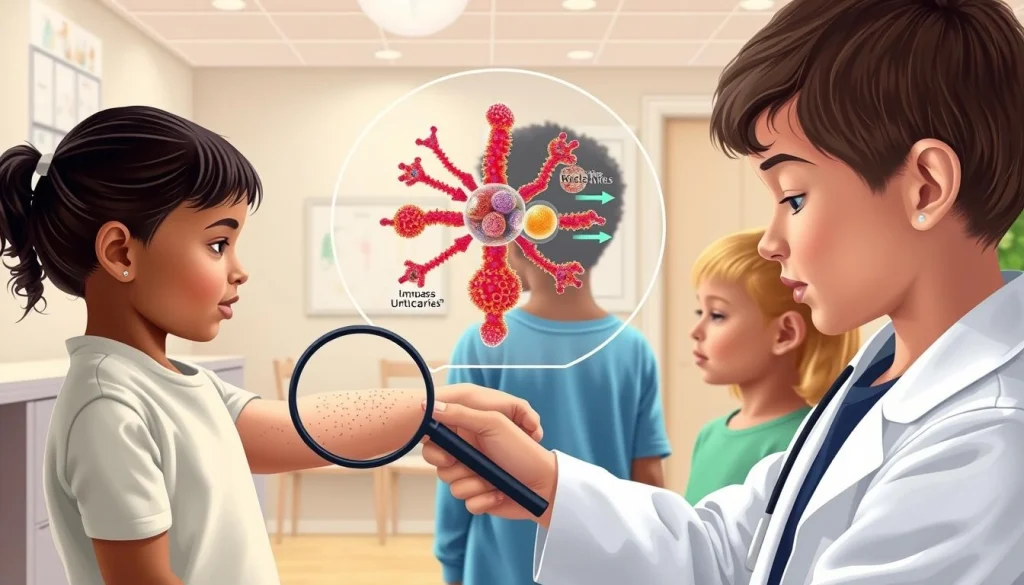
Research reveals that pediatric urticaria stems from complex immune reactions. It involves the activation of mast cells and the release of histamine. Grasping these processes is key to crafting targeted therapies.
Innovative Treatment Approaches
New treatments are emerging, thanks to our deeper understanding of immune mechanisms. These include biologics that target specific pathways in urticaria. They offer hope to children who haven’t found relief with traditional treatments.
Ongoing Clinical Trials
Several clinical trials are exploring the safety and effectiveness of these new treatments. These trials are vital for introducing new therapies to the market. They aim to enhance patient outcomes.
Future Directions in Management
The future of managing pediatric urticaria is bright, with advancements in personalized medicine on the horizon. Ongoing research will continue to refine our diagnostic and treatment methods. This will significantly improve care for children with this condition.
Supporting Your Child’s Journey with Urticaria
Dealing with a child’s urticaria can be tough, but the right strategies help a lot. It’s important to understand the condition and how to manage it. This knowledge is key to giving your child the care they need.
Managing urticaria well means a mix of medical treatment and lifestyle changes. Parents must team up with their child’s doctor to create a plan that fits their child’s needs perfectly.
Supporting a child with urticaria means being empathetic, patient, and well-informed. Knowing about the condition and its effects helps parents help their child manage symptoms. This improves their child’s life quality significantly.
Keeping up with the latest research and urticaria management advances is vital. This ensures your child gets the best care possible. The teamwork between parents, doctors, and children is essential for managing the condition effectively.
FAQ About Urticaria (Hives) in Children
Q: What is urticaria in children?
A: Urticaria, or hives, is a skin condition marked by itchy, raised welts. These welts can appear anywhere on the body. In kids, it can stem from allergies, infections, or environmental factors.
Q: How is urticaria diagnosed in children?
A: Diagnosing urticaria in kids involves a physical check-up and a detailed medical history. Sometimes, allergy tests like skin prick tests or blood tests are needed to pinpoint triggers.
Q: What are the common causes of urticaria in children?
A: Food allergies and environmental allergens are common culprits. Viral and bacterial infections, as well as medication reactions, also play a role. In some cases, the cause remains unknown.
Q: How is urticaria treated in children?
A: Antihistamines are the first line of treatment for kids with urticaria. For severe cases, corticosteroids or newer treatments might be considered.
Q: Can urticaria be prevented in children?
A: Preventing urticaria is not always possible, but avoiding triggers and creating safe environments can help. Using preventive medications or immunotherapy can also reduce flare-ups.
Q: How can parents support their child’s emotional health when dealing with chronic urticaria?
A: Parents can boost their child’s self-esteem and manage school and social life. Counseling may be necessary to address the emotional toll of chronic hives.
Q: What should parents do in case of an emergency due to urticaria?
A: In emergencies, like anaphylaxis, seek immediate medical help. Knowing the warning signs and informing emergency responders about the child’s condition and medications is critical.
Q: How can childcare providers and teachers help manage a child’s urticaria?
A: Educate yourself about the child’s condition. Have a plan in place for managing their needs. Be mindful of bullying and ensure medication is administered correctly.