Vocal cord nodules can really affect how well you can talk. They grow on the vocal cords and can make your voice sound hoarse, breathy, or raspy. This is often due to too much strain on your voice. It’s important to keep your voice healthy. Knowing about the treatments for vocal cord nodules is key. There are two main ways to treat them: microsurgery and voice therapy. Which treatment you choose depends on how bad the nodules are and your overall health. It’s important to understand both options well. This helps you decide the best way to care for your vocal cords.
Understanding Vocal Cord Nodules
Larynx nodules, or vocal cord nodules, are growths on the vocal cords that can cause vocal strain. They are usually not cancerous but can harm your voice and vocal health.
Vocal cord nodules often come from misuse or overuse of the voice. This includes shouting, singing, or speaking loudly for a long time. This strain can lead to nodules, which are like calluses on the vocal cords.
Causes and Risk Factors
The main reason for vocal cord nodules is vocal strain. Other factors include:
- Frequent or loud singing
- Shouting or screaming
- Speaking in a loud environment
- Poor vocal technique
- Respiratory or allergy issues that cause frequent coughing or throat clearing
Knowing these risk factors helps in preventing and treating nodules.
Related Conditions: Vocal Cord Polyps
Vocal cord polyps are another issue affecting the vocal cords. They are larger and can occur on one side. Like nodules, they are caused by vocal abuse but can lead to more noticeable voice changes or breathiness.
| Condition | Description | Causes | Symptoms |
|---|---|---|---|
| Vocal Cord Nodules | Benign growths on both vocal cords | Vocal strain, misuse | Hoarseness, vocal fatigue |
| Vocal Cord Polyps | Larger, often unilateral growth | Vocal abuse, smoking | Breathiness, significant voice changes |
Both vocal cord nodules and polyps can greatly affect your life. They can make it hard to communicate well. Learning about these conditions is the first step to getting the right treatment and improving your voice.
Diagnosing Vocal Cord Nodules
Healthcare professionals use different methods to find vocal cord nodules. This is key to knowing how bad the problem is. It helps decide the best treatment.
Examination Techniques
There are a few ways to spot vocal cord nodules:
- Laryngoscopy: A doctor uses a scope to see the larynx (voice box).
- Stroboscopy: A special light helps see how the vocal cords vibrate.
- Vocal cord function tests: These check how well the vocal cords work.
Doctors might also suggest early treatments or exercises. For example, vocal cord exercises can ease strain. They might also recommend treatments for hoarseness to improve voice quality.
Finding out the exact problem is vital for a good treatment plan. Knowing the details helps people choose the right care. It’s the first step towards feeling better.
Treatment Options for Vocal Cord Nodules
Understanding how to treat vocal cord nodules is key. There are two main ways: voice therapy and microsurgery. Each has its own benefits and methods.
Voice therapy is a non-surgical method. It aims to improve how you use your voice and reduce strain. It’s often the first choice for treating nodules.
Key Components of Voice Therapy:
- Vocal exercises to strengthen the vocal cords
- Breathing techniques to support healthy vocal production
- Strategies to avoid vocal strain and misuse
Microsurgery is a more serious option. It involves surgically removing the nodules. It’s considered when voice therapy doesn’t work or if the nodules are big and affect your voice a lot.
Considerations for Microsurgery:
- Deciding on microsurgery should be after talking it over with a doctor.
- The surgery is done under general anesthesia or sedation.
- Resting your voice and therapy after surgery are important for healing.
Knowing the differences between these treatments is important. It helps people with vocal cord nodules make the best choices for their care.
Voice Therapy Techniques
Voice therapy techniques help reduce strain on the vocal cords. They promote healing and improve voice quality. These methods are great for people with vocal cord nodules. They offer a non-invasive way to manage symptoms and boost vocal function.
Vocal cord exercises are a key part of voice therapy. They are customized for each person. The goal is to strengthen the muscles around the vocal cords. This improves vocal cord closure and overall voice quality.
- Breathing Exercises: Deep breathing exercises help support the voice. They reduce strain on the vocal cords.
- Vocal Warm-ups: Gentle vocal warm-ups prepare the voice for speaking. They reduce the risk of further irritation.
- Resonance Exercises: These exercises help develop proper vocal placement and resonance. They ease the strain on the vocal cords.
The benefits of voice therapy are many. It can help alleviate symptoms of vocal cord nodules. It also improves overall vocal health and reduces the risk of future vocal problems.
By adding these voice therapy techniques to their daily routine, people with vocal cord nodules can see big improvements. This leads to a better quality of life and improved vocal performance.
Microsurgery for Vocal Cord Nodules
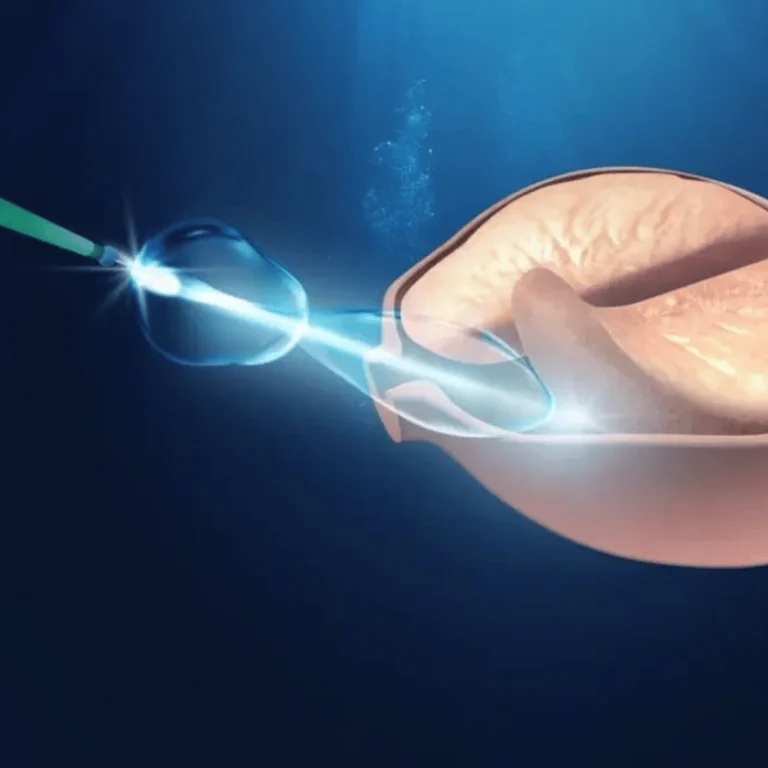
Microsurgery uses advanced tools to carefully remove or repair vocal cord nodules. This method has changed how we treat vocal cord problems. It offers a precise and less invasive way to solve these issues.
Choosing microsurgery for vocal cord nodules usually comes after trying other treatments like voice therapy. The surgery is done under general anesthesia or local anesthesia with sedation. This makes sure the patient is comfortable during the procedure.
Key Aspects of Microsurgery for Vocal Cord Nodules
The microsurgical process for vocal cord nodules includes several important steps:
- Pre-operative assessment to check if the patient is a good candidate for microsurgery.
- An operating microscope is used to see the vocal cords and nodules clearly.
- Precision instruments are used to remove the nodules, trying to keep the healthy tissue around them.
- Post-operative care instructions are given to help with healing and avoid complications.
| Aspect | Description | Considerations |
|---|---|---|
| Pre-operative Assessment | Checking the patient’s health and the condition of the vocal cord nodules before surgery. | Previous treatments, overall health, and any other vocal cord issues. |
| Surgical Technique | Using an operating microscope and precise instruments to remove the nodules. | The surgeon’s skill and experience, and the technology used. |
| Post-operative Care | Instructions for voice rest, staying hydrated, and follow-up appointments. | Following these instructions is key for a good recovery. |
After surgery, proper care is essential for healing. Patients are usually told to rest their voice, stay hydrated, and avoid irritants. Regular follow-up appointments are also important to check on the healing and address any issues.
Knowing about microsurgery and what to expect can help people make better choices for treating vocal cord nodules.
Comparing Microsurgery and Voice Therapy
For those with Vocal Cord Nodules, knowing the difference between microsurgery and voice therapy is key. Both have their own benefits and downsides. It’s important to weigh these when deciding on treatment.
Microsurgery removes the nodules through a precise surgery. It’s often chosen for severe cases or when nodules greatly affect daily life. Voice therapy, on the other hand, teaches patients to use their voice better. This reduces strain on the vocal cords without surgery.
Outcomes and Benefits
Microsurgery and voice therapy have different outcomes and benefits. Microsurgery can quickly fix the problem by removing the nodules. But, it carries surgical risks and requires vocal rest after.
Voice therapy might take longer but is non-invasive. It can greatly improve vocal technique and reduce strain. It’s good for those avoiding surgery or as a supplement to microsurgery.
Potential Drawbacks
Microsurgery has risks like any surgery, like infection or scarring on the vocal cords. This can harm voice quality.
Voice therapy needs a big commitment from the patient. It requires regular sessions and practice. Its success depends on the patient’s dedication and ability to change vocal habits.
When choosing a treatment for Vocal Cord Nodules, understanding head and neck cancers is also important. Some treatments and prevention methods are similar.
In summary, the choice between microsurgery and voice therapy depends on several factors. These include the condition’s severity, the patient’s health, and personal preferences. Always consult a healthcare professional to find the best treatment plan.
Preventing Vocal Cord Nodules
To prevent vocal cord nodules, you need good vocal habits and smart lifestyle choices. Knowing how to care for your voice and making smart choices can lower your risk of nodules.
Drinking lots of water is key to good vocal health. It keeps your vocal cords moist and healthy. Also, avoid loud noises like screaming or shouting, as they can harm your vocal cords.
Healthy Vocal Habits
- Warm up before singing or speaking a lot
- Take breaks to avoid vocal strain
- Use good breathing to support your voice
- Keep a healthy posture for better voice production
Being mindful of your lifestyle also helps your vocal health. Get enough sleep, manage stress, and stay away from smoke. Smoke can dry out your vocal cords.
Lifestyle Choices for Vocal Health
- Drink plenty of water all day
- Exercise regularly to boost health and reduce stress
- Wear ear protection in loud places
- Drink less caffeine and alcohol to stay hydrated
By following these tips daily, you can prevent vocal cord nodules and keep your voice healthy. Remember, caring for your voice is a continuous effort that needs your attention and dedication.
Seeking Professional Help
Knowing when to get help is key to managing vocal cord nodules. If you have ongoing vocal problems like hoarseness or tired voice, see a specialist.
For vocal cord nodules, see a laryngologist or an ear, nose, and throat (ENT) doctor. They have the skills and tools to diagnose and treat vocal cord issues, like polyps.
What to Expect During the Initial Consultation
The specialist will do a detailed check of your vocal cords during the first visit. This might include a laryngoscopy. It lets them see your vocal cords up close to spot any problems.
They will also ask about your voice use, health history, and symptoms. This info helps them figure out the best treatment plan. This might include voice therapy.
| Aspect | Description | Importance |
|---|---|---|
| Specialist | Laryngologist or ENT specialist | High |
| Initial Consultation | Laryngoscopy and medical history review | High |
| Treatment Options | Voice therapy, microsurgery, or a combination of both | High |
Getting professional help is a big step in managing vocal cord nodules. With the right advice, you can try treatments like voice therapy to get your voice back in shape.
Coping with Vocal Cord Nodules
Dealing with larynx nodules is more than just medical treatment. It also involves emotional and practical ways to cope. People with vocal cord nodules face challenges that affect their emotional health and daily life.
Understanding the condition is key. Learning about exercises for the vocal cords is important. Simple activities like lip trills, tongue trills, or humming can help reduce tension and aid in healing.
Getting emotional support is also vital. Connecting with others who have gone through similar issues can offer comfort and insights. Support groups, online or in-person, are great resources for those dealing with vocal cord nodules.
Making practical changes in daily habits can help a lot. Avoiding loud talking or singing, staying hydrated, and getting enough rest are important. By adjusting habits and doing vocal cord exercises regularly, people can manage their condition better.
Working closely with healthcare professionals is essential. They can help create a personalized plan for coping. Combining medical treatment with self-care and emotional support can improve life quality for those with vocal cord nodules.
Case Studies and Real-life Experiences
Vocal cord nodules can greatly affect people’s lives. Looking at real-life cases helps us understand the condition better. We learn about different treatments and their outcomes.
A 35-year-old singer got vocal cord nodules from too much strain. She chose voice therapy, which helped a lot. She did vocal exercises and learned how to take care of her voice.
- She had regular sessions with a speech-language pathologist.
- She practiced vocal exercises to strengthen her voice.
- She changed her lifestyle to avoid loud places and stay hydrated.
A 50-year-old teacher had nodules and chose microsurgery. After surgery, he did voice therapy to recover. He felt less tired and his voice got better.
These stories show that treatment depends on the person. Voice therapy works for some, but others might need surgery. It’s all about what’s best for each person.
Treatment Outcomes: A Comparative Overview
| Treatment Aspect | Voice Therapy | Microsurgery |
|---|---|---|
| Treatment Duration | Several months to a year or more | Typically a few weeks for recovery, with voice therapy thereafter |
| Non-invasive | Yes | No, surgical intervention |
| Risk of Complications | Low | Moderate, as with any surgery |
Choosing between voice therapy and surgery depends on many factors. A healthcare professional should be consulted. They consider the person’s condition, lifestyle, and preferences.
Ongoing Research and Developments
New research is uncovering better ways to treat vocal cord nodules. This is making a big difference for patients. The field of vocal health is growing fast, with new treatments and technologies being tested.
One key area is voice therapy. Researchers are looking into new voice therapy methods. These could help fix vocal cord nodules without surgery.
Microsurgery is also getting better. Scientists are working on making surgery more precise and less invasive. This includes using laser surgery.
Emerging Therapies and Technologies
New treatments and technologies are showing great promise. These include:
- Injectable therapies to repair or rejuvenate the vocal cords
- Regenerative medicine approaches to heal damaged vocal cord tissue
- Advanced voice therapy techniques tailored to individual patient needs
These new options are important. They give patients more choices and could lead to better results. Below is a table that highlights some of these emerging therapies and their benefits.
| Therapy/Technology | Description | Potential Benefits |
|---|---|---|
| Injectable Therapies | Injections to repair or rejuvenate vocal cords | Minimally invasive, potentially quicker recovery |
| Regenerative Medicine | Approaches to heal damaged vocal cord tissue | Potential for long-term or permanent repair |
| Advanced Voice Therapy | Tailored voice therapy techniques | Personalized treatment, potentially more effective |
The future for treating vocal cord nodules is bright. Ongoing research and new technologies are leading to better treatments. These advancements will likely change how we manage and treat vocal cord nodules.
Conclusion: Making the Right Choice
Managing vocal cord nodules well needs careful thought. Knowing about treatments like microsurgery and voice therapy helps people make good choices. Keeping your vocal cords healthy is key, even more so for those who use their voice a lot. Treating hoarseness early can stop bigger problems later.
Whether to choose microsurgery or voice therapy depends on your situation and how bad the nodules are. Talking to a doctor is important to find the best treatment for you. By focusing on vocal health, you can keep your voice strong and enjoy a better life.