Water Fasting: Health Benefits of Water Fasting
Water fasting, the act of abstaining from food and drink for a period, has been practiced for centuries. It offers numerous health benefits when done correctly. This ancient practice has been adopted for its therapeutic value. It ranges from improving overall well-being to aiding in the management of certain health conditions.
Understanding the principles behind water fasting is key to harnessing its benefits while minimizing risks. Safe fasting practices are essential to avoid adverse effects. It’s important to approach this practice with knowledge and caution. This guide aims to provide a trustworthy resource for those seeking to incorporate fasting into their health regimen. We will explore the concept of water fasting, its health benefits, and how to practice it safely.
The Fundamentals of Water Fasting
Water fasting is a method where one only drinks water, avoiding all other beverages and food. It’s practiced for spiritual, therapeutic, and health reasons. This practice has been around for a long time.
Definition and Core Principles
Water fasting means drinking only water for a certain time, from a few days to weeks. The main idea is to rest the digestive system. This lets the body heal and rejuvenate. Key principles include:
- Abstaining from all caloric intake
- Consuming only water
- Allowing the body to enter a state of autophagy
Historical and Cultural Significance
Water fasting has roots in many cultures and religions. For example, fasting is a part of spiritual practices in Christianity, Islam, Judaism, and Buddhism. It’s seen as a way to cleanse the spirit, reflect, and heal.
Some key historical and cultural aspects are:
- Spiritual fasting in religious contexts
- Cultural practices involving fasting for purification
- Historical figures and their experiences with fasting
The Science Behind Water Fasting
Water fasting has become increasingly popular for its health benefits, which stem from complex biological processes. When someone starts a water fast, their body undergoes significant changes. These changes help it adapt to the lack of food.
Metabolic Changes During Fasting
Water fasting significantly alters the body’s metabolic processes. At first, it uses stored glucose for energy. Once glucose is gone, it starts breaking down fat, producing ketones in the process. This state, called ketosis, is thought to improve insulin sensitivity and enhance fat burning.
The metabolic shifts also include lower insulin levels and higher human growth hormone (HGH) production. This can help with fat loss and muscle gain. Also, the body’s cells become better at removing waste, potentially improving overall health.
Autophagy and Cellular Regeneration
Water fasting triggers a key biological process: autophagy. Autophagy is when cells recycle and remove damaged or dysfunctional parts. This process can lead to cellular regeneration and renewal, potentially lowering disease risks.
Autophagy is thought to aid in anti-aging and boost immune function and reduce inflammation. Water fasting may help maintain cellular health, contributing to overall well-being through cellular regeneration.
Health Benefits of Water Fasting
Water fasting brings numerous health benefits, including weight loss and improved cognitive function. As more people embrace it for its health benefits, understanding these advantages is key. This practice involves abstaining from food and drink, except for water, leading to significant physiological changes.
Weight Loss and Fat Burning
One of the immediate benefits of water fasting is weight loss. Initially, the body uses stored glucose for energy. Once glucose is depleted, it starts burning fat, leading to weight loss. This process not only reduces body fat but also improves body composition.
Improved Insulin Sensitivity
Water fasting enhances insulin sensitivity, a key factor in managing type 2 diabetes. By giving the pancreas a break from insulin production, it helps regulate blood sugar levels. This improves the body’s insulin response.
Enhanced Immune Function
Water fasting boosts immune function by stimulating autophagy. This natural process breaks down and recycles damaged cells and proteins. It leads to a stronger immune system.
Mental Clarity and Cognitive Benefits
Many report improved mental clarity and cognitive function during and after water fasting. It’s believed to increase brain-derived neurotrophic factor (BDNF) production. This can enhance cognitive function and potentially lower the risk of neurodegenerative diseases.
Potential Therapeutic Applications
Recent studies hint at water fasting’s therapeutic benefits, mainly in chronic disease management. With chronic diseases on the rise, exploring water fasting as an alternative therapy is vital.
Chronic Disease Management
Water fasting research focuses on its role in chronic disease management. It aims to understand its effects on physiological processes. This knowledge helps healthcare professionals use it as a therapeutic option.
Cardiovascular Health
Studies show water fasting improves cardiovascular health. It lowers blood pressure, reduces inflammation, and boosts vascular function. These improvements can lower cardiovascular disease risk.
Metabolic Disorders
Water fasting is also studied for managing metabolic disorders, like type 2 diabetes. It enhances insulin sensitivity and reduces body fat. These effects help combat metabolic syndrome factors.
Inflammation Reduction
Water fasting is known for its inflammation-reducing properties. Chronic inflammation is linked to many diseases. Water fasting decreases inflammatory markers, potentially improving health.
Integrating water fasting into treatment plans can reduce chronic inflammation. This reduction aids in managing various chronic conditions.
Risks and Contraindications
Water fasting, while beneficial for some, poses significant risks for certain individuals. It is essential to understand these risks before starting a water fast to avoid adverse health consequences.
Medical Conditions That Preclude Fasting
Certain medical conditions make water fasting dangerous. Individuals with diabetes, and those on insulin, should avoid water fasting due to the risk of severe hypoglycemia. People with a history of eating disorders, those who are malnourished, and individuals with kidney or liver disease should also avoid fasting without medical supervision.
Further, pregnant or breastfeeding women are advised against water fasting due to the risk of nutrient deficiencies and other complications.
Warning Signs to Watch For
During a water fast, it’s essential to monitor your body for warning signs that may indicate a need to stop fasting. These signs can be categorized into physical symptoms and psychological indicators.
Physical Symptoms
Physical symptoms that warrant concern include dizziness, severe dehydration, and extreme fatigue. If you experience any of these symptoms, it’s critical to reevaluate your decision to continue fasting.
- Dizziness or lightheadedness
- Severe dehydration
- Extreme fatigue or weakness
Psychological Indicators
Psychological indicators can be just as critical. Feelings of extreme anxiety, depression, or confusion are signs that you should stop your fast and seek medical advice.
- Extreme anxiety or panic
- Depression or mood swings
- Confusion or disorientation
Being aware of these risks and contraindications can help you make an informed decision about whether water fasting is right for you.
Preparing for Your Water Fast
Preparation is essential for a successful water fasting experience. It involves mental, physical, and environmental aspects. Proper preparation can greatly impact the fast’s safety and effectiveness.
Mental Preparation
Mental preparation is critical for overcoming water fasting challenges. It’s important to set clear goals and understand the mental and emotional changes that may happen. Practicing mindfulness or meditation can enhance mental resilience.
Physical Preparation
Physical preparation for a water fast requires gradual diet and lifestyle adjustments. Reducing calories and simplifying your diet a few days before helps ease the transition. Staying hydrated and avoiding strenuous activities is also advisable.

Creating a Supportive Environment
A supportive environment is key for a successful fasting experience. Having a support system, like understanding friends or family, is vital. Minimizing distractions and creating a calm, comfortable space also helps maintain focus and reduce stress.
By focusing on these areas, individuals can better prepare for the challenges and benefits of water fasting.
Short-Duration Water Fasting
For those new to water fasting, short-duration fasts are a perfect starting point. These fasts last between 24 to 36 hours. They are ideal for beginners, providing a gentle introduction to fasting without the intensity of longer fasts.
24-Hour Fasts
A 24-hour fast means not eating or drinking anything except water for a full day. You can do this once or twice a week, depending on your health goals and comfort. Here are some key points to consider for a 24-hour fast:
- Plan your fast for a day when you don’t have strenuous activities.
- Stay hydrated by drinking plenty of water.
- Be mindful of your body’s signals; if you feel unwell, consider breaking your fast.
36-Hour Fasts
A 36-hour fast extends the fasting period by 12 hours more than a 24-hour fast. It offers additional benefits such as increased autophagy and deeper mental clarity. When undertaking a 36-hour fast, it’s important to:
- Prepare your body beforehand by reducing food intake and increasing hydration.
- Monitor your energy levels and adjust your activities.
- Break your fast gently with easily digestible foods.
Both 24-hour and 36-hour fasts are effective ways to introduce your body to water fasting’s benefits. These include improved insulin sensitivity and enhanced autophagy. Always listen to your body and consult a healthcare professional if you have concerns.
Extended Water Fasting Protocols
Extended water fasting, lasting 3-5 days or more than 7 days, demands meticulous planning and adherence to specific protocols. Grasping these protocols is vital for reaping water fasting’s benefits while avoiding risks.
3-5 Day Fasts
Fasting for 3-5 days can be transformative, inducing ketosis and autophagy. It’s essential to drink plenty of water to stay hydrated. Initial side effects like headaches or fatigue may occur but usually diminish as the body adapts.
- Monitor your body’s response and adjust as needed.
- Stay hydrated with water.
- Consider consulting with a healthcare provider.
7+ Day Fasts
Those who have successfully completed shorter fasts may find 7+ day fasts offer deeper benefits. These include enhanced autophagy and significant health improvements. Yet, these longer fasts necessitate careful preparation and monitoring.
Preparation Requirements
Preparation for a 7+ day fast involves gradual dietary changes before the fast, mental preparation, and setting up a supportive environment. Consulting with a healthcare professional to discuss risks and benefits is advisable.
- Gradually reduce food intake before fasting.
- Hydrate adequately.
- Inform a friend or family member about your fasting plan.
Safety Considerations
Safety during extended fasts is of utmost importance. Recognizing warning signs like severe dehydration, dizziness, or other concerning symptoms is critical. These may require breaking the fast or seeking medical attention.
By understanding and following these extended water fasting protocols, individuals can safely explore the benefits of longer fasts. Always prioritize health and safety, and consider seeking guidance from a healthcare professional.
What to Expect During a Water Fast
Starting a water fast brings about physical and emotional changes. It impacts both body and mind. Being ready can greatly influence your experience.
Physical Sensations and Changes
Your body undergoes significant changes during a water fast. These changes vary in intensity and duration, depending on the individual and the fast’s length.
Days 1-3 Experience
In the first days, you might feel headaches, fatigue, and nausea. These symptoms are due to your body adjusting to no food. Rest and hydration can help manage them.
- Headaches from caffeine withdrawal or detoxification
- Fatigue as your body finds new energy sources
- Nausea, which often subsides as your body adjusts
Extended Fast Experience
After the initial days, your body adapts, and some discomforts lessen. Yet, new sensations may appear, such as:
- Increased autophagy, where your body cleans damaged cells
- Potential dizziness from blood pressure changes
- Improved mental clarity as your body uses ketones for energy

Mental and Emotional Effects
Water fasting impacts not just the body but also the mind and emotions. Many report a variety of mental and emotional experiences during fasting.
Common effects include:
- Enhanced mental clarity and focus
- Emotional shifts, from irritability to deep calmness
- Spiritual or introspective experiences as the fast progresses
Knowing these effects can help you mentally and emotionally prepare for your water fasting journey.
Breaking Your Fast Safely
The process of breaking a water fast is as important as the fast itself. It requires a thoughtful approach. A well-planned refeeding strategy helps maintain the benefits achieved during fasting. It also prevents health risks.
Recommended First Foods
When breaking a water fast, it’s essential to start with foods that are easy to digest. Recommended first foods include:
- Broths (vegetable or chicken)
- Plain yogurt
- Steamed vegetables
- Fruit smoothies
- Lean proteins like chicken or fish
These foods are gentle on the digestive system. They provide essential nutrients.
Gradual Reintroduction Schedule
A gradual reintroduction schedule is key for both short and extended fasts. The schedule varies based on the fast’s duration.
Short Fast Protocol
For a short fast (24-48 hours), follow this reintroduction schedule:
- Broth or juice (first hour)
- Plain yogurt or steamed vegetables (next 2-3 hours)
- Lean proteins and complex carbohydrates (subsequent meals)
Extended Fast Protocol
For an extended fast (3 days or more), the reintroduction schedule should be more gradual:
- Broth or diluted juice (first 2-3 hours)
- Soft, easily digestible foods like yogurt or mashed vegetables (next 4-6 hours)
- Gradually introduce lean proteins, complex carbohydrates, and healthy fats over the next 24-48 hours
By following a careful and gradual reintroduction schedule, you can ensure a safe and healthy transition back to eating after a water fast.
Monitoring Your Health While Water Fasting
Ensuring a safe water fasting experience requires tracking your health indicators. Water fasting offers numerous benefits but demands careful monitoring to avoid health risks.
Vital Signs to Track
Regularly monitoring vital signs is critical during a water fast. These include:
- Heart rate: An abnormal heart rate could indicate dehydration or other issues.
- Blood pressure: Monitoring blood pressure can help identify any significant fluctuations.
- Body temperature: Ensure you’re not experiencing hypothermia or hyperthermia.
When to Consult a Healthcare Provider
Knowing when to seek medical advice during a water fast is vital. Consult a healthcare provider if you experience:
- Severe dizziness or fainting
- Significant changes in heart rate or blood pressure
- Severe dehydration symptoms
Being aware of these warning signs and taking prompt action can help prevent serious health complications. Always prioritize your health and safety during a water fast.
Common Mistakes in Water Fasting
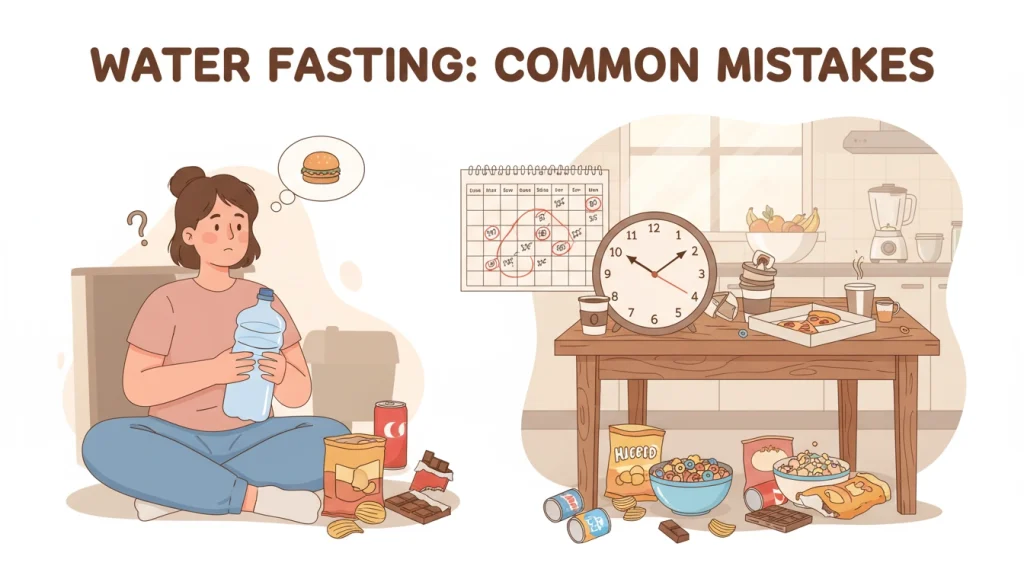
To maximize the benefits of water fasting, it’s essential to avoid common mistakes. Many individuals start water fasting without proper knowledge. This can lead to health risks or a less effective fasting experience.
Improper Preparation
One of the most significant mistakes is improper preparation. This includes not adjusting your diet before starting the fast. It also means not consulting with a healthcare professional if necessary. Lastly, not setting clear goals for your fasting period is another error. Proper preparation can help mitigate some of the initial side effects. It makes the fasting experience more manageable.
Inadequate Hydration
It might seem counterintuitive, but inadequate hydration is a common mistake during water fasting. Drinking enough water is essential to help your body flush out toxins. The quality of the water is also important. Using filtered or purified water can help avoid additional toxin intake.
Breaking Fast Incorrectly
Breaking a water fast incorrectly can lead to refeeding syndrome, a potentially fatal condition. It’s vital to reintroduce food gradually. Start with liquids or very light foods, then gradually move to more substantial meals. Understanding how to break a fast correctly is as important as the fasting itself.
Water Fasting vs. Other Fasting Methods
Water fasting is one of several fasting methods. It’s important to compare it with intermittent fasting, juice fasting, and dry fasting. This comparison helps in making informed decisions about health and fasting goals.
Fasting has become popular for its health benefits, including weight loss and improved metabolic health. With many fasting methods available, choosing the right one can be challenging. This section compares water fasting with other popular methods to guide individuals in selecting the best approach for their needs.
Intermittent Fasting Comparison
Intermittent fasting involves alternating between eating and fasting periods. It differs from water fasting, which restricts all food and drink except water. For instance, the 16/8 method allows for 16 hours of fasting and an 8-hour eating window. Water fasting may induce faster autophagy and detoxification, but intermittent fasting is more sustainable for long-term lifestyle changes.
Juice Fasting Comparison
Juice fasting involves drinking only juice made from fruits and vegetables. It contrasts with water fasting, which limits intake to water. Juice fasting advocates claim it provides essential nutrients while allowing the digestive system to rest. Yet, it can be high in sugar and less effective for autophagy and fat burning than water fasting. It might suit those who struggle with fasting from all food and drink, but requires careful planning to ensure adequate nutrition.
Dry Fasting Comparison
Dry fasting, or absolute fasting, involves abstaining from both food and water. It’s a more extreme form of fasting compared to water fasting. Some claim it offers additional benefits, but it can cause severe dehydration if not done carefully. It’s generally not recommended without medical supervision. Water fasting, on the other hand, allows for hydration, making it safer for longer fasting periods.
In conclusion, various fasting methods aim to improve health through fasting but differ in approach, benefits, and risks. Understanding these differences is key to selecting the most suitable fasting method based on individual health goals, lifestyle, and health status.
Medical Supervision and Professional Guidance
Professional guidance is essential for a safe and effective water fasting experience. Water fasting can be transformative but poses risks, mainly for those with health conditions. The right support is key to navigating these risks and maximizing fasting benefits.
Finding Qualified Support
To ensure a safe fasting experience, finding qualified healthcare professionals is vital. Here are steps to consider:
- Consult with your primary care physician to discuss your plans and get recommendations.
- Look for healthcare providers who specialize in fasting or integrative medicine.
- Check for certifications from reputable organizations, such as the International Association of Integrative Medicine.
What Medical Tests to Consider
Before and after fasting, certain medical tests offer valuable insights into your health. Consider the following tests:
- Complete Blood Count (CBC) to assess overall health and detect any abnormalities.
- Blood chemistry tests to evaluate liver and kidney function.
- Lipid profiles to monitor changes in cholesterol levels.
By seeking professional guidance and undergoing relevant medical tests, individuals can better understand their health status. This allows for informed decisions about their fasting regimen.
Incorporating Water Fasting Into Your Lifestyle
Adding water fasting to your lifestyle can be a game-changer, boosting your overall health and vitality. To make it a sustainable fasting practice, finding a balance between fasting and daily activities is key.
Begin with shorter fasts, like 24-hour or 36-hour ones, to ease your body and mind into it. As you get more comfortable, you can extend your fasting periods. Always listen to your body and adjust your fasting schedule to prevent burnout or negative effects.
For a sustainable fasting practice, pay attention to what you eat when you’re not fasting. Opt for whole, nutrient-rich foods to support your health and enhance the benefits of water fasting.
By embracing water fasting in your lifestyle and adopting a balanced approach, you can reap its long-term advantages. These include better physical and mental health, and a deeper understanding of your body’s needs.
FAQ
Q: What is water fasting, and how does it work?
A: Water fasting involves drinking only water for a set period. It allows the body to focus on healing and rejuvenation, not digestion.
Q: What are the benefits of water fasting?
A: Benefits include weight loss, better insulin sensitivity, and enhanced immune function. It also boosts mental clarity. Water fasting may help manage chronic diseases and reduce inflammation.
Q: Is water fasting safe for everyone?
A: No, it’s not safe for everyone, like those with diabetes or malnutrition. Always consult a healthcare provider before starting.
Q: How long should I water fast?
A: Duration varies from 24 hours to several weeks, based on goals and health. Start with short fasts and gradually increase under medical guidance.
Q: What should I expect during a water fast?
A: Expect hunger, fatigue, and dizziness, along with mental and emotional changes. The experience varies widely.
Q: How do I break a water fast safely?
A: Safely break the fast by gradually adding foods. Start with broths, fruits, and vegetables. Increase food variety and amount over days.
Q: Can I exercise while water fasting?
A: Avoid strenuous exercise to prevent dehydration. Light stretching or yoga might be okay, but consult a healthcare provider first.
Q: How often can I water fast?
A: Frequency depends on health goals and status. Some fast monthly, others less often. Listen to your body and consult a healthcare provider.
Q: Are there any medical tests I should consider before water fasting?
A: Yes, consult a healthcare provider and consider medical tests before fasting, if you have health conditions.
Q: Can water fasting help with chronic diseases?
A: Water fasting may help manage diseases like hypertension and diabetes by reducing inflammation and improving insulin sensitivity. Always consult a healthcare provider before using fasting as therapy.