What Are The Health Benefits Of Watermelon?
Watermelon is a refreshing and nutritious fruit. It’s full of vitamins, minerals, and antioxidants. This makes it a great choice for a healthy diet. Watermelon can help in many ways. It keeps you hydrated, fights inflammation, and boosts heart health. Its high water and electrolyte content make it perfect for staying hydrated. Watermelon is packed with nutrients and offers health benefits. It’s a smart pick for anyone looking to improve their health. In this article, we’ll dive into how watermelon can benefit your diet and look at the science behind it.
Understanding Watermelon: Nature’s Refreshing Superfruit
Watermelon is packed with vitamins, minerals, and antioxidants, making it a superfruit. It’s mostly water, with about 92% content. This makes it perfect for staying hydrated and boosting health.
It’s full of vitamin C and vitamin A, great for skin, immune, and vision health. Watermelon also has potassium, which is key for blood pressure and heart health. Plus, it has lycopene, linked to lower cancer and heart disease risks.
Watermelon’s benefits don’t stop there. It’s rich in dietary fibre for better digestion. It also has citrulline, which is good for the heart and can ease muscle soreness after working out.
- High water content for optimal hydration
- Rich in vitamins A and C for immune support
- Good source of potassium for heart health
- Contains lycopene, an antioxidant with possible health benefits
- Supports healthy digestion with dietary fibre
Adding watermelon to your diet is easy and beneficial. It’s versatile and can be used in many dishes, from salads and smoothies to desserts and snacks.
Comprehensive Nutritional Profile of Watermelon
Watermelon is not just refreshing; it’s also full of nutrients. It’s a superfruit with a wide range of health benefits. Its nutritional profile supports overall health and well-being.
Macronutrient Composition and Caloric Content
Watermelon is mostly water, making it very low in calories. A 100g serving has about 30 calories. It has 0.6g of protein, 0.2g of fat, and 7.6g of carbs, including sugars and fibre.
Essential Vitamins and Minerals
Watermelon is rich in important vitamins and minerals. It’s full of vitamin C, which boosts the immune system. It also has vitamin A for eye health.
Watermelon is also a good source of potassium and magnesium. Potassium helps control blood pressure. Magnesium is key for muscle and nerve function.
Key Vitamins and Minerals in Watermelon:
- Vitamin C: Supports immune function and antioxidant defences
- Vitamin A: Essential for eye health and vision
- Potassium: Helps regulate blood pressure
- Magnesium: Crucial for muscle and nerve function
Powerful Antioxidants and Phytonutrients
Watermelon has many antioxidants and phytonutrients. These compounds protect cells from damage and inflammation. They support overall health.
Lycopene Content
Lycopene is a key antioxidant in watermelon. It’s a carotenoid that makes the fruit red. Lycopene may lower cancer and heart disease risks.
Citrulline and Its Metabolites
Watermelon is also rich in citrulline. This amino acid turns into arginine in the body. Arginine is good for blood flow and heart health.
Benefits of Lycopene and Citrulline:
- Lycopene: May reduce cancer risk and support heart health
- Citrulline: Supports cardiovascular health through improved blood flow
Watermelon Benefits for Hydration and Electrolyte Balance
Watermelon is a superfruit that’s mostly water, making it great for staying hydrated. It’s about 92% water, which is perfect for keeping our bodies working right. Drinking enough water is key for many things, like keeping our temperature in check and moving nutrients and oxygen around.
High Water Content for Optimal Hydration
Watermelon is full of water, making it a top choice for staying hydrated. Drinking enough water is vital for our bodies to function well. It helps our bodies do their jobs and keeps us feeling sharp.
- Replenishes body fluids
- Supports physical performance
- Enhances cognitive function
To find out how much water you should drink, try a water intake calculator. It takes into account your age, weight, and how active you are.
Electrolyte Replenishment
Watermelon is not just water; it’s also packed with electrolytes, like potassium. Electrolytes keep our cells balanced and help our nerves and muscles work right. The potassium in watermelon helps keep these minerals in check.
- Potassium helps regulate fluid balance
- Supports healthy nerve function
- Aids in muscle contraction and relaxation
Hydration for Physical Performance and Recovery
If you’re active, staying hydrated is key for doing well and recovering. Watermelon’s water and electrolytes help meet your hydration needs. Drinking enough water prevents muscle cramps, cuts down on tiredness, and helps you recover after working out.
- Enhances physical performance
- Reduces risk of muscle cramps and fatigue
- Supports post-exercise recovery
Watermelon Benefits for Heart Health and Cardiovascular Function
Watermelon is good for your heart thanks to lycopene and citrulline. These help keep your heart healthy and lower the risk of heart disease.
Lycopene’s Cardiovascular Protection
Lycopene, a strong antioxidant in watermelon, protects your heart. It lowers the risk of heart disease by stopping LDL cholesterol from getting damaged.
Lycopene’s antioxidant properties also boost heart health. It reduces inflammation and strengthens your body’s defence against heart stress.
Blood Pressure Regulation Through Citrulline
Citrulline, an amino acid in watermelon, helps control blood pressure. It makes blood vessels relax and widen, which lowers blood pressure and improves heart function.
- Citrulline supplements can lower blood pressure in people with high blood pressure.
- It boosts nitric oxide production, which helps blood vessels relax.
- Relaxed blood vessels reduce heart strain, promoting better heart health.
Cholesterol Management and Arterial Health
Watermelon’s nutrients help manage cholesterol and keep arteries healthy. Its antioxidants and fibre keep cholesterol levels in check and prevent LDL cholesterol from getting damaged.
Impact on LDL Oxidation
LDL cholesterol oxidation is key in atherosclerosis. Lycopene in watermelon reduces this oxidation, protecting against artery plaque formation.
Vascular Function Improvement
Citrulline and other nutrients in watermelon improve blood vessel function. Better vasodilation and less inflammation keep blood vessels healthy, essential for heart health.
Eating watermelon can lower your risk of heart disease and improve heart health. Its lycopene, citrulline, and other nutrients make it a great choice for a heart-healthy diet.
Watermelon Benefits for Weight Loss and Metabolic Health
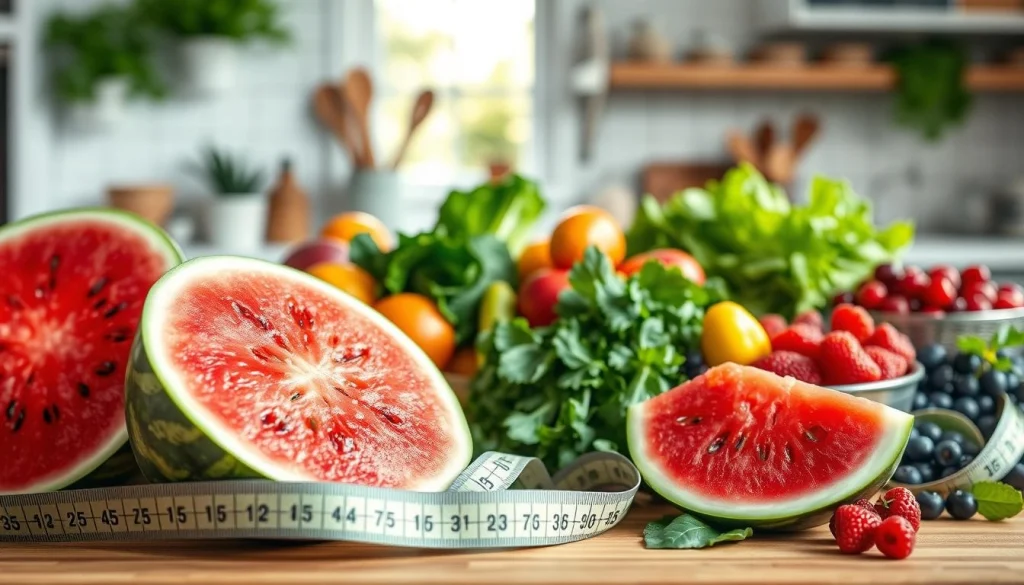
Watermelon is a low-calorie, nutrient-rich food. It’s great for weight loss and improving metabolic health. Its special mix of nutrients makes it perfect for diets focused on these areas.
Low-Calorie Nutrient Density
Watermelon has few calories but lots of important nutrients. It’s a key part of a diet aimed at losing weight. It gives you the nutrients you need without adding too many calories.
Nutritional Highlights:
- Low in calories: approximately 30 calories per 100 grams
- Rich in vitamins A and C, and potassium
- High water content aids in hydration and satiety
Satiety and Appetite Control Mechanisms
Watermelon’s high water and fibre content helps you feel full. This is great for controlling hunger. It’s very helpful for those trying to eat fewer calories.
Mechanisms for Satiety:
- Water content helps in reducing hunger
- Fibre contributes to digestive satisfaction
- Nutrient-dense profile supports overall dietary needs
Supporting Healthy Metabolism
Watermelon has citrulline, an amino acid good for metabolism. It may boost blood flow and lower oxidative stress. Both are key for a healthy metabolism.
Metabolic Support:
- Citrulline may enhance blood flow and metabolic rate
- Antioxidants help in reducing oxidative stress
- Overall nutrient profile supports metabolic functions
Anti-Inflammatory Properties and Chronic Disease Prevention
Watermelon is packed with anti-inflammatory compounds, making it great for preventing chronic diseases. Chronic inflammation can lead to heart disease, diabetes, and some cancers. Eating watermelon can help lower this risk.
Reducing Systemic Inflammation
Watermelon has compounds that fight systemic inflammation. Lycopene, a key antioxidant, is known for its anti-inflammatory effects. Eating watermelon can help lower C-reactive protein (CRP), a sign of inflammation.
But it’s not just lycopene. Vitamin C and cucurbitacin E also help. Together, they make watermelon a strong ally against chronic inflammation.
Oxidative Stress Reduction
Oxidative stress is linked to inflammation. Watermelon’s antioxidants, like vitamin C and lycopene, fight free radicals. This protects cells and helps prevent chronic diseases.
Eating watermelon boosts your body’s fight against oxidative stress. This is key for active people or those facing environmental stress.
Long-Term Disease Risk Mitigation
Regularly eating watermelon can lower the risk of chronic diseases. Its anti-inflammatory and antioxidant effects keep you healthy. Watermelon has been linked to better heart health and lower cancer risk.
In summary, watermelon’s anti-inflammatory properties are great for preventing chronic diseases. It helps reduce inflammation and oxidative stress, leading to better long-term health.
Watermelon Benefits for Digestion and Gut Health
Watermelon is full of water and fibre, making it great for your digestive system. It helps with regular bowel movements and keeps your gut healthy.
Fibre Content and Digestive Regularity
Watermelon has lots of dietary fibre, which is key for regular digestion. Fibre prevents constipation by making stool bulkier and easier to move. It also helps your gut bacteria stay healthy.
- Fibre prevents constipation.
- It supports healthy gut bacteria.
- Fibre helps keep bowel movements regular.
Water for Digestive Comfort and Function
Watermelon’s high water content is great for your digestion. Drinking enough water stops constipation and keeps your digestive system working well. Water also helps your body absorb nutrients and fibre better.
Drinking enough water can also prevent some stomach problems. It lowers the chance of getting diverticulitis and haemorrhoids.
- Water helps with nutrient absorption.
- It prevents stomach disorders.
- Hydration is good for your digestive health.
Supporting Healthy Gut Environment
Watermelon is good for your gut because of its nutrients. It has vitamins and minerals that help your gut microbiota stay healthy. A balanced gut microbiome is important for your overall health, affecting digestion, immune function, and more.
The antioxidants in watermelon, like vitamin C and lycopene, protect your gut from damage. This helps keep your gut lining strong and supports a healthy balance of gut bacteria.
- Antioxidants protect the gut from damage.
- Vitamins and minerals are good for gut health.
- A healthy gut microbiome is vital for well-being.
Watermelon Benefits for Skin Health and Anti-Ageing
Watermelon is full of water and nutrients, making it great for the skin. It has vitamins, minerals, and antioxidants that help the skin.
Vitamin C for Collagen Synthesis
Watermelon is packed with vitamin C, key for collagen synthesis. Collagen keeps our skin strong, but it decreases with age. Eating watermelon helps keep collagen levels up, making our skin look younger.
Lycopene for Natural Sun Protection
The lycopene in watermelon acts as a natural sun protection. It shields the skin from UV rays, reducing sunburn risk. It’s not a full sun protection, but it’s a good extra layer.
Hydration for Skin Elasticity and Radiance
Watermelon’s water content is perfect for keeping skin hydrated. Hydration is key for skin elasticity and a glowing look. Dry skin looks dull and wrinkly, while moist skin is smooth and youthful.
Reducing Fine Lines and Wrinkles
Drinking enough water, with watermelon, can lessen fine lines and wrinkles. Watermelon’s antioxidants also fight ageing by reducing oxidative stress.
Supporting Skin Repair Mechanisms
Watermelon’s vitamins and minerals, like vitamin C, help the skin repair itself. This improves skin texture and tone, making it look healthier and younger.
- Watermelon supports collagen synthesis through its vitamin C content.
- Lycopene in watermelon offers natural protection against UV damage.
- The high water content in watermelon helps maintain skin hydration and elasticity.
Muscle Recovery and Exercise Performance Enhancement
Watermelon is rich in L-citrulline, which boosts athletic performance and helps with muscle recovery. This amino acid is key in many physiological processes. It benefits athletes and those who are active regularly.
L-Citrulline and Muscle Soreness Reduction
L-citrulline helps reduce muscle soreness after hard exercise. Eating watermelon can ease this discomfort and speed up recovery.
- Reduced DOMS: L-citrulline minimizes delayed onset muscle soreness.
- Improved Recovery: Better recovery means athletes can train more often and harder.
- Enhanced Performance: Less muscle soreness means athletes can perform better.
Improved Blood Flow to Muscles
Watermelon’s L-citrulline also boosts blood flow. This is vital for muscles to get oxygen and nutrients during exercise.
Increased Nitric Oxide Production: L-citrulline turns into arginine, which makes nitric oxide. This powerful vasodilator improves blood flow.
Athletic Performance and Endurance Benefits
Watermelon can improve athletic performance and endurance. The L-citrulline in it helps keep muscles in the best condition during exercise.
- Enhanced Endurance: Better blood flow and less muscle soreness mean longer workouts.
- Better Performance: Athletes can keep up high intensity for longer.
- Faster Recovery: Less muscle soreness means quicker recovery between sessions.
Eye Health and Vision Protection Benefits
Watermelon is good for your eyes, thanks to its nutrients. It has antioxidants and key nutrients that help keep your vision healthy. They also protect against eye problems that come with age.
Lycopene and Beta-Carotene for Eye Health
Lycopene and beta-carotene in watermelon are great for your eyes. Lycopene protects your eyes from damage caused by free radicals. Beta-carotene turns into vitamin A in your body, which is essential for your retina.
Protection Against Age-Related Macular Degeneration
Eating watermelon can help fight age-related macular degeneration (AMD). AMD can cause vision loss in older people. Watermelon’s antioxidants may help lower this risk.
Supporting Overall Visual Function
Watermelon’s nutrients also boost your visual function. Drinking enough water and eating foods rich in antioxidants like watermelon helps keep your vision sharp. This is important for your eyes all your life.
Immune System Support and Enhancement
Watermelon is good for your immune system. It has vitamins and antioxidants that help boost your immune function.
Vitamin C and Immune Cell Function
Vitamin C in watermelon is key for immune cells. It helps make white blood cells, which fight infections. Vitamin C also helps keep your skin healthy, acting as a shield against germs.
Antioxidants for Cellular Defence
Watermelon has antioxidants like lycopene and vitamin C. They protect cells from damage by free radicals. This protection keeps your immune cells healthy and working well.
Supporting Body’s Natural Immunity
Watermelon helps your immune system in many ways. Its water content keeps you hydrated, which is vital for your immune system. Being well-hydrated helps you fight off sickness and recover faster.
Eating watermelon can boost your immune system. It’s full of nutrients and tastes great. Adding watermelon to your meals can help keep your immune system strong.
Kidney Health, Detoxification and Urinary Function
Watermelon is full of water and nutrients, making it great for kidney health and detox. The kidneys filter waste, control blood pressure, and keep electrolytes balanced. Eating foods that help the kidneys is key for good health.
Natural Diuretic Properties
Watermelon is a natural diuretic, boosting urine production and removing toxins. Its high water and special compounds improve kidney function.
This helps get rid of toxins and lowers kidney stone risk. It also relieves symptoms of urinary tract infections and other kidney problems.
Supporting Healthy Kidney Function
Watermelon’s vitamins A and C, lycopene, and potassium support kidney health. These nutrients protect kidneys from damage caused by stress and inflammation.
- Lycopene, an antioxidant in watermelon, reduces oxidative stress.
- Potassium helps control blood pressure, which is vital for kidney health.
- Vitamins A and C boost renal health and lower kidney damage risk.
Promoting Toxin Elimination
Watermelon’s water and diuretic effects help remove toxins. It increases urine production, helping to clear waste products.
Watermelon’s antioxidants also fight free radicals, which harm kidney cells. This reduces oxidative stress, helping kidneys filter and remove toxins better.
Bone Health and Mineral Density Support
Watermelon is good for your bones, thanks to potassium, calcium, and lycopene. It’s not just refreshing; it’s packed with nutrients for strong bones and a healthy skeleton.
Potassium and Calcium Retention
Watermelon is rich in potassium, a mineral that helps keep bones strong. It helps your body keep more calcium, which is vital for bones. This is because calcium is a key part of bone structure.
Eating foods high in potassium, like watermelon, can help counteract the effects of too much sodium. This is important because sodium can lead to losing more calcium. So, eating potassium-rich foods can help protect your bones and lower the risk of bone diseases.
Lycopene’s Role in Bone Strength
Lycopene, a strong antioxidant in watermelon, is good for bones. Studies show it can reduce oxidative stress and inflammation. These are things that can weaken bones and lead to osteoporosis.
Adding foods rich in lycopene, like watermelon, to your diet can help keep your bones strong. This might lower the chance of fractures and osteoporosis, which are big concerns for older people.
Supporting Skeletal Health Throughout Life
Keeping bones strong is a lifelong effort that needs good nutrition and a healthy lifestyle. Watermelon is a great addition to any diet focused on bone health at any age.
From when we’re young and building our bone mass to when we’re older and losing it, eating nutrient-rich foods like watermelon is helpful. A balanced diet with lots of fruits, veggies, and whole foods, plus regular exercise, is essential for strong bones.
Cancer Prevention and Antioxidant Defence
Watermelon is rich in lycopene, which has been studied for its cancer-fighting properties. It may help stop cancer cells from growing and lower the risk of some cancers. Lycopene acts as a strong antioxidant, protecting against different types of cancer.
Lycopene and Cancer Cell Growth Inhibition
Lycopene can stop cancer cells from growing by affecting their life cycle and making them die. Research shows it can slow down cancer cell growth and stop tumours from getting bigger.
To learn more about preventing cancer, check out Acıbadem International’s article on 10 ways to prevent.
Research Evidence on Cancer Risk Reduction
Many studies have looked into how lycopene affects cancer risk. They found that eating a lot of lycopene can lower the risk of cancers like prostate, breast, and colon cancer.
- Studies have shown that eating more lycopene is linked to lower cancer rates.
- Lab and animal studies have shown lycopene’s anti-cancer effects.
- Human trials have also shown lycopene’s role in preventing cancer.
Supporting Cellular Health and DNA Protection
Watermelon’s antioxidants, mainly lycopene, are key in protecting cells and DNA. They help reduce oxidative stress and DNA damage, which can help prevent cancer.
Watermelon’s antioxidants fight off free radicals, which can cause genetic mutations leading to cancer. Eating watermelon can boost your body’s natural defence against cancer.
Practical Ways to Incorporate Watermelon into Your Daily Diet
Adding watermelon to your daily meals can refresh your health. It’s full of water and nutrients, making it great for a healthy diet.
Selecting and Storing Watermelon for Maximum Freshness
To enjoy watermelon at its best, pick a ripe one and store it right. Here’s how:
- Look for a watermelon that’s heavy and has a creamy yellow spot.
- Keep whole watermelons at room temperature for up to 5 days.
- Refrigerate cut watermelon in a sealed container to keep it fresh.

Creative Consumption Methods and Recipe Ideas
Watermelon can be enjoyed in many ways, making it easy to add to your diet. Here are some ideas:
Fresh Watermelon Preparations
- Enjoy watermelon slices as a refreshing snack.
- Add diced watermelon to salads for a burst of flavour and hydration.
- Use watermelon balls as a garnish for cocktails or desserts.
Watermelon Smoothies and Juices
- Blend watermelon with mint and lime for a refreshing smoothie.
- Combine watermelon juice with other fruits for a nutritious drink.
Grilled and Cooked Watermelon Options
- Grill watermelon slices for a caramelized flavour.
- Use watermelon in salsas or as a topping for grilled meats.
Optimal Serving Sizes and Timing
To get the most from watermelon, follow these serving tips:
- A standard serving size is about 1 cup diced or 150g.
- Enjoy watermelon as a snack between meals or as a dessert.
- For athletes, eating watermelon before or after exercise helps with hydration and recovery.
Conclusion
Watermelon is more than a cool summer treat. It’s packed with nutrients and offers many health benefits. Its high water and electrolyte content, along with antioxidants, make it great for a healthy diet.
Watermelon helps your heart and can aid in losing weight. It also fights inflammation and chronic diseases. Adding watermelon to your meals is easy and tasty.
You can enjoy watermelon in salads, smoothies, or as a snack. It’s a simple way to boost your health and wellbeing. Watermelon is a nutritious fruit that should be part of a balanced diet.
Its health benefits make it perfect for improving your overall health and life quality. So, make sure to include watermelon in your meals.