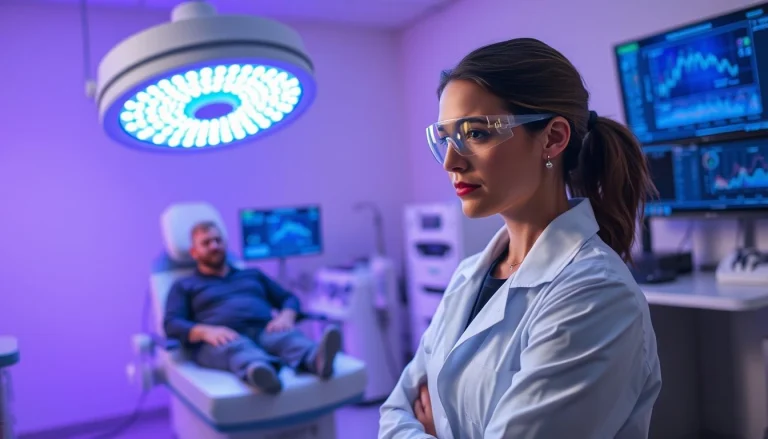
What Are The Treatment Of Lung Cancer? Lung Cancer and Treatment Approaches
Getting a lung cancer diagnosis can feel overwhelming. But knowing about the treatment options can help patients feel more in control. It lets them make informed choices about their care. Lung cancer treatment has come a long way. It now includes many approaches, each one tailored to the patient’s needs. This includes surgery, chemotherapy, targeted therapy, and immunotherapy. These choices can be complex.
Exploring these options with care and expertise helps patients and their families. It guides them through the journey ahead. Together, they can find the best path forward. Lung cancer is complex and needs a treatment plan that looks at the cancer type, stage, and the patient’s health.
Non-Small Cell Lung Cancer (NSCLC) Treatment Considerations
Most lung cancers are NSCLC. They are often treated with surgery, chemotherapy, or radiation. The treatment choice depends on the cancer’s stage and type.
Small Cell Lung Cancer (SCLC) Treatment Approaches
SCLC is more aggressive. It’s usually treated with chemotherapy and radiation. The treatment plan is based on the cancer’s stage and the patient’s health.
Cancer Stage and Tumor Characteristics
The cancer stage and tumor characteristics are key in choosing treatment. Early-stage lung cancer might be treated with surgery. Advanced stages might need a mix of therapies.
Patient Health Status and Preferences
A patient’s health and preferences are also important. Their overall health, including any other health issues, can affect which treatments they can handle.
| Lung Cancer Type | Common Treatments | Factors Influencing Treatment |
|---|---|---|
| NSCLC | Surgery, Chemotherapy, Radiation Therapy | Cancer Stage, Tumor Characteristics |
| SCLC | Chemotherapy, Radiation Therapy | Cancer Stage, Patient Health Status |
Surgical Options for Lung Cancer
Lung cancer surgery has changed a lot. Now, there are many surgical options for each patient. New techniques, like minimally invasive surgery, help patients recover faster and better.
Candidate Selection for Surgical Intervention
Not every lung cancer patient can have surgery. Doctors decide based on the cancer’s stage, the patient’s health, and any other medical issues.
- Early-stage lung cancer patients are usually good candidates for surgery.
- Those with larger tumors or cancer in nearby lymph nodes might also be considered, depending on their health.
- Tests like imaging and biopsies help figure out if surgery is right.
Recovery and Outcomes After Major Lung Surgery
Recovery from lung surgery varies a lot. It depends on the surgery type, the patient’s health before surgery, and their age.
New methods like video-assisted thoracic surgery (VATS) and robotic surgery help. They reduce pain and shorten hospital stays, leading to better results.
It’s important for patients and their families to know what to expect during recovery. This helps them understand the treatment process better.
Radiation Therapy for Lung Cancer
Radiation therapy is a key part of lung cancer treatment. It uses high-energy particles or waves to kill cancer cells. This stops them from growing and spreading. Many patients find it essential, often used with surgery or chemotherapy.
Intensity-Modulated Radiation Therapy (IMRT)
Intensity-Modulated Radiation Therapy (IMRT) is a precise way to target tumors. It changes the intensity of the radiation beams. This allows for higher doses to the tumor while protecting healthy tissues.
Proton Therapy
Proton therapy uses protons instead of X-rays to kill cancer cells. It can focus its energy on the tumor, reducing damage to nearby tissues. This makes it great for tumors near important structures.
For more information on radiation therapy and its applications, you can visit Acibadem International. They offer insights into cancer treatment with radiation in various places.
Managing Radiation Side Effects
Radiation therapy can cause side effects, from mild to severe. These include fatigue, skin irritation, and trouble swallowing. It’s important to manage these side effects to keep quality of life high.
Healthcare teams give advice on coping strategies. This includes eating well, staying hydrated, and resting enough. Support from healthcare, family, and groups is also key in dealing with lung cancer treatment.
Chemotherapy Approaches and Protocols
Chemotherapy is key in fighting lung cancer. Treatment plans are getting better to help patients more. We’ll look at the different ways to use chemotherapy, like mixing drugs or using one at a time.
Platinum-Based Combination Therapies
Platinum-based chemotherapy is often used in lung cancer treatment. It’s mixed with other drugs to fight the disease. For more on cancer treatment, check out this resource.
- Cisplatin and etoposide
- Carboplatin and paclitaxel
Single-Agent Chemotherapy Options
For some, using just one chemotherapy drug is best. This method works well for certain patients.
- Docetaxel
- Gemcitabine
Short-Term Side Effects and Their Management
Chemotherapy can lead to short-term side effects. These include:
- Nausea and vomiting
- Hair loss
- Fatigue
It’s important to manage these side effects. This helps improve life quality for lung cancer patients.
Long-Term Considerations
Chemotherapy is effective but has long-term effects too. These can include lasting side effects and how they affect life quality.
Knowing about different chemotherapy methods is key. It helps patients make informed choices. By understanding the options, patients can work with their doctors to find the best treatment plan.
What Are The Treatment Of Lung Cancer: Targeted Therapies
Targeted therapy is a big step forward in lung cancer treatment. It gives patients more tailored and effective care. These therapies focus on specific genetic changes in tumors, making them more precise than traditional treatments.
First-Generation vs. Next-Generation EGFR Inhibitors
EGFR inhibitors are a key part of lung cancer treatment. They target the EGFR gene in non-small cell lung cancer (NSCLC). The first EGFR inhibitors, like erlotinib, were early developments. Next-generation ones, such as osimertinib, aim to beat resistance that earlier ones face. For more on targeted therapy, check out Acibadem International’s Targeted Therapy page.
Managing Resistance to EGFR Therapy
EGFR inhibitors face a big challenge: resistance. To tackle this, doctors use newer EGFR inhibitors and treatments that target several pathways. Knowing how resistance works is key to finding better treatments.
ROS1, BRAF, and NTRK Inhibitors
Other genetic changes, like ROS1, BRAF, and NTRK fusions, also have specific treatments. ROS1 inhibitors, for instance, work well for patients with ROS1-rearranged NSCLC. BRAF and NTRK inhibitors offer hope for those with these mutations.
The Role of Molecular Testing in Treatment Selection
Molecular testing is vital for finding the genetic causes of lung cancer. It helps choose the right targeted therapies. This ensures patients get treatments that match their tumor’s unique traits.
Targeted therapies have greatly improved lung cancer treatment. As research finds new targets and ways to overcome resistance, lung cancer treatment will keep getting better.
Immunotherapy: Harnessing the Immune System
Immunotherapy is a new hope for lung cancer patients. It boosts the body’s defenses to fight cancer cells better.
PD-1 and PD-L1 Inhibitors
PD-1 and PD-L1 inhibitors are big steps forward in lung cancer treatment. They stop cancer cells from hiding from the immune system. This lets the immune system attack cancer cells more easily.
| Drug Name | Class | Use in Lung Cancer |
|---|---|---|
| Pembrolizumab | PD-1 Inhibitor | First-line treatment for advanced NSCLC |
| Nivolumab | PD-1 Inhibitor | Treatment for advanced NSCLC |
| Atezolizumab | PD-L1 Inhibitor | Treatment for advanced NSCLC and SCLC |
CTLA-4 Inhibitors
CTLA-4 inhibitors are also promising for lung cancer treatment. They block a protein that weakens the immune system. This helps the immune system fight cancer better.
Immunotherapy with Chemotherapy
Using immunotherapy with chemotherapy is a strong treatment for lung cancer. Chemotherapy makes cancer cells more visible to the immune system. This combination leads to a stronger fight against tumors.
Dual Immunotherapy Approaches
Dual immunotherapy combines different drugs to improve treatment results. For example, mixing PD-1 inhibitors with CTLA-4 inhibitors shows promise. It can lead to better outcomes for some lung cancer patients.
As research keeps growing, immunotherapy is key in lung cancer treatment. It offers new ways to treat the disease and gives patients hope.
Multimodal Treatment Approaches
Multimodal treatment approaches have changed how we manage lung cancer. They offer new hope to those affected. By mixing different treatments, doctors can create plans that fit each patient’s needs. This improves outcomes and quality of life.
The Role of Tumor Boards and Multidisciplinary Teams
Tumor boards and multidisciplinary teams are key in lung cancer treatment. They bring together experts from various fields. This includes medical oncology, radiation oncology, thoracic surgery, and pathology.
These teams work together to create detailed treatment plans. They consider each patient’s cancer unique characteristics. This teamwork leads to more accurate staging and better treatment choices.
It also improves patient outcomes. Tumor boards are a place to discuss complex cases. They keep everyone up-to-date on the latest treatment guidelines and clinical trials.
Shared Decision-Making with Patients
Shared decision-making is vital in lung cancer treatment. It’s about working together with patients to make care decisions. This ensures treatment plans match the patient’s preferences and goals.
By involving patients, doctors help them understand their options. This includes the benefits and risks. It empowers patients to choose care that’s right for them.
Good shared decision-making also meets patients’ emotional and psychological needs. It provides the support and resources needed to cope with their diagnosis and treatment.
Clinical Trials and Investigational Treatments
Clinical trials are key in finding new lung cancer treatments. They help check if new therapies are safe and work well. This gives patients a chance to try treatments that could save their lives.
Antibody-drug conjugates (ADCs) are a promising area of research. These targeted therapies use antibodies to find cancer cells and then kill them. This way, they harm healthy tissues less.
Antibody-Drug Conjugates
ADCs are a big step forward in lung cancer therapy. They aim to kill cancer cells more precisely. This could lead to better treatment results and fewer side effects.
| ADC Components | Function |
|---|---|
| Antibody | Targets specific proteins on cancer cells |
| Cytotoxic Drug | Kills cancer cells upon delivery |
| Linker | Connects the antibody to the cytotoxic drug, ensuring stability and release upon target binding |
Novel Immunotherapy Approaches
Research is also focused on immunotherapy for lung cancer. New methods are being tested to boost the immune system’s fight against cancer. This includes checkpoint inhibitors, cancer vaccines, and adoptive T-cell therapies.
This ongoing research shows a strong commitment to better lung cancer treatments. As studies progress, patients and doctors will have more options. These could lead to better survival rates and quality of life.
Living with Lung Cancer: Supportive Care and Future Directions
Lung cancer diagnosis can feel overwhelming. But, with the right care, patients can live better lives. Managing symptoms, emotional needs, and staying healthy are key.
Supportive care helps with pain, nutrition, and mental health. Doctors work with patients to create care plans that fit their needs. This approach helps patients deal with lung cancer’s challenges.
New treatments and clinical trials are on the horizon. These offer hope for better patient outcomes. Keeping up with research helps patients make informed choices.
Combining supportive care with new treatments gives patients hope. The medical field is constantly improving lung cancer care. This means better chances for patients in the future.