What Can You Never Do After Hip Replacement?
After hip replacement surgery, it’s key to know what activities to skip, particularly regarding What Can You Never Do After Hip Replacement. This helps your recovery and keeps your new hip working well. Following your doctor’s advice is very important to avoid problems and help your body heal. People who have had hip replacement, like direct anterior hip replacement, need to know what they can’t do. Knowing what to avoid helps you get the most from your surgery. It also means you can live better and enjoy life more.
Some activities can harm your new hip, causing it to dislocate or other issues. It’s vital to know which post hip replacement activities are safe and which to steer clear of, especially considering What Can You Never Do After Hip Replacement.
Understanding Your Hip Replacement Surgery and Long-Term Limitations
It’s important for patients to know about hip replacement prosthetics. This knowledge helps them follow post-operative restrictions. It also ensures their new hip lasts longer.
Hip replacement surgery replaces the damaged or arthritic hip joint. It uses prosthetic components that mimic the natural hip’s movement and function.
How Hip Replacement Prosthetics Function
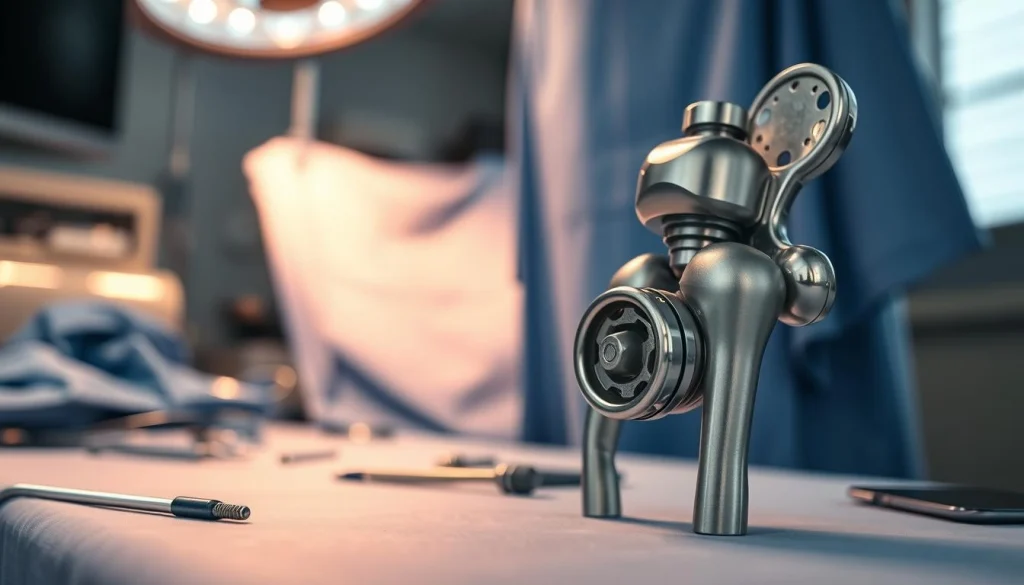
Hip replacement prosthetics have several parts. These include the femoral stem, the ball (or head), and the acetabular cup. Together, they replicate the natural hip joint.
The main goal of hip replacement prosthetics is to restore normal hip function. It aims to alleviate pain and improve the patient’s quality of life. The prosthetic components are made to be durable and long-lasting. But, they need care to stay in good condition.
Why Certain Restrictions Exist
Restrictions are in place to prevent damage to the prosthetic components. For example, bending too far can dislocate the prosthetic ball. High-impact activities can also stress the prosthetic, leading to wear and tear or fracture.
- Dislocation risks due to improper bending or twisting
- Damage from high-impact activities or contact sports
- Wear and tear over time, necessitating future revisions
Types of Hip Replacement Approaches and Their Impact on Restrictions
The type of hip replacement approach affects the restrictions a patient must follow. Minimally invasive techniques may lead to less tissue damage and quicker recovery. But, the approach used can influence the rehabilitation regimen.
- Anterior approach: May allow for quicker recovery and less restriction on certain movements
- Posterior approach: Requires more caution against certain movements to prevent dislocation
- Anterolateral approach: Offers a balance between recovery time and post-operative restrictions
Understanding these factors is key for patients to follow their post-operative regimen. It ensures the longevity of their hip replacement. By knowing the reasons behind these restrictions, patients can better follow their rehabilitation programme. This minimises the risk of complications.
Distinguishing Between Temporary and Permanent Restrictions
It’s important to know the difference between temporary and permanent restrictions after hip replacement surgery. The recovery has different stages, each with its own rules. These rules help the hip replacement last longer and keep the patient healthy.

Acute Recovery Phase Limitations (0-12 Weeks)
The first 12 weeks after surgery are very restricted. These rules help the body heal without problems. Patients should not bend, lift, or twist, as these can harm the new hip. Even simple tasks like getting dressed might need help.
Some key things to avoid include:
- Avoiding heavy lifting
- Not bending beyond 90 degrees
- Minimizing twisting movements
- Using assistive devices for walking
Long-Term Precautions (12 Weeks to 1 Year)
After the first 12 weeks, some rules get easier. But, some precautions stay in place forever. It’s important to avoid activities that could harm the hip replacement. Patients should slowly get back to doing more, but be careful not to dislocate the hip.
Here’s what patients can do in this phase:
- Gradually increase their walking distance
- Engage in low-impact exercises like swimming or cycling
- Improve their strength and flexibility
Lifetime Restrictions You Must Follow
Some rules are forever, not just for a while. High-impact activities, certain sports, and heavy lifting are usually a no-go forever. Knowing and following these rules is key to making the hip replacement last.
Activities to avoid for life include:
- Contact sports
- Running or jogging
- High-impact aerobics
By understanding the difference between temporary and permanent rules, patients can better manage their recovery. This helps ensure the success of their hip replacement surgery.
High-Impact Activities You Must Permanently Avoid
People with hip replacements should stay away from certain activities. These can harm the prosthetic and lead to more surgery. Knowing which activities to avoid helps keep the hip replacement working well for longer.
Contact Sports That Risk Prosthetic Damage
Contact sports are risky for those with hip replacements. The chance of falls or impacts can damage the prosthetic.
Rugby, Football, and Ice Hockey
Sports like rugby, football, and ice hockey are dangerous. They involve high-energy collisions and falls. Avoiding these sports is key to prevent prosthetic damage.
- Rugby’s tackling and confrontations can harm the hip replacement.
- Football and ice hockey also risk damage due to high-speed impacts.
Martial Arts and Boxing
Martial arts and boxing are also risky for hip replacements. The impact and stress from these activities can cause the prosthetic to loosen or fail.
- Martial arts’ kicks, punches, and throws stress the hip prosthetic.
- Boxing’s repetitive impact can harm the hip replacement.
Running and Jogging: The Long-Term Verdict
Running and jogging are high-impact and can harm hip replacements. While they might be okay short-term with care, they’re not recommended long-term.
Jumping, Plyometrics, and High-Intensity Training
Jumping, plyometrics, and high-intensity training are risky for hip replacement patients. These activities stress the prosthetic with repetitive impact.
Why Impact Forces Damage Hip Prosthetics
Impact from activities like jumping can cause the prosthetic to loosen over time. Reducing these activities is vital for the hip replacement’s longevity.
- Repetitive impact can loosen the prosthetic.
- High-intensity training puts too much stress on the hip prosthetic.
What Can You Never Do After Hip Replacement: Critical Movement Restrictions
After hip replacement surgery, it’s key to know what movements to avoid. These restrictions help ensure the prosthetic hip works well and lasts long. Ignoring these can lead to problems and might even mean another surgery.
Extreme hip flexion, bending at the waist, and crossing your legs are big no-nos. These actions can dislocate or harm the prosthetic. Also, twisting and pivoting on the affected leg should be avoided. It puts too much stress on the new hip joint.
Sticking to these rules helps in a smooth recovery. It lets you regain your mobility and enjoy a better life. Always listen to your healthcare team’s advice. It’s vital for keeping the prosthetic hip in good shape and working right.
FAQ
Q: What are the most critical activities to avoid after hip replacement surgery?
A: After hip replacement surgery, it’s key to stay away from high-impact activities. This includes running, jogging, jumping, and contact sports. These can harm the prosthetic hip.
Also, avoid bending, lifting, or twisting. These movements can stress the new hip joint too much.
Q: Can I resume my normal exercise routine after hip replacement surgery?
A: Yes, you can start exercising again after hip replacement surgery. But, avoid high-impact activities that could damage the prosthetic hip. Instead, try low-impact exercises like swimming, cycling, or gentle stretching.
These activities help improve flexibility and strength without stressing the new hip joint too much.
Q: How long do I need to follow post-operative restrictions after hip replacement surgery?
A: The time you need to follow post-operative restrictions varies. It depends on the individual and the surgery type. Generally, you’ll need to follow restrictions for 0-12 weeks.
After that, some restrictions might be lifted. But, you’ll always need to follow certain lifetime restrictions to protect your prosthetic hip.
Q: Are there any specific precautions I should take to prevent dislocation or prosthetic damage?
A: Yes, there are precautions to take. Avoid crossing your legs, bending at the waist, or lifting heavy objects. These can stress the new hip joint too much.
Also, be mindful of your posture. Avoid putting too much pressure on the prosthetic hip.
Q: Can I participate in sports or activities that involve high-impact movements?
A: It’s best to avoid sports or activities with high-impact movements. This includes rugby, football, ice hockey, martial arts, or boxing. These can risk damaging the prosthetic hip.
Instead, choose lower-impact activities. These should promote health and mobility without harming your hip replacement.
Q: What are the possible risks of ignoring post-operative restrictions?
A: Ignoring post-operative restrictions can lead to serious issues. This includes prosthetic damage, dislocation, or infection. These complications can ruin the success of your hip replacement surgery.
By following the recommended restrictions, you can lower these risks. This ensures a successful recovery.