Choosing to have total knee replacement surgery is a big step for those with severe knee problems or arthritis. The surgery can help a lot with pain and make moving easier. But, some people might feel postoperative knee pain, mainly at the back of the knee. Understanding What Causes Pain Behind Knee After Total Knee Replacement is essential for recovery.
Many patients are curious about the recovery from knee replacement surgery and the possible issues that might come up. Knowing why pain might occur behind the knee after surgery is key. It helps manage what to expect and makes recovery smoother. This article will look into why pain might happen behind the knee after surgery. It will also talk about the complications that can come with knee replacement. And, it will offer tips on how to deal with these issues. This article will also explore What Causes Pain Behind Knee After Total Knee Replacement and discuss complications that can arise post-surgery.
Understanding Total Knee Replacement Surgery
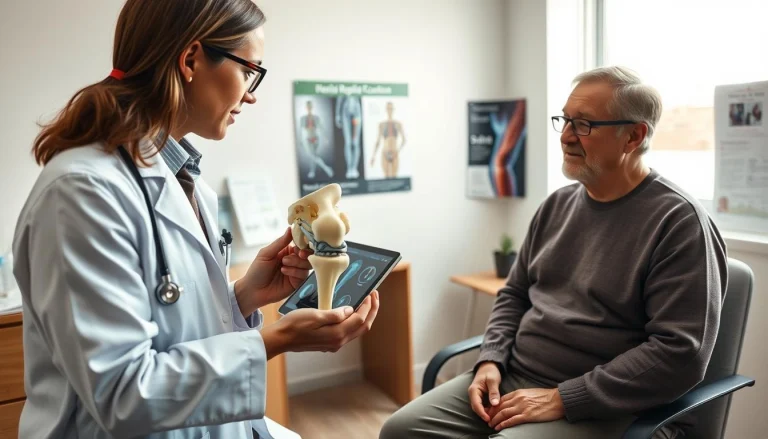
Total knee replacement (TKR) surgery is a complex procedure. It replaces the damaged or arthritic knee joint with artificial parts. This is for those with severe knee arthritis or damage who haven’t found relief with other treatments.
What Happens During the Procedure
In TKR surgery, the surgeon removes the damaged parts of the knee. They replace these with prosthetic components. The steps include preparing the bone surfaces, implanting the prosthetics, and resurfacing the patella if needed.
The surgery is done under general or regional anesthesia to reduce pain. It usually takes 1 to 2 hours. For more on related surgeries, visit Acibadem International for meniscus transplant options.
Expected Recovery Timeline
The recovery time after TKR surgery varies. But, most people can start with light activities a few weeks after. The first goal is to manage pain and swelling.
Full recovery, including getting strength and range of motion back, takes months. Following a rehabilitation program is key. This includes physical therapy and exercises to improve knee function and prevent TKR recovery problems. Listening to knee replacement recovery tips from healthcare professionals helps a lot.
Normal Versus Abnormal Post-Surgical Pain
The time after total knee replacement surgery can bring different kinds of pain. Some pain is normal, while others might mean there’s a problem. Knowing the difference is key for good knee replacement rehabilitation and managing knee replacement pain.
Typical Pain Patterns After TKR
Patients often feel various pain types after total knee replacement. At first, doctors use medicine to help with pain. As recovery goes on, the pain usually gets less intense. Common pain types include:
- Pain when moving the knee or bearing weight
- Discomfort or stiffness, mostly after resting
- Feeling of swelling or inflammation around the knee
These symptoms are usually normal and part of healing. But, it’s important to watch how long and how bad the pain is.

Warning Signs of Complications
While some pain is okay, certain signs might mean there’s a problem. Look out for:
- Severe or getting worse pain that medicine can’t fix
- Swelling that gets bigger over time
- Redness or warmth around the knee
- Fever or chills
- Feeling the knee is unstable or “giving way”
Spotting these signs early can help fix problems quickly. This makes recovery smoother and helps manage pain better.
What Causes Pain Behind Knee After Total Knee Replacement
Pain behind the knee after total knee replacement is a big problem. It affects how well patients recover and how happy they are with the surgery. This pain is caused by the surgery itself and the healing process that follows.
The surgery damages the tissues around the knee. This damage leads to pain as the body heals. Surgical trauma and tissue healing are key reasons for post-surgery pain.
Surgical Trauma and Tissue Healing
During total knee replacement, the knee’s tissues are damaged. This damage starts an inflammatory response, which is part of healing. This inflammation can cause pain, swelling, and stiffness, including in the back of the knee.
For more on managing knee pain, check out https://acibademinternational.com/knee-pain/.
As the body heals, the pain usually goes away. But sometimes, it stays because of how much damage was done and how each person heals differently.
Nerve Sensitivity and Inflammation
Nerve sensitivity also plays a role in pain after total knee replacement. The surgery can irritate or damage nerves around the knee, causing pain. Inflammation from the surgery can make this worse.
Managing nerve sensitivity involves treatments like medication and physical therapy. These aim to reduce inflammation and ease nerve irritation.
Scar Tissue Formation
Scar tissue forms after surgery, including total knee replacement. This tissue can cause pain or stiffness, mainly if it affects movement or presses on nerves.
Many things can influence scar tissue formation. These include the surgery method, post-op care, and how each person heals. Knowing these can help manage and possibly lessen scar tissue-related pain.
Common Complications Leading to Posterior Knee Pain
After total knee replacement surgery, several complications can cause pain behind the knee. It’s important to understand these issues to manage and reduce posterior knee pain effectively.
Deep Vein Thrombosis
Deep vein thrombosis (DVT) is a serious issue that can happen after TKR surgery. It’s when a blood clot forms in the deep veins, usually in the legs. This can lead to pain and swelling, including in the back of the knee. Seek medical help right away if symptoms get worse or don’t go away.
Baker’s Cyst Development
A Baker’s cyst, or popliteal cyst, is a fluid-filled sac in the back of the knee. It’s often linked to knee arthritis or other knee issues. After TKR, it can cause pain and stiffness in the back of the knee. Treatment might involve draining the cyst and addressing the underlying cause.
Infection
Infection is a serious complication after TKR surgery. It can show as pain, redness, swelling, and warmth around the knee. If you have pain in the back of your knee, it could be a sign of deep infection. Antibiotics and sometimes surgery are needed to treat it.
Component Malpositioning
Component malpositioning means the prosthetic parts are not placed correctly during TKR surgery. This can cause abnormal wear, pain, and limited movement. Pain in the back of the knee can be due to malpositioning that affects how the knee prosthesis moves. Revision surgery might be needed to fix the issue and ease symptoms.
If you’re having ongoing or severe pain in the back of your knee after TKR, see your doctor. Early treatment of these complications can greatly improve your outcome and lower the chance of more problems.
Mechanical Issues Causing Discomfort
Postoperative knee pain can come from many mechanical problems with the knee replacement. These issues can affect how well you recover and how happy you are with the surgery. It’s important to understand these problems to manage and treat them effectively.
Implant Loosening
Implant loosening is a big problem that can make your knee hurt after a total knee replacement. It happens when the bond between the implant and the bone gets weak. This leads to instability and pain. Things like bad initial fit, poor bone quality, and wear and tear can cause it.
Symptoms of implant loosening include:
- Pain or discomfort, mostly when you’re on your feet
- Feeling like your knee is unstable or gives way
- Swelling or inflammation around the knee
Patellar Tracking Problems
Patellar tracking problems happen when the kneecap moves abnormally over the femoral component. This can lead to pain, mainly in the front of the knee. Things like wrong implant alignment, muscle imbalance, and where the patellar component is placed can cause these problems.
Management strategies for patellar tracking problems include:
- Physical therapy to strengthen the muscles around the knee
- Changing the rehabilitation programme to help the kneecap track better
- In some cases, surgery to fix the alignment or position of the patellar component
Posterior Capsule Tightness
Posterior capsule tightness is when the posterior capsule, a ligament at the back of the knee, gets stiff or tight. This can make it hard to bend your knee and cause pain. Things like how the surgery was done, scarring, and not doing enough rehab can cause it.
Treatment options for posterior capsule tightness include:
- Gentle stretching exercises in a rehabilitation programme
- Manipulation under anaesthesia to loosen the posterior capsule
- Physical therapy to reduce stiffness and improve movement
Fixing these mechanical problems is key to reducing postoperative knee pain and ensuring a good recovery. A detailed treatment plan, including exercises for knee replacement recovery, can help deal with these issues and improve your outcome.
Soft Tissue Problems and Tendon Issues
Pain behind the knee after total knee replacement often comes from soft tissue and tendon problems. These issues can be caused by surgery, changes in how the knee moves, and the healing process.
Hamstring Tendon Strain
A hamstring tendon strain is a common problem after total knee replacement surgery. The hamstring muscles help bend the knee and keep it stable. Strains can happen when these muscles are used too much or when activity levels change suddenly during recovery.
Symptoms of hamstring tendon strain include:
- Pain or tenderness in the posterior thigh or knee
- Swelling or bruising in the affected area
- Weakness or stiffness in the knee
Gastrocnemius Muscle Involvement
The gastrocnemius muscle is important for ankle movement and bending the knee. After total knee replacement, this muscle can cause pain in the back of the knee. This is often due to changes in how we walk or using it too much.
Factors contributing to gastrocnemius muscle involvement:
- Altered biomechanics post-surgery
- Increased activity levels during rehabilitation
- Muscle imbalances or weaknesses

Popliteus Tendon Irritation
The popliteus tendon helps with knee rotation and stability. Irritation of this tendon can cause pain behind the knee, mainly during activities that involve knee rotation.
Causes of popliteus tendon irritation:
- Overuse or repetitive strain
- Poor knee alignment or biomechanics
- Inflammation or scar tissue formation
Effective knee replacement rehabilitation programmes should tackle these soft tissue and tendon problems. This ensures the best recovery and less pain. Strategies for managing knee replacement pain include specific exercises, physical therapy, and sometimes, interventional procedures.
Vascular and Circulatory Concerns
One of the less talked about parts of recovering from total knee replacement is vascular and circulatory issues. These problems can make the surgery’s results less than ideal, causing pain and serious issues.
Vascular concerns after knee replacement surgery are complex. They affect both the surgery’s immediate effects and the healing process over time. It’s key to understand these issues to manage knee surgery side effects well.
Blood Flow Restrictions
Blood flow restrictions are a big vascular worry after total knee replacement. Less blood flow can slow down healing, making recovery longer and more painful. Swelling, tight dressings, or existing blood flow problems can cause these restrictions.
Swelling and Oedema
Swelling and oedema are common after surgery and can cause circulatory problems. Too much swelling can press on tissues and blood vessels, making blood flow worse and causing pain. It’s important to manage swelling by elevating the leg, using compression, and keeping movement in check.
Handling vascular and circulatory issues well is key to a smooth recovery from total knee replacement surgery. By knowing the possible problems and taking action early, patients can reduce complications and get better results.
Diagnostic Approaches for Identifying the Cause
To find out why the knee hurts after a total knee replacement (TKR), doctors use different methods. These steps are key to figuring out the pain’s cause and finding the right treatment.
Physical Examination Techniques
A detailed physical check is the first step to diagnose pain after TKR. Doctors look at how well the knee moves, its stability, and where it hurts. They might do special tests to check the soft tissues and the TKR parts.
Imaging Studies
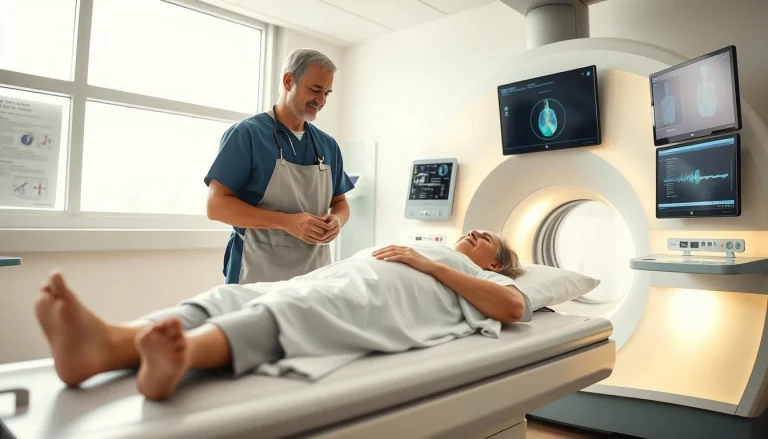
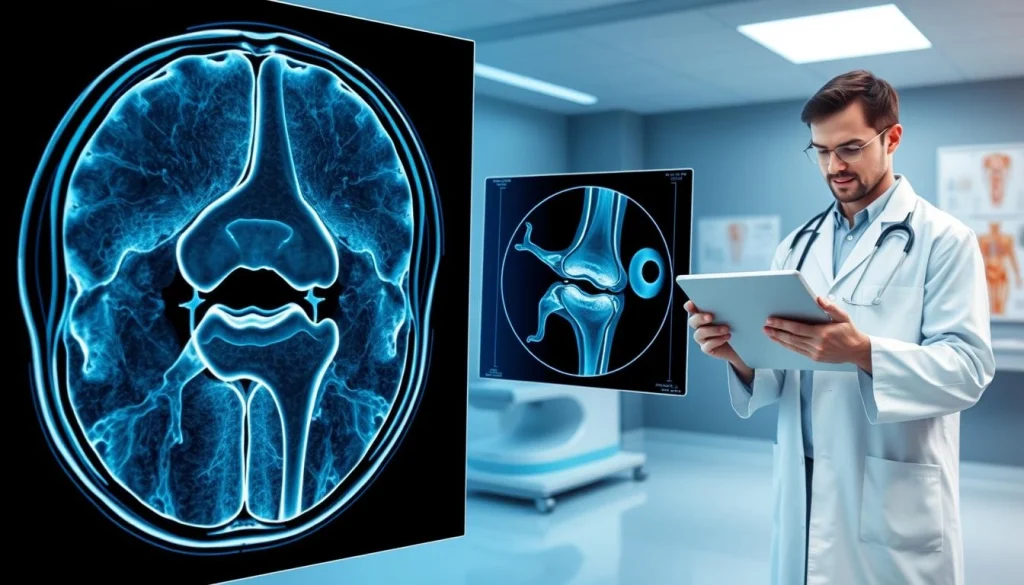
Imaging tests are very important in finding out what’s causing the pain. They show the inside of the knee in detail. This helps spot problems like loose implants or soft tissue issues.
X-rays
X-rays are used to see how the TKR parts are lined up. They can show if the implant is loose or not in the right place.
MRI and CT Scans
MRI and CT scans give detailed pictures of the soft tissues and bones. They are great for finding soft tissue damage or inflammation.
Ultrasound
Ultrasound checks the soft tissues around the knee. It can spot problems like tendinitis or Baker’s cyst.
Laboratory Tests
Laboratory tests, like blood work, are important to rule out infections or other conditions. They can show signs of inflammation or infection, helping decide the next steps.
Doctors use the results from physical checks, imaging, and lab tests to find the pain’s cause. Then, they can plan a good treatment plan.
Treatment Options for Posterior Knee Pain
Managing knee replacement pain requires looking at various treatment options. Dealing with pain in the back of the knee after surgery can be tough. But, there are ways to ease the discomfort and boost knee function.
Conservative Management Strategies
First, doctors often try non-surgical methods to tackle the pain. These methods aim to cut down pain and enhance knee movement without surgery.
- Pain Medications: You can use over-the-counter or prescription drugs to control pain.
- Physical Therapy: A custom physical therapy plan can help improve knee strength and mobility, easing pain.
- Ice and Heat Therapy: Using ice or heat on the knee can help with pain and stiffness.
Interventional Procedures
If non-surgical methods don’t work, doctors might suggest interventional procedures for the pain.
- Corticosteroid Injections: Injecting corticosteroids into the knee can lessen inflammation and pain.
- Aspiration of Fluid: If fluid buildup is causing pain, draining it can offer relief.
Surgical Revision
If all else fails, surgery might be needed to fix the root cause of the pain.
Surgical revision means redoing the initial knee replacement surgery. This is to fix any problems like the wrong placement or loosening of parts.
Rehabilitation and Recovery Exercises
After a total knee replacement, a good rehab plan is key for a smooth recovery. It helps patients get back to normal by improving knee function and reducing pain.
Gentle Range of Motion Exercises
Starting with gentle exercises is important. These keep the knee flexible and prevent stiffness. Examples include:
- Straight leg raises
- Knee bends
- Ankle rotations
Doing these exercises often can really boost knee mobility.
Strengthening Programmes
Building muscle around the knee is vital. It makes the knee more stable and functional. Key exercises include:
- Quad sets
- Straight leg raises with weights
- Leg press
Strengthening the quadriceps and hamstring muscles is essential for a good recovery.
Flexibility and Stretching Routines
Stretching routines improve knee movement and reduce muscle tightness. Good stretches include:
- Hamstring stretches
- Quadriceps stretches
- Calf stretches
Stretching regularly can ease pain and enhance knee function.
Gradual Progression Guidelines
Slowly increasing exercise intensity is important. Start with easy exercises and gradually make them harder as the knee gets stronger. Following a gradual increase helps avoid injury and complications.
Managing Pain During Recovery
The recovery after total knee replacement can be tough, with pain being a big worry. It’s key to manage pain well for a smooth recovery.
Medication Management
Medicine is very important for pain after knee replacement surgery. Your doctor will give you a mix of pain medicines to help. It’s important to take your medicine as told and tell your doctor about any side effects.
Alternative Pain Relief Methods
There are other ways to ease pain too. These include:
- Applying ice packs to reduce swelling and pain
- Using compression bandages to minimize swelling
- Elevating the affected leg to improve circulation
- Doing gentle exercises as your physical therapist suggests
Sleep Position Adjustments
Sleeping after knee replacement surgery can be hard. Changing how you sleep can help. Try sleeping with a pillow between your knees to keep your hips aligned and ease knee strain.
Activity Modification
Changing how you do things during recovery is important. Avoid bending, twisting, or lifting heavy as it can stress your knee. Instead, do gentle, low-impact activities that help your knee heal and get stronger.
Prevention Strategies and Long-Term Care
Recovering fully from total knee replacement surgery is more than just the operation. It’s about careful planning and ongoing care. A successful recovery needs a mix of prevention and ongoing management.

Pre-Surgical Preparation
Getting ready for surgery is key. Patients should improve their health before the operation. This means managing health issues, quitting smoking, and keeping a healthy weight. This effort can greatly help the surgery’s success and recovery.
Following Post-Operative Instructions
Following doctor’s orders is vital for a smooth recovery. This includes sticking to a structured rehabilitation programme, taking medicines as directed, and going to follow-up appointments. These steps help avoid complications and ensure the best results.
Regular Follow-Up Appointments
Regular check-ups with doctors are important. They help track how well you’re recovering and solve any problems quickly. These visits also let doctors adjust the treatment plan if needed, helping you get back to full health.
Maintaining Healthy Weight
Keeping a healthy weight is key for your new knee joint. It helps the joint last longer. Eating well and exercising regularly can help you stay at a healthy weight, improving your surgery’s success.
By focusing on prevention and long-term care, people who have had total knee replacement can have better outcomes. It’s important to work with healthcare professionals to create a plan that meets your needs. This helps ensure long-term success.
When to Contact Your Surgeon
It’s important to know when to see a doctor after TKR surgery. Some pain is normal, but other signs might mean you need to see your surgeon quickly.
Signs that warrant immediate contact with your surgeon include:
- Increased pain that is not managed with prescribed medication
- Swelling or redness around the knee that worsens over time
- Warmth or tenderness to the touch around the surgical site
- Any signs of infection, such as fever, chills, or drainage from the wound
- Difficulty moving the knee or bearing weight on it
- Any unusual or unexplained symptoms
If you notice any of these signs, call your surgeon’s office right away. They can tell you what to do next. This might mean an appointment, a trip to the emergency room, or advice on how to handle your symptoms at home.
Postoperative knee pain could be a sign of a problem with your TKR recovery. This might involve issues with the implant, soft tissues, or other complications. Your surgeon can check and suggest the right treatment.
It’s always safer to be cautious with your health. If you’re not sure about your symptoms or have worries about your recovery, contact your healthcare provider. They can offer advice and reassurance.
By knowing when to contact your surgeon, you can make your recovery from total knee replacement surgery smoother and safer.
Conclusion
Pain behind the knee after total knee replacement can come from many sources. These include surgical trauma, nerve sensitivity, and mechanical problems. Knowing these causes is key to managing and rehabilitating effectively.
Rehabilitation for knee replacement involves several steps. It includes non-surgical treatments, procedures, and sometimes surgery. Healthcare teams can create a plan based on the pain’s cause. This plan meets each patient’s unique needs.
Good care and rehabilitation are essential for the best results after knee replacement. Understanding and addressing the pain’s causes helps. This way, patients can move better and feel less pain. It improves their life quality significantly.
FAQ
Q: What are the common causes of pain behind the knee after total knee replacement?
A: Pain behind the knee after total knee replacement can come from many sources. These include surgical trauma, nerve sensitivity, and inflammation. Scar tissue, deep vein thrombosis, and Baker’s cysts are also possible causes. Infection, malpositioned components, loosening implants, and soft tissue issues like hamstring tendon strain can also contribute to the pain.
Q: How is the cause of posterior knee pain diagnosed after total knee replacement?
A: To find the cause of posterior knee pain, doctors use physical exams and imaging tests. X-rays, MRI, CT scans, and ultrasound are common tools. They also do lab tests to check for infection or other problems.
Q: What are the treatment options for managing posterior knee pain after total knee replacement?
A: Managing posterior knee pain involves several steps. Doctors might start with pain meds, physical therapy, and using ice or heat. In some cases, they might do injections or even surgery to fix the problem.
Q: What rehabilitation exercises can help alleviate posterior knee pain after total knee replacement?
A: Exercises are key to easing pain after total knee replacement. Gentle exercises, strengthening, and stretching help. It’s important to follow a gradual plan to improve without hurting the knee further.
Q: How can pain be managed during the recovery period after total knee replacement?
A: Managing pain during recovery is a team effort. It includes using the right medicines, trying other pain relief methods, and adjusting sleep and activity. These steps help reduce pain and aid in healing.
Q: What are the signs and symptoms that warrant contacting my surgeon after total knee replacement?
A: If you notice severe pain, swelling, redness, or pus, call your surgeon. Fever, chills, or trouble moving your knee are also warning signs. These could mean you have an infection or deep vein thrombosis.
Q: How can I prevent complications and ensure a successful recovery after total knee replacement?
A: To avoid problems and ensure a smooth recovery, start with good preparation before surgery. Follow your doctor’s post-op instructions carefully. Regular check-ups, staying healthy, and doing your exercises are also important. These steps help your knee heal well and reduce the risk of complications.