Cancer treatment is a big worry worldwide. People look for the best care they can find. The quality of cancer treatment changes a lot from country to country. This is because of things like medical setup, expert doctors, and new technology. Places with top-notch healthcare offer better and newer treatments. For example, Turkey is known for its quality cancer care. Hospitals like ACIBADEM Hospital treat many cancers, including bladder cancer, very well.
Finding the country with the best cancer treatment, specifically What Country Has The Best Cancer Treatment, means looking at care quality, patient results, and treatment choices. As medical science grows, knowing these points helps patients find the best care.
Understanding Global Cancer Treatment Standards
Finding the best country for cancer treatment means looking into global standards. Cancer care is complex, with many factors affecting its quality.
Defining Excellence in Cancer Care
Excellence in cancer care comes from accurate diagnosis, effective treatments, and good patient support. Multidisciplinary care teams are key. They combine specialists for personalized plans.
Using the latest technology and new therapies is also important. Countries that invest in research and new facilities lead in care.
Key Metrics for Evaluating Treatment Quality
Checking cancer treatment quality involves looking at several metrics. Five-year survival rates show how well treatments work and care quality.
Other key metrics include treatment-related mortality rates, patient satisfaction scores, and clinical trial availability. These give a full view of a country’s cancer treatment.
The Importance of International Comparisons
Comparing cancer treatment worldwide is vital. It helps find the best practices and areas for betterment.
Comparing shows how healthcare systems and policies affect treatment success. For example, countries with universal healthcare might have different success rates than those with private systems.
Knowing these differences helps improve global cancer care. It shows which countries are leading in this field.
Critical Factors in Cancer Treatment Success Rate
It’s vital to know what makes cancer treatment successful. Both patients and doctors need to understand this. The success of cancer treatment depends on many factors that work together.
Five-Year Survival Rates and Their Significance
The five-year survival rate is a key measure of cancer treatment success. It shows the percentage of patients alive five years after diagnosis. Five-year survival rates are important because they help compare treatment success across different cancers and stages. For example, countries with high survival rates for cancers like breast or prostate often have good screening and treatment plans.
Studies show that better survival rates come from new medical tech, early detection, and better treatments. Patients with cancer at an early stage usually have a better chance of survival.
Early Detection and Screening Programmes
Screening programmes are key to catching cancer early. These tests find cancers before symptoms show, making them easier to treat. Countries with good screening for cancers like breast, cervical, and colorectal have seen fewer deaths. For example, regular mammograms can find breast cancer early, helping treatment work better.
Not all countries have the same access to screening. Those with strong public health efforts tend to have better cancer results. Starting national screening programmes is vital for catching cancer early and improving treatment chances.
Access to Multidisciplinary Care Teams
Having a team of healthcare experts is also important for cancer treatment success. These teams include doctors, surgeons, and nurses who plan treatments together. Working together, these teams give patients the best care and support. For example, a patient with bone cancer might get better care from a team, as shown in understanding bone cancer treatment options.
Having a team for complex cases is key for the best patient outcomes. By giving patients access to many specialists, healthcare can improve care quality and success rates.
United States: Leading Innovation in Oncology
The US is known worldwide for its groundbreaking work in cancer treatment. This is thanks to top-notch research institutions. It offers advanced cancer treatment options, making it a leading cancer treatment nation.
Premier Cancer Centres and Research Institutions
The US has many top cancer centres leading in research and treatment. These places are known for their new ideas and full care.
MD Anderson Cancer Centre
MD Anderson Cancer Centre in Houston, Texas, is highly respected. It’s famous for its new treatments and happy patients.
Memorial Sloan Kettering Cancer Centre
In New York City, Memorial Sloan Kettering Cancer Centre leads in cancer research and treatment. It’s known for its special care and latest therapies.
Mayo Clinic Cancer Centre
The Mayo Clinic Cancer Centre, found in several states, is known for its team approach to cancer care. It offers detailed treatment plans for each patient.
FDA-Approved Breakthrough Therapies
The US FDA is key in approving new cancer treatments. The quick approval of new therapies has greatly helped patients.
Clinical Trial Availability and Access
Clinical trials are key for new cancer treatments. The US has a wide network of cancer centres and research places. This gives patients chances to try new therapies.
The US’s access to these treatments and trials shows its leading role in oncology.
Germany: Precision Medicine and Complete Care
Germany focuses on precision medicine and a complete care model for cancer treatment. This makes Germany a top choice for cancer care worldwide.
The German Cancer Research Centre
The German Cancer Research Centre (DKFZ) is key in Germany’s fight against cancer. It’s a leading cancer research centre in Europe. The DKFZ works hard to find new ways to understand and treat cancer.
The DKFZ does a lot of work, from basic research to clinical trials. This helps in creating new treatments that fit each patient’s needs.
Integrated Treatment Protocols
Germany’s cancer treatment plans are all about teamwork. A team of experts works together to care for patients. This team helps from the start of diagnosis to after treatment.
They use different treatments like surgery, radiotherapy, and chemotherapy. This way, they can make a treatment plan that’s just right for each patient.
Universal Healthcare Coverage for Cancer Patients
Germany’s healthcare system is great because it covers everyone, including those with cancer. This means no one has to worry about the cost of medical care.
Everyone gets access to all sorts of cancer treatments, from tests to new therapies. So, patients in Germany can get the best care possible, which helps them get better.
Japan: Technology-Driven Cancer Treatment Excellence
Japan focuses on using new technology to fight cancer. This has made it a top place for cancer treatment worldwide.
Advanced Imaging and Diagnostic Technologies
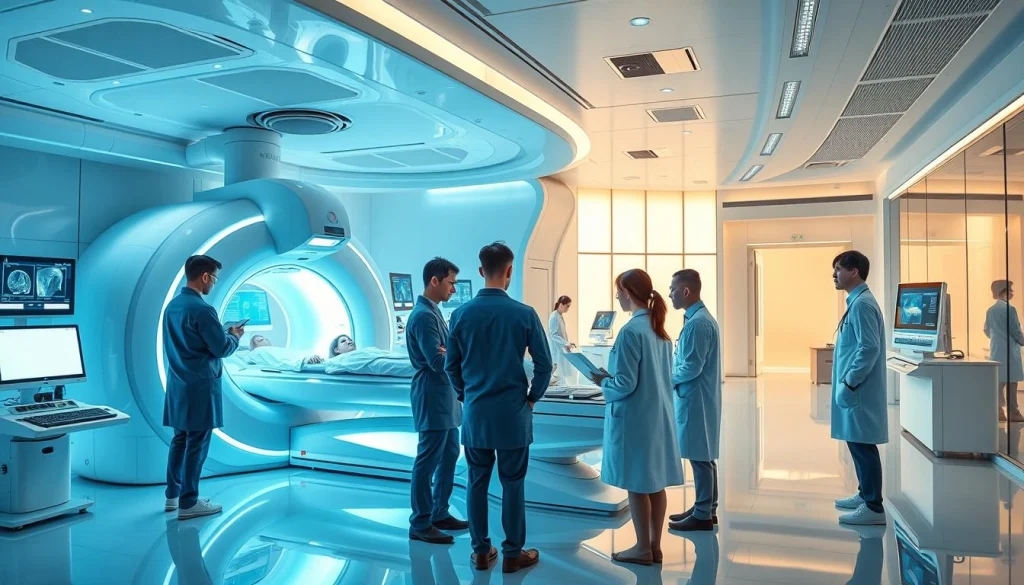
Japan’s success in cancer treatment comes from its advanced imaging and diagnostic tools. It uses top-notch MRI and CT scans. It also has new tools like liquid biopsy and genetic testing.
These tools help doctors find cancer early and accurately. This means they can create treatment plans that fit each patient’s needs.
Advanced imaging technologies in Japan include:
- High-field MRI machines capable of detailed imaging
- Advanced CT scanners with improved resolution and speed
- PET-CT scanners for complete cancer staging
Proton Beam Therapy Centres
Japan leads in proton beam therapy, a precise radiation treatment. It’s great for treating tumours in hard-to-reach places like the brain and spine.
There are many proton beam therapy centres in Japan. They have the latest technology for this advanced treatment.
Some notable proton beam therapy centres in Japan include:
- The Proton Beam Therapy Centre at the University of Tsukuba
- The National Cancer Centre East Proton Therapy Facility
- The Hyogo Ion Beam Medical Centre
National Cancer Screening Initiatives
Japan’s national cancer screening programs are key to its success. It has big programs for common cancers like stomach, lung, and colon cancer.
These programs help find cancers early. This makes treatment more effective and raises Japan’s cancer survival rates.
Key aspects of Japan’s national cancer screening initiatives include:
- Regular screening for high-risk groups
- Public education to raise cancer awareness
- Standardised screening to keep quality high across the country
Japan’s mix of advanced technology, screening, and treatment makes it a top choice for cancer care. It offers some of the best cancer treatment facilities globally.
South Korea: Rapid Advancement in Oncology Services
South Korea is now a leading cancer treatment nation. It uses the latest technology and new medical ideas. The country’s cancer care has grown fast, thanks to big investments in health and research.
World-Class Hospital Infrastructure
South Korea has top-notch hospitals, many of which are recognized worldwide. These places have the latest tools for diagnosing and treating cancer. This high standard of care boosts the country’s cancer treatment success rate.
Medical Tourism and International Patient Care
South Korea is a hit for medical tourism, drawing patients from everywhere. Its hospitals provide great care for international patients, including language help and custom treatment plans. This focus on global patient care has made South Korea a top name in cancer care.
Cost-Effective Treatment Options
Choosing South Korea for cancer treatment is also smart because it’s cheaper than many Western countries. Yet, the quality of care is high. This mix of affordability and quality makes South Korea a great choice for cancer treatment.
In summary, South Korea’s quick growth in cancer care, its world-class hospitals, and focus on global patients have made it a leading cancer treatment nation. Its dedication to quality and affordable care keeps it at the forefront of cancer treatment worldwide.
Switzerland: Personalised Approach and High Standards
Switzerland is a leader in cancer treatment, focusing on personalised medicine. Its healthcare system aims to give high-quality, patient-focused care. It uses the latest in oncology.
Private Healthcare Excellence
Switzerland’s private healthcare is known for its top-notch cancer treatment. Private hospitals and clinics have modern facilities and skilled doctors. This ensures patients get the best care. Personalised treatment plans lead to better results for patients.
Cutting-Edge Immunotherapy Programmes
Switzerland leads in immunotherapy research and treatment. It’s working on new treatments like checkpoint inhibitors and CAR-T cell therapy. These innovative therapies are key to Swiss cancer care.
Patient-Centred Care Models
The Swiss healthcare system puts patients first. Treatment plans are made to fit each patient’s needs. This includes advanced medical care and support services like counselling and palliative care. It aims to enhance patients’ quality of life.
Switzerland’s mix of private healthcare, advanced immunotherapy, and patient-focused care makes it a leader in cancer treatment. It stands out as a top country for cancer care.
Australia: Public Health Leadership in Cancer Care
Australia leads in cancer treatment, using its public health system to offer top-notch care to everyone. It combines advanced treatments, public health efforts, and community programs for a full approach to cancer care.
National Cancer Control Strategy
Australia’s National Cancer Control Strategy is key to its cancer care efforts. It aims to lessen cancer’s impact by focusing on prevention, early detection, and better treatment. It brings together government, healthcare, and community groups for a united effort in cancer care.
The strategy focuses on several key areas. It boosts cancer screening, makes treatment more accessible, and backs cancer research. This way, Australia aims to better cancer outcomes and lessen its impact on people.
Subsidised Access to Novel Therapies
Australia’s Pharmaceutical Benefits Scheme (PBS) is vital for making new cancer treatments affordable. The PBS helps ensure patients get access to many cancer treatments, including new ones, at a lower cost. This is key for making the latest cancer treatments available to all, no matter their financial situation.
The PBS carefully checks new treatments for safety, effectiveness, and cost. This means only the best and safest treatments are available to patients. It supports best cancer treatment facilities and practices nationwide.
Indigenous and Rural Healthcare Initiatives
Australia has started projects to tackle cancer care gaps in Indigenous and rural areas. These efforts include making cancer screening and treatment more available in rural places. They also train healthcare workers to better serve Indigenous patients.
These efforts are vital for ensuring everyone gets top cancer care, no matter where they live or their background. By tackling these gaps, Australia is working to improve cancer care for all its people.
What Country Has The Best Cancer Treatment: A Detailed Look
Looking for the best country for cancer treatment involves many factors. These include survival rates, how easy it is to get treatment, and how much money is spent on healthcare. By comparing these, we can see which country does the best job in cancer care.
Survival Rate Rankings by Cancer Type
Survival rates differ a lot depending on the type of cancer and the country. Knowing these differences helps us understand how well cancer treatment works.
Breast Cancer Outcomes
In breast cancer, the US and Japan lead with survival rates over 90%. This is thanks to good screening and treatment plans.
Lung Cancer Survival Rates
Lung cancer survival rates are lower, but South Korea and Germany are making progress. They’re doing this by catching cancer early and using new treatments.
Colorectal Cancer Treatment Success
Colorectal cancer treatment has improved a lot. Australia and Switzerland have high survival rates. This is because of good screening and team care.
Treatment Accessibility and Wait Times
How easy it is to get treatment and wait times are key in cancer care. Countries with universal healthcare, like the UK and Canada, offer fair access. But, the US struggles with insurance issues.
Wait times greatly affect cancer treatment results. Countries like Germany and Japan, with shorter waits, have better survival rates.
Healthcare Expenditure and Resource Allocation
How much money is spent on healthcare and resource allocation are important. Countries like the US and Switzerland invest a lot in cancer research and facilities. This means they have more advanced treatments.
Where resources are focused also affects the availability of specialised cancer treatments. Countries that focus on these treatments tend to have better results for specific cancers.
Advanced Cancer Treatment Options Worldwide
The world is seeing a big change in how we treat cancer. New and better ways to fight cancer are being found all over the globe.
Immunotherapy and Checkpoint Inhibitors
Immunotherapy is a pioneering treatment approach. It uses the body’s immune system to fight cancer. Checkpoint inhibitors are a part of immunotherapy. They help the immune system attack cancer cells better.
Checkpoint inhibitors are approved in many countries, like the United States, Germany, and Japan. Drugs like pembrolizumab and nivolumab have helped patients with advanced melanoma and lung cancer live longer.
CAR-T Cell Therapy Availability
CAR-T cell therapy is another big step forward in cancer treatment. It changes a patient’s T cells to attack cancer cells. This therapy works well for some blood cancers, like ALL and DLBCL.
Therapies like tisagenlecleucel and axicabtagene ciloleucel are available in the United States, Germany, and Australia. But, getting this treatment can be hard because of cost and the need for special centres.
Precision Oncology and Genomic Testing
Precision oncology tailors cancer treatment to each patient’s tumour. Genomic testing helps find the genetic mutations that cause cancer. This way, treatments can be more targeted and effective.
Countries like Japan and South Korea are leading in precision oncology. Genomic testing is getting more common. This means treatments can be more precise and better for patients.
Minimally Invasive Surgical Innovations
Minimally invasive surgery has changed cancer surgery a lot. It makes recovery times shorter and improves results. Robotic surgery and laparoscopic procedures allow for more precise and less invasive operations.
Switzerland and the United States are at the forefront of using these techniques. Robotic-assisted surgery is becoming more common. It leads to less blood loss, less pain, and shorter hospital stays.

In conclusion, cancer treatment is changing fast worldwide. New options like immunotherapy, CAR-T cell therapy, precision oncology, and minimally invasive surgery are making a big difference. These advances are helping patients and giving new hope in the fight against cancer.
Best Cancer Treatment Facilities: Global Standards
International standards for cancer treatment facilities focus on accreditation, research, and advanced technology. These places are known for their dedication to quality patient care.
International Accreditation Bodies
Accreditation from top international bodies shows a facility’s excellence. Groups like the Joint Commission International (JCI) and the European Society for Medical Oncology (ESMO) have strict standards. Facilities that get accredited show they meet these standards, ensuring patients get the best care.
Research Integration and Academic Medicine
Top cancer treatment facilities blend research into their practice. They often work with universities, bringing new research into treatments. This means patients get the latest therapies and helps improve cancer care worldwide.
Research integration boosts treatment choices and drives improvement in these facilities.
Technology and Equipment Standards
Modern technology and equipment are key for cancer treatment. Leading facilities use the newest tools, like advanced imaging and precise radiation therapy. These tools help doctors make accurate diagnoses and target treatments better, improving patient results.
Nurse-to-Patient Ratios and Support Services
Good staffing and support services are key for quality cancer care. Facilities with the right nurse-to-patient ratios offer more personal care. They also have services like psychological counselling and palliative care to improve the patient experience.
The best cancer treatment facilities worldwide focus on these areas. They aim to provide care that is effective, compassionate, and focused on the patient.
Cancer Treatment Effectiveness: Beyond Survival Rates
Looking at how well cancer treatments work means more than just survival rates. Survival stats are important, but they don’t tell the whole story. We also need to think about the patient’s quality of life, managing side effects, and providing psychological support and palliative care.
Quality of Life Measurements
Measuring quality of life is key to understanding treatment success. It looks at physical health, emotional state, and social interactions. This helps doctors make better care choices. The EORTC QLQ-C30 questionnaire is often used to check on cancer patients’ quality of life.
Key components of quality of life measurements include:
- Physical functioning and symptoms
- Emotional and cognitive functioning
- Social well-being and relationships
- Overall health and well-being
Treatment-Related Side Effects Management
Managing side effects is vital for better patient outcomes and quality of life. Treatments like chemotherapy can lead to side effects like nausea and fatigue. Doctors are now focusing on managing these side effects early on, using supportive care and lifestyle changes.
Strategies for managing treatment-related side effects include:
- Prophylactic medications to prevent side effects
- Personalized care plans tailored to individual patient needs
- Patient education and support
- Multidisciplinary care teams
Psychological Support and Palliative Care
Psychological support and palliative care are essential parts of cancer care. Palliative care teams help with physical, emotional, and social distress. They offer psychological support to help patients deal with their diagnosis and treatment, improving their quality of life.
Key elements of psychological support and palliative care include:
- Symptom management and pain control
- Emotional and psychological support for patients and families
- Coordination of care across different healthcare settings
- Support for advance care planning and end-of-life care
Top Cancer Treatment Country: Economic and Social Factors
A country’s ability to offer top-notch cancer care depends on its economy and social setup. These factors greatly affect how well and how easily people can get cancer treatment.
Healthcare System Structure and Funding
The way a healthcare system is set up and funded is key. Countries with well-organised systems, like those with universal coverage, tend to do better in cancer care. For example, Turkey has invested a lot in its healthcare, leading to quality cancer treatment.
Publicly funded systems ensure everyone gets the care they need. Private systems, though pricier, might offer more advanced treatments.
Insurance Coverage and Out-of-Pocket Costs
How well a patient can get cancer treatment depends on their insurance and costs. With good insurance, patients get the care they need quickly. But, high costs can make patients skip or delay treatments.
Having financial help programs and patient support services can ease these costs. This way, more patients can get the care they need.
Social Support Systems for Cancer Patients
Support systems are essential for cancer patients’ well-being. These include family, support groups, and community help. Countries that focus on these systems see better patient outcomes and quality of life.
Psychological support is also vital. It helps patients deal with the emotional and mental sides of cancer.
Language Services and Cultural Competency
For countries that welcome international patients, language and cultural understanding are key. Being able to talk with doctors in one’s own language improves treatment. Cultural understanding ensures care fits each patient’s needs.
Countries that focus on language services and cultural training for doctors are better at treating patients from all over.
Making Informed Decisions About Cancer Treatment Location
Choosing where to get cancer treatment is a big decision. It involves looking at many important factors. Patients with cancer face the challenge of picking the best place for treatment.
Evaluating Your Specific Cancer Type and Stage
It’s key to know the type and stage of your cancer. This helps decide the best treatment location. Some cancers need care from specific centers.
Specialized cancer centers have teams skilled in certain cancers. This can greatly improve your cancer treatment success rate.
Considering Travel and Accommodation Logistics
For some, traveling for cancer treatment is needed. It’s important to think about travel and staying arrangements.
Look at how close the treatment center is, where to stay, and how to get there. This helps make the treatment smoother.
Assessing Financial Implications and Insurance
The cost of cancer treatment can differ a lot. It depends on where and what treatment you get. Knowing about insurance and costs is critical.
Check if your insurance covers treatment in other places or at certain centers. Plan to avoid unexpected costs.
Support Networks and Long-Term Follow-Up Care
Having support during and after treatment is vital. Think about the support services at the chosen location.
Also, find out about long-term follow-up care. Ongoing support helps manage side effects and keeps you healthy.
Conclusion
Finding the top country for cancer treatment is tricky because of the wide range of quality care worldwide. The United States, Germany, Japan, and South Korea lead the way. They offer the latest treatments and advanced medical tech.
For example, ACIBADEM Hospital in Turkey is known for its top-notch cancer care. It has a team of experts and modern facilities. This makes it a great choice for people looking for effective treatment from abroad.
When looking at cancer treatment effectiveness, survival rates and access to new therapies are key. Also, how well the care is tailored to each patient matters a lot. Countries with strong healthcare and specialized cancer centers usually provide better care.
In the end, the best place for cancer treatment varies based on personal needs. This includes the type and stage of cancer, what you prefer, and your budget. It’s important for patients to do their research. They should think about the cost, how easy it is to get treatment, and the support services available.
FAQ
Q: What are the key factors that determine a country’s cancer treatment effectiveness?
A: The main factors include the quality of healthcare and access to teams of experts. Early detection and screening are also key. Plus, having advanced treatments like immunotherapy and precision oncology matters a lot.
Q: How do countries compare in terms of cancer treatment success rates?
A: Countries are judged on survival rates, how easy it is to get treatment, and wait times. They also look at how much money is spent on healthcare and the latest treatments available.
Q: What role do international comparisons play in evaluating cancer treatment?
A: Comparing countries helps find the best ways to treat cancer. It shows where improvements are needed and what works best. This way, countries can learn from each other and improve their cancer care.
Q: Are there specific countries known for their excellence in particular types of cancer treatment?
A: Yes, some countries stand out in certain areas. The United States is known for its new treatments in oncology. Japan leads in imaging and diagnostics. Germany is a leader in precision medicine and all-around care.
Q: How important is access to clinical trials in cancer treatment?
A: Getting into clinical trials is very important. It lets patients try new treatments that might not be available yet. Countries like the United States are at the forefront of these new treatments.
Q: What is the significance of universal healthcare coverage in cancer treatment?
A: Universal healthcare means everyone can get the cancer care they need, no matter their money situation. Countries like Germany and Australia show how important it is to have fair access to cancer treatment.
Q: How do patient-centred care models impact cancer treatment outcomes?
A: Models that focus on the patient’s needs can improve treatment results. They make life better for patients and help manage side effects.
Q: What are the benefits of seeking cancer treatment in a country with a high standard of care?
A: Getting treatment in a country with high standards means better treatments and care teams. This can lead to better results and longer life for patients.