What Is an Orthopedic Doctor and How Can They Help You?
An Orthopedic Doctor is a physician who diagnoses and treats problems of the musculoskeletal system — the bones, muscles, ligaments, tendons, joints, and related nerves — to help you move, stay active, and reduce pain.
- bones
- muscles
- ligaments and tendons
- joints
- nerves
People commonly see an orthopedic doctor for injuries (like fractures or ligament tears) or ongoing issues such as arthritis or persistent lower back pain that affect daily activities.
Read on to learn what orthopedic doctors do, the conditions they treat, and practical tips for finding the right specialist and scheduling an appointment.
What do orthopedic doctors do?
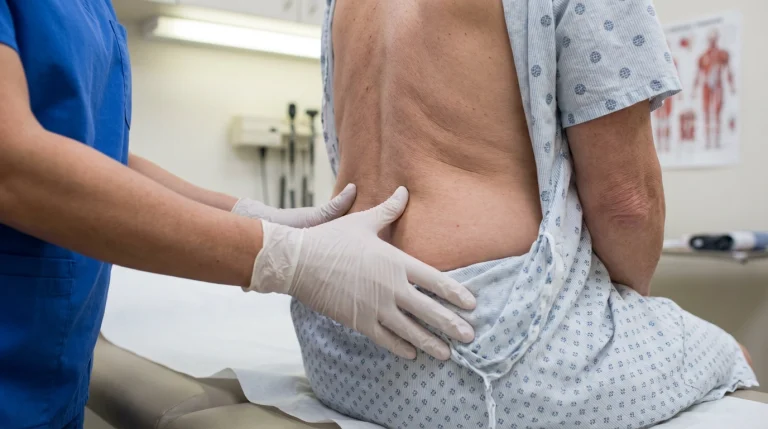
Orthopedic doctors — sometimes called orthopedic surgeons when they perform operations — diagnose and treat musculoskeletal problems. They combine clinical exams, imaging (like X-rays and MRIs), and patient history to create a treatment plan focused on restoring function and reducing pain. Common duties include:
- diagnosing and treating conditions that affect your musculoskeletal system — for example, using an exam and imaging to identify a fracture or torn ligament
- assisting with rehabilitation to help patients regain movement, strength, range of motion, and flexibility after injury or surgery (often coordinating with physical therapists)
- forming strategies to prevent injury or slow progression of chronic conditions — for example, personalized exercise plans, activity modifications, or joint-protection techniques for arthritis
If you have persistent pain, a noticeable loss of function, or a sports injury that limits activity, an orthopedic doctor can evaluate your situation and recommend appropriate care — from nonsurgical options to procedures when needed.
Many orthopedic doctors subspecialize to provide deeper expertise. Common subspecialty areas include:
- spine
- hip and knee
- hand
- shoulder and elbow
- foot and ankle
- sports medicine
- trauma surgery
What types of conditions do orthopedic doctors treat?
Orthopedic doctors treat a broad range of musculoskeletal problems. For clarity, many conditions fall into two practical groups: acute injuries and chronic conditions. Below are common examples you may encounter as a patient.
- bone fractures — acute breaks often needing imaging and sometimes internal fixation to heal properly
- muscle strains and soft-tissue injuries — often managed first with rest, physical therapy, and staged return-to-activity plans
- joint or back pain — ranges from acute sprains to chronic mechanical issues that affect daily function and may require ongoing care
- arthritis — degenerative or inflammatory joint disease; treatment focuses on pain relief, preserving function, and sometimes joint replacement
- carpal tunnel syndrome and nerve-compression issues — may cause numbness, tingling, or weakness and often improve with splints, therapy, or release surgery
- injuries to tendons or ligaments, such as sprains, tendonitis, and ACL tears — an ACL tear, for example, often causes knee instability during cutting motions and may need surgical repair in active patients
- limb abnormalities, such as clubfoot and bowlegs
- bone cancer and other serious bone conditions — often requiring multidisciplinary care and specialist referral
If you’re a patient experiencing persistent pain, instability, or loss of function, an orthopedic specialist can evaluate your symptoms, recommend conservative care, or discuss procedural options that match your activity goals and lifestyle.
What types of procedures do they do?
Orthopedic doctors use a range of treatments tailored to each patient’s needs. They usually start with conservative care and progress to procedures only if necessary. Below is a summary of common nonsurgical and surgical options, plus what patients can generally expect.
Let’s explore some of them in more detail below.
Nonsurgical treatments
These conservative approaches are often tried first to reduce pain and restore function without surgery.
Common nonsurgical treatments include:
- Exercises. Targeted stretches and strengthening programs (often with a physical therapist) help improve range of motion, build support around joints, and reduce pain.
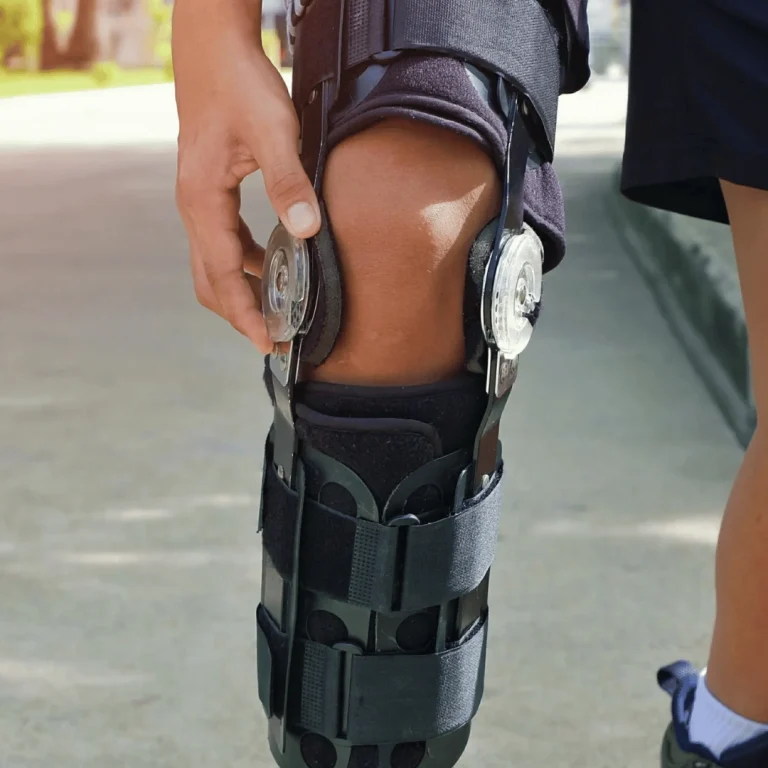
- Immobilization. Braces, splints, and casts protect injured areas while tissue heals.
- Medications. Over-the-counter pain relievers (like ibuprofen, aspirin) and prescription drugs such as corticosteroids can control pain and inflammation.
- Lifestyle changes. Activity modification, weight management, and ergonomic adjustments can prevent further injury and support long-term joint health.
Surgical treatments
When conservative care doesn’t relieve symptoms or when structural repair is required, surgery may be recommended. Your orthopedic surgeon will discuss benefits, risks, and expected recovery before any procedure.
- Joint replacement. Also called arthroplasty, this replaces damaged joint surfaces (commonly hip or knee). For many patients, joint replacement reduces pain and improves mobility — but it requires a recovery period and rehabilitation. Examples include knee replacement and hip replacement.
- Internal fixation. Hardware such as pins, screws, plates, or rods are used to stabilize fractures — a common choice when a broken bone needs precise alignment for healing.
- Fusion. Bone grafts and fixation join two bones so they heal as one — often used in spine or neck surgery to relieve pain from unstable segments.
- Osteotomy. A bone is cut and repositioned to improve alignment and joint mechanics; sometimes an alternative to replacement for certain patients.
- Soft tissue repair. Surgery to repair severely damaged muscles, ligaments, or tendons, often followed by rehabilitation.
- Release surgery. Procedures such as carpal tunnel release relieve pressure on nerves (for example, the median nerve) to reduce numbness and improve function.
Example scenarios: a patient with end-stage knee arthritis who can’t walk without pain may be a candidate for knee joint replacement; a patient with a displaced femur fracture typically needs internal fixation to restore alignment.
Talk with your orthopedic doctor about expected outcomes, recovery time, and rehabilitation after any recommended surgery so you can make an informed decision that fits your goals and lifestyle.
When to see an orthopedic doctor
Consider scheduling an appointment with an orthopedic doctor if you experience any of the following problems that affect your daily life or don’t improve with basic self-care:
- pain or swelling in a bone, joint, or muscle that’s persistent, recurring, or doesn’t respond to at-home care
- a noticeable decrease in mobility or range of motion of a joint (for example, difficulty bending a knee or raising an arm)
- trouble performing your regular daily activities due to pain or limited function
- nerve-related symptoms such as numbness and tingling or a “pins and needles” sensation
- an injury to a bone or joint that may need specialist care (for example, suspected fractures or severe instability)
How to find an orthopedic doctor
If you decide to seek care, here are practical steps to find the right specialist and prepare for your appointment:
- Talk to your primary care doctor. They can recommend a specialist or provide a referral and share relevant medical records.
- Search online. Use tools like the American Academy of Orthopaedic Surgeons’ online search tool to find local doctors and review credentials.
- Ask friends or read reviews. Personal recommendations and online feedback can give you a clearer view of a doctor’s approach and patient experience.
- Verify insurance and appointment details. Before you schedule an appointment, confirm the doctor accepts your insurance, whether you need a referral or prior authorization, and expected out-of-pocket costs.
How to prepare for your appointment: bring a list of symptoms and medications, any imaging or reports you have, and questions about treatment options and recovery. If you’re ready to move forward, schedule an appointment with a provider who matches your needs and ask about their experience treating your condition.
You can also connect with an orthopedic doctor in your area using the ACIBADEM FindCare tool.
Training and qualifications
Becoming an orthopedic surgeon requires extensive education and hands-on training — a pathway designed to ensure clinical excellence and high-quality patient care. In the United States, this process can take up to 14 years or more following high school.
Typical steps in this education pathway include:
- an undergraduate degree (typically 4 years)
- medical school (4 years)
- orthopedic residency (about 5 years) providing intensive surgical and clinical experience
- optional fellowship (commonly 1 year) for subspecialty education in areas like sports medicine, joint reconstruction, spine, or hand surgery
After training, physicians must pass a certifying exam administered by bodies such as the American Board of Orthopaedic Surgery or the American Osteopathic Board of Orthopedic Surgery.
Board certification and ongoing continuing education (including periodic recertification) help maintain high standards of care and clinical excellence. As a patient, you can view a surgeon’s credentials and fellowship training through professional directories (for example, the AAOS directory) to confirm their education and experience before your appointment.
How to find an orthopedic doctor
If you need orthopedic care, use a few straightforward steps to identify the right specialist and prepare for your visit.
- Talk to your primary care doctor. They can refer you, share your medical history with the specialist, and often suggest surgeons with relevant subspecialty experience (for example, sports medicine for athletic injuries).
- Search trusted directories. Use the AAOS online search tool or hospital profiles to view credentials, fellowship training, and areas of expertise.
- Ask for patient recommendations and read reviews. Patients’ views and personal referrals can highlight bedside manner, wait times, and outcomes.
- Verify insurance and logistics. Before scheduling an appointment, confirm the doctor is in-network, whether a referral or prior authorization is needed, expected out-of-pocket costs, and available appointment times.
Questions to ask when booking an appointment: Does this surgeon treat my condition regularly? Do they have experience in the specific procedure (or subspecialty) I may need? What should I bring to my first visit (imaging, prior records)?
You can also connect with an orthopedic doctor in your area using the ACIBADEM FindCare tool, which can help patients schedule appointments and compare local providers by specialty and insurance acceptance.
Is orthopedic treatment covered by insurance and Medicare?
Insurance often covers orthopedic care that is medically necessary, but coverage details vary. When speaking with your insurer, ask whether the doctor is in-network, if the specific procedure requires prior authorization, and what your estimated copay or deductible will be.
The bottom line
Orthopedic doctors diagnose and treat disorders of the bones, muscles, joints, and related nerves to help patients reduce pain and restore function.
Treatment ranges from conservative care — such as targeted exercises, bracing, medication, and rehabilitation — to surgical options when needed, like joint replacement procedures that can significantly improve mobility and quality of life for appropriate candidates.
Orthopedic specialists can also guide rehab and prevention strategies to help patients avoid future injury and maintain long-term joint health.
Common conditions treated include:
- bone fractures
- arthritis
- back or joint pain
Many orthopedic doctors subspecialize in areas such as sports medicine, hand surgery, or orthopedic trauma to deliver focused expertise for specific patient needs.
If you’re experiencing persistent pain, loss of function, or an injury that limits daily activities, talk with your primary care doctor about a referral to an orthopedic specialist. Before you schedule an appointment, verify insurance coverage and whether the surgeon has experience with the procedure you may need (for example, joint replacement or sport-specific repairs).
If you’re unsure where to start, use the AAOS database or the AAOS search tool to view credentials, fellowship training, and patient reviews — and schedule an appointment to discuss a treatment plan that fits your goals.