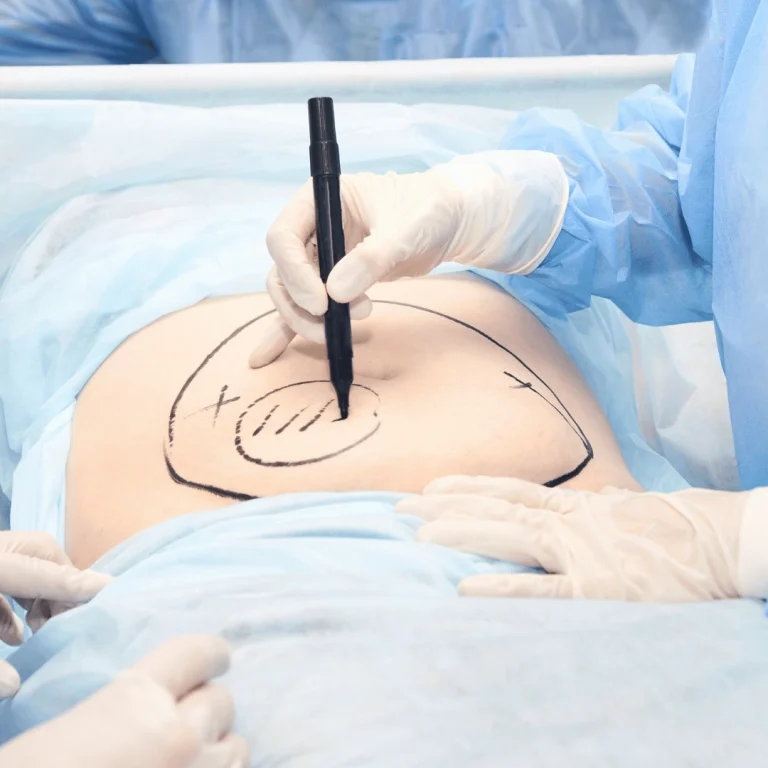
Getting a lung cancer diagnosis can feel scary. But knowing about treatment options helps you make better choices for your care. What Is Lung Cancer Treatment is a big concern as lung cancer is a major cause of cancer deaths globally. This makes finding good treatments very important. Many things decide what treatment you get. These include the cancer’s stage and type, and your health overall.
Understanding Lung Cancer: Types and Stages
When lung cancer is diagnosed, doctors look at the type and stage. This info helps decide how to treat it. Lung cancer is mainly split into two types: non-small cell lung cancer (NSCLC) and small cell lung cancer (SCLC). NSCLC makes up about 85% of cases. It’s divided into subtypes like adenocarcinoma, squamous cell carcinoma, and large cell carcinoma. SCLC is more aggressive and linked to smoking.
Early-Stage Treatment Approaches
For early-stage lung cancer, treatments include surgery, radiation, or both. Lung cancer treatment guidelines suggest a team effort to pick the best treatment.
Advanced-Stage Treatment Strategies
Advanced lung cancer needs stronger treatments like chemotherapy, targeted therapy, or immunotherapy. Knowing the stage and type is key to choosing the right treatment.
| Type/Stage | Treatment Approaches |
|---|---|
| Early-Stage NSCLC | Surgery, Radiation Therapy |
| Advanced-Stage NSCLC | Chemotherapy, Targeted Therapy, Immunotherapy |
| SCLC | Chemotherapy, Radiation Therapy |
Diagnosis and Assessment Before Treatment
Getting to know a patient’s lung cancer is vital for personalized lung cancer treatment. Doctors do many tests before starting treatment. They find out the type and stage of lung cancer and its genetic traits.
Common Genetic Mutations in Lung Cancer
Studies have found certain genetic changes, like EGFR and ALK, that affect lung cancer. Finding these changes is important. It helps doctors use targeted treatments, leading to better and innovative lung cancer treatment options.
PD-L1 Testing for Immunotherapy Candidacy
PD-L1 testing is a key tool for checking if immunotherapy works for lung cancer patients. It shows how well a patient might respond to immunotherapy. This helps doctors make a treatment plan that fits each patient.
These tests help doctors create treatment plans that match each patient’s lung cancer. This approach improves treatment results and quality of life.
What Is Lung Cancer Treatment: A Comprehensive Overview
Lung cancer treatment involves many approaches, each suited for different stages and types. It’s personalized, taking into account the cancer’s type, stage, and the patient’s health and wishes.
There are several treatments for lung cancer, including surgery, radiation, chemotherapy, targeted therapy, and immunotherapy. Each has its own advantages and challenges. Usually, a mix of treatments is used to get the best results.
Treatment Modalities for Lung Cancer
- Surgery: Removing the tumor and affected lung tissue.
- Radiation Therapy: Using high-energy rays to kill cancer cells.
- Chemotherapy: Utilizing drugs to target cancer cells.
- Targeted Therapy: Focusing on specific molecules involved in cancer growth.
- Immunotherapy: Enhancing the body’s immune response against cancer.
| Treatment Modality | Description | Benefits |
|---|---|---|
| Surgery | Removing the tumor and affected lung tissue | Potential for cure in early-stage disease |
| Radiation Therapy | Using high-energy rays to kill cancer cells | Non-invasive, can target inoperable tumors |
| Chemotherapy | Utilizing drugs to target cancer cells | Systemic treatment, can target metastases |
The American Society of Clinical Oncology (ASCO) offers guidelines and resources on lung cancer treatment. They stress the need for a team approach to care. Knowing about lung cancer treatment and finding the best options is key to managing the disease well.
Lung Cancer Treatment Guidelines
Healthcare experts use detailed treatment guidelines to fight lung cancer. The National Comprehensive Cancer Network (NCCN) offers guidelines based on the latest research. These guidelines focus on a team effort to treat lung cancer.
Following these guidelines is key to the best care for patients. They cover everything from diagnosis to choosing the right treatments. This way, doctors can tailor care to each patient’s needs.
- Guidelines stress the need for a team of experts from different fields.
- They show the best ways to treat lung cancer based on its type and stage.
- Updates keep treatments up-to-date with new scientific findings.
Getting treatment at specialized lung cancer treatment centers can make a big difference. These centers have the latest technology and teams of lung cancer experts. Combining treatment guidelines with care from these centers helps patients get the best treatments. This improves their chances of a good outcome.
Surgical Treatment Options
New surgical methods have opened up more ways to treat lung cancer. They match treatments to what each patient needs. Surgery is key for treating lung cancer, mainly for those caught early.
Lobectomy and Pneumonectomy
Lobectomy removes a lung lobe for early-stage lung cancer. It’s chosen because it keeps more lung function. Pneumonectomy, removing a whole lung, is for bigger or central tumors.
Wedge Resection and Segmentectomy
Wedge resection takes out a small lung section with the tumor and some healthy tissue. It’s less invasive than lobectomy, good for smaller tumors or weak lungs. Segmentectomy removes a bigger lung part with the tumor.
Each surgery has its own use, benefits, and risks. The right surgery depends on the cancer’s stage, location, and the patient’s health. New surgical methods, like minimally invasive surgery, have made recovery faster and outcomes better for many.
Radiation Therapy for Lung Cancer
Radiation therapy has become a key part of lung cancer treatment. It uses high-energy particles or waves to kill cancer cells. This method can be used alone or with surgery and chemotherapy.
It helps control tumor growth and improve life quality. New techniques like stereotactic body radiation therapy (SBRT) make treatment more precise. This means higher doses of radiation can be given to tumors without harming healthy tissues.
Benefits and Side Effects
Radiation therapy has many benefits, like treating tumors that can’t be removed. But, it can also cause side effects like fatigue and cough. It’s important to know these side effects to care for patients well.
In summary, radiation therapy is a key part of lung cancer treatment. It offers better outcomes and quality of life. Its benefits and side effects show the need for treatment plans that fit each patient’s needs.
Chemotherapy Approaches
Lung cancer treatment often includes chemotherapy. This powerful tool targets cancer cells all over the body. Chemotherapy can be used alone or with other treatments, based on the cancer’s stage and the patient’s health.
In advanced lung cancer, chemotherapy is key. It helps manage symptoms, slow disease growth, and improve life quality. It can be taken by mouth or through an IV, depending on the treatment plan and patient needs.
Short-term Side Effects
Chemotherapy for lung cancer can cause several short-term side effects. These include:
- Fatigue
- Nausea and vomiting
- Hair loss
- Increased risk of infections
These side effects are usually managed with supportive care. Most go away once treatment ends.
Long-term Considerations
While chemotherapy is effective, there are long-term concerns. These include:
- Risk of secondary cancers
- Cardiac effects
- Neurological effects
It’s important for patients and doctors to understand these risks. This helps make informed treatment choices.
By weighing chemotherapy’s benefits against its side effects, lung cancer patients get full care. This care meets their immediate needs and considers their long-term health.
Targeted Therapy: Precision Medicine for Lung Cancer
Targeted therapy is a new hope for lung cancer patients. It focuses on the genetic changes that cause cancer to grow. This approach gives treatments that are more tailored to each patient.
EGFR Mutations and Inhibitors
Epidermal Growth Factor Receptor (EGFR) mutations are common in non-small cell lung cancer (NSCLC). Drugs like erlotinib and osimertinib work well for these patients. They help patients live longer without their cancer getting worse.
| EGFR Mutation | Inhibitor | Clinical Benefit |
|---|---|---|
| Exon 19 deletion | Erlotinib | Improved PFS, ORR |
| L858R | Osimertinib | Enhanced OS, PFS |
ALK, ROS1, and Other Actionable Mutations
Anaplastic Lymphoma Kinase (ALK) and ROS1 rearrangements are also important targets. Crizotinib and other ALK inhibitors have shown great results in ALK-positive NSCLC. Crizotinib also works well for ROS1-positive patients.
| Genetic Alteration | Targeted Therapy | Clinical Outcome |
|---|---|---|
| ALK rearrangement | Crizotinib | Improved ORR, PFS |
| ROS1 rearrangement | Crizotinib | Better ORR, PFS |
Targeted therapy is a big step forward in treating lung cancer. It gives patients with certain genetic changes better chances of survival. Scientists are always looking for new targets and treatments.
Immunotherapy: Harnessing the Immune System
Immunotherapy is a new hope for lung cancer patients. It uses the body’s immune system to fight cancer. This method helps the body recognize and attack cancer cells better.
Immunotherapy is a big step forward in lung cancer treatment, mainly for advanced cases. It doesn’t directly attack cancer cells like old treatments do. Instead, it boosts the immune system to fight cancer. This has led to better results, with some patients seeing their tumors shrink and living longer.
There are different types of immunotherapy for lung cancer:
- Checkpoint inhibitors, which help the immune system attack cancer cells better.
- Cancer vaccines, which help the immune system recognize and fight cancer cells.
- Adoptive T-cell therapy, where T-cells are changed to fight cancer and then put back in the body.
Immunotherapy is promising but can have side effects. These include tiredness, skin rash, and inflammation. It’s important to manage these side effects to keep the treatment working well and improve the patient’s life.
As research goes on, immunotherapy will likely become even more important in lung cancer treatment. Its ability to offer personalized treatments is very exciting. It’s a big step in the fight against lung cancer.
Clinical Trials and Emerging Treatments
Clinical trials are key in finding new lung cancer treatments. They help test new therapies and improve care for patients. By joining these trials, patients can try treatments that are not yet common.
Novel Targeted Agents
Researchers are looking into new targeted agents for lung cancer. These agents aim at specific genetic changes in cancer cells. This approach could lead to more effective treatments.
For example, trials are checking out tyrosine kinase inhibitors. These drugs might slow or stop cancer growth.
Next-Generation Immunotherapies
Immunotherapies are also being explored for lung cancer. These treatments boost the body’s fight against cancer cells. Trials are testing these therapies, like checkpoint inhibitors and CAR-T cell therapies.
Clinical trials are essential for advancing lung cancer treatment. They help us understand cancer better and find new ways to treat it. As research grows, we can expect even better treatments for lung cancer.
Leading Lung Cancer Treatment Centers in the World
Acibadem Maslak Hospital and MD Anderson Cancer Center lead in lung cancer treatment. They offer care from many experts. This includes surgeons, medical oncologists, and radiation oncologists. These centers use the latest treatments and join clinical trials. They focus on each patient’s needs. They also have special programs for different lung cancer types and stages.
| Center | Location | Specialties |
|---|---|---|
| Acibadem Maslak Hospital | Istanbul, TR | Advanced surgical techniques, targeted therapy, immunotherapy, CAR T-cell therapy |
| MD Anderson Cancer Center | Houston, TX | Comprehensive cancer care, proton therapy, clinical trials |
| Dana-Farber Cancer Institute | Boston, MA | Immunotherapy, targeted therapy, CAR T-cell therapy |
Choosing a top lung cancer treatment center can greatly improve a patient’s life. These places offer the latest treatments and support. They help patients through their cancer journey.
Living With Lung Cancer: Beyond Medical Treatment
Lung cancer diagnosis and treatment can change a person’s life. It affects not just the patient but also their family. While medical treatment is key, supportive care is also vital for a better quality of life. Supportive care, like palliative care and survivorship programs, helps manage symptoms and stress. It also addresses emotional and practical needs. It’s important to talk to a healthcare provider about treatment options to find the best one.
Making lifestyle changes can also help. Eating well, exercising, and quitting smoking can improve well-being. Counseling, support groups, and online forums offer emotional support and connection with others facing similar challenges. By adding supportive care to their treatment plan, patients can handle lung cancer’s challenges better. Healthcare providers can help find these resources. They can also create a care plan that meets each patient’s unique needs.