What is Paraplegia? Paraplegia is a type of paralysis caused by damage to the spinal cord that results in loss of motor and/or sensory function in the lower extremities and lower part of the body. Severity varies: some people have a complete loss of movement and feeling below the injury, while others have an incomplete injury with partial preservation of nerves and function. Paraparesis describes weaker but not fully paralyzed legs. Paraplegia most often follows a spinal cord injury from trauma, but it can also arise from congenital conditions or disease. Below we review common causes, symptoms, complications, and current treatment and care options.
Causes of Paraplegia
Paraplegia most commonly arises from damage to the spinal cord after a traumatic event. In many countries, motor vehicle accidents and falls are the leading causes of spinal cord injury, with penetrating trauma such as gunshot wounds and less commonly knife injuries also responsible for cord damage. Nontraumatic causes include spinal cord tumors, severe degeneration or infection of the spine, and congenital spine problems such as spina bifida. In some cases, major deformities of the vertebrae—like severe scoliosis—can progressively compromise the spinal cord and lead to paralysis.
Causes of Spastic Paraplegia (and Hereditary Forms)
Spastic paraplegia describes a pattern of stiffness and weakness in the legs that can result from lesions in the brain or spinal cord or from inherited disorders. Hereditary spastic paraplegia is a group of genetic conditions that progressively damage nerve pathways and cause increasing spasticity in the lower limbs. Other contributors include perinatal events (infections or oxygen-related injury around birth), certain prenatal exposures, and head trauma. Because causes vary, clinicians distinguish traumatic spinal cord injury from congenital, infectious, tumor-related, and genetic causes when evaluating a person with paraplegia.
Symptoms of Paraplegia
Symptoms depend on the level and severity of the spinal cord damage. Motor signs often include weakness or paralysis of the legs and reduced muscle control, while sensory changes may include numbness, tingling, or loss of feeling below the injury. In the acute phase a person may show reduced reflexes (spinal shock), whereas months later increased tone and spasticity are common.
Autonomic or visceral symptoms can affect bladder, bowel, and sexual function: many people with paraplegia experience loss of bladder or bowel control and changes in sexual response depending on the injury level and whether the injury is complete or incomplete. A complete injury (per clinical scales) typically means no motor or sensory function is preserved below the lesion; an incomplete injury means some nerve pathways remain intact and partial function or feeling may persist.
How the lower body and legs are affected varies by level on the spine: thoracic-level injuries usually spare arm and hand function but impair trunk and leg control, while lower (lumbar/sacral) injuries primarily affect the legs and pelvic function. People should watch for sudden worsening of weakness, new loss of feeling, trouble breathing, or loss of bowel/bladder control—these warrant immediate medical evaluation.
Complications of Paraplegia
People with paraplegia face a range of secondary problems that stem from loss of movement, changes in nerve control, and altered physiology below the level of the injury. Reduced mobility and impaired circulation increase the risk that blood clots (deep vein thrombosis) will form in the leg veins; if a clot travels to the lungs it can cause a life‑threatening pulmonary embolism. Respiratory infections such as pneumonia and severe systemic infections like sepsis are also important causes of illness and mortality after a spinal cord injury.
Skin breakdown (pressure sores or bedsores) commonly develops where pressure is unrelieved over bony areas; regular repositioning, pressure‑relief cushions, and skin checks are key prevention strategies. Bowel and bladder dysfunction can lead to urinary tract infections and constipation, so structured bladder and bowel care programs are essential to reduce complications.
Musculoskeletal problems include muscle wasting, stiffness, and joint contractures from disuse; targeted physical therapy and passive range‑of‑motion exercises help maintain muscle length and joint function. Autonomic disturbances—such as episodes of low or high blood pressure, impaired temperature control, and altered sweating—are more likely with higher level injuries and require monitoring and specialist care.
Prevention and monitoring measures reduce these risks: early DVT prophylaxis (mechanical and pharmacologic where appropriate), respiratory physiotherapy and vaccinations, regular skin inspection, bowel and bladder management plans, and ongoing rehabilitation. Contact a clinician promptly for signs of infection, swelling or pain in the legs, sudden chest pain or breathlessness, new fever, or rapidly worsening loss of function—these can signal serious complications that need urgent attention.
Treatment of Paraplegia
Treatment for paraplegia requires a multidisciplinary approach that addresses acute stabilization, restoring or preserving nervous system function where possible, and long‑term rehabilitation to maximize independence. In the acute phase, clinicians focus on stabilizing the spine, preventing further cord injury, managing breathing and circulation, and using evidence‑based measures to reduce complications (for example, DVT prophylaxis and respiratory support). Surgical stabilization or decompression may be needed for some spinal cord injuries.
Rehabilitation and ongoing care
A tailored rehabilitation program—led by physical therapists, occupational therapists, rehabilitation physicians and other specialists—helps people regain as much motor and functional ability as possible. Therapy addresses strength, motor control, range of motion, balance, and transfers; it also includes bladder and bowel management plans, pressure‑relief strategies, and programs to reduce blood complications. Family education and caregiver training are essential so rehabilitation continues safely at home.
Assistive devices and mobility
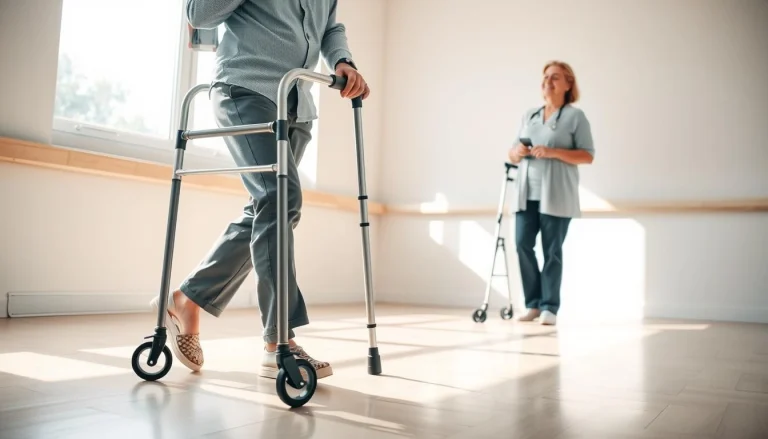
Mobility solutions are personalized: walkers, braces, manual or powered wheelchairs, and orthoses can improve independence depending on the level of spinal cord injury and preserved nerve function. Emerging technologies—such as functional electrical stimulation, exoskeletons, and implantable stimulators—may help some people regain motor function or improve mobility when used alongside conventional therapy.
Medical management and prevention
Management also targets pain and spasticity, prevention of pressure ulcers, infection control, and cardiovascular health. Regular monitoring, vaccinations (influenza, pneumococcal), and early treatment of urinary tract infections help reduce secondary illnesses. Rehabilitation teams typically include specialists who advise on anticoagulation, skin care, nutrition, and mental health support.
Emerging treatments and research
Active research is exploring nerve regeneration, stem cell therapies, epidural and electrical stimulation, and advanced prosthetic interfaces to restore function after cord injury. While some experimental treatments show promise, they are not yet standard care and should be pursued through clinical trials and specialist centers.
If you or someone you care for has paraplegia, seek care from a specialized spinal cord injury team that can coordinate acute treatment, rehabilitation, long‑term care plans, and access to appropriate assistive technologies and clinical trials. A coordinated plan helps reduce risk of complications and supports the best possible recovery and quality of life.