What Is Radiation Treatment For Prostate Cancer
For those diagnosed with prostate cancer, knowing the treatment options is key. Radiation therapy is a common and effective way to treat it… This method uses high-energy particles or waves to kill or damage cancer cells. It stops them from growing and spreading. By focusing on the prostate gland, it aims to get rid of the cancer while keeping healthy tissue safe… Radiation therapy is a big part of treating prostate cancer. It has many benefits and outcomes. It’s important for patients to talk to their doctors to find the best treatment plan…
Understanding Prostate Cancer and Treatment Options
It’s important to understand prostate cancer to make good treatment choices. Prostate cancer happens when cells in the prostate gland grow wrong. This forms a tumor. The disease’s growth and how serious it is depend on the cancer’s type and stage.
There are different ways to treat prostate cancer. These choices depend on the disease’s stage, the patient’s health, and what they prefer. The main treatments are:
- Active surveillance
- Surgery, such as radical prostatectomy
- Radiation therapy, including external beam radiation therapy and brachytherapy
- Hormone therapy
- Chemotherapy
Radiation therapy is a common treatment for prostate cancer, mainly for early-stage disease. It uses high-energy rays to kill or slow cancer cells. Knowing about these treatments helps patients make better choices for their care.
What Is Radiation Treatment For Prostate Cancer
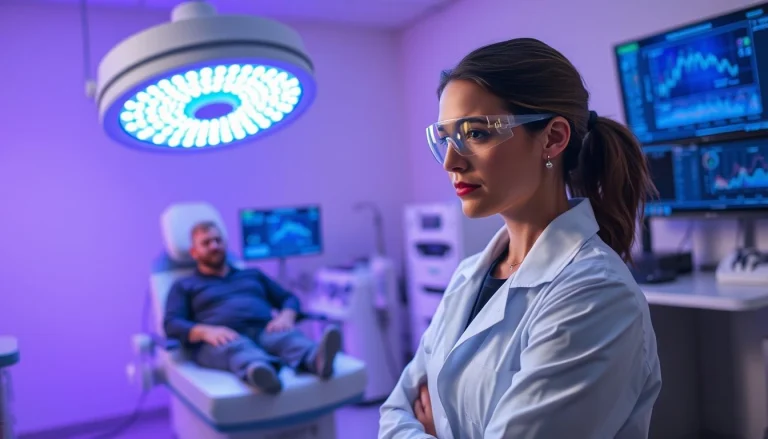
Radiation therapy is a common treatment for prostate cancer. It uses high-energy rays to kill cancer cells. This stops the cancer from growing.
There are two main types of radiation therapy for prostate cancer. External beam radiation therapy (EBRT) uses a machine to send beams to the prostate. Brachytherapy places small radioactive seeds in the prostate for direct radiation.
Radiation therapy is often chosen for early-stage prostate cancer. It can be the main treatment or used with other therapies like hormone therapy. The choice depends on the cancer’s stage, grade, and the patient’s health.
Patients get regular visits at the radiation oncology department during treatment. EBRT is given daily, Monday to Friday, for several weeks. The actual radiation is painless and quick, but getting ready and in position can take longer.
It’s important for patients to know the benefits and side effects of radiation treatment. Talking to their healthcare provider helps them understand their options. This way, they can make the best choice for their care.
Types of External Beam Radiation Therapy
External beam radiation therapy has grown, with many ways to fight prostate cancer. Each method has its own benefits and things to think about. This treatment uses beams to kill cancer cells without surgery.
The type of EBRT used can change how well the treatment works and how the patient feels. Here are some common types:
- 3D Conformal Radiation Therapy (3D-CRT): This method uses detailed images to target the tumor precisely.
- Intensity-Modulated Radiation Therapy (IMRT): IMRT is a more advanced version of 3D-CRT. It aims at the tumor from different angles and adjusts the beam strength to protect healthy tissues.
- Stereotactic Body Radiation Therapy (SBRT): SBRT gives high doses of radiation in a few sessions. It aims to save healthy tissues. Learning about cancer treatment options like SBRT helps patients decide.
Each EBRT type has its own benefits. Doctors choose based on the cancer’s stage, location, and the patient’s health. For example, IMRT is good for tumors near important areas because it’s very precise.
Choosing the right EBRT is a big decision. It should be made with a doctor, considering the latest research and the patient’s needs. Knowing about EBRT types helps patients understand their options and make good choices for their care.
Brachytherapy for Prostate Cancer
Brachytherapy is a treatment for prostate cancer. It involves putting radioactive seeds into the prostate. This method targets the tumor with high doses of radiation, protecting healthy tissues.
The Seed Implantation Procedure
The procedure for brachytherapy includes putting in radioactive seeds. It’s done under general or spinal anesthesia. Imaging technologies like ultrasound guide the process.
Recovery and Radiation Safety
Patients are watched for hours after the treatment. They are then sent home. It’s important to follow safety rules to avoid exposing others, like pregnant women and kids.
| Aspect | Permanent Implant | Temporary Implant (HDR) |
|---|---|---|
| Implant Duration | Permanent, though radiation diminishes over time | Temporary, usually 2-5 fractions |
| Radiation Exposure | Low-level, continuous | High dose rate, limited to treatment times |
| Recovery Time | Typically quick, with most returning to normal activities within days | Similar to permanent, with some needing a short hospital stay |
The HDR Treatment Process
High Dose Rate (HDR) brachytherapy uses a temporary implant. It delivers high doses in fractions. This method targets the tumor well, with less damage to nearby tissues.
Advantages and Considerations
Brachytherapy is precise and can deliver high doses locally. But, it may cause side effects like urinary problems. Choosing the right patients is key, based on cancer stage and health.
The Radiation Treatment Process
Getting radiation therapy for prostate cancer can feel scary. But knowing what happens can make it less scary. First, doctors plan carefully to make sure the radiation hits the right spot.
Daily Treatment Routine
Patients go to the treatment center five days a week for weeks. Each visit is short, lasting 15-30 minutes. But getting ready and finding the right spot can take longer.
The radiation therapist uses special tools to make sure the beams hit the prostate right. To stay in place, patients might need to follow a special routine. This could mean having a full bladder or eating certain foods.
Managing Treatment Side Effects
Radiation therapy can cause side effects, like tiredness and trouble with urination. It can also affect the bowel and sex life. It’s important to manage these side effects to keep living well.
| Common Side Effects | Management Strategies |
|---|---|
| Fatigue | Rest, gentle exercise, nutrition planning |
| Urinary Issues | Medications, pelvic floor exercises |
| Bowel Problems | Dietary changes, medications, bowel management programs |
Knowing what to expect and how to handle side effects helps patients through radiation therapy. It’s key to listen to the healthcare team and report any side effects. This way, they can be managed well.
Side Effects of Radiation Therapy for Prostate Cancer
Radiation therapy is a common treatment for prostate cancer. But, it’s important for patients to know about possible side effects. Knowing these can help manage expectations and improve life quality during and after treatment.
Urinary issues are common side effects. Patients might feel the need to urinate more often or feel discomfort. In some cases, it can lead to temporary incontinence. To manage these issues, patients can try medication, make lifestyle changes, and do pelvic floor exercises.
Bowel problems are also possible, like diarrhea, rectal bleeding, or pain when moving your bowels. These can be managed with diet changes, medication, and other support. Keeping a food diary and talking to your doctor about symptoms is helpful.
Sexual dysfunction, including erectile dysfunction, is another side effect. The risk depends on the radiation dose and type. Talking to your doctor about these concerns can lead to treatment options.
Managing radiation therapy side effects needs a team effort. This includes education, lifestyle changes, and support. By understanding side effects and working with your healthcare team, you can lessen their impact. This improves your overall quality of life.
Effectiveness and Success Rates
Patients with prostate cancer who get radiation therapy often see good results. This is thanks to lots of research that shows it works well.
How well radiation therapy works is measured in two main ways. These are survival rates and how often the disease comes back. Studies show it can really help patients live longer.
| Stage of Prostate Cancer | 5-Year Survival Rate | Disease Recurrence Rate |
|---|---|---|
| Localized | 100% | 10-20% |
| Regional | 95% | 30-40% |
| Distant | 30% | 60-70% |
These numbers show how effective radiation therapy is, mainly when cancer is caught early. The research supports using it as a treatment choice.
It’s key for patients to talk to their doctors about what to expect. Results can change based on the cancer’s stage and the patient’s health.
Comparing Radiation to Other Prostate Cancer Treatments
When prostate cancer is diagnosed, patients must choose between treatments like radiation, surgery, or watchful waiting. It’s important to know the good and bad of each option to make a smart choice.
Radiation therapy is a common choice for prostate cancer. It uses high-energy rays to kill cancer cells. This method can be done from outside the body or inside through brachytherapy. A big plus of radiation therapy is that it might help keep the prostate gland healthy. This could lower the chance of problems like incontinence and impotence compared to surgery.
Treatment Comparison
| Treatment Option | Advantages | Disadvantages |
|---|---|---|
| Radiation Therapy | Preserves prostate gland, less risk of incontinence | Potential for side effects like fatigue, urinary issues |
| Surgery | Can be curative if cancer is localized, immediate removal of tumor | Risk of incontinence, impotence, and surgical complications |
| Active Surveillance | Avoids or delays treatment side effects, monitors cancer progression | Risk of cancer progression, requires regular monitoring |
| Hormone Therapy | Can slow cancer growth, used in conjunction with other treatments | Side effects like hot flashes, loss of libido, and osteoporosis |
Every prostate cancer treatment has its own good and bad points. Radiation therapy is a non-surgical option with fewer side effects than surgery. But, it’s not right for everyone. The best treatment depends on the cancer’s stage and how aggressive it is. It also depends on the patient’s health and what they prefer.
Cost and Insurance Considerations
Understanding the financial side of radiation therapy is key when dealing with prostate cancer. The cost can change a lot. This depends on the type of therapy, the cancer’s stage, and where you get treated.
Knowing what your insurance covers is very important. Most plans do cover radiation therapy for cancer. But, how much they cover can differ. It’s smart to check your policy to know what you’ll pay for and what you won’t.
| Cost Component | Average Cost | Insurance Coverage |
|---|---|---|
| External Beam Radiation Therapy | $20,000 – $50,000 | Typically covered, with varying copays and deductibles |
| Brachytherapy | $15,000 – $30,000 | Generally covered, but may require pre-approval |
It’s vital to talk about money matters with your doctor and insurance. This way, you’ll know what your treatment will cost. You’ll also learn about any help programs that might be available to you.
Recovery and Follow-Up Care After Radiation
Recovering from radiation therapy for prostate cancer is a journey. It requires careful follow-up care and watching over your health. You need to work closely with your healthcare team to handle any side effects and keep an eye on your health.
Follow-up care means regular visits to the radiation oncologist and other healthcare providers. These visits might include PSA tests, digital rectal exams (DRE), and other tests. They help check how the cancer is responding to treatment and watch for any signs of it coming back.
Handling late effects is key to recovery. Some patients face urinary, bowel, or sexual problems after treatment. The healthcare team can help manage these issues. They might suggest medications, lifestyle changes, or other treatments.
Keeping your overall health in check is also important. This means eating well, exercising regularly, and managing stress. Talking to your healthcare providers about your needs and concerns helps create a recovery plan that’s just right for you.
By understanding the importance of follow-up care and taking steps to manage your health, prostate cancer patients can feel more confident in their recovery. This helps improve their quality of life.
Making an Informed Treatment Decision
When you face prostate cancer, choosing the right treatment can feel overwhelming. There are many options, like radiation therapy, each with its own benefits and risks. It’s key to think about what’s best for you based on your situation and the details of each treatment. Talking to your doctor about your options is a big step. You’ll need to weigh the good points and possible downsides of each choice. Knowing how well radiation therapy works and how it stacks up against other treatments can guide your decision. Being involved in your care and considering what matters most to you can help. This way, you can pick a treatment that fits your needs and values. Taking this informed approach can lead to better results and a better life.