Getting a prostate cancer diagnosis can change your life. It brings a mix of uncertainty and worry about what’s next. Knowing about prostate cancer treatment options is key to making good choices about your care. Treatment for prostate cancer depends on the cancer’s stage, how aggressive it is, and your health. The best treatment for prostate cancer usually combines different therapies. These are chosen based on what’s best for you. Looking into prostate cancer treatments means checking out the latest medical breakthroughs. It also means finding support for you and your loved ones. By learning about all the treatment choices, you can move forward with hope and a better quality of life. What Is The Most Common Treatment For Prostate Cancer
Understanding Prostate Cancer: The Basics
It’s important for patients and their families to know the basics of prostate cancer. This knowledge helps when choosing treatment options. Prostate cancer happens when bad cells grow in the prostate gland, a key part of the male body. The disease can be slow-growing or fast-growing. Slow-growing tumors might not need treatment right away. But fast-growing tumors need quick action.
Understanding Prostate Cancer Risk Factors
There are several things that can make a man more likely to get prostate cancer. These include:
- Age: The risk goes up a lot after 50.
- Family History: If your family has had prostate cancer, you’re at higher risk.
- Genetics: Some genetic changes can make you more likely to get prostate cancer.
When someone is diagnosed with prostate cancer, knowing about treatments is key. They might choose prostate cancer surgery or other treatments. The right treatment depends on the cancer’s stage, the person’s health, and what they prefer.
For those seeking clarity, understanding What Is The Most Common Treatment For Prostate Cancer is essential in exploring options. This knowledge can guide patients toward the best choices for their health, ensuring they are well-informed about their next steps.
Diagnosis and Assessment
Diagnosing prostate cancer involves several steps. These steps check if the cancer is there, how far it has spread, and how aggressive it is. This detailed process helps doctors give the right treatment plan to patients.
Here’s what usually happens when diagnosing prostate cancer:
- Doctors test the blood for prostate-specific antigen (PSA). High levels can mean cancer.
- They also do a digital rectal exam (DRE) to feel the prostate for any oddities.
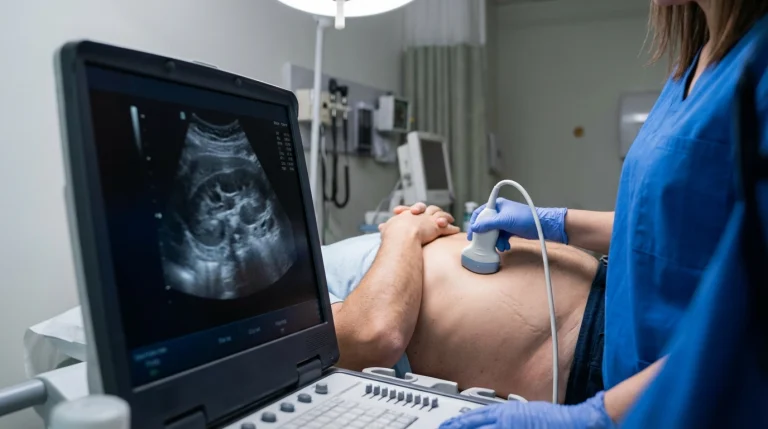
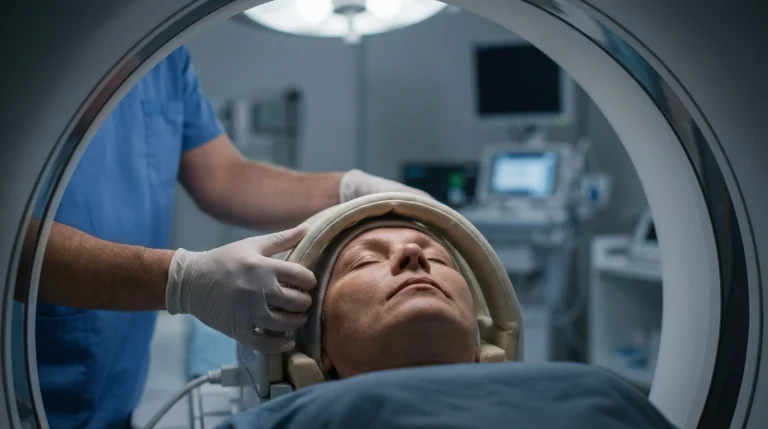
- Imaging tests like ultrasound, MRI, or CT scans help see the prostate and how much cancer is there.
- A biopsy is done to look at prostate tissue for cancer cells.
Assessing Prostate Cancer Aggressiveness
After finding prostate cancer, it’s important to know how aggressive it is. The Gleason score is a big part of this. It’s based on how much the cancer cells look like normal cells.
A higher Gleason score means the cancer is more aggressive. This might need treatments like advanced prostate cancer treatment or radiation. Knowing how aggressive the cancer is helps doctors create a treatment plan that fits the patient’s needs. This can lead to better results and a better life for the patient.
Factors That Influence Treatment Selection
Choosing the right treatment for prostate cancer is not simple. It depends on many things. The cancer’s stage and grade, the patient’s health, and their personal wishes are all important.
Patient Health and Preferences
A patient’s health is key in picking a treatment. Those with other health issues might need a treatment plan that’s safe for them. For example, someone with heart disease might avoid certain treatments to keep their heart safe.
What the patient wants also matters a lot. Some might worry more about avoiding side effects like incontinence or impotence. Others might want to make sure the cancer is fully treated. Knowing these wishes helps doctors choose the best treatment for each patient.
Options like hormone therapy and targeted therapy are chosen based on the cancer and the patient’s health. Hormone therapy, for example, lowers male hormones that help cancer grow.
Healthcare providers look at both medical and personal factors. This way, they can create a treatment plan that works well and fits the patient’s life and goals.
What Is The Most Common Treatment For Prostate Cancer
The treatment for prostate cancer depends on several factors. These include the cancer’s stage and grade. Each patient’s situation is unique, so treatment plans are tailored to fit.
Surgery is a common choice for early-stage prostate cancer. It aims to remove the prostate gland and any cancerous tissue around it. Robotic-assisted laparoscopic prostatectomy is a precise method that may reduce complications.
Other Common Treatment Approaches
Other treatments include radiation therapy, hormone therapy, and active surveillance. Radiation therapy kills cancer cells with high-energy rays. Hormone therapy lowers male hormones that prostate cancer needs to grow. Active surveillance means watching the cancer closely without immediate treatment.
Radiation therapy can be given from outside the body or placed inside the prostate with tiny seeds. Hormone therapy can be used alone or with other treatments. The right choice depends on the cancer’s details and the patient’s health.
It’s important to know about all prostate cancer treatments. Talking to a healthcare provider helps choose the best option. This way, treatment fits the patient’s needs and situation.
Radiation Therapy Options
Men with prostate cancer often choose radiation therapy as a top treatment. This method uses high-energy particles or waves to kill cancer cells. It can be used alone or with other treatments like surgery or hormone therapy.
There are two main types of radiation therapy for prostate cancer: external beam radiation therapy (EBRT) and brachytherapy. EBRT sends radiation from outside the body to the prostate. This treatment is given over several weeks, with sessions five days a week.
Brachytherapy
Brachytherapy places small radioactive seeds in the prostate gland. It delivers high doses of radiation right to the tumor, protecting healthy tissues. This method can be used alone or with EBRT for aggressive cancers.
Radiation therapy is usually well-tolerated, but side effects can happen. These include urinary issues, bowel problems, and fatigue. The severity of these side effects depends on the type of therapy, dose, and patient factors.
Radiation therapy for prostate cancer has improved a lot. It offers effective treatments with manageable side effects. Talking to a healthcare provider about radiation therapy can help patients understand what to expect. This way, they can make informed decisions about their care.
Hormone Therapy Approaches
Hormone therapy, also known as androgen deprivation therapy, is a common treatment for prostate cancer. It works by lowering male hormones (androgens) in the body. Androgens help prostate cancer cells grow.
There are different ways to give hormone therapy. Some use medicines that stop androgen production. Others involve surgery to remove the testes, where most male hormones are made. The choice depends on the cancer’s stage and the patient’s health.
Benefits and Side Effects of Hormone Therapy
Hormone therapy can slow prostate cancer growth, even in advanced cases. But, it can also cause side effects. These include hot flashes, fatigue, and changes in body shape.
Some men might feel depressed or anxious. It’s important to talk to a doctor about these side effects. This way, they can be managed better.
Even with challenges, hormone therapy is a key treatment for many men with prostate cancer. It helps control the disease and improve life quality.
Active Surveillance and Watchful Waiting
Active surveillance and watchful waiting are two ways to handle prostate cancer. They both involve watching the disease but differ in their methods and uses.
Watchful Waiting as a Treatment Strategy
Watchful waiting is for older patients or those with serious health issues. It aims to manage symptoms and improve life quality, not to aggressively treat the cancer.
Active surveillance is for those with low-risk prostate cancer. It uses PSA tests, exams, and biopsies to monitor the cancer closely. It aims to delay treatment and its side effects, keeping the option for treatment if needed.
It’s important for patients to know the differences between these strategies. Their health, the cancer’s type, and personal wishes help decide the best approach.
Advanced and Emerging Treatment Options
The world of prostate cancer treatment is changing fast. New therapies are being developed. These offer hope to those fighting the disease.
Targeted therapy for prostate cancer is a big area of research. It uses drugs that only attack cancer cells. This helps protect healthy cells.
Clinical Trials and Future Directions
Clinical trials are key in finding new treatments. They test new therapies like immunotherapy and targeted therapy. Immunotherapy uses the body’s immune system to fight cancer.
- Immunotherapies, such as checkpoint inhibitors, are being tested in various clinical trials.
- Targeted therapies, including PARP inhibitors, are being evaluated for their effectiveness in prostate cancer treatment.
The table below shows some new treatments being tested:
| Treatment Type | Description | Potential Benefits |
|---|---|---|
| Immunotherapy | Uses the body’s immune system to fight cancer | Can offer long-term cancer control with potentially fewer side effects |
| Targeted Therapy | Targets specific cancer cells or genetic mutations | More precise treatment with reduced harm to healthy cells |
| Gene Therapy | Involves modifying or manipulating genes to fight cancer | Potential for treating cancer with a more personalized approach |
As research moves forward, more treatment options will be available. Keeping up with new treatments and talking to doctors is important. It helps patients make the best choices for their care.
Managing Treatment Side Effects
Prostate cancer treatment can be tough, with side effects that need careful handling. Patients going through surgery or radiation might face many challenges. These can affect their daily life.
Urinary incontinence and erectile dysfunction are common after surgery. Radiation can lead to fatigue, urinary troubles, and bowel issues. Knowing these side effects is key to managing them well.
Strategies for Mitigating Side Effects
There are ways to lessen these side effects. For urinary incontinence after surgery, Kegel exercises help. For erectile dysfunction, doctors might suggest medication or counseling.
For those getting radiation, fighting fatigue means eating right and staying active. Bowel problems can be helped by changing what you eat and taking medicine if needed.
| Side Effect | Management Strategy | Additional Support |
|---|---|---|
| Urinary Incontinence | Pelvic Floor Exercises | Physical Therapy |
| Erectile Dysfunction | Medication, Counseling | Sexual Health Counseling |
| Fatigue | Lifestyle Adjustments | Nutritional Counseling |
| Bowel Problems | Dietary Adjustments, Medication | Gastrointestinal Support |
Understanding and managing prostate cancer treatment side effects is important. Patients should talk to their doctors about any issues. This way, they can get the best support for their journey.
Recovery and Rehabilitation After Treatment
The journey doesn’t end with prostate cancer treatment; a vital recovery and rehabilitation phase follows. This period is key for patients to regain strength, manage side effects, and adjust to life after treatment.
Recovery and rehabilitation plans are made for each patient’s needs and treatment type. For those who had hormone therapy, managing symptoms from hormonal changes is part of the process.
Rehabilitation Strategies for Patients
Good rehabilitation includes physical therapy to build strength and mobility. It also includes nutritional counseling for health and psychological support for emotional well-being.
- Physical therapy to improve strength and flexibility
- Nutritional guidance to support recovery and overall health
- Psychological support to address emotional and mental well-being
By focusing on these areas, patients can make their recovery better and improve their life quality after prostate cancer treatment.
Finding Support and Resources for Your Prostate Cancer Journey
Dealing with prostate cancer treatment can be tough and emotional. Patients and their families find help in support groups, counseling, and online resources. These offer valuable info and a sense of connection.
Online Resources and Community
The internet is full of info on prostate cancer treatment options. It includes the best treatment for prostate cancer for each person. Health websites and cancer groups offer expert advice, forums, and educational materials. Online communities and support groups let patients share their stories and ask questions. They find comfort knowing they’re not alone. Many groups also offer counseling for the emotional side of cancer. Using these resources helps people make informed choices about their care. They find the support they need on their prostate cancer journey.