Getting a breast cancer diagnosis can feel overwhelming. But knowing about the treatment options, including understanding what is the treatment for breast cancer, can help. It makes the journey easier for patients and their families. Many things affect the treatment choice. These include the cancer stage, hormone receptor status, and overall health. Thanks to new medical technology and research, treatments have become more personalized and effective. Now, patients have access to treatments that fit their needs. This improves their outcomes and quality of life. It’s important to consider each person’s unique situation when looking at treatment options.
Understanding Breast Cancer Diagnosis
Breast cancer diagnosis finds out the type and stage of cancer. This info helps decide the best treatment. Getting the diagnosis right is key to finding the right therapy.
Hormone Receptor-Positive Cancers
Hormone receptor-positive cancers grow because of estrogen or progesterone. Treatment often uses hormone therapy to stop this growth.
HER2-Positive Breast Cancer
HER2-positive cancers grow fast because of too much HER2 protein. There are special treatments for these cancers.
Triple-Negative Breast Cancer
Triple-negative cancers don’t have estrogen, progesterone, or HER2 receptors. They are treated with chemotherapy and surgery.
TNM Classification System
The TNM system stages cancer by tumor size, lymph nodes, and if it has spread. This helps predict how well you’ll do and what treatments you’ll need.
| TNM Stage | Description | Typical Treatment Approaches |
|---|---|---|
| Stage I | Small tumor, no lymph node involvement | Surgery, possibly followed by radiation therapy |
| Stage II | Tumor is larger or has spread to a few lymph nodes | Surgery, chemotherapy, and/or radiation therapy |
| Stage III | Tumor has spread to more lymph nodes or is larger | Combination of chemotherapy, surgery, and radiation therapy |
How Stage Determines Treatment Options
The stage of breast cancer affects treatment choices. Knowing the stage and type is vital for choosing the right treatment.
What Is The Treatment For Breast Cancer: An Overview
Breast cancer treatment options vary based on the cancer’s type, stage, and genetic makeup.
Early-Stage Treatment Options
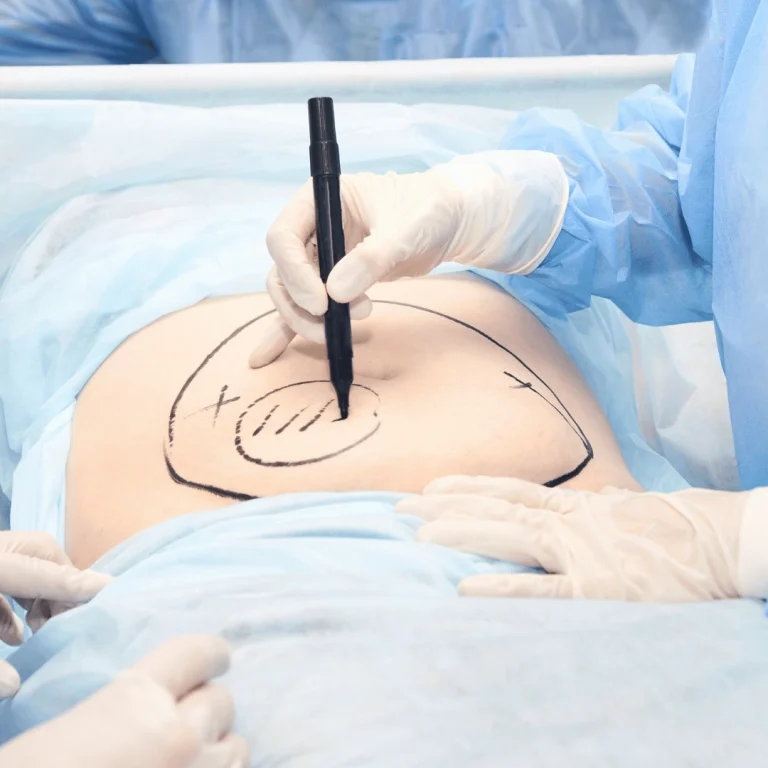
Early-stage breast cancer treatment often starts with surgery. This might be a lumpectomy or mastectomy. Then, radiation therapy might be used to kill any remaining cancer cells.
- Lumpectomy: Removing the tumor and a small margin of surrounding tissue.
- Mastectomy: Removing one or both breasts.
- Radiation therapy: Using high-energy rays to kill cancer cells.
Advanced Stage Treatment Strategies
For advanced-stage breast cancer, treatment aims to control the disease and manage symptoms. This can include chemotherapy, hormone therapy, or targeted therapy.
- Chemotherapy: Using drugs to kill cancer cells.
- Hormone therapy: Blocking the body’s natural hormones to slow or stop the growth of hormone receptor-positive tumors.
- Targeted therapy: Targeting specific characteristics of cancer cells to slow or stop their growth.
Genetic Testing and Its Influence
Genetic testing is key in finding the best treatment. It helps identify genetic mutations like BRCA1 and BRCA2.
Multidisciplinary Treatment Teams
A team of healthcare professionals works together. They include surgeons, oncologists, radiologists, and nurses. They provide care tailored to each patient’s needs.
Surgical Options for Breast Cancer
Surgery is a key part of treating breast cancer. It aims to remove the tumor and consider the patient’s health. The type of surgery depends on the tumor’s size, location, and the patient’s wishes.
Candidates for Breast-Conserving Surgery
Breast-conserving surgery, or lumpectomy, is for early-stage breast cancer. It removes the tumor and some tissue around it. This surgery is for patients with small tumors and a small breast.
Types of Mastectomy Procedures
Mastectomy removes one or both breasts, partially or fully. There are different types:
- Total mastectomy: Removes the whole breast
- Modified radical mastectomy: Takes out the breast and some lymph nodes
- Skin-sparing mastectomy: Keeps the skin while removing the breast tissue
Sentinel Node Biopsy
A sentinel node biopsy finds the first lymph node cancer spreads to. This node is then checked for cancer.
Axillary Lymph Node Dissection
Axillary lymph node dissection removes many lymph nodes from the armpit. It’s done if cancer is found in the sentinel node or if the cancer is advanced.
Immediate vs. Delayed Reconstruction
Reconstruction can happen right after mastectomy or later. Doing it right away means fewer surgeries but isn’t for everyone.
Implant and Tissue Flap Procedures
Reconstruction can use implants or take tissue from another part of the body. The choice depends on the patient’s body, preferences, and surgery extent.
Knowing about breast cancer surgery options is key for making treatment choices. Patients should talk to their healthcare provider about the best surgery for them.
Radiation Therapy for Breast Cancer
Breast cancer treatment often includes radiation therapy. It helps get rid of any cancer cells left after surgery. This is key to lower the chance of cancer coming back.
Whole Breast Irradiation
Whole breast irradiation targets the whole breast. It’s often used after a lumpectomy. This makes sure all tiny cancer cells are gone.
Accelerated Partial Breast Irradiation
Accelerated partial breast irradiation focuses on the area around the tumor. It shortens treatment time. This method is good for some patients and is more precise.
Procedure and Administration
Radiation therapy is given daily, Monday to Friday, for weeks. The exact details depend on the type of radiation and the patient’s needs.
| Type of Radiation | Description | Duration |
|---|---|---|
| Whole Breast Irradiation | Targets the entire breast | Several weeks |
| Accelerated Partial Breast Irradiation | Targets the area around the tumor site | Shorter duration |
After Lumpectomy
Radiation therapy is used after lumpectomy. It removes any cancer cells left, lowering the risk of recurrence.
Post-Mastectomy Radiation
In some cases, radiation is needed after mastectomy. This is true if the cancer was big or spread to lymph nodes.
Knowing about the different radiation therapies helps patients make better choices for their treatment.
Chemotherapy Approaches
Chemotherapy plays a big role in treating breast cancer. It’s used before and after surgery. This treatment kills cancer cells, helping fight the disease.
Benefits of Pre-Surgical Treatment
Chemotherapy before surgery can make tumors smaller. This makes them easier to remove. It also helps doctors see how well the cancer responds to treatment.
Post-Surgical Treatment Goals
After surgery, chemotherapy aims to get rid of any cancer cells left behind. This lowers the chance of cancer coming back. The goals depend on the cancer and the person’s health.
Anthracyclines and Taxanes
Drugs like anthracyclines (doxorubicin) and taxanes (paclitaxel) are used to treat breast cancer. They stop cancer cells from growing and dividing. The right drug or mix depends on the cancer’s type and stage.
| Chemotherapy Drug | Mechanism of Action | Common Side Effects |
|---|---|---|
| Doxorubicin (Anthracycline) | Interferes with DNA replication | Hair loss, nausea, fatigue |
| Paclitaxel (Taxane) | Disrupts cell division | Numbness, hair loss, allergic reactions |
| Cyclophosphamide | Damages DNA in cancer cells | Nausea, hair loss, increased risk of infection |
Cyclophosphamide and Carboplatin
Cyclophosphamide damages cancer cells’ DNA. Carboplatin is used for some breast cancer types. The choice depends on the cancer and the patient’s health.
Dose-Dense Regimens
Dose-dense chemotherapy means drugs are given more often. This can help some patients by stopping cancer cells from growing back quickly.
Managing Treatment Cycles
Chemotherapy is given in cycles with breaks in between. Managing these cycles well is key to reducing side effects and improving treatment results.
Chemotherapy for breast cancer is complex. Understanding the different methods and drugs helps patients manage their treatment better.
Hormone Therapy Options
For those with hormone receptor-positive breast cancer, hormone therapy is a good option. It blocks hormones like estrogen and progesterone. These hormones can help cancer cells grow.
Tamoxifen and Its Uses
Tamoxifen is a common hormone therapy drug. It’s often given to premenopausal women. It can be used for early-stage and advanced breast cancer. Tamoxifen stops estrogen from acting on cancer cells by binding to their receptors.
Duration of Treatment
The length of hormone therapy varies. It usually lasts 5 to 10 years. This depends on the patient’s risk and how well they respond to treatment.
Letrozole, Anastrozole, and Exemestane
Aromatase inhibitors like letrozole, anastrozole, and exemestane are used for postmenopausal women. They lower estrogen levels. This slows or stops hormone receptor-positive breast cancer cells from growing.
Appropriate Candidates
Hormone therapy is best for patients with hormone receptor-positive breast cancer. Doctors consider many factors before recommending it. These include the cancer’s stage, the patient’s health, and if they’ve gone through menopause. For more on metastatic breast cancer treatments, visit Acibadem International.
Testing Methods
To see if hormone therapy is right, patients have tests. These check if their cancer is hormone receptor-positive. The tests look for estrogen and progesterone receptors in the cancer tissue.
Impact on Treatment Decisions
How well hormone therapy works is key in deciding treatment. Good responses to hormone therapy can mean a better outlook. It might also mean avoiding harsher treatments like chemotherapy.
Targeted Therapy Innovations
Targeted therapy is a big step forward in fighting breast cancer. It tailors treatments to each patient’s cancer. This method focuses on specific genes and proteins that help cancer grow.
Trastuzumab (Herceptin)
Trastuzumab, also known as Herceptin, is a monoclonal antibody. It works by blocking the HER2/neu receptor. This has been key in treating HER2-positive breast cancer, helping patients with this aggressive type.
Pertuzumab and T-DM1
Pertuzumab targets HER2 in a different way than trastuzumab. T-DM1 combines trastuzumab’s HER2 targeting with DM1’s ability to kill cells. This makes it a powerful treatment option.
Palbociclib, Ribociclib, and Abemaciclib
These drugs block CDK4/6, which are important in cell growth. They are used with hormone therapy for HR-positive, HER2-negative advanced breast cancer.
Combination with Hormone Therapy
Using CDK4/6 inhibitors with hormone therapy has greatly improved treatment for hormone receptor-positive breast cancer. It sets a new standard of care for many patients.
Olaparib and Talazoparib
Olaparib and talazoparib are PARP inhibitors for BRCA-mutated breast cancer. They target the DNA repair weakness in cancer cells with BRCA mutations, causing cell death.
Genetic Testing Requirements
Genetic testing is key to finding the right targeted therapy. For example, HER2 testing is needed for trastuzumab and pertuzumab. BRCA testing is required for olaparib and talazoparib.
Immunotherapy and Emerging Treatments
The field of breast cancer treatment is changing fast. Immunotherapy is a big part of this change. It uses the body’s immune system to fight cancer. This area of research is showing great promise in treating different types of breast cancer.
PD-1 and PD-L1 Inhibitors
PD-1 and PD-L1 inhibitors are a type of immunotherapy drug. They help the immune system fight cancer cells better. For more on immunotherapy, check out Acibadem International.
Combination Approaches
Researchers are looking into combining immunotherapy with other treatments. This could make it even more effective.
Accessing Clinical Trials
Clinical trials give patients a chance to try new treatments. They are not available everywhere yet. Patients can ask about trials that might be right for them.
Promising New Therapies
New treatments like cancer vaccines and oncolytic viruses are being studied. They could offer new ways to treat breast cancer.
Managing Treatment Side Effects
Understanding and managing breast cancer treatment side effects is key to feeling better. Treatments like surgery, chemotherapy, and radiation therapy can cause many side effects. These can affect daily life in big ways.
Fatigue and Pain Management
Fatigue is a common side effect. It can be managed with rest, exercise, and better nutrition. For pain, treatments include medicine, physical therapy, and even acupuncture.
Hair Loss and Skin Changes
Hair loss can be tough emotionally. Using scalp cooling and gentle hair care can help. For skin issues like dryness or sensitivity, moisturizers and sun protection are good solutions.
Counseling and Support Groups
Counseling and support groups offer emotional support. They help patients deal with the mental side of treatment. Sharing experiences and getting advice from others can be very helpful.
Managing Anxiety and Depression
Anxiety and depression are common during treatment. To manage them, therapy, medicine, and stress-reducing activities like meditation and yoga are recommended.
Acupuncture and Massage
Acupuncture and massage can help with side effects like pain, nausea, and stress. These therapies help relax and improve overall health.
Nutrition and Exercise During Treatment
Eating well and exercising regularly can help manage side effects and improve treatment results. Getting nutritional advice and exercise plans that fit your condition can be very helpful.
By tackling these side effects with medical help, lifestyle changes, and support, patients can better handle their breast cancer treatment.
- Rest and gentle exercise can help manage fatigue.
- Scalp cooling and gentle hair care can reduce hair loss.
- Counseling and support groups offer emotional support.
- Nutrition and exercise plans can be tailored to individual needs.
Recovery and Follow-up Care
After finishing breast cancer treatment, patients start a new journey. They focus on recovery, watching for signs of cancer coming back, and keeping their health in check. This stage is key for catching any cancer signs early and dealing with treatment side effects.
Recommended Screening Schedule
Every patient gets a care plan tailored to their needs. This plan includes regular mammograms, breast exams, and other tests as needed. It’s all about keeping an eye on health and catching problems early.
Signs of Recurrence to Watch For
It’s important for patients to know the signs of cancer coming back. Look out for new lumps, changes in breast shape, or unusual symptoms. Telling your doctor about these signs right away is key to catching cancer early.
Diet and Exercise Recommendations
Eating well and staying active are big steps towards recovery. A diet full of fruits, veggies, and whole grains, plus regular exercise, helps manage side effects. It also boosts your overall health and happiness.
Managing Long-term Treatment Effects
Some treatments, like hormone and targeted therapies, can affect you long-term. Doctors may prescribe extra meds, suggest lifestyle changes, or recommend alternative therapies. These help lessen symptoms and improve health.
Extended Hormone Therapy
Patients with hormone receptor-positive breast cancer might need extended hormone therapy. This treatment can cause side effects, which doctors will keep an eye on and manage.
Preventive Medications
In some cases, doctors might prescribe preventive meds to lower the chance of cancer coming back. These meds are chosen based on your specific risk factors and medical history.
The Future of Breast Cancer Treatment
Research is moving fast, changing how we treat breast cancer. New trends focus on treatments that are more personal and precise. This change comes from understanding the genetic and molecular causes of breast cancer better. New treatments like immunotherapy and targeted therapy are being tested. These could lead to better results and fewer side effects. The future of treating breast cancer looks brighter thanks to new research and technology. The future of breast cancer treatment will be shaped by new trends and technologies. With a focus on personalized care and new strategies, patients will get better and more caring treatments.