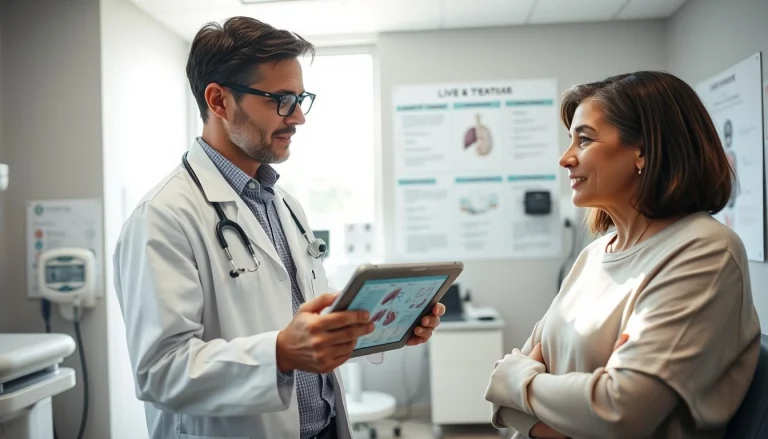
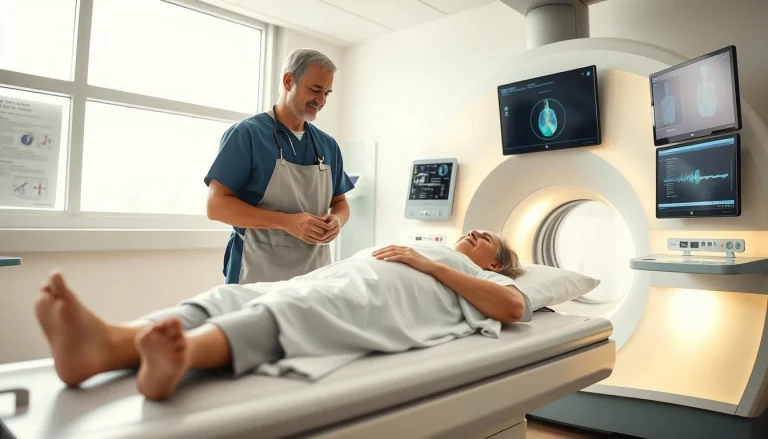
Cancer treatment has changed a lot, using new technologies. One big step is using electromagnetic waves. Electromagnetic radiation is used in many medical treatments, including fighting cancer. The electromagnetic spectrum has different types of waves. Each has its own special uses. Some waves are very good at treating cancer. Doctors use these waves to hit cancer cells hard. Medical treatments using electromagnetic waves are getting better all the time. This gives patients new hope. As scientists learn more, the role of the electromagnetic spectrum in fighting cancer grows bigger.
Understanding the Electromagnetic Spectrum and Its Properties
Knowing about the electromagnetic spectrum is key for medical uses, like fighting cancer. It covers a wide range of energy frequencies. These go from low-frequency, long-wavelength waves to high-frequency, short-wavelength waves.
The Complete Range of Electromagnetic Waves
The spectrum includes waves like radio waves, microwaves, infrared, visible light, ultraviolet, X-rays, and gamma rays. Each has its own properties and uses in medicine.
Energy Levels and Wavelength Characteristics
The energy of electromagnetic waves goes down as their wavelength gets longer. Gamma rays and X-rays have high energy and short wavelengths. This makes them good for treating cancer. On the other hand, radio waves and microwaves have less energy and longer wavelengths.
Ionising Versus Non-Ionising Radiation
Electromagnetic radiation can be ionising or non-ionising. Ionising radiation, like X-rays and gamma rays, can damage DNA and cells. Non-ionising radiation, including radio waves and visible light, is safer.
It’s important to know the difference for medical treatments, like radiotherapy. This is because it aims to harm cancer cells without hurting healthy tissue.
The Role of Electromagnetic Radiation in Modern Oncology
Electromagnetic radiation has changed cancer care a lot. It includes X-rays and gamma rays. These help find and treat cancer without harming healthy tissue too much. It’s a key part of cancer treatment.
Which Wave In The Electromagnetic Spectrum Helps In Cancer Treatment
Historical Development of Radiation Medicine
X-rays were discovered in the late 19th century. This led to big steps in using electromagnetic radiation in medicine. From radium to today’s advanced technology, radiation therapy has grown a lot.
Current Applications in Cancer Care
Now, electromagnetic radiation is used in many cancer treatments. These include external beam radiation therapy, brachytherapy, and radiosurgery. They can be adjusted for each patient, aiming at tumours and reducing side effects.
Research keeps finding new ways to use electromagnetic radiation in oncology. This makes treatments better for patients. It’s also used with other treatments like chemotherapy and immunotherapy. This mix has shown to improve patient results.
Which Wave In The Electromagnetic Spectrum Helps In Cancer Treatment
Understanding which wave in the electromagnetic spectrum helps in cancer treatment is crucial for developing effective therapies.
Certain electromagnetic waves are key in fighting cancer. The electromagnetic spectrum includes many types of waves. Some are vital in treating cancer.
Gamma Rays: The Most Powerful Cancer Treatment Wave
Gamma rays are the most energetic waves. They are very effective in treating cancer. They can kill cancer cells or slow their growth.
Gamma rays can go deep into the body. This makes them good for treating tumours inside. They damage DNA in cancer cells, helping in cancer treatment.
X-Rays for Therapy and Diagnosis
X-rays are used in cancer care too. They help in both diagnosing and treating cancer. X-rays are great for imaging tumours.
In therapy, X-rays can destroy cancer cells. But they are not as effective as gamma rays for deep tumours.
Other Waves with Therapeutic Applications
Other waves also have uses in cancer treatment. For example, radiofrequency waves and microwaves can heat tumours. This kills cancer cells, a method called hyperthermia therapy.
Ultraviolet light is used in photodynamic therapy. It activates drugs that target cancer cells. These uses show how versatile electromagnetic waves are in cancer treatment.
The Science of Ionising Radiation and Cancer Cell Destruction
Ionising radiation is key in cancer treatment. It damages the DNA of cancer cells, making it hard for them to survive. This method helps kill cancer cells without harming healthy tissue too much.
DNA Strand Breaking Mechanisms
Ionising radiation breaks DNA strands in cancer cells. This can lead to single or double-strand breaks. Double-strand breaks are very hard for cells to fix.
When cells can’t fix these breaks, they can’t grow and eventually die. This is how ionising radiation fights cancer.
For more details on treating cancers like metastatic breast cancer, check out various treatment options. They show how flexible radiation therapy can be.
Free Radical Formation and Cellular Damage
Ionising radiation also creates free radicals in cells. These molecules damage DNA, proteins, and cell membranes. This damage stops cells from working right and leads to their death.
Why Cancer Cells Are More Vulnerable
Cancer cells divide fast and often can’t fix DNA damage well. This makes them more sensitive to radiation. Radiation therapy targets cancer cells while protecting normal cells.
The success of ionising radiation in cancer treatment shows how far radiation oncology has come. Knowing how it works helps doctors tailor treatments for each patient. This improves treatment results.
External Beam Radiotherapy Using High-Energy Waves
External beam radiotherapy is a key treatment for cancer. It uses high-energy waves to target and kill cancer cells. This method helps protect healthy tissues around the tumour.
Linear Accelerator Technology
Linear accelerators are vital in modern radiotherapy. They speed up electrons to make X-rays. These X-rays are then focused on the tumour.
These machines can use different techniques like IMRT and VMAT. This makes treatment more precise.
Advanced linear accelerator technology allows for precise doses. This reduces harm to healthy tissues. It’s great for complex tumours.
Cobalt-60 Gamma Ray Units
Cobalt-60 units were once key in radiotherapy. Now, they’re mainly used for specific cases. They emit gamma rays to treat cancer.
Their reliability and simplicity are advantages. They fit well in certain clinical settings.
Treatment Planning and Beam Shaping
Good radiotherapy needs careful planning and beam shaping. Advanced software and imaging help design the best treatment plan. This plan aims to hit the tumour hard while saving healthy tissues.
Beam shaping uses multileaf collimators. These can be adjusted to fit the tumour’s shape.
For more on radiation treatments, including breast cancer, visit Acibadem International.
Gamma Knife and CyberKnife Radiosurgery Techniques
Gamma Knife and CyberKnife radiosurgery are at the forefront of radiation oncology. They have greatly enhanced the treatment of brain tumours and neurological conditions. This is thanks to their ability to deliver precise, high doses of radiation.
Stereotactic Radiosurgery Principles
Stereotactic radiosurgery (SRS) is a non-surgical radiation therapy for brain tumours and abnormalities. SRS delivers a focused dose of radiation in one session or a few fractions. This minimises harm to healthy tissue. Gamma Knife and CyberKnife use SRS, with advanced imaging and delivery to target radiation precisely.
Brain Tumour Treatment Applications
Gamma Knife and CyberKnife are great for treating brain tumours, both benign and malignant. They offer a non-invasive option, reducing risks and speeding up recovery. Their accuracy allows for treating tumours in hard-to-reach brain areas.
Single-Session High-Dose Delivery
Gamma Knife and CyberKnife can deliver high doses of radiation in one session. This is very effective for some brain tumours and vascular malformations. SRS’s precision and potency make it a key treatment for those not suited for traditional surgery or fractionated radiation.
Gamma Knife and CyberKnife keep improving patient outcomes and expanding treatment options for complex neurological conditions.
Brachytherapy: Delivering Radiation from Within
Brachytherapy is a way to treat cancer by placing radiation inside or near the tumour. This method helps to target the cancer more precisely. It reduces harm to healthy tissues around it.
Permanent Seed Implantation Methods
In permanent seed implantation, tiny radioactive seeds are placed in the tumour. These seeds slowly release radiation over time. This method is very effective for prostate cancer, as it is precise and has few side effects.
Temporary High-Dose Rate Applications
Temporary high-dose rate (HDR) brachytherapy uses a highly radioactive source near the tumour for a short time. HDR brachytherapy is flexible and works for many cancers, like gynaecological and prostate cancers.
Gynaecological and Prostate Cancer Treatment
Brachytherapy is very effective for gynaecological cancers and prostate cancer. It treats the tumour well while keeping healthy tissue safe. It delivers high doses right to the tumour site, improving results and lowering risks.
X-Ray Imaging Technologies in Cancer Detection and Monitoring
Advances in X-ray imaging have greatly helped in fighting cancer. These technologies are key in finding, planning, and tracking cancer treatments.
Computed Tomography for Staging and Planning
Computed Tomography (CT) scans are vital in cancer imaging. They give detailed views of the body’s inside. CT scans help doctors see how far cancer has spread and plan treatments.
They show where and how big tumours are. This is important for surgery and radiation therapy planning.
Mammography in Breast Cancer Screening
Mammography is a special X-ray for breast cancer checks. It finds breast cancer early, often before symptoms show. Regular mammograms can lead to better treatment results by catching cancer early.
Fluoroscopy for Real-Time Visualisation
Fluoroscopy shows X-rays in real-time. It helps doctors see how internal parts move. This is useful in guiding some cancer treatments.
Fluoroscopy helps place instruments during procedures. It makes sure they are in the right spot, reducing risks.
Together, these X-ray imaging tools improve cancer detection and treatment. They give detailed images and live views, essential in modern cancer care.
Radiofrequency Waves and Microwave Ablation Therapies
In recent years, radiofrequency waves and microwave ablation therapies have become key treatments for certain tumours. These methods are minimally invasive. They use energy to heat and kill cancer cells.
Radiofrequency Ablation for Liver and Lung Tumours
Radiofrequency ablation (RFA) is great for treating liver and lung tumours. A needle electrode is inserted into the tumour under imaging. High-frequency electrical currents heat the tumour, causing cell death.
RFA is good for patients with tumours that can’t be removed surgically or those who can’t have surgery. It has a quick recovery time and can be done under local anaesthesia.
Microwave Ablation Advantages
Microwave ablation (MWA) has some benefits over RFA. It heats faster and can treat bigger tumours. MWA uses microwave energy to heat the tumour, causing cell death.
MWA is also less affected by the heat sink effect. This makes it more effective for tumours near blood vessels.
Hyperthermia Treatment Enhancement
Both RFA and MWA can be used with other treatments like chemotherapy or radiation therapy. Hyperthermia, or heat applied to tumour tissue, makes cancer cells more sensitive to these treatments.
Using ablation therapies with other treatments can improve patient outcomes.
Ultraviolet and Visible Light in Photodynamic Therapy
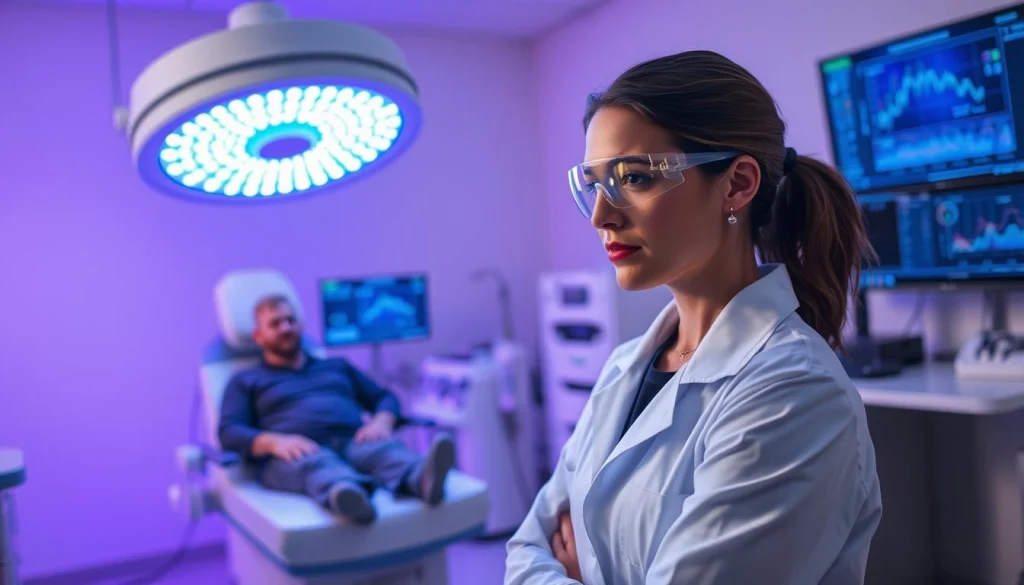
Ultraviolet and visible light are key in photodynamic therapy, a treatment that’s showing great promise in fighting cancer. It uses a photosensitising agent. This agent, when hit by light, creates oxygen that kills cancer cells.
Photosensitising Agent Activation
The therapy starts with a photosensitiser drug that cancer cells absorb. When ultraviolet or visible light hits it, the drug gets activated. This leads to the creation of reactive oxygen species. These are harmful to cancer cells, causing them to die.
Skin Cancer and Oesophageal Applications
Photodynamic therapy is great for treating some skin cancers, like superficial basal cell carcinoma. It’s also good for oesophageal cancer. For skin cancer, it’s a non-invasive way to treat with good results. For oesophageal cancer, it can make swallowing easier by shrinking tumours.
This therapy is versatile and has fewer side effects than some traditional treatments. It’s a strong tool against cancer. Research is ongoing to see if it can help with other cancers too.
Radiation Dosimetry and Treatment Fractionation Principles
Effective radiation therapy depends on dosimetry and fractionation. These principles help control tumours and protect healthy tissues. Calibrating the radiation dose is key to cancer treatment success.
Gray and Sievert Measurement Units
The absorbed dose of radiation is measured in Grays (Gy). One Gray is one joule of radiation energy per kilogram of matter. The Sievert (Sv) measures the biological effect of radiation, considering tissue sensitivity and radiation type. Knowing these units is essential for treatment planning.
Conventional Versus Hypofractionated Schedules
Treatment fractionation means delivering the total dose in smaller fractions. Conventional fractionation is daily doses of 1.8 to 2 Gy, five days a week. Hypofractionation uses larger doses in fewer fractions, which is good for some tumours and patient convenience. The choice depends on tumour type, patient factors, and treatment goals. For example, prostate cancer treatment often uses hypofractionated regimens.
Biological Effective Dose Calculations
The biological effective dose (BED) compares fractionation schedules based on their effectiveness. It considers dose per fraction, total dose, and the alpha/beta ratio. BED calculations help optimise treatment plans for better outcomes. By using BED, clinicians can tailor treatments to meet individual patient needs.
Advanced Techniques for Protecting Healthy Tissue
The goal of keeping healthy tissue safe while fighting cancer has led to big steps in radiation therapy. Today, radiation oncology uses advanced methods to cut down on healthy tissue exposure. This helps reduce side effects and boosts patient results.
Intensity-Modulated Radiation Therapy Precision
Intensity-Modulated Radiation Therapy (IMRT) is a big leap forward. It lets doctors change the radiation beam’s strength. This means they can give more radiation to tumours while protecting nearby healthy tissue. IMRT is great for treating tricky tumours in delicate spots.
Image-Guided Radiation Therapy Systems
Image-Guided Radiation Therapy (IGRT) uses imaging tech during treatment. It lets doctors see the tumour and its surroundings in real-time. This way, they can adjust the treatment to hit the tumour right, keeping healthy tissue safe.
Respiratory Gating and Motion Management
Respiratory gating helps manage tumour movement during treatment, mainly for tumours in the chest or belly. It syncs radiation with the patient’s breathing. This makes sure the tumour gets the right dose, without harming nearby healthy tissue.
Four-Dimensional Treatment Planning
Four-dimensional treatment planning takes into account tumour movement over time, often linked to breathing. It helps target the tumour more precisely. This means less healthy tissue gets exposed to radiation.
Real-Time Tumour Tracking
Real-time tumour tracking keeps an eye on the tumour’s position during treatment. This info lets doctors adjust the treatment on the fly. It ensures the radiation hits the tumour exactly.
These advanced methods have greatly improved how well radiation therapy works. They make it safer and more effective for fighting cancer. As tech keeps getting better, we can expect even more precise and safe treatments.
Managing Side Effects and Radiation Safety
It’s key to manage radiation therapy side effects to improve patient outcomes and keep radiation safety standards high. This therapy is vital for treating many cancers but can harm normal tissues. It’s important to understand and lessen these effects for treatment success.
Acute Radiation Effects on Normal Tissues
Acute radiation effects happen during or right after treatment. These can include fatigue, skin irritation, and stomach problems. The severity depends on the dose, treatment time, and the body area treated.
Healthcare providers suggest skin care, diet changes, and rest to manage these effects. Keeping a close eye on them helps in early intervention to improve patient life quality.
Late Complications and Long-Term Monitoring
Late complications can show up months or years post-treatment. These may include scarring, secondary cancers, and organ problems. It’s vital to monitor these long-term to catch and manage them early.
Follow-up care is custom-made based on the patient’s risk and treatment details. Regular checks help healthcare teams tackle any new issues quickly.
Patient Shielding and Protection Protocols
Patient shielding uses protective methods to reduce radiation exposure outside the treatment area. This includes lead shielding to safeguard organs and tissues.
Radiation safety also means delivering precise doses to the tumour, reducing harm to healthy tissues. New technology in radiation therapy has made this goal easier to achieve.
Multimodal Treatment Approaches Incorporating Radiation
Multimodal treatments that include radiation therapy are becoming more common. They combine radiation with other therapies to improve treatment results.
Concurrent Chemoradiotherapy Regimens
Chemoradiotherapy, or using chemotherapy and radiation together, is now a standard cancer treatment. This method enhances the effectiveness of radiation. It makes cancer cells more sensitive to radiation, leading to better local control and possibly higher survival rates.
Radiation with Immunotherapy Integration
Research into combining radiation therapy with immunotherapy is exciting. Immunotherapy stimulates the immune system to fight cancer cells. When paired with radiation, it may boost the body’s immune response against tumours.
Neoadjuvant and Adjuvant Strategies
Radiation therapy is used in both neoadjuvant and adjuvant settings. Neoadjuvant radiation shrinks tumours before surgery, making them easier to remove. Adjuvant radiation is given after surgery to kill any remaining cancer cells, lowering recurrence risk.
Using multimodal treatments with radiation has shown great promise in cancer care. By mixing radiation with other therapies, doctors can offer more effective and tailored treatments.
Emerging Technologies and Future Developments in Radiation Oncology
The field of radiation oncology is on the verge of a big change. New technologies are coming that will make treatments better and less harsh. These innovations are key to the future of fighting cancer with radiation.
Artificial Intelligence for Treatment Optimisation
Artificial Intelligence (AI) is now helping make radiation treatments better. AI looks at lots of data to guess how well a treatment will work. It then suggests changes to make it just right for each patient. For more on how radiation is used in treating cancers like breast cancer, check out Acibadem International.
Flash Radiotherapy Ultra-High Dose Rates
Flash Radiotherapy is a new way to give radiation. It uses very high doses but might harm healthy tissues less. This could be a big step forward in treating cancer.
Biologically Adapted Radiotherapy
Biologically adapted radiotherapy is all about treating each tumour differently. It uses advanced scans and genetic tests to understand each tumour’s unique traits.
Functional Imaging Integration
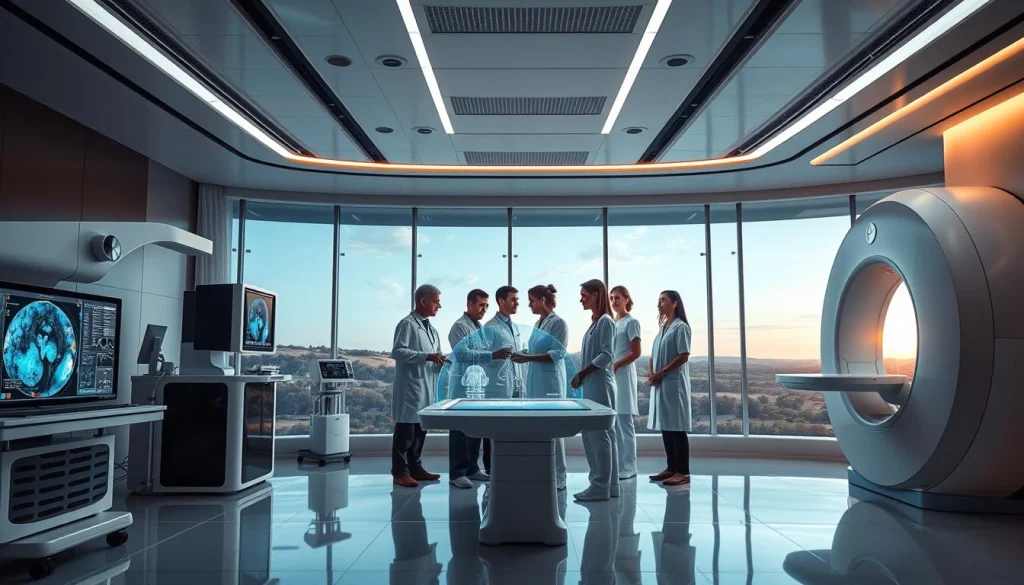
Functional imaging, like PET and MRI, shows how tumours work. Using these images in treatment planning makes treatments more precise.
Genetic Profiling for Personalised Dosing
Genetic profiling helps doctors understand tumours better. It lets them tailor treatments to each patient’s needs. This way, treatments can be more effective.
The future of radiation oncology is bright with these new technologies. As we learn more, patients will get treatments that are more effective and tailored just for them.
Conclusion
The electromagnetic spectrum is key in cancer treatment. It uses different waves to target and destroy cancer cells. Knowing how each wave works is important for its use in therapy.
Radiotherapy is a main part of cancer treatment. It uses high-energy waves like gamma rays and X-rays to kill cancer cells. New techniques in radiotherapy have made treatments better and reduced side effects.
Using the electromagnetic spectrum with new tech like artificial intelligence and flash radiotherapy will change cancer treatment. This will help doctors create better, more personal treatments. It aims to improve how well patients do against cancer.
FAQ
Q: What type of electromagnetic wave is commonly used in cancer treatment?
A: Gamma rays and X-rays are often used in cancer treatment. They are key in radiotherapy.
Q: How does ionising radiation help in destroying cancer cells?
A: Ionising radiation harms the DNA of cancer cells. This stops them from growing and eventually kills them. It does this by breaking DNA strands and creating free radicals.
Q: What is the difference between external beam radiotherapy and brachytherapy?
A: External beam radiotherapy sends high-energy waves from outside the body to the tumour. Brachytherapy places a radioactive source inside or near the tumour.
Q: What are the benefits of using intensity-modulated radiation therapy (IMRT)?
A: IMRT targets tumours with precision. This reduces harm to healthy tissues and lowers side effect risks.
Q: How does radiation therapy combine with other cancer treatments?
A: Radiation therapy works well with chemotherapy, immunotherapy, and other treatments. This boosts its effectiveness and improves patient results.
Q: What is the role of ultraviolet radiation in cancer treatment?
A: Ultraviolet radiation is used in photodynamic therapy. It activates agents to kill cancer cells, mainly in skin and oesophageal cancers.
Q: How are radiation doses measured and calculated?
A: Doses are measured in Grays (Gy) and Sieverts (Sv). They depend on the radiation type, energy, tumour size, and location.
Q: What are the possible side effects of radiation therapy?
A: Side effects include fatigue, skin reactions, and hair loss. There are also late effects like fibrosis and secondary cancers.
Q: How is radiation safety ensured during cancer treatment?
A: Safety is ensured through shielding patients, monitoring doses, and following strict guidelines. This minimises harm to healthy tissues.