Many families worry about growth issues in their kids. Short stature, often due to low human growth hormone, can affect a child’s growth and self-confidence. Luckily, there’s Growth Hormone Therapy to help.
This treatment uses synthetic human growth hormone to help kids grow normally. Knowing about Human Growth Hormone Treatment helps families deal with short stature. It lets them make smart choices for their child’s health.
Understanding Growth Hormone Therapy
The human body needs growth hormone for growth, repair, and metabolism. It’s a key treatment for some medical conditions. Growth hormone, or somatotropin, is vital for development, affecting height, bone density, and muscle.
The hypothalamus controls growth hormone release. It sends out growth hormone-releasing hormone (GHRH) to boost production. Somatostatin, on the other hand, slows down its release. This balance is essential for growth and development.
Role of Growth Hormone in Human Development
Growth hormone is key for kids and teens to grow normally. It helps make insulin-like growth factor 1 (IGF-1), which grows bones and tissues. In adults, it keeps bones strong, muscles healthy, and metabolism balanced.
- Regulates body composition by influencing fat distribution and muscle mass.
- Maintains bone density, reducing the risk of osteoporosis.
- Influences metabolism, impacting glucose and lipid metabolism.
A lack of growth hormone can cause problems. In kids, it can lead to short stature. In adults, it can cause less muscle and more fat. Knowing how growth hormone works helps us see the benefits of HGH therapy.
Understanding growth hormone and its therapy helps us see how it can improve health. It’s not just for fixing deficiencies. It’s about making life better for those with growth hormone disorders.
Growth Hormone Deficiency and Symptoms
When the pituitary gland doesn’t make enough growth hormone, it leads to growth hormone deficiency. This can happen due to genetic issues, tumors, or injuries to the gland.
Knowing the causes and symptoms of growth hormone deficiency is key. This knowledge helps in early diagnosis and treatment. Symptoms can differ based on age and how severe the deficiency is.
Causes of Growth Hormone Deficiency
- Genetic mutations that affect growth hormone production
- Tumors or cysts in the pituitary gland
- Injuries to the head or brain
- Infections or inflammatory conditions
Growth hormone deficiency can happen at any age. In kids, it can slow growth and development. In adults, it may cause fatigue, less muscle, and weaker bones.
Symptoms of Growth Hormone Deficiency
The symptoms of growth hormone deficiency vary and can affect health in many ways. Common signs include:
- Fatigue and low energy
- Less muscle and strength
- Weaker bones, which can lead to osteoporosis
- More body fat, often around the belly
- Changes in lipid profiles, which can raise heart disease risk
GH Therapy is a treatment for growth hormone deficiency. It aims to add growth hormone to the body. This helps manage symptoms and improve life quality.
If you think you might have growth hormone deficiency, see a doctor. They will do tests to check for it. This helps decide the best treatment.
Indications for Growth Hormone Therapy
Understanding when Growth Hormone Therapy is needed is key. This treatment, which includes HGH, is mainly for those with growth hormone deficiency. It helps with growth-related issues.
Eligibility Criteria for Therapy
To start Growth Hormone Therapy, a Growth Hormone Specialist must assess you. They use tests like blood work and growth checks. These tests measure hormone levels and growth patterns.
Only those with severe growth hormone deficiency qualify. Their health and growth must be significantly affected. A Growth Hormone Specialist plays a big role in this decision.
They evaluate and suggest treatment plans. They also monitor how well the therapy works. Adjustments are made as needed.
- Diagnosis of growth hormone deficiency through tests
- Assessing how severe the deficiency is
- Looking at overall health and growth
Healthcare providers carefully consider these points. They decide if Growth Hormone Therapy is right for you. Then, they create a treatment plan that fits your needs.
Options for Growth Hormone Administration
Patients getting growth hormone therapy have many ways to get it. The choice depends on what the patient likes, the type of hormone, and what their doctor says.
Most people get growth hormone through injections. These can be given daily or with special devices.
Types of Injections
- Daily injections: These are the most common form of growth hormone administration, requiring patients to inject the hormone daily.
- Autoinjector devices: Some growth hormone formulations come with autoinjector devices, making it easier for patients to administer their daily doses.
- Needle-free injectors: For patients who are anxious about needles, needle-free injectors offer a viable alternative.
The choice between these options depends on patient comfort, the specific product prescribed, and the recommendations of a healthcare provider.
Comparison of Administration Devices
| Device Type | Ease of Use | Patient Comfort | Cost |
|---|---|---|---|
| Traditional Syringes | Moderate | Variable | Low |
| Autoinjector Devices | High | High | Moderate to High |
| Needle-Free Injectors | High | High | High |
When picking an administration method, patients should think about ease, comfort, and cost. Talking to a doctor at a Hormone Replacement Clinic can help. They can give advice that fits the patient’s needs and wants.
For those thinking about growth hormone therapy for anti-aging, knowing the options is key. Making this choice with a doctor’s help is important. It ensures the method fits the patient’s health goals and treatment plan.
Risks and Side Effects of Growth Hormone Therapy
Growth Hormone Therapy is used to treat short stature and growth hormone deficiency. It is generally safe but can have risks and side effects. Patients need to know about these possible issues.
Common side effects include joint pain, swelling, and carpal tunnel syndrome. These happen because the body reacts to the growth hormone. In some cases, the reactions can be severe and need quick medical help.
Managing Side Effects
It’s important to manage side effects of Growth Hormone Therapy. This ensures the treatment works well and improves the patient’s life. There are ways to reduce these effects.
- Monitoring and Adjusting Dosage: Regular checks by doctors help adjust the dosage. This can lessen side effects while keeping the treatment effective.
- Lifestyle Changes: A healthy lifestyle, like a balanced diet and exercise, can help reduce side effects.
- Supportive Therapies: Sometimes, extra therapies are needed to handle specific side effects. For example, physical therapy for joint pain.
Patients should talk openly with their doctors about any side effects from Growth Hormone Therapy. Working together, they can create a plan. This plan aims to reduce risks and increase treatment benefits.
Knowing about the risks and side effects of Growth Hormone Therapy helps patients make better choices. With the right care and management, many people can have a successful treatment with few problems.
Effectiveness of Growth Hormone Therapy
The success of Growth Hormone Therapy (GHT) varies among people. It depends on several factors. This therapy aims to fix growth hormone deficiency. Its success is seen in better growth rates and overall development in patients.
To check if HGH Therapy works, doctors look at a few important things. They watch the patient’s growth rate, bone age, and health. They also check for side effects and change the treatment if needed.
Factors Influencing Treatment Outcomes
Many things can affect how well Growth Hormone Therapy works. These include:
- The severity of the growth hormone deficiency
- The patient’s response to the treatment
- The dosage and how the therapy is given
- Any other health problems the patient has
Knowing these factors helps doctors make the treatment fit each patient’s needs. This way, they can get the best results from HGH Therapy.
Evaluating Treatment Success
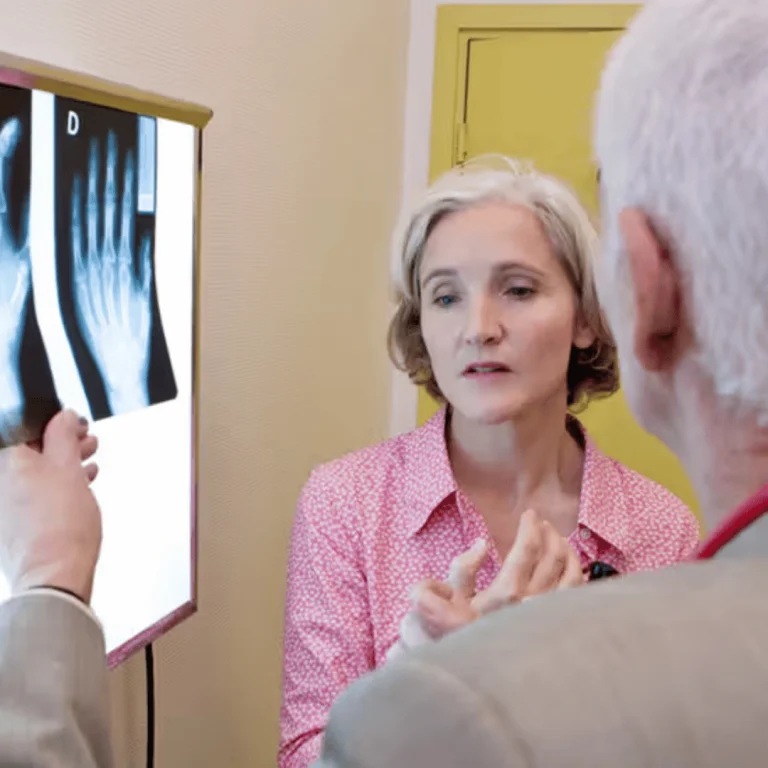
Doctors check how well Growth Hormone Therapy is working by monitoring closely. They track the patient’s growth, check bone age with X-rays, and watch for side effects. They make changes to the treatment as needed to keep it safe and effective.
With careful management of Growth Hormone Therapy, doctors help patients see big improvements. This boosts their quality of life.
The Role of Healthcare Providers
The success of Growth Hormone Therapy depends a lot on healthcare providers, like endocrinologists. They are key in diagnosing growth hormone deficiency. This condition needs careful medical evaluation and care.
A Growth Hormone Specialist does detailed assessments to find out if someone has a growth hormone deficiency. They use tests and exams to fully understand the patient’s situation.
Key Responsibilities of Healthcare Providers
- Diagnosing growth hormone deficiency through clinical evaluations and diagnostic tests.
- Initiating Growth Hormone Therapy based on the diagnosis and patient’s specific needs.
- Monitoring treatment outcomes and adjusting therapy as necessary.
- Providing patient education on the therapy, its benefits, and possible side effects.
Hormone Replacement Clinics have experienced healthcare professionals for Growth Hormone Therapy. These clinics are set up to handle hormone replacement therapies. They ensure patients get thorough and caring care.
| Role | Description | Specialist Involved |
|---|---|---|
| Diagnosis | Conducting tests to determine growth hormone deficiency. | Endocrinologist |
| Treatment Initiation | Starting Growth Hormone Therapy based on diagnosis. | Growth Hormone Specialist |
| Monitoring | Ongoing assessment of treatment outcomes and adjustments. | Healthcare Provider |
Working together with healthcare providers is key for Growth Hormone Therapy success. Patients should understand the role of specialists in endocrinology and hormone replacement clinics. This helps them see why seeking care from these experts is important.
Insurance Coverage and Cost Considerations
The cost of GH Therapy is a big worry for many. It’s key to look into insurance and financial help. Knowing what insurance covers is vital for handling therapy costs.
Insurance plans differ a lot in what they cover for GH Therapy. Some might pay for everything, while others might ask for copays or have certain rules. It’s important for patients to check their insurance closely and talk to their doctor about it.
Cost Factors and Financial Assistance
Several things affect the price of GH Therapy. These include how much medicine is needed, how often it’s given, and how long treatment lasts. The cost can be high, but there are ways to get help.
- Patient assistance programs offered by pharmaceutical companies
- Non-profit organizations that provide financial aid for hormone therapy
- Government programs that may cover or assist with the costs of GH Therapy
Patients should ask about these options with their healthcare provider or reach out to organizations directly. Knowing the costs and looking for financial aid can make therapy more reachable for those who need it.
Future of Growth Hormone Therapy
The field of Growth Hormone Therapy is changing fast. New research is leading to better treatments and ways to use them. Medical technology and our knowledge of growth hormone are driving these changes.
New trends in Anti-Aging Treatment and HGH Treatment are on the horizon. Scientists are looking into how growth hormone can help with aging-related issues. This could open up new uses for this therapy. As we learn more about growth hormone, we’ll see more progress in therapy. These advancements will likely make treatments more effective. They could also help treat more conditions.