

Medical Tourism in Turkey: What International Patients Need to Know
Written by the hospital group that treats these patients: what medical tourism in Turkey actually involves, which treatments people travel for, what determines the cost, and how to tell a safe pathway from an unsafe one.
- JCI-accredited flagship hospitals
- 29 facilities in 8 Turkish cities
- Patient coordination in 24 languages
Send your reports, get a specialist opinion
A coordinator routes your file to the right medical unit. There is no charge and no obligation.
Quick answer
Medical tourism in Turkey is the practice of travelling to Turkey for planned medical treatment — most often surgery, dental work, hair restoration, oncology care, orthopaedics or a comprehensive health check-up.
Patients choose Turkey primarily for internationally accredited private hospitals, short waiting times for planned surgery, and treatment costs that are typically lower than in the United Kingdom, Western Europe or the United States.
Acibadem Healthcare Group treats international patients at 29 hospitals and clinics across 8 Turkish cities, with patient coordination available in 24 languages.
- What it is
- Travelling to Turkey for planned, non-emergency medical treatment
- Also called
- Health tourism; sağlık turizmi in Turkish regulation
- Main destination city
- Istanbul
- Acibadem facilities in Turkey
- 29 hospitals and clinics in 8 cities
- Cities
- İstanbul, Adana, Ankara, Muğla, Bursa, Eskişehir, Kayseri, İzmir
- Accreditation
- JCI (Joint Commission International) at flagship hospitals
- Coordination languages
- 24
- How cost is set
- Per case, in a written itemised estimate after a specialist reviews your reports
 Planned treatment in Turkey, coordinated end to end
What is medical tourism in Turkey?
Medical tourism — also called health tourism — means travelling to another country for planned medical care rather than emergency treatment. In Turkey the two terms are used interchangeably: health tourism is the phrase used in Turkish regulation, while medical tourism is more common in English.
A typical pathway means arriving with a diagnosis or a question, being assessed by a specialist, having the procedure at a private hospital, and returning home with a written aftercare plan. What separates a well-run pathway from a badly run one is not the label but whether a named, credentialed doctor plans your care and whether someone is accountable for it after you fly home. Background reading on procedures and conditions is available in the health library and the conditions we treat.
Why do international patients travel to Turkey for treatment?
Cost, capacity and concentration explain most of it. Whether travelling is right for your particular case is a clinical question, and your specialist will tell you if it is not.
Cost is structurally lower
Private hospital care in Turkey is typically priced below the United Kingdom, Western Europe and the United States, largely because of currency, salary and property cost differences rather than any difference in the implants, devices or protocols used.
Short waits for planned surgery
A procedure that might take months to schedule at home can often be planned within weeks, because private capacity for elective surgery is not rationed by a waiting list.
High-volume specialist teams
Turkey has a high concentration of specialists in Istanbul working inside dedicated clinical departments, with the anaesthetic, imaging and intensive-care teams a complex case needs in the same building.
Care coordinated in your language
Acibadem coordinates with international patients in 24 languages, from the first enquiry through discharge and remote follow-up, so nothing clinical is lost in translation.
Is it safe to have treatment in Turkey?
Safety in Turkey varies enormously by provider, and that is the honest answer. The problems international patients report are rarely about Turkish medicine in general — they concentrate in unaccredited clinics, in bookings made through agencies that never name the operating surgeon, and in trips arranged with no aftercare pathway once the patient is home.
The practical safeguards are the same ones you would apply anywhere. Acibadem publishes the profile and qualifications of every specialist on this site, so the doctor named in your plan is a doctor you can look up before you book.
- Confirm which specific facility holds the accreditation — not which brand.
- Confirm the name and credentials of the doctor who will actually treat you.
- Get the treatment plan and the itemised estimate in writing before you travel.
- Confirm in writing who is responsible for follow-up once you are home.
Which treatments do international patients travel to Turkey for?
The largest volumes are in hair restoration, dental treatment, plastic and aesthetic surgery, bariatric surgery, eye surgery and IVF — procedures that are planned, elective and comparatively easy to schedule around a trip. Turkey also receives substantial numbers of patients for oncology, cardiac surgery, orthopaedics, neurosurgery and transplantation, where the deciding factor is access to a specialist team rather than price. Each guide below sets out how that treatment is planned, who performs it and what the stay involves.
Hair transplant in Turkey
How hair restoration is planned, who performs it and what the stay involves.
Read the guide → DentalDental implants in Turkey
Assessment, implant placement and the follow-up visits a full case needs.
Read the guide → Aesthetic surgeryRhinoplasty in Turkey
What the consultation covers and how recovery is scheduled around travel.
Read the guide → Bariatric surgeryGastric sleeve surgery in Turkey
Eligibility assessment, the operation itself and long-term dietetic follow-up.
Read the guide → Reproductive healthIVF treatment in Turkey
How a cycle is planned, what the timeline looks like and what to ask first.
Read the guide → OphthalmologyLASIK eye surgery in Turkey
Which eyes are suitable, how suitability is tested and what a short stay covers.
Read the guide → OncologyCancer treatment in Turkey
How a multidisciplinary tumour board reviews a case before any plan is agreed.
Read the guide → Cardiac careHeart surgery in Turkey
Cardiology assessment, the surgical team and what recovery in hospital involves.
Read the guide → OrthopaedicsKnee replacement in Turkey
When replacement is considered, and the rehabilitation that follows it.
Read the guide → TransplantationOrgan transplant in Turkey
Donor evaluation, the legal framework and the long follow-up a transplant needs.
Read the guide → Robotic surgeryRobotic surgery in Turkey
Which procedures use a robotic platform, and who decides whether yours can.
Read the guide → Check-upMedical check-up packages in Turkey
What a comprehensive screening programme includes and how results are reviewed.
Read the guide →How much does treatment in Turkey cost?
There is no single price for a treatment, and any site that quotes one without seeing your case is guessing. Cost depends on the diagnosis, the exact procedure, whether you need one night in hospital or five, the implants or devices used, and how much follow-up your recovery requires.
What can be committed to is process. After a specialist reviews your reports you receive a written estimate that itemises the procedure, hospital stay and included services before you book anything, and that estimate does not change unless your clinical plan changes. Ask any provider for the same thing in writing — a refusal to itemise is the clearest warning sign in medical tourism.
- The named procedure and the specialist responsible for it
- The expected number of nights in hospital
- Which tests, imaging and consultations are included
- What happens, and what it costs, if recovery takes longer than planned
What is included in a medical tourism package in Turkey?
An all-inclusive package normally bundles the procedure and hospital stay with the practical arrangements around them. A package should read as an itemised list, not a single figure — and what is left out matters as much as what is in.
How to choose a hospital and a surgeon in Turkey
There is no single best hospital in Turkey, and any page that names one without knowing your diagnosis is selling something. The right hospital is the one whose department treats your specific condition often, with the intensive care, imaging and anaesthetic cover your case might need inside the same building. Below is what we would check if we were choosing on your behalf — including the questions that are uncomfortable for a provider to answer, which is exactly why they are worth asking.
Signs you are in the right place
- The accreditation is held by the named facility you will actually be treated in, not by a "group" or a brand.
- You are told which doctor will operate, and you can read their department, training and hospital before you commit.
- A specialist reviews your existing reports and imaging before anyone discusses a price.
- The written plan names the procedure, the expected hospital nights and what happens if you need more of them.
- Intensive care, imaging and blood banking are inside the same building as the operating theatre.
- Aftercare is written down: who reviews you, when, and how they reach your doctor at home.
Reasons to walk away
- Nobody will name the operating surgeon, or the name changes after you have paid.
- A firm price is quoted before anyone has read your reports.
- Accreditation is claimed for a group or a city rather than a specific hospital you can look up.
- The contract and the invoice are in an agency’s name, not a hospital’s.
- There is no written aftercare plan, or aftercare ends the moment you board the plane.
- A booking deadline or a disappearing discount is used to hurry a medical decision.
 Acibadem hospitals across Turkey
Which hospitals treat international patients in Turkey?
Acibadem operates 29 hospitals and outpatient clinics in Turkey, across 8 cities: İstanbul, Adana, Ankara, Muğla, Bursa, Eskişehir, Kayseri, İzmir. Most international patients are treated in Istanbul, where the group’s largest hospitals and the widest range of specialist units are concentrated. Which hospital treats you is determined by your condition rather than by convenience.
If you are comparing providers, our guide to hospitals in Istanbul for international patients sets out how to read an accreditation, a department and a surgeon’s caseload.
 İstanbul Acibadem Maslak HospitalDepartments, doctors and address
  İstanbul Acibadem Altunizade HospitalDepartments, doctors and address
  İstanbul Acibadem Atasehir HospitalDepartments, doctors and address
  İzmir Acibadem Kent Hospital (Izmir)Departments, doctors and address
  İstanbul Acibadem Atakent HospitalDepartments, doctors and address
  İstanbul Acibadem Kartal HospitalDepartments, doctors and address
 - Acibadem Adana Hospital
- Acibadem Adana Orthopedia Hospital
- Acibadem Altunizade Hospital
- Acibadem Ankara Hospital
- Acibadem Atakent Hospital
- Acibadem Atasehir Hospital
- Acibadem Ataşehir Outpatient Clinic
- Acibadem Bağdat Outpatient Clinic
- Acibadem Bahçeşehir Outpatient Clinic
- Acibadem Bakirkoy Hospital
- Acibadem Bayındır Fenerbahçe Dental Clinic
- Acibadem Bayındır Söğütözü Hospital
- Acibadem Bodrum Hospital
- Acibadem Bodrum Outpatient Clinic
- Acibadem Bursa Hospital
- Acibadem Dr. Sinasi Can (Kadikoy) Hospital
- Acibadem Eskisehir Hospital
- Acibadem Etiler Outpatient Clinic
- Acibadem Fulya Hospital
- Acibadem Göktürk Outpatient Clinic
- Acibadem International Hospital
- Acibadem Kartal Hospital
- Acibadem Kayseri Hospital
- Acibadem Kent Hospital (Izmir)
- Acibadem Kozyatagi Hospital
- Acibadem Maslak Hospital
- Acibadem Sports Medicine Center
- Acibadem Taksim Hospital
- Acibadem Zekeriyaköy Outpatient Clinic
The group also operates 11 hospitals and clinics outside Turkey — in Bulgaria, Serbia, North Macedonia and the Netherlands. They are listed separately because they are not part of a Turkey treatment pathway.
Which doctors treat international patients?
You are treated by a named specialist, not by an agency. These are professors who hold clinics at the hospitals above, across the fields international patients travel for. Every Acibadem doctor has a public profile listing their department, hospital, languages and academic background — check it before you agree to anything.
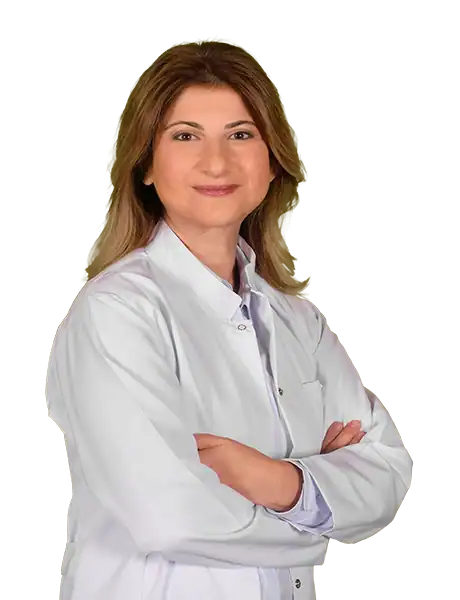 Medical Oncology Prof. Dr. Yeşim Eralp Acibadem Maslak Hospital View profile
 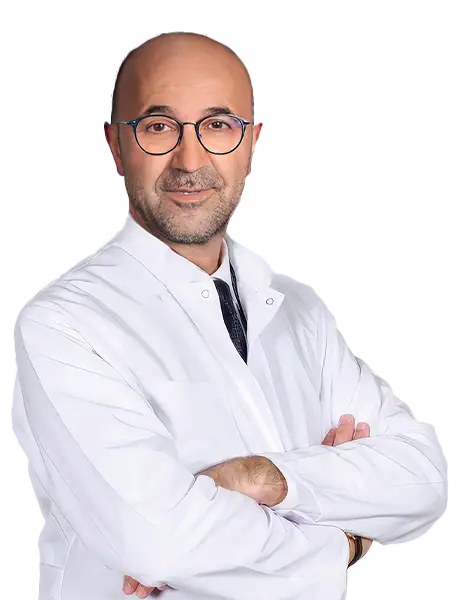 Orthopedic Surgery & Traumatology Prof. Dr. Javad Parvizi Acibadem Maslak Hospital View profile
  Neurosurgery Prof. Dr. Deniz Konya (m) Acibadem Altunizade Hospital View profile
  Gynecology & Obstetrics Prof. Dr. Mete Güngör Acibadem Maslak Hospital View profile
  Neurology Prof. Dr. Erkan Acar Acibadem Maslak Hospital View profile
 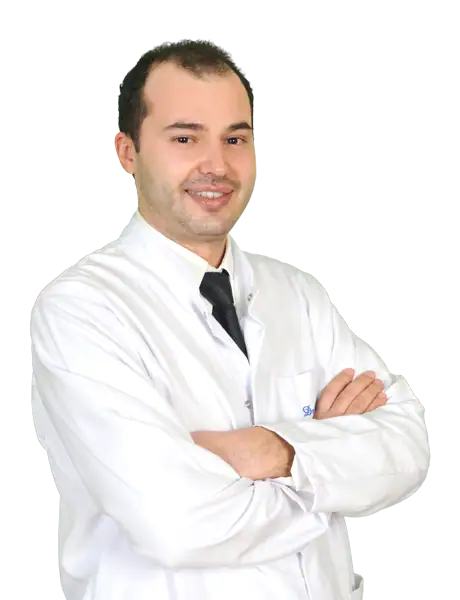 Urology Prof. Dr. Burak Çıtamak Acibadem Atakent Hospital View profile
 What does JCI accreditation actually mean?
JCI stands for Joint Commission International, the body that audits hospitals against a published international standard for patient safety and quality of care. Accreditation is not a marketing badge: it is an on-site inspection, repeated on a regular cycle. Acibadem’s flagship hospitals hold JCI accreditation, and the same standardised clinical protocols are applied across the group. Our guide to JCI-accredited hospitals in Turkey explains how to check an accreditation yourself.
Health check-ups and full body screening in Turkey
A comprehensive check-up is the most common reason to travel to Turkey for something other than surgery: a full panel of laboratory tests, imaging, cardiology assessment and specialist consultations completed in one or two days rather than spread across months of separate appointments. Programmes are built around age, sex and risk profile, and the results are reviewed with a physician before you leave. A check-up is a screening assessment, not a diagnosis — anything it flags is referred to the relevant specialist for proper investigation.
My Child’s Health Check-Up Program
My Child’s Health Check-Up Program at Acibadem: 23 tests & assessments including 13 lab tests, 5 specialist exams,…
See what is included →Health Check-Up Program for Little Hearts
Health Check-Up Program For Little Hearts at Acibadem: 10 tests & assessments including 6 lab tests, 2 cardiac…
See what is included →Forever Young Woman (+65) Check-Up Program
Forever Young Woman (+65) Check-Up Program at Acibadem: 52 tests & assessments including 38 lab tests, 8 imaging…
See what is included →Always Young Men (+65) Check Up Program
Always Young Men (+65) Check Up Program at Acibadem: 49 tests & assessments including 38 lab tests, 6…
See what is included → A full assessment completed in one or two days
What a full body check-up in Turkey includes
A comprehensive programme normally combines a blood and urine panel, an ECG and echocardiogram, a cardiology review, abdominal ultrasound, a chest study, eye and hearing checks, and a physician consultation that pulls the results together. Age and sex change the panel: mammography and gynaecological screening for women, prostate markers for men, colorectal screening from midlife. Everything is booked in sequence so the whole assessment fits into one or two days.
What a full body scan can and cannot show
Screening is good at finding conditions that are already measurable and silent — raised blood pressure, diabetes, anaemia, thyroid disorders, gallstones, fatty liver, early changes on a mammogram. It is not a guarantee of health and it is not a diagnosis. A normal result means nothing was detected on the day, by those tests; anything abnormal is a signal to investigate, not a verdict. Whole-body imaging in particular also finds harmless incidental findings that then need following up, which is why a physician decides what is worth scanning rather than scanning everything by default.
How results are reviewed before you fly home
Results are discussed face to face with a physician before you travel, not emailed afterwards, so you leave knowing what was found, what needs repeating and on what interval, and which findings should be handed to your own doctor at home. You are given the full report and the raw imaging. Our guide to a full body check-up in Turkey sets out the panels in detail and what each test is actually looking for.
How your treatment journey works
Every international case follows the same five stages, and you should know which one you are in at any point.
-
Send your case
Share your reports, imaging and questions. A specialist in the relevant unit reviews them.
-
Receive a plan and estimate
A named doctor, a proposed procedure, an expected length of stay and an itemised cost, in writing.
-
Plan the trip
Appointments, transfers, accommodation, interpretation and visa documents arranged before you fly.
-
Treatment in Turkey
Care at the assigned hospital with your specialist team and a coordinator who speaks your language.
-
Follow-up at home
You leave with a written discharge summary and aftercare plan, plus remote follow-up with the treating team.
Practical detail on each stage — documents, payment, transfers, accommodation and discharge — is set out in our patient guides.
 Arrival is coordinated before you fly
Do I need a visa to travel to Turkey for treatment?
Visa requirements depend on your nationality, not on your reason for travel — many nationalities enter Turkey visa-free or on an e-Visa, while others must apply at a consulate. Where a consulate asks for supporting documents, the international patient team issues an appointment confirmation and an invitation letter naming the hospital and the treating doctor.
Check the current requirement for your passport on the Turkish government’s official e-Visa service before booking flights, because rules change. Acibadem does not issue visas and cannot guarantee an outcome — that decision rests with the consulate.
Patient stories from treatment in Turkey
Named, published patient stories are more useful than anonymous ratings. These journeys are documented with the patients’ consent: what they came for, which team treated them and how recovery went. They are individual experiences, not predictions — outcomes depend on your diagnosis, your general health and your treatment plan, and your specialist will tell you what is realistic in your case.
 Serbia
 Dušan Vlahović Completes His Beşiktaş Medical at Acibadem Altunizade Hospital
Serbian international Dušan Vlahović completed his pre-transfer medical examination at Acibadem Altunizade Hospital in Istanbul ahead of his move to…
Read the story →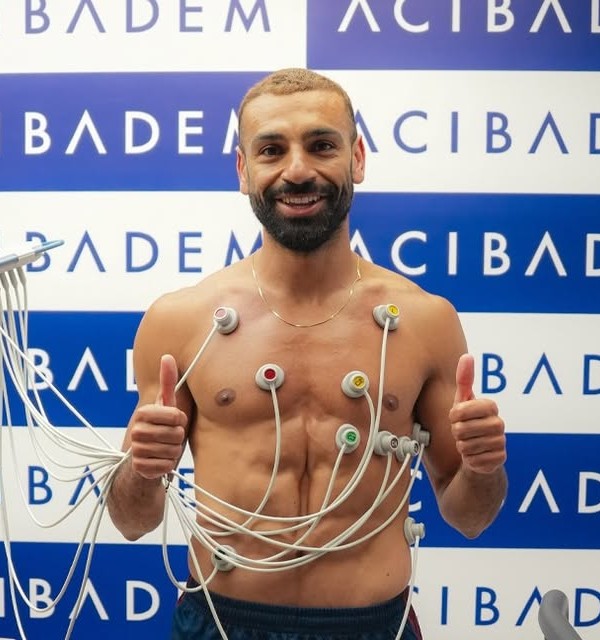 Egypt
Egypt Mohamed Salah’s Comprehensive Medical Check-Up at Acibadem Maslak
Egyptian football star Mohamed Salah completed a comprehensive pre-transfer medical examination at Acibadem Maslak Hospital in Istanbul.
Read the story → Canada
 Brain Tumor Surgery in Istanbul: Adam’s Journey from Canada
When Adam, from Canada, was diagnosed with a brain tumor, he chose Acibadem in Istanbul for his surgery — and…
Read the story →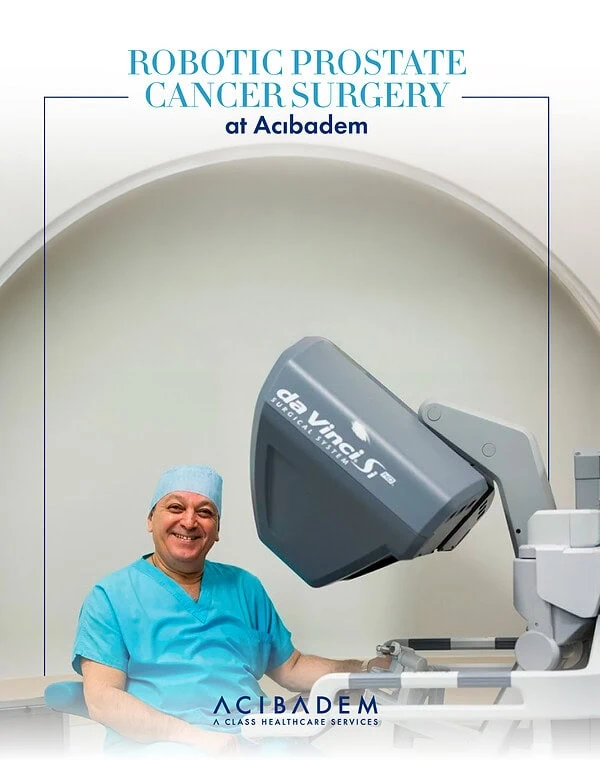 International
 Robotic Prostatectomy: A Prostate Cancer Recovery Story
Diagnosed with prostate cancer, he found a minimally invasive path with robotic surgery at Acibadem — and is grateful for…
Read the story →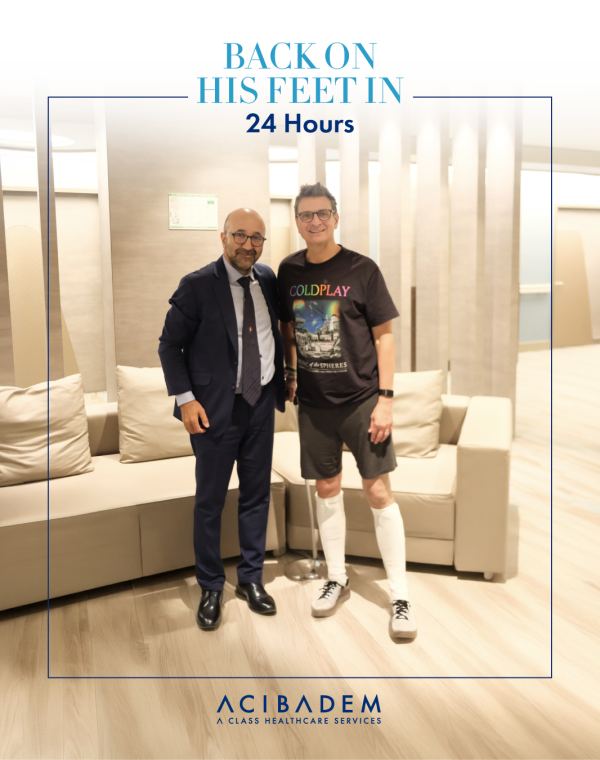 International
 Hip Replacement in Istanbul After Years of Pain
After years of debilitating hip pain, advanced hip replacement surgery at Acibadem in Istanbul ended the pain and restored independent…
Read the story →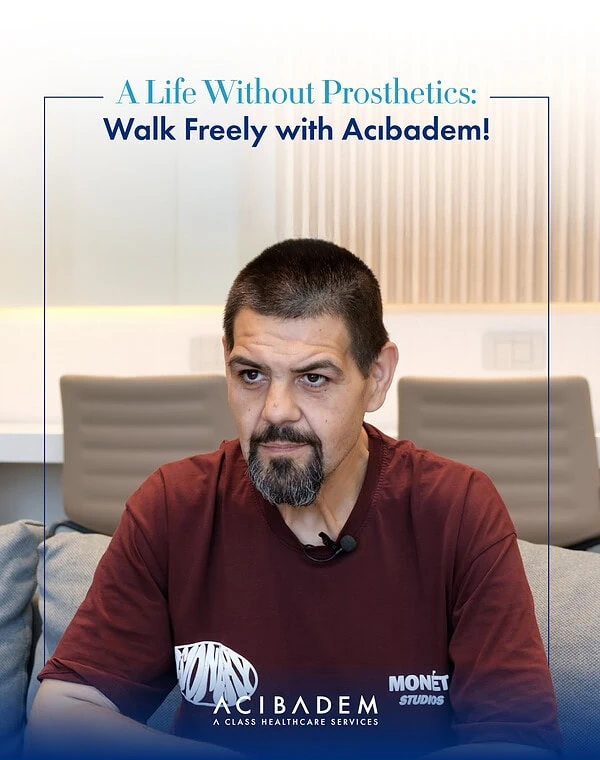 Bulgaria
 Limb-Saving Surgery Instead of Amputation: Svetoslav’s Story
Facing a below-knee amputation at home, Svetoslav’s leg was saved by Acibadem’s limb-salvage surgery — opening the door to an…
Read the story →Treatments and specialties available in Turkey 42
Every specialty below has its own unit, its own consultants and its own page setting out what it treats and how. Start with the unit that matches your diagnosis; the specialist who reviews your reports decides what is appropriate for your case.
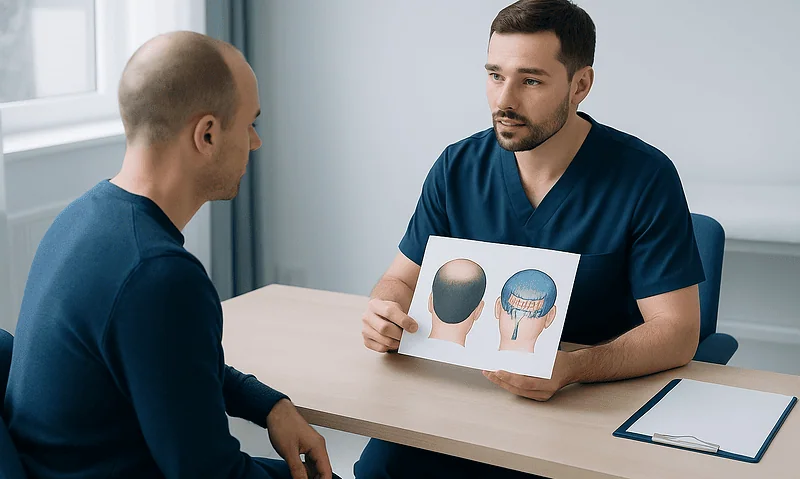 Medical unit Hair Transplant in TurkeySpecialists, treatments and technology
 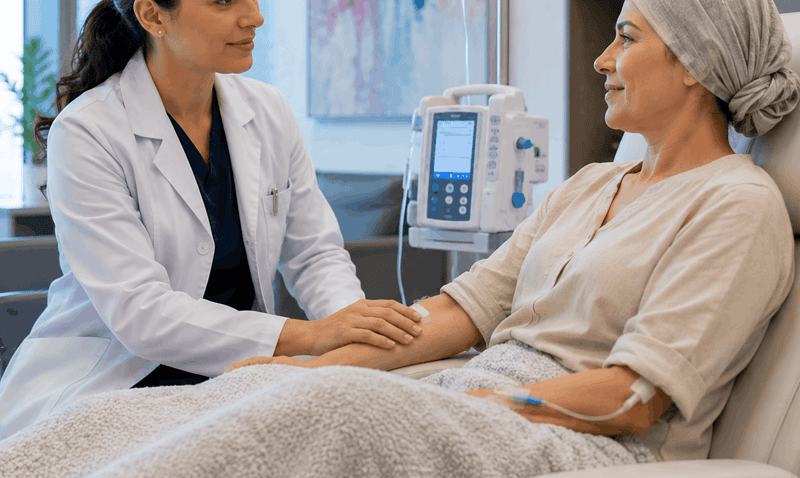 Medical unit Medical Oncology Department in TurkeySpecialists, treatments and technology
 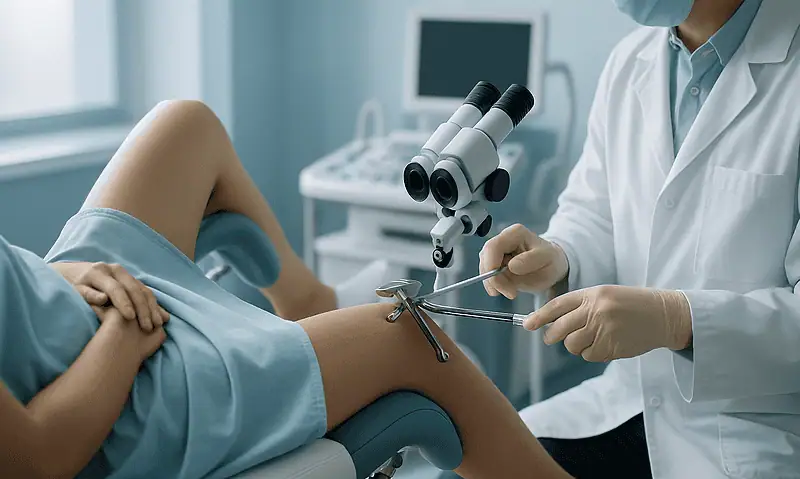 Medical unit Orthopedics & Spine in TurkeySpecialists, treatments and technology
  Medical unit Plastic, Reconstructive & Aesthetic Surgery in TurkeySpecialists, treatments and technology
  Medical unit Cardiology Department in TurkeySpecialists, treatments and technology
 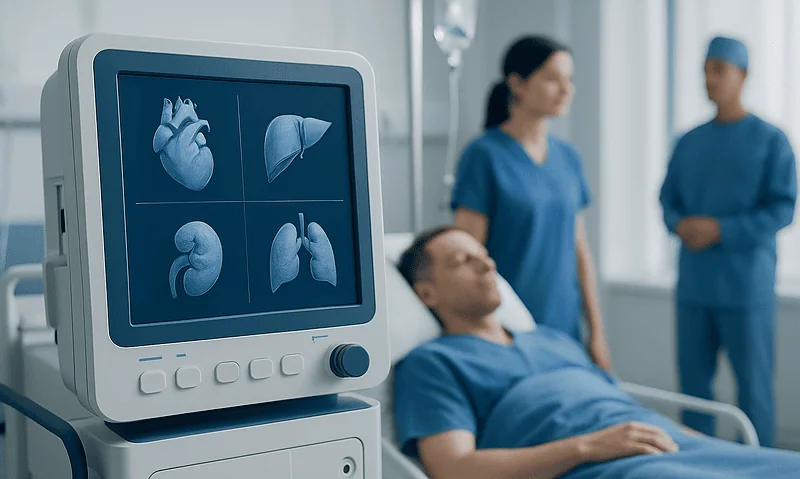 Medical unit Organ Transplantation in TurkeySpecialists, treatments and technology
 - Anesthesiology & Reanimation
- Bariatric & Metabolic Surgery
- Breast Health Department
- Cardiology Department
- Cardiovascular Surgery
- Check-up & Preventive Medicine
- Dental & Oral Health
- Dermatology
- Endocrinology & Metabolism
- Gastroenterology
- General Surgery
- Gynecology & Obstetrics
- Hair Transplant
- Hematology Department
- Infectious Diseases Department
- Internal Medicine
- IVF & Reproductive Health
- Medical Genetics Department
- Medical Oncology Department
- Nephrology Department
- Neurology
- Neurosurgery
- Nuclear Medicine
- Nutrition & Diet
- Ophthalmology
- Organ Transplantation
- Orthopedics & Spine
- Otorhinolaryngology (ENT)
- Pain Management (Algology) Department
- Pathology Department
- Pediatrics
- Perinatology (High-Risk Pregnancy) Department
- Physical Medicine & Rehabilitation
- Plastic, Reconstructive & Aesthetic Surgery
- Psychiatry & Psychology
- Pulmonology
- Radiation Oncology
- Radiology
- Rheumatology Department
- Robotic Surgery
- Thoracic Surgery Department
- Urology
Medical tourism in Turkey: frequently asked questions
What is medical tourism in Turkey?
Medical tourism in Turkey is the practice of travelling to Turkey for planned, non-emergency medical treatment — most often surgery, dental work, hair restoration, oncology care, orthopaedics or a comprehensive health check-up. The pathway normally starts with a specialist reviewing your existing reports before you travel.
Is health tourism the same as medical tourism?
Health tourism and medical tourism describe the same thing. “Health tourism” is the wording used in Turkish regulation, where the sector is called sağlık turizmi; “medical tourism” is the term more often used in English. Neither label tells you anything about the quality of a particular provider.
Is it safe to have surgery in Turkey?
Safety in Turkey varies by provider rather than by country. The reported problems concentrate in unaccredited clinics, in bookings made through agencies that never name the operating surgeon, and in trips arranged with no aftercare pathway. Confirm which specific facility holds the accreditation, confirm the named doctor who will treat you, and get the plan and the follow-up arrangements in writing before you travel.
How much does treatment in Turkey cost?
There is no single price for a treatment. Cost depends on your diagnosis, the exact procedure, how many nights you spend in hospital, the implants or devices used and how much follow-up your recovery needs. After a specialist reviews your reports you receive a written, itemised estimate before you book anything.
What is included in an all-inclusive package?
A package normally bundles the procedure and hospital stay with airport transfers, accommodation for the non-hospital nights, interpretation and a coordinator who manages your appointments. Ask explicitly what happens if recovery takes longer than expected, and who is responsible for follow-up once you are home.
How long will I need to stay in Turkey?
The length of stay depends entirely on the procedure and on how your recovery goes. An expected timeline covering the procedure, the recovery period and any follow-up appointments is set out in your written plan before you travel, and your specialist will tell you if it needs to change.
Do I need a visa to travel to Turkey for treatment?
Visa requirements depend on your nationality, not on your reason for travel. Where a consulate asks for supporting documents, the international patient team issues an appointment confirmation and an invitation letter naming the hospital and the treating doctor. Check the current requirement for your passport on the Turkish government’s official e-Visa service before booking flights.
Will someone speak my language at the hospital?
Yes. Interpretation and a dedicated multilingual coordinator are part of the international patient service, from your first enquiry through to discharge and follow-up. Acibadem coordinates with international patients in 24 languages.
How do I know which doctor will treat me?
The specialist responsible for your care is named in your written plan before you travel, and every Acibadem specialist has a profile on this site listing their department, qualifications and areas of practice. If a provider will not name the doctor who will operate, treat that as a warning sign.
What happens if there is a complication after I go home?
You leave with a written discharge summary and an aftercare plan, and the treating unit stays reachable for follow-up questions. Any ongoing care should also be reviewed with a doctor in your own country, who can examine you in person.
Which Turkish city should I be treated in?
Most international patients are treated in Istanbul, where the largest hospitals and the widest range of specialist units are concentrated. Which hospital treats you is determined by your condition rather than by convenience — a transplant, a complex cardiac case and a routine check-up are handled by different teams.
Can I get a second opinion before I travel?
Yes. A written second opinion can be prepared from your existing reports and imaging without you travelling. It is intended to support, not replace, the advice of the doctor currently treating you.
Plan your treatment in Turkey
Send your diagnosis, imaging and test results. A specialist in the relevant medical unit reviews them and you receive a written opinion, a proposed plan and an itemised estimate before you travel.
- Free case review
- No obligation
- Reply within 24 hours
- Coordination in 24 languages
Start your case review
Tell us what you need and a coordinator will come back to you.