

Hematology Department
Leukaemia, lymphoma and myeloma care, adult bone marrow transplant units and cellular therapies, plus the anaemias, low platelets and clotting disorders, with free remote case review before you travel.

Medicine, transplant, cellular therapy
Most patients need the first. Some need the second. A small, specific group is eligible for the third, and knowing which you are is the point of the work-up.
Drug therapy
Chemotherapy, targeted tablets, monoclonal antibodies and immunotherapy, matched to the exact subtype rather than the headline diagnosis.
- Typical settingDay case or inpatient
- Selected byFlow cytometry + genetics
Stem cell transplant
Autologous transplant uses your own cells after high-dose chemotherapy. Allogeneic transplant uses a donor and brings a new immune system with it.
- Autologous stayAbout 2 to 3 weeks
- Donor matchSibling, registry or half-match
Cellular therapy
CAR T-cell treatment reprogrammes your own T cells against the cancer. It applies to defined relapsed or refractory diseases, not to blood cancers in general.
- Used inSelected relapsed disease
- EligibilityCase by case
Not sure which applies to you? Ask for a haematology second opinion →
In haematology, the work-up decides everything
Two patients with the same words on a report can correctly receive completely different treatment. What separates them is the depth of the work-up, and this is where second opinions most often change the plan.
- 1A blood count and a blood film first, abnormal immature cells change the same day.
- 2A bone marrow biopsy where the marrow itself must be read.
- 3Flow cytometry, cytogenetics and molecular testing to name the exact subtype and risk group.
- 4A whole lymph node, not a needle sample, wherever lymphoma is the question.
The tests that name the disease
Each step decides whether the next is needed. A diagnosis missing the last three is incomplete.
Imaging and nuclear medicine sit in the same hospitalssee nuclear medicine →
Six moments when a second opinion earns its keep
Free, confidential, no obligationrequest a second opinion →
When chemotherapy has lowered the white cell count, an infection can become life-threatening within hours, and the first antibiotic dose is what changes the outcome. That is why a fever in this situation is handled as a hospital emergency rather than as an outpatient problem.
From sending your records to treatment underway
- Send recordsCounts, pathology, flow cytometry, marrow report, imaging.
- Specialist reviewA haematologist reads the case. Urgent cases are moved up.
- Written opinionThe proposed pathway and an itemised estimate, with no obligation.
- Travel and admissionVisa support, transfers, accommodation and an interpreter.
- Confirm on arrivalKey tests repeated or re-read here before treatment starts.
- Treatment and follow-upCycles, admission or transplant, then a written follow-up calendar.
The support that carries a family through a long treatment
Everything you want to know, answered below
Quick answer
The Hematology Department diagnoses and treats disorders of the blood, bone marrow, and lymphatic system, including anemia, clotting problems, leukemia, lymphoma, and myeloma. At Acibadem in Turkey, care is provided through laboratory evaluation, imaging, bone marrow testing, and personalized treatment plans that may include medication, transfusion support, targeted therapies, or stem cell transplantation.
Haematology is the medicine of blood, bone marrow and the lymphatic system: the specialty that answers why a blood count is abnormal, diagnoses leukaemia, lymphoma and myeloma, treats anaemias and clotting disorders, and performs bone marrow and stem cell transplantation. At Acıbadem International, blood disorders are managed by sixteen haematology specialists across eleven hospitals, including dedicated adult bone marrow transplant units, and several of our haematologists list cellular therapies such as CAR T-cell treatment among their clinical interests. This guide explains, plainly, and without overselling, how a blood diagnosis is actually made, what each treatment does, who is and is not a candidate for transplant, and what a treatment journey from abroad really involves.
Most people arrive here for one of two reasons: a blood test came back abnormal and nobody has explained what it means, or a diagnosis has been made and a second opinion is wanted before treatment starts. Both are answered below. Where the honest answer is “it depends on your specific disease and your specific marrow”, we say so, and explain what it depends on.
What a haematologist actually does, and when you need one
A haematologist is a physician who specialises in the blood and the organ that makes it, the bone marrow. That covers a wider range than most people expect. On one side sit the blood cancersleukaemias, lymphomas, myeloma and the marrow failure syndromes. On the other sit conditions that are not cancer at all and are far more common: iron-deficiency and other anaemias, inherited disorders such as thalassaemia and sickle cell disease, low platelet counts, easy bruising and bleeding, and the opposite problem, blood that clots too readily, causing deep vein thrombosis or recurrent pregnancy loss.
You are usually referred to a haematologist by a family doctor or another specialist when a routine blood test does not behave. The commonest triggers are a white cell count that is too high or too low, a haemoglobin that will not come up, platelets that keep falling, a lymph node that has been enlarged for weeks, or an unexplained clot. A haematologist’s first job is often not to treat anything: it is to determine whether an abnormal number means disease at all. Many do not, but a result showing blasts, more than one low cell line, or a very high white cell count is the exception.
The findings that most often bring people to a haematologist
These are the results and symptoms that justify a specialist opinion rather than another repeat test. None of them means cancer on its own. What they share is that each needs a timescale: most are investigated over days to weeks.
- A persistently high white blood cell count. Infection and inflammation raise white cells temporarily. A count that stays high once the infection has cleared needs explaining, usually over days to weeks. A very high count is a different matter: an extremely high white cell count, particularly alongside breathlessness, confusion, headache or blurred vision, is treated as a hospital emergency, because at that level the white cells themselves can block small blood vessels.
- A low platelet count. Platelets stop bleeding. When they fall, bruising appears easily, gums bleed and small red pinpoint spots may appear on the skin. Causes range from an immune reaction to medication to a marrow problem.
- Anaemia that does not respond to iron. Iron deficiency is common and usually straightforward. Anaemia that persists despite treatment, or that appears without an obvious cause, deserves a look at the marrow.
- Lymph nodes enlarged for more than a few weeks. Nodes swell with infection and settle. A node that stays enlarged, grows, is painless and firm, or sits above the collarbone is the classic reason for a lymphoma work-up.
- Unexplained weight loss, drenching night sweats and persistent fever. Together, these are known as B symptoms, and in combination with an enlarged node they move a lymphoma work-up up the priority list.
- Unexplained bone or back pain, particularly alongside anaemia, a raised calcium level or impaired kidney function. Any of these can be a reason to test for myeloma, no particular combination is required to justify the test, and waiting for the full picture to appear is how the diagnosis gets missed.
- A clot with no explanation. Once the clot itself has been treated, a deep vein thrombosis or pulmonary embolism without an obvious trigger, surgery, immobility, pregnancy, raises the question of an underlying clotting tendency, and that is the question a haematologist answers afterwards.
Symptoms alone never make a haematological diagnosis. They decide who gets investigated, and how quickly.
When a blood problem is an emergency
Most haematology is investigated over days and weeks. A small number of situations are not, and confusing the two is dangerous.
During the period when chemotherapy has driven the white cell count down, an infection can become life-threatening within hours. This condition, neutropenic fever, is treated as an emergency everywhere in the world, and the first dose of antibiotic is time-critical.
A newly diagnosed or newly suspected acute leukaemia is a medical emergency rather than an appointment. Acute leukaemia needs admission within days, and one type in particular, acute promyelocytic leukaemia, can cause dangerous bleeding before treatment begins.
How blood disorders are investigated: from a full blood count to the marrow
Haematology is unusual among specialties in that its diagnostic chain is highly standardised. Each step decides whether the next is needed.
The full blood count and the blood film
Everything begins with a complete blood count: the numbers of red cells, white cells and platelets, with the white cells broken down by type. If a number is abnormal, a haematologist looks at the blood itself under a microscope. A peripheral blood film shows the shape and maturity of the cells, and it remains one of the highest-yield tests in medicine: abnormal immature cells (blasts) on a film change everything that happens next, that same day.
The bone marrow biopsy
When the marrow itself must be examined, a sample is taken from the back of the pelvis under local anaesthetic, usually with sedation. Two things are collected: a liquid aspirate and a small core of bone. The procedure takes around twenty minutes, and most people describe brief deep pressure rather than sharp pain. It is the definitive test for leukaemia, myeloma, marrow failure and marrow infiltration, and there is no substitute for it when those are in question.
Flow cytometry, cytogenetics and molecular testing
Modern haematology does not stop at “leukaemia” or “lymphoma”. Flow cytometry reads the protein markers on the surface of thousands of cells per second and identifies exactly which cell line has gone wrong. Cytogenetics examines the chromosomes for translocations and deletions. Molecular testing looks for the specific mutations that now define subtypes and select drugs: the Philadelphia chromosome in chronic myeloid leukaemia, FLT3 and NPM1 in acute myeloid leukaemia, JAK2 in myeloproliferative disease, and others. These tests are the reason two patients with the same headline diagnosis can correctly receive completely different treatment.
Imaging and the lymph node biopsy
Lymphoma is staged with PET-CT and CT, and diagnosed by removing a whole lymph node rather than sampling it with a needle wherever that is possible: the architecture of the node carries diagnostic information that a needle destroys. Where a needle biopsy has already been done elsewhere and is inconclusive, this is one of the commonest reasons a case has to be re-biopsied.
Why haematology second opinions change plans so often
Haematological diagnoses depend on the interpretation of tissue and of molecular results, and interpretation varies. A second opinion in this field is not a courtesy: it regularly changes the subtype, the risk group, or the sequence of treatment. The situations in which a second reading most often changes something are these:
- a diagnosis was made without flow cytometry, cytogenetics or molecular testing;
- a lymphoma was diagnosed from a needle sample rather than a whole node;
- transplant has been recommended, or ruled out, and the reasoning has not been examined;
- a treatment is not working as expected, and the question is whether the diagnosis or the drug is wrong;
- a patient has been told there is nothing more to offer.
Our haematologists review anonymised records remotely before anyone travels. Where the existing plan is sound, we say so plainly: a second opinion that confirms your local team is a good outcome, not a wasted one.
Leukaemia: four different diseases with one name
Leukaemia is a cancer of the white blood cells that begins in the marrow. The word covers four principal diseases that behave so differently that grouping them is almost unhelpful.
Acute myeloid leukaemia (AML) and acute lymphoblastic leukaemia (ALL) develop over days to weeks and are treated urgently, usually beginning with an inpatient course of intensive chemotherapy designed to clear the marrow of leukaemic cells, followed by consolidation treatment and, for higher-risk disease, an allogeneic transplant. Chronic myeloid leukaemia (CML) is defined by a single chromosomal change and, since the arrival of tyrosine kinase inhibitors, is for many patients a condition controlled long-term with a daily tablet and regular molecular monitoring. Chronic lymphocytic leukaemia (CLL) is often found by accident on a routine blood test and, in early-stage disease without symptoms, is frequently not treated at all, watchful monitoring is the correct management, however counter-intuitive that feels. Monitoring is not the same as ignoring, and it has triggers: lymph nodes that are enlarging quickly, new or worsening tiredness and breathlessness, unusual bruising, drenching night sweats, unexplained weight loss or repeated infections. Those are what move someone from monitoring to treatment, and they are the reason the appointments exist.
Which of these you have, and which risk group within it, is decided by the marrow, the flow cytometry and the genetics, not by the white cell count.
Lymphoma: Hodgkin, non-Hodgkin and why the subtype decides everything
Lymphomas arise in the lymphatic system. Hodgkin lymphoma is defined by a particular cell type, tends to affect younger adults, and is among the more treatable cancers in medicine. Non-Hodgkin lymphoma is not one disease but a family of more than sixty, ranging from indolent forms that may be monitored for years without treatment to aggressive forms that require chemotherapy to start promptly.
Treatment combines chemotherapy with antibody therapy targeting a marker on the lymphoma cells, sometimes with radiotherapy delivered by our radiation oncology colleagues, and for relapsed or refractory disease an autologous stem cell transplant or, in selected cases, CAR T-cell therapy. Response is assessed with interim and end-of-treatment PET-CT, and the plan is adjusted on the evidence rather than on the original schedule.
Multiple myeloma and plasma cell disorders
Myeloma is a cancer of plasma cells in the marrow. It is typically suspected from a combination of anaemia, bone pain or fractures, kidney impairment and a high calcium level, and is confirmed with protein studies in blood and urine, a marrow biopsy and imaging of the skeleton. One complication of myeloma and lymphoma is recognised by a particular combination: back pain together with new weakness or numbness in the legs, numbness around the groin or buttocks, or difficulty passing or controlling urine. That combination means the spinal cord or nerves may be under pressure, and it is treated as a hospital emergency. Myeloma is generally not curable with current treatment, and we will not tell you otherwise, but it has been transformed over two decades into a disease that is controlled through successive lines of therapy, often for many years. Modern treatment combines proteasome inhibitors, immunomodulatory drugs and monoclonal antibodies, and for suitable patients an autologous stem cell transplant after initial therapy remains a standard part of the pathway.
Alongside myeloma sit conditions that need recognition rather than treatment: MGUS, a benign paraprotein found incidentally, requires monitoring, not chemotherapy, and being told this correctly is one of the more valuable second opinions a haematologist gives.
Myelodysplastic syndromes and myeloproliferative neoplasms
These are marrow disorders that sit between benign and malignant. In myelodysplastic syndromes (MDS) the marrow produces cells that do not mature properly, causing stubborn anaemia and low counts; management ranges from transfusion support and growth factors to hypomethylating drugs and, for younger higher-risk patients, allogeneic transplant. In myeloproliferative neoplasmspolycythaemia vera, essential thrombocythaemia and myelofibrosis: the marrow produces too many cells; the principal risks are clotting and, over time, progression, and treatment is aimed squarely at those. Diagnosis rests on marrow findings and on driver mutations such as JAK2, CALR and MPL.
Aplastic anaemia and other causes of marrow failure
Aplastic anaemia is not a leukaemia. The marrow is not crowded out by abnormal cells: it is close to empty, making too few red cells, white cells and platelets at once. In most adults the cause is immune: the body’s own T cells attack the blood-forming stem cells. A minority of cases, mostly younger patients, are inherited disorders of DNA repair or telomere maintenance, tested for first because they change what is safe to give.
How it is recognised and told apart
It appears as the consequences of low counts: pallor, breathlessness, bruising, bleeding gums, infections that keep returning. Diagnosis rests on the core of bone taken at marrow biopsy, which shows an empty marrow rather than an abnormal one. Separating it from myelodysplastic syndrome, where the cells are present but malformed, and from marrow infiltrated by leukaemia, lymphoma or a solid tumour, is the point of that biopsy: they look alike on a blood count and are treated in entirely different ways. Flow cytometry also looks for a paroxysmal nocturnal haemoglobinuria clone; PNH causes haemolysis, dark urine and clots in unusual places.
The two treatment routes, and the wait between
Severity is graded on how far the neutrophil, platelet and reticulocyte counts have fallen; severe disease is admitted and treated urgently rather than watched. In younger patients with a suitable donor, allogeneic transplant is a first treatment rather than a last resort, because it replaces the failing marrow outright. Where there is no donor, or age and organ function make transplant too dangerous, immunosuppressive therapy, antithymocyte globulin with ciclosporin, sometimes with a thrombopoietin receptor agonist, aims to stop the immune attack and let the marrow recover. Response takes months rather than days, relapse happens, and some patients later develop clonal marrow disease, which is why follow-up continues long after the counts come up.
Until they do, the counts are held up by transfusion and by immediate treatment of infection. Where transplant is possible, blood from family members is avoided, because it can make a future graft harder to accept. Fever while the white cell count is very low, and bleeding that will not stop, are treated as emergencies exactly as they are during chemotherapy.
Blood disorders that are not cancer
A large share of haematology has nothing to do with malignancy, and these patients are often the ones who have been passed between departments without an answer.
Anaemias
Iron deficiency is the commonest anaemia worldwide, and the important question is usually not how to replace the iron but why it was lost, which is why an unexplained iron-deficiency anaemia in an adult triggers a search for a source of bleeding, in coordination with gastroenterology. Vitamin B12 and folate deficiencies, anaemia of chronic disease, haemolytic anaemias in which red cells are destroyed early, and aplastic anaemia in which the marrow fails to produce them at all, each have distinct work-ups and distinct treatments.
Inherited disorders: thalassaemia and sickle cell disease
Both are inherited conditions of haemoglobin and both are common in the countries many of our patients come from. Care is lifelong and involves transfusion where needed, iron chelation to manage the iron loading that repeated transfusion causes, prevention and prompt treatment of crises, and, for selected younger patients with a matched donor, the possibility of cure through allogeneic transplantation. Whether transplant is appropriate is an individual decision that weighs the risk of the procedure against the trajectory of the disease.
Bleeding and clotting disorders
Immune thrombocytopenia (ITP), inherited platelet and factor deficiencies, and the thrombophilias that predispose to clotting are managed medically, with treatment matched to the actual bleeding or clotting risk rather than to the number alone. Where an anticoagulant or antiplatelet is already being taken, warfarin, a direct oral anticoagulant, heparin injections, aspirin or clopidogrel, stopping it, restarting it or changing the dose, whether for travel, for a biopsy or for any other reason, is a decision for the doctor who prescribed it together with the team performing the procedure, not one made alone. Patients referred after recurrent thrombosis, or after recurrent pregnancy loss, are assessed jointly with the relevant specialty.
Thalassaemia and sickle cell disease: what lifelong care actually involves
These are the two inherited haemoglobin disorders most of our international patients live with, and both are managed for decades rather than treated once.
Thalassaemia: transfusion, iron, and the transplant decision
Carrying the trait is not the same as having the disease. Trait causes no illness and is regularly mistaken for iron deficiency, because the red cells look small on a blood count. Iron given without a confirmed deficiency does not correct that and adds to the iron load, which is why electrophoresis and iron studies come first.
Transfusion-dependent disease is different. Transfusions every few weeks, each a few hours in a day unit, keep the haemoglobin high enough that the marrow stops overworking and a child grows normally. The iron they carry, not the transfusions, is the long-term threat: the body has no route to excrete it, and it accumulates in the heart, liver and endocrine glands over years. Chelation exists in oral and infused forms; the choice belongs to the treating haematologist and is revised as the load changes. Ferritin is only a rough guide: the measurements that matter are cardiac T2* and liver iron MRI, because heart iron can be high while a patient feels well. Allogeneic transplant is the one route to cure, and it is most reasonable in younger patients with a well-matched donor, before iron has damaged organs. In an adult with established iron injury the balance shifts, and the honest answer may be that continued transfusion and chelation is better.
Sickle cell disease: crises, prevention and the events that are emergencies
In sickle cell disease the red cells deform and block small vessels. A vaso-occlusive crisis is that process causing severe pain, most often in the bones, chest, back or abdomen, treated with fluids, oxygen where needed and adequate pain relief given promptly rather than reluctantly. Hydroxyurea reduces the frequency of crises and chest events for many patients by raising fetal haemoglobin; it needs regular blood count monitoring and is started and adjusted only by the specialist. Red cell exchange by apheresis is used in acute chest syndrome and stroke, before major surgery, and as an ongoing programme for some patients at high stroke risk, which in children is screened for with transcranial Doppler ultrasound.
Some events in sickle cell disease are emergencies rather than crises managed at home. Fever is one of them: the spleen does not protect against infection, and an infection can become life-threatening within hours. Acute chest syndrome and stroke are the others, and both are treated as hospital emergencies.
What a single visit from abroad can and cannot achieve
One visit can deliver a full reassessment: genotype confirmation, iron burden measured properly, cardiac and endocrine review, a written chelation or hydroxyurea plan, HLA typing of you and your siblings, and a straight answer on whether transplant is worth considering. It cannot replace the ongoing work: a transfusion programme, chelation adjustment and acute care happen where you live, with a team who can see you the same day.
Watch and wait: what monitoring instead of treating actually involves
Being told the right treatment is no treatment is one of the hardest sentences a haematologist says. In early CLL, in several indolent lymphomas and in MGUS, treating before there is a reason to has not been shown to help. Monitoring is not looking away. It is a schedule with named triggers.
What is measured, and how often
Reviews sit close together until the pattern is known, then move further apart; the interval follows the trend, not the calendar. In CLL it is the lymphocyte count and how fast it rises, the haemoglobin, the platelets, the nodes and the spleen. In indolent lymphoma it is symptoms, examination and blood tests, with scans repeated when something changes rather than routinely. In MGUS it is the paraprotein, kidney function, calcium and haemoglobin. Marrow biopsies are not repeated for the sake of it.
What ends monitoring and starts treatment
- Haemoglobin or platelets falling because of the disease itself.
- A lymphocyte count doubling quickly rather than drifting upwards.
- Nodes or a spleen enlarging fast, becoming painful, or pressing on something.
- Drenching night sweats, weight loss, persistent fever, or fatigue that limits ordinary life.
- In MGUS or smouldering myeloma, organ damage: anaemia, kidney impairment, rising calcium, a bone lesion.
High-risk smouldering myeloma is the one setting where treatment is now sometimes started earlier, on your own results.
Who runs it
Monitoring rarely needs to happen in Istanbul: the tests can be done where you live, with results reviewed remotely and the triggers written into your plan in English. Infection sits outside that schedule: CLL weakens the immune system even untreated.
Chemotherapy in haematology, honestly explained
Chemotherapy in blood cancers is often more intensive than in solid tumours, because the aim in acute leukaemia is to clear the marrow completely and let it regrow. That intensity is why acute leukaemia induction is an inpatient treatment: for two to four weeks the blood counts fall to near zero, and the patient needs transfusion support, protective isolation and immediate treatment of any fever. Lymphoma and myeloma regimens are usually given as day-case cycles every two to four weeks, with recovery time built in between.
Side effects are real and are managed rather than endured. Nausea is far better controlled than its reputation suggests; fatigue is nearly universal and cumulative; hair loss depends entirely on the drugs used; infection risk is the one that dictates behaviour. One further risk belongs to the first days of treatment rather than the weeks after it. When a large amount of cancer is destroyed quickly, the contents of those cells flood the bloodstream, tumour lysis syndrome, which can disturb the heart’s rhythm and damage the kidneys. It is anticipated and prevented with fluids, blood tests and specific medication, and it is why some tablets, including the BCL-2 inhibitors, are started at a low dose and increased slowly under supervision rather than begun at full strength. Passing much less urine than usual, muscle cramps, palpitations or feeling suddenly and markedly worse in the first days of a new treatment are the signs it is watched for. Fertility can be affected by several of these treatments, and the time to discuss preservation is before treatment starts, not after.
Targeted therapy, antibodies and immunotherapy
Blood cancers were the proving ground for precision medicine, and much of haematology is now driven by drugs matched to a specific molecular target. Tyrosine kinase inhibitors transformed chronic myeloid leukaemia for most patients, from a fatal disease into one controlled long-term with a daily tablet, provided the tablet is taken consistently and the molecular response is checked on schedule, because resistance and progression still occur and that monitoring is what catches them early enough to change the drug. Monoclonal antibodies attach to markers on lymphoma, leukaemia and myeloma cells and recruit the immune system against them. BTK inhibitors, BCL-2 inhibitors and immunomodulatory agents have displaced older chemotherapy in several settings. Bispecific antibodies, which bring a T cell and a cancer cell physically together, are the newest of these classes.
Which of these is available and appropriate for you depends on your exact subtype, your prior treatment, your organ function and current licensing.
Fertility preservation before haematology treatment
Several haematology treatments damage fertility, and the options mostly exist before treatment rather than after it. The risk is not uniform: alkylating chemotherapy, transplant conditioning, total body irradiation and pelvic radiotherapy carry the highest risk of permanent loss, while several targeted tablets carry little direct gonadal risk but are unsafe during a pregnancy. Which category a regimen falls into is a question for the first consultation.
For men, sperm banking takes a day or two, can usually be done even when counts are low, and does not delay the start of treatment. For women it is harder. Freezing eggs or embryos requires roughly two weeks of ovarian stimulation, and in acute leukaemia treatment cannot safely be held for two weeks: that conflict is real and we will not pretend otherwise. Where there is no time, ovarian tissue cryopreservation can be done as a short procedure without a stimulation cycle, though availability is limited. GnRH agonists are sometimes given during chemotherapy; the evidence for protection is limited and they are not a substitute for freezing.
With an acute diagnosis the sequence is admission first, with fertility raised there, sperm banking can usually be arranged locally without losing days. For planned treatment, referral to reproductive medicine happens here before the first cycle. Ask about storage rules before you travel: consent requirements, storage duration and whether material can later be moved between countries differ by country.
Bone marrow and stem cell transplantation: what it is and who it is for
A bone marrow transplant, more accurately a haematopoietic stem cell transplant, since the cells are usually collected from blood rather than bone, replaces diseased or damaged marrow with healthy blood-forming stem cells. Acıbadem operates adult bone marrow transplant units within the group, and transplant is one of the principal reasons international patients are referred to our haematology service.
Autologous transplant
In an autologous transplant the stem cells are your own. They are mobilised into the bloodstream with growth factors, collected by apheresis, frozen, and returned after high-dose chemotherapy has been given. The purpose is to let a much higher dose of chemotherapy be delivered than the marrow could otherwise survive. It is standard in myeloma and in relapsed lymphoma. There is no donor, no rejection and no graft-versus-host disease, and the hospital stay is typically two to three weeks.
Allogeneic transplant
In an allogeneic transplant the stem cells come from a donor: a matched sibling, an unrelated donor from an international registry, or a half-matched (haploidentical) family member. It is used chiefly in higher-risk acute leukaemia, in MDS, and in selected inherited disorders. It offers something autologous transplant cannot: a new immune system that recognises and attacks residual disease. It also carries the risks that come with that, principally graft-versus-host disease, in which the donor immune system attacks the recipient’s own tissues. It usually announces itself in the first months, as a rash on the palms, soles or face, watery diarrhoea, cramping or nausea, or yellowing of the eyes. Treated early it is usually controllable; left for days it is not. Allogeneic transplant is the most demanding treatment in haematology and is undertaken only when the disease justifies it.
What the process actually involves
Donor searching and matching come first, and this stage is not always quick: a matched sibling is confirmed in days, an unrelated registry search takes longer, and whether a suitable donor exists cannot be promised in advance. Conditioning chemotherapy, with or without total body irradiation, follows. The cells are then infused, an unremarkable bedside procedure that takes less than an hour. Engraftment, the point at which the new marrow starts producing cells, usually occurs between two and four weeks, and the patient is nursed in a protective single room with filtered air throughout. After discharge, close outpatient follow-up continues for months, and for allogeneic patients immunosuppression is tapered gradually over a year or more.
We will not quote you a survival figure for your case on a webpage. Outcomes in transplantation depend on the disease, the remission status at the time of transplant, the donor match, the patient’s age and organ function, and they are discussed individually with the transplant team using data that applies to your situation.
HLA matching, the donor search, and what happens when there is no match
Whether an allogeneic transplant is possible at all is decided by tissue typing, not by willingness.
What HLA typing means
HLA proteins sit on your cells and are how the immune system tells self from foreign. They are inherited as a block from each parent, which is why family matters more than population size. Typing is done from blood or a cheek swab; 10/10 or 8/8 counts how many of the tested gene positions match. Blood group is a separate system and need not match, after transplant yours can change to the donor’s. Each full sibling has roughly a one in four chance of being a full match; parents and children are half matches by definition.
Why a search succeeds for some patients and not others
An unrelated search runs your type against international registers of typed volunteers; shortlisted donors are re-typed and health-screened before anything is confirmed. A sibling match is confirmed within days. An unrelated search is measured in weeks to months and cannot be given a deadline.
HLA types track ancestry, and the registers are weighted heavily towards donors of European ancestry. Patients of Middle Eastern, North African, South Asian, sub-Saharan African and mixed background are therefore less likely to find a fully matched unrelated donor. That is a fact about the registers, not about you or about how hard anyone searched, and money does not change it.
When no matched donor is found
A failed search is not the end of the transplant question. A haploidentical transplant uses a half-matched parent, child or sibling, almost every patient has one, and modern conditioning has made it a standard option rather than a last resort. Partially mismatched unrelated donors and cord blood are the other routes. We can arrange typing for you and your family, run searches through the registries our transplant units work with, and say plainly when a full match is unlikely so the half-matched route is planned rather than waited for. We cannot promise a donor; no centre can. Disease control continues while a search runs.
Stem cell mobilisation and collection: what those days feel like
When the cells are your own
Before an autologous transplant the stem cells must be drawn out of the marrow into the blood, using several days of growth factor injections under the skin, sometimes after a cycle of chemotherapy. The injections are minor. The ache is not: a deep bone ache in the lower back, hips and breastbone that peaks around collection and settles once it is finished. Tell the team rather than enduring it quietly.
Collection is apheresis: a line in each arm, or a temporary central line, with blood drawn continuously into a machine that keeps the stem cells and returns the rest. You sit still for several hours, awake, able to read or talk. The anticoagulant in the circuit lowers your calcium, so tingling around the lips and fingertips is common and is corrected during the session, say so the moment you feel it. Sometimes one day is enough; often it takes two or three. If too few cells are collected the attempt is repeated with an added mobilising drug, which is a known part of the process rather than a failure.
If you are the donor
A healthy donor has the same injections and the same hours in the chair, with the same bone ache; occasionally the cells are taken from the pelvic bone under general anaesthetic instead. You are assessed and consented separately from the patient, and you may withdraw, but the timing is not neutral. Once the recipient’s conditioning chemotherapy has begun, their own marrow is gone and there is no way back for them. That is why a donor’s decision is settled firmly, in advance, and in private.
Graft-versus-host disease: what it is and what is done about it
An allogeneic transplant gives you someone else’s immune system. Graft-versus-host disease is when that system reads your tissues as foreign and attacks them. Some degree of it is common, and it is watched for from the day the cells go in.
The acute and chronic forms
The acute form appears in the first weeks to months and hits three organs: the skin, as a rash that starts on the palms, soles and face; the gut, as watery diarrhoea, cramping and nausea; and the liver, as yellowing of the eyes. The chronic form comes later and behaves like an autoimmune disease, tight skin, dry gritty eyes, a dry or ulcerated mouth, stiff joints, and in some patients the lungs, where scarring does not reverse.
Prevention, treatment and the trade-off
Every allogeneic patient goes home on immunosuppressive medication. It holds the donor immune system back while it learns to tolerate your body, which is why it is reduced slowly over a year or more rather than stopped when you feel well. Coming off it early is a recognised trigger. Established disease is treated with corticosteroids first, further drugs when steroids do not control it, and extracorporeal photopheresis in some chronic cases. Treated early it is usually controllable; left for days it can leave permanent damage.
The trade-off cannot be removed: the same donor immunity that attacks your skin and gut also attacks leukaemia cells that chemotherapy left behind: the graft-versus-leukaemia effect. Suppressing it completely would take the disease control with it. The aim is control, not elimination.
Life after transplant: immune recovery, re-vaccination and late effects
Discharge is the midpoint of a transplant, not the end of one. The marrow recovers long before the immune system does.
Rebuilding an immune system from nothing
An allogeneic transplant removes the immune memory of a lifetime along with the old marrow. Counts return in weeks; working immunity takes a year or more, longer where chronic graft-versus-host disease or continuing immunosuppression is in the picture. Antimicrobial and antiviral prophylaxis runs for months, with restrictions that shape ordinary life: crowds, soil, compost, building work and mould are avoided, food hygiene is strict, and live vaccines wait until immunity has recovered and immunosuppression has stopped. Because the memory is gone, the childhood vaccination schedule is repeated from the beginning, generally starting some months after transplant and running over a couple of years, with the live components last. Your team sets the timing on your recovery, not on a fixed calendar, and household members being vaccinated matters as much as your own schedule.
The late effects that are actively looked for
Long-term follow-up is a checklist, and you should know what is on it: chronic graft-versus-host surveillance of skin, eyes, mouth, joints and lungs, with breathing tests; thyroid function; gonadal function, early menopause and hormone questions; bone density, which suffers from both steroids and hormone deficiency; cataracts after total body irradiation; heart function after anthracycline chemotherapy and lung function after chest radiation; iron overload after many transfusions; and a small but real long-term risk of second cancers, which is why skin checks and the ordinary screening programmes for your age and sex matter more after a transplant rather than less.
Work, travel and the honest timescale
Most people return to work gradually and part-time first, over many months. Fatigue is the last thing to lift and can outlast the first year. Flying home happens when the team judges the infection and graft-versus-host risk manageable and a named local doctor has accepted the follow-up plan. Not everyone returns to exactly the health they had before.
CAR T-cell therapy: what it is, and who is actually eligible
CAR T-cell therapy is a cellular treatment in which a patient’s own T cells are collected, genetically modified in a laboratory to recognise a marker on the cancer cell, expanded and infused back. It is among the most significant advances in blood cancer treatment in a generation, and several of our haematologists list it among their clinical interests.
It is also narrower in application than public coverage suggests, and the honest framing matters. CAR T-cell therapy is used in specific relapsed or refractory diseases, chiefly certain B-cell lymphomas, B-cell acute lymphoblastic leukaemia and myeloma, not in blood cancers generally, and not as a first treatment. The process takes weeks, during which the disease must be controlled by other means. Its characteristic toxicities, cytokine release syndrome and neurological effects, require intensive-care-level monitoring, which is precisely why it belongs in a full hospital. Whether it is available and appropriate for a particular patient is a case-by-case medical and regulatory question rather than one that can be answered in general terms.
Apheresis and transfusion support
Therapeutic apheresis separates blood into its components so that a specific one can be removed or exchanged, plasma exchange in some immune conditions, red cell exchange in sickle cell disease, and stem cell collection before transplant. Transfusion support runs alongside almost all intensive haematology: red cells for anaemia, platelets when counts fall low enough to risk bleeding, and blood products matched and screened to national standards. Patients who cannot accept transfusion for religious reasons should say so at the outset, so that the plan is built accordingly and the limits are discussed honestly before treatment rather than during it.
Why blood cancer treatment belongs in a full hospital
Haematology is the specialty most dependent on what surrounds it. Treatment deliberately suppresses the immune system, so infection is a constant risk; counts fall, so transfusion must be immediately available; complications arrive at night. At Acıbadem, haematology operates alongside intensive care, infectious diseases, interventional radiology, nuclear medicine for PET-CT staging, pathology with flow cytometry and molecular capability, blood banking and 24/7 emergency cover.
The same structure explains why our haematology and medical oncology teams work as one service for patients whose disease sits at the border between them, and why lymphoma cases are planned with radiation oncology in the room rather than by referral letter.
The haematology team: who will actually treat you
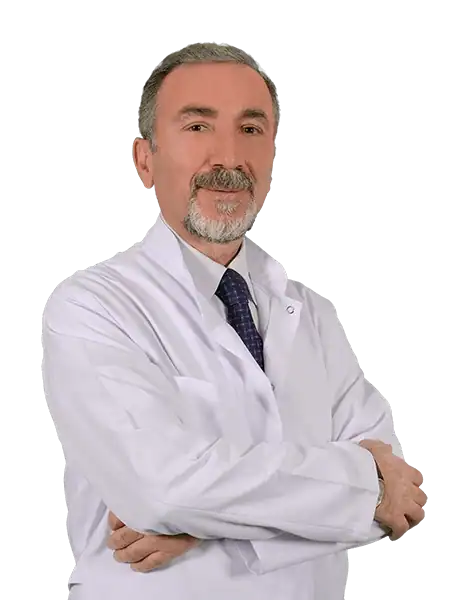
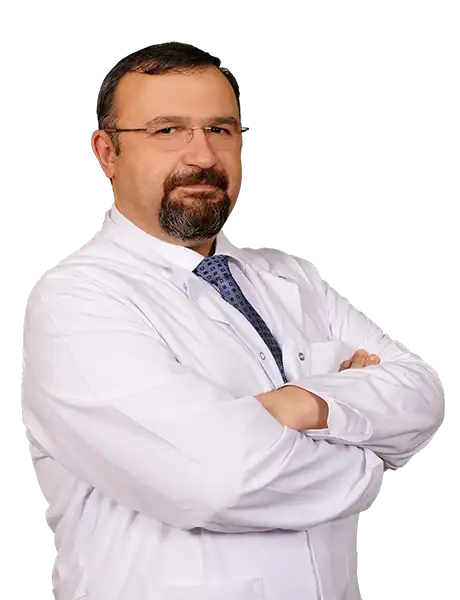
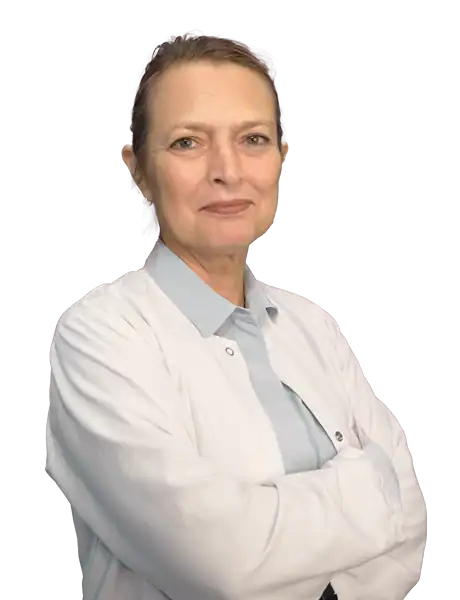
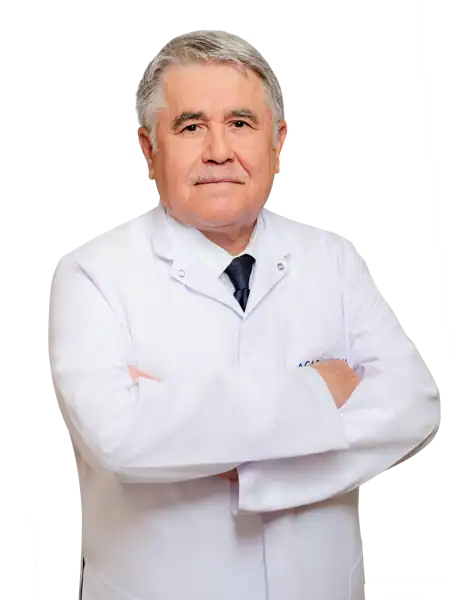
The unit brings together sixteen haematology specialists across eleven Acıbadem hospitals, the majority holding professorial or associate professorial rank. Several lead the group’s adult bone marrow transplant activity; others focus on cellular therapies including CAR T-cell treatment, on myeloma and plasma cell disorders, on the myeloproliferative neoplasms, or on the non-malignant side of the specialty: the anaemias, the immune cytopenias and the clotting disorders. The hospital where transplant would be performed, and the team that would treat you, are confirmed in writing for your case before you travel.
The full team, with individual profiles and hospitals, is listed further down this page.
How response is measured, and what happens when a plan changes
Haematology measures response with unusual precision, which is one of its strengths. Remission in acute leukaemia is confirmed on a repeat marrow, and measurable residual disease testing can detect one leukaemic cell among a hundred thousand normal ones: a sensitivity that increasingly guides whether more treatment, or a transplant, is needed. In chronic myeloid leukaemia, response is tracked by molecular testing of a single transcript. In lymphoma, PET-CT determines whether treatment is working while there is still time to change it. In myeloma, the paraprotein in blood or urine is followed like a thermometer.
Plans change, and a change is not a failure of the plan. If interim assessment shows an inadequate response, the regimen is intensified or switched, and the case goes back to the team. You will be told what the assessment showed, in plain language, and what the options are, including the option of stopping active treatment when that is the right answer.
What blood cancer treatment costs in Turkey: the honest answer
There is no price list for haematology, and any website that gives you one for your case is guessing. The reason is structural: the cost of treating a lymphoma that responds to six standard cycles and the cost of treating a refractory leukaemia that goes to allogeneic transplant differ by an order of magnitude, and nobody knows which one you are until the diagnostic work-up is complete.
What we do instead is give you a written, itemised estimate before you travel, based on your actual reports and the planned pathway: the diagnostic work-up, the drug regimen and number of cycles, the expected inpatient days, transplant costs where transplant is planned, and the supportive care that goes with them. Where a range is genuinely uncertain, it is presented as a range with the reason stated. If the plan changes because the disease behaves differently, you are told what that means financially before anything is done. Costs here are often lower than equivalent private care in Western Europe or North America, but that is a general pattern rather than a promise about your case, and it is not the number to plan on. The itemised estimate for your own pathway is, and for an allogeneic transplant it must include the months of accommodation, living costs and outpatient follow-up in Istanbul that the treatment requires, not the hospital bill alone.
Drug availability, licensing and clinical trials
Many people look abroad because a drug they have read about is unavailable or unaffordable where they live. It is a fair question and deserves a straight answer.
Licensing is national, and differs in both directions
What a hospital may give is decided by the national medicines regulator, not by the hospital. Turkey’s approvals are its own: some agents licensed in the European Union or the United States are not licensed here, and some available here are not routine elsewhere. Whether a drug is licensed and whether it is reimbursed are separate questions again. No list maps one country onto another, so the only answer worth acting on is the one given for your exact regimen.
Check before you book, not after you arrive
Whether the drugs in a particular regimen can be given here is answered in writing, from the generic names and the reports, before a ticket is bought rather than after arrival. Where a disease is acute, the drug question is never the thing that determines timing: treatment starts on its own clinical schedule, and availability is answered around it.
Named-patient access and clinical trials
Routes exist for supplying an unlicensed medicine to a named patient in defined circumstances. They are decided case by case by the regulator and the manufacturer, they take time, and no hospital can promise one in advance. Trials carry their own constraint: most require participants to live locally, because the protocol depends on frequent visits and years of follow-up, so a trial running here is often closed to someone who will fly home. Where a trial at home is the better option, we would rather say so than have you travel for something that cannot be delivered.
Your journey, step by step, from first email to first treatment
1. Send your records. Blood counts, pathology and flow cytometry reports, marrow report, imaging and a short history. Anonymised is fine.
2. Haematology review. A specialist reads the case and tells you honestly whether we can add anything to your current plan. This review is never an emergency service and it is not a substitute for being seen.
3. Written opinion and estimate. You receive the proposed pathway, what it involves and an itemised cost estimate, with no obligation.
4. Travel and admission. The coordinator arranges visa support, transfers, accommodation for you and a companion, and an interpreter.
5. Confirmation on arrival. Key tests are repeated or reviewed here before treatment starts. Occasionally this changes the diagnosis or the plan, which is exactly why it is done.
6. Treatment. Day-case cycles, inpatient courses or transplant, according to the plan agreed with you.
7. Discharge and follow-up. You leave with a complete file in English, a written follow-up calendar your own doctor can run, and remote access to the team.
How long you should plan to stay
The honest ranges, which we confirm for your case in writing before you travel: a diagnostic work-up and second opinion generally takes several days to a week. A single chemotherapy cycle is usually a day case with a short stay around it. Acute leukaemia induction means an inpatient stay of roughly four to six weeks. An autologous transplant typically involves two to three weeks in hospital plus several weeks of close outpatient follow-up nearby. An allogeneic transplant requires the longest commitment, several weeks as an inpatient followed by months of monitored outpatient care before it is safe to travel home, and patients and families are asked to plan for that honestly rather than optimistically.
The support that carries a family through treatment
Haematology treatment is long, and the logistics around it matter more than in almost any other specialty. Dental clearance before transplant is arranged with our dental and oral health unit, because an untreated dental infection is a genuine risk once the immune system is suppressed. Fertility preservation is discussed before treatment where it is relevant.
Follow-up, late effects and care that continues at home
Blood cancer treatment does not end at discharge. Monitoring continues for years, and the schedule is written down before you leave. Long-term follow-up after transplant covers immune recovery and re-vaccination, endocrine and bone health, and monitoring for late effects, and it is planned with your own doctor rather than assumed. Records are shared in English, remote review appointments are available, and the unit remains reachable for questions from you or from the physician looking after you at home.
What we will not promise
We will not give you a survival percentage for your case on a public page. We will not tell you a blood cancer is curable when it is treatable but not curable, and myeloma is the clearest example. We will not sell hope as treatment, and if we believe travelling here would not change your outcome, we will tell you so and save you the journey.
Frequently Asked Questions
What does a haematologist treat?
Diseases of the blood, bone marrow and lymphatic system. That includes blood cancers, leukaemia, lymphoma, myeloma, myelodysplastic and myeloproliferative disorders, and a large group of non-cancerous conditions: anaemias, thalassaemia and sickle cell disease, low platelets, bleeding disorders and abnormal clotting.
Does an abnormal blood test mean I have cancer?
Usually not. Infections, inflammation, medication, pregnancy, iron deficiency and many benign conditions move blood counts, and a haematologist’s first task is to determine whether an abnormal number reflects disease at all. There are exceptions, and they matter more than the reassurance: blasts or immature cells on the report, more than one cell line low at the same time, an extremely high white cell count, or fever, unusual bruising or bleeding alongside the abnormal result are the findings treated as urgent rather than as a question for a future appointment.
How is leukaemia diagnosed?
With a blood count and blood film first, then a bone marrow biopsy, and then flow cytometry, cytogenetics and molecular testing on the sample. The last three determine the exact subtype and risk group, and therefore the treatment. A diagnosis made without them is incomplete.
Is a bone marrow biopsy painful?
It is performed under local anaesthetic, usually with sedation, and takes about twenty minutes. Most patients describe brief deep pressure at the moment the sample is taken rather than sharp pain, and mild ache at the site for a day or two afterwards. You go home the same day.
What is the difference between an autologous and an allogeneic transplant?
In an autologous transplant the stem cells are your own, collected and returned after high-dose chemotherapy; there is no donor and no graft-versus-host disease. In an allogeneic transplant the cells come from a donor, which brings a new immune system able to attack residual disease, and with it the risk of graft-versus-host disease. They are used for different diseases and carry very different risk profiles.
Who can be a bone marrow donor for me?
A tissue-matched sibling first, if one exists, each full sibling has roughly a one in four chance of matching. If not, an unrelated donor is searched for through international registries, or a half-matched family member (a parent, child or partially matched sibling) may be used in a haploidentical transplant. Whether a suitable donor exists for you cannot be known before the search is done.
How long does a bone marrow transplant take from start to finish?
Preparation and donor matching take weeks. The transplant admission itself is typically two to three weeks for autologous and longer for allogeneic. Engraftment occurs around two to four weeks after infusion. Close outpatient follow-up then continues for months, and for allogeneic transplants immunosuppression is tapered over a year or more.
Am I eligible for CAR T-cell therapy?
That depends on your exact disease, whether it has relapsed or resisted previous treatment, your organ function and current regulatory approvals. CAR T-cell therapy applies to specific B-cell lymphomas, B-cell acute lymphoblastic leukaemia and myeloma in defined settings, not to blood cancers in general, and not as a first treatment.
Why is a fever during chemotherapy treated as an emergency?
Because when chemotherapy has lowered the white cell count, an infection can become life-threatening within hours. Neutropenic fever: a temperature of 38°C, or feeling shivery, hot or suddenly unwell at a lower reading, is treated as an emergency everywhere in the world, and the first antibiotic dose is time-critical, which is why it is given within the hour rather than at the next clinic appointment.
Is chronic lymphocytic leukaemia always treated?
No. Early-stage CLL without symptoms is frequently monitored rather than treated, because starting treatment early has not been shown to help and exposes you to side effects without benefit. Treatment begins when specific criteria are met. Being told to wait is a decision, not neglect.
Can thalassaemia or sickle cell disease be cured?
Allogeneic stem cell transplantation can be curative for selected patients, most often younger patients with a well-matched donor. It is a serious procedure with real risks, so the decision weighs those risks against the expected course of the disease for that individual. For most patients, care is lifelong management rather than cure.
Will I lose my hair?
It depends entirely on the drugs used. Some haematology regimens cause complete hair loss, others cause none. You will be told which applies to your regimen before you start, and hair regrows after treatment ends.
Can I have children after treatment?
Several haematology treatments affect fertility, and some, particularly transplant conditioning, are likely to. This must be discussed before treatment starts, because preservation options exist beforehand and rarely afterwards.
Do I need to be admitted, or can treatment be given as a day case?
Both exist. Most lymphoma and myeloma regimens are given as day-case cycles. Acute leukaemia induction and transplant are inpatient treatments. Your plan will state clearly which applies and for how long.
What is measurable residual disease and why does it matter?
It is highly sensitive testing that detects very small numbers of remaining cancer cells after treatment, far below what a microscope can see. It matters because it increasingly determines whether further treatment or a transplant is needed, rather than relying on the appearance of remission alone.
Can you review my case before I travel?
Yes, and we prefer it. Send blood counts, pathology and flow cytometry reports, the marrow report and imaging. A haematologist reviews the case and you receive a written opinion and estimate before committing to anything. There is no charge for the review.
What if my diagnosis turns out to be wrong?
It happens, particularly where the original work-up lacked flow cytometry or molecular testing, or where a lymphoma was diagnosed from a needle sample. Key tests are repeated or re-read here before treatment starts, and if the diagnosis changes, the plan changes with it and you are told exactly why.
Is treatment in Turkey as good as in Europe?
The relevant questions are whether the diagnosis is made to modern standards, whether the drugs and technology used are current, and whether the team does enough of this work. Our haematology service performs the full diagnostic chain including flow cytometry, cytogenetics and molecular testing, operates adult bone marrow transplant units, and works within a group whose flagship hospitals hold JCI accreditation. Judge it on those specifics rather than on geography.
Will I be treated in isolation?
During periods when your white cell count is very low, after intensive induction chemotherapy and after transplant, you are nursed in a protective single room with filtered air. Visitors are limited and follow strict hygiene rules. It is temporary and it exists to protect you.
How much does treatment cost?
It depends on the disease, the regimen, the number of cycles and whether transplant is involved: a range too wide to be meaningful as a single figure. You receive a written, itemised estimate based on your own reports before you travel, and you are told before anything is done if the plan and therefore the cost changes.
Does insurance cover treatment abroad?
Some policies do, many do not, and some cover a proportion. Our international patient team can prepare the documentation your insurer requires and can tell you what is usually reimbursed, but you should confirm the specifics with your own insurer before travelling.
Can a family member stay with me?
Yes. Haematology treatment is long, and companion-friendly accommodation is arranged for extended stays. During protective isolation, visiting is restricted for your safety, and the coordinator keeps your family informed throughout.
Will language be a problem?
No. Interpreters and international patient coordinators support more than twenty languages, your medical documents are prepared for your doctors at home, and consent conversations happen in a language you fully understand, which is not optional in treatment of this seriousness.
Do you treat children with blood disorders?
Children with blood disorders deteriorate faster than adults, and childhood leukaemias and blood disorders are managed by dedicated paediatric haematology teams rather than by the adult unit. Records sent through the same channels are directed to the appropriate paediatric specialists.
What happens if treatment does not work?
The case is reassessed by the team, and the options: a different regimen, a clinical trial where one applies, transplant, or a change of goal towards controlling symptoms and quality of life, are set out honestly. Being told that active treatment is no longer the right answer is a medical decision, not abandonment, and it comes with continuing care.
I have heart, kidney or liver problems as well. Can I still be treated?
Very often, yes. Haematology regimens are routinely adapted to organ function, and the specialists who need to be involved, cardiology, nephrology, hepatology, practise in the same hospitals. Your whole health picture, not just the blood diagnosis, determines the plan.
How soon can treatment start?
For urgent diagnoses such as acute leukaemia, immediately on admission: those cases are triaged as emergencies. For non-urgent cases, treatment usually begins once the work-up is complete and the plan is agreed, which is generally days rather than weeks after arrival.
What follow-up will I have after returning home?
You leave with a complete medical file in English and a written follow-up calendar your own doctor can run. Results can be shared with our team remotely, remote review appointments are available, and the unit remains reachable for questions, continuity is planned, not improvised.
Should I bring my original pathology slides?
If you can obtain them, yes, bring or arrange to send the actual histology slides and marrow slides, not only the written reports. In haematology the diagnosis frequently turns on the re-reading of the material itself, and our pathologists can review original slides where a report alone leaves questions. Ask your local hospital to release them on loan; this is a routine request.
How do I get started?
Gather your blood counts, pathology and flow cytometry reports, any marrow report and imaging, and send them through a free consultation requestor request a formal second opinion on an existing plan. A haematologist reviews your case, and you receive an honest assessment, a proposed plan where treatment makes sense, and a written estimate. Free, confidential, and with no obligation.
Conditions We Treat
- Anemia
- Anemia of Chronic Disease
- Aplastic Anemia
- Castleman Disease
- Clotting Disorder
- Disseminated Intravascular Coagulation
- Essential Thrombocythemia
- Glanzmann Thrombasthenia
- Hairy Cell Leukemia
- Hemolytic Anemia
- Hemophilia
- Hereditary Spherocytosis
- Immune Thrombocytopenic Purpura
- Inherited Thrombophilia
- Iron Deficiency Anemia
- Myelodysplastic Syndrome
- Myelofibrosis
- Myeloproliferative Neoplasms
- Neutropenia
- Pancytopenia
- Paroxysmal Nocturnal Hemoglobinuria
- Pediatric Secondary Hemophagocytic Lymphohistiocytosis
- Polycythemia Vera
- Sickle Cell Disease
- Thalassemia
- Thrombocytopenia
- Vitamin B12 Deficiency Anemia
- Von Willebrand Disease
No condition matches your search.
Select a condition to read its guide
All conditions A–ZMedically reviewed by the Acıbadem International Medical Board September 26, 2026
See our medical review board →
Update history
- PublishedJune 14, 2026
- Medical review approvedSeptember 26, 2026
- Last content updateSeptember 25, 2026
References4
- Stem Cell and Bone Marrow Transplants for Cancer cancer.gov
- Leukemia hematology.org
- CAR T Cells: Engineering Immune Cells to Treat Cancer cancer.gov
- Thalassemia - What Is Thalassemia? nhlbi.nih.gov
Add us as a Preferred Source to see more of our trusted health content across Google Search, AI Overviews and Discover.
Specialists in this Unit









Available at these Hospitals










Speak with our medical team
Share your case and our international patient team will guide you to the right specialist, free of charge.