

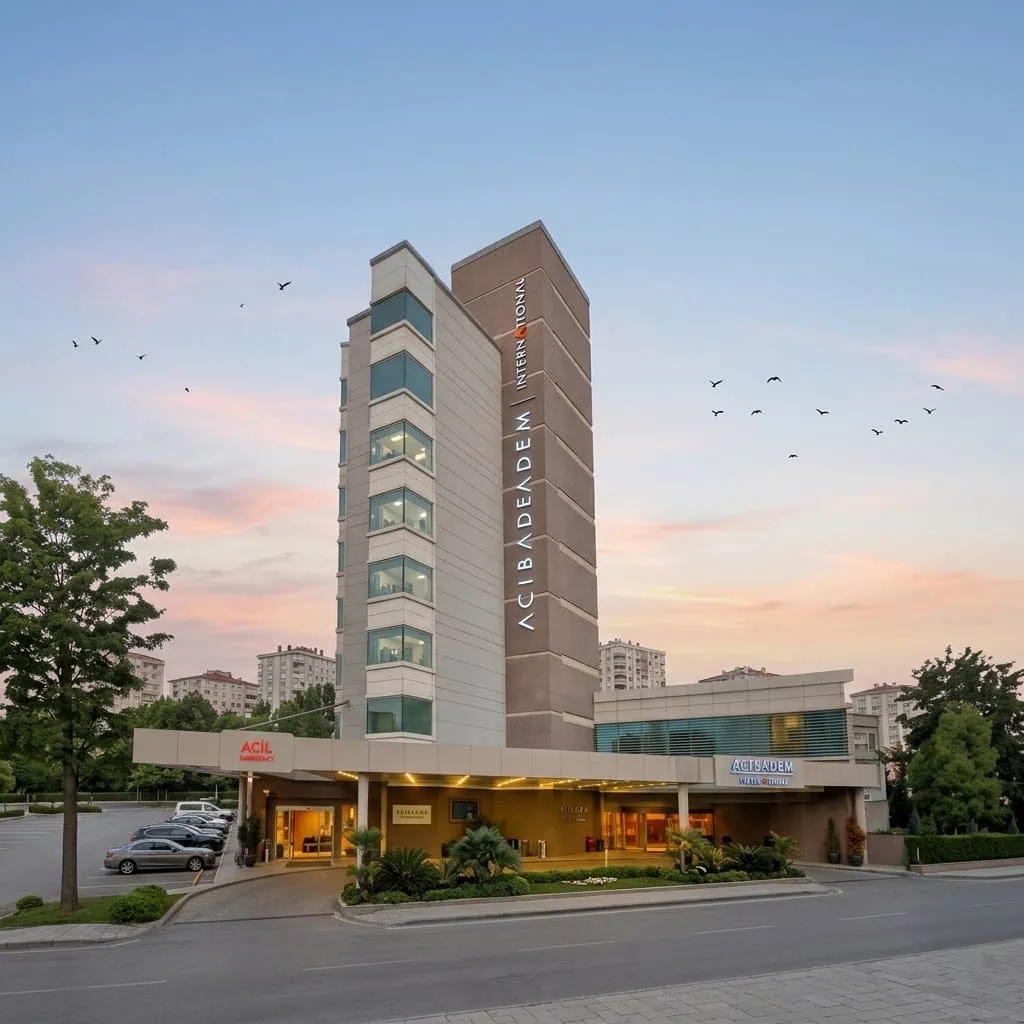
Acibadem International Hospital
Acibadem International Hospital in Türkiye offers multidisciplinary diagnostic and treatment services for local and international patients.
Get directions →
Acibadem International Hospital at a Glance
Acibadem International Hospital carries the longest patient history of any campus in the group: admitting patients in Yeşilköy since 1989, it joined the Acıbadem group in 2005 and has operated under the Acıbadem International name since 2014, three decades of institutional memory in a 19,000 m² building with 112 beds, 26 intensive-care beds across general, open-cardiac-surgery, coronary and neonatal units, and 16 observation beds. Its clinical spine is cardiac: a catheterisation laboratory, open-heart surgery…
The Hospital in Numbers
Rooms & Suites
Choose a room type to see it, every room shares the same clinical infrastructure; suites add space and comfort for companions.
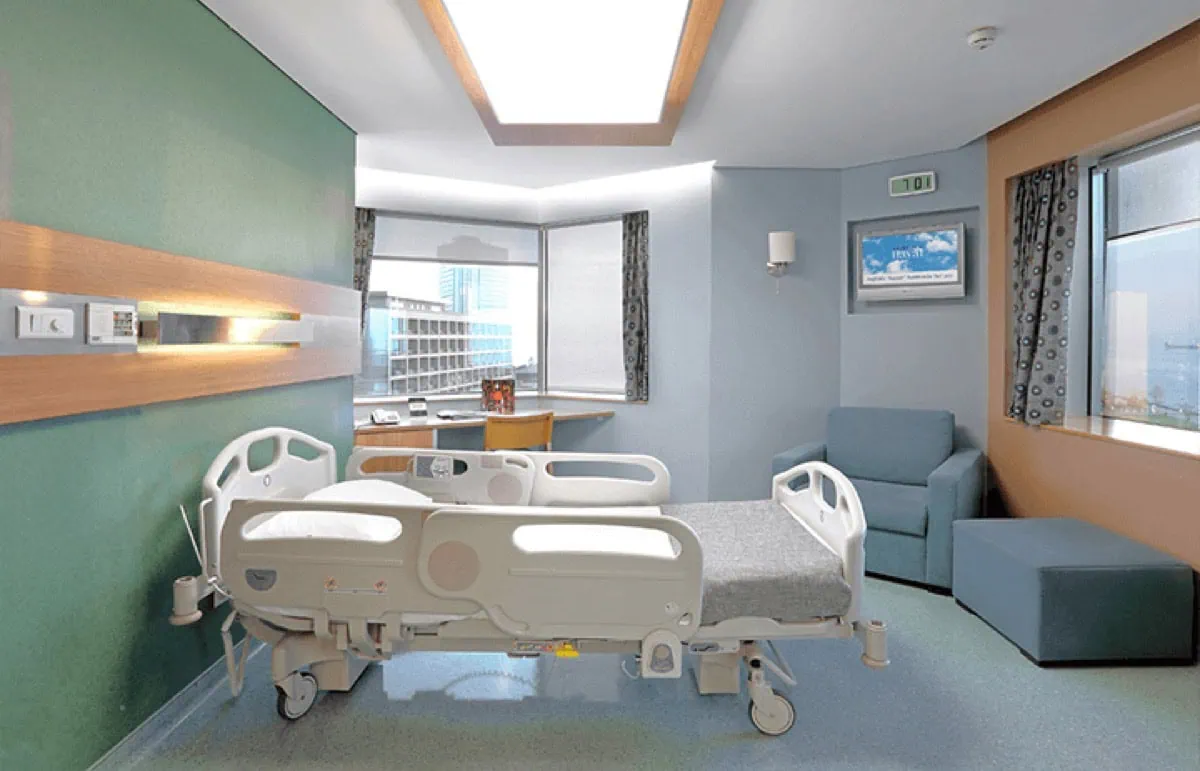 Standard Room
In-Room Features
- Electronic patient-controlled bed
- Spacious bathroom with seat
- Individually adjustable climate control
- Digital assistant service
- Integrated nurse call system
- Personal safe
- Minibar
- Sofa bed for companion
Accessible RoomIn-Room Features
- Electronic patient-controlled bed
- Spacious bathroom with seat
- Individually adjustable climate control
- Digital assistant service
- Integrated nurse call system
- Personal safe
- Minibar
- Sofa bed for companion
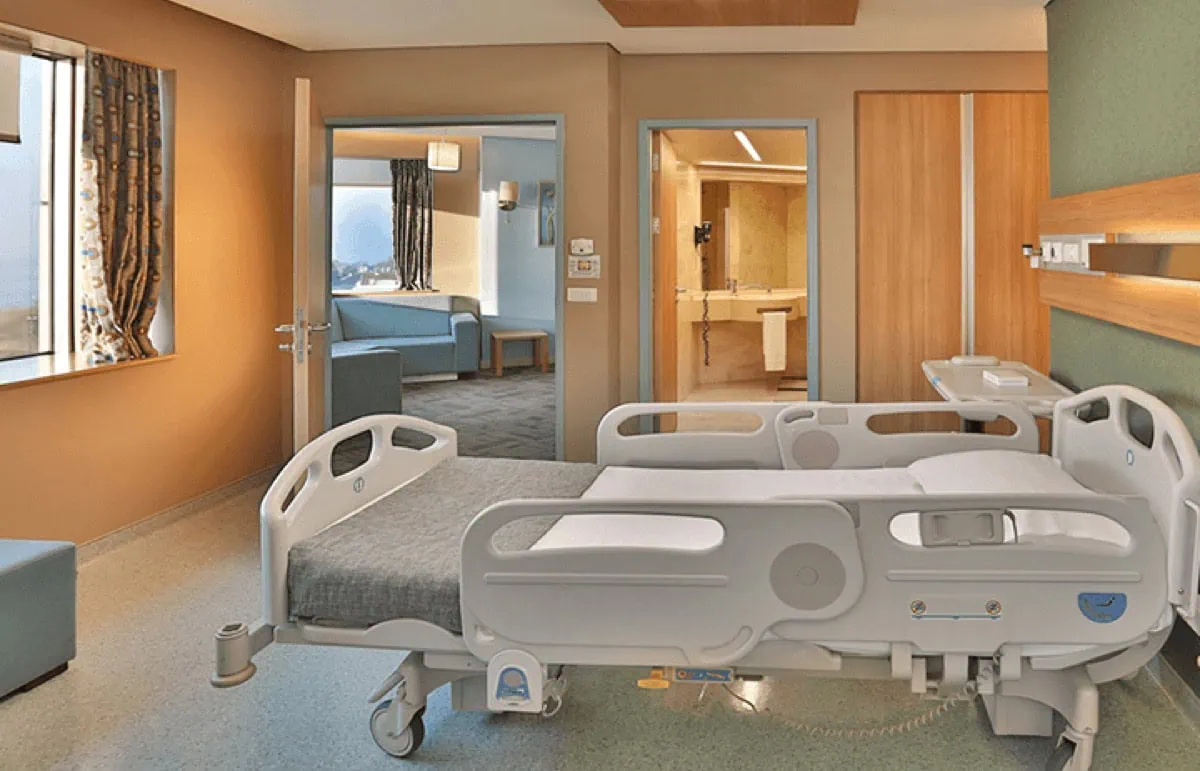 Suite
SuiteIn-Room Features
- Electronic patient-controlled bed
- Spacious bathroom with seat
- Individually adjustable climate control
- Digital assistant service
- Integrated nurse call system
- Personal safe
- Minibar
- Sofa bed for companion
- Companion dining and rest area
Facility Highlights
Organ transplant centre performing kidney transplantation.
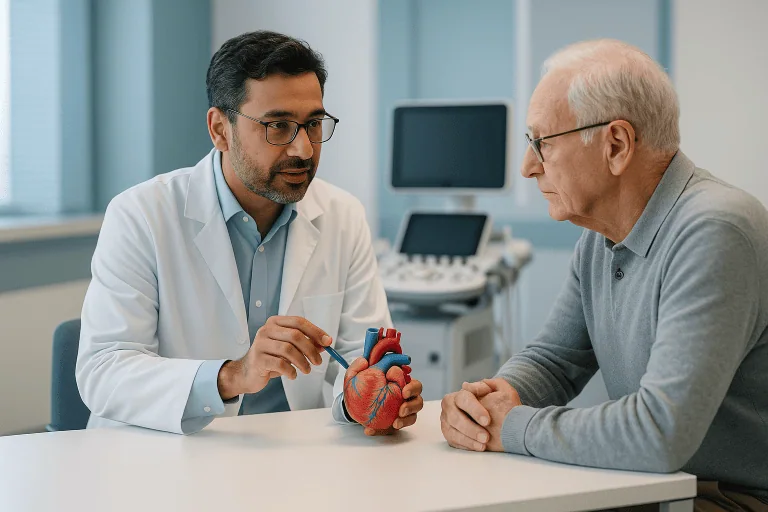
Cardiology and cardiac surgery with a catheter laboratory and post-angiography observation unit.
26 beds across general, open-heart surgery, coronary and neonatal intensive care units, plus 16 observation beds.
IVF and reproductive health, breast health and menopause units; a Baby-Friendly Hospital approach with mother and baby together 24 hours.
Day chemotherapy unit alongside nuclear medicine and radiology.
Brain and nerve surgery and general surgery on a 19,000 m² campus.
Sleep laboratory for the diagnosis of sleep disorders.
Reached from the TEM motorway via the airport exit or from the D100/E5 via Ataköy and the coastal road; paid parking on site.
Amenities & Visiting Guide
- Parking
- Cafeteria
- Prayer room
- Hairdresser
- ATM
- Heliport
Acibadem International Hospital, in depth
Acibadem International Hospital carries the longest patient history of any campus in the group: admitting patients in Yeşilköy since 1989, it joined the Acıbadem group in 2005 and has operated under the Acıbadem International name since 2014, three decades of institutional memory in a 19,000 m² building with 112 beds, 26 intensive-care beds across general, open-cardiac-surgery, coronary and neonatal units, and 16 observation beds. Its clinical spine is cardiac: a catheterisation laboratory, open-heart surgery with its own intensive care, and post-angiography observation floors. Around that spine run kidney transplantation within the group’s Organ Transplant Center scope, IVF, breast health, neurosurgery, thoracic surgery, nuclear medicine and a sleep laboratory.
What this building is organised around
Some hospitals are built; this one accumulated. Three decades on Istanbul’s European coast road have shaped a campus whose strengths map onto what its patients kept needing: hearts above all: the cath lab, the surgical theatres, the coronary and open-heart intensive-care units, the observation beds that follow an angiography, and around them the specialist floors a mature hospital collects: an outpatient chemotherapy unit, a sleep laboratory, a menopause clinic, nuclear medicine for functional imaging. The honest description is a veteran specialist hospital: not the group’s newest architecture, but one of its deepest institutional memories, running at the group’s current standard.
Quality and safety: the honest frame
The hospital runs on the Acıbadem group’s single quality system, surgical checklists, medication-safety routines, infection control and credentialing audited across the group, with diagnostics through the group’s ISO-accredited laboratory network. Five Acıbadem hospitals in Türkiye hold JCI accreditation (Maslak, Altunizade, Atakent, Kent and Adana); International runs on the same protocols those audits examine, and this page says that plainly rather than borrowing a badge. Its own credential is time: a patient community that has trusted the same address since 1989 is an audit of a different kind, renewed daily.
The cardiac spine, cath lab to surgery to intensive care
Cardiac health is the campus’s named weight, and the infrastructure runs the whole pathway: the cardiology unit’s diagnostic and interventional work in the catheterisation laboratory, post-angiography observation units for the hours that follow, cardiovascular surgery for the bypass and valve decisions, and an open-cardiac-surgery intensive care unit distinct from the general and coronary units: the separation that lets each floor do its own medicine well. For the western districts and the coast road, a heart question has had this address for a generation.
Kidney transplantation and the specialist programmes
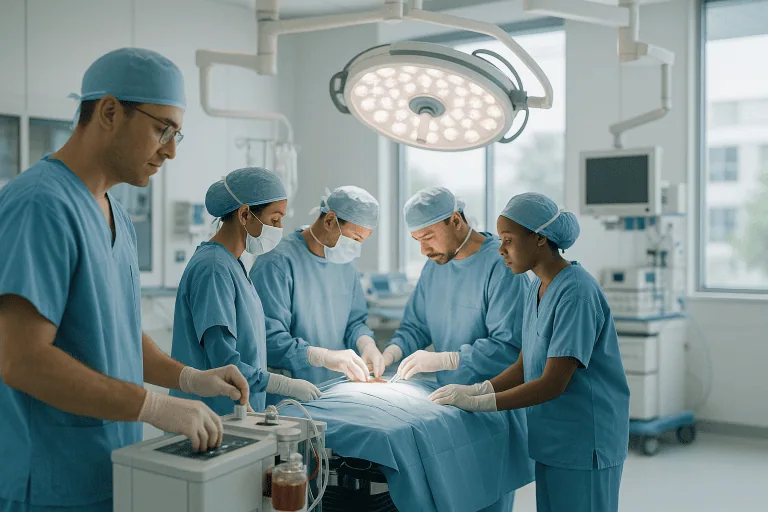
Kidney transplant surgeries are performed at this campus within the scope of the group’s Organ Transplant Center: the transplantation unit guide explains candidacy, Türkiye’s living-donor-weighted framework and the lifelong follow-up honestly. The specialist floors carry programmes a veteran hospital accumulates: nuclear medicine for functional imaging, thoracic surgery for the chest’s operative range, neurosurgery for the brain and spine work this building’s theatres support, an outpatient chemotherapy unit delivering tumour-board-planned systemic treatment, and a sleep laboratory for the diagnostics of the night.
Women’s health and the fertility pathway
The campus carries an in-vitro fertilisation centre: the IVF unit guide’s honest success framing applying in full, alongside breast health diagnostics and a menopause outpatient clinic, the kind of specific, unglamorous clinic that a hospital keeps only because its patients actually need it. Gynaecology and obstetrics and the neonatal intensive-care unit complete the pathway, with paediatrics behind them for the families of the western districts.
Technology, honestly framed
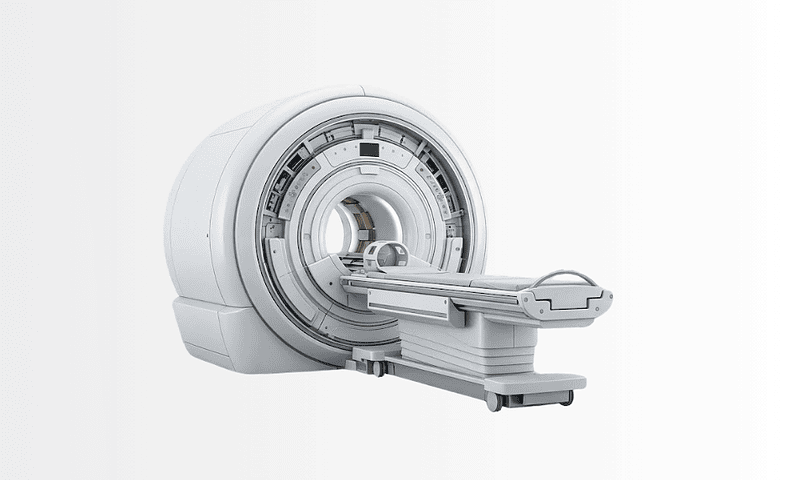
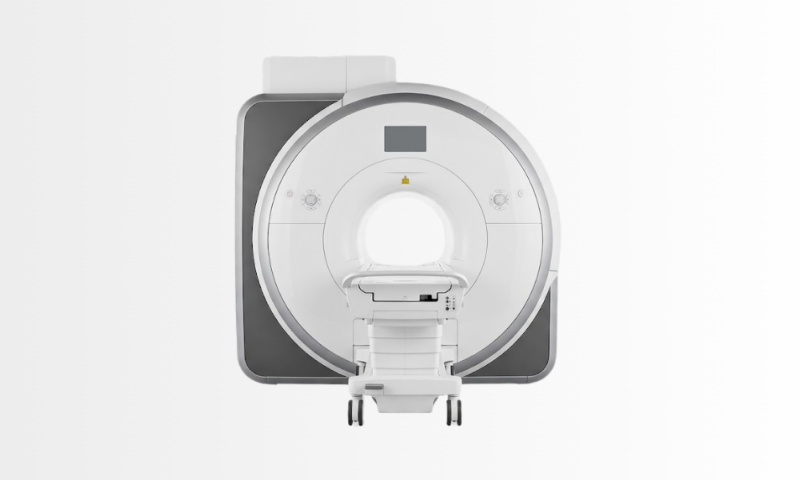
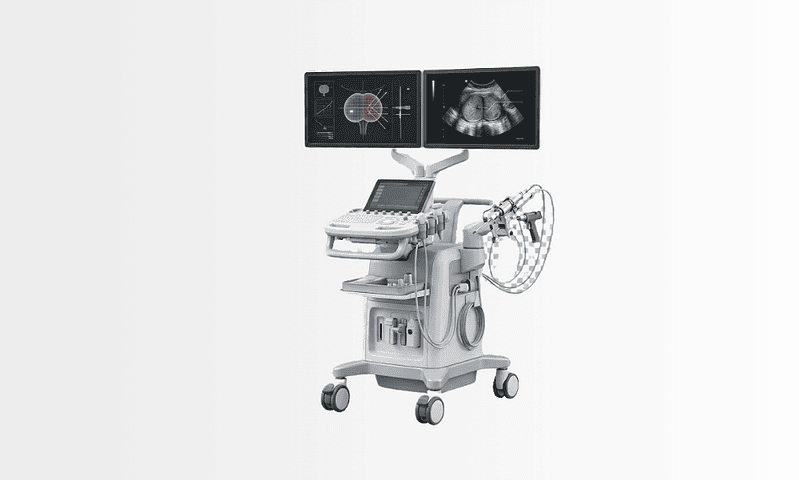
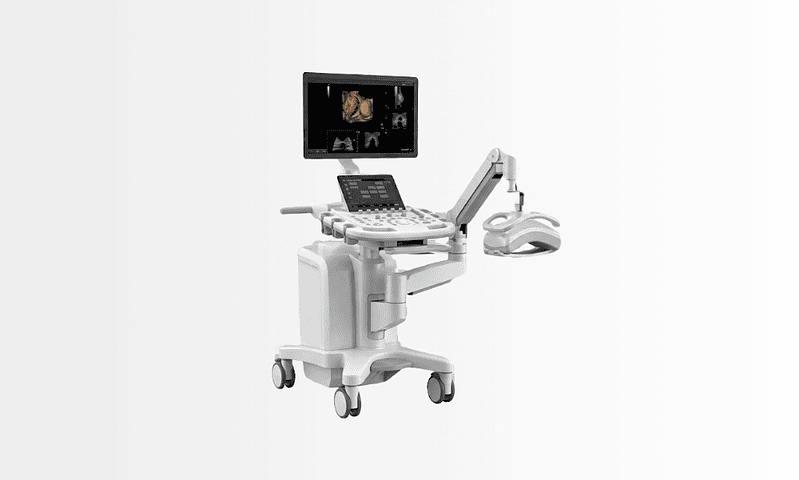
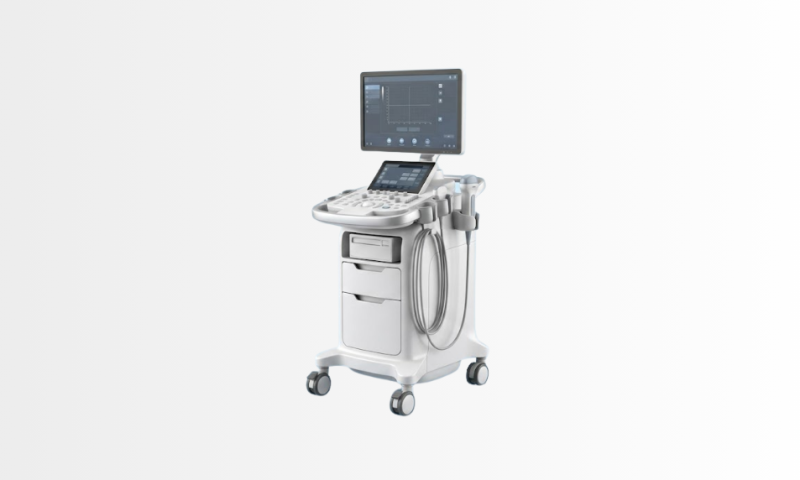
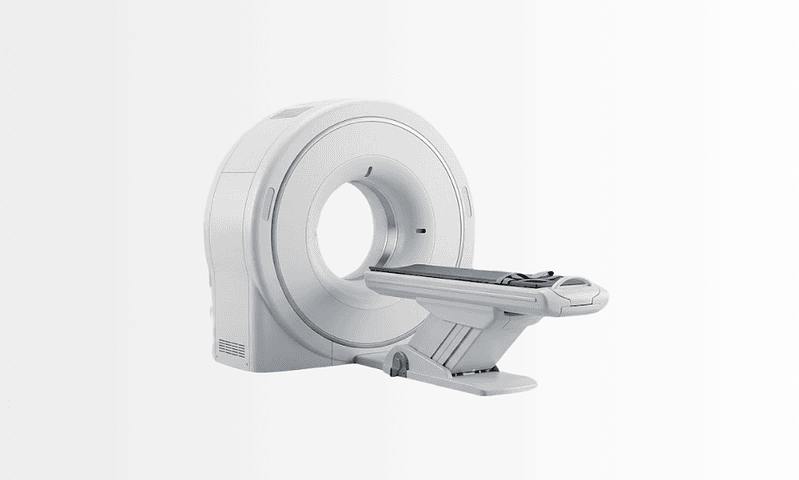
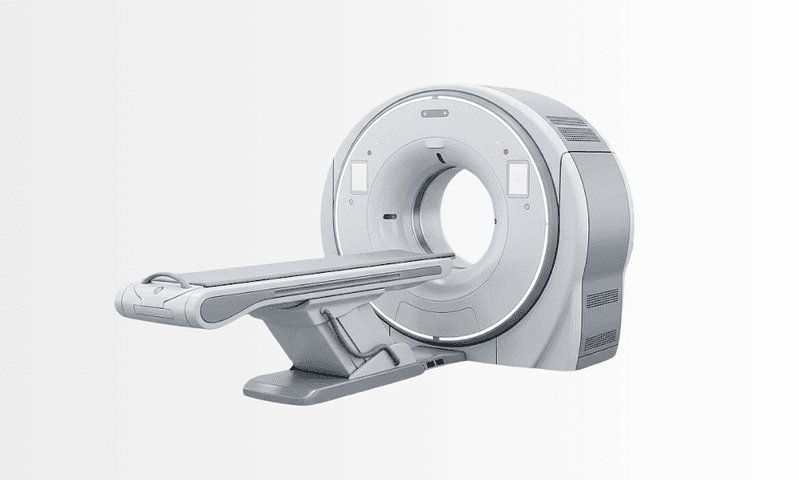
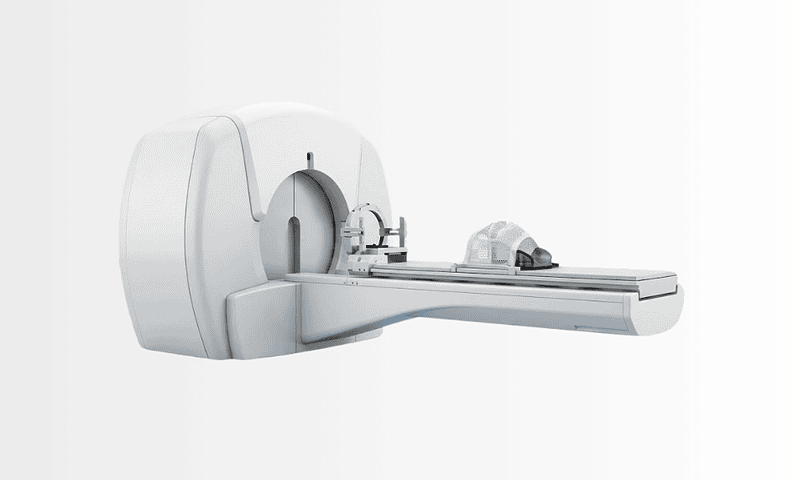
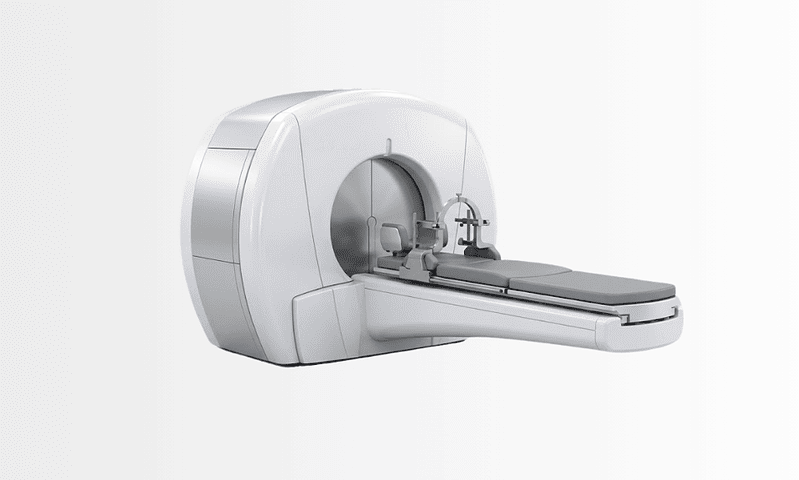
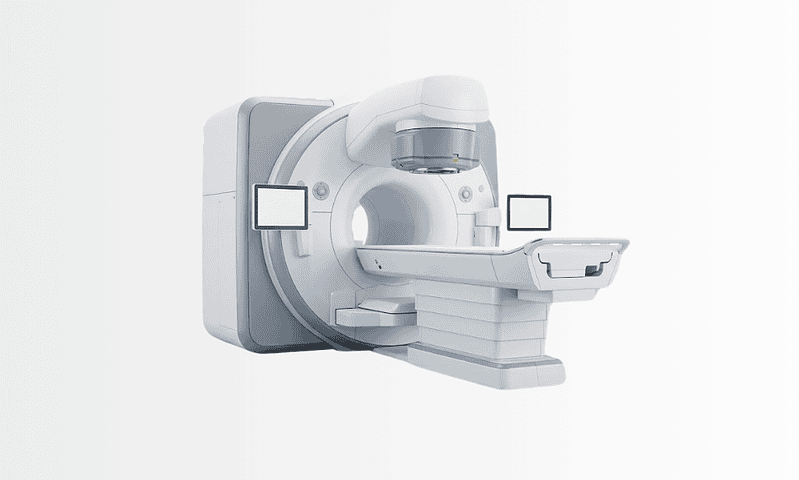
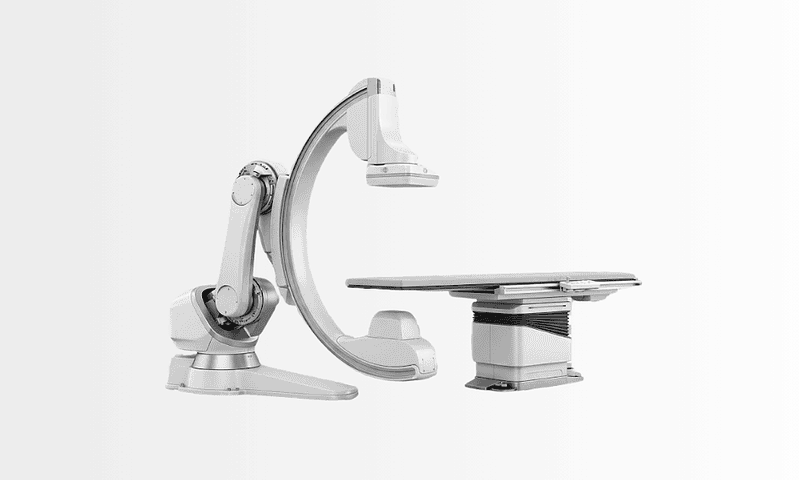
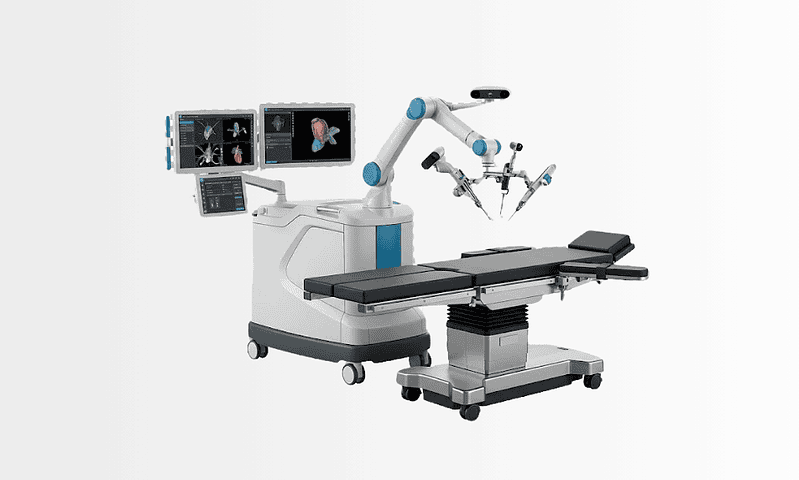
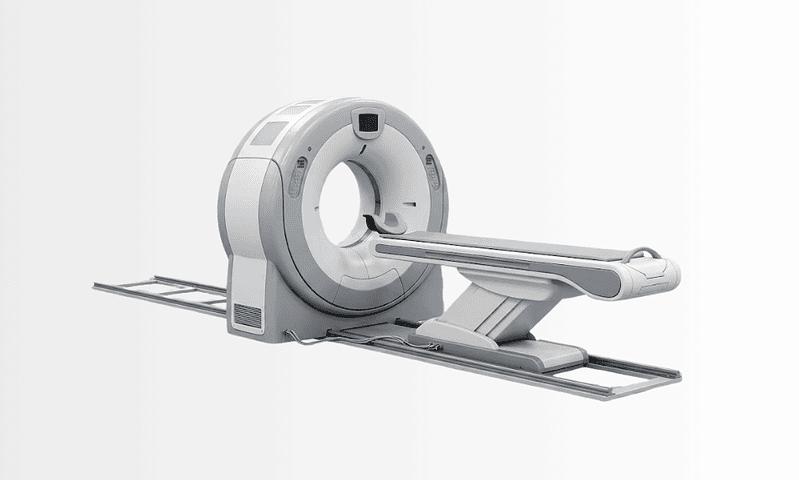
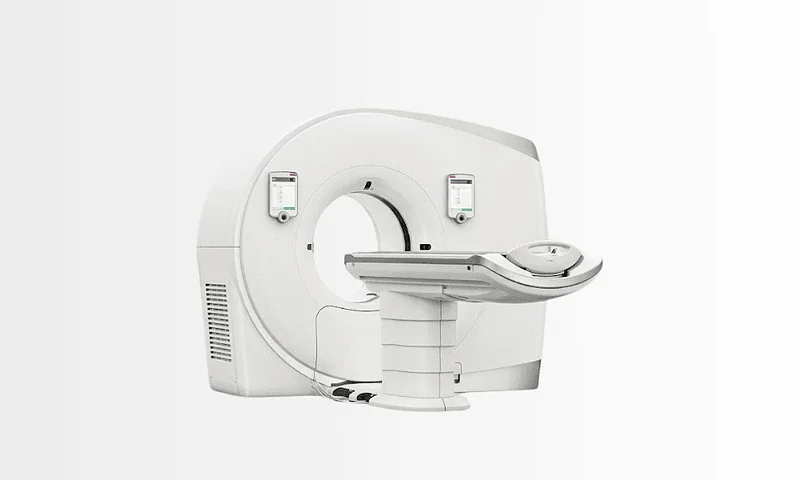
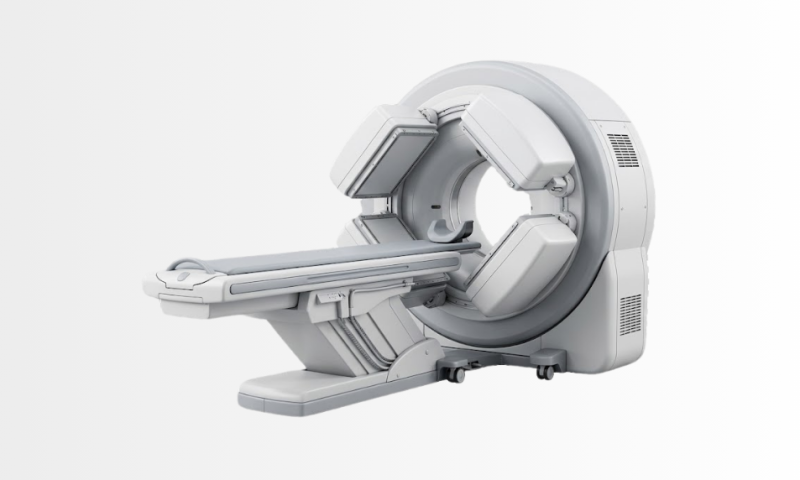
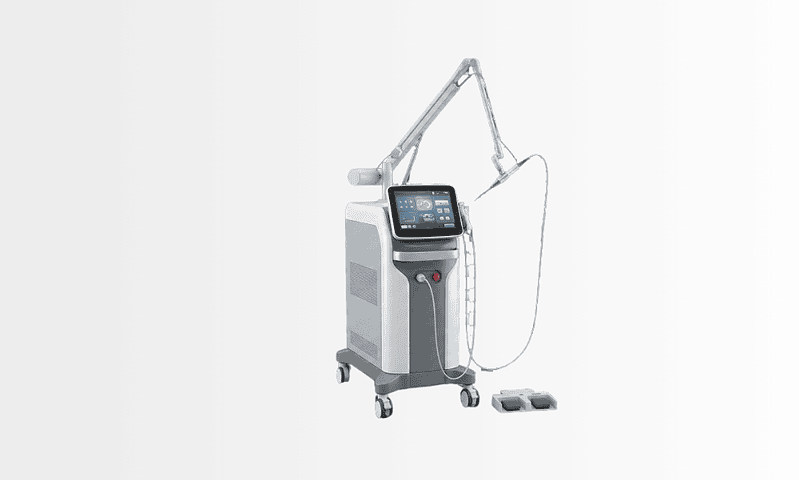
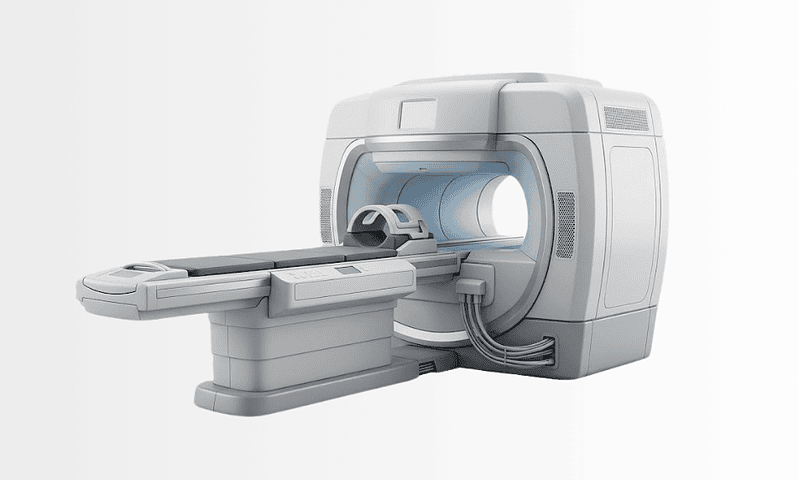
The installation matches the identity: a catheterisation laboratory, open-heart theatres and their dedicated intensive care, nuclear medicine, a sleep laboratory, modern imaging and the group’s laboratory network. The standing rule applies: when a plan genuinely needs a machine this campus does not house: MR-Linac at Maslak, Gamma Knife or Tomotherapy at Altunizade, the flagship cancer floors’ heavy installations: the coordinators route you there and say why, your file travelling ahead. Thirty-five years of reputation were built on exactly that kind of sentence.
International patients at the veteran campus
The name is historical, but the service is literal: the group’s records-first process applies exactly as at the flagships, reports and imaging reviewed before travel, a written plan and cost estimate, interpreter support (English, Arabic, Russian, German and French routinely), and discharge notes written for the doctor continuing care at home. Yeşilköy’s position on the European coast road serves the western districts’ international residents, and the campus’s cardiac depth gives visiting patients a specific reason to choose it: a heart pathway, from catheterisation to surgery to monitored recovery, under one veteran roof.
Getting here
The hospital stands in Yeşilköy on Istanbul’s European side, on İstanbul Caddesi, with the full address, map link and phone in the identity card at the top of this page. The coast road and Marmaray rail serve the district, Istanbul Airport connects by the main western routes, and the coordinators arrange transfers for planned visits as standard.
How to decide whether International is your hospital
Choose International when its accumulated strengths match your question: a cardiac pathway from cath lab to surgery to dedicated intensive care, a kidney transplant work-up, chemotherapy near home in the western districts, IVF, breast diagnostics, thoracic or neurosurgical operations this building supports, or a sleep-laboratory answer to the night’s questions. Choose a flagship when your case is a programme built on installations only they house, and expect that routing early, file included. A hospital that has kept one promise since 1989 does not start hedging now.
Frequently asked questions
How old is Acibadem International Hospital?
The campus has admitted patients since 1989, the longest patient history in the group, joining Acıbadem in 2005 and carrying the Acıbadem International name since 2014.
What is the hospital best known for?
Cardiac care: a catheterisation laboratory, open-heart surgery and a dedicated cardiac intensive-care unit, alongside kidney transplantation, IVF, breast health, nuclear medicine and a sleep laboratory.
How big is the hospital?
19,000 m² with 112 beds, 26 intensive-care beds across general, open-cardiac-surgery, coronary and neonatal units, and 16 observation beds.
Where exactly is the hospital?
In Yeşilköy on Istanbul’s European side, full address, map link and phone in the identity card at the top of this page.
Is the hospital JCI-accredited?
Honestly: the JCI-accredited Acıbadem hospitals in Türkiye are Maslak, Altunizade, Atakent, Kent and Adana; International runs on the same group-wide audited protocols with ISO-accredited laboratories behind its diagnostics.
Are kidney transplants really performed here?
Yes, kidney transplant surgeries are performed at this campus within the scope of the group’s Organ Transplant Center, with the work-up and lifelong follow-up the unit guide describes.
Is there a catheterisation laboratory on site?
Yes, with post-angiography observation units for the hours that follow, and open-heart surgery with its own intensive care behind it when intervention is not enough.
Is there a 24-hour emergency service?
Yes, around the clock at group standard, with theatres and four kinds of intensive care in the same building.
Can chemotherapy be received at this campus?
Yes: the outpatient chemotherapy unit delivers systemic treatment planned through the group’s tumour boards, near home for the western districts.
What is the sleep laboratory for?
Diagnosing the night’s disorders, apnoea above all, with monitored sleep studies; the pulmonology and ENT pathways then carry treatment.
Is IVF available here?
Yes: the campus houses an in-vitro fertilisation centre, with the IVF unit guide’s honest success framing applying in full.
Is there a menopause clinic?
Yes: a dedicated menopause outpatient clinic, kept because its patients need it: symptom management, bone health and honest hormone-therapy counselling.
What is nuclear medicine used for?
Functional imaging, thyroid, cardiac and oncological questions answered by how tissue behaves rather than how it looks, with the unit guide explaining the common scans.
Which languages are supported?
English, Arabic, Russian, German and French routinely, with other languages arranged through the international office.
Do I need an appointment for the emergency service?
No, emergencies are walk-in by definition; the records-first process applies to planned care only.
How does the records-first process work?
Reports and imaging reviewed remotely, a written plan and cost estimate, and scheduling coordinated so the visit is as short as the medicine allows.
Can my travel insurance be used here?
The international office handles travel-insurer and guarantee-letter paperwork routinely; for planned care confirm coverage in writing before treatment.
How does payment work?
A written estimate precedes planned care; for emergencies, treatment comes first and paperwork is sorted with you or your insurer after stabilisation.
Can my companion stay with me?
Yes, rooms accommodate companions, and the intensive-care units have their own explained visiting protocols.
Which airport should I use?
Istanbul Airport connects most directly to the European side; transfers for planned visits are arranged by the international office as standard.
Are births attended at this hospital?
Yes, with a neonatal intensive-care unit among the campus’s four intensive-care units, which is the fact that matters when a birth stops being routine.
Can I get laboratory tests and imaging done quickly?
Yes, same-visit diagnostics through the group’s ISO-accredited laboratory network, on-site imaging and nuclear medicine, readable at every Acıbadem campus.
Do you repeat tests I already had?
Only for a stated reason, existing studies are integrated wherever usable, exactly as across the group.
Can I get a second opinion here?
Yes, including written records-based opinions without a visit; for cardiac and transplant questions that is precisely the right first step.
Is breast health a named service?
Yes, breast diagnostics with imaging, biopsy and honest triage, and tumour-board planning behind any diagnosis that needs it.
Is thoracic surgery performed here?
Yes: the chest’s operative range within this building’s theatre and intensive-care support, with the unit guide’s honesty about which cases belong at a flagship.
What happens if my case needs a machine International does not house?
The coordinators route you within the group: MR-Linac at Maslak, Gamma Knife and Tomotherapy at Altunizade, the flagship cancer floors, with transport coordinated and the reason stated.
Will my doctor at home receive a handover?
Always, discharge notes and planned-care summaries are written for the clinician continuing your care, with imaging and laboratory data included.
What should I bring to a planned visit?
Reports and scans in any language, a complete medication list including supplements, and your written questions: the records-first rule.
Why choose International over a newer campus?
For what only time builds: a cardiac pathway complete under one roof, kidney transplantation, three decades of institutional memory at one address, and the group’s current standard and honest routing behind all of it.
Medical Units at This Hospital
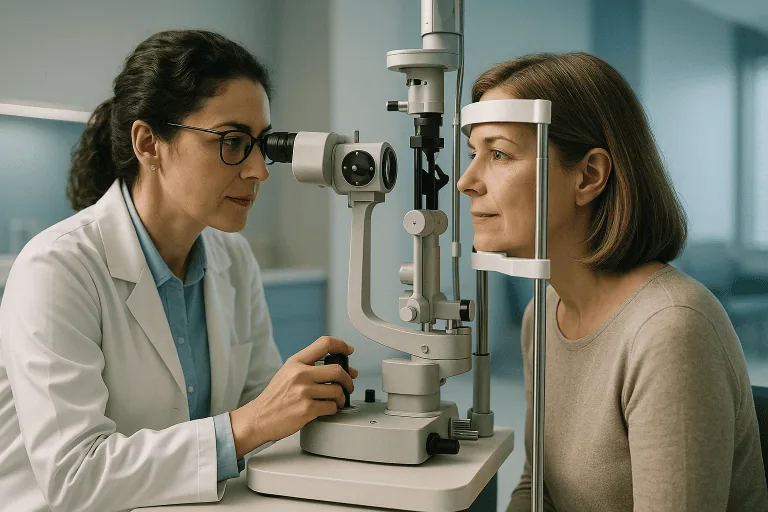
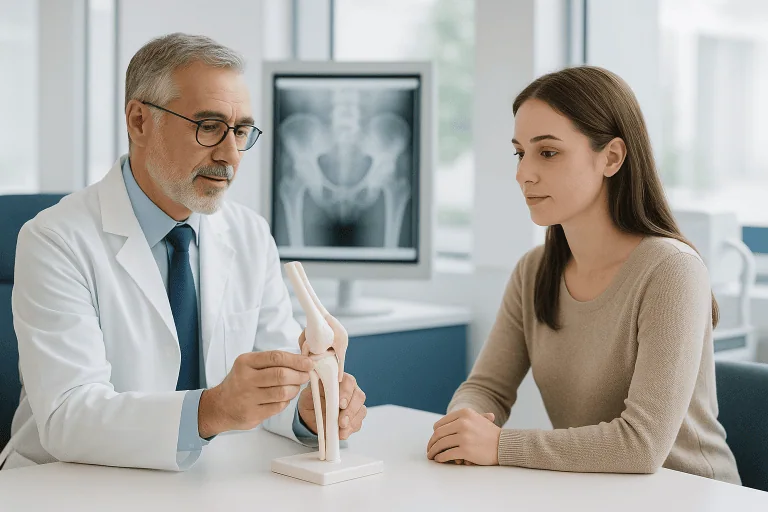
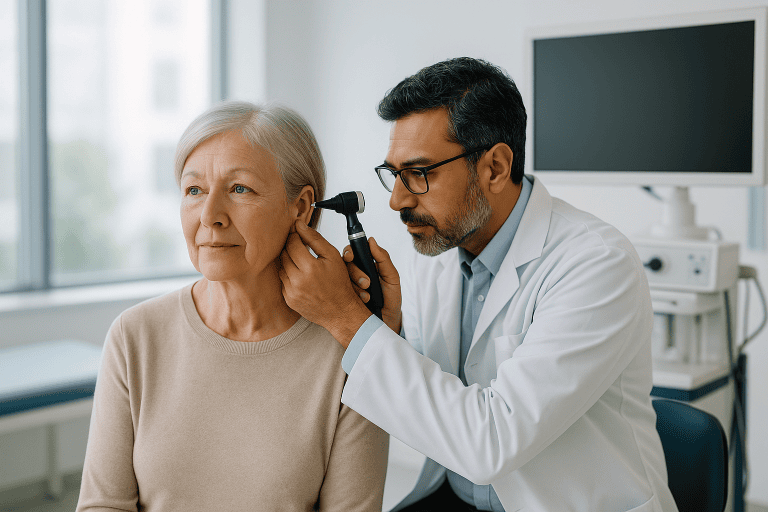
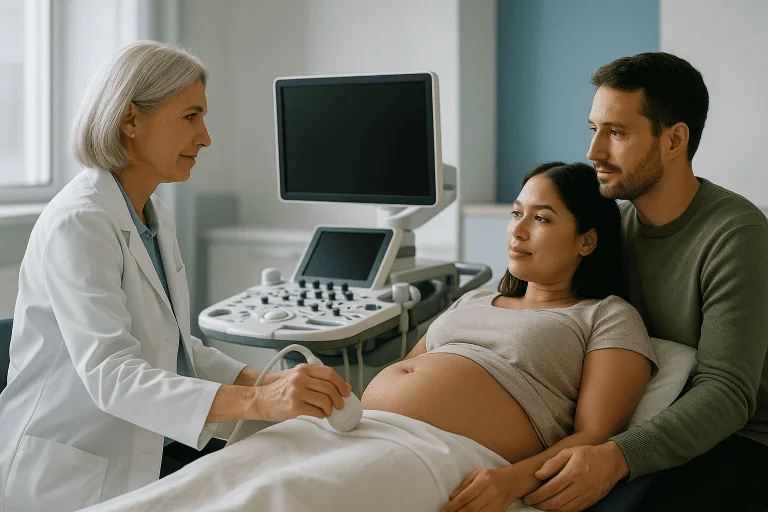
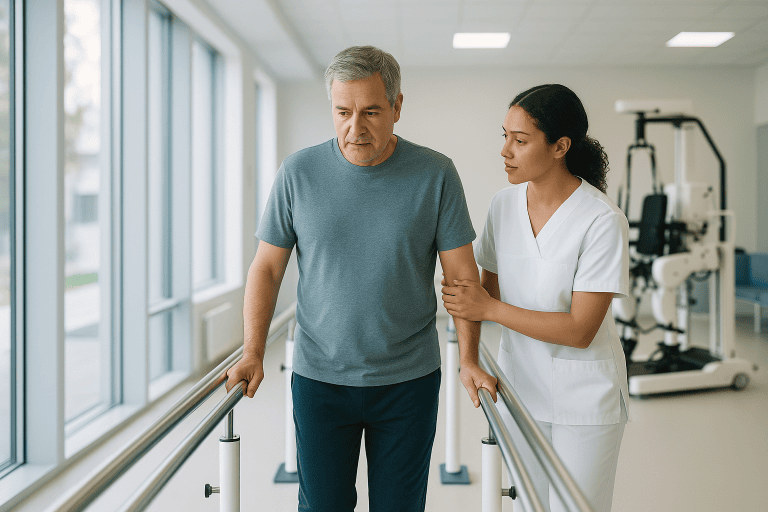
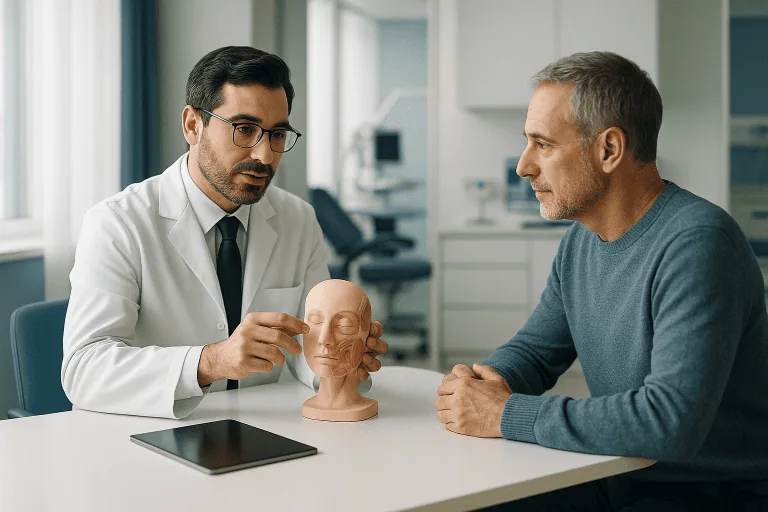
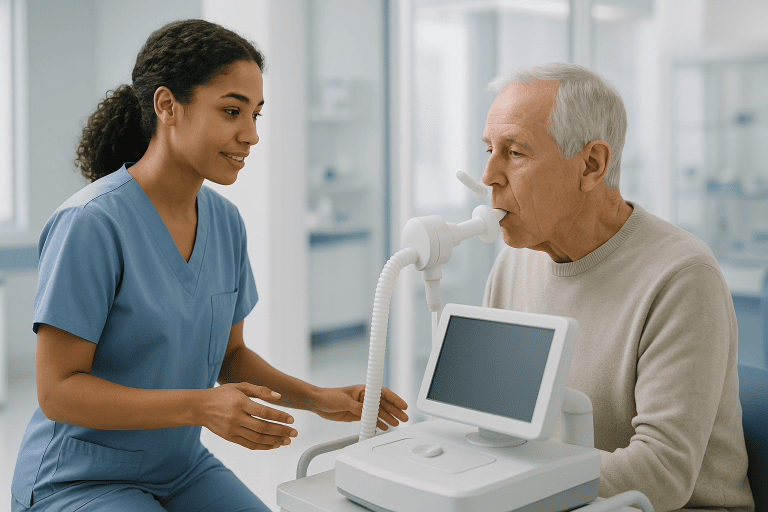
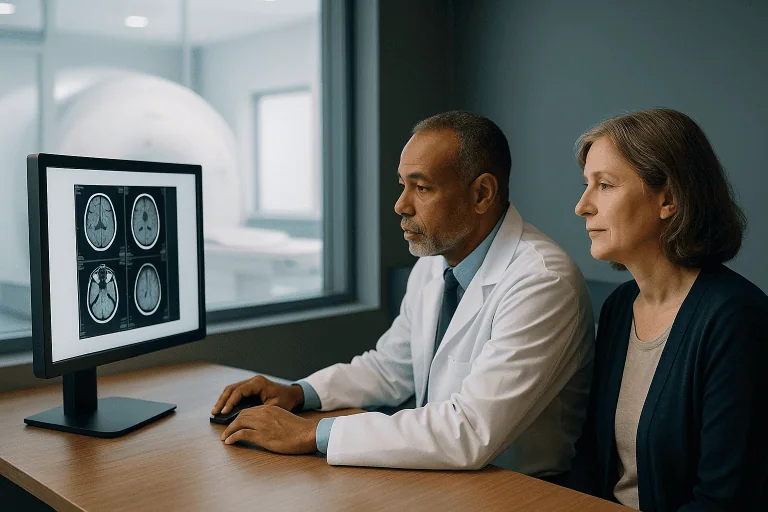
Every department that sees patients here, each one opens its own page with the team, technologies and treatments.
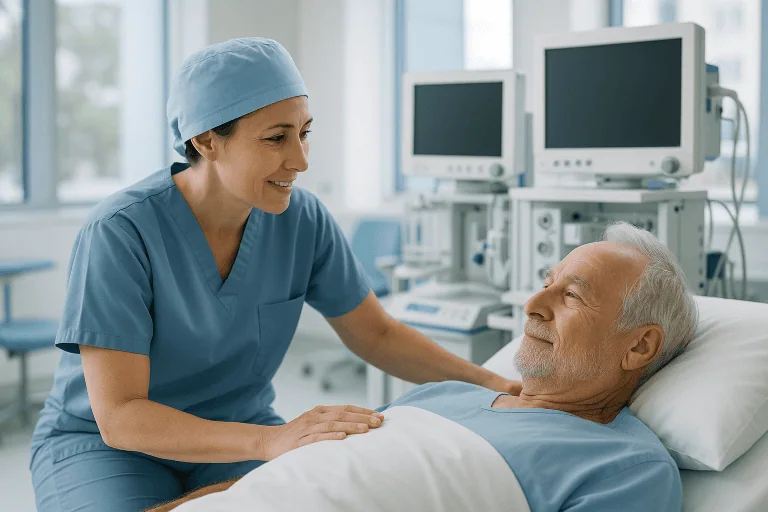
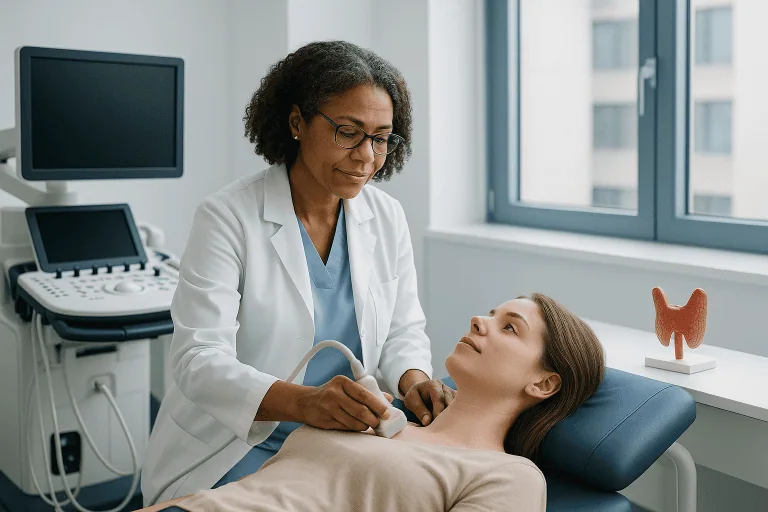
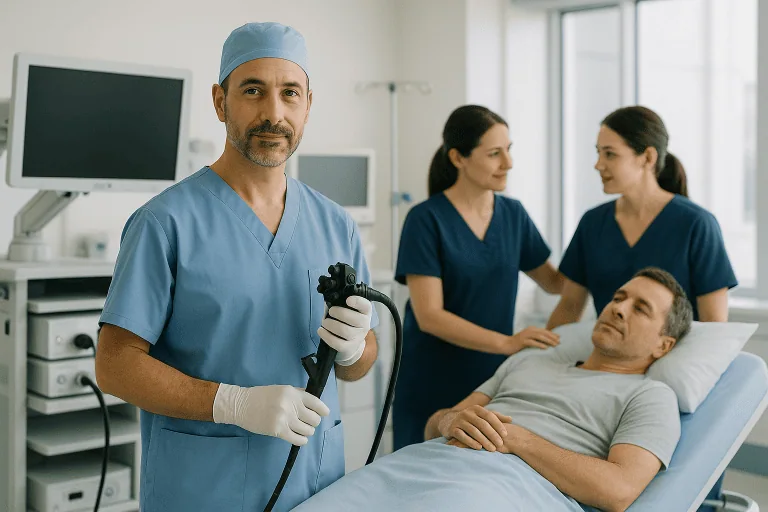
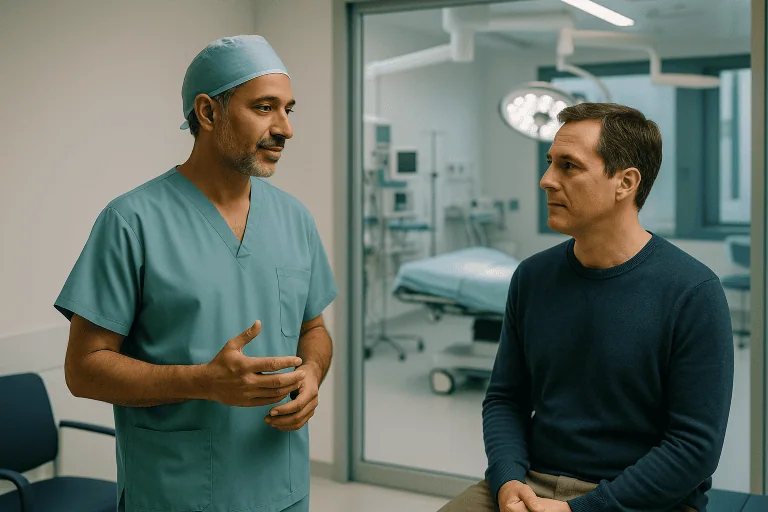
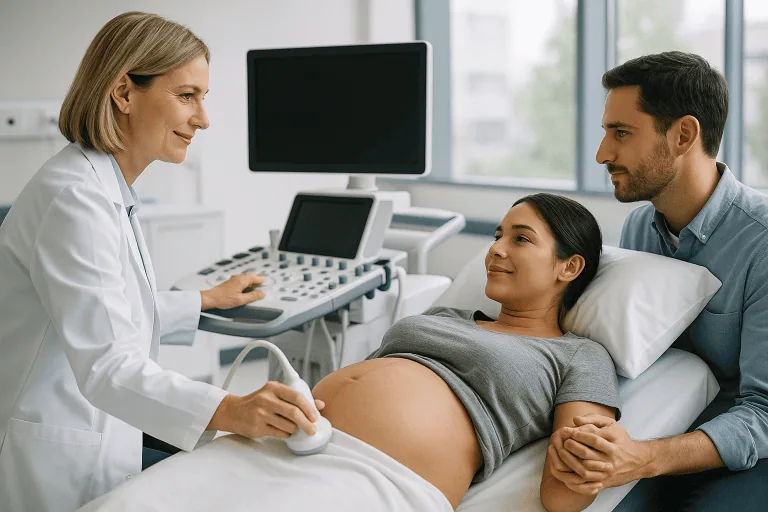




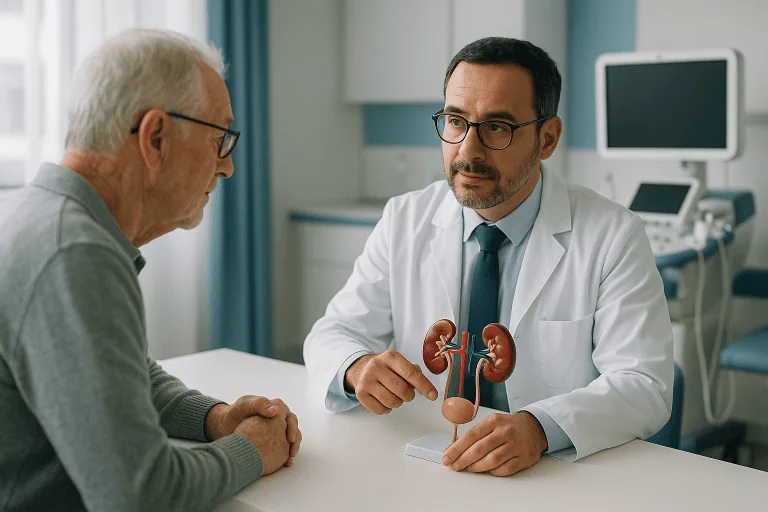
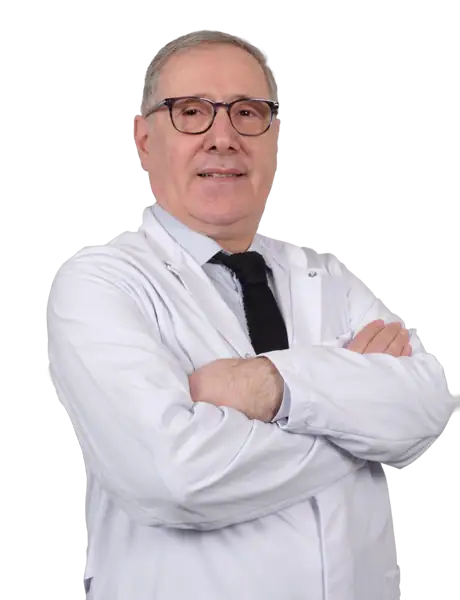
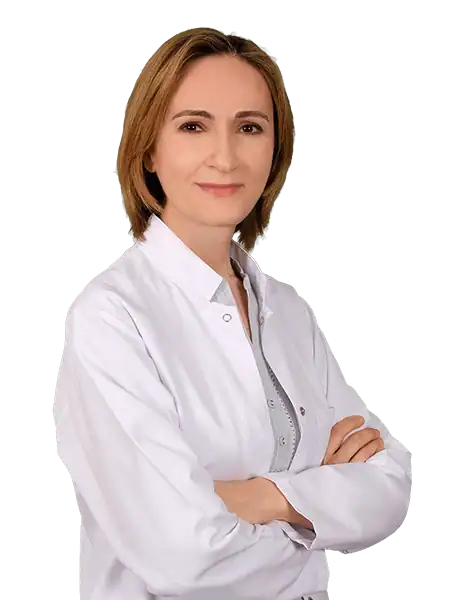
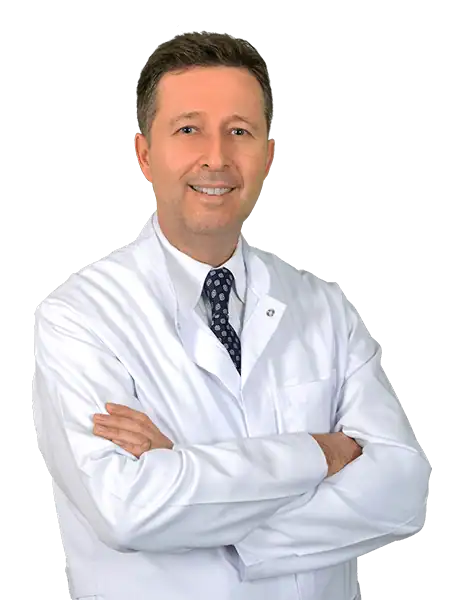
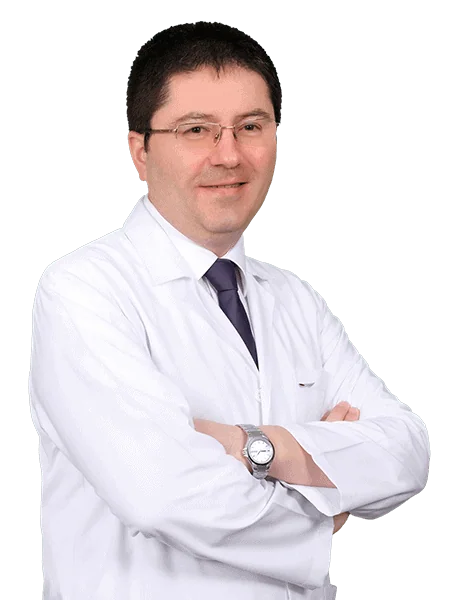
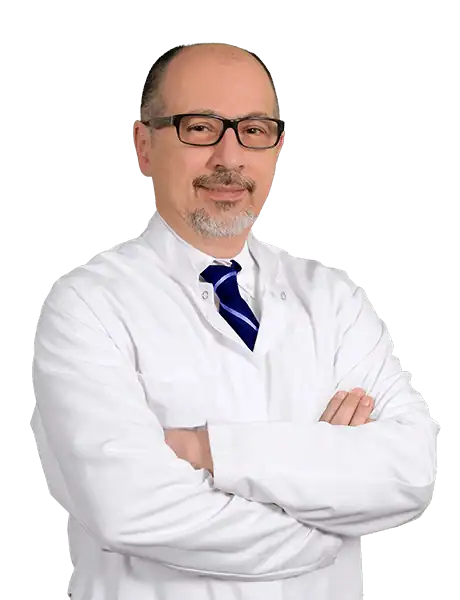
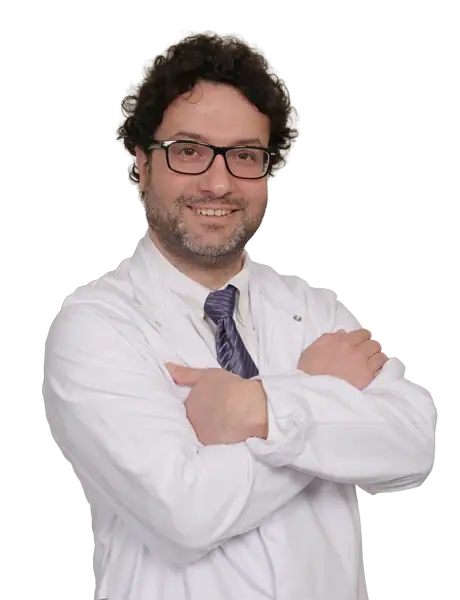
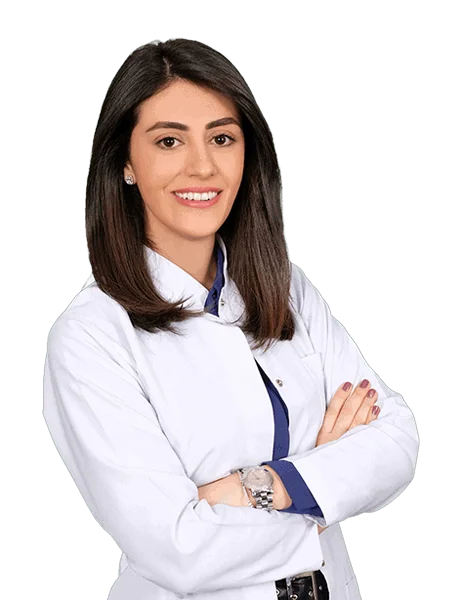
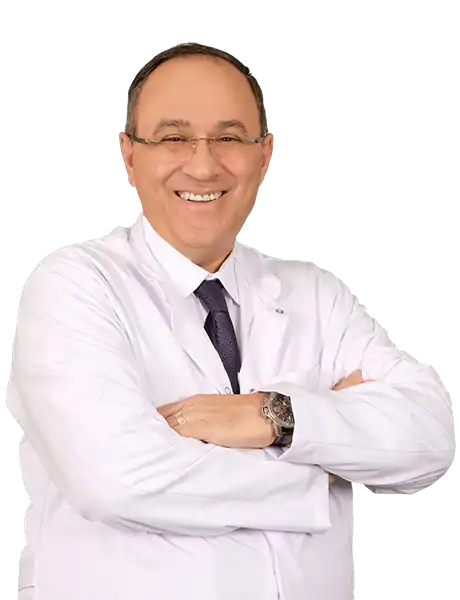
Doctors at This Hospital, Field by Field
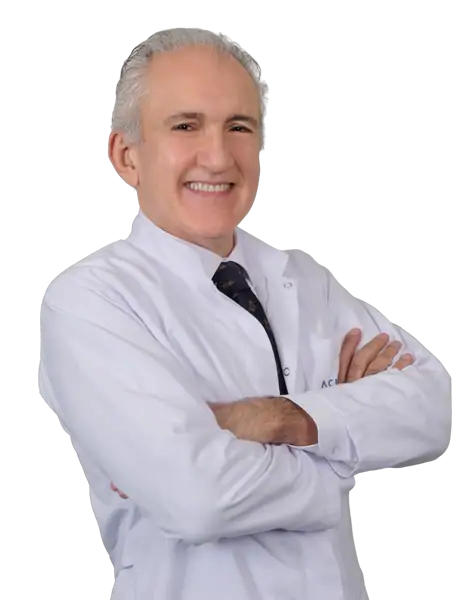
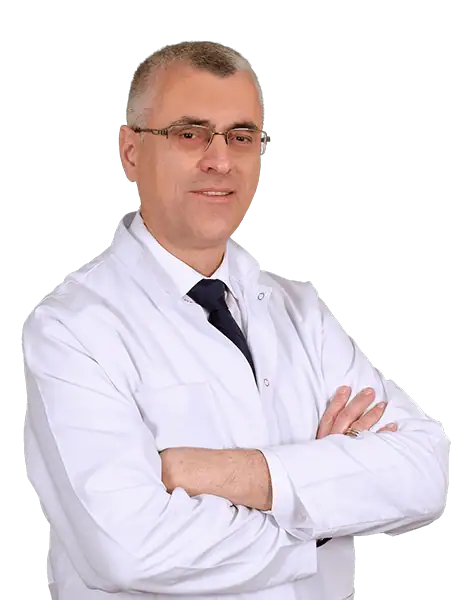
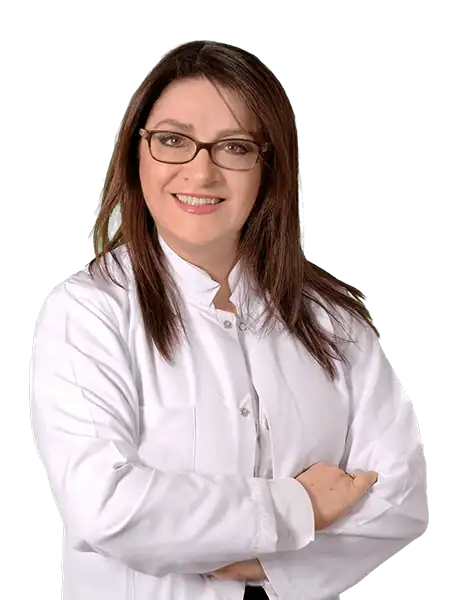
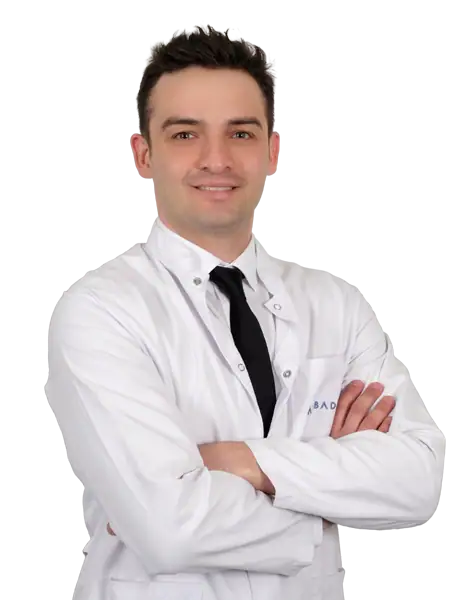
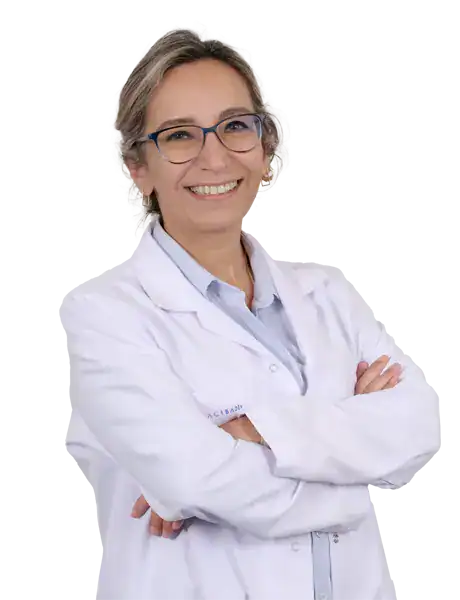
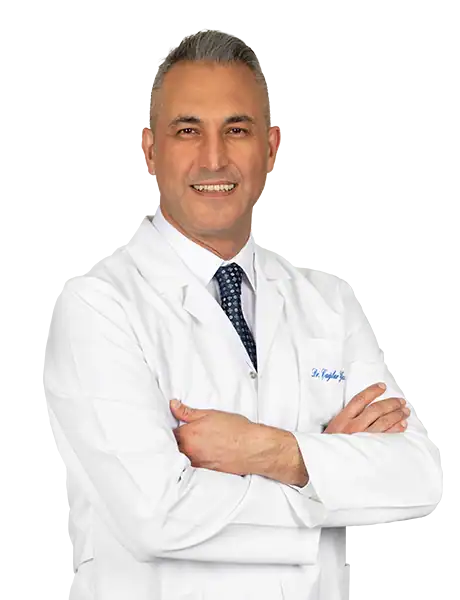
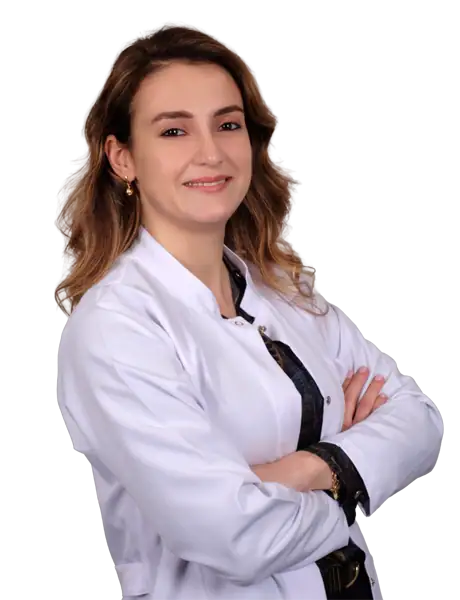
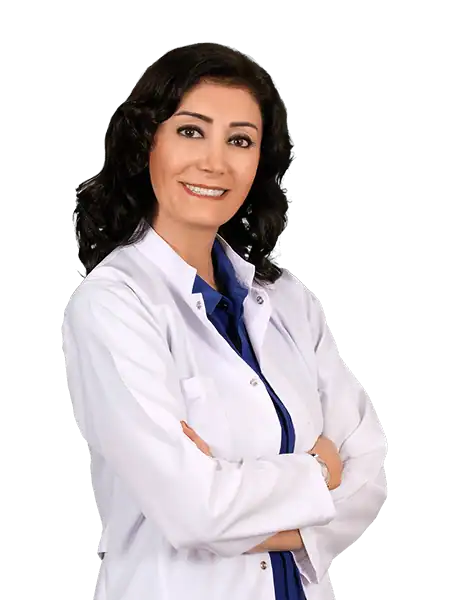
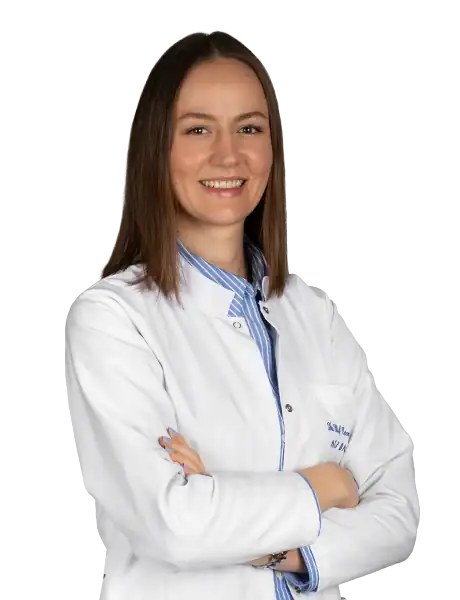
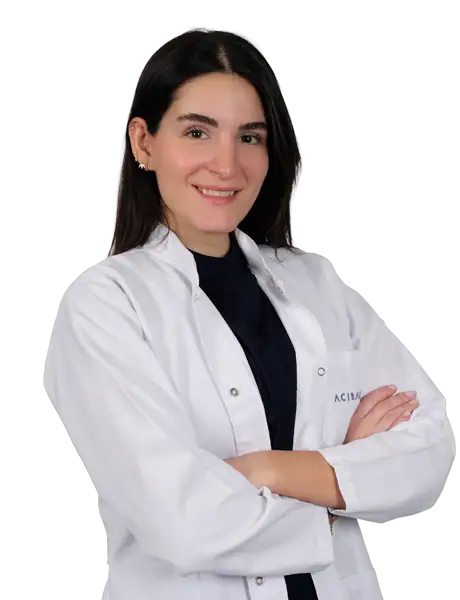
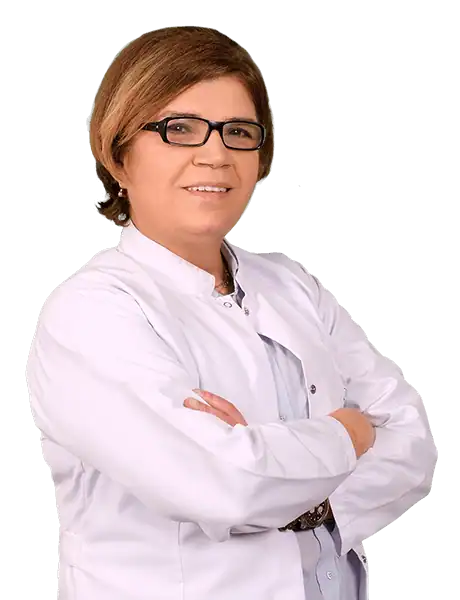
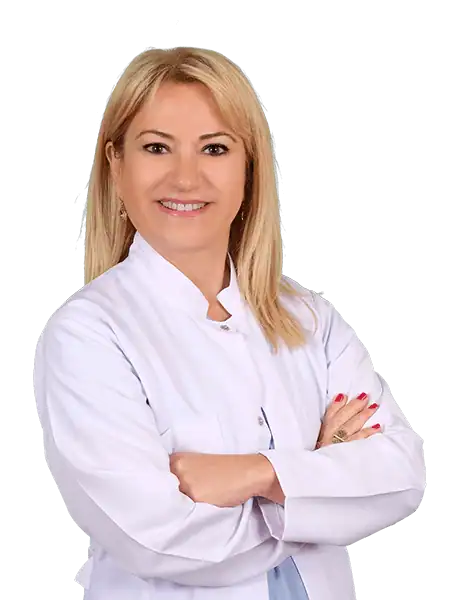
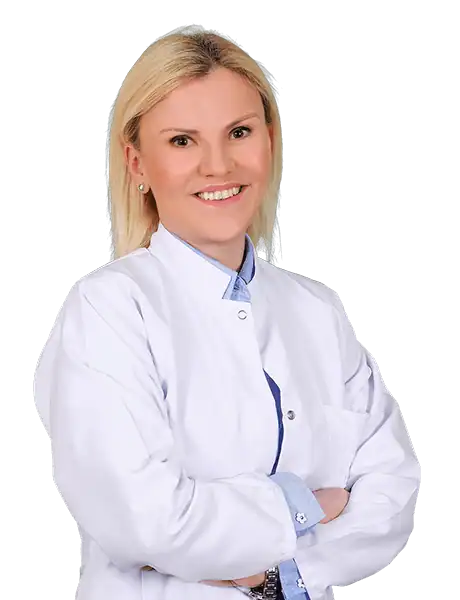
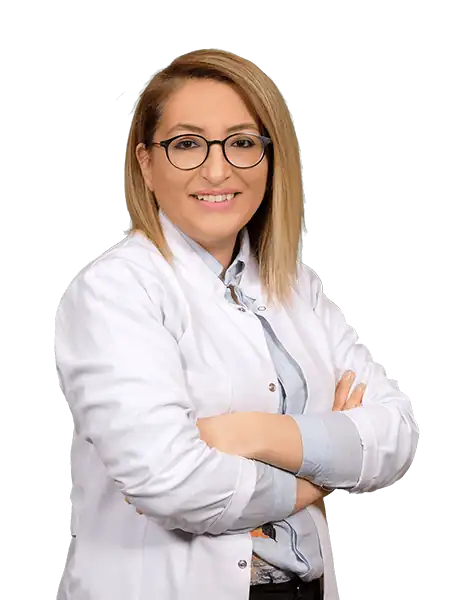
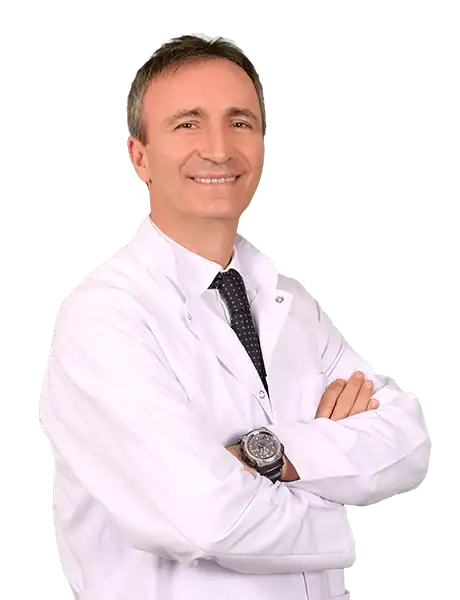
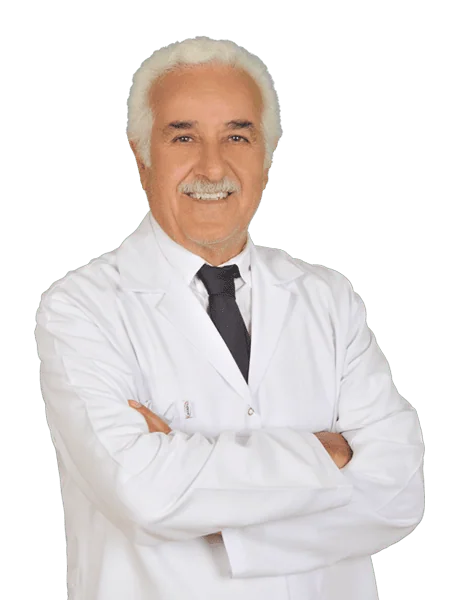
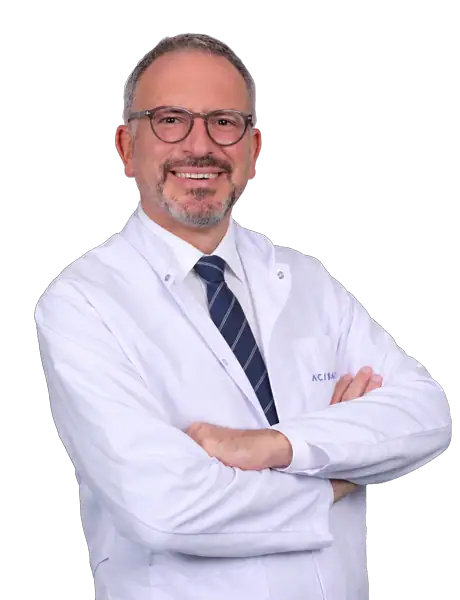
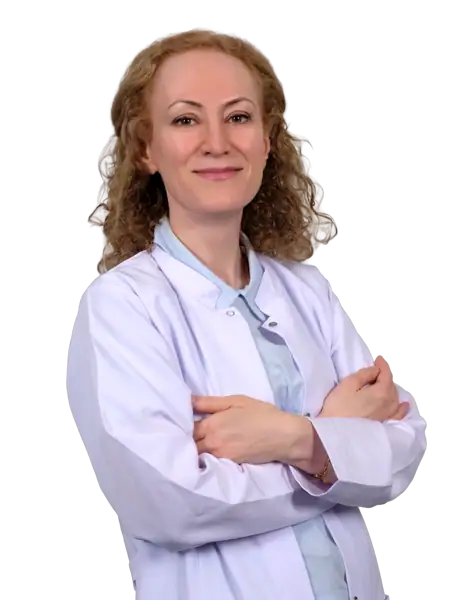
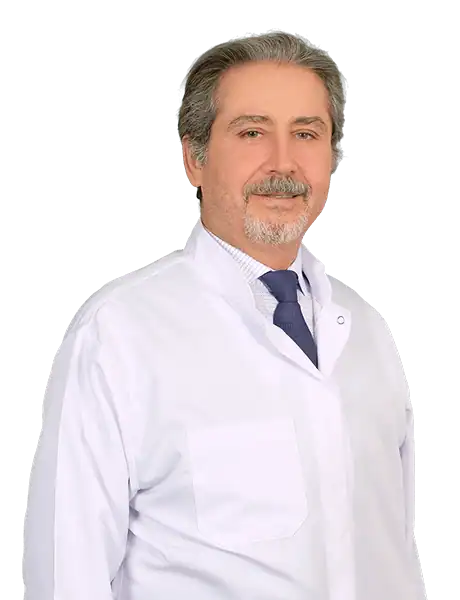
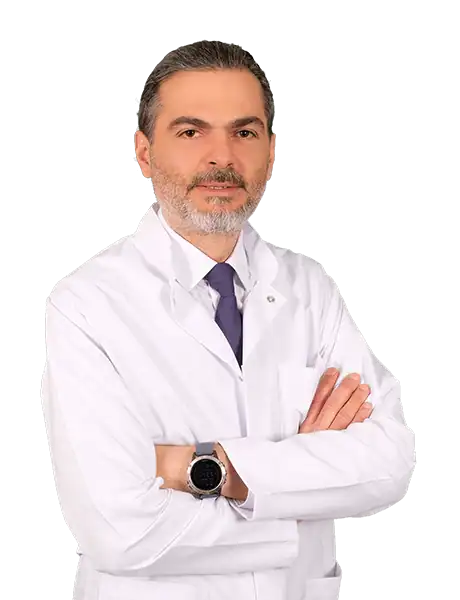
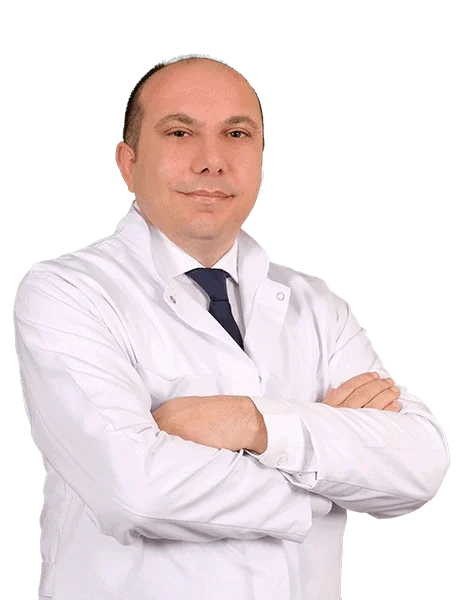
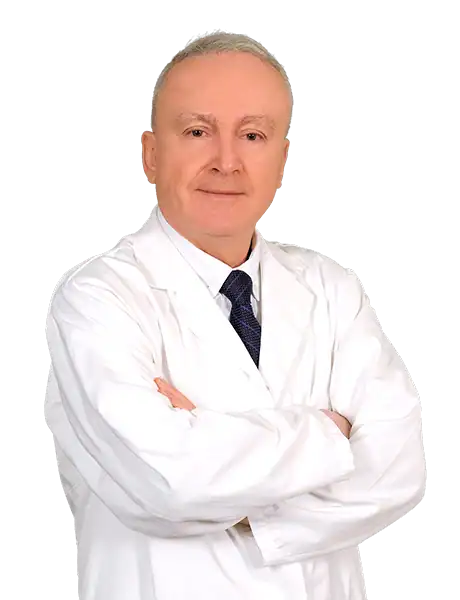
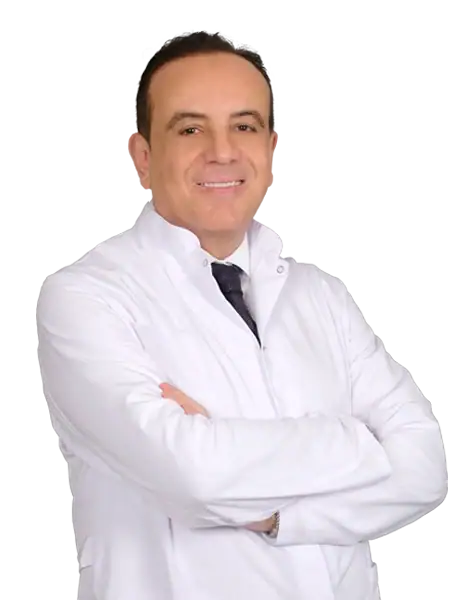
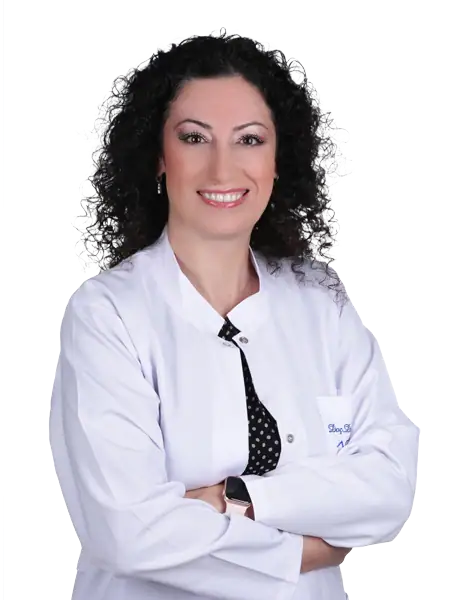
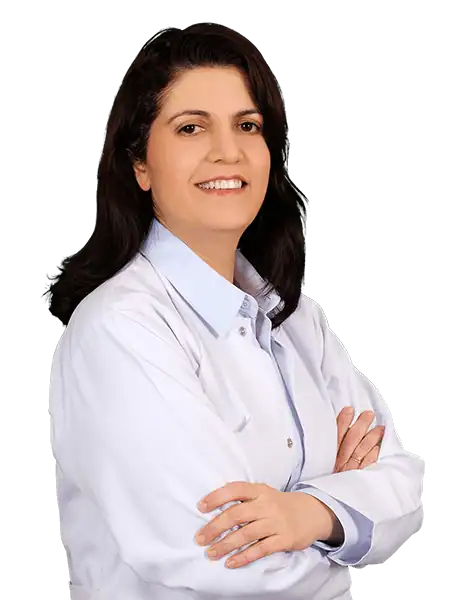
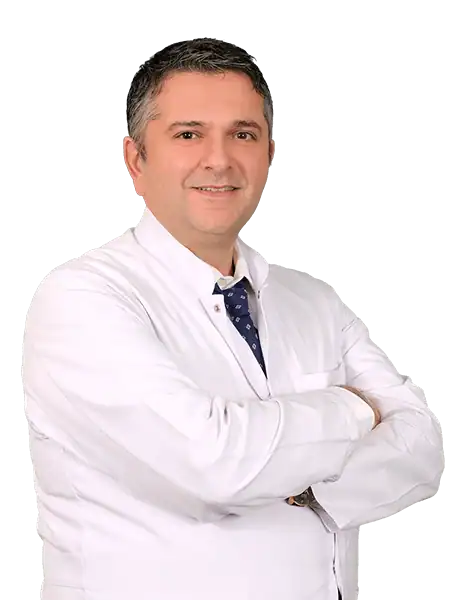
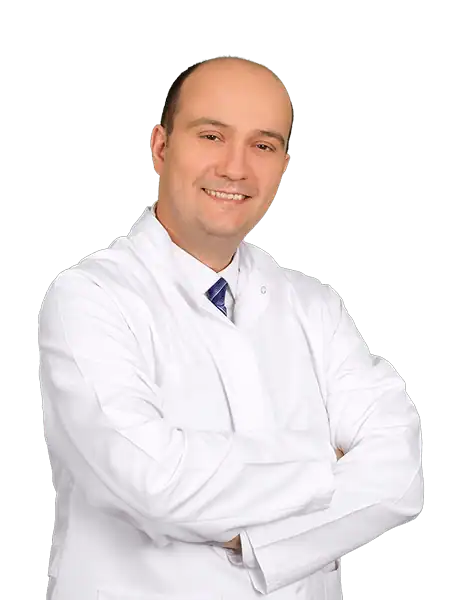
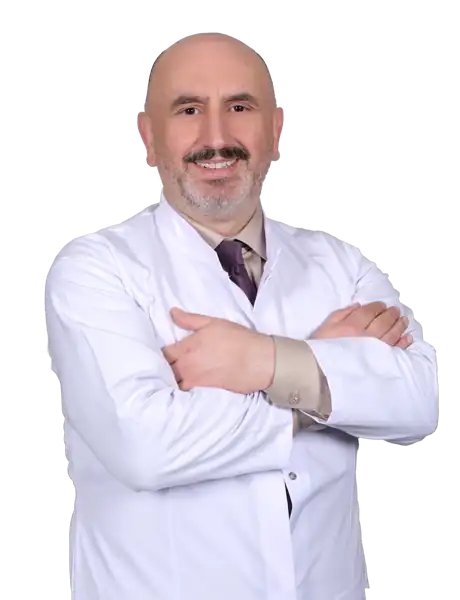
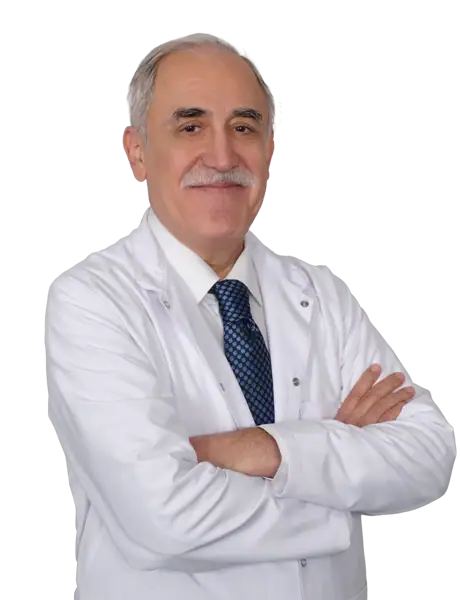
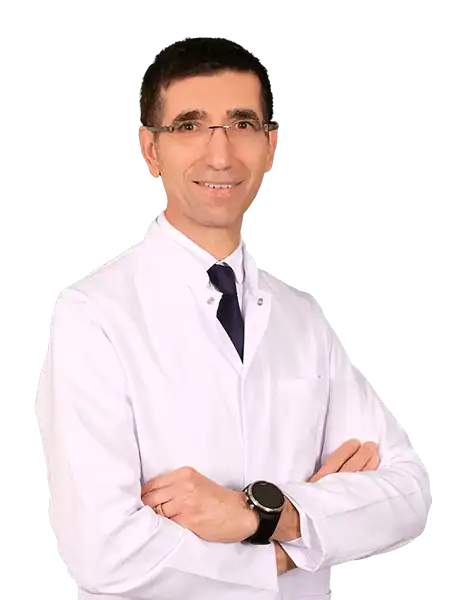
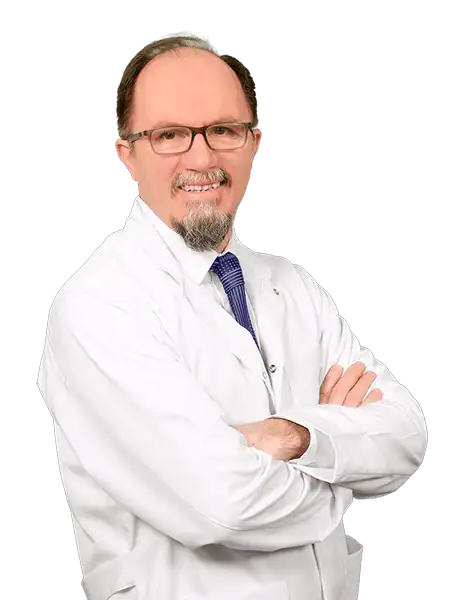
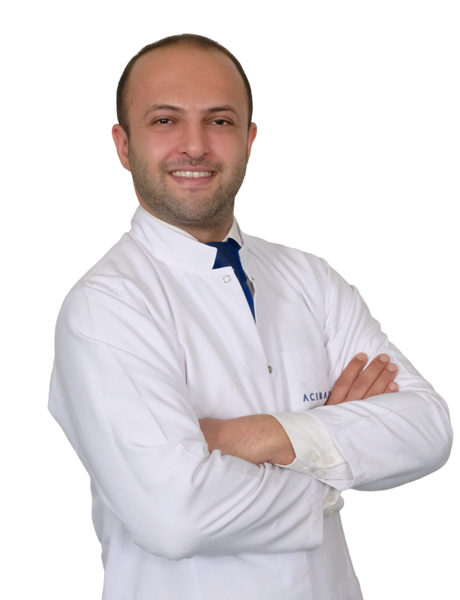
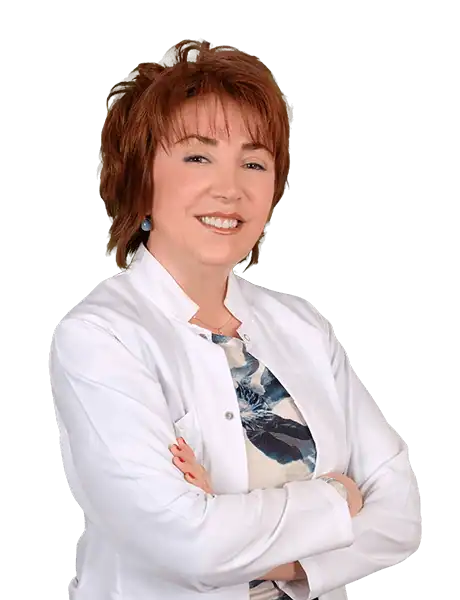
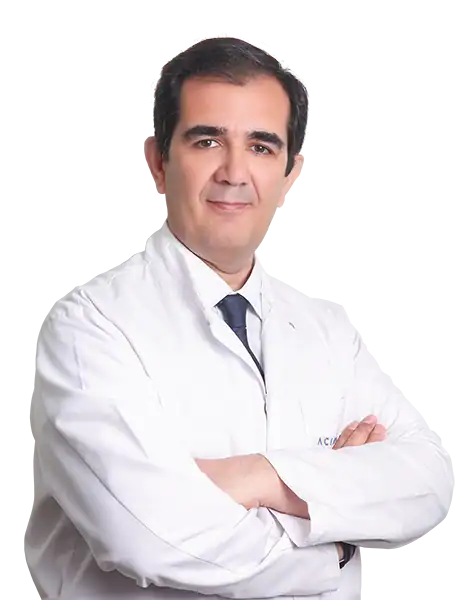
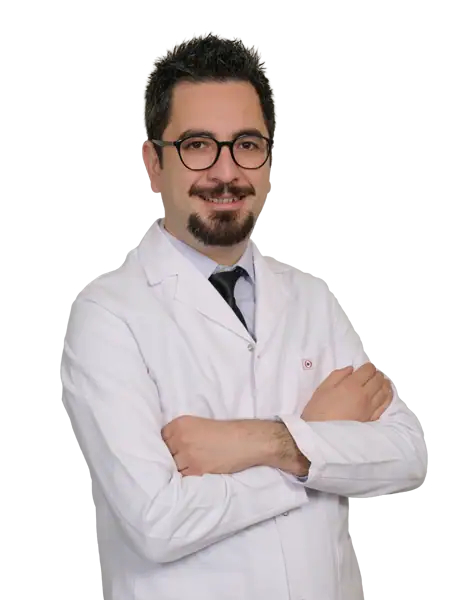
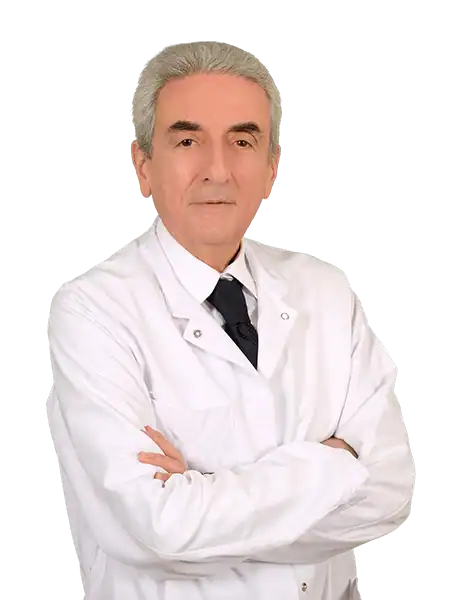
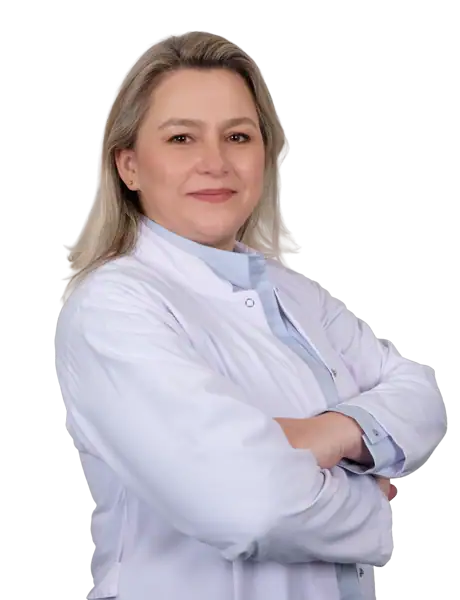
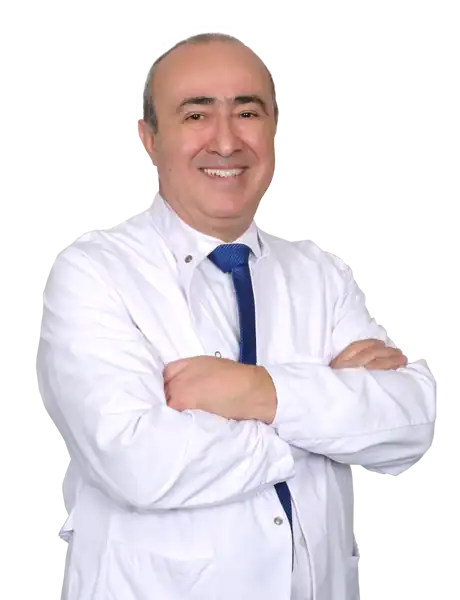
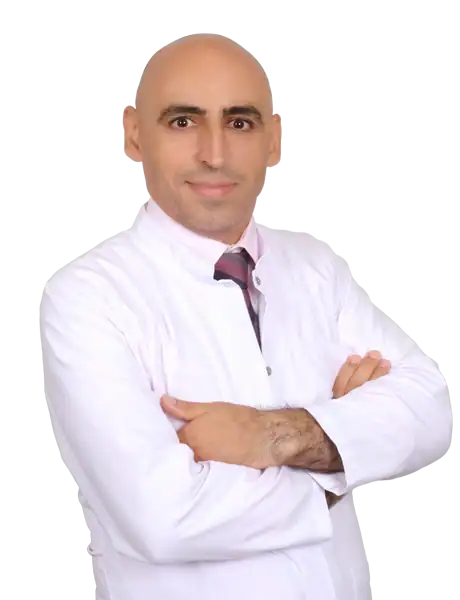
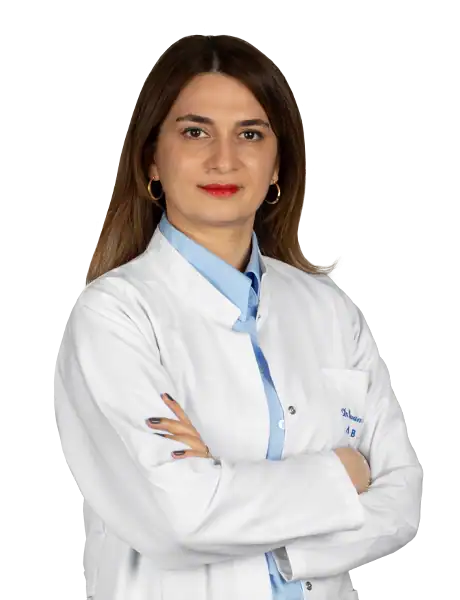
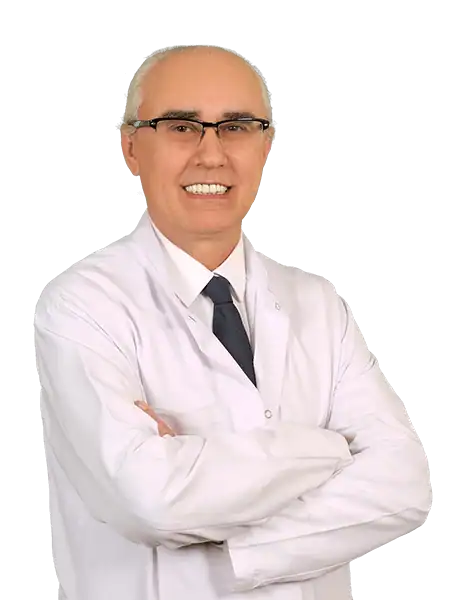
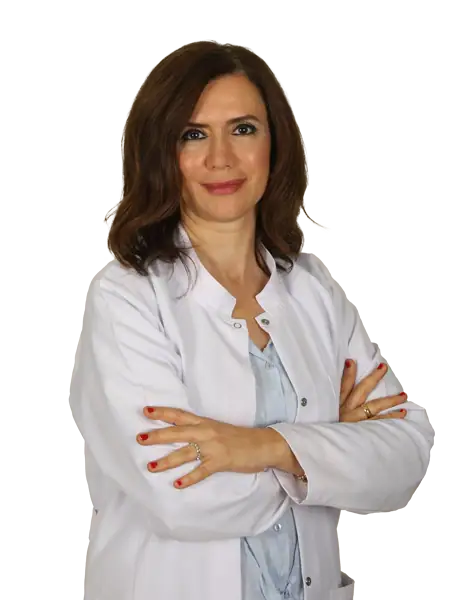
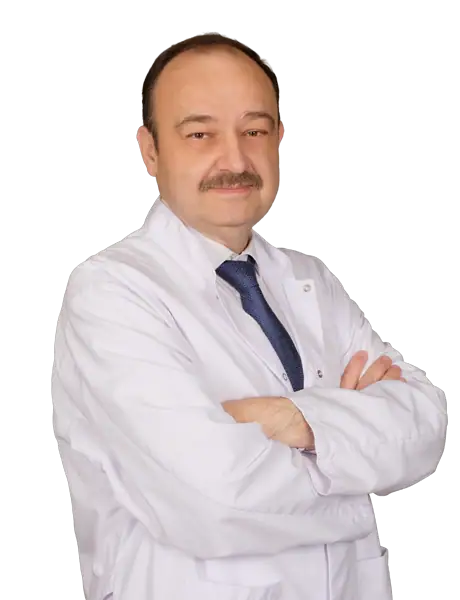
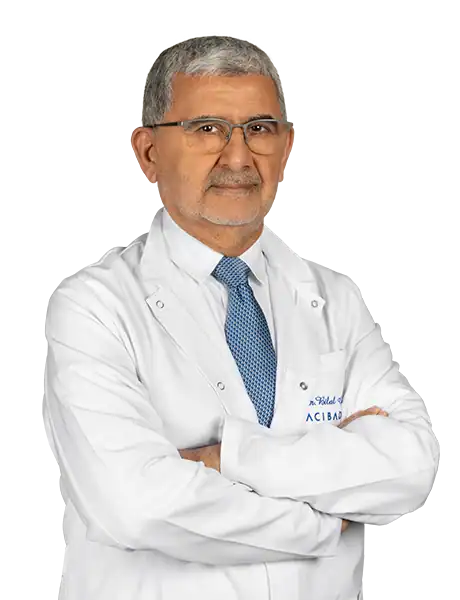
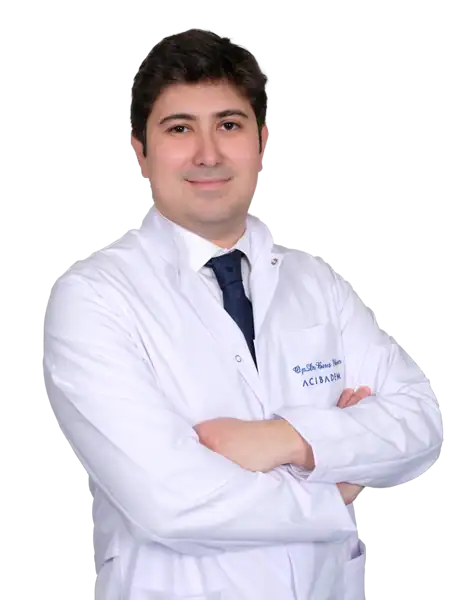
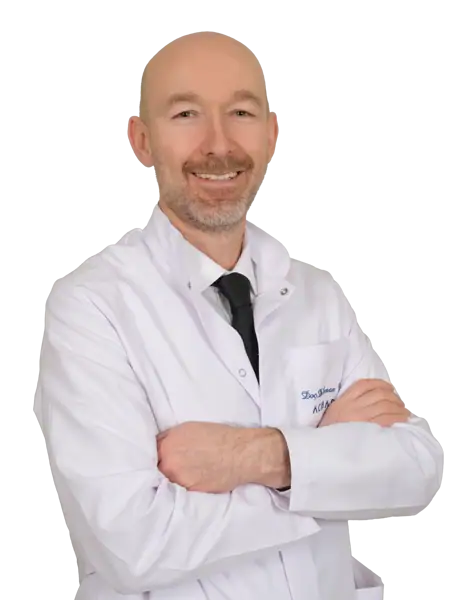
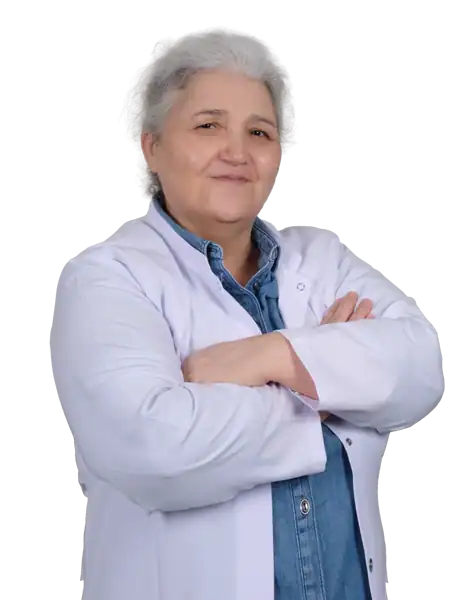
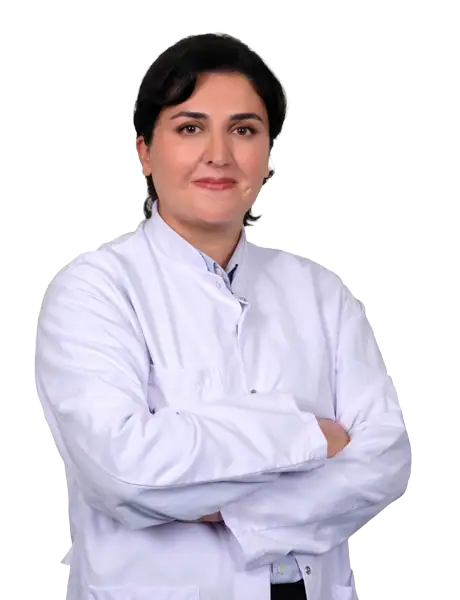
Choose a field to see every specialist who practises here in that department. All 100 doctors are listed.






































Medical Technologies at This Hospital
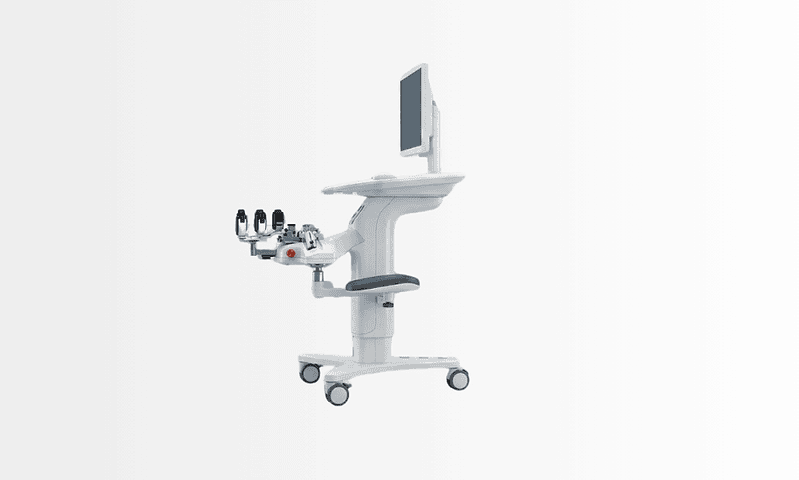
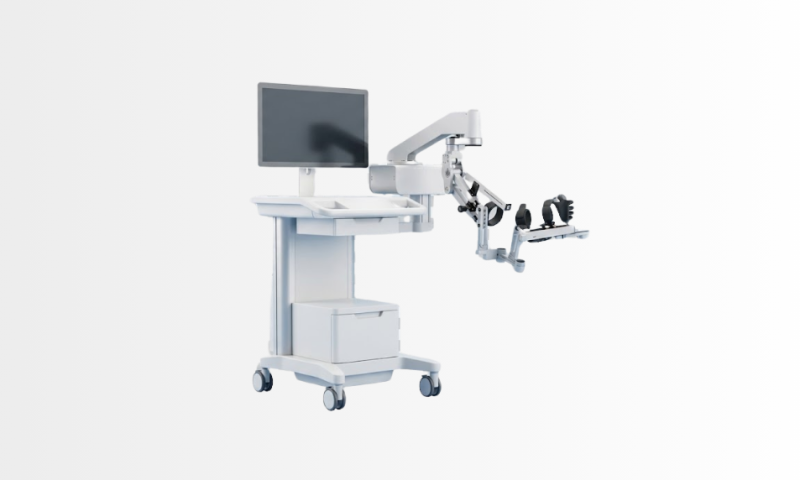
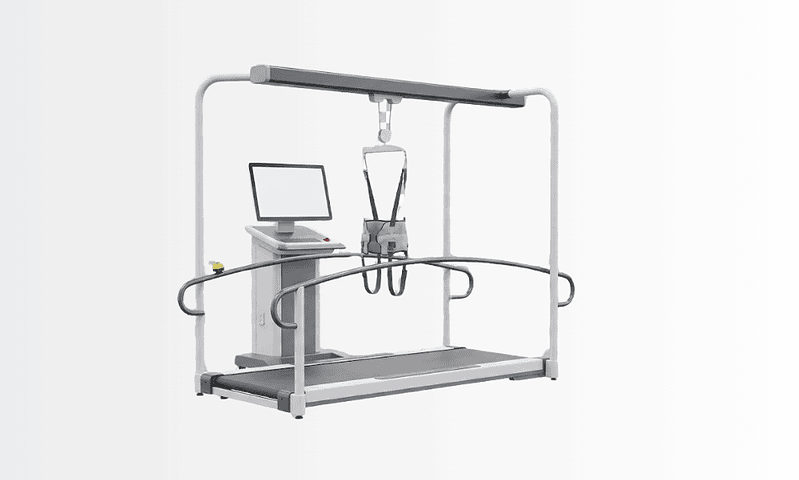
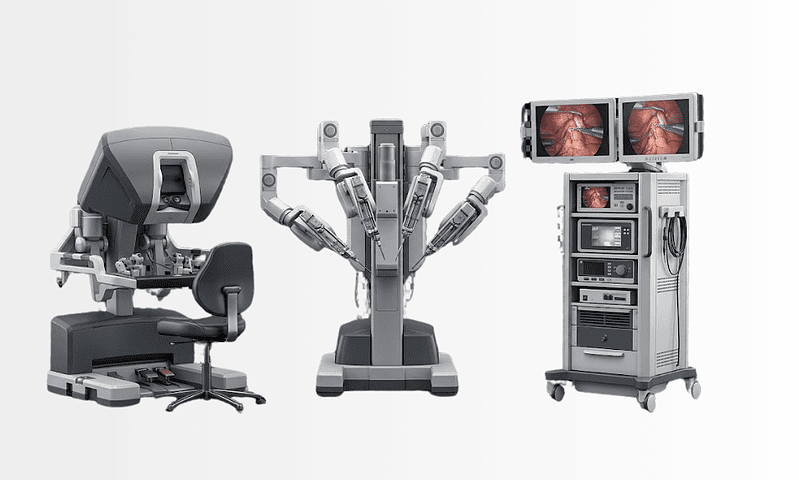
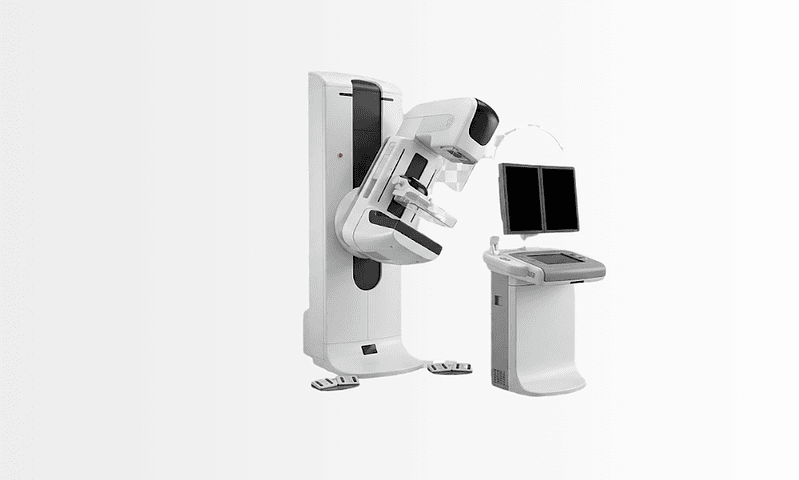
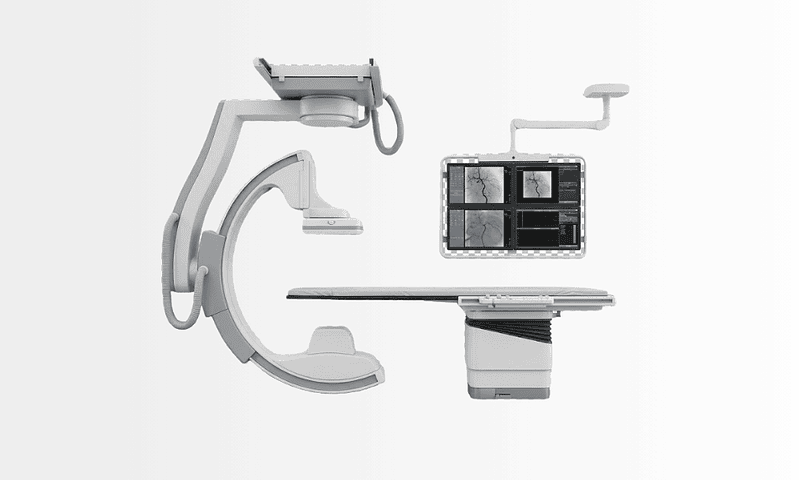
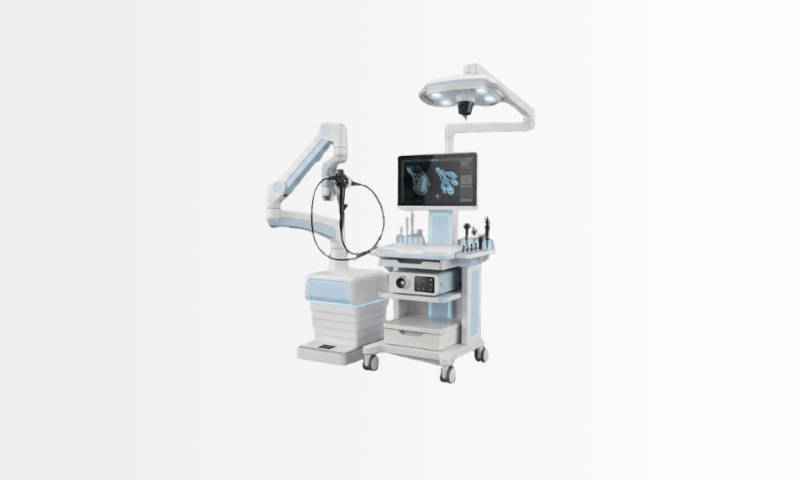
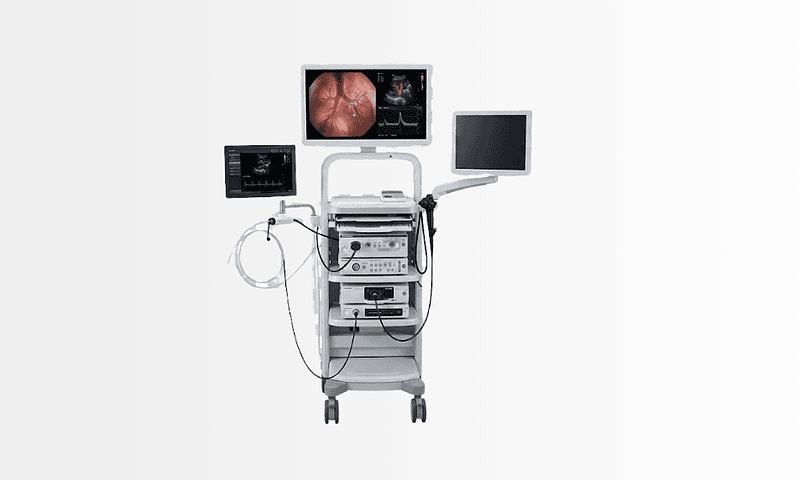
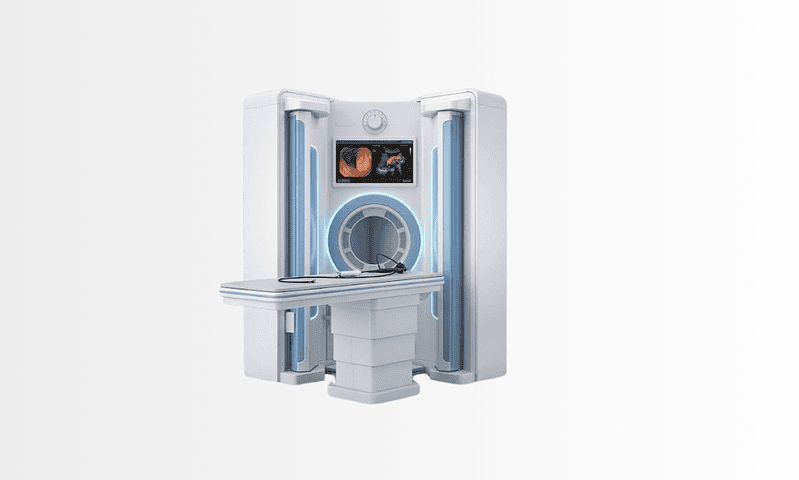
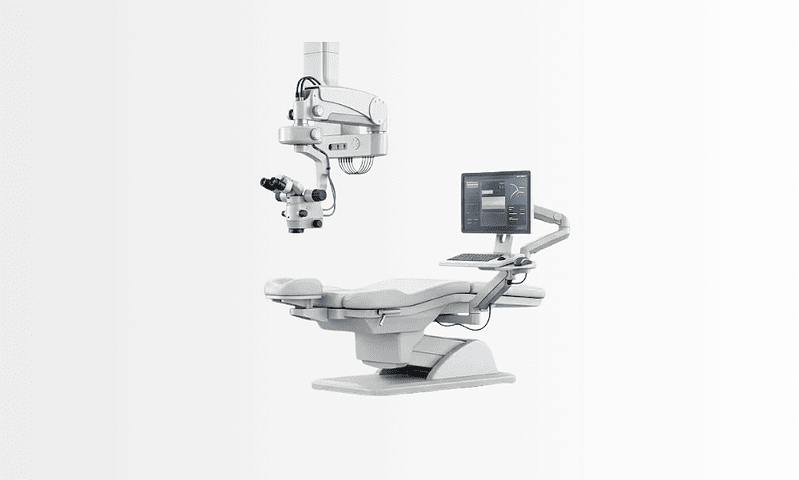
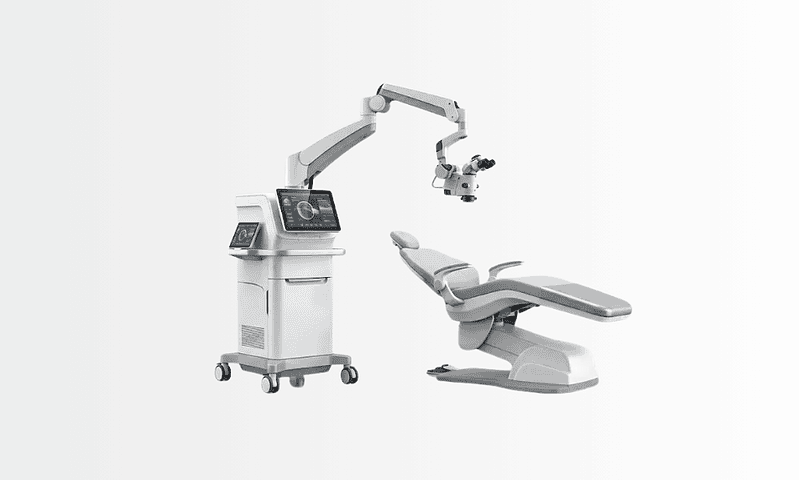
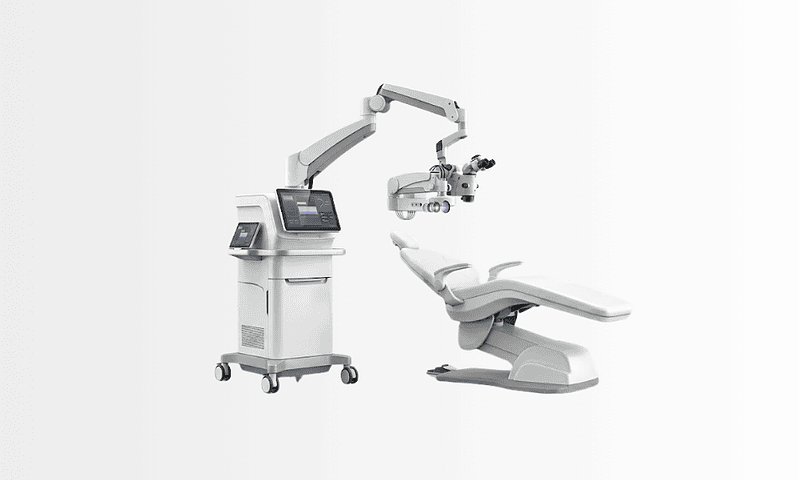
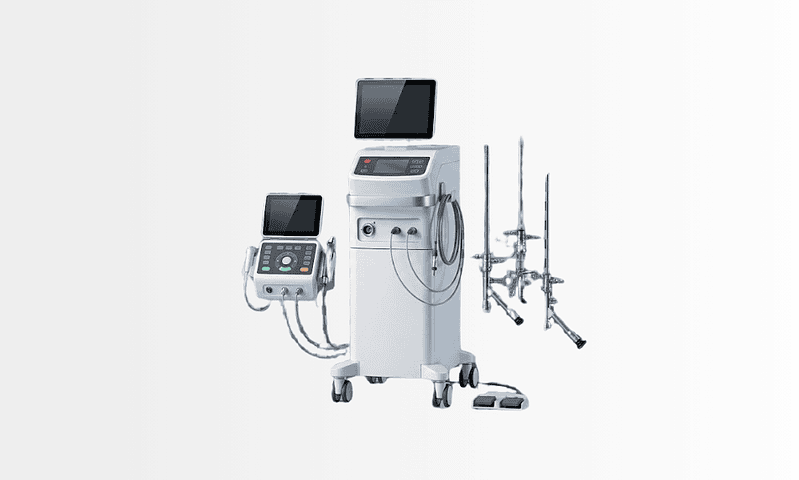
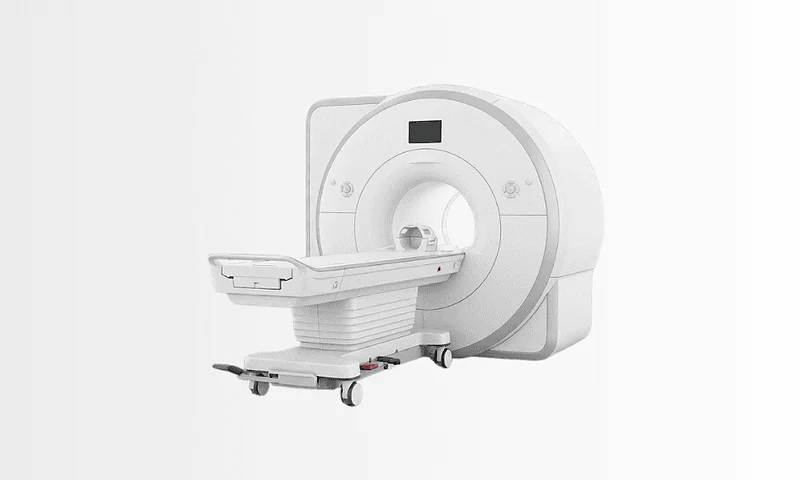
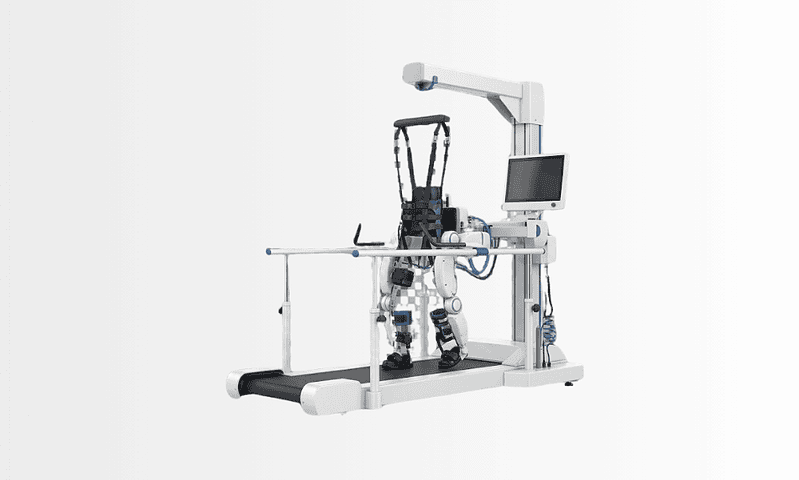
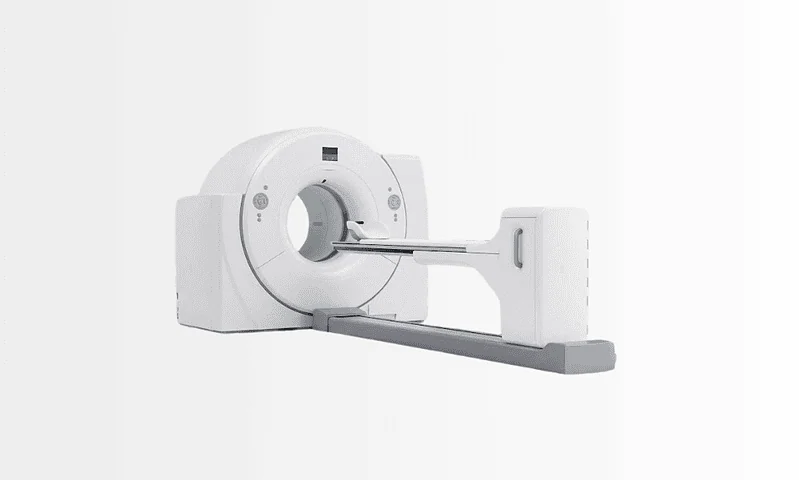
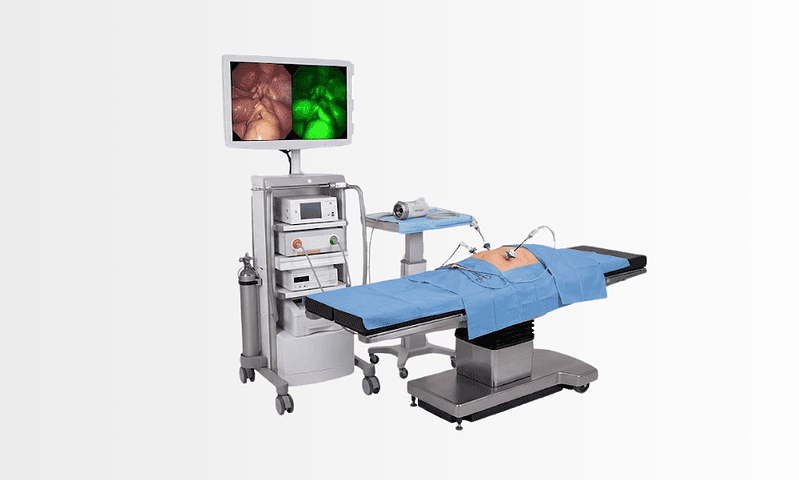
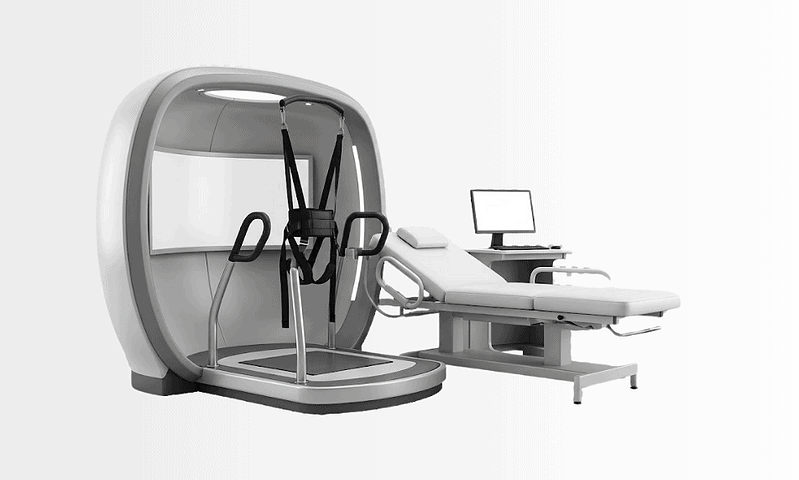
The imaging, radiotherapy, surgical and rehabilitation platforms installed here.
Send your reports: a physician-reviewed plan comes back before you travel.
Free · No obligation · Reply within 24 hours