

Quick answer
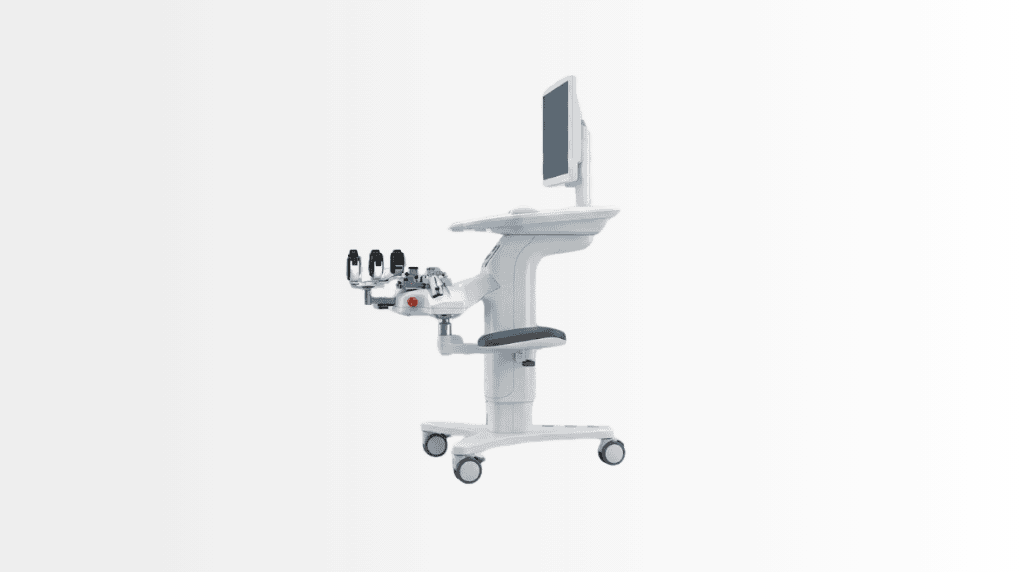
Amadeo is a robotic rehabilitation device that supports finger and hand movement training after neurological injury or disease. At Acibadem in Turkey, it is used within individualized physical medicine and rehabilitation programmes to provide guided, assisted, or active exercises under specialist supervision.
Amadeo Robotic Hand Rehabilitation
Amadeo is an advanced robotic rehabilitation system designed to help people retrain finger and hand movement after a neurological injury or disease. It is used as part of a personalised rehabilitation programme led by Physical Medicine and Rehabilitation specialists, physiotherapists and occupational therapy professionals.
Hand function is essential for daily independence. Simple activities such as holding a cup, buttoning clothing, using a phone, writing, preparing food or handling personal items can become difficult after a stroke, traumatic brain injury, spinal cord injury or another neurological condition. Amadeo supports structured, repetitive hand and finger exercises that may help patients practise movement safely and consistently.
The system is not a replacement for specialist therapy. Instead, it is a highly controlled rehabilitation tool that can complement hands-on treatment, functional training and a broader recovery plan. Each programme is adapted to the patient’s diagnosis, current ability, goals and progress.
What Is Amadeo?
Amadeo is a robotic device focused on rehabilitation of the hand and fingers. During therapy, the patient’s fingers are connected to individual supports that can detect movement and guide the fingers through planned exercises. Depending on the patient’s ability, the system can assist movement, allow active practice or provide resistance for strengthening and coordination work.
This approach is particularly valuable when a person has weakness, reduced control, stiffness or impaired coordination in the hand. By enabling repeated, goal-oriented movement, Amadeo can help rehabilitation teams assess function and deliver training at an appropriate level of challenge.
For international patients, this technology may be incorporated into a coordinated rehabilitation plan following acute hospital treatment, surgery or previous care in their home country. Our teams review available medical reports and imaging before recommending the most suitable programme.
How Amadeo Works
Amadeo uses robotic guidance and computer-based feedback to support finger and hand exercises. The patient sits comfortably while the rehabilitation professional positions the hand and attaches the fingers to the system’s individual movement supports. The therapist then selects exercises based on the patient’s needs.
The device can measure aspects of hand movement, such as range of motion, speed, strength and the ability to initiate or control finger movement. These measurements help the clinical team understand the patient’s baseline function and monitor progress over time.
Exercise Modes Adapted to Ability
Amadeo can be used in different therapy modes. The correct option is selected by the rehabilitation team after assessment and may change as the patient improves.
- Passive movement training: the robotic system gently moves the fingers when the patient cannot yet initiate movement independently.
- Assistive training: the patient attempts the movement while the device provides support as needed.
- Active training: the patient performs movements independently while receiving visual feedback and guidance.
- Resistance-based exercises: selected patients may train against controlled resistance to support strength and motor control.
- Functional and game-based tasks: interactive exercises can encourage attention, repetition and motivation during therapy.
Rehabilitation is always individual. The number of sessions, exercise intensity and use of robotic technology depend on the patient’s condition, medical stability, endurance, goals and response to treatment.
Clinical Applications
Amadeo may be considered for patients with reduced hand or finger function caused by neurological conditions. It is commonly used within a wider neurorehabilitation programme that may include physiotherapy, occupational therapy, speech and swallowing rehabilitation where needed, pain management, psychological support and medical follow-up.
| Clinical applications | How Amadeo may support rehabilitation | Typical rehabilitation focus |
|---|---|---|
| Stroke rehabilitation | Supports repeated practice of finger opening, closing and controlled hand movement after weakness or impaired coordination. | Improving hand use for daily activities, grip preparation, reaching and object handling. |
| Traumatic brain injury | May help retrain hand movement patterns affected by brain injury under structured therapist supervision. | Motor control, coordination, attention during movement and functional independence. |
| Spinal cord injury | Can support selected patients with upper-limb impairment as part of a specialist neurological rehabilitation plan. | Maintaining available movement, improving controlled activity and supporting practical hand skills. |
| Multiple sclerosis and other neurological diseases | May be used when hand weakness, fatigue, reduced dexterity or coordination affects function. | Movement quality, endurance, dexterity and adaptation to daily tasks. |
| Peripheral neurological impairment | May be considered in selected cases when medically appropriate and when active rehabilitation is indicated. | Recovery of movement, joint mobility and guided hand exercise. |
| Post-neurosurgical rehabilitation | Can form part of recovery after neurological treatment when the patient is clinically stable and cleared for rehabilitation. | Restoring safe hand movement and returning to meaningful daily activities. |
Not every person with a neurological condition is suitable for robotic hand rehabilitation. A specialist assessment is essential to determine whether Amadeo is appropriate, when treatment should begin and how it should be combined with other therapies.
Conditions and Symptoms It May Help Address
Amadeo does not treat the underlying neurological disease itself. Rather, it supports rehabilitation of movement difficulties that can result from neurological injury or illness. Depending on the individual case, treatment may focus on symptoms such as:
- Weakness in the hand, wrist or fingers
- Difficulty opening or closing the hand
- Reduced finger coordination and dexterity
- Limited active range of movement
- Difficulty grasping, releasing or manipulating objects
- Reduced hand control following stroke or brain injury
- Problems performing personal care, work-related or household tasks
- Loss of confidence when using the affected hand
Recovery after neurological injury can vary significantly. Some patients regain movement quickly, while others require longer-term therapy and adaptation. The rehabilitation team will explain realistic goals based on the nature of the condition, the time since injury, current function and the patient’s overall health.
Benefits and Advantages for Patients
Robotic rehabilitation can bring added structure and precision to hand therapy. Amadeo allows the rehabilitation team to deliver carefully controlled exercises and adjust training according to the patient’s changing ability.
For many patients, the opportunity to complete repeated, meaningful movements can support active participation in recovery. The system’s visual feedback may also help patients understand their performance and remain motivated throughout rehabilitation.
| Patient benefits at a glance | What this can mean during rehabilitation |
|---|---|
| Individualised therapy settings | Exercises can be adjusted to current movement ability, strength, range of motion and rehabilitation goals. |
| Structured repetition | Patients can practise consistent finger and hand movements as part of a focused therapy session. |
| Guided movement support | Patients with limited active movement may be able to participate in exercises with robotic assistance. |
| Objective progress monitoring | Movement-related data can help the clinical team track changes and refine the therapy plan. |
| Motivating visual feedback | Interactive tasks can make repetitive training more engaging for suitable patients. |
| Multidisciplinary rehabilitation integration | Amadeo can be combined with physiotherapy, occupational therapy and functional training for a comprehensive approach. |
Potential benefits differ from person to person. While robotic rehabilitation can be an important component of care, results depend on many factors, including diagnosis, severity of impairment, rehabilitation timing, participation, medical condition and continuity of therapy.
What to Expect During an Amadeo Therapy Session
Before treatment begins, a Physical Medicine and Rehabilitation specialist and the rehabilitation team assess the patient’s condition. This may include reviewing medical records, imaging, neurological findings, current medications, previous rehabilitation and individual goals.
For international patients, our international patient services team helps coordinate the process before arrival whenever possible. You may be asked to share discharge summaries, specialist reports, imaging results and information about your current functional abilities. These documents help the clinical team plan an appropriate consultation and rehabilitation pathway.
Before the Session
Your therapist will explain the planned exercises and check that you are comfortable. The hand and fingers are assessed for range of movement, muscle tone, pain, skin condition and ability to participate. The team will also consider any precautions related to recent surgery, fractures, swelling, infection, severe spasticity or other health concerns.
During the Session
You will usually be seated in a supported position. The affected hand is placed in the device, and each finger is carefully secured to the movement supports. The therapist selects the appropriate exercise programme and stays involved throughout the session.
Depending on your ability, you may be asked to relax while the system guides your fingers, try to follow the movement actively, open and close your hand, or complete interactive tasks on a screen. The exercises are designed to be challenging but safe and manageable.
You should tell your therapist immediately if you experience pain, unusual discomfort, dizziness, fatigue or any concern during treatment. Sessions may be modified, paused or stopped when clinically necessary.
After the Session
After therapy, the team may discuss how the session went and how the exercises relate to your wider rehabilitation goals. Your progress may be documented and reviewed across multiple sessions. You may also receive additional exercises, positioning advice or functional activities to practise under professional guidance.
The duration and frequency of therapy are determined individually. Some patients may attend a focused rehabilitation programme during their stay in Türkiye, while others may need a plan for continued therapy after returning home. When appropriate, our team can help prepare medical documentation to support continuity of care with your local clinicians.
Safety, Clinical Supervision and Accreditation
Amadeo therapy is delivered under the supervision of trained rehabilitation professionals. Before starting treatment, the clinical team assesses whether the device is suitable and whether any adaptations or precautions are needed.
Safety is central to every stage of care. The system is used within a clinically supervised environment, with settings selected according to the patient’s functional level and comfort. Rehabilitation professionals monitor hand positioning, movement tolerance and response throughout the session.
Acibadem International supports international patients through JCI-accredited hospitals, where established quality and patient safety standards guide clinical care. Technology is used as part of an evidence-informed, multidisciplinary approach rather than as a standalone solution.
Your team will discuss any case-specific considerations before therapy. These may include pain, skin sensitivity, joint limitations, recent procedures, medical devices, muscle tone changes or other neurological and orthopaedic factors that may affect treatment planning.
Why Amadeo Matters for International Patients
Travelling abroad for neurological rehabilitation can feel complex, especially when recovery affects independence, communication or mobility. Our aim is to make the process as clear and coordinated as possible, from the first medical review through rehabilitation planning and follow-up preparation.
International patients benefit from access to multidisciplinary care in one coordinated pathway. Depending on the individual case, this may involve Physical Medicine and Rehabilitation specialists, neurologists, neurosurgeons, physiotherapists, occupational therapists, rehabilitation nurses and other relevant professionals.
Our international patient team can support communication in your language, help organise consultations and treatment scheduling, and assist with practical coordination related to your medical visit. The exact hospital location for Amadeo rehabilitation may depend on specialist availability and the needs of your treatment plan.
If you are travelling with a family member or caregiver, their involvement can also be valuable. Rehabilitation often continues beyond the clinical setting, and caregivers may benefit from guidance on safe support, encouragement and home-based routines recommended by the treating team.
Personalised Rehabilitation Planning
A successful rehabilitation programme is built around the person, not just the diagnosis. For this reason, Amadeo is considered alongside your medical history, current function, personal priorities and expected rehabilitation needs.
Your plan may include goals such as improving the ability to hold objects, using the hand in personal care, increasing participation in daily activities, preparing for return to work or improving confidence in using the affected upper limb. Goals are reviewed regularly and adjusted as progress is made.
For some patients, Amadeo may be used early in recovery when movement is limited. For others, it may be introduced later to support more active practice, coordination and functional tasks. The timing is decided by the specialist team according to medical appropriateness.
Frequently Asked Questions
Is Amadeo safe?
Amadeo is used by trained rehabilitation professionals within a supervised clinical programme. Before treatment, your team assesses whether the technology is appropriate for your condition and explains any specific precautions. At Acibadem International, care is delivered in JCI-accredited hospital environments with a strong focus on quality and patient safety.
Will Amadeo cure my hand weakness?
Amadeo is a rehabilitation tool, not a cure for the underlying neurological condition. It may support retraining of finger and hand movement as part of a comprehensive programme. Outcomes vary, and your specialist will discuss realistic goals based on your individual diagnosis and functional status.
Is the treatment painful?
Therapy should be adapted to your comfort and ability. You may feel effort or fatigue during active exercises, but you should inform your therapist about pain or discomfort. The team can adjust the programme, positioning or exercise intensity as needed.
How many sessions will I need?
The number of sessions depends on your condition, rehabilitation goals, response to treatment and travel schedule. Following assessment, your rehabilitation team will recommend an individual plan and explain whether continued therapy may be beneficial after you return home.
Will my insurance cover robotic rehabilitation?
Insurance coverage depends on your policy and the services authorised by your insurer. You can share your insurance information with our international patient team, who can help review available options and explain the treatment process before care begins.
How do I get started?
You can request a consultation and share your available medical reports, imaging and rehabilitation records. A specialist will review your case and advise whether Amadeo may be appropriate within your personalised treatment plan. Our international patient team will help coordinate the next steps and confirm the most suitable hospital for your care.
Related Medical Units
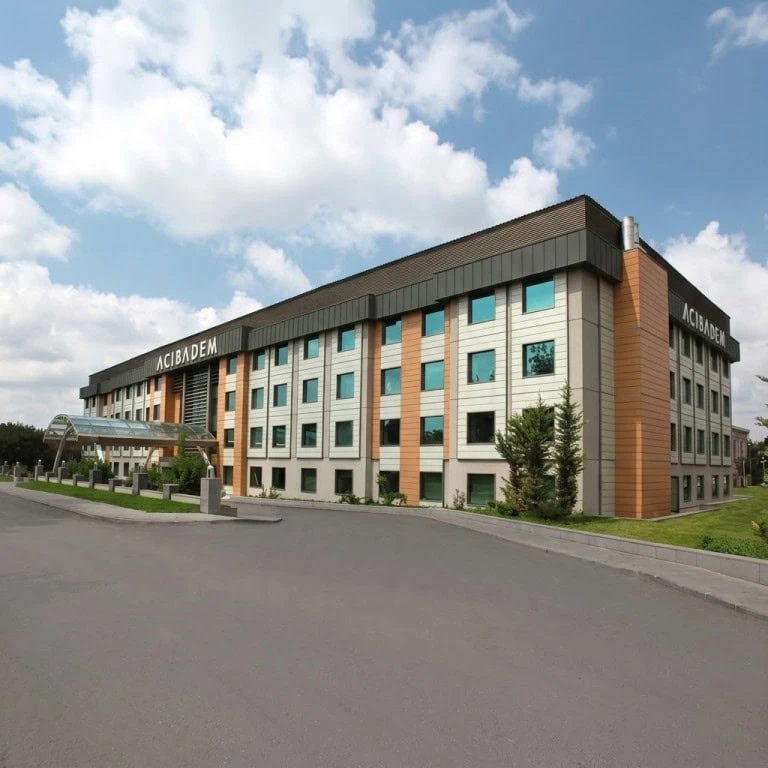
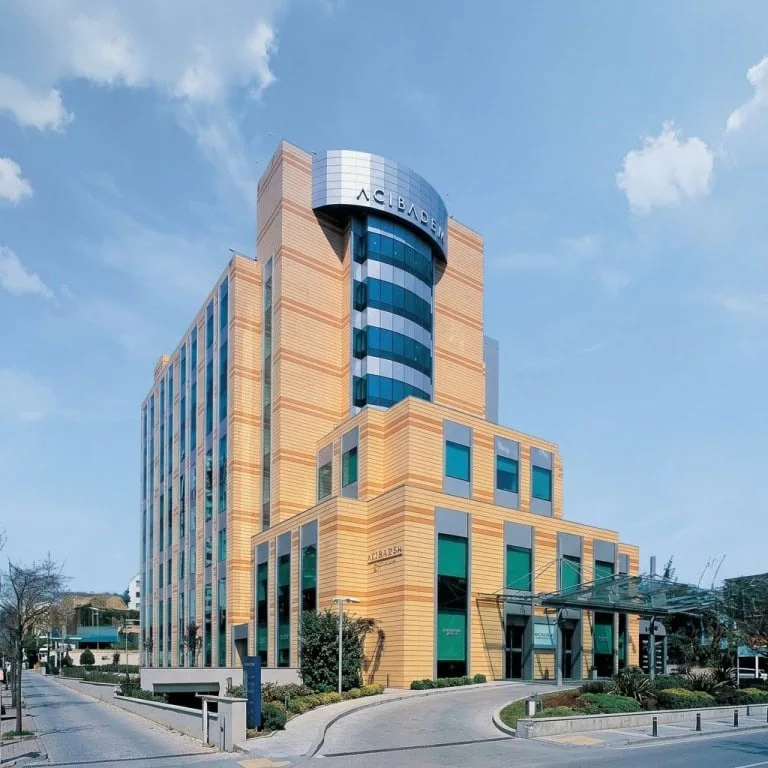
Available at these Hospitals













Related Treatments
Speak with our medical team
Find out how this technology could support your diagnosis or treatment.