


Acibadem Kartal Hospital
Acibadem Kartal Hospital in Istanbul’s Kartal district offers multidisciplinary medical care for local and international patients.
Get directions →
Acibadem Kartal Hospital at a Glance
Acibadem Kartal Hospital is the group's hospital for the fast-growing southern corridor of Istanbul's Anatolian side: Kartal, Pendik, Maltepe and the districts around Sabiha Gökçen Airport: a modern full-service campus of 30,000 m² with 127 beds, 8 operating theatres and 14 intensive-care beds, built with 3-Tesla MRI and a neonatal intensive care unit from the start. Its role is honest and local-first: group-standard emergency care, surgery, women's and newborn medicine and everyday specialist clinics…
The Hospital in Numbers
Rooms & Suites
Choose a room type to see it, every room shares the same clinical infrastructure; suites add space and comfort for companions.
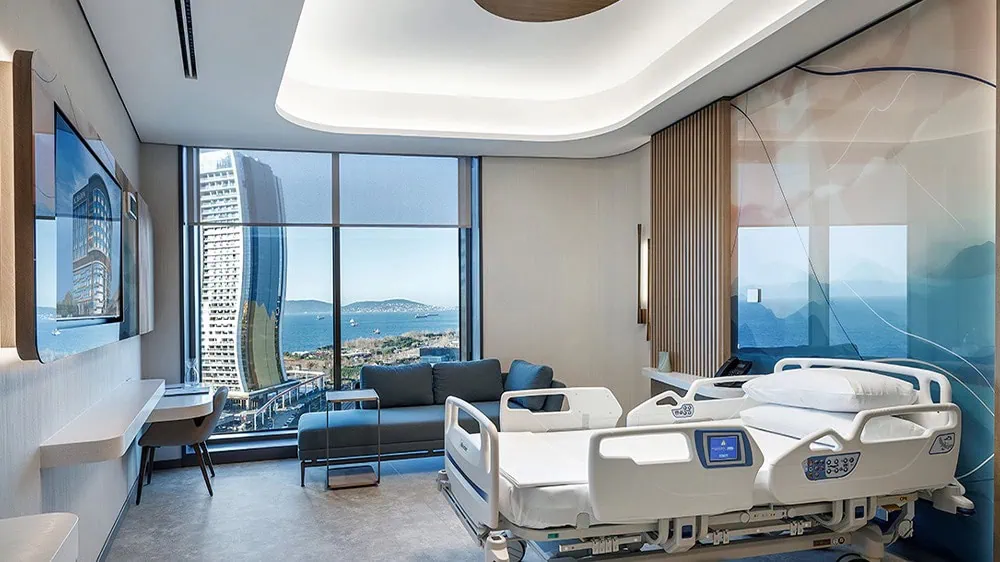 Standard Room
In-Room Features
- Electronic patient-controlled bed
- Smart toilet system
- Individually adjustable climate control
- Smart TV
- Digital assistant service
- Integrated nurse call system
- Scene lighting and room automation
- Personal safe
- Minibar
- Sofa bed for companion
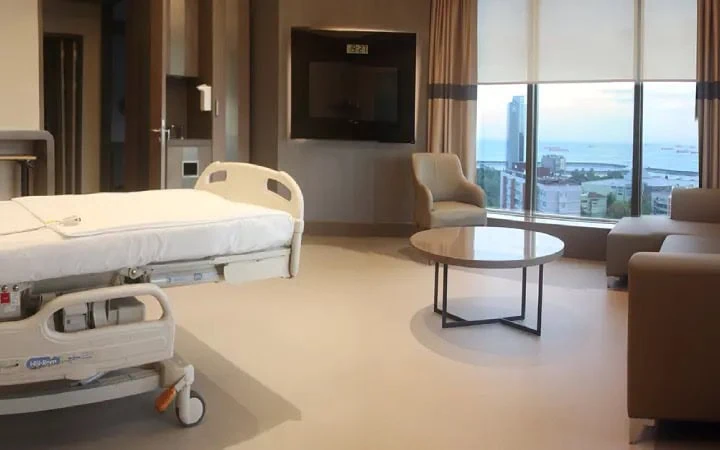 Suite A
In-Room Features
- Electronic patient-controlled bed
- Smart toilet system
- Spacious bathroom with seat
- Individually adjustable climate control
- Smart TV
- Digital assistant service
- Integrated nurse call system
- Scene lighting and room automation
- Personal safe
- Minibar
- Kitchenette
- Sofa bed for companion
- Companion dining and rest area
- Companion bathroom
Accessible RoomIn-Room Features
- Electronic patient-controlled bed
- Smart toilet system
- Spacious bathroom with seat
- Individually adjustable climate control
- Smart TV
- Digital assistant service
- Integrated nurse call system
- Scene lighting and room automation
- Personal safe
- Minibar
- Sofa bed for companion
Facility Highlights
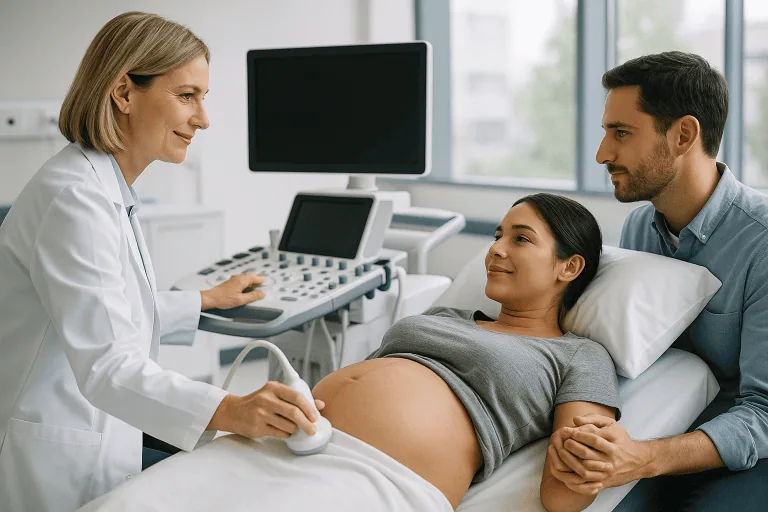
2 delivery rooms, 2 labor rooms and 3 LDRP suites with water birth; baby care, newborn hearing test and the mother-baby room on the same floor.
7 general and 7 neonatal intensive care beds.
7 emergency observation beds, 12 recovery beds and 4 post-endoscopy recovery beds.
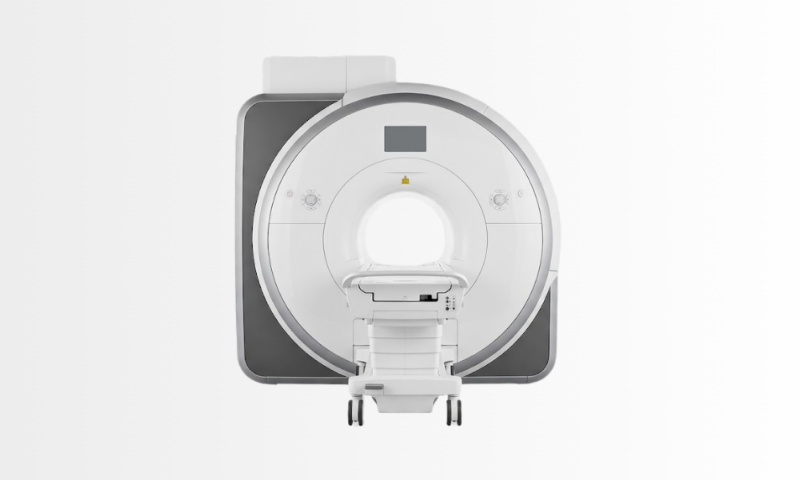
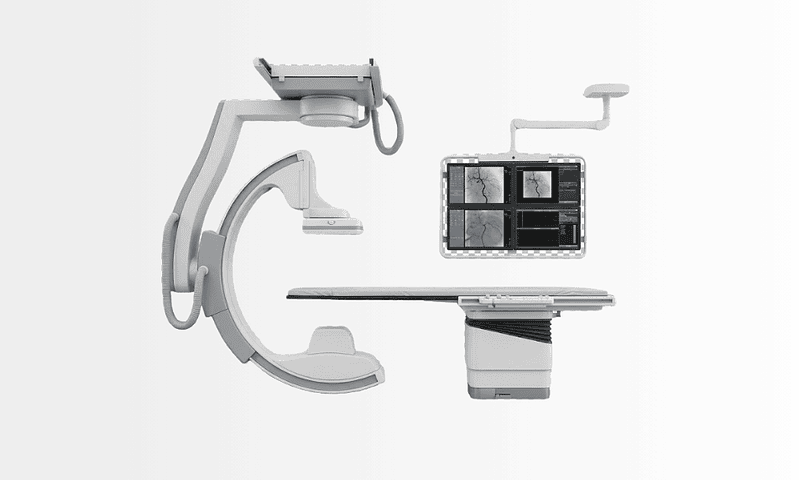
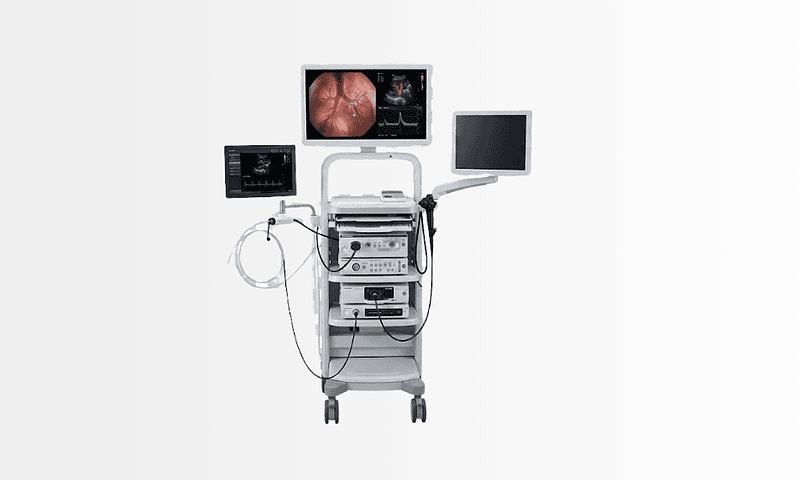
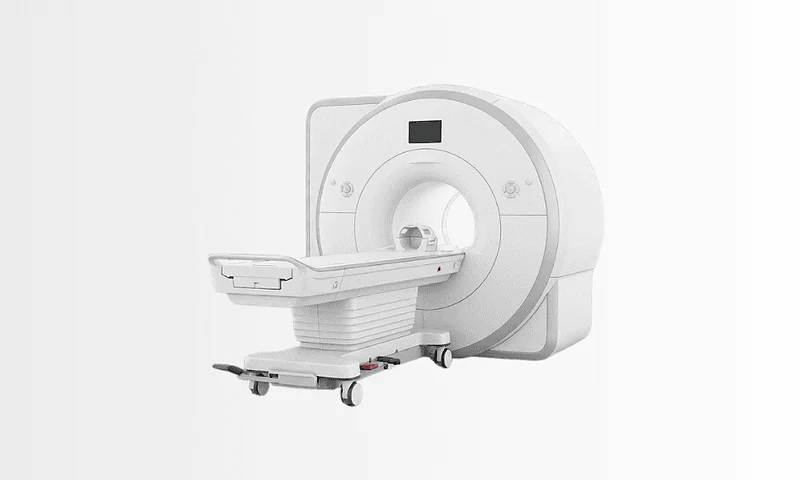
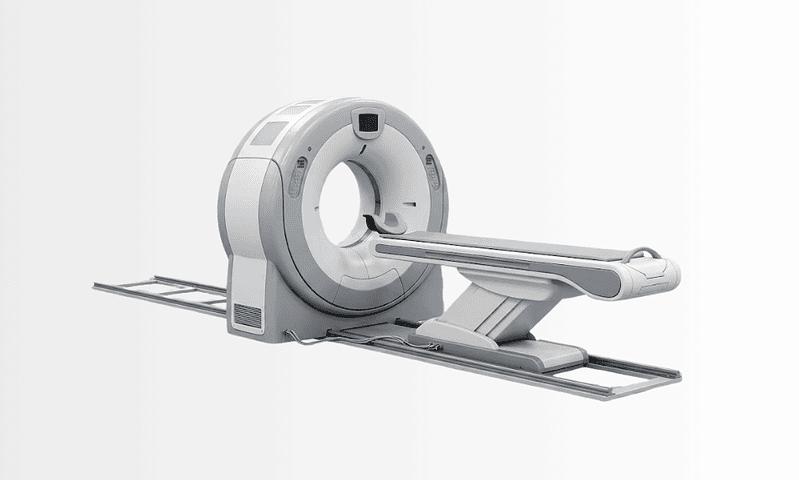
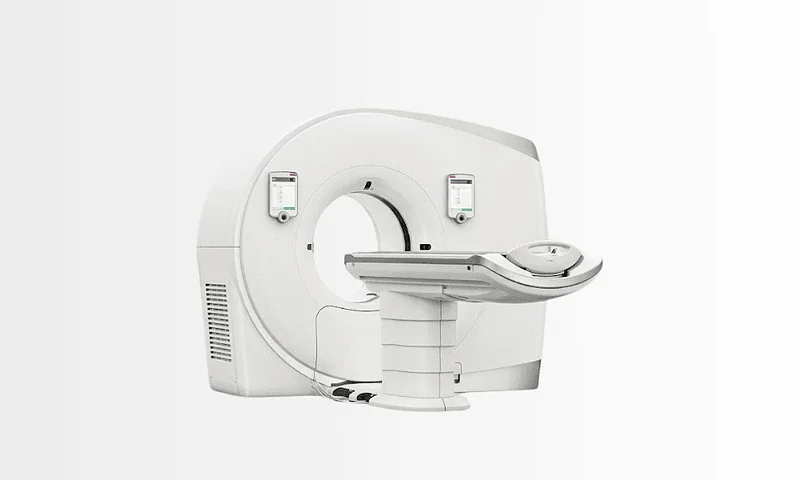
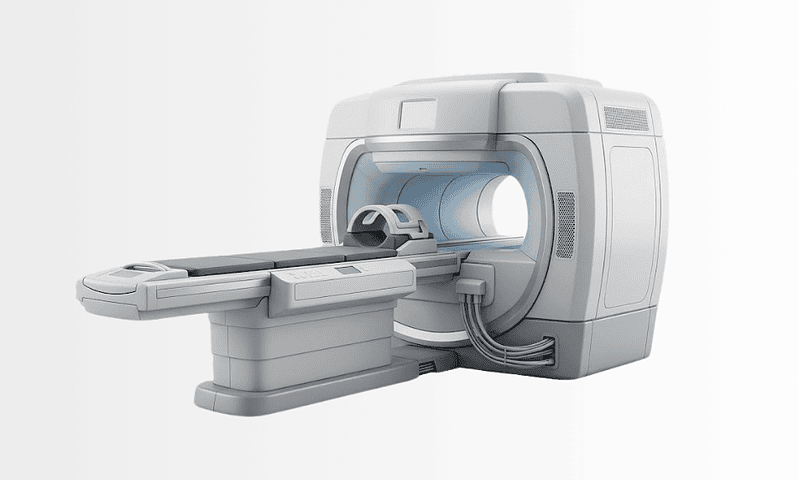
3-Tesla MRI, low-radiation CT, Doppler, fluoroscopy, EUS, EBUS and a sleep laboratory.
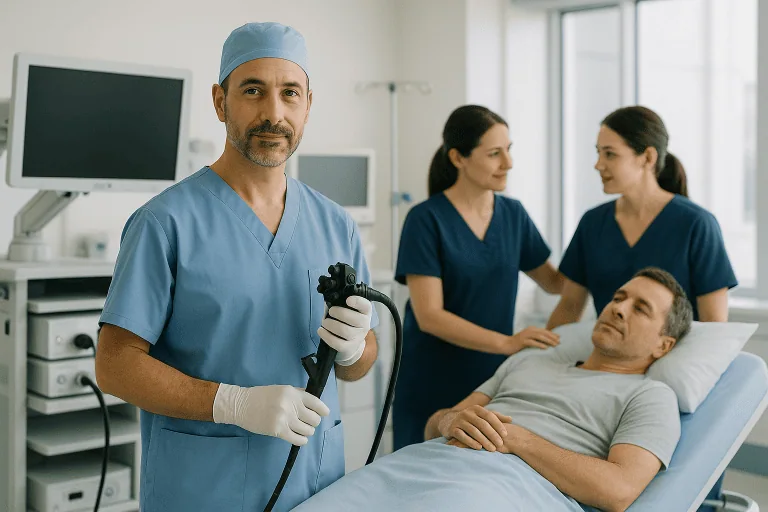
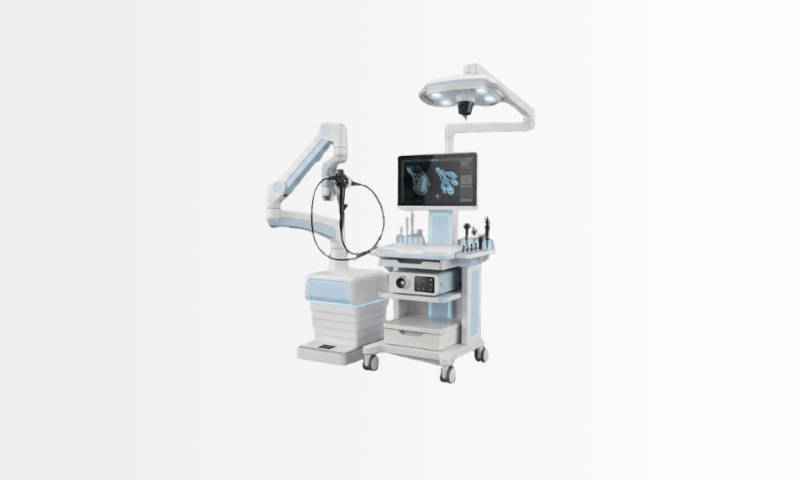
Endoscopy, colonoscopy, bronchoscopy and ERCP; endoscopic reflux treatment, endoscopic sleeve, ESD and POEM.
Children's clinic from the newborn period to early adulthood, open around the clock.
Every patient room faces the Marmara Sea; 6 of them are suites.
Reached from Kadıköy, Üsküdar, Tuzla, Gebze and the bridge links by car or public transport.
Amenities & Visiting Guide
- Parking
- Cafeteria
- Prayer room
- Hairdresser
- ATM
Acibadem Kartal Hospital, in depth
Acibadem Kartal Hospital is the group’s hospital for the fast-growing southern corridor of Istanbul’s Anatolian side: Kartal, Pendik, Maltepe and the districts around Sabiha Gökçen Airport: a modern full-service campus of 30,000 m² with 127 beds, 8 operating theatres and 14 intensive-care beds, built with 3-Tesla MRI and a neonatal intensive care unit from the start. Its role is honest and local-first: group-standard emergency care, surgery, women’s and newborn medicine and everyday specialist clinics for a corridor of millions, with a cardiovascular surgery lead the unit guides name, and the airport next door making it the group’s natural first door for patients landing at Sabiha Gökçen. This guide covers the campus as it is, with the live numbers, rooms and visiting rules in their own dedicated sections of this page.
What this building is organised around
Kartal was built where Istanbul is growing: the southern Anatolian corridor whose population and skyline have doubled within living memory, and whose residents deserved a group-standard hospital without crossing the city. The building’s own signals say what it is for: a 3-Tesla MRI installation, diagnostic imaging at flagship grade, and a neonatal intensive care unit, the two investments a hospital makes when it intends to take diagnosis and birth seriously; operating theatres sized for real surgery including the cardiovascular work its named lead performs; and an emergency service placed minutes from one of Europe’s busiest airports. It is a corridor hospital in the best sense, and this page will route to the flagships honestly whenever a case outgrows it.
Quality and safety: the honest frame
Acibadem Kartal Hospital runs on the Acıbadem group’s single quality system, audited surgical checklists, medication-safety routines, infection control and credentialing, with diagnostics through the group’s ISO-accredited laboratory network. Five Acıbadem hospitals in Türkiye hold JCI accreditation (Maslak, Altunizade, Atakent, Kent and Adana); Kartal runs on the same protocols those audits examine, stated plainly here rather than borrowed as a badge. Practically: the same records system readable at every campus, the same tumour-board method for cancer questions, and the same international patient standards as the flagships.
Cardiovascular surgery: the campus’s named lead
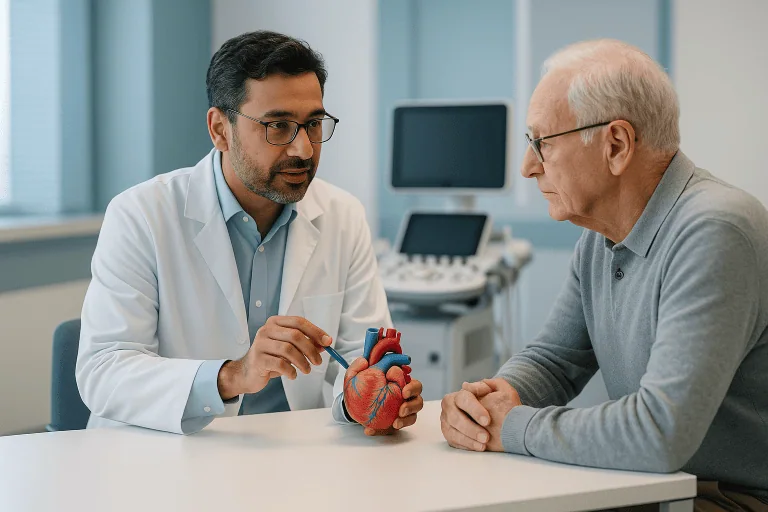
The cardiovascular surgery unit’s Kartal professor is among the eight surgeons that unit’s guide fronts, bypass, valve and vascular surgery performed on this campus with the guide’s honesty in force: the operation proposed only after the heart-team conversation with cardiology, whose catheter-based alternatives are weighed openly, and with intensive care behind every case the building accepts. Complex cases that belong at flagship scale, congenital hearts at Atakent above all, are routed there and said so.
Women’s health and the newborn unit
The neonatal intensive care unit is Kartal’s quiet centrepiece: it is what lets obstetrics accept real-world births honestly, because a newborn needing support is cared for on site rather than transferred in an ambulance. Around it sit full gynaecology: the investigation-first medicine that unit’s guide describes, and paediatrics for the corridor’s families; for the high-risk pregnancies the perinatology guide covers, the routing honesty applies: the group’s perinatology professors are concentrated at the flagships, and the coordinators place complex cases there early rather than heroically late.
3-Tesla imaging and everyday diagnostics
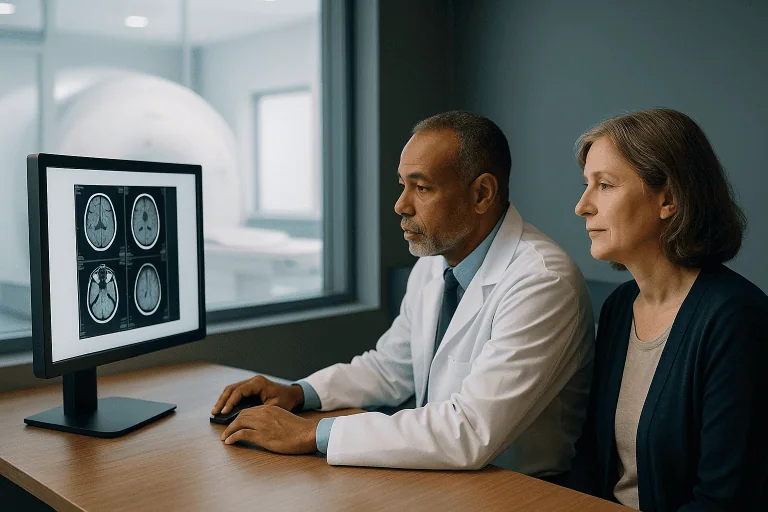
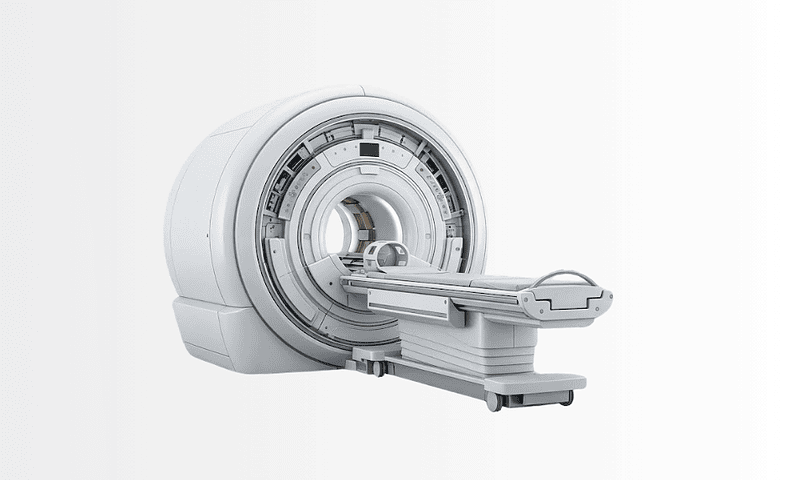
A 3-Tesla MRI in a corridor hospital is a statement: diagnosis here runs at flagship grade, with CT, ultrasound and the group’s ISO-accredited laboratories behind it, and radiology’s standing rule in force: your existing scans are re-read rather than repeated by default, and images taken here are readable at every Acıbadem campus. For the corridor’s residents this is the campus’s daily value: the scan, the answer and the specialist in one building, minutes from home.
Everyday specialist medicine for the corridor
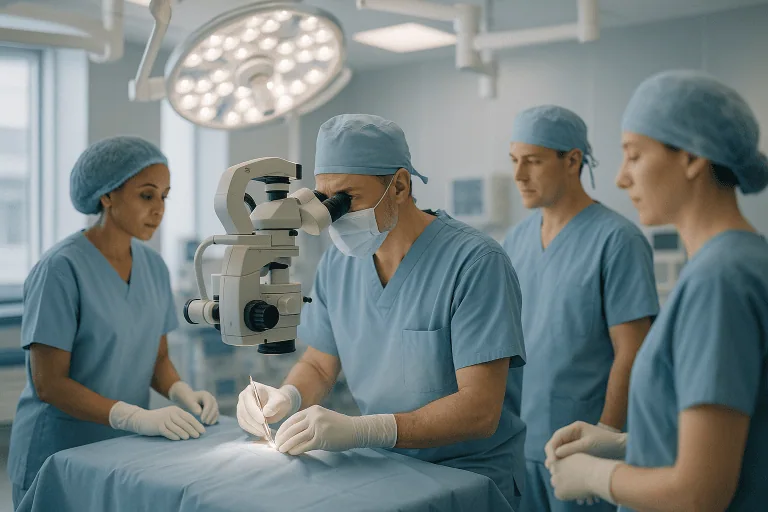
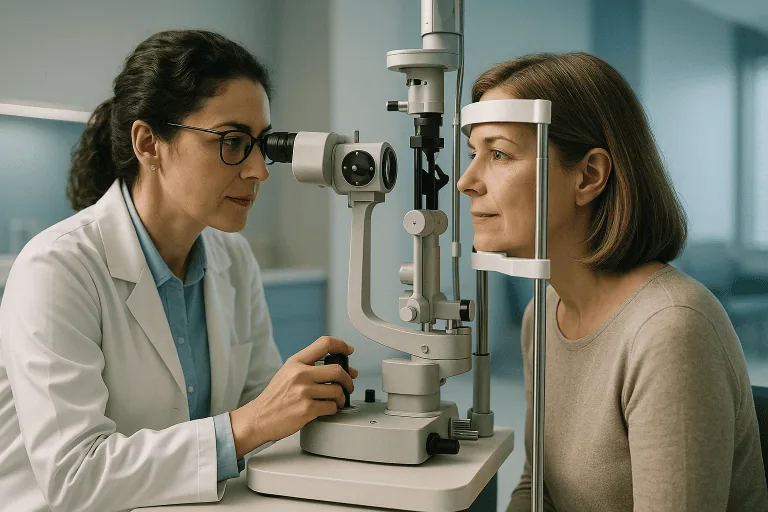
The clinics carry what daily life consults: internal medicine for the whole-picture questions its guide describes, cardiology checks, general surgery’s hernia-gallbladder-thyroid range, urology, orthopedics, ENT, dermatology, ophthalmology and the rest, each connected upward to its unit guide and its flagship subspecialists when a finding needs them. The small-hospital-in-a-big-group advantage is the same one Taksim’s page describes on the European side: your file moves inside the group, and the step up to a flagship is a coordinated transfer, not a fresh start.
Technology, honestly framed
Kartal’s installation matches its role: 3-Tesla imaging, eight theatres, neonatal and adult intensive care, the group’s laboratory network, and the platform’s standing rule needs stating in one direction: when your case needs a heavy installation, it lives at a flagship (MR-Linac at Maslak, Gamma Knife and Tomotherapy at Altunizade, PET staging and the dense cancer floors at the flagship campuses), and the coordinators route you there with the reason stated. A hospital honest about what it does not house is exactly as trustworthy as its equipment list.
International patients: the airport-corridor role
Kartal’s international story is geography. For patients landing at Sabiha Gökçen for treatment anywhere in the group, this is the nearest Acıbadem campus, which makes it the natural first door when a plan starts with an examination, bloods and imaging before a flagship step, and the practical base when treatment at Ataşehir or Altunizade allows staying nearer the airport. For unplanned needs, travellers and airport-corridor visitors meeting illness or injury, the emergency service works around the clock with interpreter support (English, Arabic, Russian, German and French routinely), travel-insurer paperwork handled, and discharge notes written for the doctor at home. For planned care the group’s fixed process applies unchanged: records first, a written plan and honest estimate, coordinated scheduling, and departure with a summary, your data and a follow-up plan addressed to whoever continues your care.
Getting here
The campus sits in Kartal on the Anatolian side’s southern shore, on the metro and Marmaray corridor, with Sabiha Gökçen Airport a short transfer away, the shortest airport-to-Acıbadem run in the group, and the E-5 artery connecting the whole corridor. Hotels and serviced apartments serve the district practically rather than luxuriously, honest information for anyone planning a companion stay; for flagship-level programmes, accommodation guidance shifts to the treatment campus’s neighbourhood, arranged by the international office either way.
How to decide whether Kartal is your hospital
Choose Kartal when it is the near answer: you live in or are staying along the southern Anatolian corridor, you landed at Sabiha Gökçen and your plan starts with assessment, your birth belongs to a hospital with a neonatal unit behind it, or your case fits the surgery this building genuinely supports, including cardiovascular surgery under its named professor. Choose a flagship when your case is a programme: dense cancer care, radiosurgery, metabolic surgery, congenital hearts, genetics, at Maslak, Altunizade, Ataşehir and Atakent, and expect the routing to be said to you unprompted. That two-sentence honesty is this page’s entire sales pitch.
Frequently asked questions
Is there a 24-hour emergency service at Acibadem Kartal Hospital?
Yes, around the clock at group standard, with theatres, intensive care and the neonatal unit in the same building, serving the corridor and the airport’s travellers alike.
How close is Sabiha Gökçen Airport?
A short transfer, the nearest Acıbadem campus to the airport, which is why this hospital is the group’s natural first door for patients landing on the Anatolian side.
Which languages are supported?
English, Arabic, Russian, German and French routinely, with other languages arranged, in the emergency service as well as the clinics.
How big is the hospital?
30,000 m² with 127 beds, 8 operating theatres and 14 intensive-care beds, plus a neonatal intensive care unit and 3-Tesla MRI.
Is Kartal JCI-accredited?
Honestly: the JCI-accredited Acıbadem hospitals in Türkiye are Maslak, Altunizade, Atakent, Kent and Adana; Kartal runs on the same group-wide audited protocols with ISO-accredited laboratories behind it.
Does a named heart surgeon practise here?
Yes: the cardiovascular surgery guide fronts eight surgeons and labels one at Kartal; bypass, valve and vascular surgery run on this campus with the heart-team method in force.
Can I give birth at Kartal?
Yes, obstetrics with a neonatal intensive care unit on site, which is the honest requirement for accepting real-world births; complex high-risk pregnancies are placed with the flagship perinatology teams early.
What does the neonatal unit mean for my baby?
That a newborn needing support is cared for where it was born rather than transferred by ambulance: the single most reassuring sentence a maternity floor can truthfully say.
Why does 3-Tesla MRI matter?
It is flagship-grade imaging, finer detail for brain, spine, joint and body studies, meaning diagnosis in this corridor does not require a trip across the city, and the radiology guide’s second-opinion honesty applies to every scan.
Can cancer be treated at Kartal?
Cancer questions can start here, examination, imaging, biopsies, and treatment is then planned through the group’s tumour-board method at the flagship cancer floors, with your file travelling and the routing explained openly.
What surgery is performed on this campus?
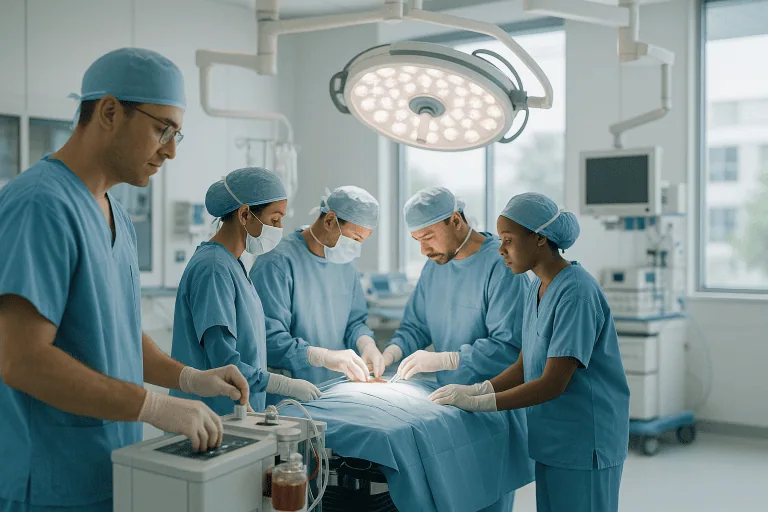
The range its eight theatres and intensive care genuinely support, cardiovascular surgery under its named lead, general and specialist surgery for the corridor, with flagship-scale cases routed within the group and said so.
What happens if my case needs a machine Kartal does not house?
The coordinators route you: MR-Linac at Maslak, Gamma Knife and Tomotherapy at Altunizade, PET staging at the flagships, with transport coordinated and the reason stated.
Do I need an appointment for emergencies?
No, emergencies are walk-in by definition; the records-first process applies to planned care only.
How does planned care start for international patients?
As everywhere in the group: records through secure channels, remote review, a written plan and honest cost estimate, then coordinated scheduling, travel booked when the plan justifies it.
Can my travel insurance be used here?
The international office handles travel-insurer and guarantee-letter paperwork routinely; for planned care, coverage is confirmed in writing before treatment.
How does payment work?
Planned care: written estimate first, payment arrangements settled in advance. Emergencies: treatment first, paperwork sorted with you or your insurer after stabilisation.
Can my companion stay with me?
Rooms accommodate companions and the visiting rules on this page state current arrangements; the neonatal and intensive-care settings have their own explained protocols.
Is the district practical for a companion stay?
Practically yes: the corridor’s hotels and serviced apartments serve real life rather than resort life, honest information for planning; for flagship programmes, accommodation shifts to the treatment campus’s neighbourhood.
Can children be seen at Kartal?
Yes, paediatric clinics and children’s emergencies at any hour, with complex paediatric programmes routed to the group’s children’s-medicine campuses honestly.
Can I get quick laboratory tests and imaging?
Yes, same-visit diagnostics through the group’s ISO-accredited laboratories and on-site imaging including the 3-Tesla MRI, with results readable at every Acıbadem campus.
Do you repeat tests I already had?
Only for a stated reason, usable existing studies are integrated, exactly as across the group.
Can I get a second opinion without visiting?
Yes, written records-based opinions are standard, and where the question belongs to a flagship subspecialist the coordinators place it there and say so.
Will my doctor at home receive a handover?
Always, discharge notes and planned-care summaries written for the clinician continuing your care, with your imaging and laboratory data included.
What should I bring to a planned visit?
Reports and scans in any language, a complete medication list including supplements, and your written questions, records are the most valuable luggage.
How fast is scheduling for planned care?
Coordinator-managed and corridor-quick; the honest variable is your records arriving before you do.
Does an emergency visit create records I can use later?
Yes: your file lives in the group’s system, readable at every campus, and written so your home doctor can continue care seamlessly.
Is the hospital open during holidays?
The emergency service never closes; holiday clinic schedules are confirmed by the coordinators when a visit is planned.
Can ongoing conditions be managed here long-term?
Yes, for the corridor’s residents this is the standing hospital: continuous care on the group’s systems, with flagship subspecialists a coordinated referral away.
What if a flagship campus suits my case better?
You will be told unprompted and routed, dense cancer care, radiosurgery, metabolic surgery, congenital hearts and genetics live at Maslak, Altunizade, Ataşehir and Atakent.
Why choose Kartal over other hospitals on the Anatolian side?
For what this page can evidence: group-standard emergency and everyday medicine with 3-Tesla imaging and a neonatal unit, a named cardiovascular surgery lead, the shortest Sabiha Gökçen transfer in the group, and honest routing into the flagships whenever your case outgrows the building.
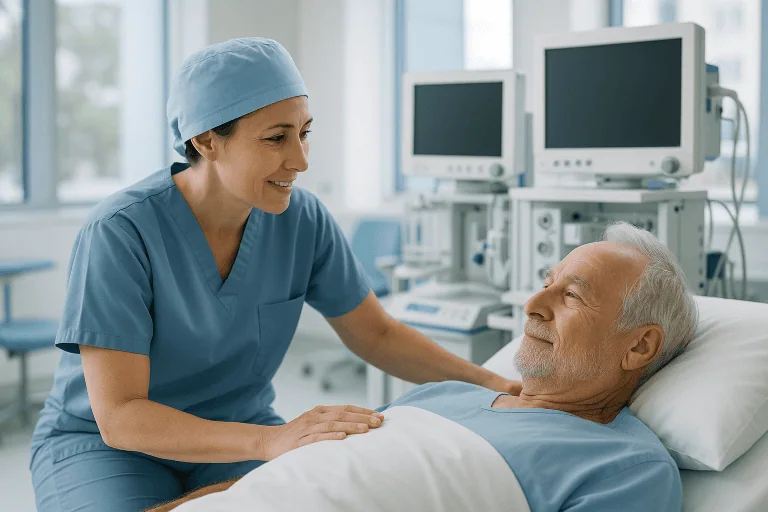
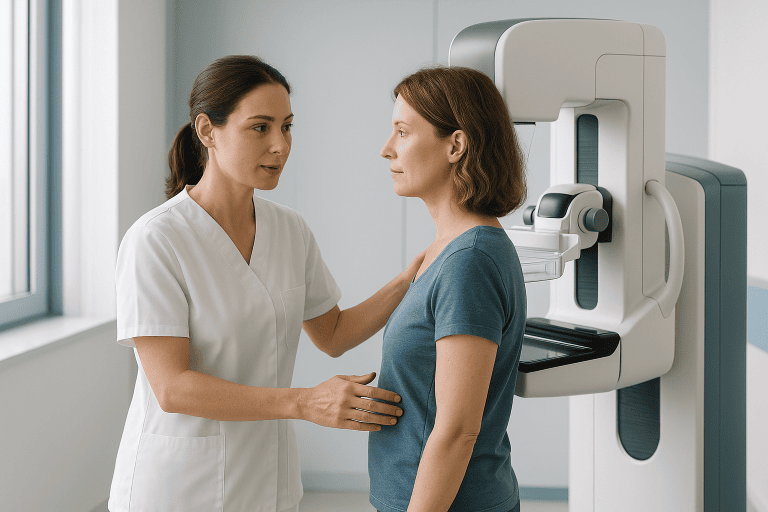
Medical Units at This Hospital
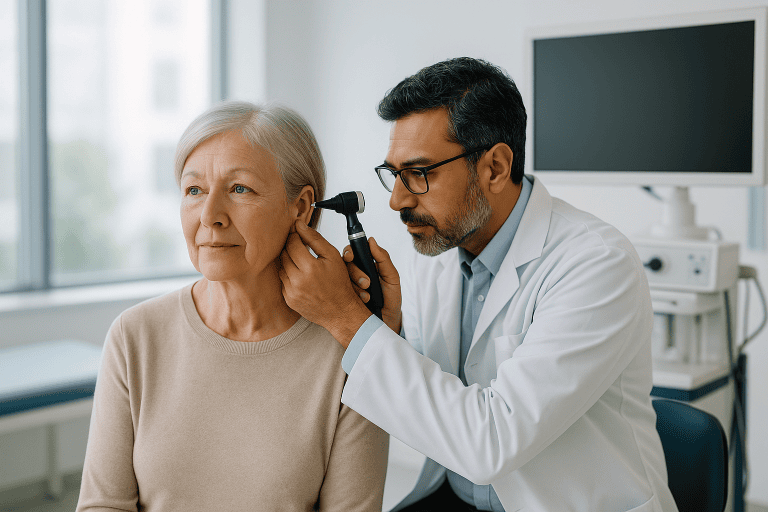
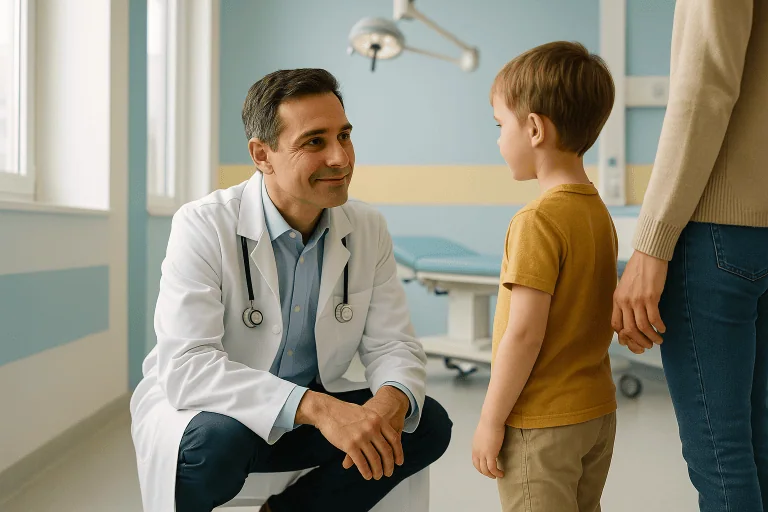
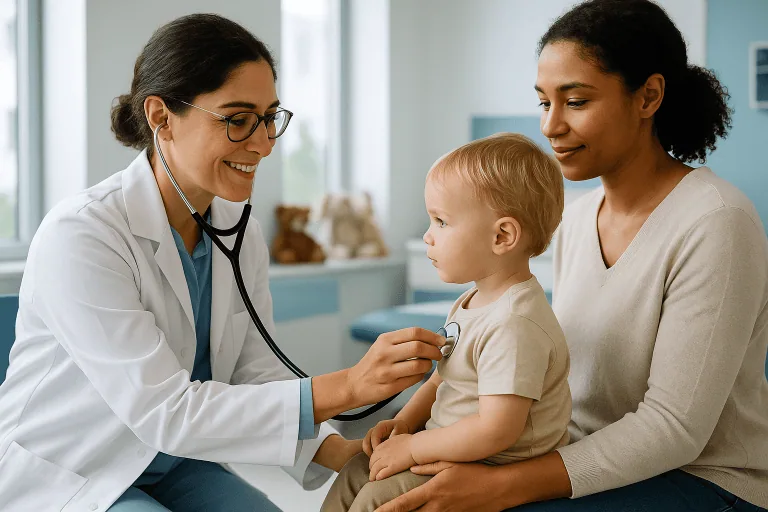
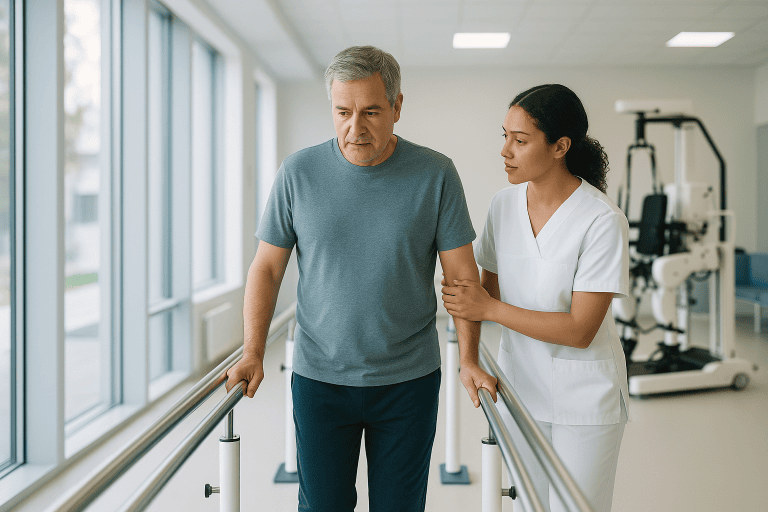
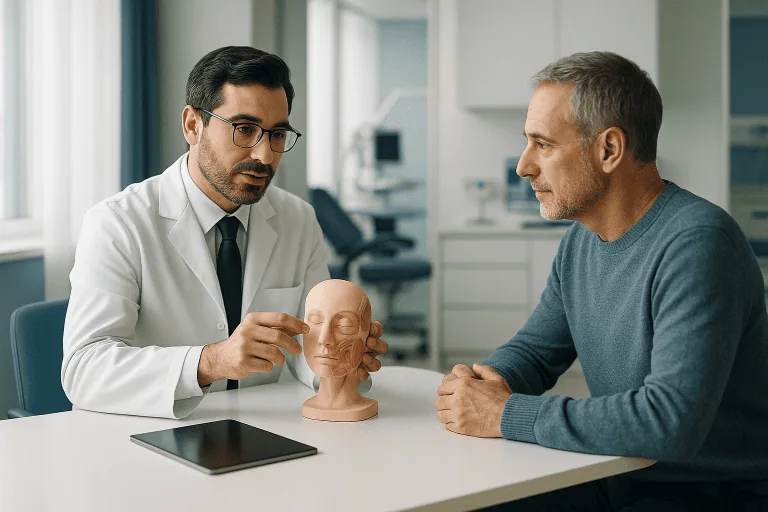
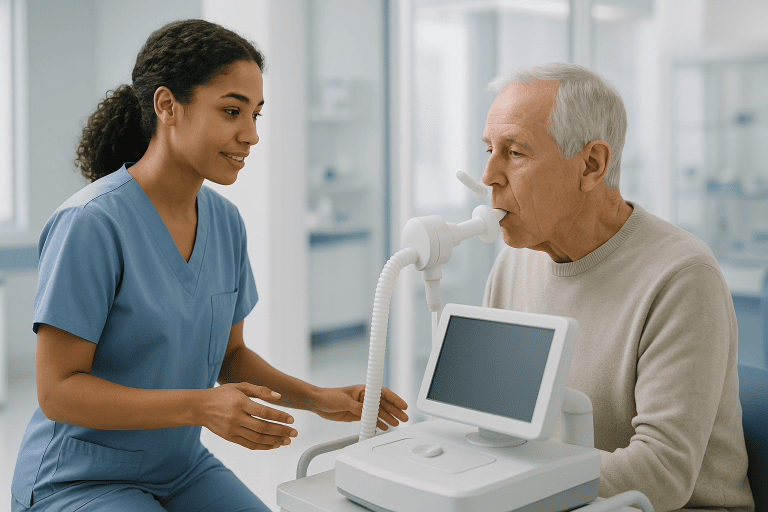
Every department that sees patients here, each one opens its own page with the team, technologies and treatments.
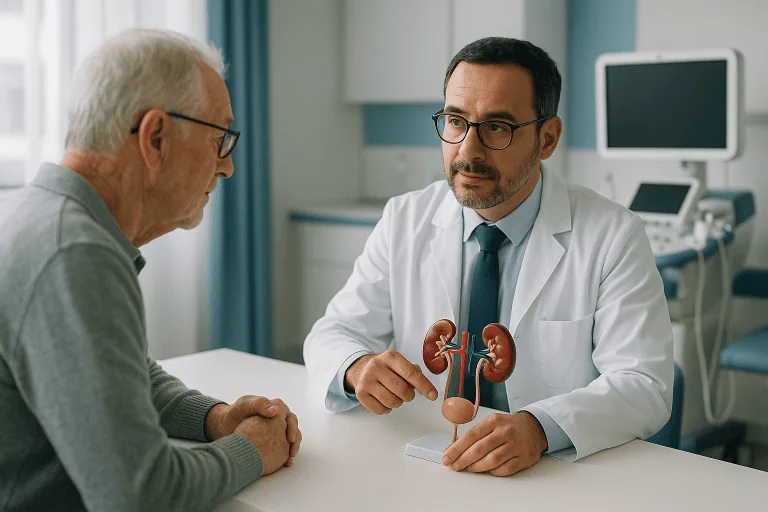
Doctors at This Hospital, Field by Field
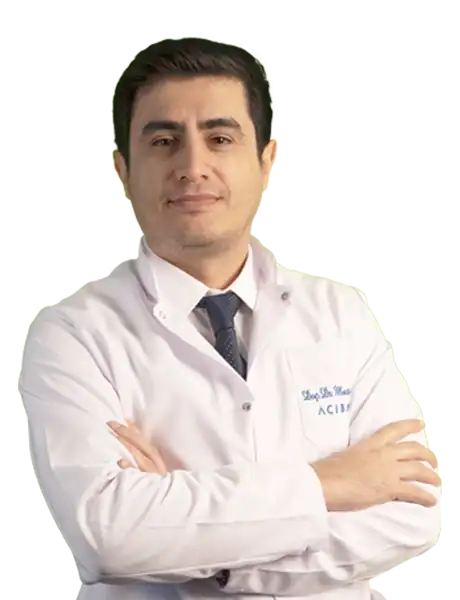
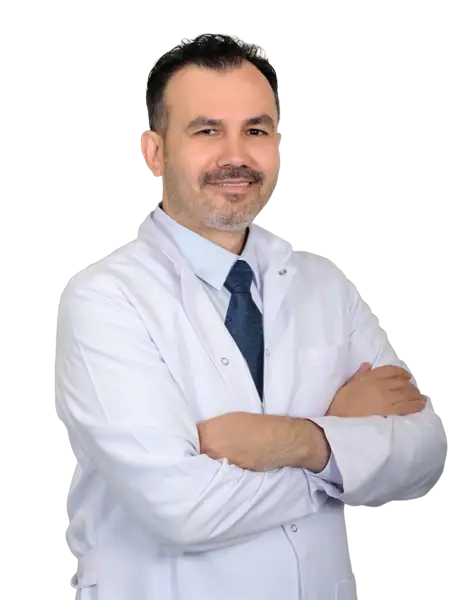
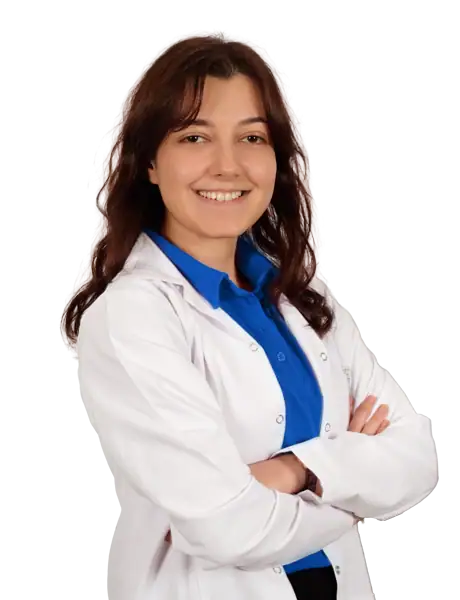
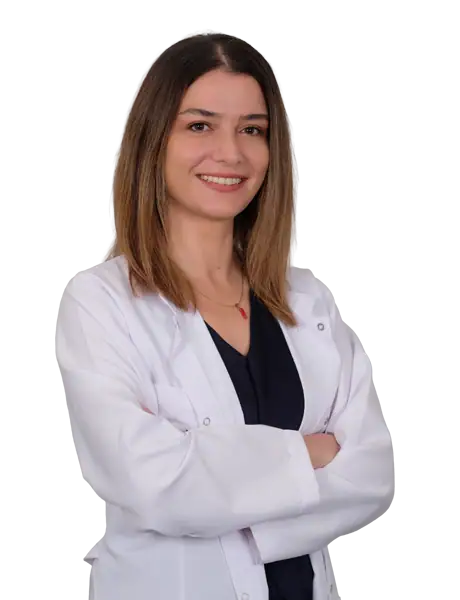
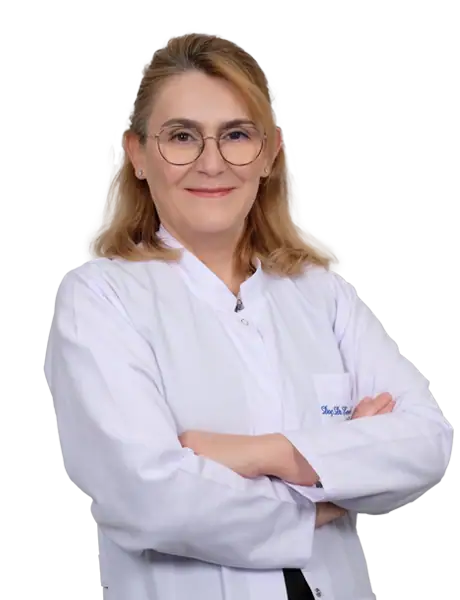
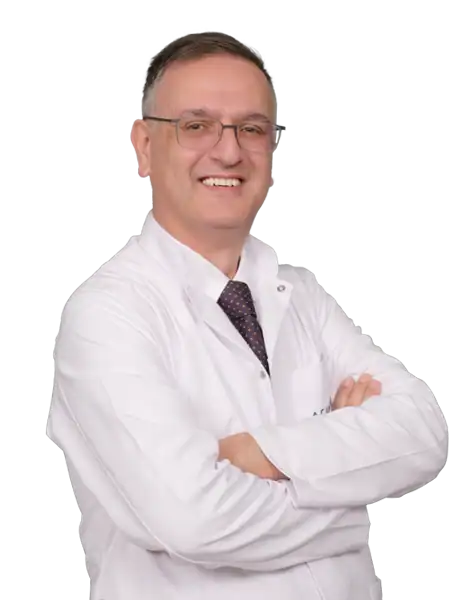
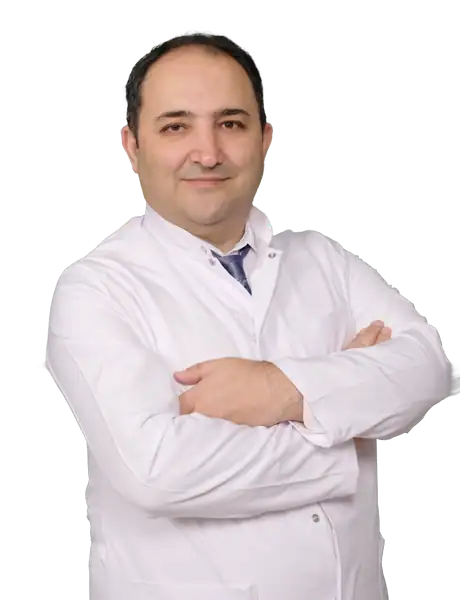
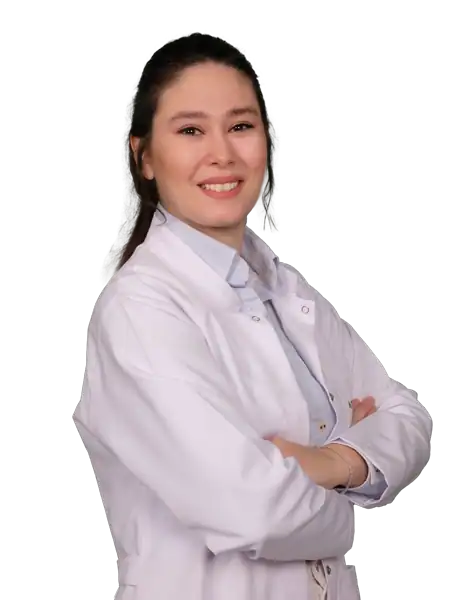
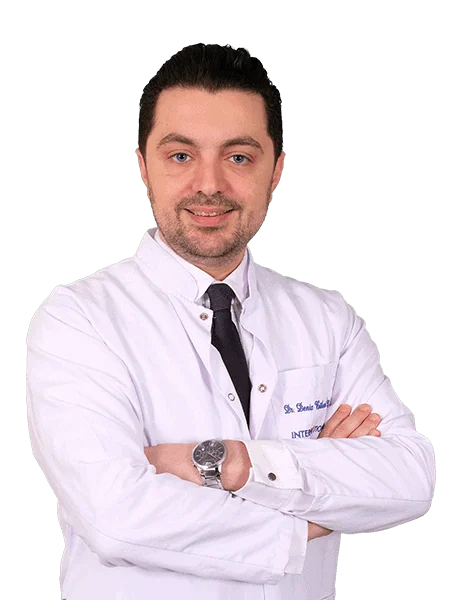
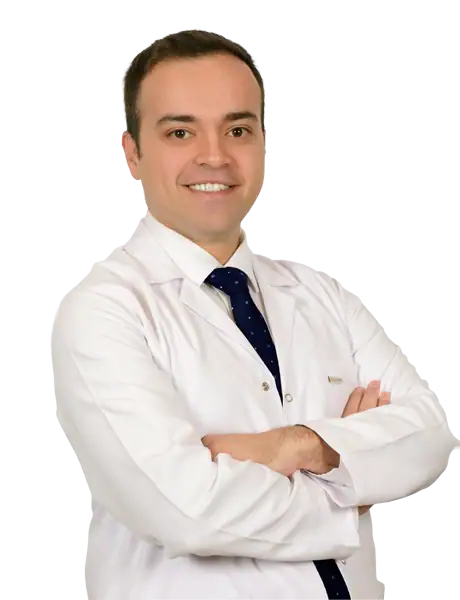
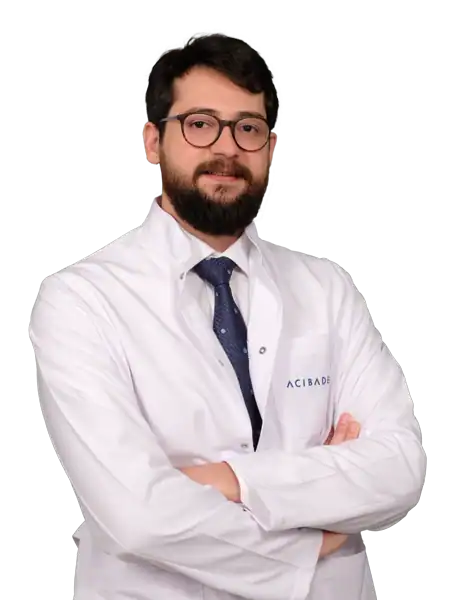
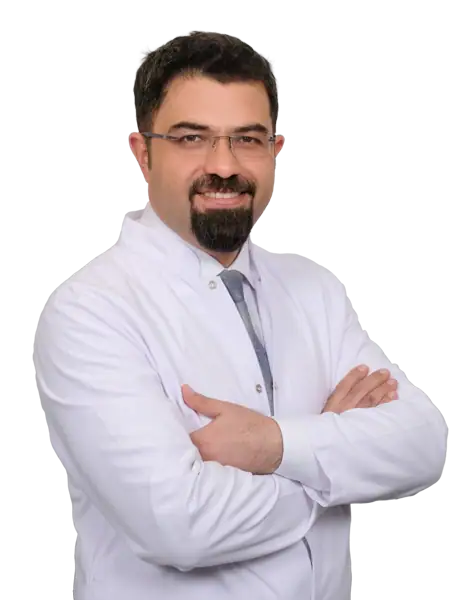
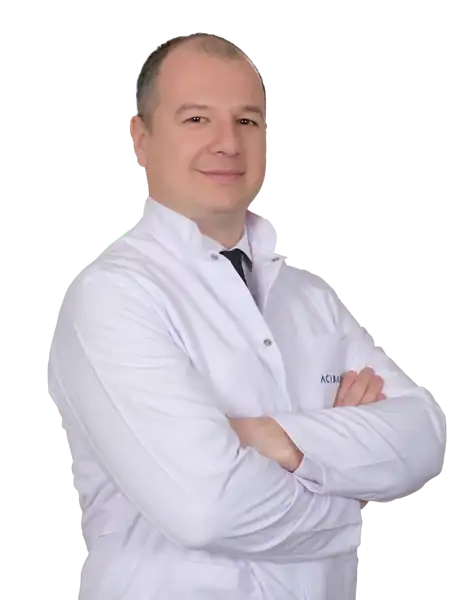
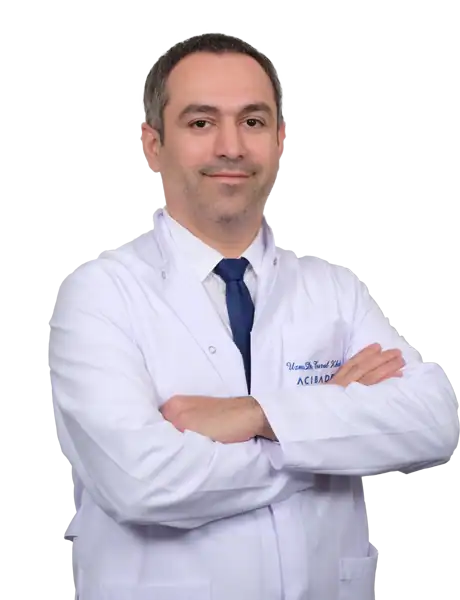
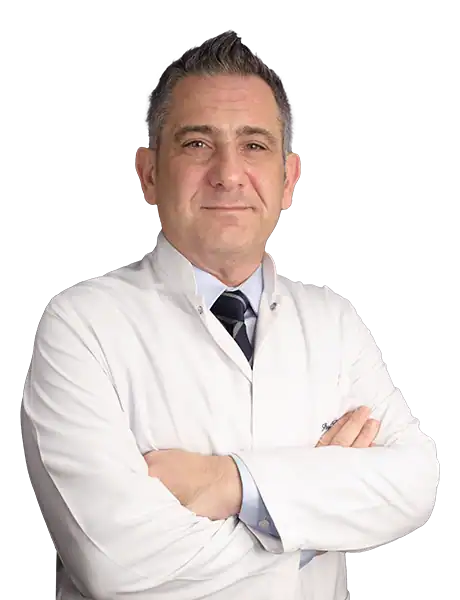
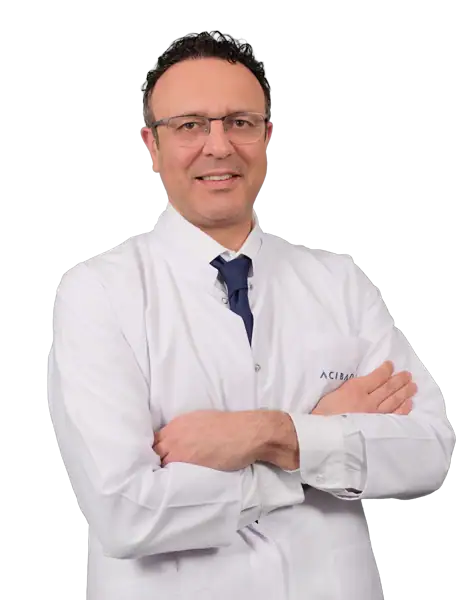
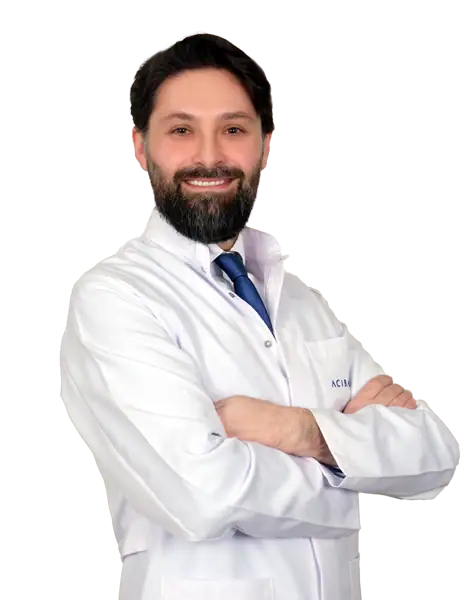
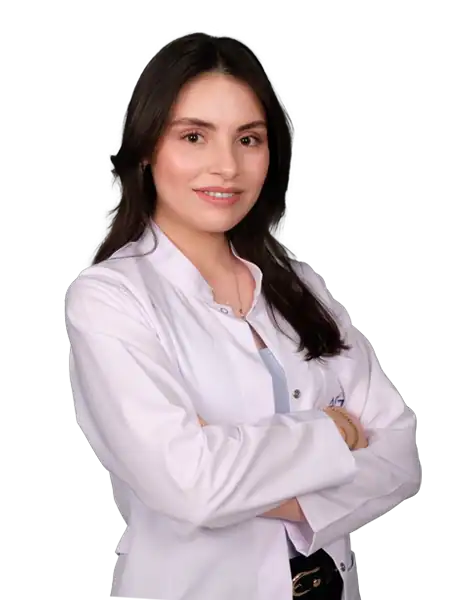
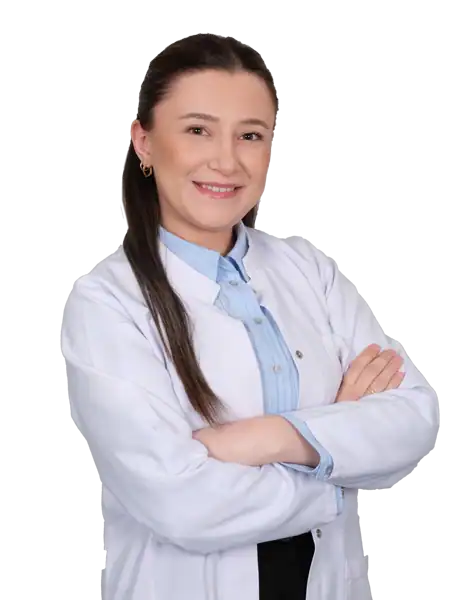
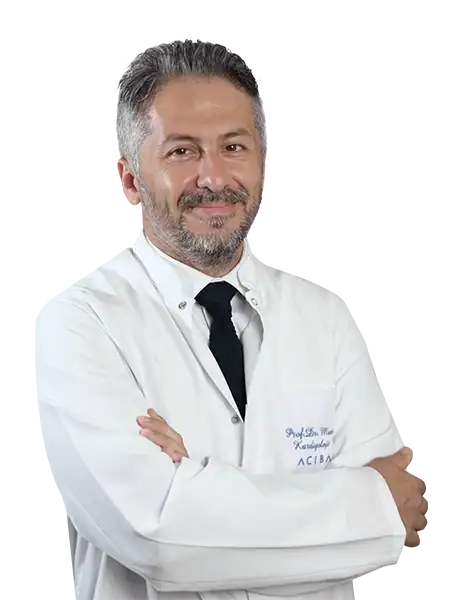
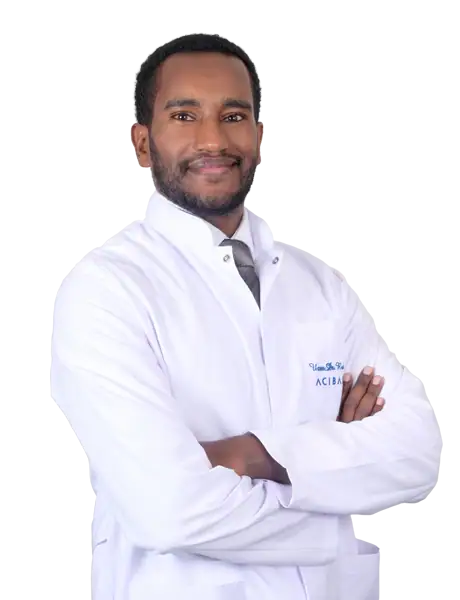
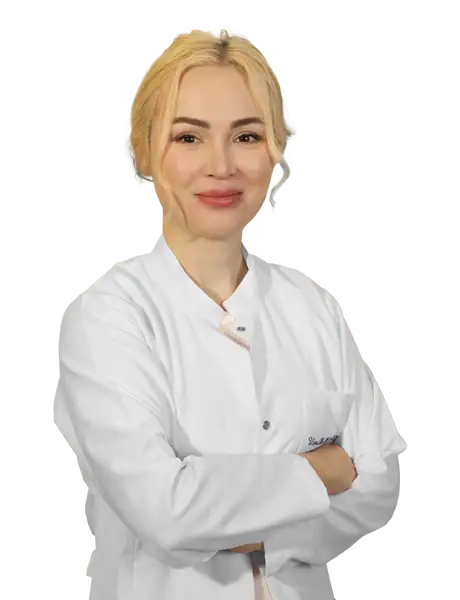
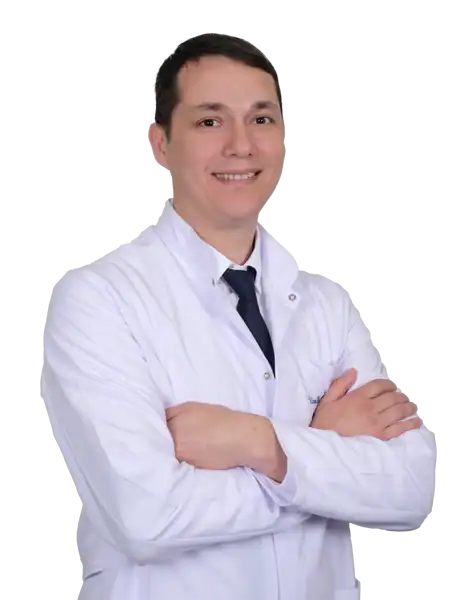
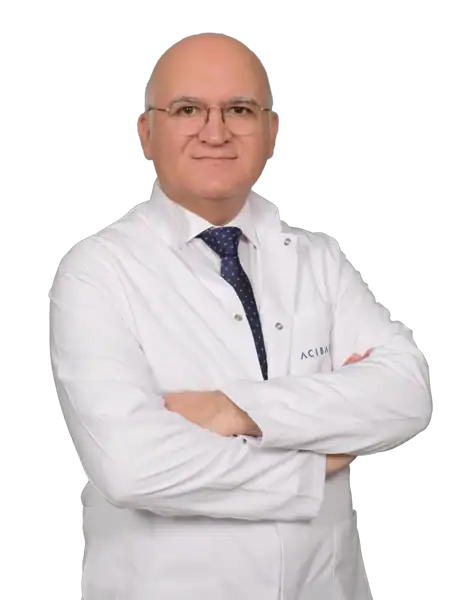
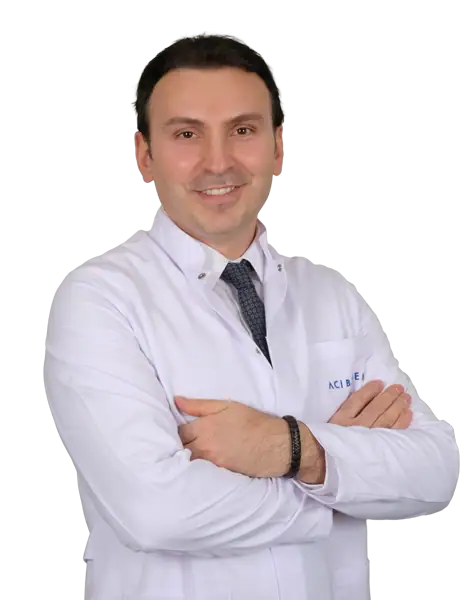
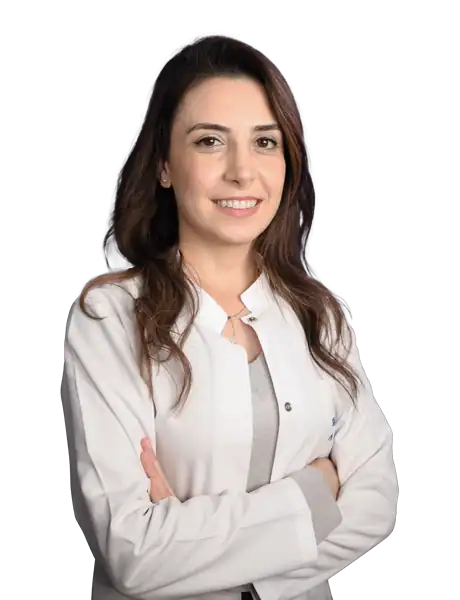
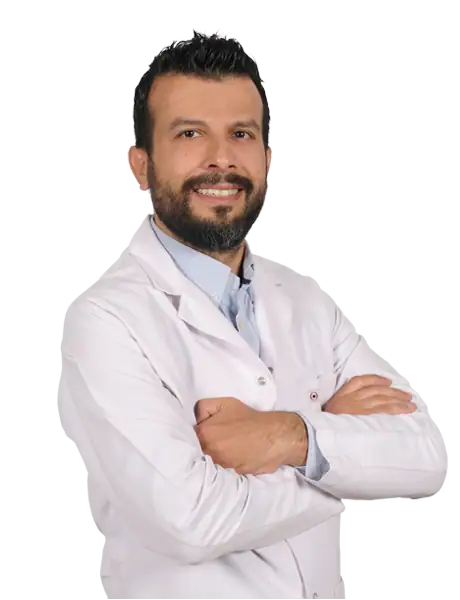
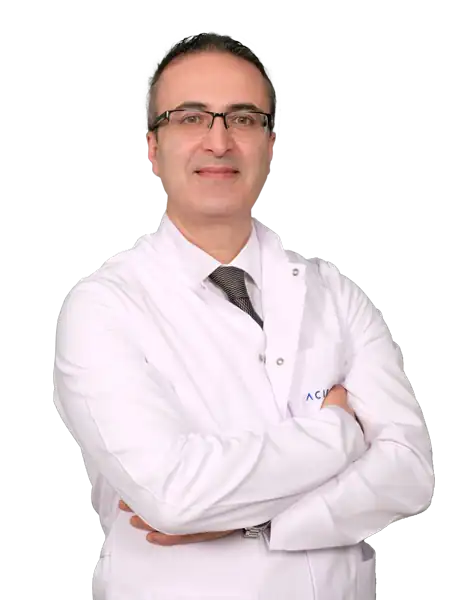
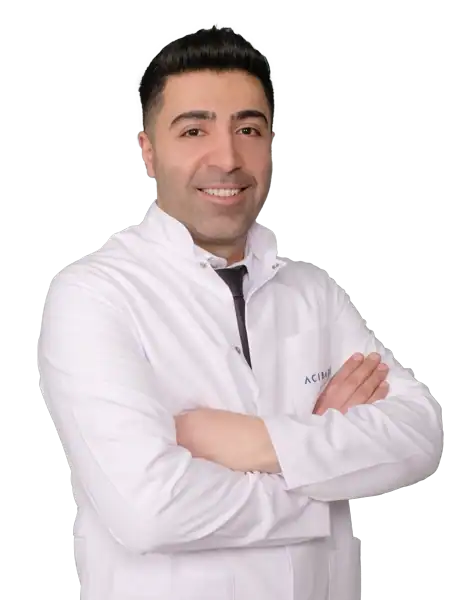
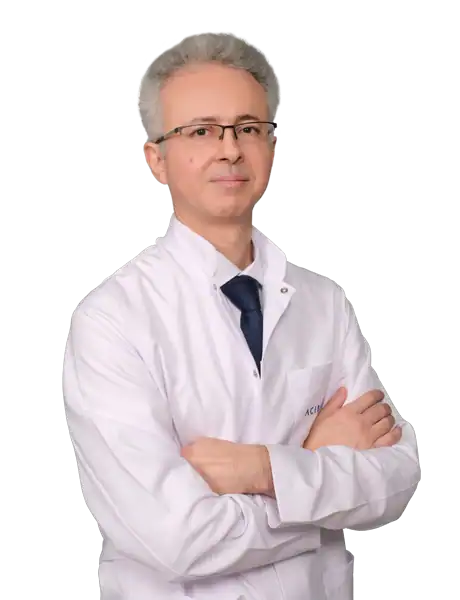
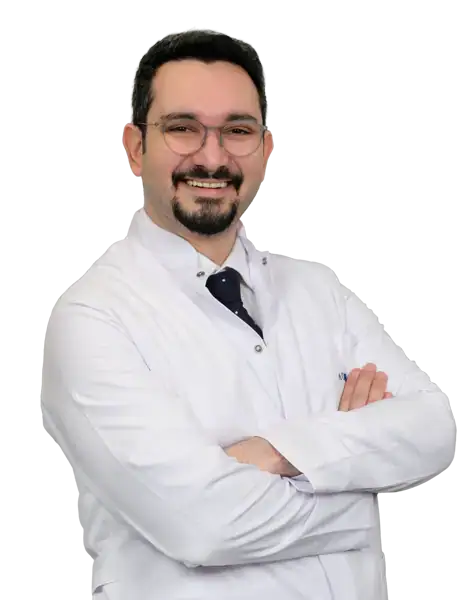
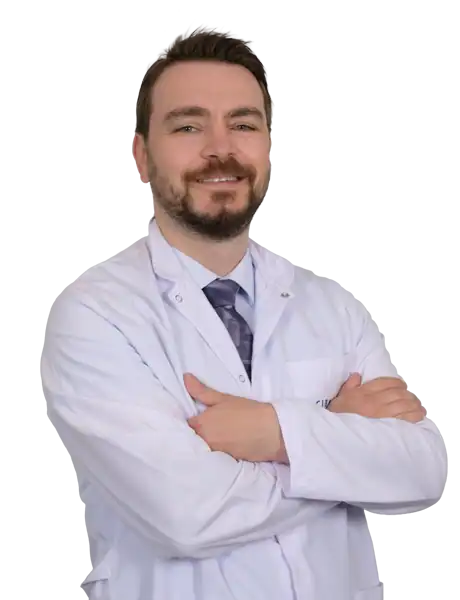
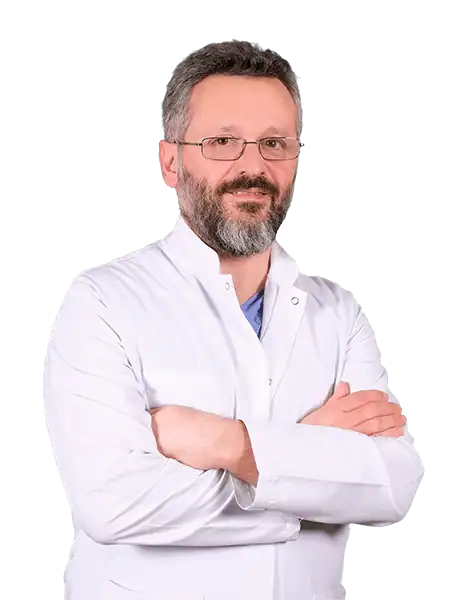
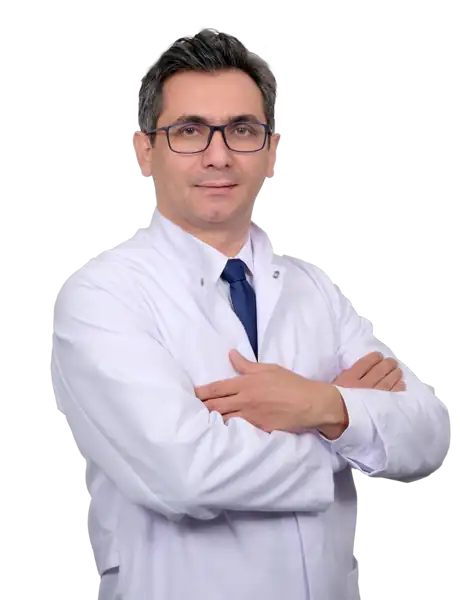
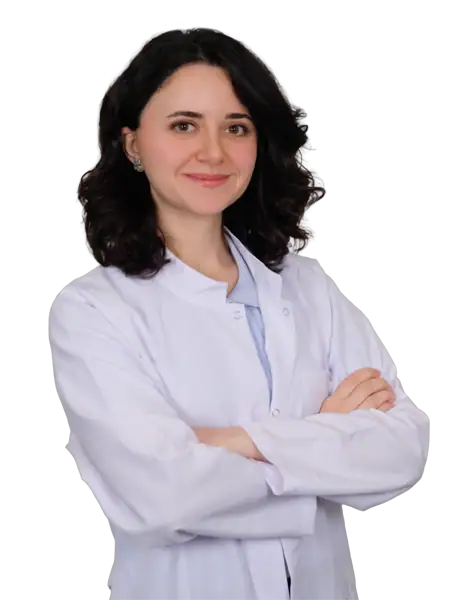
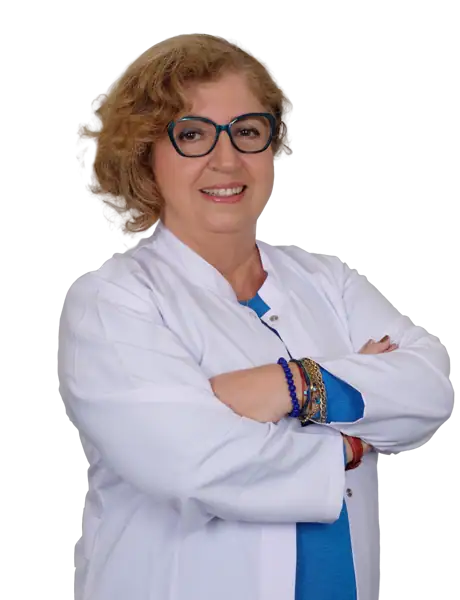
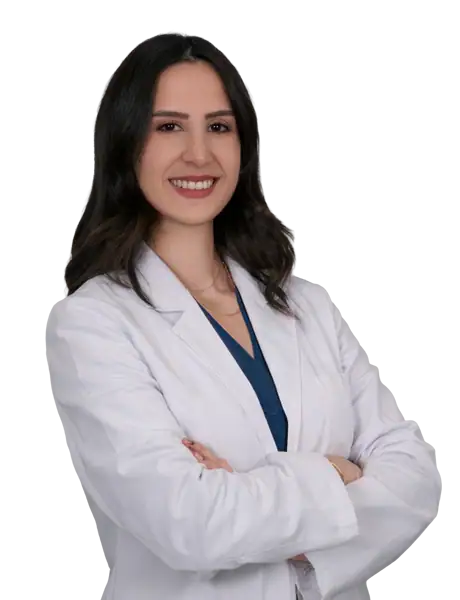
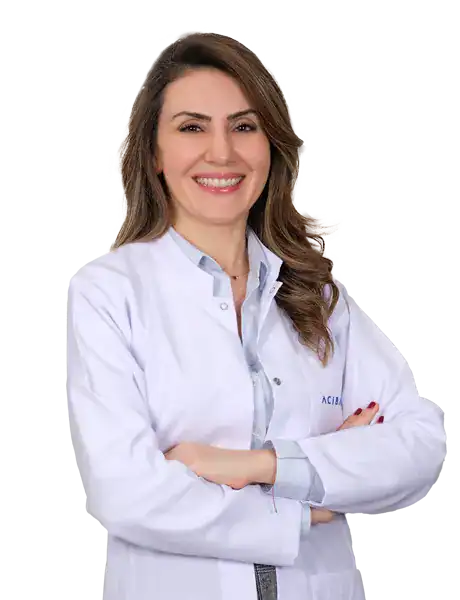
Choose a field to see every specialist who practises here in that department. All 91 doctors are listed.



















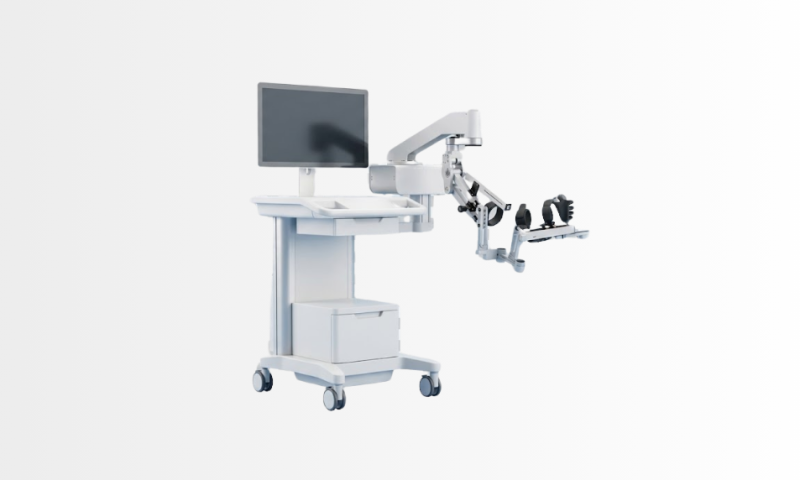
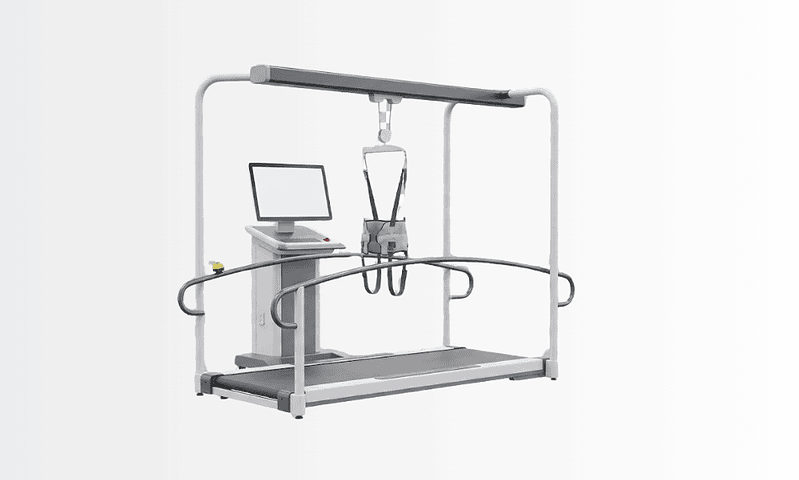
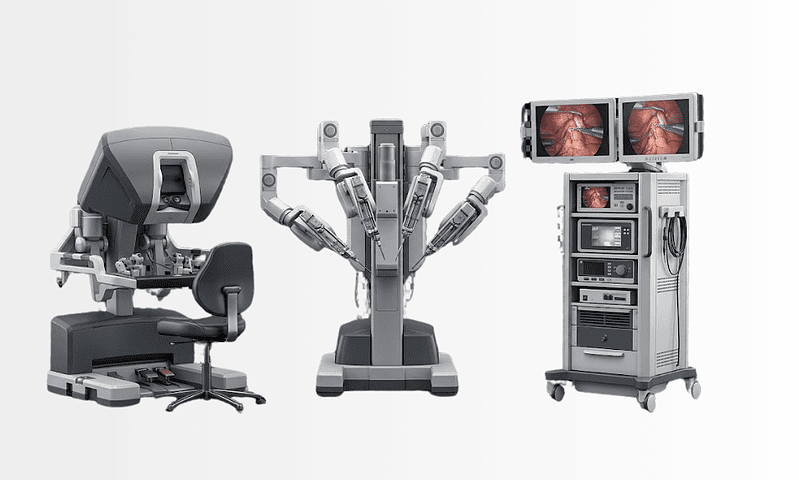
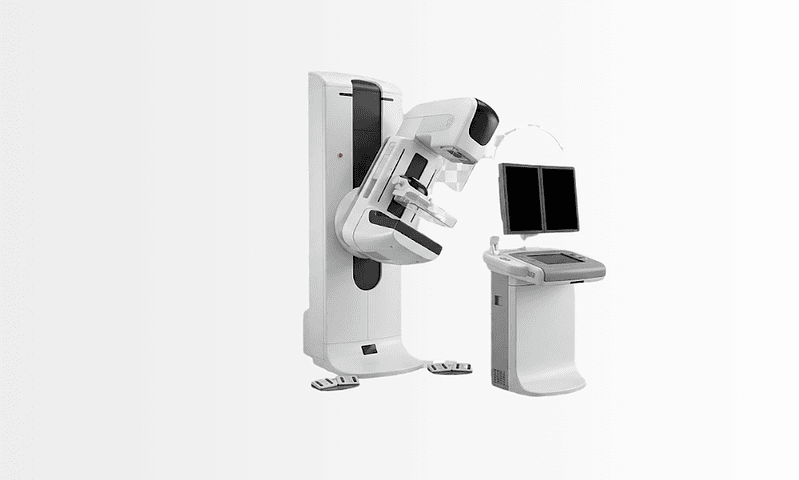
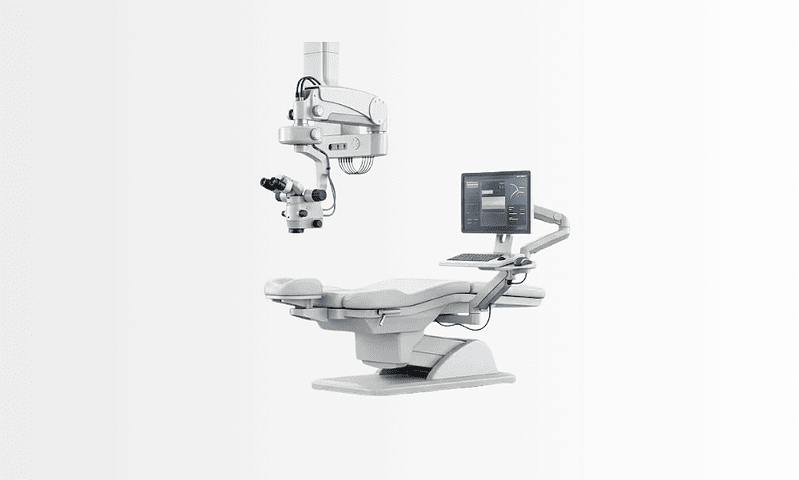
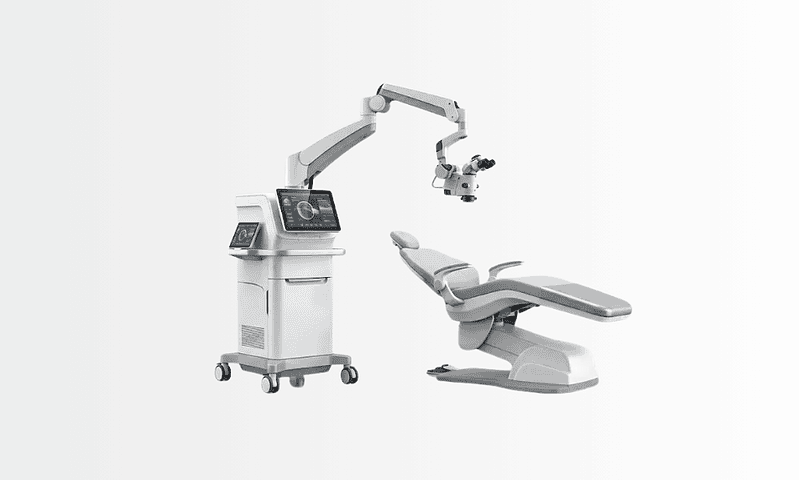
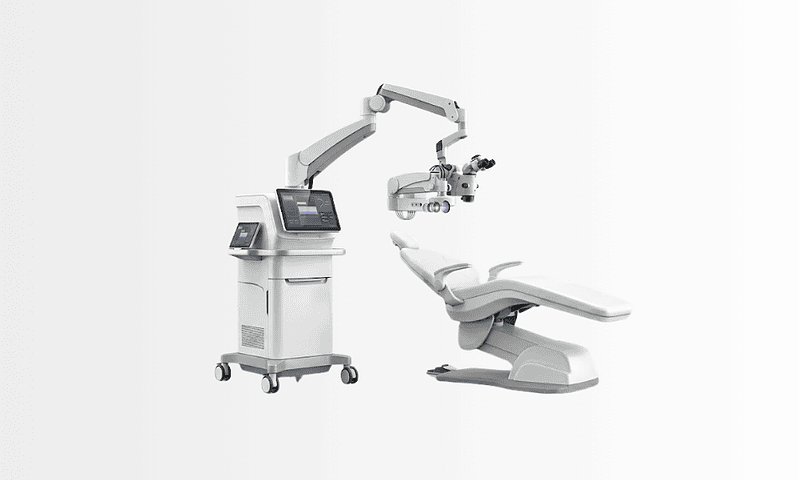
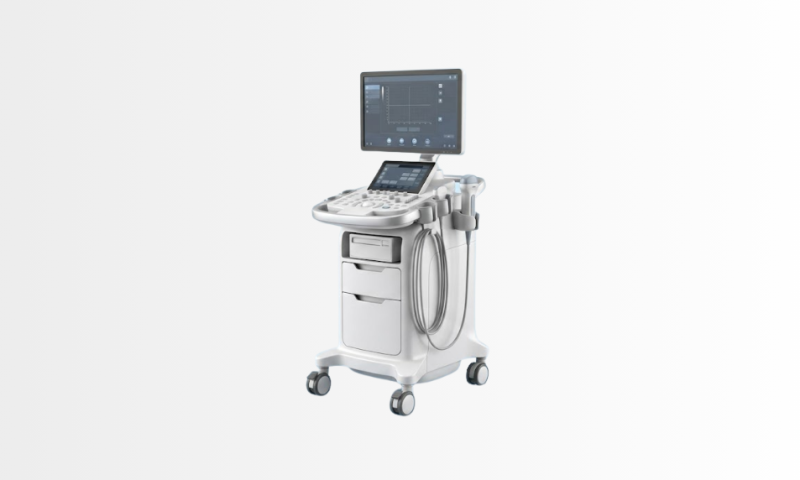
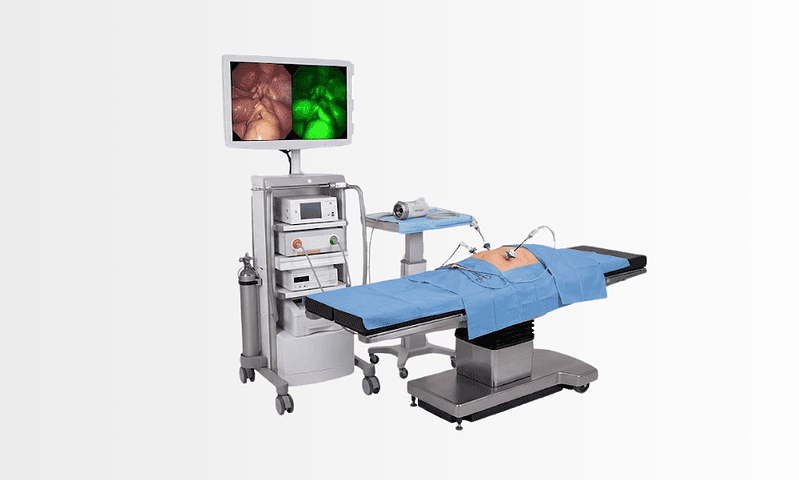
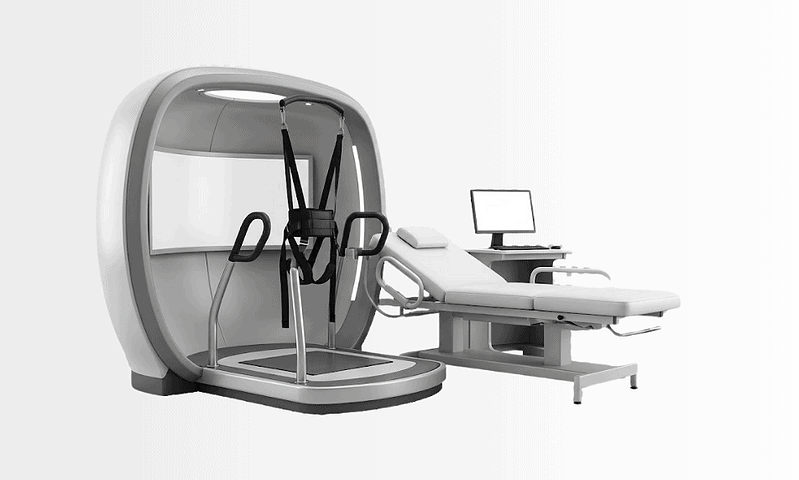
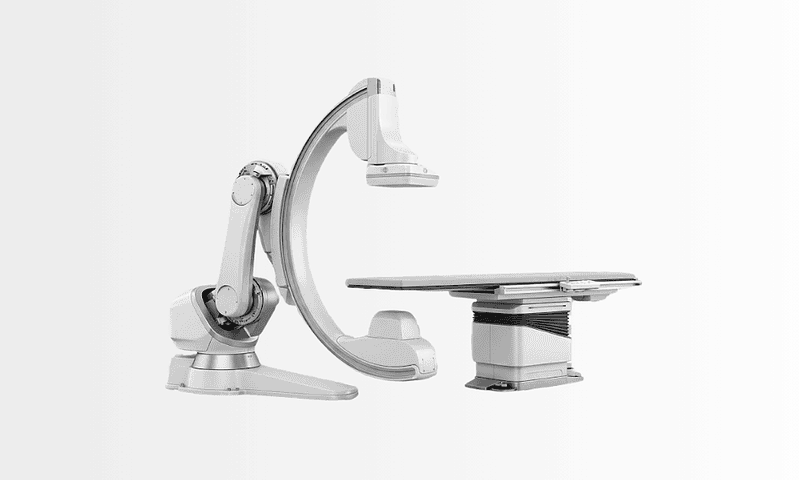
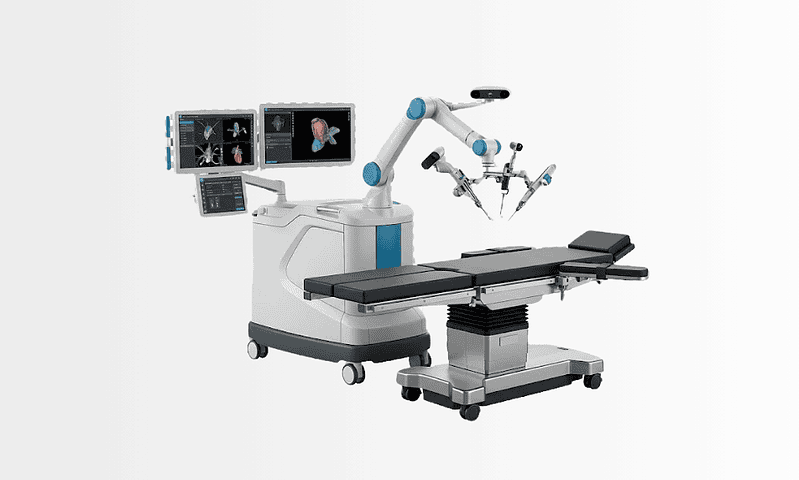
Medical Technologies at This Hospital
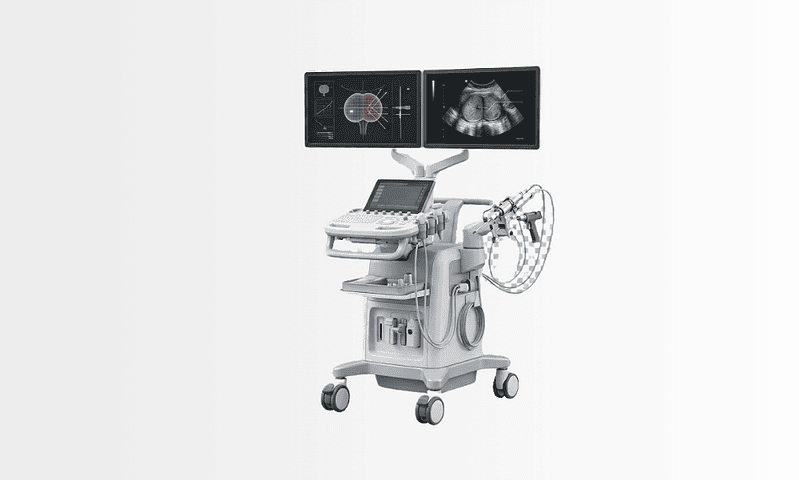
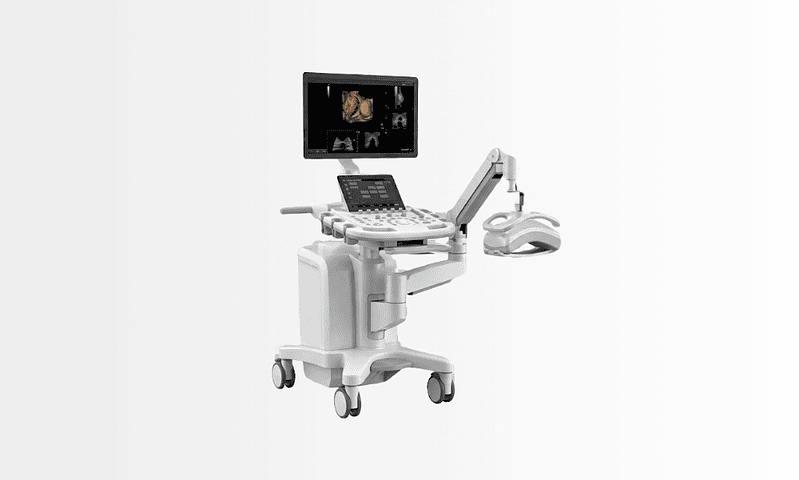
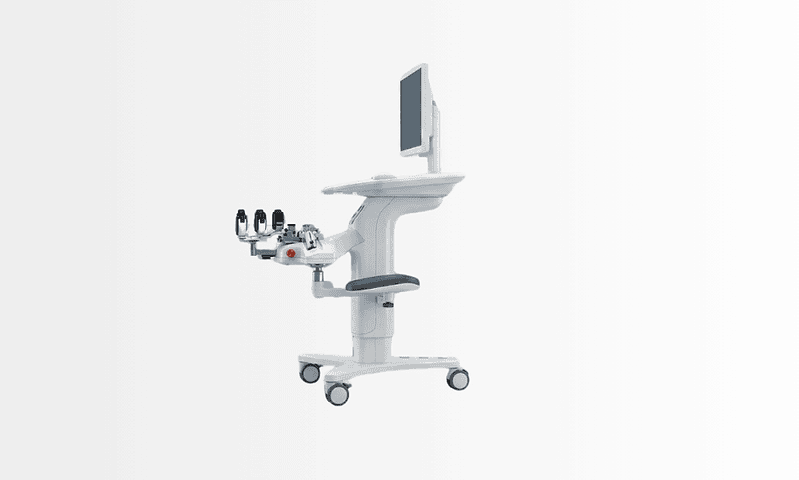
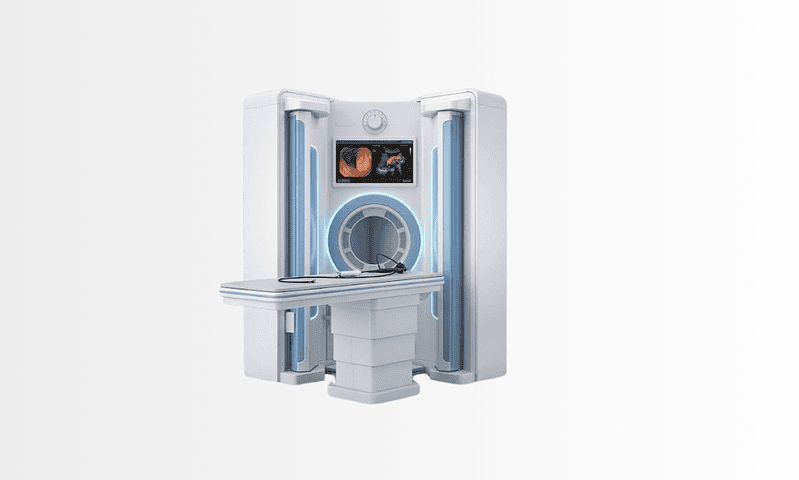
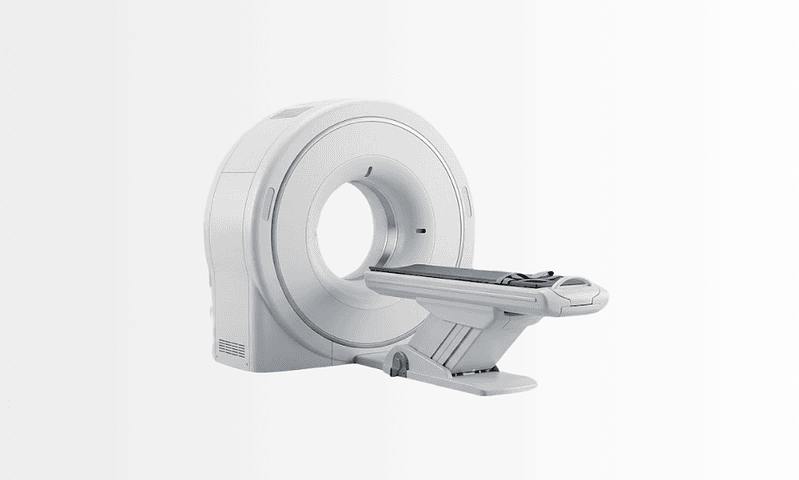
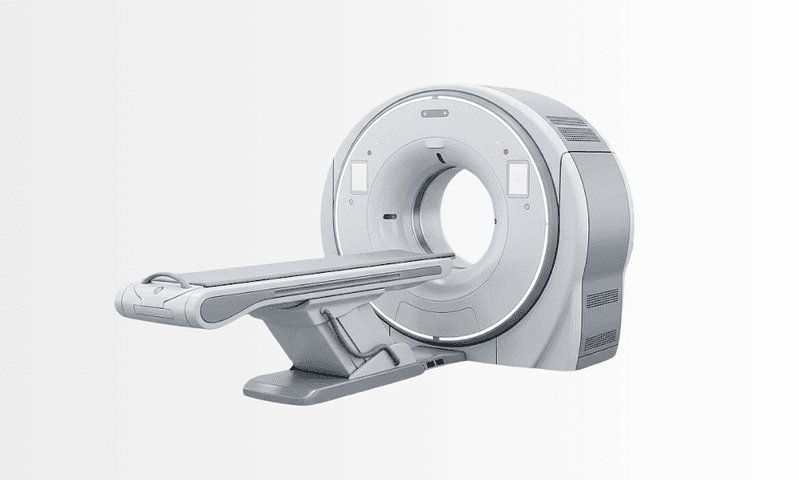
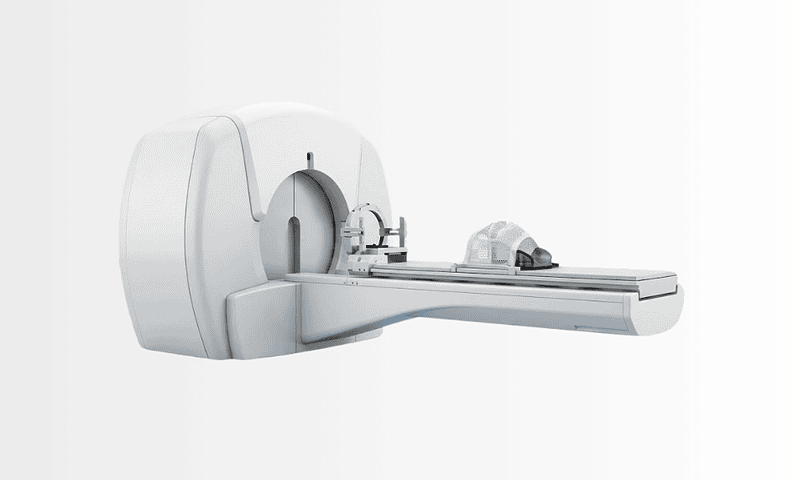
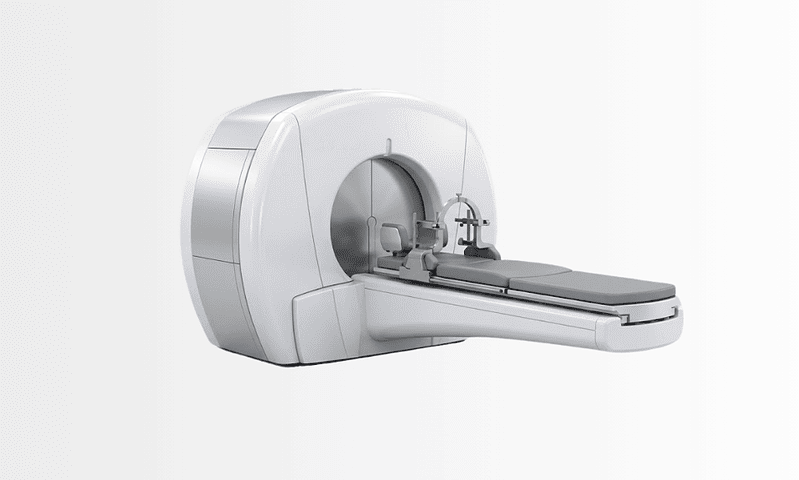
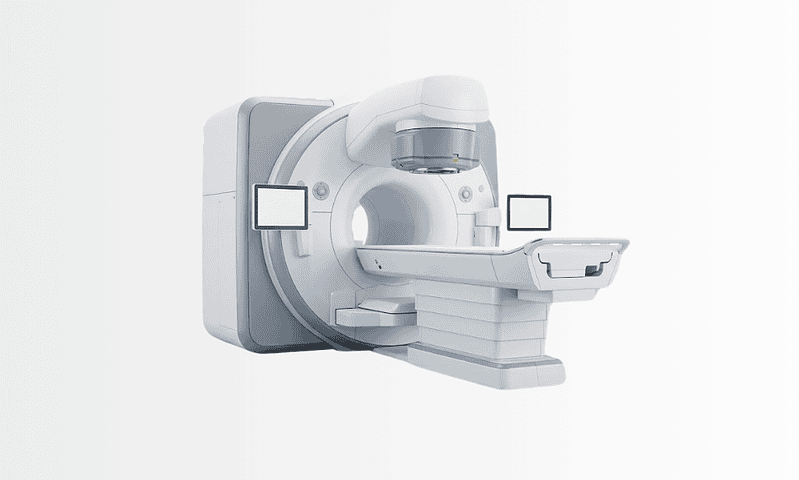
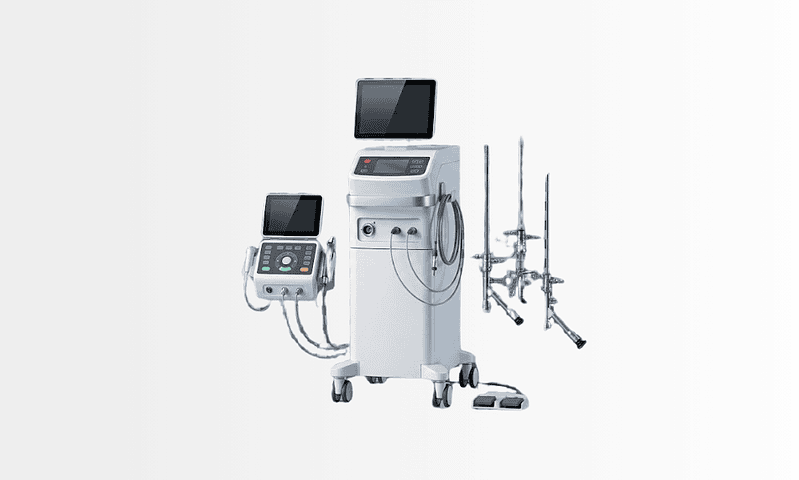
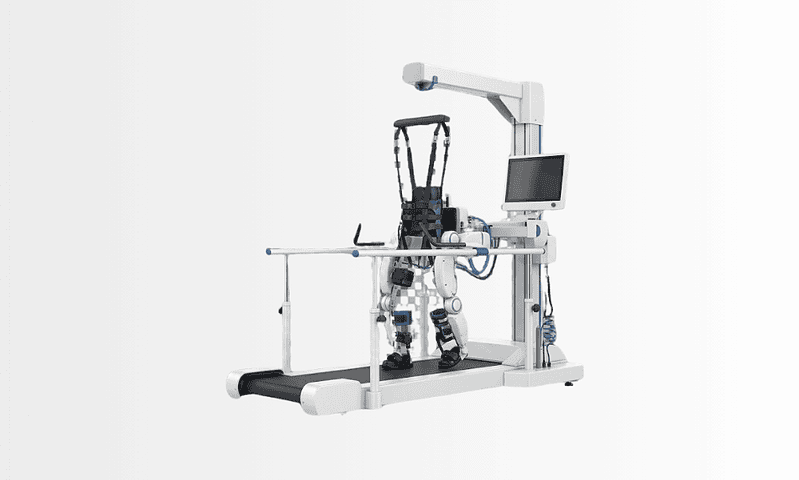
The imaging, radiotherapy, surgical and rehabilitation platforms installed here.
Send your reports: a physician-reviewed plan comes back before you travel.
Free · No obligation · Reply within 24 hours