

Quick answer
FibroScan is a non-invasive, ultrasound-based examination that measures liver stiffness and estimates liver fat to support the assessment of fibrosis and fatty liver disease. At Acibadem in Turkey, specialists use FibroScan results alongside clinical evaluation and other tests to guide follow-up and treatment decisions, often avoiding the need for liver biopsy.
FibroScan is the test that changed how liver disease is followed: a painless, needle-free examination that measures how stiff the liver is and how much fat it carries, in about ten minutes, with numbers on the screen before you leave the room. Stiffness tracks fibrosis, the scarring that chronic liver disease leaves behind; the fat reading (CAP) quantifies fatty liver. Across Acibadem’s hepatology and internal medicine practice, FibroScan is the standard first answer to the question a biopsy used to answer with a needle.
What is FibroScan and how does it work?
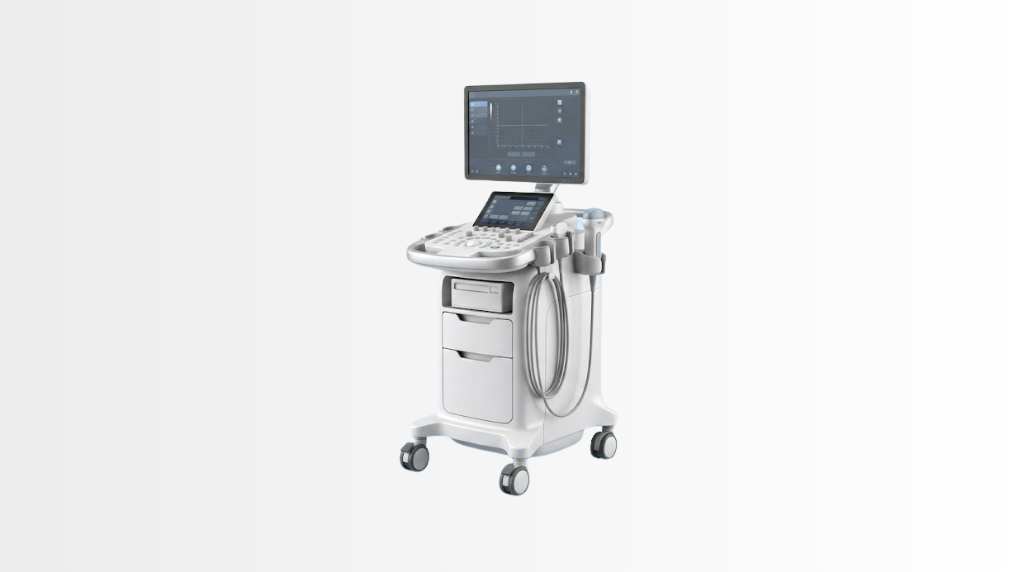
FibroScan uses transient elastography: a probe on the skin sends a painless mechanical pulse into the liver and measures how fast a shear wave travels through the tissue. Stiffer tissue carries the wave faster, and liver stiffness rises as fibrosis accumulates. The same examination measures the Controlled Attenuation Parameter (CAP), which quantifies how much the ultrasound signal weakens as it passes through fat: the higher the CAP, the fattier the liver. Ten valid measurements are taken and the machine reports the median: a number, not an impression.
FibroScan results: what the scores mean
The stiffness result is reported in kilopascals (kPa). As a general frame, interpreted always by your physician, in the context of your diagnosis, a healthy liver typically measures in the low single digits, values rise through the fibrosis stages (F0–F4), and high readings raise the question of cirrhosis. The thresholds differ by disease: the same kilopascal value means different things in hepatitis B, fatty liver disease or alcohol-related disease, which is why the number arrives with a consultation rather than instead of one. The CAP score is reported in decibels per metre (dB/m) and grades steatosis from minimal to severe. What makes the numbers powerful is repetition: measured yearly, they show whether disease is progressing, stable or, with treatment and lifestyle change, improving.
Who is FibroScan for?
The examination earns its place wherever the liver’s condition needs staging or watching: fatty liver disease discovered on ultrasound or through raised enzymes; chronic hepatitis B or C, before and during treatment; alcohol-related liver disease; unexplained abnormal liver tests; and the long-term follow-up of any chronic liver condition. It is also increasingly part of thorough check-up programmes, because fatty liver is common, silent and, caught early, largely reversible. Your physician decides whether FibroScan alone answers the question or whether it belongs alongside blood panels and imaging.
The examination: what actually happens
You lie on your back with the right arm raised; the operator places the probe between the ribs over the liver and takes a series of quick measurements, each feels like a gentle flick on the skin. No needles, no sedation, no radiation, no recovery time. The standard preparation is simple: come with an empty stomach, since eating raises liver stiffness for a few hours and can distort the reading. The whole visit, numbers included, typically fits inside fifteen minutes.
FibroScan vs liver biopsy
Liver biopsy remains the reference standard: it sees inflammation, architecture and rarities that no stiffness number can. But biopsy samples one fifty-thousandth of the organ, needs local anaesthesia and observation, and carries small but real risks. FibroScan inverts that trade: no risk, whole-organ physics, instant results, easy repetition, at the cost of answering a narrower question. In modern practice the two are partners, not rivals: FibroScan stages and follows the many; biopsy resolves the few whose numbers and blood tests disagree, or where the diagnosis itself is in doubt. That routing decision belongs to your hepatologist, and an honest centre makes it case by case.
Honest limitations
FibroScan readings can be less reliable with significant obesity (dedicated XL probes help), narrow rib spaces, fluid in the abdomen, or acute inflammation: a flaring hepatitis can stiffen the liver temporarily and overstate fibrosis. Congestion from heart conditions and recent meals push readings up too. A good report notes measurement quality alongside the number, and a good physician reads both.
What determines the cost of a FibroScan?
FibroScan pricing varies widely between countries and providers, which is why the searches for it so often include the word “cost”. The honest variables: whether the scan stands alone or sits inside a hepatology consultation or check-up programme, whether XL-probe examination is needed, and local insurer arrangements. At Acibadem, planned care follows the group’s written-estimate practice, the price is stated before the appointment, not discovered after it, and the scan’s speed keeps it among the more accessible advanced liver tests.
FibroScan at Acibadem
The examination runs within the group’s gastroenterology and hepatology practice, with internal medicine and the check-up programmes using the same measurement standard, and the group’s ISO-accredited laboratories supplying the blood panels read alongside the score. Results are numbers in your file, readable at every Acibadem campus, comparable year to year, and written into a report your own doctor can continue from anywhere.
FibroScan and fatty liver: the modern epidemic, measured
The condition FibroScan meets most often now has a new name: MASLD, metabolic dysfunction-associated steatotic liver disease, the artist formerly known as NAFLD, and a sobering scale: it touches a substantial share of adults worldwide, silently, over decades. The disease’s cruelty is its quietness: fat accumulates without symptoms, a minority progress to inflammation and fibrosis, and the first loud symptom can arrive with cirrhosis already established. FibroScan reframes that story into numbers a patient can act on. The CAP score names the fat plainly; the stiffness score says whether scarring has started; and the combination sorts the many who need lifestyle change and yearly measurement from the few who need a hepatologist’s active programme. In follow-up, the same two numbers become a scoreboard: weight loss, diabetes control, alcohol reduction and, where prescribed, modern therapies now have a visible, motivating readout. Ask any hepatologist what changed adherence conversations; the answer is often exactly this test.
Beyond the score: what happens after the measurement
A FibroScan result is a fork in a pathway, not a verdict. Low stiffness with modest fat typically ends in reassurance plus a repeat interval and metabolic advice: the majority outcome. Raised fat with normal stiffness starts the metabolic conversation in earnest: nutrition, activity, diabetes and lipid control, with clinical nutrition in the loop where structured support helps. Raised stiffness moves the case into hepatology proper: blood indices, sometimes complementary elastography or MRI, occasionally biopsy where the picture disagrees with itself, and treatment of the underlying cause, from antivirals in hepatitis to the expanding pharmacology of metabolic liver disease. Very high readings trigger the cirrhosis care bundle: surveillance imaging on schedule, variceal assessment, vaccination review. The test’s real product is this routing, done early, most liver disease is a manageable chronic condition rather than a late emergency.
Frequently Asked Questions
What is MASLD and does FibroScan diagnose it?
MASLD is the current name for metabolic fatty liver disease; FibroScan quantifies its two key dimensions, fat (CAP) and scarring (stiffness), while the diagnosis itself combines your metabolic picture with the numbers.
Can FibroScan replace blood tests?
No: the score and the panel answer different questions and are read together; enzymes, platelets and metabolic markers frame what the stiffness means.
My stiffness is high, do I definitely have cirrhosis?
Not necessarily, inflammation, congestion and recent eating can push readings up; a high value starts a hepatology work-up, not a verdict.
Is FibroScan painful?
No, each measurement feels like a gentle flick on the skin; there are no needles, no sedation and no recovery time.
How long does a FibroScan take?
About ten minutes of measurement; the whole visit, results included, typically fits inside fifteen.
Do I need to fast before FibroScan?
Yes, come with an empty stomach, since eating raises liver stiffness for a few hours and can distort the reading; your appointment instructions state the exact window.
What is a normal FibroScan score?
Healthy livers typically measure in the low single-digit kilopascals, but thresholds differ by disease: the number is interpreted by your physician against your diagnosis, not against a universal chart.
What does the CAP score mean?
CAP quantifies liver fat in dB/m, grading steatosis from minimal to severe, and tracking whether treatment and lifestyle change are actually clearing the fat.
Can FibroScan detect cirrhosis?
High stiffness readings raise the question of advanced fibrosis or cirrhosis; confirming and staging it remains your hepatologist’s synthesis of the score, blood work and imaging.
Does FibroScan replace a liver biopsy?
For staging and follow-up in most patients, yes in practice; biopsy remains the resolver when results disagree or the diagnosis itself is uncertain.
Is FibroScan safe in pregnancy?
The examination uses no radiation; whether any liver assessment is appropriate during pregnancy is a decision for your physician.
How often should FibroScan be repeated?
Commonly yearly in chronic liver disease follow-up: the interval is your hepatologist’s call based on your condition and trend.
Can the result be wrong?
Readings can be distorted by recent meals, acute inflammation, obesity or fluid, which is why quality indicators are reported and why a physician, not the machine, delivers the verdict.
Is fatty liver reversible if FibroScan finds it?
Early steatosis is largely reversible with weight, metabolic and alcohol changes, and repeat CAP scores make the improvement visible rather than hopeful.
Can I have a FibroScan as part of a check-up?
Yes: the scan fits naturally into thorough check-up programmes, and the check-up unit’s physicians read it alongside your panel results.
How do I get my results?
The numbers appear at the examination and enter your Acibadem file immediately, reported with interpretation, readable at every campus, and written so your own doctor can continue from them.
Related Medical Units
Available at these Hospitals
















Speak with our medical team
Find out how this technology could support your diagnosis or treatment.