

Orthopedics & Joint Center
Knee and hip replacement, robotic-assisted surgery and complete musculoskeletal care, home of the International Joint Center in Istanbul.
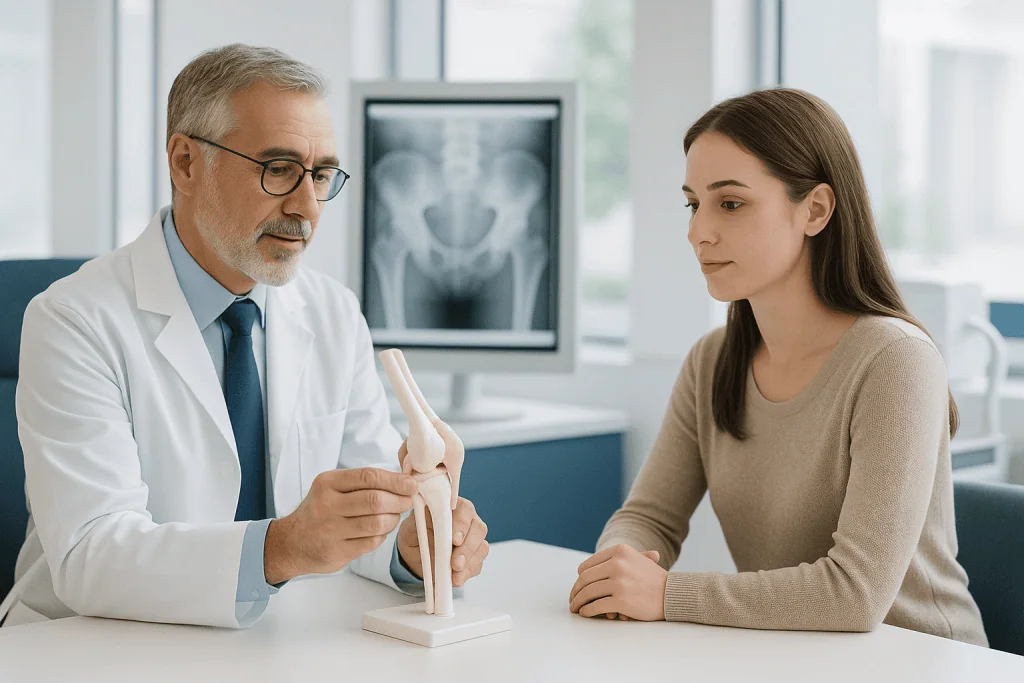
Knee, hip, and the robot that sharpens both
Three ways back to pain-free movement. Which one fits is a planning decision made from your imaging, never a menu choice.
Knee Replacement
Worn joint surfaces resurfaced with precision components: the definitive answer to bone-on-bone knee arthritis.
- Surgery45–90 minutes
- Hospital stayTypically 1–3 days
- Normal lifeIn 6–8 weeks
Hip Replacement
The damaged ball-and-socket replaced with an artificial joint, few operations transform daily life so reliably.
- Surgery45–90 minutes
- Hospital stayTypically 1–3 days
- Walking freelyBy ~6 weeks
Robotic-Assisted Surgery
Your implant planned on a 3D model of your own anatomy, positioned with robotic precision and verified by navigation.
- Planning3D, from your anatomy
- Available forKnee & hip
- Who decidesAlways the surgeon
Partial replacement and complex revision surgery are planned case by case from your imaging. Ask which procedure fits your joint →
A world centre for joint replacement, in Istanbul
Founded in 2024 at Acibadem Maslak Hospital by internationally renowned surgeons: Prof. Javad Parvizi (USA), Prof. Samih Tarabichi (Dubai), Prof. Remzi Tözün and Prof. İbrahim Tuncay: the IJC is built around one thing: hip and knee replacement at the highest level.
- ✓High-quality, U.S.-manufactured joint replacement components
- ✓Robotic-assisted surgery and navigation systems for implant precision
- ✓Full-body radiographic imaging for whole-alignment surgical planning
- ✓An international fellowship hub, surgeons worldwide train here
- ✓Research with Acibadem University: joint preservation, regeneration, AI
- Prof. Dr. Javad ParviziCo-founder · world authority on periprosthetic joint infection
- Prof. Dr. Remzi TözünCo-founder · hip & knee replacement since 1979
- Prof. Dr. İbrahim TuncayCo-founder · adult & pediatric joint surgery
- Prof. Dr. Vahit Emre ÖzdenHip & knee replacement · European Hip Society fellow
- Prof. Dr. Göksel DikmenHip & knee replacement · sports and knee injuries
- Assoc. Prof. Dr. Kayahan KaraytuğHip & knee replacement · foot and ankle surgery
The signs a joint replacement may genuinely help
No single sign is a verdict, but this pattern is what joint surgeons recognise. The answer comes from an assessment, not a sales call.
Recognise the pattern? Take the 2-minute candidacy check or send your X-rays for a free surgical opinion →
The same knee replacement, around the world
Indicative all-inclusive package market ranges from our cost data: the difference is economics, not standards.
Indicative market package ranges for total knee replacement, never a quote, hip replacement runs $9,000–$16,000 in Türkiye on the same basis. Your personalised quote is free and carries no obligation.
From landing in Istanbul to walking on your own
- Days 1–2Arrival, assessment & surgical planning
- Surgery dayThe operation: 45–90 minutes
- Hospital daysFirst steps with support, physio begins
- To day ~10Hotel recovery, daily physiotherapy
- Day ~14Final check, cleared to fly home
- Weeks 6–8Back to normal life on your new joint
Everything in your surgical package
Everything you want to know, answered below
Jump straight to the part of the guide you came for.
Quick answer
Acibadem Orthopedics & Spine Center evaluates and treats bone, joint, muscle, ligament, and spinal conditions using individualized conservative, rehabilitative, minimally invasive, and surgical approaches. Multidisciplinary teams assess each patient’s condition and plan care according to diagnosis, symptoms, mobility needs, and overall health.
People whose knees or hips have quietly taken over their lives, deciding how far they walk, how they sleep, which stairs they avoid, fly to Istanbul and get those decisions back. Turkey has become one of the world’s leading destinations for orthopedic surgery, and Acıbadem sits at the centre of it: complete musculoskeletal care across joint replacement, spine, sports injuries and trauma, delivered across a group that includes 7 JCI-accredited hospitals, and home to the International Joint Center (IJC) at Acıbadem Maslak Hospital, which is one of them: a dedicated hip and knee replacement centre founded by internationally renowned joint surgeons. This guide covers what international patients actually ask us: what knee and hip replacement really cost, how robotic-assisted surgery works, who the IJC surgeons are, what recovery looks like week by week, and how to judge any provider, including us, before you commit.
Why the world comes to Turkey for orthopedic surgery
The reasons are concrete. First, cost: the same operation, with comparable implants and hospital standards, is generally priced well below US, UK and Western European private rates: the pricing sections below set out the indicative ranges our cost calculator works from: a difference rooted in the economics of providing care, not in what happens inside the operating room. Second, time: patients in countries with long public waiting lists for hip and knee replacement can wait a year or more in pain; in Istanbul, your surgery is scheduled around your case, not around a queue. And third, the infrastructure built around international patients, direct flights, coordinators working in 20+ languages, and packages that organise the entire journey.
The honest caveat is the same one we give for every branch of medical travel: quality in a booming market ranges widely. A joint replacement is major surgery with a result you will live on for decades. The rest of this guide is designed to help you tell the difference between providers, starting with what a hospital-based, centre-led model looks like.
Hospital-based orthopedics: the Acıbadem difference
At Acıbadem International, orthopedic surgery happens inside one of Türkiye’s largest hospital groups: 45+ hospitals and clinics, including 7 JCI-accredited hospitals, with international patients cared for from more than 90 countries. That context matters more in orthopedics than almost anywhere else, because joint surgery is rarely just joint surgery. Most candidates are in their later decades, and many bring diabetes, heart conditions, blood thinners or obesity to the table. A hospital group means cardiology consults before anesthesia, endocrinology input on glucose control around surgery, intensive-care capacity that is almost never needed but always there, and a dedicated anesthesia team experienced in both regional and general techniques for joint surgery.
It also means the operation is one step in a designed pathway, not an isolated event: imaging and planning before you fly, medical optimisation on arrival, the surgery itself, and, the part most price lists ignore, structured rehabilitation afterwards.
The International Joint Center: a global hub for hip and knee replacement
In 2024, four internationally renowned surgeons: Prof. Javad Parvizi (USA), Prof. Samih Tarabichi (Dubai), Prof. Remzi Tözün and Prof. İbrahim Tuncay (Türkiye), founded the International Joint Center (IJC) at Acıbadem Maslak Hospital in Istanbul. The IJC is not a department that also does joint replacement; it is a centre designed around hip and knee replacement, robotic orthopedic surgery and regenerative medicine, and nothing else.
What that focus looks like in practice: comprehensive preoperative imaging, including full-body radiographic scans, so the plan reflects your whole skeletal alignment, not just one joint; an implant named in your written plan, manufacturer, system and bearing, before you agree to surgery; robotic-assisted surgery and navigation systems for precision in implant positioning; minimally invasive techniques where they genuinely serve the patient; and postoperative care built on skilled nursing and personalised physical therapy plans. Around the clinical core, the IJC runs an international fellowship programme that trains surgeons from around the world for three to six months at a time, and collaborates with Acıbadem University on research spanning genomics, tissue regeneration, joint preservation and artificial intelligence. A centre that other countries’ surgeons travel to for training is a reasonable shorthand for where the expertise lives.
The IJC’s stated philosophy is simple: the patient always comes first.
The surgeons: who will actually treat you
Because “our doctors are world-class” is the emptiest sentence in medical tourism, here are the names. Prof. Dr. Javad ParviziIJC co-founder, trained in the UK, USA and Switzerland with residency at the Mayo Clinic, formerly Professor at Thomas Jefferson University in Philadelphia, and world-renowned for his pioneering work on periprosthetic joint infection and venous thromboembolism: the two complications joint-replacement patients most need their surgeon to understand. Prof. Dr. Remzi TözünIJC co-founder, in hip and knee replacement surgery since completing his specialisation in 1979, with Acıbadem since 2002. Prof. Dr. İbrahim TuncayIJC co-founder, spanning adult hip and knee replacement, sports and knee injuries and pediatric orthopedics. Prof. Dr. Vahit Emre Özdenhip and knee replacement, European Hip Society visiting fellow, at Maslak since 2008. Prof. Dr. Göksel Dikmenhip and knee replacement plus sports and knee injuries, ESSKA and European Hip Society fellowships. Assoc. Prof. Dr. Kayahan Karaytuğhip and knee replacement and foot and ankle surgery. All six operate at Acıbadem Maslak Hospital, and their profiles, with backgrounds and areas of focus, are one click away, because you should always be able to read about the person who will hold the scalpel.
Total knee replacement: when the joint has run out of road
A total knee replacement resurfaces the worn ends of the thigh and shin bones with precisely engineered metal and polymer components, ending the bone-on-bone friction of advanced arthritis. It is one of the most successful operations in modern medicine, and one of the most postponed, because “I can still manage” carries people years past the point where managing stopped being living.
The operation itself is shorter than most patients expect: at the International Joint Center, knee replacement is performed under general or spinal anesthesia and usually takes 45–90 minutes. The postoperative hospital stay at the IJC is typically 1–3 days, and walking begins with support under your physiotherapy team’s guidance before you leave the hospital. Most people are back to ordinary daily activity within roughly two to three months, and hip patients often walk without aids sooner than knee patients, but recovery speed varies widely with age, the state of the joint before surgery, other health conditions and how rehabilitation goes. Treat any week-by-week timeline as a typical pattern, not a schedule you have to meet, and book travel and time off with room to move. Modern knee and hip prostheses are built to last decades, and registry follow-up shows most are still working twenty-five years after surgery, but no implant carries a guaranteed lifespan, some need revision much sooner, and your age, weight, activity level and bone quality all move that horizon. Plan on lifelong follow-up rather than on one operation for one lifetime. Where damage is confined to a single compartment of the knee, a partial (unicompartmental) replacement may be discussed instead; that is an assessment decision, made from your imaging, not a menu choice.
Total hip replacement: the operation that gives movement back
Hip replacement replaces the damaged ball-and-socket of the hip with an artificial joint, and it has a reputation among surgeons that borders on affection: few operations in any specialty transform daily life so reliably. Pain that defined every step, often radiating to the groin or thigh, often worst at night, is usually much better once the joint that caused it is gone, though how much and how fast varies from person to person.
At the International Joint Center, hip replacement usually takes between 45 and 90 minutes, with a typical postoperative stay of 1–3 days. Recovery is front-loaded: walking with support starts almost immediately, and pain is controlled with medication that is reduced gradually on your team’s instruction rather than on a calendar, and is often already less than the arthritis pain patients arrived with. Most people are back to ordinary daily activity within roughly two to three months, and hip patients often walk without aids sooner than knee patients, but recovery speed varies widely with age, the state of the joint before surgery, other health conditions and how rehabilitation goes. Treat any week-by-week timeline as a typical pattern, not a schedule you have to meet, and book travel and time off with room to move. Both total and partial hip prosthesis options exist, the choice driven by your anatomy, bone quality and the cause of the damage, osteoarthritis, avascular necrosis, dysplasia or fracture.
Robotic knee and hip replacement: precision you can measure
Robotic-assisted joint replacement is one of the most significant changes in this field in a generation, and the International Joint Center performs it as a core service rather than a novelty. Here is what the robot actually does, and does not do. Before surgery, your imaging is used to build a three-dimensional model of your anatomy, so the size and position of your implant are planned to your bone, not to an average. During surgery, the robotic system tracks the plan in real time and helps the surgeon execute bone preparation and implant positioning with a precision that hands and jigs alone cannot match, while navigation systems continuously verify alignment. What the robot does not do is operate: every decision remains the surgeon’s, which is why a robotic system in inexperienced hands solves nothing, and why the combination that matters is the one the IJC was built around: high-volume joint surgeons plus robotic precision.
Why does millimetre-level accuracy matter? Because implant alignment influences how natural the joint feels, how it wears, and how long it lasts. Robotic assistance is available for knee and hip replacement, and robotic techniques extend to shoulder and elbow surgery in appropriate cases. Whether your case benefits from robotic assistance is part of your surgical plan, ask, and you will get a reasoned answer rather than a slogan.
Regenerative orthopedics: stem cells and PRP, honestly framed
The International Joint Center’s fourth pillar is regenerative medicine, biological therapies such as stem cell applications and platelet-rich plasma (PRP), prepared from the patient’s own tissue, that aim to trigger the body’s healing potential. Framed honestly: for some patients, earlier-stage joint damage, certain tendon and cartilage problems, these therapies are sometimes worth trying, with the honest caveat that the evidence behind them is still developing: they are not proven to repair or reverse established joint damage or to change the course of arthritis, and no one should pay for them on the promise that they will. The IJC pairs them with research collaboration with Acıbadem University in tissue regeneration and joint preservation. What they are not is a substitute for a joint replacement that is already indicated: a bone-on-bone joint does not regrow cartilage from an injection, and a provider who sells regenerative therapy as a universal alternative to surgery is telling you something about their business model, not about biology. At assessment, you will hear which category your joint falls into, and why.
Spine and scoliosis surgery
This unit’s full name is Orthopedics & Spine, and the spine side is a specialty of its own: herniated discs that stop responding to conservative care, spinal stenosis narrowing the canal, degenerative disc disease, and scoliosis correction in adolescents and adults. The principles mirror everything above, surgery is the last step of a pathway, not the first offer. Most back and neck pain never needs an operation, and our spine teams treat conservatively first: targeted physiotherapy, injections and pain management. One pattern is the exception: new difficulty passing or controlling urine, loss of bowel control, numbness in the area that would touch a saddle, or weakness spreading in both legs, with or without back pain, can be compression of the cauda equina, a surgical emergency in which operating within hours protects bladder, bowel and sexual function that is otherwise lost permanently. When surgery is indicated, progressive neurological symptoms, structural deformity, instability, it is planned with the same imaging depth and executed with modern techniques including minimally invasive and navigation-assisted approaches. Spine surgery done for the wrong indication is one of medicine’s most avoidable disappointments.
Spine surgery in detail: discs, stenosis and scoliosis
Spine work sits under the same roof as joint replacement and follows almost none of the same rules. The recoveries differ, the decisions differ, and the gap between an operation that helps and one that disappoints is wider.
Cauda equina and spinal cord compression
One pattern is never treated conservatively: new difficulty passing or controlling urine, loss of bowel control, numbness in the area that would touch a saddle, or weakness spreading in both legs, with or without back pain. That can be compression of the cauda equina, and surgery within hours is what protects bladder, bowel and sexual function that is otherwise lost permanently.
Pressure on the spinal cord in the neck or upper back presents differently: new clumsiness in the hands, dropping things, buttons and keys becoming difficult, an unsteady walk, or weakness in both arms or both legs. Severe back pain with fever or chills, new or worsening leg weakness, back pain after a fall, and back pain in anyone with a cancer diagnosis are investigated urgently rather than managed conservatively.
Herniated disc: microdiscectomy and endoscopic discectomy
A disc herniation is the soft centre of a disc pushing through its outer ring and pressing on a nerve root. The back pain is often the smaller problem; the nerve pain down the leg, sciatica, is what makes people desperate. It burns, it is worse sitting, and it can come with numbness or weakness in a specific muscle group.
Most disc herniations settle without surgery over weeks to a few months, and the fragment itself often shrinks. That is why the first phase is time, targeted physiotherapy, pain management and sometimes a nerve root injection. Surgery becomes reasonable when leg pain stays severe despite that, when weakness is present or progressing, or when the imaging matches the leg exactly and the conservative window has genuinely been used.
- Microdiscectomy removes the fragment through a small incision using an operating microscope: the long-established version, exposing enough to deal with what is found.
- Endoscopic discectomy reaches the same fragment through a tube with a camera and a still smaller incision, with less muscle disruption. It is not universally suitable; the level, the position of the fragment and your anatomy decide.
Both are frequently same-day or one-night procedures. What patients most need to hear is which symptom improves when. Leg pain often improves quickly, sometimes on waking from the anaesthetic. Numbness and weakness recover on the nerve’s timetable, not the surgeon’s, and can take months, sometimes they do not fully return, particularly when they have been present a long time. Back pain and stiffness around the incision usually persist for weeks. A disc can herniate again at the same level, and no technique removes that possibility.
Spinal stenosis: why walking distance is the key symptom
Stenosis is narrowing of the canal the nerves run through, usually from age-related thickening of ligament, bone and disc. Its signature is unusually specific: legs that ache, burn or feel heavy after a predictable walking distance, relieved by sitting or bending forward. People lean on a shopping trolley and manage the supermarket, then cannot manage the flat walk back to the car. Walking distance is the number surgeons ask about, because it tracks the disease and it is what changes after a good operation.
The operation is decompression, removing thickened ligament and part of the bony arch (laminectomy, or a more targeted decompression) to give the nerves room. Where one vertebra has slipped forward on another, or the decompression would leave the segment unstable, a fusion is added.
The honest framing: decompression is done to restore walking, and that is what usually improves most. Long-standing numbness in the feet may not resolve, and back pain from worn joints elsewhere in the spine is not what this operation treats. A patient expecting a new back will be disappointed by an operation that gave them their distance back, which is why the goal is written down beforehand.
Degenerative disc disease: fusion, disc replacement and the honest trade-off
This is the hardest decision in elective spine surgery, and the one most worth a second opinion. When a worn disc is genuinely the source of pain, two structural options exist.
- Fusion joins two vertebrae permanently with screws, rods and a cage or graft, so the painful segment stops moving. It is reliable at exactly that, and it is the right answer where there is instability, a slip or deformity. The costs: the segment’s movement is gone for good, solid bony union takes months, and the segments next to a fusion carry more load afterwards, which is why adjacent-segment problems appear years later in some patients.
- Disc replacement substitutes an artificial disc and preserves motion. Candidacy is much narrower than the marketing suggests: healthy facet joints at the back of the segment, adequate bone quality, no significant instability or deformity, usually a single level. Many people who ask for it are not suitable, and being told so is a good sign about the surgeon.
The larger truth applies to both: surgery for leg pain caused by identified nerve compression has far more predictable results than surgery for back pain alone. If your imaging shows worn discs and your main complaint is back pain without clear nerve compression, the first response should be a serious conservative programme, not a date. A surgeon who agrees to operate without naming exactly which structure is producing the pain is not doing you a favour.
Adolescent idiopathic scoliosis
Scoliosis in a growing teenager is measured, not eyeballed. A standing full-spine X-ray gives the Cobb angle, the angle between the most tilted vertebrae at the top and bottom of the curve, and the decision rests on that angle together with how much growth is left, since curves progress while a child grows.
- Observation is usual for smaller curves, commonly under about 25 degrees, with repeat X-rays at intervals to see whether the curve is moving.
- Bracing is generally discussed for curves roughly between 25 and 40 degrees in a child with significant growth remaining. A brace does not straighten a spine; its purpose is to stop the curve growing so that surgery is not needed, and how well it works depends heavily on hours actually worn: the hardest conversation to have with a teenager.
- Surgery is generally considered for larger curves, commonly around 45 to 50 degrees and beyond, or for curves that keep progressing despite bracing. The standard operation is a posterior fusion: screws are placed into the vertebrae, rods correct and hold the alignment, and bone graft fuses the segment solid over the following months.
Families ask two questions. How straight will it be? Correction is a goal, not a guarantee; how much is achievable depends on how stiff the curve is on bending films, and the surgeon should tell you what they expect from your child’s own imaging rather than a general figure. Will they be stiff? Fused levels no longer move, so flexibility is genuinely lost in that segment: the number of levels fused is the trade being made, and it is why surgeons fuse as few as the curve allows. Very young children with severe curves are a separate group, with growth-preserving techniques of their own.
Adult scoliosis is a different operation
An adult with a degenerative curve is not an older version of the teenager. The complaint is usually not appearance but pain, leg symptoms from stenosis inside the curve, and difficulty standing upright for any length of time. The spine is stiff rather than flexible, the bone is often thin, the constructs are longer, blood loss and operating time are greater, and the medical risks of age are part of the calculation. Recovery takes considerably longer than an adolescent fusion. That does not mean it should not be done, for the right patient it changes daily life, but the balance of benefit against risk is genuinely different, and the decision deserves a full medical work-up and an unhurried second opinion.
Recovery after spine surgery is not the joint replacement timeline
The roughly two-week Istanbul journey built around hip and knee replacement does not transfer to the spine, and nobody should plan a trip assuming it does. A single-level discectomy and a long adult deformity correction sit at opposite ends of a very wide range, and your own timeline has to be given to you in writing for your operation. What is consistent:
- walking is the therapy, short, frequent walks from the first day, increasing steadily;
- bending, lifting and twisting are restricted early, for a period set by what was done;
- sitting for long stretches is often the least comfortable position in the first weeks, which matters for the flight home and needs planning;
- a fusion is not solid when you leave hospital, bone takes months to unite, and the rules exist for that period, not for how you feel;
- desk work returns well before manual work, and jobs involving lifting, ladders or driving for a living have their own timelines;
- formal physiotherapy usually starts after a defined interval rather than immediately.
Sports medicine, ACL reconstruction and arthroscopy
Not every orthopedic patient is 65. The unit’s sports medicine teams treat the torn ACLs, meniscus injuries, cartilage lesions, and shoulder instabilities of athletes and active people, with arthroscopic (keyhole) techniques through incisions measured in millimetres. ACL reconstruction rebuilds the torn ligament with a graft; meniscus surgery preserves tissue wherever possible, because the meniscus you keep protects the joint you keep; and structured return-to-sport programmes bridge the gap between “healed” and “match-fit”. Our sports orthopedics surgeons include a serving team physician to professional football teams.
ACL, meniscus, cartilage and shoulder: sports surgery in detail
Sports orthopedics serves a completely different patient from joint replacement, younger, self-paying, impatient, usually arriving with a timeline borrowed from a footballer’s comeback story. The surgery is smaller and the rehabilitation is longer, which is the reverse of what most people expect.
Acute knee and shoulder injuries that are treated as emergencies
After an injury, a knee or shoulder that is grossly deformed and will not go back, a foot or hand beyond the injury that is pale, cold, numb or pulseless, and an inability to bear any weight at all are all emergencies. A knee that dislocated, not the kneecap, the joint itself, is a vascular emergency even when it looks reduced, because the artery behind the knee can be injured while the limb still looks normal.
A knee that swells up hard within an hour of injury, and a knee that is locked and cannot be fully straightened, are assessed urgently. And a joint that becomes hot, swollen and acutely painful over hours or days, especially with fever or feeling generally unwell, at any time, including after keyhole surgery, can be an infected joint, which destroys cartilage within days.
Choosing the ACL graft
An ACL reconstruction does not repair the torn ligament. It replaces it with a graft, and the graft comes from somewhere.
- Hamstring tendon. Taken from the inner back of your own thigh. Small incision, less pain at the front of the knee, kinder to people who kneel for work or prayer. The cost is a loss of deep hamstring strength that rehabilitation has to rebuild.
- Patellar tendon (bone–tendon–bone). Long the reference standard for high-demand pivoting athletes, with bone at each end that heals into the tunnels readily. The cost is pain at the front of the knee and difficulty kneeling on it, which for some people persists.
- Quadriceps tendon. Increasingly used, thick and strong, with less front-of-knee kneeling pain. It leaves a scar above the kneecap and a period of quadriceps weakness to work through.
- Allograft (donor tissue). No donor site, so less early pain, attractive to older recreational patients. In young athletes returning to pivoting sport it is generally the least favoured choice, because donated tissue takes longer to become living ligament and re-rupture is a greater concern in that group.
There is no universally correct graft. Age, sport, kneeling requirements, previous surgery and the surgeon’s own experience with a technique all weigh in, and the last matters more than patients think. Ask which graft is planned and why that one: the reasoning is the answer, not the name.
Return to sport takes longer than you have been told
Most people arrive expecting to play again in six months. The realistic figure discussed in current sports medicine is closer to nine to twelve months, and it is not an arbitrary delay. The graft is not a ligament on the day it is fixed; it goes through a biological remodelling process during which it is temporarily weaker than it was at implantation before it matures. Returning inside that window is how a good reconstruction becomes a second operation.
Time alone does not earn the return either. Clearance to pivoting sport is based on testing: symmetry of quadriceps and hamstring strength against the other leg, single-leg hop tests, movement quality on landing and cutting, and psychological readiness, which is measured because fear of re-injury predicts what happens on the pitch. Nobody can clear you for sport from another country on a photograph of a knee: the testing is done in person by whoever runs your rehabilitation at home, and that person has to be arranged before you fly.
Meniscus: repair whenever repair is possible
The meniscus is the shock absorber between thigh and shin. Removing torn pieces (meniscectomy) gives quick relief and a fast recovery. Repairing the tear with sutures gives a slower recovery, often a brace, limited weight-bearing and restricted bending for weeks, with sport months away, and preserves the tissue.
The reason surgeons push hard for repair is decades away, not weeks: a knee that has lost meniscus carries load on a smaller area of cartilage, and that accelerates arthritis over a lifetime. In a young patient the slower rehabilitation is usually the better trade. Not every tear can be repaired: the outer rim has a blood supply and can heal, the inner portion largely does not, so the pattern, position and age of the tear decide what is possible, and the final decision is sometimes made looking at it during the arthroscopy.
One important exception to the surgical reflex: in middle-aged and older knees, a degenerate meniscal tear alongside early arthritis often does better with a structured physiotherapy programme than with arthroscopy. A knee that locks or repeatedly gives way is a different situation. Being told keyhole surgery is unlikely to help your knee is a clinical answer, not a brush-off.
Cartilage procedures, named individually
“Cartilage lesion” covers several quite different operations, and they are not interchangeable.
- Microfracture. Small perforations are made in the bone beneath a defect so marrow cells reach the surface and form repair tissue. Simple, done in one operation. The tissue produced is fibrocartilage, less durable than the original surface, so it is generally reserved for small defects.
- OATS / osteochondral transfer. Cylinders of healthy cartilage with their underlying bone are taken from a low-load part of the knee and transplanted into the defect. It puts real cartilage in the hole, but it creates a donor site, and the number of plugs available limits the size of defect it suits.
- MACI and related cell-based techniques. Cartilage cells are harvested in a first operation, grown in a laboratory and implanted on a membrane in a second. It addresses larger defects, needs two procedures weeks apart, and involves a long protected rehabilitation.
All of them share the same limits. They treat a defined hole in an otherwise healthy joint, not generalised arthritis. Alignment and stability have to be corrected at the same time, or the new surface fails for the reason the old one did. Weight-bearing is restricted for a substantial period, return to impact sport is measured in many months, and none of them recreates the cartilage you were born with.
Shoulder instability: arthroscopic Bankart or Latarjet
A shoulder that has dislocated once will often do it again, particularly in young contact athletes, and each episode can do more damage. The choice of operation turns mainly on bone. Where the labrum has torn off the socket rim but the bone is largely intact, an arthroscopic Bankart repair reattaches it with anchors through keyhole incisions. Where a meaningful amount of bone has been lost from the socket, where there is a large impaction defect in the humeral head, where a previous repair has failed, or in some collision athletes, a Latarjet procedure is chosen instead: a piece of the coracoid bone with its attached tendon is transferred to the front of the socket, restoring bone and adding a dynamic restraint. It is a bigger operation with a different risk profile, chosen for a reason rather than as an upgrade. Either way there is a sling for a period set by the surgeon, then progressive range and strengthening, with contact sport last; overhead and throwing athletes take longest.
Rotator cuff repair: the sling is the operation’s second half
A torn rotator cuff tendon is reattached to the bone, usually arthroscopically, with anchors. The operation takes a morning. The recovery is what people are unprepared for: a sling for weeks, a phase of passive movement done for you before you are allowed to lift the arm yourself, then active movement, then strengthening, with meaningful strength returning over many months.
Two things to hear beforehand. Sleep is the worst part of the early weeks; many people sleep half-upright in a chair or propped on pillows for a while, and knowing that in advance makes it bearable. And not every cuff tear can be repaired, large, long-standing, retracted tears with poor-quality muscle may not hold, in which case the operation on offer is a different one, aimed at pain and function rather than at reattaching the tendon. That conversation should happen before you travel, from your MRI.
How long these procedures need in Istanbul
Much less than joint replacement, and worth saying plainly, because the roughly fourteen-day arthroplasty journey has become the assumed shape of orthopedic travel. Many arthroscopic procedures are day-case or single-night operations, with a wound check and a fitness-to-fly review before departure rather than two weeks of daily physiotherapy. Ask for your own number in writing: a simple meniscus repair and a Latarjet do not belong in the same plan. What does not shrink is the rehabilitation, and that is the part you take home, book your physiotherapist before you fly out, not after you land back. Clot prevention still applies after lower-limb surgery even when the operation was small and you walked out the same day.
Foot and ankle, hand and shoulder: the specialist corners
The musculoskeletal system does not end at the hip and knee, and neither does the unit. Foot and ankle surgery, bunion (hallux valgus) correction, ankle arthroscopy, complex reconstruction, is its own subspecialty here, with IJC surgeon Assoc. Prof. Dr. Kayahan Karaytuğ among its dedicated practitioners. Hand and microsurgery covers everything from carpal tunnel and trigger finger to complex reconstruction where operating microscopes and millimetric technique decide the outcome. Shoulder surgery spans rotator cuff repair and instability procedures through to shoulder replacement, with robotic assistance available in appropriate joint cases. Each of these fields follows the same architecture: subspecialised surgeons rather than generalists, and imaging-led planning before any incision.
Bunions, carpal tunnel and frozen shoulder: what these operations involve
Three subspecialties with their own surgeons and their own recovery arithmetic. What they share is that patients underestimate them, because the joints are small and the incisions are short.
Foot and ankle
Bunion correction, hallux valgus, is the operation most often mistaken for a cosmetic one. It is not: the great toe drifts, the joint at its base becomes prominent and painful, the other toes are pushed out of line, and shoes stop fitting. Surgery cuts and realigns the first metatarsal, holds it with small screws and rebalances the soft tissue around it; where that joint is itself worn out or the deformity is severe, fusing it is the more durable answer. Then comes the part nobody is warned about. Weeks in a stiff-soled post-operative shoe, weight through the heel rather than the forefoot, and swelling that outlasts everything else, ordinary shoes are often difficult for months, and the foot keeps settling for around a year. Plan your flight home and your return to work around that, not around the size of the scar.
Ankle arthroscopy handles impingement, loose fragments and cartilage lesions through keyhole portals, with crutches for a period afterwards. For an ankle destroyed by arthritis the honest choice is between fusion and total ankle replacement: fusion reliably kills the pain and is durable, but it ends motion at that joint permanently; replacement preserves movement and carries a different revision profile over the years. Age, activity, weight and the state of the neighbouring joints decide between them.
After foot or ankle surgery or under a cast, pain that keeps escalating and is far worse than the operation should explain, spreading numbness, or a foot that turns pale, cold or pulseless can mean pressure building inside a swollen limb, which is treated in hours.
Hand and wrist
Carpal tunnel syndrome is compression of the median nerve at the wrist, and its signature is nocturnal: tingling and numbness in the thumb, index and middle fingers that wakes you, hands shaken over the side of the bed for relief, objects dropped during the day. Nerve conduction studies confirm it and grade how far it has gone. Release surgery divides the ligament forming the roof of the tunnel, done either open through a short palm incision or endoscopically through one or two small entry points. Endoscopic release tends to mean less scar tenderness in the early weeks; open release gives direct sight of the anatomy and is often preferred for revision or unusual cases. Both are day procedures, usually under local anesthetic.
Timing matters more than technique. Numbness that comes and goes usually improves quickly after release. Numbness that has become constant, with visible wasting of the muscle at the base of the thumb, means the nerve has been compressed a long time, recovery is then slower and may be incomplete. That is the case against waiting to see.
The same teams cover trigger finger: a tendon catching in its pulley so the finger snaps or locks, treated with injection first and a small release if it returns, along with ganglion cysts, thumb-base arthritis, Dupuytren’s contracture, and microsurgical nerve and tendon repair.
One hand problem is an emergency anywhere in the world: a finger swollen along its whole length, held slightly bent, and agonising when someone gently straightens it, especially after a puncture wound or a bite. Infection inside a tendon sheath spreads within hours and is operated on, not observed.
Shoulder
Frozen shoulder, adhesive capsulitis, is the shoulder problem most often misread as a tear. The capsule around the joint thickens and contracts; pain comes first and stiffness follows, and the distinguishing sign is that the shoulder will not move even when someone else moves it for you. It is more common in people with diabetes or thyroid disease. Most cases settle with physiotherapy and injection, but the timescale is long enough to be genuinely demoralising, and the honest thing to say is that it is measured in many months. Manipulation under anesthesia or arthroscopic release of the capsule is kept for shoulders that stay stuck.
When the joint surface itself is worn out, shoulder replacement is the answer, and two different operations share that name. An anatomic total shoulder replacement resurfaces ball and socket in their normal arrangement and depends on an intact rotator cuff to work. A reverse total shoulder replacement swaps their positions so the deltoid can raise the arm in place of a cuff that is irreparable. Reverse replacement is dependable for pain and for getting the arm overhead again, but rotation and lifting carry real limits afterwards, limits that belong in the consent conversation, not in a surprise at month three. Either way you leave in a sling and rehabilitation is staged over months.
Calcific tendinitis belongs here too: sudden severe shoulder pain with no injury at all, from a calcium deposit in a tendon, usually settled with injection or needling rather than open surgery. And one thing that is not orthopedic at all, pain in the shoulder, arm or jaw arriving with chest tightness, breathlessness, sweating or nausea, which is a heart emergency rather than a shoulder problem.
What to try before replacement: conservative treatment, described
Surgeons keep saying they want to see conservative options genuinely tried, and then nobody lists them. Here is the programme a good assessment expects to find behind you, roughly in order of what each returns.
Weight, because it is the largest lever
Walking loads the knee with several times body weight, and stairs load it with more. Anything that lowers that number lowers it on every step, all day, for years, which is why weight reduction outperforms every other conservative measure, and why people most resent being told about it. It is mechanics, not a moral position. It also lowers surgical risk: wound healing, infection and anesthesia all go better at a lower weight. A target set before a surgical date exists because it changes the result, not to keep you waiting.
Strengthening, not a sheet of exercises
A real trial of physiotherapy is supervised, progressive and measured: quadriceps and hip abductor work, several sessions a week, sustained for a couple of months at minimum, load increased as you get stronger, with someone watching your form. A printed sheet done for a fortnight is not a trial of physiotherapy, and it is what most people mean when they say physiotherapy did not work for them. Strong muscles around a worn joint genuinely reduce pain, and if you do end up in an operating room, you arrive stronger and leave faster.
Pain medicine, and where its ceiling is
Simple painkillers and anti-inflammatory medicines exist to make activity possible, not to silence a joint so you can keep ignoring it. Anti-inflammatories carry real risks for people with stomach, kidney, heart or bleeding problems and interact with blood thinners, which is why they are prescribed rather than self-selected, and why topical forms are often the better first move. Bring a written list of everything you take, including what you bought without a prescription. When the tablets that used to let you walk to the shops stop letting you walk to the shops, that is information, not weakness.
Injections: what each one is actually for
A corticosteroid injection settles inflammation inside the joint. Relief typically runs weeks to a few months, which makes it useful for a flare or a fixed date in the calendar, and it tends to give less each time it is repeated. It is not something you stay on indefinitely. One point matters enormously if you plan to travel for surgery: many surgeons will not operate on a joint within a few months of a steroid injection into that joint, because of infection concern. Tell your team about every injection and the date of each.
Hyaluronic acid injections are a genuinely mixed picture, some people describe months of useful benefit, large reviews of the evidence do not show a consistent effect. Trying one is reasonable. Being sold a course as a substitute for an operation you already need is not.
Walking aids and activity modification
A stick carried in the hand opposite the painful hip or knee measurably unloads that joint. Using one is not surrender, it is borrowed leverage, and people who accept it early keep walking further for longer. Alongside it: cycling or swimming instead of running, shorter walks more often rather than one long one, a higher seat, the handrail. None of it is glamorous and all of it buys real time.
When the programme has run out
There is no date, only a pattern: the joint hurts at rest and at night, injections wear off faster than they used to, the walking range keeps shrinking, and the exercises are being done properly while the joint wins anyway. That is the point at which a surgical assessment becomes reasonable, and sometimes the answer is still not yet.
Two things are never a conservative-management problem. A joint that becomes hot, swollen and severely painful over hours or days, particularly with fever or feeling generally unwell, can be an infected joint, which is treated urgently in hospital. And night pain that is new, rapidly worsening, or comes alongside weight loss or a previous cancer diagnosis is investigated with imaging rather than managed conservatively.
Is it time? The signs a joint replacement may genuinely help
Nobody should be talked into a joint replacement, and nobody should lose five good years avoiding one that was already indicated. The pattern that tells surgeons the time has genuinely come is consistent: pain that persists at rest and at night, not only under load; painkillers and injections that used to work but no longer do; stairs, socks and shoes becoming daily negotiations; a walking range that keeps shrinking: the bench-to-bench walker planning a city around seating; sleep broken by the joint, night after night; and imaging showing the cartilage gone, bone on bone. Two patterns in that list are not arthritis. A joint that becomes hot, swollen and acutely painful over hours or days, especially with fever or feeling generally unwell, can be an infected joint, which destroys cartilage within days and is treated urgently in hospital. And pain that is new, wakes you every night, is rapidly worsening, or comes with weight loss or a previous cancer diagnosis is investigated with imaging to exclude something other than wear. None of these alone is a verdict, and all of them together still deserve a proper assessment rather than a sales call: age, weight, bone quality, other conditions and, most importantly, what you want your life to look like all shape the recommendation.
Your prosthesis: what gets implanted, and how long it lasts
Patients are often surprised how much there is to know about the object itself. A modern joint prosthesis is a precision system of cobalt-chrome or titanium alloys with advanced polymer or ceramic bearing surfaces, engineered and tested for decades of load cycles. At the International Joint Center, the implant planned for you is named in your written plan, manufacturer, system and bearing, before you agree to surgery, so you can take that name to any surgeon you want a second opinion from. Modern knee and hip prostheses are built to last decades, and registry follow-up shows most are still working twenty-five years after surgery, but no implant carries a guaranteed lifespan, some need revision much sooner, and your age, weight, activity level and bone quality all move that horizon. Plan on lifelong follow-up rather than on one operation for one lifetime. Positioning accuracy (see the robotics section above) is one of the levers that pushes an implant toward the long end of that horizon. You will be told exactly which implant is planned for you and why, and if you have researched implant brands and have questions, bring them.
How much does a knee replacement cost in Turkey?
The honest answer, as of 2026: most reputable all-inclusive knee replacement packages in Türkiye fall in an indicative market range of roughly $8,500–$15,000the figures our own cost calculator uses as market ranges, never as quotes. The same operation is commonly priced several times higher in the West: applying the market multipliers our calculator works from, an equivalent package lands around $18,700–$33,000 in Germany, $22,100–$39,000 in the UK and $30,600–$54,000 in the United States. That is why knee replacement patients routinely save 50–65% by treating in Türkiye, with the flight and hotel often costing less than the difference between two domestic quotes at home.
What moves the price within the range: the implant system planned for your case, robotic assistance, single versus staged bilateral surgery, your hospital stay, and what the package includes around the operation. What should never move: the medical standard. At the bottom of any market, a low price is funded by removing something, assessment depth, implant quality, rehabilitation, aftercare. In an operation whose result you will stand on for decades, that is the wrong place to economise.
Hip replacement cost in Turkey
Hip replacement packages in Türkiye sit in an indicative market range of roughly $9,000–$16,000against approximately $19,800–$35,200 in Germany, $23,400–$41,600 in the UK and $32,400–$57,600 in the US at the same market multipliers. The same 50–65% savings band applies, and the same rules: package pricing you see in writing before you fly, implant and surgeon named in the plan, and no surprise extras on the day. For context in your own currency, the cost calculator and savings tool use these indicative ranges; your personalised quote replaces them with your actual plan.
Turkey vs the US, UK and Germany: what the difference buys, and what it must not
Put the numbers side by side and the arithmetic is blunt: for the price of one knee replacement at a private US hospital, a patient can have the same operation at a JCI-accredited Istanbul hospital, performed by surgeons who train international fellows in the technique, plus flights, a recovery stay and physiotherapy, and still return home tens of thousands of dollars ahead. But the comparison only holds when you compare like with like. What you may legitimately give up by flying: the convenience of a surgeon twenty minutes from home for follow-up visits, replaced at Acıbadem by structured remote follow-up, your coordinator, and written protocols your home physiotherapist can work from. What you must never give up, at any price, anywhere: a named surgeon, implant transparency, accredited sterile standards, and rehabilitation as part of the plan. If a quote anywhere, including Türkiye, is silent on any of those four, the quote is incomplete, not cheap.
What the all-inclusive package includes
A properly built orthopedic surgery package covers the journey, not just the operation. At Acıbadem, the medical side runs end to end: preoperative assessment and imaging review, anesthesia evaluation, the surgery itself with the implant agreed in your plan, the hospital stay with skilled nursing (typically 1–3 days, extended when your case needs it), medications, the start of your physiotherapy programme, and written discharge and rehabilitation protocols. Around it, your international patient coordinator arranges airport transfers, helps with accommodation near the hospital for the outpatient recovery days, schedules your follow-up checks, and stays reachable in your language, support runs in more than 20 languages, long after you land home. Everything included is listed in writing before you commit; everything not included (your flights, your hotel room, personal expenses) is equally explicit. That symmetry, knowing both lists before you pay, is itself a quality signal worth testing every provider on.
Package pricing side by side, and what it excludes
The same ranges, laid out to be compared rather than read. These are indicative market ranges as of 2026, the figures our calculators use for context, and none of them is a quote. Yours comes from your imaging and your plan.
| All-inclusive package | Türkiye | Germany | UK | US |
|---|---|---|---|---|
| Knee replacement | $8,500–$15,000 | $18,700–$33,000 | $22,100–$39,000 | $30,600–$54,000 |
| Hip replacement | $9,000–$16,000 | $19,800–$35,200 | $23,400–$41,600 | $32,400–$57,600 |
What moves your number within the range
- The implant system planned for your case.
- Robotic assistance, where it is indicated.
- One joint or both, and whether both are done together or staged.
- A longer hospital stay when your case needs one.
- Extra work-up when there are other medical conditions to plan around.
What the package does not include
Knowing this list is worth as much as knowing the other one. Ask any provider for both in writing.
- International flights, yours and a companion’s.
- Hotel nights and meals beyond what your package specifies.
- Visa costs, travel insurance and personal expenses.
- Treatment of unrelated conditions found during your work-up.
- Physiotherapy at home after you fly, and repeat prescriptions issued by your own doctor.
- Care needed if a complication develops. That is handled by the team, but how it is charged must be written down before you fly, ask for that clause by name.
Preparing for surgery: what you have to do before you fly
Much of what determines how your surgery goes is decided before you board. The hospital handles its half. What follows is yours, and starting it early is the difference between a plan that runs and a date that moves.
The imaging to send, and how recent it needs to be
The most common reason a remote plan has to be revised on arrival is imaging that could not answer the question. For arthritis, the essential study is a standing (weight-bearing) X-raythe joint space narrows under load, so films taken lying down make a bone-on-bone knee look better than it is. Send standing views of the knee and a standing pelvis film for hips; full-length alignment films are often requested for knee replacement planning. MRI answers soft-tissue questions, ligaments, meniscus, cartilage, discs, nerve compression, and does not replace a weight-bearing X-ray for arthritis.
Practical points that save weeks: send the actual image files from the disc or hospital portal, not photographs of a screen. Include the written report as well as the images. Images more than about a year old often need repeating, and anything from before a significant change in your symptoms is of limited use.
Blood tests, heart and lungs
Expect blood tests, an ECG and, depending on your age and history, an echocardiogram, chest imaging and review by a physician or cardiologist. If you already have heart, kidney, lung, liver or thyroid disease, send those clinic letters and recent results with your imaging, and bring paper copies as well. A report you can hand over on the day is worth more than one in an inbox somewhere.
Dental clearance, which is not a formality
Bacteria from an untreated dental infection can travel in the bloodstream and settle on a new implant, and infection around a prosthesis is the complication everyone works hardest to avoid. Before joint replacement, see your dentist: have decay, abscesses and gum infection identified and treated, and let the treatment heal. Do it weeks ahead, not days: you do not want major dental work immediately before an operation or a long flight.
Blood thinners, and every other medicine you take
Write down everything you take, prescription, over-the-counter, herbal and supplement, with names and doses, and send it before you travel. Some medicines are continued, some paused for a defined period, some switched to a different form around surgery; diabetes medicines, immunosuppressants and hormone treatments each have their own instructions.
The rule that protects you: do not start, stop, pause or change any medicine on your own, and never stop a blood thinner because you are planning surgery or a flight. The doctor who prescribed it decides that, together with the team doing your operation, and you should have the instruction in writing before you leave home. Bring your medicines in their original packaging, in hand luggage, with more supply than you plan to need.
Weight, diabetes and smoking
These three change surgical risk more than almost anything else within your control, which is why they are asked about directly. Higher body weight and poorly controlled blood sugar both raise the risk of wound problems and infection around an implant; smoking impairs wound and bone healing.
There is no single worldwide cut-off for any of them, different teams work to different thresholds, and yours will tell you the target they are using and why. What matters is what happens if you are not there yet: the honest recommendation may be to optimise first and set the surgical date afterwards. That is not a rejection. It is the same team declining to operate into a risk they can see. On smoking, stopping weeks before surgery rather than days is what changes wound healing, and it is the most useful thing many patients can do while they wait.
Prehabilitation: start before the flight
The stronger the leg going in, the faster the recovery coming out. Weeks before you travel, guided by a physiotherapist wherever possible:
- work the quadriceps, glutes and hip muscles within the pain you have;
- build upper-body and grip strength, because you will be using crutches or a frame;
- practise walking and stairs with crutches before you actually need to;
- keep the joint moving through whatever range it has;
- walk, cycle or swim for general fitness, anaesthesia and recovery both favour it.
What to arrange at home before you leave
- a physiotherapist booked for after your return, with your written protocol sent to them;
- your own doctor informed, and an appointment made for shortly after you land;
- a companion for the trip if at all possible, and someone at home for the first weeks;
- a sleeping arrangement that avoids stairs at first, a firm chair with arms, and a raised toilet seat or grab rails if your team advises them;
- loose clothing and shoes with backs that you can put on without bending far;
- travel and health insurance told what you are having done, and where;
- copies of everything, imaging, reports, medication list, with you and at home.
Your treatment journey: about two weeks in Istanbul
Joint replacement is not a three-day trip, and providers who pretend otherwise are optimising the brochure, not the outcome. A realistic plan looks like this. You arrive and meet your surgical team; assessment, imaging review and anesthesia evaluation happen over the first day or two, and the plan you discussed remotely is confirmed, or honestly revised, in person. Surgery follows, then a hospital stay where recovery begins the modern way: out of bed and walking with support quickly, physiotherapy from the earliest days, pain managed properly. Discharge is to your hotel, not the airport: the remaining days combine daily physiotherapy, wound checks and rest, with around fourteen days in Istanbul in total and a final review before you fly, most patients are cleared to travel home from around day fourteen, so book a changeable return rather than a fixed one. It is more time than a storefront quote suggests, and it is exactly the time the operation deserves; many patients bring a companion and treat the recovery week as a quiet Istanbul stay with a medical spine.
Anesthesia and pain control: what you will actually feel
Patients tell us they fear the anesthetic more than the operation, and nobody ever describes it to them. Here is what the day is made of.
Spinal or general, and why spinal is often chosen
For hip and knee replacement a spinal anesthetic is frequently preferred. It numbs you from roughly the waist down while you stay awake, or lightly sedated and asleep, if you would rather be, and it tends to mean less nausea afterwards, less bleeding during surgery, and a patient who can start moving sooner. What it feels like: you curl on your side or sit on the edge of the bed, something cold cleans your back, there is a stinging local injection, then pressure rather than pain. Warmth spreads down your legs, they grow heavy, and they stop obeying you. That is the block working, and it wears off over hours. A general anesthetic is chosen when a spinal is unsuitable, or when you strongly prefer it, decided at your anesthesia evaluation, not picked from a list.
Nerve blocks
Local anesthetic placed around specific nerves, commonly the adductor canal for knees, numbs the operated area for hours, sometimes into the next day. The adductor canal block is often chosen because it spares more quadriceps strength, which matters when the physiotherapist wants you standing the same day. While the block works the leg is numb and unreliable, so you never stand up without your nurse or physiotherapist. When it fades, discomfort arrives quickly, which is why medication runs on a schedule rather than in response to pain that has already taken hold.
The first day, honestly
Pain control is multimodal: several medicines with different mechanisms, alongside ice, elevation and early movement, so no single drug carries the load. The first twenty-four hours are dominated by heaviness, tightness and a deep ache when the leg is moved rather than by sharp pain. Standing for the first time is the moment people dread in advance and describe afterwards as manageable. When you are asked to score your pain, answer honestly, under-reporting it delays your rehabilitation.
Coming off the strong medication
The strongest medicines are needed in the early days and are reduced gradually over the following weeks on your team’s instruction rather than on a calendar. Constipation is close to universal while opioids are being taken, and is planned for. Do not start, stop, pause or change any medicine on your own: the doctor who prescribed it decides, together with the team doing your operation.
Side effects, and who needs a different plan
Side effects with straightforward answers include nausea, itching, dizziness the first time you sit up, difficulty passing urine after a spinal, and a headache clearly worse upright and better lying flat.
Some people need the plan built differently, and this is where a hospital group rather than a surgical storefront earns its keep. Heart disease, obesity, poorly controlled diabetes and obstructive sleep apnoea all change the anesthetic approach and the monitoring afterwards. Declare every one of them at assessment, and bring your CPAP machine and its settings if you use one. Blood thinners and antiplatelet medicines change both the anesthetic choice and its timing, never adjust them yourself, in either direction, and never because you are planning surgery or a flight.
One sign after a spinal anesthetic is not part of any normal recovery: new or worsening weakness in the legs, numbness in the area that would touch a saddle, or loss of bladder or bowel control.
Clot prevention, the flight home, and problems that appear after you land
The whole premise of treatment abroad is that you get on an aircraft afterwards. That makes clot prevention the part of the plan you most need to understand: for several weeks after joint surgery you carry a raised risk of a clot in the leg (deep vein thrombosis) and, less often, of a clot travelling to the lung (pulmonary embolism), and a long flight adds immobility on top of it.
How long prevention continues after you leave hospital
Preventive treatment does not stop at discharge. It continues for weeks after major joint surgery, and the period is typically longer after a hip replacement than after a knee replacement. It may be a tablet or an injection under the skin; where it is an injection, you or a family member are taught to give it before you leave, and you should practise with a nurse rather than reading the leaflet on the plane. Compression stockings are often part of the same plan, with instructions on how long to wear them.
Three practical rules. Leave with enough supply, or a written prescription your own pharmacy can fill, for the full period. Make sure your discharge letter states the medicine, the duration and the stop date in a language your home doctor reads. And do not stop early because you feel well, feeling well is not evidence that the risk period has ended, and any change to the plan is made by the doctor who prescribed it, with your surgical team.
On the aircraft
- book an aisle seat, and extra legroom if you can get it;
- get up and walk the cabin roughly every hour that you are awake;
- do ankle pumps and circles every twenty to thirty minutes while seated;
- drink water regularly, and go easy on alcohol and on anything that will keep you asleep and still;
- wear your compression stockings if they have been prescribed;
- keep medicines, your discharge letter and implant details in hand luggage;
- tell the airline you are a recent post-operative passenger when you book, and ask about assistance through the airport.
The signs of a clot and of infection
Sudden breathlessness, chest pain that is worse when you breathe in, coughing up blood, a racing heart or collapse can be a clot that has travelled to the lung, and it is treated as an emergency.
One calf that becomes swollen, hot, hard or painful can be a clot in the leg, and is not something ice and elevation treat. Fever or chills, or a wound that becomes hot, spreading red, or starts leaking fluid, at any time after surgery, including years later, can be infection reaching the implant.
Handing the plan to your own doctor
You should land with a discharge summary that names the implant or procedure, lists your medicines and how long each continues, states your weight-bearing and exercise instructions, and gives your follow-up dates. Give it to your own doctor at the appointment you booked before leaving, and give the rehabilitation protocol to your physiotherapist. Continuity is a document you carry, not a promise someone makes.
Recovery, week by week: what actually happens after you fly home
The arc is remarkably consistent, even though every patient walks it at their own pace. Weeks one and two at home continue what Istanbul started: a walker or crutches indoors, daily exercises from your written protocol, and the mild, even swelling of the operated leg managed with elevation and ice. Swelling is not always harmless: one calf that becomes swollen, hot, hard or painful can be a clot rather than ordinary post-operative swelling, and is not something ice and elevation treat. Through the weeks that follow, support is progressively abandoned and walking distance climbs. Most people are back to ordinary daily activity within roughly two to three months, and hip patients often walk without aids sooner than knee patients, but recovery speed varies widely with age, the state of the joint before surgery, other health conditions and how rehabilitation goes. Treat any week-by-week timeline as a typical pattern, not a schedule you have to meet, and book travel and time off with room to move. Pain medication is reduced gradually as the joint allows, for many people over the first few weeks, on your team’s instruction rather than on a calendar, and many patients report the surgical recovery hurt less than the arthritis did. From there the curve keeps climbing quietly: strength and confidence continue improving for months, with the result typically judged mature around month six. The single biggest variable in all of it is not the implant or even the surgeon: it is whether the exercises actually got done. Which brings us to rehabilitation.
Rehabilitation: the half of the result nobody advertises
Surgeons put it plainly: the operation is only half the result, rehabilitation is the other half. The implant provides the possibility of a pain-free joint; physiotherapy turns it into one, restoring range of motion before scar tissue votes otherwise, rebuilding the muscles that guard and move the new joint, and retraining a gait that years of limping taught bad habits. This is why rehabilitation is built into the Acıbadem pathway rather than sold as an extra: personalised physical therapy plans begin in hospital, continue daily through your Istanbul recovery days, and convert into a written home programme your local physiotherapist can run, with your care team reachable for questions after you are home. When you compare providers, ask each one precisely what happens between the operating room and the airport. The answer tells you whether they are selling you a surgery or a result.
Life with a new joint: what you can and cannot do
Once the decision is made, the questions change. They stop being about surgery and start being about the rest of your life: the floor, the car, the job, the prayer mat, the noise the knee now makes at night.
Kneeling, squatting and praying on the floor
This matters enormously to many of the people reading, and it is too often skipped. The honest position: after a total knee replacement, most people find kneeling on the operated knee uncomfortable or strange, and many avoid it permanently, not because it damages the implant, but because the front of the knee feels different and often has a numb or hypersensitive area over the scar. Some patients kneel comfortably. Nobody can promise you will be one of them.
Deep squatting and sitting cross-legged on the floor are commonly limited too. A replaced knee usually achieves a good functional range, but the deep flexion needed to sit back on the heels is not guaranteed; it depends on your range before surgery, your implant and how rehabilitation goes. After a hip replacement, deep hip flexion is restricted early for stability reasons, and some restrictions may be advised for longer.
For those who pray on the floor, the practical options patients use are a chair, a raised cushion or a prayer stool. What is right for you is a conversation with your surgeon about your own range and, if it matters to you, with your own religious authority, not a rule anyone should hand you online. Raise it before surgery, so it is part of the plan rather than a discovery.
Hip precautions
After a hip replacement the new joint can dislocate, most easily in the early weeks while the soft tissues heal. Precautions usually mean not bending the hip too far, not crossing the legs and not twisting on the leg, how strict they are and how long they last depends on the surgical approach used, so get yours in writing rather than from another patient. A higher chair, a raised toilet seat, a long-handled shoe horn and a sock aid make the period easier. A sudden pop with severe pain, after which the leg looks shorter or turned and cannot take weight, is a dislocation of the new joint.
Driving and going back to work
“When you feel confident” is not a standard. The bar for driving is concrete: you are off strong pain medication, you can move the leg freely enough to work the pedals, and you can perform an emergency stop without hesitation or pain. A left knee or hip with an automatic transmission returns sooner than a right leg or a manual car. Check your insurer’s wording, some require a doctor’s confirmation before cover applies, and ask your team for a written date rather than assuming one.
- Desk work returns earliest, often part-time first, with attention to leg elevation and getting up regularly.
- Work on your feetteaching, retail, hospitality, takes noticeably longer, and a phased return usually works better than a single date.
- Manual and kneeling tradesconstruction, flooring, plumbing, farming, are the longest, and some people negotiate a change of duties. If your job depends on kneeling, discuss it before surgery.
Ask for a letter for your employer setting out restrictions and expected timescales; it is easier to obtain before you fly home than afterwards.
Sport and activity
Movement is encouraged: the implant exists so you can use the joint. Walking, swimming once the wound is fully healed, cycling and gym work that avoids impact all belong in a good long-term result. Golf, doubles tennis, hiking on uneven ground and recreational skiing are case-by-case conversations with your own surgeon. Running as regular exercise, jumping sports and contact sports are generally discouraged: repeated impact loads the bearing surfaces and the fixation, and wear over the decades is what eventually brings people back for revision. This is about protecting an implant you want to keep.
Noises, numbness and swelling, what is ordinary
Several things alarm patients and are usually normal. A replaced knee or hip can click or clunk, especially on standing up; metal and polymer make sounds cartilage did not. A patch of numbness on the outer side of a knee scar is common, often permanent, and rarely bothers people once they know to expect it. Swelling and warmth around the joint can persist for months, are worse at the end of the day, and respond to elevation.
Four things are not ordinary: a hot, hard, swollen calf on one side; fever or chills, or a wound that becomes hot, spreading red or leaking; sudden breathlessness or chest pain; and a sudden pop with severe pain and an inability to stand.
Wound, stitches and scar
Sutures or staples usually come out around ten to fourteen days after surgery, which for most joint replacement patients falls before they fly. If yours are due after you land, you leave with written instructions and a date, and a practice nurse or your own doctor can remove them, arrange that appointment before you travel. Keep the wound dry until told otherwise, and do not soak it in a bath, pool or sea until it is fully healed. Once healed, the scar stays firm, raised and sensitive for months before settling; protect it from strong sun in the first year.
Dentists, other operations, and infection for the life of the implant
An implant has no blood supply of its own, so bacteria that reach it from elsewhere in the body are harder to clear. Tell every dentist, doctor and surgeon you see from now on that you have a joint replacement, and say when it was done. Treat infections elsewhere, dental, skin, chest, urinary, promptly rather than waiting them out.
Whether you should have antibiotic cover before dental procedures is a genuine question with different answers in different countries and for different patients. It is decided by your surgeon and your dentist together, in light of your own history, not by a rule found online. Ask for the recommendation in writing so you can show it to a dentist anywhere.
Insurance and paperwork
Tell your health and travel insurers that you have had joint replacement surgery and where; some policies require disclosure and some price differently afterwards, and a claim is a poor moment to discover which. Keep your implant details and discharge summary somewhere you can reach them from another country, a photograph on your phone is enough, because the first question in any emergency department, anywhere, will be exactly what is in the joint.
Risks and complications: the honest list
Joint replacement is a safe, mature operation, and it is still major surgery, so you deserve the real list rather than a reassurance. The complications that matter most: infection around the prosthesis, rare in accredited sterile conditions, taken with extreme seriousness because treating it is complex. Prevention is not the whole answer. If infection does happen it is urgent: fever or chills, or a wound that becomes hot, spreading red, or starts leaking, at any time after surgery, including years later, are its signs. Treated early, the implant can often be saved; delayed, it usually has to be removed. It is worth knowing that IJC co-founder Prof. Javad Parvizi is one of the world’s leading authorities on precisely this problem, periprosthetic joint infection, and the centre’s protocols reflect that depth. Blood clots (venous thromboembolism), actively prevented with medication and early mobilisation, and again an area Parvizi has shaped internationally. Beyond these: dislocation after hip replacement (highest in the early weeks, which is what the movement precautions are for), stiffness after knee replacement (best prevented by the physiotherapy you now know is half the operation), implant loosening or wear over the decades, and the standard anesthetic risks your pre-operative evaluation exists to manage. Age, diabetes, obesity and smoking each raise specific risks, none is an automatic barrier, all belong in an honest assessment before surgery is scheduled. A provider who will not discuss complications fluently is not a provider without complications; it is a provider you cannot verify.
Complications, itemised
Joint replacement is a mature operation and still major surgery. A complication you can recognise on a bad evening is worth more than a reassurance.
- Infection around the implant. Fever or chills, or a wound that turns hot, spreads red or begins to leak, at any point afterwards, including years later, are its signs. Treated early the implant can often be saved; delayed, it usually has to come out.
- Blood clots. Prevented with medication and early walking. One calf that becomes swollen, hot, hard or painful can be a clot in the leg, and is not treated with ice and elevation. Sudden breathlessness, chest pain that is worse when you breathe in, or coughing blood can mean a clot that has reached the lung.
- Dislocation after hip replacement. Highest in the early weeks, which is what the movement precautions are for. A hip that suddenly cannot take weight, or a leg that looks shortened or turned, is what a dislocation looks like: it is put back under sedation, and waiting makes it harder.
- Stiffness after knee replacement. Range lost early is hard to win back later, which is why the bending your protocol expects is measured rather than assumed.
- Numbness beside the scar. Common after knee replacement, often permanent, and harmless. Weakness, or a foot that is cold or pale, is a different matter.
- Loosening and wear over the decades. The reason follow-up is lifelong. New pain years after a good result needs imaging, not endurance.
- Fracture around the implant. Usually after a fall. Sudden pain and an inability to bear weight afterwards is what it looks like, whatever the fall looked like.
- Anesthetic and medical complications. Precisely what the pre-operative evaluation exists to find and plan around.
Age, diabetes, obesity and smoking each raise specific risks here. None is an automatic barrier, and all of them belong in an honest assessment before a surgical date is agreed.
Revision surgery: when a joint replacement needs replacing
Prostheses last decades, not forever, and some of the most challenging work in orthopedics is revision surgery: replacing an implant that has loosened or worn out after long service, or correcting a replacement done poorly elsewhere. Revision is harder than first surgery in every dimension, bone stock is reduced, anatomy is altered, infection must be rigorously excluded, which is why it concentrates in high-volume, subspecialised centres. A joint that is hot, swollen or leaking fluid, fever or chills, or pain that changed suddenly rather than creeping up over years can mean an infected implant. An infected implant is treated in hours and days rather than over months, and treating it early is often the difference between a washout that keeps the implant and an operation that removes it. For a joint that never felt right, or one that has slowly deteriorated years on, the same rule applies as everywhere in this guide: get the imaging, get an expert read, and do not accept “that is as good as it gets” from the team that produced the result.
Are you a good candidate?
The strongest candidates share a profile: joint damage confirmed on imaging that matches their symptoms, conservative options genuinely tried, realistic expectations, and general health that anesthesia and surgery can be planned around. Age matters less than patients fear, joint replacement is routinely performed from the fifties through the eighties, the decision resting on biological rather than calendar age, and better implants and bearings have relaxed the old reluctance to operate on younger patients whose lives arthritis has already narrowed, at the cost of accepting that a revision later in life is likely rather than impossible. Weight, diabetes, heart conditions and blood thinners are planning inputs, not exclusions, but do not start, stop, pause or change any medicine on your own, and never stop a blood thinner because you are planning surgery or a flight. The doctor who prescribed it decides that, together with the team doing your operation, and the plan is given to you in writing before you travel. Occasionally the honest recommendation is to optimise first: a medical target before a surgical date. And sometimes the honest recommendation is not yet: a joint that can still be well managed conservatively, or expectations surgery cannot meet.
Trauma, fractures and complex reconstruction
Orthopedics also has an unplanned side. Fractures that need surgical fixation, injuries from accidents during travel, complex non-unions where a bone has failed to heal, and deformity correction all pass through this unit’s trauma and reconstruction teams, with the full hospital group behind them: emergency capacity, intensive care, plastic and vascular surgery when complex injuries demand a combined approach. A bone that is visibly deformed or breaking through the skin, a limb below the injury that is pale, cold, numb or without a pulse, pain under a cast or after a crush injury that keeps escalating and is far worse than the injury looks, and an inability to put weight on the limb after a fall are all treated immediately: an open fracture needs antibiotics and surgical cleaning within hours, compartment syndrome needs decompression within hours to save the muscle, and a dislocation pressing on an artery can cost the limb. Acıbadem hospital emergency departments admit trauma directly, and our reconstruction teams take over from there. The planned pathway described here, imaging, subspecialist review, a written plan, is for old injuries, non-unions and deformity correction. It is never the route for a fresh one.
Traumatology in detail: fractures, fixation and complex reconstruction
Traumatology is half of this unit’s name, and it works on a different clock from joint replacement. A worn knee waits for you to decide. A broken bone does not.
If the injury happened today
A fresh injury does not travel. The features that make one an immediate surgical problem, wherever in the world it happened, are consistent:
- bone is visible through the skin, or the wound over a broken bone is open: an open fracture needs antibiotics and surgical cleaning within hours;
- the limb is visibly bent, twisted or shortened;
- the hand or foot beyond the injury is pale, cold, blue, numb, or has no pulse;
- pain under a cast or after a crush injury keeps escalating and is far worse than the injury looks, compartment syndrome needs decompression within hours to save the muscle;
- you cannot put any weight on the leg after a fall, or cannot use the arm at all;
- the injury came with a blow to the head, or with chest or abdominal pain.
The planned pathway, imaging review, a written plan, a date, is for old injuries, failed healing and deformity. It is never the route for a fresh one.
What surgical fixation actually means
Fixation means holding the broken pieces still, in the right position, while the bone does the healing. Metal heals nothing; it buys the bone the stability it needs. There are three main ways to provide it.
- Plates and screws. A plate is laid on the bone through an incision and fixed with screws. It gives precise, anatomical reduction, which matters most when the break runs into a joint surface, where a step of a millimetre or two becomes arthritis years later. The cost is a larger exposure of the bone.
- Intramedullary nailing. A metal rod is passed down the hollow centre of a long bone, thigh, shin, upper arm, and locked with screws through small incisions, often without opening the break at all. The nail shares load with the bone rather than shielding it, which is why nailed thigh and shin fractures frequently allow earlier weight-bearing.
- External fixation. Pins pass through the bone to a frame outside the skin, used when the soft tissue is too damaged, swollen or contaminated to close over metal, when a badly injured patient needs the limb stabilised fast, and when a bone is to be corrected or lengthened gradually. Often it is temporary, converted to a plate or nail once the skin recovers.
The choice is not a preference. It follows from which bone broke and where, whether the break enters a joint, how the fragments sit, the state of the skin over it, contamination, bone quality, and what the limb has to do afterwards. A surgeon who can explain why your fracture got a nail rather than a plate is a surgeon who chose.
Hip fracture in an older person: the operation that must happen where you are
A broken hip in someone in their seventies or eighties is the most common orthopedic emergency in the world, and it is not an orthopedic problem alone. Lying still is what harms these patients, chest infection, pressure sores, clots, confusion, muscle loss that never fully comes back. That is why hip fracture care everywhere is built around operating and standing the patient up again quickly; most national guidelines aim for surgery within roughly 24 to 48 hours, once the patient is medically fit for it.
So a hip fracture is the opposite of the rest of this guide: it is fixed at the nearest hospital that can do it rather than flown to another country. Time costs more than any difference in technique.
- Fixation or replacement? Fractures near the top of the femur that keep their blood supply are often fixed with screws or a nail. Fractures through the femoral neck that destroy the blood supply to the ball are usually treated by replacing it, a hemiarthroplasty replaces the ball alone, a total hip replaces ball and socket, and how active and independent the person was beforehand drives the choice.
- The anaesthetic. Many of these operations are done under spinal anaesthesia with sedation, and the medical work around it, heart, kidneys, blood thinners, glucose, is often more delicate than the surgery.
- Confusion is common. Delirium after a hip fracture frightens families badly. Tell the team rather than assuming dementia has arrived.
- The honest outlook. A hip fracture at this age is a serious event, and independence is not always fully regained. Anyone promising otherwise is guessing.
When a bone does not heal: non-union and malunion
Non-union means the bone has stopped trying, pain and movement at the fracture site months after the injury, with X-rays that stay unchanged. The causes are mechanical or biological: fixation that was never stable enough, a gap between the ends, poor blood supply at that part of the bone, infection sitting quietly in the fracture, smoking, or poorly controlled diabetes. Surgery usually means redoing the fixation properly and adding biology, a bone graft taken from the pelvis, or a graft substitute, and, where infection is suspected, taking samples and treating that first. Non-union surgery fails when the reason it failed the first time is not identified.
Malunion means it healed, but crooked: a shin with a twist, a wrist that lost its tilt, a thigh that ended up shorter. It matters when it changes function or loads a joint unevenly. Correcting it means cutting the bone again in a planned place (an osteotomy), realigning it and fixing it. Old malunions can be corrected years later; whether yours should be is an imaging question, and the honest answer is sometimes no.
Deformity correction and limb lengthening
Where a limb is bowed, twisted or unequal in length, from an old fracture, a childhood growth-plate injury or a congenital difference, the bone can be cut and moved gradually into position with an external ring frame or an internal lengthening nail, a fraction of a millimetre a day while new bone forms in the gap. What patients underestimate is the timeline: months of lengthening, then a longer wait for the new bone to become solid enough to walk on, with daily pin care if a frame is used and physiotherapy throughout to stop joints stiffening. Whether your deformity can be taken on is answered after imaging and a full-length alignment assessment, not from a description.
Weight-bearing: the instruction that decides your recovery
After fracture surgery you are given a weight-bearing status, and it is the instruction people most often get wrong. It falls into one of four bands: no weight at all; touch weight only, enough for balance; partial weight, a defined share of your body weight; or weight as tolerated, guided by pain. Which one you get depends on the fracture, the fixation and the bone quality: a nail in a strong shin behaves very differently from a plate holding a fragmented joint surface in thin bone.
Two rules. Do not upgrade yourself because the limb feels better; loading too early can shift the fragments or break the metal, and the fix for that is another operation. And get the instruction, and the date it changes, in writing, so your physiotherapist at home works from the surgeon’s plan rather than a guess.
“I broke something while travelling in Türkiye, what happens now?”
Acıbadem hospital emergency departments admit trauma directly, and so do state hospitals. Care comes first and paperwork second: that is the correct order everywhere. Once the injury is stabilised, the practical questions arrive in a predictable order.
- Tell your travel insurer early. Most policies require notification while you are still being treated, and many arrange payment with the hospital directly. Keep every report, image and receipt.
- Treat here or repatriate? Some fractures need surgery immediately and are best done where you are. Others can be splinted for a flight and operated on at home. That is a clinical decision made from the injury, not from your itinerary, and if a fracture needs urgent surgery, flying with it is the wrong choice.
- Fitness to fly is assessed, not assumed. Fresh injuries swell, casts can become tight, and a long flight after a lower-limb injury carries a clot risk that has to be planned for. Ask for a written fit-to-fly opinion, and for what your seat, movement and clot prevention should look like on the aircraft.
- Take your file with you. Operation note, implant details, imaging on a disc or drive, medication list and follow-up instructions, in English as well as Turkish. The surgeon who sees you at home needs to know exactly what is inside your leg.
Why patients choose Acıbadem for orthopedic surgery
Because the ingredients that decide an orthopedic outcome all live here at once: surgeons of international standing, including an International Joint Center founded by names their global peers learn from; 7 JCI-accredited hospitals applying audited standards to every operation performed in them; robotic-assisted and navigation technology used by teams experienced enough to command it; implants named openly in your written plan; rehabilitation engineered into the pathway rather than sold beside it; transparent written packages priced well below Western rates; and an international patient team that has walked people from 90+ countries through this exact journey in 20+ languages. Individual results vary from person to person, and no responsible provider promises a specific outcome, what we promise is the process that gives your outcome its best chance: honest assessment, precise planning, hospital-grade execution and follow-up that does not end at the airport.
Our Specialists Explain
 Orthopedics, Spine & Rehabilitation Centers at Acibadem
Frequently Asked Questions
How much does a knee replacement cost in Turkey?
Indicative all-inclusive market ranges are roughly $8,500–$15,000, typically 50–65% below US, UK and German prices for the same operation and implant tier. Your personalised quote is prepared free of charge from your X-rays and details, and our cost calculator shows realistic ranges in your own currency.
How much does a hip replacement cost in Turkey?
Indicative all-inclusive packages run roughly $9,000–$16,000, against several times that in the US, UK or Germany. The figure that matters is your written personalised quote, free, transparent and prepared after your imaging is reviewed.
Why is joint replacement so much cheaper in Turkey?
Lower staffing and facility costs, favourable currency dynamics and strong competition, not lower standards when you choose an accredited, hospital-based provider. The implant planned for you at the International Joint Center is named in your written plan before you agree to surgery; the operating rooms at Acıbadem Maslak Hospital, where the centre is based, are JCI-audited; the difference is economics.
What is the International Joint Center?
A dedicated hip and knee replacement centre at Acıbadem Maslak Hospital in Istanbul, founded in 2024 by internationally renowned surgeons Prof. Javad Parvizi, Prof. Samih Tarabichi, Prof. Remzi Tözün and Prof. İbrahim Tuncay. It focuses exclusively on joint replacement, robotic orthopedic surgery and regenerative medicine, and trains international fellows.
Who is Prof. Javad Parvizi?
An IJC co-founder trained in the UK, USA and Switzerland, with residency at the Mayo Clinic and a professorship at Thomas Jefferson University in Philadelphia before joining Acıbadem, and one of the world’s most recognised authorities on periprosthetic joint infection and venous thromboembolism.
How long does knee or hip replacement surgery take?
At the International Joint Center, both knee and hip replacement usually take between 45 and 90 minutes, under general or spinal anesthesia. The planning around those minutes, imaging, implant selection, alignment, is where the real time is invested.
How long will I stay in the hospital?
The postoperative stay at the IJC is typically 1–3 days, extended within your package when your case needs it. You walk with support and start physiotherapy before discharge.
How long do I need to stay in Turkey?
Plan around fourteen days in Istanbul: arrival and assessment, surgery, the hospital stay, then daily physiotherapy and checks from your hotel. Most patients are cleared to fly home from around day fourteen. It is longer than a brochure weekend, because the operation deserves it.
When will I walk again after surgery?
Almost immediately, with support. Modern protocols get you out of bed and walking with assistance quickly, usually before you leave the hospital. Most people are back to ordinary daily activity within roughly two to three months, and hip patients often walk without aids sooner than knee patients, but recovery speed varies widely with age, the state of the joint before surgery, other health conditions and how rehabilitation goes, so treat any timeline as a typical pattern rather than a schedule you have to meet.
How long does a knee or hip prosthesis last?
Modern knee and hip prostheses are built to last decades, and registry follow-up shows most are still working twenty-five years after surgery, but no implant carries a guaranteed lifespan, some need revision much sooner, and your age, weight, activity level and bone quality all move that horizon. Accurate implant positioning, one of the reasons robotic assistance matters, and healthy bone help push results toward the long end of that horizon. Plan on lifelong follow-up rather than on one operation for one lifetime.
Is robotic knee replacement better than conventional surgery?
Robotic assistance gives the surgeon measurably greater precision in implant positioning and alignment, planned on a 3D model of your own anatomy, and alignment influences how the joint feels and how it wears. But the robot assists; it does not operate. The combination that matters is an experienced high-volume surgeon using robotic precision, which is exactly the IJC model.
Am I too old, or too young, for a joint replacement?
Decisions rest on biological age and overall health, not the calendar: joint replacement is routinely performed from the fifties through the eighties. For younger patients, better implants and bearings have changed the old wait-as-long-as-possible calculus, at the cost of accepting that a revision later in life is likely rather than impossible. Assessment decides.
Can I have both knees replaced at the same time?
Sometimes, simultaneous bilateral replacement suits selected patients with good general health, while staged operations are safer for others. It is a genuine medical decision made from your assessment, anesthesia evaluation and overall condition, not a scheduling preference.
Does the surgery hurt?
You feel nothing during the operation, which is performed under general or spinal anesthesia. Afterwards, pain is real but managed: medication in the early weeks, reduced gradually on your team’s instruction rather than on a calendar, and many patients report the recovery hurt less than the years of arthritis that preceded it.
Is it safe to fly home two weeks after joint replacement?
Most patients are cleared to fly from around day fourteen, after a final review. Your team plans clot prevention around the flight, medication, movement and compression guidance, precisely because flying after surgery deserves a protocol, not a guess.
What about blood clots after surgery?
Venous thromboembolism is one of the two complications your team plans hardest against, with preventive medication and early mobilisation as standard, and it is a field IJC co-founder Prof. Parvizi has shaped internationally. Prevention is personalised to your own history.
How is infection prevented?
Through JCI-audited sterile standards, dedicated protocols before, during and after surgery, and a centre whose co-founder is one of the world’s leading authorities on periprosthetic joint infection. Infection after joint replacement is rare, and few centres anywhere are shaped more directly by its study. Prevention is not the whole answer. If infection does happen it is urgent: fever or chills, or a wound that becomes hot, spreading red, or starts leaking, at any time after surgery, including years later, are its signs. Treated early, the implant can often be saved; delayed, it usually has to be removed.
Will I need physiotherapy after I go home?
Yes, rehabilitation is half the result. You leave with a written programme your local physiotherapist can run, after daily supervised physiotherapy during your Istanbul recovery days, and your care team remains reachable for questions from home.
What happens if I have a problem after I fly home?
Follow-up is structured, not improvised, and it does not end at the airport: the coordinator who managed your journey stays the point of contact once you are home, and your surgical team reviews photos, reports or scans as needed.
Can you fix a failed or badly done joint replacement from elsewhere?
Often, yes. Revision surgery, replacing a loosened, worn or poorly positioned implant, is one of the unit’s subspecialties, concentrated in exactly this kind of high-volume centre.
Do you treat spine problems and scoliosis too?
Yes: the unit is Orthopedics & Spine. Herniated discs, spinal stenosis and scoliosis are treated conservatively first, surgically when genuinely indicated, with minimally invasive and navigation-assisted options.
Do you perform ACL reconstruction and sports surgery?
Yes, arthroscopic ACL reconstruction, meniscus repair, cartilage procedures and shoulder stabilisation, with structured return-to-sport programmes, delivered by teams that include a serving team physician to professional football teams.
What implant brands do you use?
At the International Joint Center, the implant planned for you is named in your written plan, manufacturer, system and bearing, before you agree to surgery, so you can take that name to any surgeon you want a second opinion from. Questions about it are welcomed, not deflected.
What are stem cell and PRP treatments, and do they work?
Biological therapies prepared from your own tissue that aim to support healing in earlier-stage joint damage and selected tendon and cartilage problems. For some patients they are sometimes worth trying, with the honest caveat that the evidence behind them is still developing: they are not proven to repair or reverse established joint damage or to change the course of arthritis, and no one should pay for them on the promise that they will. They do not regrow cartilage in a bone-on-bone joint, and nobody here will sell them to you as a universal alternative to needed surgery.
What is the success rate of knee and hip replacement?
Joint replacement is among the most reliably successful operations in modern medicine, but no responsible provider quotes you a personal success percentage: your outcome depends on your joint, health, surgeon and rehabilitation. What we can promise is the process that maximises your chances; individual results vary from person to person.
Will my new joint set off airport metal detectors?
It can, joint prostheses contain metal alloys, and security scanners sometimes notice. It is routine worldwide: inform the officer you have a joint replacement, and screening proceeds normally. No card or certificate is required in most countries, though your team can document your implant.
When can I drive, work and exercise again?
Desk work typically resumes around six weeks; driving when you can control the vehicle confidently and are off strong pain medication: your team gives you a personal timeline. Low-impact exercise (walking, swimming, cycling) returns progressively and is encouraged; high-impact sport is a case-by-case conversation with your surgeon.
How do I choose a clinic for joint replacement in Turkey?
Ask every provider, including us, in writing: who is my named surgeon and what is their joint-replacement background? Which implant will I receive? Where exactly is the surgery performed, and how is it accredited? What rehabilitation is included? How does follow-up work from home? Clear answers are the product; deflection is the warning.
Is Turkey safe for medical travel?
Istanbul is one of the world’s most visited cities and one of its largest medical travel destinations, with an infrastructure built around international patients, direct flights, e-visas obtained online in minutes for many nationalities, and hospital groups accustomed to caring for patients from 90+ countries. Your coordinator manages the practical side end to end.
How do I get started?
The pathway begins with your knee, hip or spine X-rays (or MRI) and a short history. The team, including, for joint replacement, the International Joint Center’s surgeons, reviews the case and returns an honest assessment, a recommended plan and a personalised, transparent quote. Free, and with no obligation.
Conditions We Treat
- Achilles Tendinitis
- Achilles Tendon Rupture
- Achondroplasia
- ACL Tear
- Ankle Sprain
- Arthrogryposis
- Avascular Necrosis
- Benign Bone Lesions
- Blount Disease
- Bone Fracture
- Bow Legs (Genu Varum)
- Bursitis
- Carpal Tunnel Syndrome
- Cervical Disc Herniation
- Cervical Spondylosis
- Clubfoot
- Coccydynia
- Cuff Tear Arthropathy
- De Quervain Tenosynovitis
- Degenerative Disc Disease
- Developmental Dysplasia of the Hip in Adults
- Femoroacetabular Impingement
- Finger Toe
- Flatfoot (Pes Planus)
- Foot Deformities
- Fractures
- Frozen Shoulder
- Ganglion Cyst
- Ganglions
- Golfer’s Elbow
- Growth Plate Fractures
- Hallux Valgus
- Herniated Disc
- Hip Dysplasia
- Hip Fracture
- Hip Labral Tear
- Hip Osteoarthritis
- In-Toeing (Pigeon Toes)
- Knee Osteoarthritis
- Knock Knees (Genu Valgum)
- Kyphosis
- Leg Length Discrepancy
- Lumbar Disc Herniation
- Mallet Finger
- Meniscus Tear
- Morton’s Neuroma
- Osteoarthritis
- Osteochondritis Dissecans
- Osteogenesis Imperfecta
- Osteomyelitis
- Osteoporosis
- Patellar Dislocation
- Patellar Tendinitis
- Patellofemoral Pain Syndrome
- Pediatric Bone Cysts
- Periprosthetic Shoulder Infection
- Perthes Disease
- Plantar Fasciitis
- Rotator Cuff
- Rotator Cuff Tear
- Sciatica
- Scoliosis
- Scoliosis Juvenile
- Shin Splints
- Shoulder Dislocation
- Shoulder Impingement
- Slipped Capital Femoral Epiphysis
- Soft Tissue Injuries
- Spinal Stenosis
- Spondylolisthesis
- Stress Fracture
- Tendon Rupture
- Tennis Elbow
- Tenosynovitis
- Toe Walking
- Torticollis
- Trigger Finger
- Vertebral Compression Fracture
- Whiplash Injury
No condition matches your search.
Select a condition to read its guide
All conditions A–ZKnee replacement costs · Hip replacement costsledger-based guide ranges, or browse the full Turkey Medical Price Index.
Medically reviewed by the Acıbadem International Medical Board September 26, 2026
See our medical review board →
Update history
- PublishedAugust 2, 2026
- Medical review approvedSeptember 26, 2026
- Last content updateSeptember 25, 2026
References4
- Knee replacement nhs.uk
- Hip replacement nhs.uk
- Osteoarthritis niams.nih.gov
- Scoliosis niams.nih.gov
Add us as a Preferred Source to see more of our trusted health content across Google Search, AI Overviews and Discover.
Treatments in Orthopedics & Joint Center
Specialists in this Unit
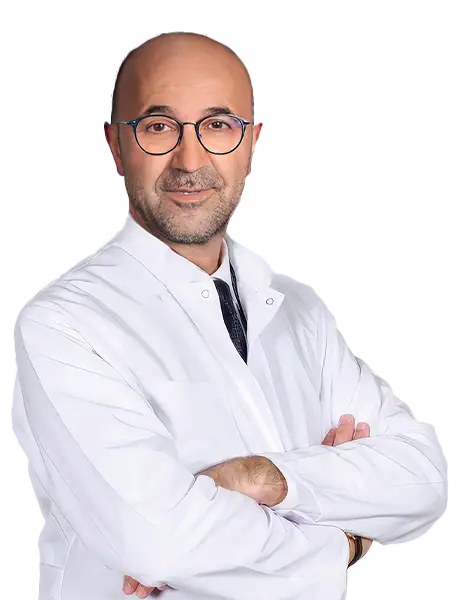
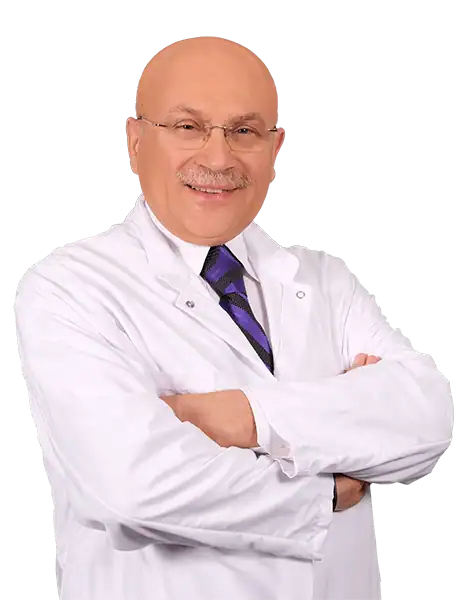
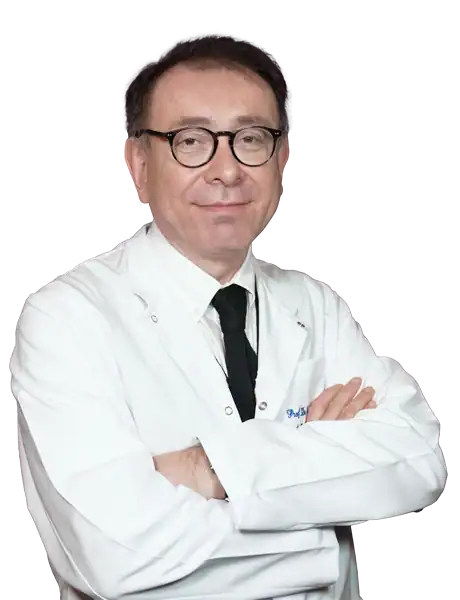

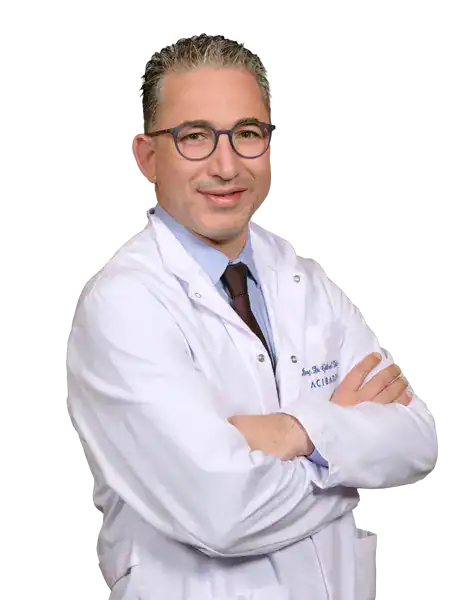
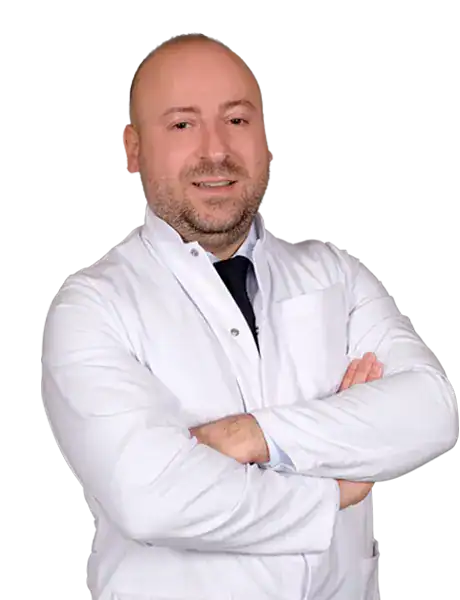

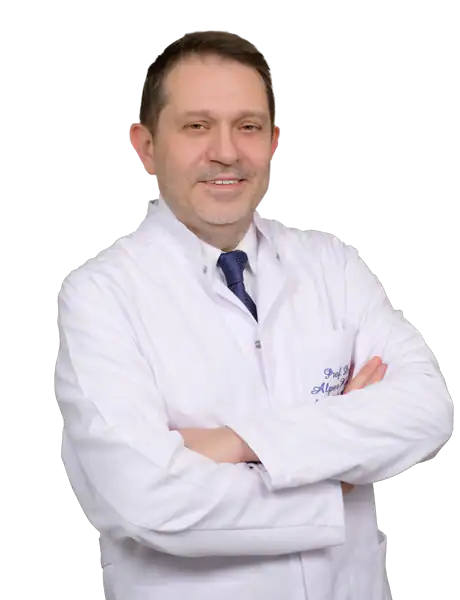

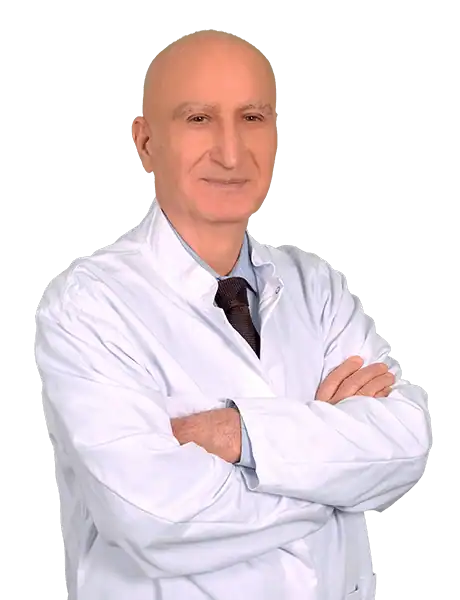
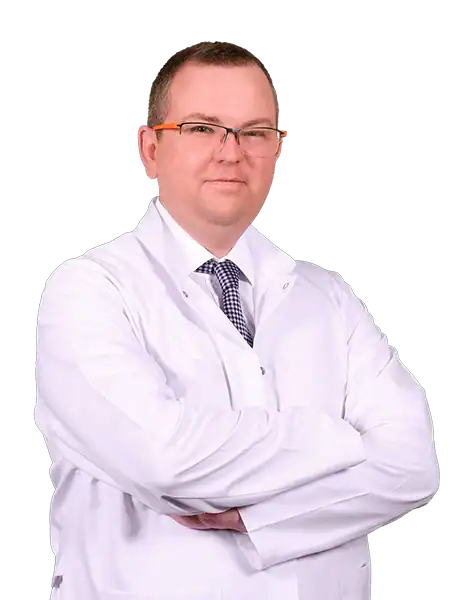
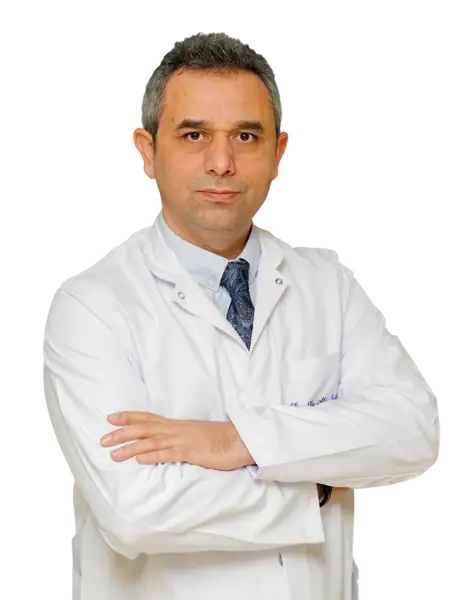

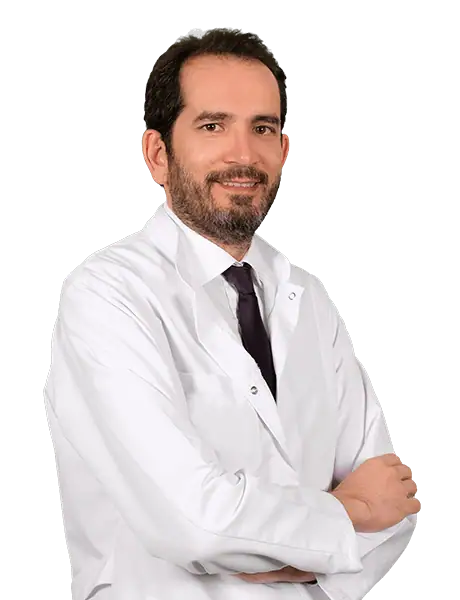
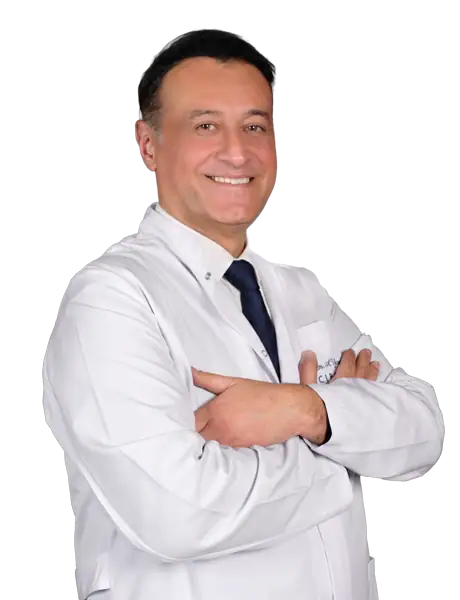

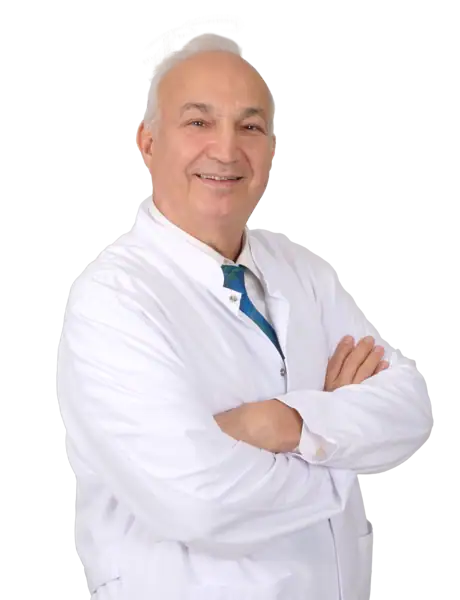
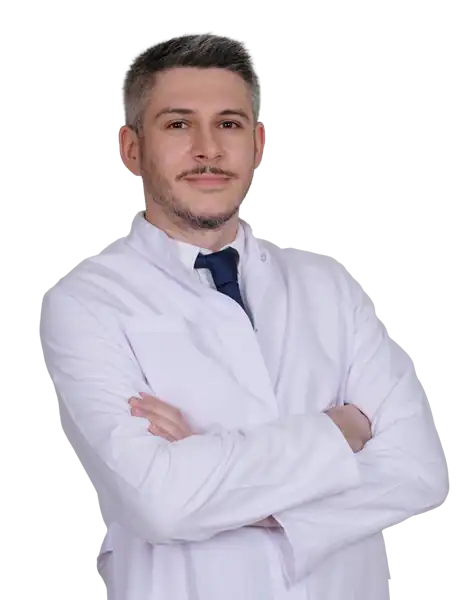


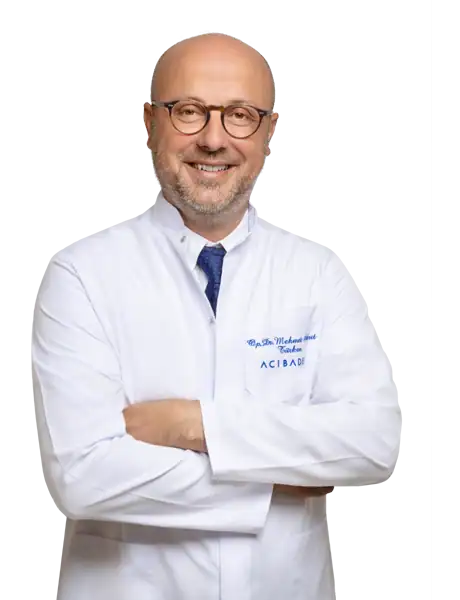
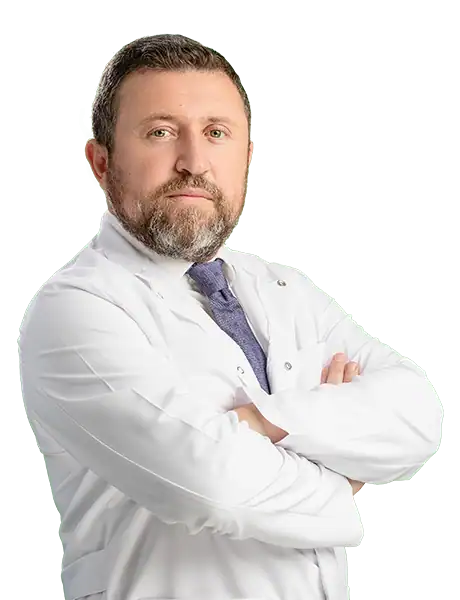
Medical Technologies Used
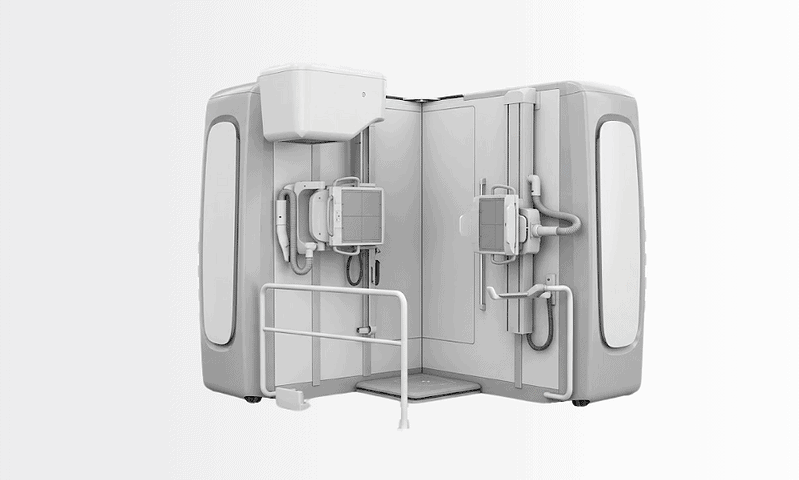
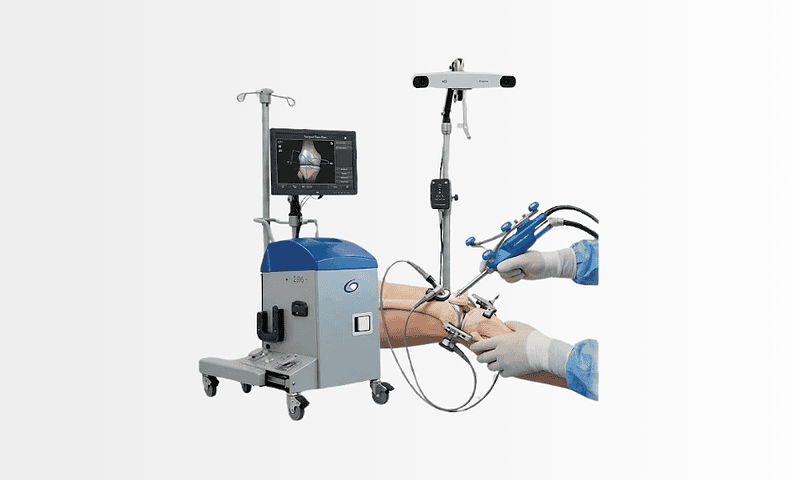
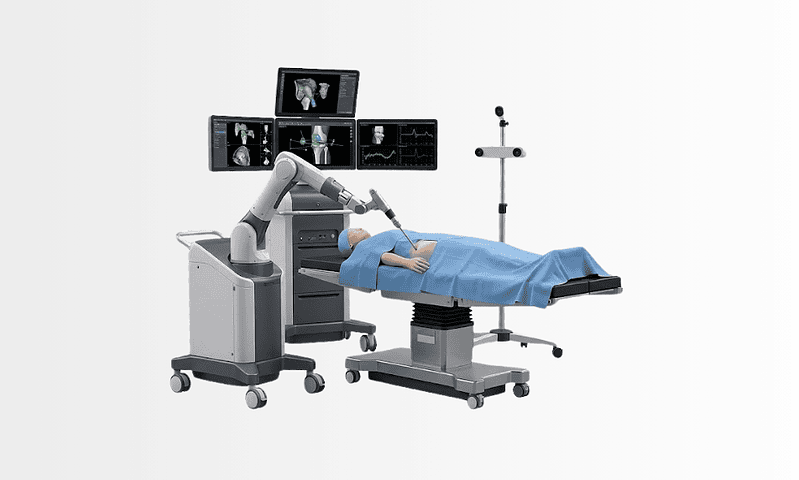
Available at these Hospitals







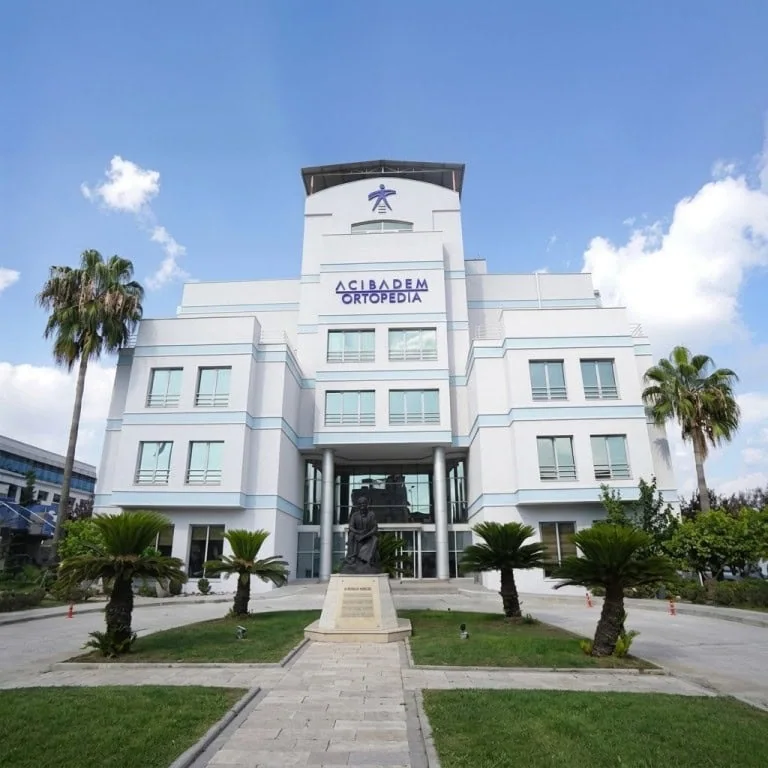










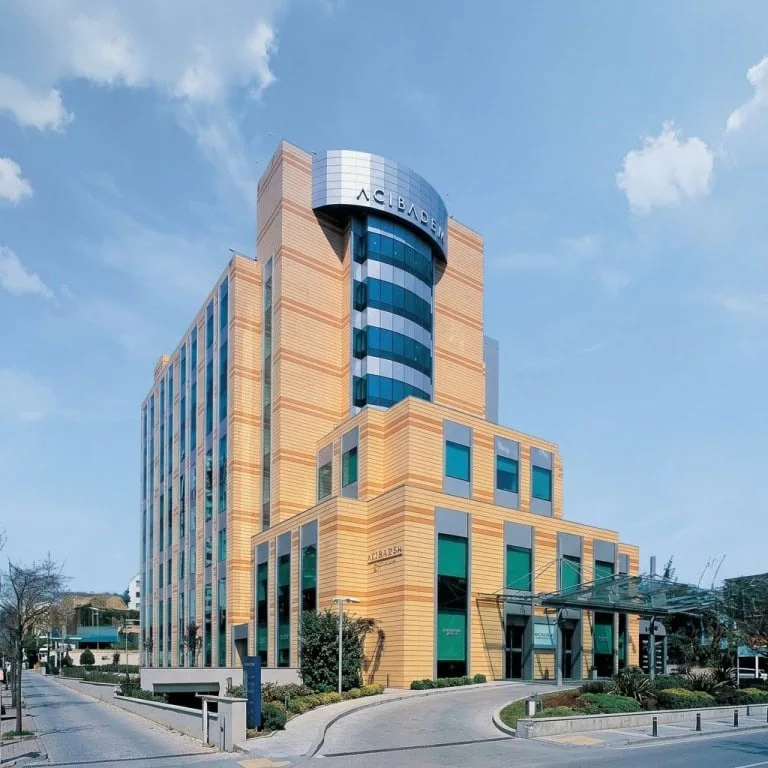
What patients say about this unit
★★★★★From 2,400+ verified patient reviews“I travelled from abroad for ACL reconstruction and the whole experience was seamless. Prof. Özden went above and beyond what I expected.”
“Choosing Acibadem for my joint replacement was the best decision I made. The expertise of Dr. Cingöz put my mind completely at ease. The facilities were spotless and modern.”
“Thanks to the team here, my joint replacement could not have gone better. Assoc. Prof. Erden listened carefully and built a plan I understood. The international patient office coordinated everything perfectly.”
“The care I received for my joint inflammation treatment was world-class from start to finish. The expertise of Dr. Ertaş put my mind completely at ease. I would recommend this team to anyone.”
Patient stories from this unit
 Serbia Dušan Vlahović Completes His Beşiktaş Medical at Acibadem Altunizade Hospital
 Serbian international Dušan Vlahović completed his pre-transfer medical examination at Acibadem Altunizade Hospital in Istanbul ahead of his move to Beşiktaş JK.
Read the story → International Hip Replacement in Istanbul After Years of Pain
 After years of debilitating hip pain, advanced hip replacement surgery at Acibadem in Istanbul ended the pain and restored independent movement.
Read the story →Comparison guides for this specialty
Speak with our medical team
Share your case and our international patient team will guide you to the right specialist, free of charge.