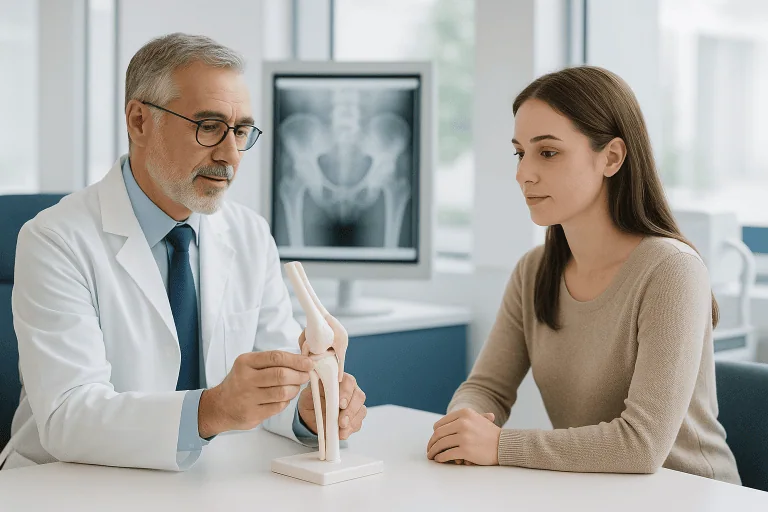
ACL Tear
ACL Tear is a knee ligament injury causing pain, swelling and instability. Learn symptoms, diagnosis, treatment options and recovery.
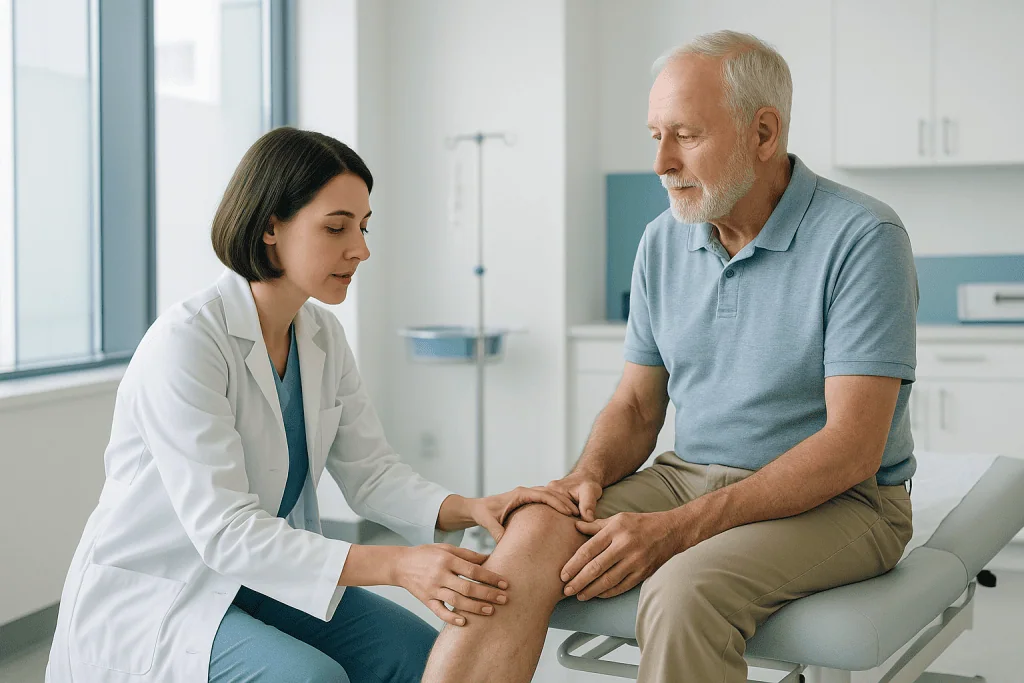
Quick answer
An ACL tear is an injury to the anterior cruciate ligament in the knee that can cause pain, swelling, instability, and reduced movement. Treatment depends on the severity of the tear and the patient’s activity needs, and at Acibadem in Turkey it may include orthopedic evaluation, imaging, physical therapy, or minimally invasive ligament reconstruction when needed.
What is acl tear?
An ACL tear is an injury to the anterior cruciate ligament, one of the main ligaments inside the knee. A ligament is a strong band of tissue that connects one bone to another. The anterior cruciate ligament (often shortened to ACL) runs diagonally through the middle of the knee joint, connecting the thigh bone (femur) to the shin bone (tibia). Its main job is to keep the shin bone from sliding too far forward and to help control rotation, keeping the knee stable when you turn, pivot, or change direction.
When people ask what is acl tear, the simplest answer is that the ligament has been stretched beyond its limit and its fibers have partly or completely torn. Doctors often grade the injury by severity. A grade 1 injury is a mild sprain, where the ligament is stretched but still able to keep the knee stable. A grade 2 injury is a partial tear, where some fibers are torn and the ligament is loosened. A grade 3 injury is a complete tear, where the ligament is split into two pieces and can no longer stabilize the knee. Complete tears are the most common form of significant ACL injury.
An acl tear can happen to anyone, but it occurs most often in people who play sports that involve sudden stops, jumping, or rapid changes of direction, such as soccer, basketball, football, and skiing. Young athletes are frequently affected, and research consistently shows that female athletes have a higher rate of ACL injury than male athletes in comparable sports, likely due to a combination of anatomical, hormonal, and movement-pattern differences. That said, ACL tears also occur in everyday life, for example after an awkward fall, a misstep off a curb, or a car accident. The ACL is often injured together with other structures in the knee, such as the meniscus (the cushioning cartilage between the bones) or other ligaments.
Symptoms of an ACL tear
Acl tear symptoms usually appear suddenly at the moment of injury and are often hard to ignore. Many people know right away that something serious has happened to the knee. Common symptoms include:
- A popping sound or sensation in the knee at the moment of injury, many patients report hearing or feeling a distinct “pop.”
- Sudden, often severe pain that typically makes it difficult or impossible to continue the activity.
- Rapid swelling, usually developing within a few hours of the injury, caused by bleeding inside the joint.
- A feeling of instability or “giving way”, meaning the knee buckles or feels like it cannot support your weight, especially when turning or changing direction.
- Loss of range of motion, so the knee feels stiff and difficult to fully bend or straighten.
- Tenderness along the joint line, particularly if other structures such as the meniscus are also injured.
Symptoms can differ depending on how badly the ligament is torn. With a mild sprain (grade 1), there may be pain and modest swelling, but the knee usually still feels stable. With a partial tear (grade 2), swelling and pain are more noticeable, and the knee may feel loose during certain movements. With a complete tear (grade 3), instability is often the dominant problem: after the initial pain and swelling settle, the knee may repeatedly give way during pivoting, twisting, or even routine activities like stepping off a stair.
It is also worth knowing that some ACL tears go unrecognized at first. Once the early swelling goes down, a person may feel relatively normal when walking in a straight line, only to notice instability weeks later when they try to return to sport. Ongoing episodes of the knee giving way are a common reason people seek medical care some time after the original injury. Repeated giving way can damage the meniscus and joint cartilage over time, which is one reason an evaluation is worthwhile even if the pain has faded.
Causes and risk factors
Acl tear causes usually involve a sudden force that overwhelms the ligament. Importantly, most ACL tears are non-contact injuries: they happen without anyone touching the injured person. Typical mechanisms include:
- Sudden changes of direction (cutting or pivoting) while the foot is planted on the ground.
- Stopping abruptly while running.
- Landing awkwardly from a jump, especially with the knee straight or collapsing inward.
- Direct impact to the knee, such as a tackle in football or a collision, often forcing the knee sideways or backward.
- Hyperextension, meaning the knee is forced to bend backward beyond its normal range.
Several factors can raise the risk of tearing the ACL:
- Sport type: soccer, basketball, football, skiing, gymnastics, and other pivoting or jumping sports carry higher risk.
- Sex: female athletes have a higher rate of ACL injury than male athletes in similar sports.
- Poor conditioning or fatigue: tired muscles provide less protection to the knee joint.
- Movement patterns: landing with stiff knees, or with the knees collapsing inward, increases stress on the ligament.
- Footwear and playing surface: shoes or surfaces that create excessive grip can increase twisting forces on the knee. Poorly fitted ski bindings are a known factor in skiing injuries.
- Previous ACL injury: a person who has torn one ACL has a higher risk of injuring either knee again.
Structured injury-prevention programs that focus on strengthening the hips and legs, improving balance, and teaching safer jumping and landing techniques have been shown to reduce the risk of ACL injuries in athletes, although no program can eliminate the risk entirely.
Diagnosis
Acl tear diagnosis begins with a careful conversation and physical examination. Your doctor will ask exactly how the injury happened, the mechanism of injury often points strongly toward an ACL tear, and whether you heard a pop, how quickly the knee swelled, and whether the knee feels unstable.
During the physical examination, the doctor will compare the injured knee with the healthy one, checking swelling, tenderness, and range of motion. Several specific hands-on tests are used to assess the ACL:
- Lachman test: the doctor gently pulls the shin bone forward with the knee slightly bent to feel how much it moves compared with the other side. This is generally considered the most reliable examination test for an ACL tear.
- Anterior drawer test: a similar forward pull performed with the knee bent to about 90 degrees.
- Pivot shift test: a maneuver that reproduces the giving-way sensation; it can be difficult to perform on a painful, swollen knee and is sometimes done under anesthesia.
Imaging is usually used to confirm the diagnosis and check for associated injuries:
- X-rays do not show ligaments, but they are often taken first to rule out broken bones, which can cause similar symptoms.
- MRI (magnetic resonance imaging) is the standard imaging test for an ACL tear. MRI uses magnetic fields, not radiation, to create detailed pictures of soft tissues. It can show whether the ACL is partially or completely torn and whether the meniscus, cartilage, or other ligaments are also damaged.
In some situations, if the diagnosis remains uncertain or if surgery is already planned, the knee may be examined directly using arthroscopy, a keyhole procedure in which a small camera is inserted into the joint through a tiny incision. In practice, arthroscopy today is used mainly as part of treatment rather than purely for diagnosis, since MRI is usually sufficient to confirm the injury.
Treatment options
Acl tear treatment depends on the severity of the tear, whether other parts of the knee are injured, and, very importantly, the person’s age, activity level, and goals. A torn ACL does not reliably heal on its own, because the ligament has a limited blood supply and its torn ends usually cannot rejoin. However, not everyone needs surgery. Treatment falls broadly into nonsurgical and surgical approaches.
First aid and early care
In the first days after injury, care usually focuses on protecting the knee and controlling swelling. This often follows the RICE approach: rest, ice, compression (a snug elastic bandage), and elevation (keeping the leg raised). Crutches may be used to keep weight off the knee, and a brace may be recommended for support.
Medication
Over-the-counter pain relievers, such as acetaminophen or nonsteroidal anti-inflammatory drugs (NSAIDs, for example ibuprofen), are often used to manage pain and swelling. Medication does not repair the ligament; it simply helps control symptoms while the knee is evaluated and rehabilitated. Always follow dosing guidance and check with a doctor or pharmacist if you have other health conditions or take other medicines.
Nonsurgical management and physical therapy
For some people, often older adults, people with a low activity level, or those with partial tears and a stable knee, structured physical therapy without surgery can be a reasonable option. Rehabilitation focuses on reducing swelling, restoring full range of motion, and strengthening the muscles around the knee, particularly the quadriceps (front of the thigh) and hamstrings (back of the thigh), so that the muscles compensate for the lost ligament. A knee brace may be used during certain activities. Nonsurgical management works best for people who are willing to modify or avoid pivoting and cutting sports. If the knee continues to give way despite good rehabilitation, surgery may be reconsidered, because repeated instability can damage the meniscus and cartilage over time.
Surgery
For people who want to return to pivoting sports, whose work demands a stable knee, or whose knee gives way during everyday activities, surgery is often recommended. Because a torn ACL usually cannot simply be stitched back together, the standard operation is ACL reconstruction, in which the torn ligament is replaced with a graft: a piece of tendon taken from another part of your body (commonly the hamstring or patellar tendon) or from donor tissue. The graft is positioned where the original ligament was and gradually becomes a new, living ligament over the following months.
ACL reconstruction is typically performed arthroscopically, meaning through small incisions using a camera and thin instruments, which generally allows less tissue damage and a smoother early recovery than open surgery. If the meniscus or cartilage is also injured, the surgeon can often address those problems during the same procedure. Timing matters: surgeons often prefer to wait until the initial swelling has gone down and the knee has regained motion before operating, as this may reduce the risk of stiffness afterward.
Whichever path is chosen, rehabilitation is essential. After surgery, physical therapy usually continues for many months, progressing from gentle motion exercises to strengthening and, eventually, sport-specific training. Return to competitive pivoting sports commonly takes around nine to twelve months, though the exact timeline varies from person to person and is guided by strength and stability testing rather than the calendar alone. Orthopedic surgery and sports medicine departments, such as those at Acibadem, typically manage this condition and coordinate surgery with rehabilitation.
Living with acl tear / outlook
The outlook after an ACL tear is generally good, but honest expectations matter. Most people who complete a well-structured treatment plan, whether surgical or nonsurgical, regain a stable, functional knee for daily life. Many athletes return to their sport after ACL reconstruction and rehabilitation, although not everyone returns to their previous level of performance, and some choose to change to lower-risk activities.
Recovery takes patience. Even with successful surgery, the new ligament needs time to strengthen, and rushing back to sport before the knee is ready increases the risk of re-injury. People who have torn an ACL once have a higher risk of injuring the same knee again or tearing the ACL in the other knee, which is why ongoing strength, balance, and movement training is often recommended even after formal rehabilitation ends.
In the long term, an ACL injury, particularly when combined with meniscus or cartilage damage, is associated with a higher risk of developing osteoarthritis (wear-and-tear joint disease) in the injured knee years later. This risk exists whether or not surgery is performed. Maintaining a healthy body weight, keeping the leg muscles strong, and staying active in joint-friendly ways may help protect the knee over time, although no approach can guarantee that arthritis will not develop.
Day to day, many people living with a treated or untreated ACL tear do well by pacing their activities, warming up properly before exercise, using a brace when advised, and paying attention to episodes of giving way, which should be discussed with a doctor rather than ignored.
Frequently asked questions
What is an ACL tear in simple terms?
An ACL tear is a rip in the anterior cruciate ligament, one of the strong bands of tissue that hold the knee joint together and keep it stable. The tear can be partial, where only some fibers are damaged, or complete, where the ligament is torn all the way through. It usually happens during a sudden twist, stop, jump landing, or direct blow to the knee.
Can an ACL tear heal on its own?
A completely torn ACL generally does not heal back together on its own, because the ligament has a limited blood supply and its torn ends usually cannot rejoin. Some partial tears may improve enough with rehabilitation that the knee feels stable for everyday activities. However, many people with complete tears experience ongoing instability without treatment, so a medical evaluation is important to decide whether physical therapy alone or surgery is the better option for you.
How serious is an ACL tear?
An ACL tear is a significant injury, but it is rarely a medical emergency on its own. Its seriousness depends on the grade of the tear, whether other structures such as the meniscus are damaged, and your activity goals. Left unaddressed, an unstable knee can give way repeatedly and cause further damage inside the joint over time, so most doctors recommend a proper evaluation and treatment plan rather than simply waiting for the pain to fade.
What does an ACL tear feel like?
Many people describe a popping sound or sensation at the moment of injury, followed by sudden pain, rapid swelling within a few hours, and a feeling that the knee is loose or cannot be trusted. After the initial swelling settles, the most telling symptom is often the knee buckling or giving way during twisting or pivoting movements. Symptoms vary, though, and only a medical examination and usually an MRI can confirm the diagnosis.
Do all ACL tears need surgery?
No. Surgery is often recommended for active people, athletes in pivoting sports, and anyone whose knee gives way during daily activities. However, some people, particularly those with lower activity demands or partial tears with a stable knee, can do well with structured physical therapy, strengthening, and activity modification. Your doctor may discuss both options with you, weighing your age, lifestyle, occupation, and any other injuries in the knee.
How long is recovery after ACL surgery?
Recovery timelines vary from person to person. Many people walk without crutches within a few weeks and return to light, straight-line activities within a few months, but returning to competitive pivoting sports commonly takes around nine to twelve months after ACL reconstruction. The pace is usually guided by strength and stability testing rather than fixed dates, and completing the full rehabilitation program is one of the most important factors in a good outcome.
Can I walk on a torn ACL?
Many people can walk on a torn ACL once the initial pain and swelling improve, especially in a straight line on flat ground, because walking places relatively little rotational stress on the ligament. However, walking ability does not mean the knee is fine. Instability during turning, twisting, or uneven ground can persist and cause the knee to give way, so it is sensible to have the injury assessed before returning to normal activities or sport.
When to see a doctor
Any knee injury that causes significant pain, swelling, or a feeling of instability deserves a medical evaluation, ideally soon after the injury. Early assessment helps identify associated injuries and start appropriate treatment before further damage occurs.
Seek prompt or urgent medical care if you notice any of the following red flags:
- You heard or felt a pop in the knee at the moment of injury, followed by pain and swelling.
- The knee swells rapidly, within a few hours of the injury.
- You cannot bear weight on the leg or cannot walk without severe pain.
- The knee gives way or buckles, even during simple movements.
- The knee is visibly deformed, or you cannot fully bend or straighten it.
- The lower leg or foot feels numb, cold, or pale, or you cannot feel a pulse in the foot: this may signal nerve or blood vessel injury and needs emergency care.
- You develop fever, spreading redness, or warmth around the knee, which could indicate infection, particularly after any procedure or injection.
If your symptoms are milder but the knee continues to feel unstable, painful, or swollen weeks after an injury, it is still worth seeing a doctor. Untreated ACL tears can lead to repeated episodes of giving way and additional damage inside the joint, and an orthopedic specialist, for example within an orthopedics and sports medicine department such as those at Acibadem, can help determine the right treatment path for your situation.
From the Acibadem Blog
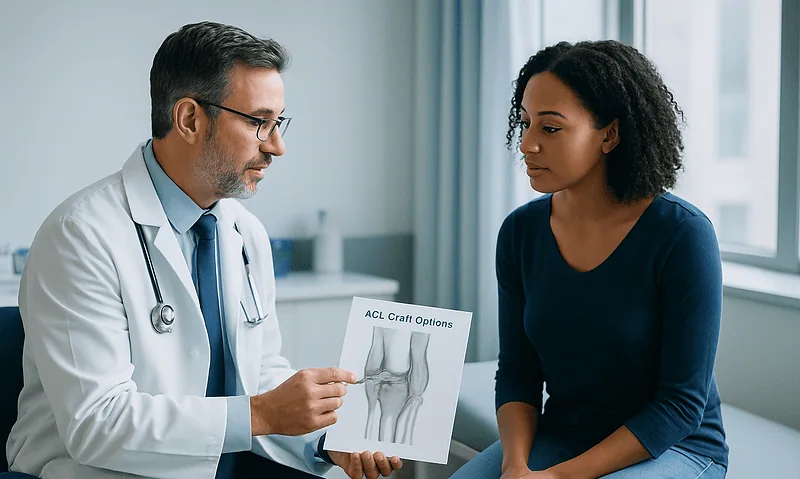
ACL Graft Options: Patellar, Hamstring, Quad or Donor: Compared
Surgeons rebuild a torn ACL with one of four main graft options: your own patellar tendon, hamstring tendons, or quadriceps tendon, or donor (allograft)…

ACL Surgery Recovery Time: The Honest 9-12 Month Timeline
Full recovery from ACL reconstruction typically takes 9 to 12 months, even though many people walk without crutches within a few weeks and feel…
Medically reviewed by the Acıbadem International Medical Board September 2, 2026
See our medical review board →
Update history
- PublishedJune 8, 2026
- Medical review approvedSeptember 2, 2026
- Last content updateSeptember 2, 2026