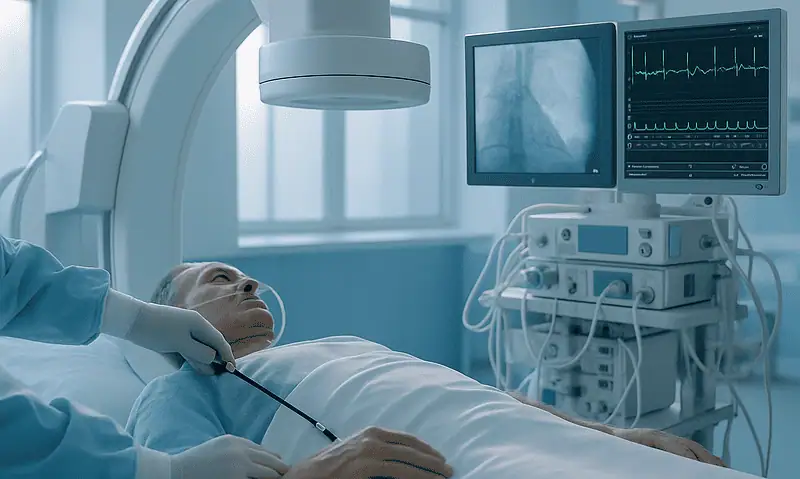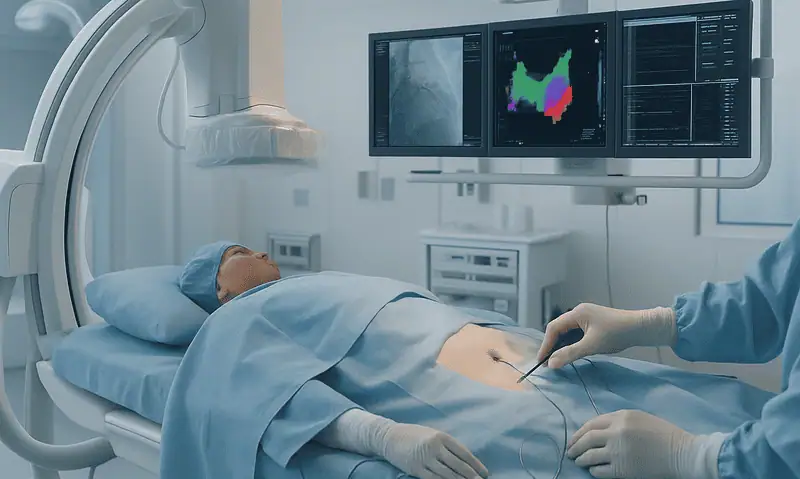
Ablation Procedures
Explore ablation procedures in Turkey at Acibadem for rhythm disorders, with expert cardiac teams and international patient support.
Explore treatment

860 treatments and procedures across 13 body systems, delivered in 45 hospitals and clinics in Türkiye, Bulgaria, Serbia, Netherlands and North Macedonia by 2,326 physicians and surgeons. Every treatment page explains how the procedure is performed, how to prepare, recovery and aftercare, and lists the specialists and hospitals that offer it. Browse by body system, or search by name.
Explore ablation procedures in Turkey at Acibadem for rhythm disorders, with expert cardiac teams and international patient support.
Explore ablation therapy in Turkey at Acibadem with expert teams, advanced imaging and international patient support. Contact us.
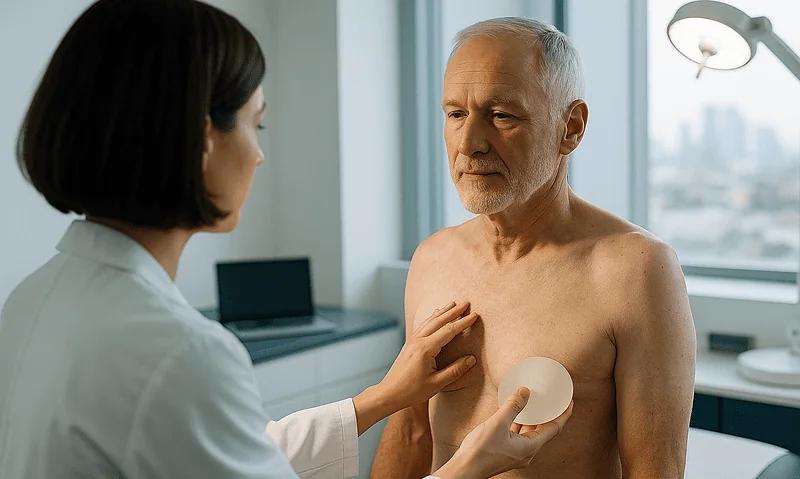
Accessory breast surgery Turkey removes extra breast tissue with expert plastic surgeons in Istanbul. Ask Acibadem for a personalized care plan.
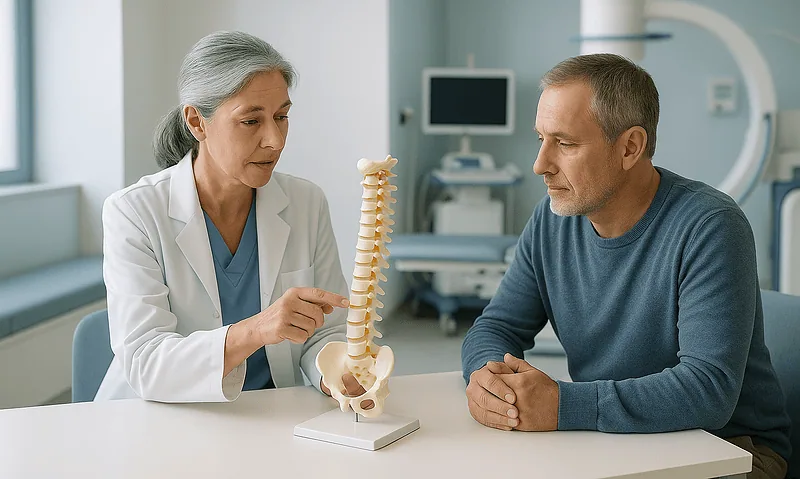
ACDF surgery (anterior cervical discectomy and fusion) explained: who it may help, how the procedure works, realistic recovery timelines, risks, and outlook.
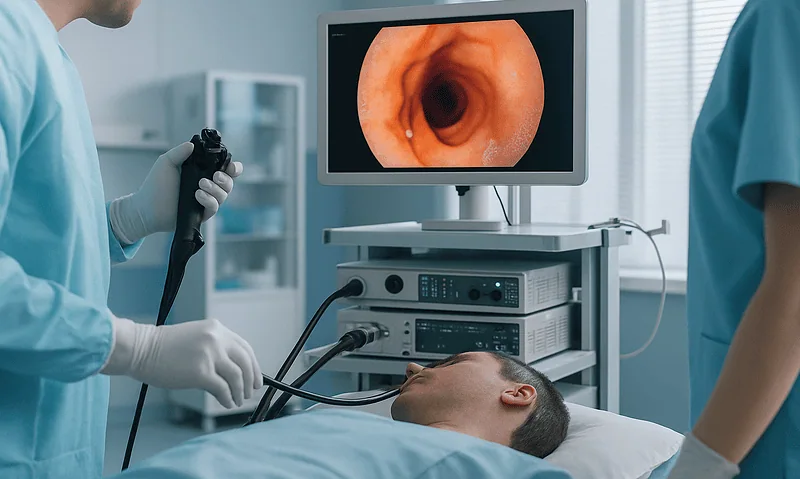
Achalasia treatment Turkey at Acibadem offers diagnosis and options such as POEM, dilation or surgery. Plan care in Istanbul.
Acid disorders treatment Turkey at Acibadem offers gastroenterology care for reflux, heartburn and ulcers. Plan your consultation in Istanbul.
ACL reconstruction Turkey restores knee stability after ligament tears. Explore expert orthopedic care in Turkey and contact Acibadem for evaluation.
Acne Scarring Treatment Turkey at Acibadem helps improve acne scars with dermatologist-led laser, peel or microneedling plans in Istanbul. Ask us.
Acne treatment Turkey at Acibadem offers dermatologist-led care in Istanbul with personalized medication, skin care guidance and follow-up. Ask us.
Acromegaly treatment Turkey at Acibadem offers endocrine and neurosurgical care for pituitary-related growth hormone excess. Contact us.
Acute bronchitis treatment Turkey at Acibadem supports diagnosis, cough relief, and follow-up for airway inflammation. Contact us for care.
Acute lymphocytic leukemia Turkey care at Acibadem includes chemotherapy, targeted therapy and transplant options. Contact our hematology team.
Acute myelogenous leukemia Turkey care at Acibadem includes diagnosis, chemotherapy and transplant planning in Istanbul. Contact us.
Acute UTI treatment in Turkey at Acibadem includes urine testing and personalized antibiotics. Get prompt urology care in Istanbul.
Adenoid surgery Turkey at Acibadem treats enlarged adenoids with ENT specialists, child-focused care and international patient support.
ADHD treatment in Turkey at Acibadem offers child and adult assessment, medication planning and therapy support in Istanbul. Contact us.
Adrenal Insufficiency Treatment Turkey at Acibadem offers expert endocrine diagnosis, hormone therapy and follow-up in Istanbul. Contact us.
Adult Reconstruction Turkey restores hip or knee function with expert orthopedic care at Acibadem in Istanbul. Contact us for a treatment plan.
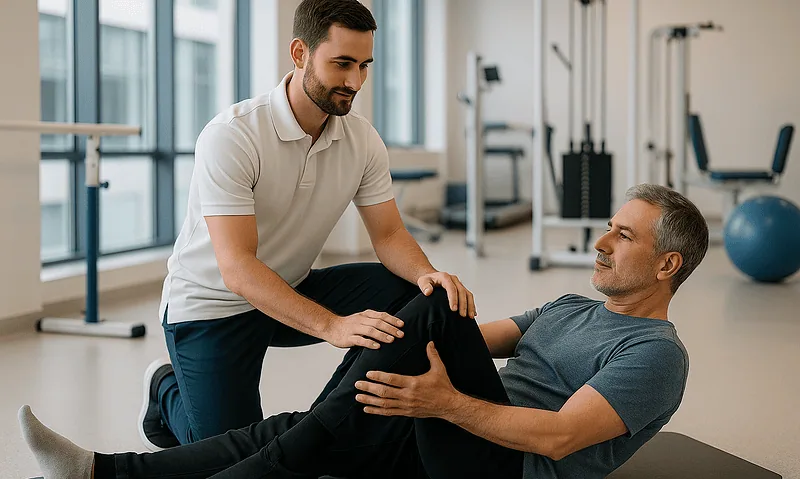
Learn what therapeutic exercise involves, who may need it, how sessions work, realistic recovery timelines, and the risks and benefits to consider…
Learn what sports and exercise rehabilitation involves, who may need it, typical recovery time, possible risks and benefits, and when to see…
Sensory integration therapy explained: who it may help, what sessions involve, realistic timelines, possible risks and what the evidence generally shows.
Learn how chronic wound care and treatment works, who may need it, typical recovery time, risks and benefits, and warning signs that…
Vascular lesion laser treatment explained: who may benefit, how the procedure works, preparation, typical recovery time, possible risks, and realistic results.
Plexr application explained in plain language: how the plasma procedure works, who may be a candidate, realistic recovery time, risks, results and…
Solution-focused therapy explained in plain language: how sessions work, who it may suit, realistic timelines, risks and benefits, and when to seek…
Sensory integration therapy explained: who it may help, what sessions involve, realistic timelines, possible risks and what the evidence generally shows.
Schema therapy explained in plain language: what it treats, how sessions work, preparation, realistic timelines, risks and benefits, and when to seek…
Leukemia and lymphoma treatment in Turkey includes personalized chemotherapy, targeted therapy and transplant planning. Contact Acibadem for expert care.
CAR-T Cell Therapy Turkey offers personalized immune treatment for eligible blood cancers. Consult Acibadem Hospitals in Istanbul for evaluation.
Liver Transplantation Turkey at Acibadem provides living donor evaluation and surgery in JCI-accredited Istanbul hospitals. Contact us for care.
Learn what a percutaneous nephrostomy is, who may need it, how the procedure works, typical recovery time, risks and benefits, and warning…
Robotic partial nephrectomy removes a kidney tumor while saving the kidney. Learn who is a candidate, how it works, recovery timelines, risks…
Explore medically assessed penile enlargement in Turkey at Acibadem Hospitals. Discuss suitable options, safety and recovery with urology specialists.
Learn what PEG placement involves, who may need a feeding tube, how the procedure works, typical recovery time, and the risks and…
Plain-language guide to ERCP: what the procedure treats, who may need it, how to prepare, typical recovery time, and the risks and…
Learn what hepatopancreatobiliary surgery involves, who may need it, how the procedure works, typical recovery time, and the main risks and benefits.
Water birth explained in plain language: who is a candidate, how the procedure works, realistic recovery time, risks and benefits, and when…
Pregnancy monitoring explained: what prenatal check-ups, scans and tests involve, who may need closer monitoring, possible risks, and when to seek care.
Learn how intrauterine device placement works, who may be a candidate, what recovery involves, and the risks and benefits your doctor may…
Learn what space maintainers are, who may need them, how the fitting procedure works, typical adjustment time, possible risks, and how to…
Learn how fluoride application works, who may benefit, what the procedure involves, possible side effects, recovery time, and when to see a…
Learn how fissure sealants protect molars from decay, who may need them, what the procedure involves, possible risks, aftercare and what results…
Learn what the extracardiac Fontan procedure is, who may need it, how surgery works, typical recovery time, and the risks and benefits…
Learn how robotic heart surgery works, who may be a candidate, what recovery often involves, and the risks and outlook for valve…
Pediatric cardiac surgery in Turkey for congenital heart conditions, with multidisciplinary care and family support. Contact Acibadem Hospitals.
Smoking cessation explained: who needs it, how the program works, nicotine replacement and medication, withdrawal timeline, risks, benefits and follow-up.
Learn what mediastinoscopy is, who may need it, how the procedure works, typical recovery time, and the risks and benefits of this…
Learn what a bronchoscopy involves, who may need it, how to prepare, typical recovery time, and the risks and benefits your doctor…
Vitrectomy in Turkey treats retinal bleeding, tears, and macular disease. Expert eye care in Istanbul and Turkey. Contact Acibadem for guidance.
Head & neck cancer surgery in Turkey removes tumors with expert oncology care in Istanbul. Explore treatment at Acibadem Hospitals.
Amblyopia treatment Turkey improves lazy eye with glasses, patching, drops or vision therapy at Acibadem Eye Center. Plan care in Istanbul.
Radioiodine treatment explained in plain language: who may need it, how the procedure works, preparation, recovery time, risks, and what results to…
Mini Gastric Bypass Turkey offers effective weight-loss surgery with expert bariatric care in Turkey. Contact Acibadem for evaluation.
IVF Treatment Turkey at Acibadem offers personalized fertility care in Istanbul with advanced labs and multilingual support. Contact us.
Learn what an intratympanic steroid injection involves, who may be a candidate, the step-by-step procedure, recovery time, risks, benefits, and outlook.
Plain-language guide to implantable hearing aids: who may be a candidate, how the procedure works, typical recovery time, and the main risks…
Learn what endoscopic pitch-raising surgery involves, who may be a candidate, how recovery usually progresses, and possible risks and expected results.
Acıbadem Treatments span the full range of modern medical and surgical care, from cancer, cardiac and orthopaedic treatment to transplantation, assisted reproduction and comprehensive check-ups, delivered by experienced specialist teams in internationally accredited hospitals. This page explains the main treatment areas available to international patients, how treatment decisions are made, and how to begin with a remote review of your case before you travel.
The Acıbadem network offers treatment across essentially all medical and surgical specialties, with particular depth in the areas that draw patients from abroad. These include oncology (cancer care), cardiology and cardiovascular surgery, orthopaedics and spine surgery, neurology and neurosurgery, organ and bone-marrow transplantation, assisted reproduction and IVF, ophthalmology, ear-nose-throat surgery, general and bariatric (weight-loss) surgery, urology, gynaecology, and preventive check-up programmes. For a patient searching for "Acıbadem Treatments", the practical meaning is access, through a single coordinated point of contact, to a wide menu of treatments delivered to a consistent standard and supported by modern technology and multidisciplinary teams.
The right treatment is always the one matched to a specific, confirmed diagnosis. The same symptom can have very different causes, and the same condition can be treated in several ways depending on its stage and the individual patient. That is why the starting point for any treatment is a careful assessment rather than a fixed package, and why sharing your existing records allows the team to recommend what genuinely fits your case.
While every patient is different, it helps to understand the main areas of care at a high level.
This is not an exhaustive list, but it covers the treatments international patients most often seek. Whatever your condition, the first step is the same: an assessment that confirms the diagnosis and identifies the options.
Good treatment follows a logical sequence rather than jumping to a procedure. First comes accurate diagnosis, using examination, imaging and laboratory or molecular tests as needed. Next, for any significant condition, the findings are reviewed, often by a multidisciplinary team, and the realistic options are identified, each with its benefits, risks and expected recovery. Then the plan is agreed together with the patient, taking into account not only the medicine but the person's circumstances and preferences. Finally, treatment is delivered and followed by structured aftercare.
This sequence protects patients from both under- and over-treatment. It ensures that surgery, for instance, is recommended because it is the best option for that diagnosis, not simply because it is available. It also means that where active monitoring or non-surgical treatment is the wiser course, that is what is advised. When you ask why a particular treatment is being recommended, a good team will explain the reasoning and the alternatives clearly.
Many treatments that once required major open surgery can now be performed through small incisions or without surgery at all. Laparoscopic, endoscopic and robotic-assisted techniques allow precise operations with smaller incisions, which for suitable patients can mean less pain, lower infection risk, shorter hospital stays and faster recovery. In cardiology and radiology, catheter-based procedures treat many conditions through tiny entry points under image guidance. In oncology, modern radiotherapy targets tumours accurately while sparing healthy tissue. The right approach depends on the condition and the individual; the safest, most effective option is chosen by the specialist team and explained to you, rather than assumed.
Treatment is increasingly tailored to the individual rather than applied from a template. In cancer care in particular, molecular and genetic analysis of a tumour can identify features that make specific targeted therapies or immunotherapies more likely to work, an approach known as precision medicine. More broadly, personalised treatment means weighing a patient's overall health, other conditions, goals and preferences alongside the medical evidence. Two people with the same diagnosis may receive different recommendations for good reasons. This individualised approach is one of the benefits of being assessed by an experienced specialist team with access to modern diagnostics.
The route from first contact to treatment and recovery is designed to be clear and is broadly the same across conditions.
Cost depends entirely on the diagnosis, the treatment chosen, the length of stay and the tests involved, so a meaningful figure is only possible after a specialist has reviewed your case. What you can rely on is a transparent, itemised estimate before you commit, showing what is and is not included, so there are no surprises. When comparing options, the right comparison is between complete written treatment plans rather than headline prices, because a lower quoted figure that omits important elements is not truly cheaper. Ask for a clear estimate so you can compare like with like.
Before agreeing to major treatment, many patients value an independent view, and seeking one is sensible and welcomed. A second opinion involves an independent specialist reviewing your diagnosis and the proposed plan and giving their own assessment. It may confirm the recommendation, suggest an alternative, or simply provide reassurance. For international patients this can be done remotely, before any travel, making it a practical way to approach a significant decision with confidence.
Treatment is judged not only by the procedure but by what surrounds it: careful preparation, safe anaesthesia, skilled nursing, infection prevention and a well-planned recovery. After treatment, structured aftercare is essential, particularly for patients who travel home. You should leave with a clear discharge summary, a medication and recovery plan, and your results and imaging in a portable format, together with guidance on any follow-up tests and when to seek advice. Remote follow-up consultations allow the specialists who treated you to review your progress, so your recovery is supported even after you have returned home.
Every effective treatment rests on an accurate diagnosis, which is why so much care goes into getting it right before anything else. Diagnosis combines a careful history and examination with the appropriate tests, imaging such as MRI, CT or ultrasound, laboratory analysis of blood and tissue, and, increasingly, molecular and genetic testing that reveals the specific characteristics of a disease. For international patients, much of this can begin remotely: existing reports and scans are reviewed, and any gaps are identified so that the right additional tests can be arranged efficiently. Investing in a thorough diagnosis prevents the far greater cost of treating the wrong problem, and it allows the team to tailor treatment precisely to your condition.
Cancer care is a clear example of how modern treatment combines several disciplines. After diagnosis and accurate staging, a multidisciplinary tumour board reviews the case and agrees a plan that may include surgery to remove a tumour, medical oncology such as chemotherapy, targeted therapy or immunotherapy, and radiation oncology to treat the area precisely. The order and combination depend on the type and stage of the cancer and on the individual. Supportive care, managing symptoms, nutrition and wellbeing, runs alongside treatment, and molecular testing increasingly helps match patients to the therapies most likely to work for them. The aim is to treat the disease as effectively as possible while protecting quality of life, with the plan reviewed and adjusted as treatment progresses.
Cardiac and vascular care spans a wide spectrum, from medication and lifestyle management to minimally invasive procedures and major surgery. Many conditions are now treated through catheters inserted via small entry points, such as opening narrowed arteries or repairing certain valves, while more complex problems may require surgery performed in advanced or hybrid operating theatres. Diagnosis relies on detailed imaging and functional testing, and decisions about whether to manage a condition medically, with a catheter procedure or with surgery are typically made jointly by cardiologists and cardiac surgeons. Strong intensive-care support underpins the safety of the more complex interventions, allowing ambitious treatment to be undertaken with appropriate caution.
Orthopaedic treatment addresses bones, joints, muscles and the spine, ranging from joint replacement and sports-injury surgery to the management of spinal conditions and trauma. Many procedures now use minimally invasive techniques that reduce tissue damage and speed recovery. Just as important as the operation is the rehabilitation that follows: structured physiotherapy and recovery programmes are what turn a successful procedure into a genuine return to function. For patients travelling from abroad, the team plans recovery and rehabilitation carefully, advising on what can be done locally after return home and providing the documentation and guidance to support it.
Good treatment is not always the most aggressive option. For some conditions, the wisest course is medication, lifestyle change, or active monitoring, keeping a careful watch and intervening only if and when necessary. An experienced specialist team is as willing to advise against an unnecessary procedure as to recommend a needed one, because the goal is the best outcome for the patient, not the maximum amount of treatment. When a non-surgical or watchful approach is recommended, you should understand why, what will be monitored, and what would prompt a change of plan. This honesty is a sign of trustworthy care.
Some treatments require a level of coordination that only a mature programme can provide, and organ and bone-marrow transplantation is a clear example. A transplant is not a single operation but a carefully regulated process involving detailed assessment, the procedure itself, intensive-care support, careful management of the immune system and long-term follow-up. It draws on many units working together, transplant specialists, intensive care, laboratory medicine, pharmacy and others. For patients, the relevant questions are about the programme's experience and the support around the procedure. Because these treatments are highly specialised and tightly regulated, they are offered within dedicated programmes with the full infrastructure they require, and eligibility and planning are always determined by the specialist team after thorough assessment.
Fertility treatment, including IVF, is another area where specialist units combine medical expertise with dedicated laboratory science. Treatment begins with a careful assessment of both partners where relevant, followed by a plan tailored to the specific situation. Success depends on the experience of the reproductive medicine team and the quality of the embryology laboratory, as well as on individual factors that the specialists will discuss honestly. International patients can begin with a remote review of their history and previous test results, so that a realistic plan and expectations can be set before travelling. As with all care, the team's role is to explain the options and likelihood of success clearly, so that decisions are made with full information.
Weight-loss (bariatric) surgery is a treatment for severe obesity and its related conditions, undertaken after careful assessment and as part of a broader programme that includes nutritional and lifestyle support before and after the procedure. It is not a quick fix but a significant treatment with lasting lifestyle implications, and a good team ensures patients understand this fully. Alongside such treatments, supportive and pain-management care is an important part of modern medicine: managing symptoms, supporting nutrition and protecting quality of life are integral to treatment, not afterthoughts. Whatever the treatment, the surrounding support is part of what makes it effective and bearable.
Recovery is part of treatment, not separate from it. After many procedures, structured rehabilitation, physiotherapy, occupational therapy and guided recovery programmes, is what restores function and turns a successful operation into a genuine return to daily life. For international patients, the team plans this with care, advising what should be done during the stay and what can continue safely at home, and providing the documentation your local providers will need. Setting realistic expectations about recovery time and milestones is part of good treatment, so that you know what progress to expect and when to seek advice.
For many conditions there is more than one reasonable treatment, and a good plan presents the genuine choices rather than a single path. Comparing options means weighing the likely benefit of each against its risks, recovery time and impact on daily life, and balancing the medical evidence with what matters most to you. A specialist team's job is to lay this out clearly: what each option involves, what outcomes are realistic, and why one approach is recommended over another. You are entitled to ask about alternatives, including non-surgical ones, and to take the time you need to decide. For international patients, having the plan, timeline and itemised cost in writing makes this comparison easier and allows you to weigh your options properly, with a second opinion available if you would value another perspective. A decision made with full information is one you can be confident in.
Share a summary of your condition and any existing reports or scans. A specialist reviews them, may request further tests, and then explains the realistic options with their benefits and risks, so the recommendation fits your specific diagnosis.
Yes. A remote review lets the specialist propose a plan, timeline and itemised cost estimate in advance, so your visit is focused and you can decide with full information.
Many treatments can be performed using laparoscopic, endoscopic, robotic or catheter-based techniques, depending on the condition. The team recommends the safest, most effective approach for you and explains why.
Cost depends on the diagnosis and plan, so you receive a transparent, itemised estimate after a specialist review, showing what is included before you commit.
Yes. An independent specialist can review your diagnosis and the proposed plan, remotely if you prefer, so you can make a confident decision before any treatment.
You receive a discharge summary, medication and recovery plan, and imaging in a portable format, plus the option of remote follow-up consultations with the team that treated you.
No. Multilingual coordinators and interpreter services ensure consultations, consent and instructions take place in a language you understand.
This page is for general information and does not constitute medical advice, a diagnosis or a treatment recommendation. The suitability and availability of any treatment depend on a qualified clinician's assessment of the individual. Always consult a healthcare professional about your situation; in an emergency, contact your local emergency services immediately.
Choose which cookies you allow. Essential cookies are always on because the site cannot work without them.