Acne Scarring Treatment
Acne scarring treatment improves the texture, depth, and appearance of post-acne scars using personalized options such as laser resurfacing, microneedling, chemical peels, or injectables.

Quick answer
Acne scarring treatment reduces the depth, uneven texture, and visible marks left after acne by using tailored methods such as laser resurfacing, microneedling, chemical peels, or injectable treatments. At Acibadem in Turkey, care is planned according to scar type, skin characteristics, and recovery goals to improve skin smoothness and overall appearance.
Considering Treatment for Acne Scars
Acne scars can remain long after active breakouts have improved. For many people, they are more than a cosmetic concern. Indented marks, uneven texture, enlarged-looking pores, discoloration, or raised scars can affect how the skin reflects light, how makeup sits on the face, and how comfortable a person feels in professional, social, or personal settings. Patients often describe feeling frustrated because the acne itself has passed, yet the visible reminder remains.
It is also common to feel uncertain about where to begin. Online information about acne scar treatment can be confusing, with many devices, peels, injections, and home-care products described as solutions. In reality, acne scars are not all the same. A person may have several scar types on the same face, each responding best to a different approach. The right plan depends on scar depth, skin color, skin sensitivity, active acne status, previous treatments, medical history, and expectations.
Modern acne scarring treatment focuses on improving skin texture and contour in a controlled, medically supervised way. The goal is not to create artificial perfection, but to soften scars, smooth irregularities, support collagen remodeling, and make the skin look healthier and more even. This usually requires a personalized treatment plan and, in many cases, a series of sessions rather than a single procedure.
For international patients considering care abroad, the decision includes additional questions: Is the diagnosis accurate? Are the treatments appropriate for my skin type? How much downtime should I plan? Can I combine consultation, treatment, and follow-up efficiently? At Acibadem, acne scarring treatment is planned by experienced dermatology and aesthetic medicine teams using evidence-based protocols, careful skin assessment, and treatment options selected according to each patient’s individual needs.
 Dr. Şule ErenMDBoard Commentary
Acne scars are not a single entity, and treatment should be planned according to scar type, depth, skin characteristics and the risk of pigmentation. An Acıbadem Sistina study involving 40 patients evaluated fractional CO₂ laser treatment for post-acne scarring and reported particularly favorable responses in selected atrophic scar patterns, including ice-pick and V-shaped scars. In practice, deeper tethered scars may require subcision, while more superficial textural irregularities may respond better to fractional laser, microneedling or combination approaches. For this reason, the best results are generally achieved by matching the treatment technique to the individual scar morphology rather than relying on a single procedure for every patient.
What Acne Scarring Treatment Is
Acne scarring treatment refers to a group of medical and aesthetic dermatology procedures designed to improve the appearance of scars left by inflammatory acne. These treatments work by resurfacing the skin, stimulating collagen production, releasing tethered scar tissue, filling depressed areas, reducing discoloration, or smoothing raised scars. Because acne scars differ in shape and depth, treatment is often combined rather than limited to one method.
The most common types of acne scars include atrophic scars, which are depressed or indented; hypertrophic scars, which are raised; and post-inflammatory color changes, which may appear red, brown, or purple but are not always true scars. Atrophic scars are often categorized as ice pick scars, boxcar scars, or rolling scars. Each behaves differently. Ice pick scars are narrow and deep, boxcar scars have more defined edges, and rolling scars create wave-like unevenness because of fibrous bands pulling the skin downward.
Acne scarring treatment may include laser resurfacing, microneedling, radiofrequency-assisted microneedling, chemical peels, subcision, injectable fillers, skin boosters, platelet-rich plasma in selected cases, or minor surgical scar revision techniques. Some patients benefit most from resurfacing; others need volume restoration or release of scar tissue before resurfacing will be effective. For raised scars, injections or surface treatments may be used to reduce thickness and improve comfort or appearance.
Successful planning begins with a careful diagnosis. A treatment that is excellent for one scar type may be less useful, or even inappropriate, for another. Skin tone is also important. Patients with darker skin types may have a higher tendency for post-inflammatory hyperpigmentation, so settings, techniques, and pre-treatment skincare must be selected carefully. A medically guided approach helps balance improvement with safety.
Acne scar treatment is usually progressive. Collagen remodeling takes time, and results continue to evolve over weeks to months. Patients often see gradual improvement in texture, shadowing, and smoothness rather than an immediate complete change. The treatment plan should be clear, realistic, and tailored to the patient’s lifestyle, travel schedule, and tolerance for downtime.
Who May Need Acne Scarring Treatment
Acne scarring treatment may be appropriate for people who have visible textural or pigment changes after acne and want to improve the appearance or feel of their skin. Some patients seek treatment soon after active acne has been controlled. Others have lived with scars for many years and choose treatment when they have time, resources, or confidence in a medical plan.
Typical concerns include uneven skin texture, pitted scars, shallow depressions, deep narrow scars, broad rolling irregularities, enlarged-looking pores, red marks, brown discoloration, or raised scars on the face, chest, shoulders, or back. Scars may become more visible in certain lighting because shadows emphasize depth. Some patients notice that foundation settles into depressed areas, while others feel that skin texture appears rough even when acne is no longer active.
Diagnosis usually begins with a detailed skin examination. The dermatologist evaluates scar type, distribution, depth, skin thickness, oiliness, active acne, pigmentation tendencies, previous isotretinoin use, history of keloids, medications, allergies, and prior cosmetic procedures. Photographs may be taken to document baseline appearance and support treatment planning. In some cases, scars are assessed under angled light because this better reveals contour irregularities.
Patients may be candidates for acne scarring treatment if active acne is controlled or being managed at the same time. Treating scars while acne remains highly active can be less effective, because new inflammation may create new marks. However, this does not mean patients must wait indefinitely. Dermatologists can often design a combined plan that controls acne first, then begins scar correction at the appropriate time.
International patients may also need evaluation for practical considerations. Some procedures require sun avoidance, temporary redness, peeling, swelling, or a series of appointments spaced weeks apart. For patients traveling from the United States or other countries, the treatment plan may be organized around what can be safely performed during the visit and what should be continued with local follow-up after returning home.
Conditions and Indications Treated
Acne scarring treatment addresses several acne-related skin concerns. The exact indication determines which technique or combination of techniques is recommended.
- Ice pick scars: Narrow, deep scars that may look like small punctures in the skin. They often require targeted procedures rather than surface treatment alone.
- Boxcar scars: Depressed scars with sharper edges. Shallow boxcar scars may respond to resurfacing, while deeper ones may need combination treatment.
- Rolling scars: Broad, sloping depressions caused by fibrous bands beneath the skin. Subcision and collagen-stimulating procedures are often considered.
- Atrophic facial scars: Generalized depressed scars on the cheeks, temples, forehead, or jawline, often improved through staged collagen remodeling treatments.
- Post-inflammatory erythema: Persistent redness after acne, especially common in lighter skin tones. Vascular-focused treatments and medical skincare may help reduce redness.
- Post-inflammatory hyperpigmentation: Brown or gray-brown marks after acne, more common in medium to darker skin tones. Treatment may include topical therapy, carefully selected peels, and light or energy-based options when appropriate.
- Hypertrophic acne scars: Raised, firm scars, often on the chest, shoulders, jawline, or back. These may require injections or other flattening treatments.
- Keloid-prone acne scarring: Overgrown scar tissue extending beyond the original acne lesion. This requires particularly cautious planning and specialized management.
- Uneven skin texture after acne: Roughness, enlarged-looking pores, and irregular reflection of light that may improve with resurfacing or collagen-inducing treatments.
Some patients have both true scars and color changes. This distinction matters. Pigment or redness may improve with medical skincare and targeted light-based treatment, while indented scars usually require procedures that change skin structure. A careful consultation helps patients understand what each treatment can and cannot address.
How Acne Scarring Treatment Is Performed
Acne scarring treatment begins with a structured consultation. The physician reviews the patient’s acne history, current skincare, medications, prior treatments, tendency to scar or pigment, and goals. The skin is examined closely to identify scar types and determine whether active acne, rosacea, melasma, dermatitis, or other conditions must be treated first. For international patients, medical photographs or remote evaluation may help prepare for the visit, although final treatment decisions are made after in-person examination.
Preparation may include adjusting skincare before the procedure. Patients may be advised to stop certain exfoliating products, retinoids, or irritating active ingredients for a period of time. Sun exposure should be minimized before treatment, especially before laser resurfacing, peels, or energy-based procedures. In patients prone to pigmentation, a pre-treatment pigment-control regimen may be recommended. If there is a history of cold sores, antiviral medication may be prescribed before certain resurfacing procedures. Active infection, open wounds, or uncontrolled acne may delay treatment until safer conditions are achieved.
The procedure itself depends on the selected method. Laser resurfacing uses controlled beams of light energy to create precise zones of skin renewal. Ablative lasers remove microscopic layers of skin, while fractional approaches treat a pattern of small columns within the skin, leaving surrounding tissue to support healing. Laser settings are selected according to scar type, skin tone, treatment area, and desired downtime. Lasers can improve texture, stimulate collagen, and soften the edges of depressed scars.
Microneedling uses fine sterile needles to create controlled micro-injuries in the skin. This stimulates the body’s wound-healing response and collagen remodeling. It is commonly used for mild to moderate atrophic scarring and may be suitable for a range of skin tones when performed properly. Radiofrequency-assisted microneedling combines needle delivery with controlled heat in deeper layers, which may enhance collagen stimulation while limiting surface disruption in selected patients.
Chemical peels use medical-grade solutions to exfoliate the skin at a controlled depth. Superficial peels may help discoloration and mild texture irregularities, while deeper, targeted chemical techniques may be used for certain narrow scars. Peel selection is especially important in patients with darker skin or a history of pigmentation changes. The strength, contact time, and aftercare are customized to reduce unnecessary irritation.
Subcision is a minor procedure used mainly for rolling scars. After local anesthesia, the physician releases fibrous bands beneath the scar that pull the skin downward. This can allow the depressed area to lift and may also stimulate collagen formation. Subcision is often combined with fillers, microneedling, or laser resurfacing for more complete contour improvement.
Injectable treatments may be used when scars have volume loss or when temporary lifting of depressed areas is beneficial. Dermal fillers can support selected atrophic scars and improve contour. Certain injectables may also be used for raised scars, with the goal of softening and flattening thickened tissue. The choice of injectable depends on scar type, location, skin thickness, and the desired duration of effect.
For individual deep scars, minor surgical techniques may be considered. These include excision of selected scars or elevation of depressed scar tissue. Such techniques are usually reserved for scars that are unlikely to respond sufficiently to resurfacing alone. They may be followed later by laser or microneedling to blend the treated area with surrounding skin.
The technology used in acne scar treatment is selected to deliver controlled energy, resurfacing, or stimulation at the appropriate depth. Modern systems may allow fractional treatment patterns, adjustable energy delivery, precise depth control, skin cooling, and real-time treatment customization. These features help physicians adapt treatment to the patient’s skin type and scar characteristics. Technology is only one part of care; physician judgment, conservative settings when needed, and appropriate aftercare are equally important.
Typical treatment duration varies. A focused procedure on a small area may take less than an hour, while full-face resurfacing or combination treatment can take longer. Local anesthetic cream, injected local anesthesia, cooling, or other comfort measures may be used depending on the procedure. Some treatments are performed in an outpatient clinic setting, and patients usually return to their hotel or home the same day. More intensive resurfacing may require a longer observation period and more detailed aftercare.
Recovery depends on the procedure depth. After microneedling, patients may have redness, warmth, mild swelling, and sensitivity for a few days. After laser resurfacing or medium-depth peels, redness, peeling, crusting, or bronzing of the skin may occur. Subcision may cause bruising or swelling. Injectable procedures may cause temporary tenderness or small bruises. Patients receive specific instructions about cleansing, moisturizing, sun protection, makeup timing, exercise, swimming, and when to resume active skincare ingredients.
Sun protection is essential after acne scar treatment. Healing skin is more vulnerable to pigmentation changes, especially after resurfacing or peels. Patients are typically advised to avoid direct sun exposure, use broad-spectrum sunscreen, and follow the recommended post-procedure regimen. Results develop gradually as redness fades, swelling resolves, and collagen remodeling continues. A series of sessions may be recommended at intervals determined by the treatment type and the patient’s healing response.
Why Acting Early Matters
Acne scars can be treated years after they form, but early assessment is valuable. When active acne continues without effective control, repeated inflammation can cause additional scarring. Treating acne promptly and preventing new lesions is often the most important step in reducing long-term textural damage. Patients who already have early scars may benefit from a plan that addresses both acne control and scar prevention.
Delay can also allow pigment changes to become more persistent, particularly when patients repeatedly irritate the skin with harsh products or undergo unsuitable treatments. Picking, squeezing, aggressive scrubbing, and unmonitored chemical applications can worsen inflammation and increase the risk of discoloration or scarring. A medical evaluation helps separate treatments that are likely to help from those that may create unnecessary risk.
For established scars, earlier treatment may require less intensive correction than waiting until scarring is extensive. However, timing must be medically appropriate. Procedures performed during active infection, recent tanning, uncontrolled acne flares, or skin irritation may increase complications. The best timing is not simply “as soon as possible,” but rather when the skin is prepared, the acne is adequately managed, and the treatment plan matches the patient’s scar pattern.
International patients should also consider timing in relation to travel, work, and sun exposure. A person planning a beach holiday shortly after resurfacing may need to postpone treatment or choose a lower-downtime option. A patient with an important event may need to allow enough time for redness or peeling to settle. Thoughtful scheduling helps improve comfort and reduces avoidable stress during recovery.
Benefits of Acne Scarring Treatment
When appropriately selected and medically supervised, acne scarring treatment can improve several aspects of skin appearance and confidence.
| Benefit | What It Means for You |
|---|---|
| Improved skin texture | Resurfacing and collagen-stimulating treatments can soften roughness and make the skin surface appear smoother in everyday lighting. |
| Reduced depth of depressed scars | Procedures such as microneedling, laser resurfacing, subcision, or fillers may help lift or soften indented scars over time. |
| More even skin tone | Targeted treatment and medical skincare can help reduce post-acne redness or brown discoloration when pigment is part of the concern. |
| Customized treatment for scar type | Different scars can be treated with different methods, allowing a plan that addresses ice pick, boxcar, rolling, raised, and pigmented marks appropriately. |
| Gradual collagen remodeling | Many treatments encourage the skin to produce new collagen, so improvement can continue to develop after the visible healing period. |
| Better makeup application and skin reflection | As surface irregularities improve, makeup may sit more evenly and shadows from scars may appear less noticeable. |
Recovery Timeline After Acne Scarring Treatment
Recovery varies by procedure intensity, skin type, and combination of treatments, but the following timeline gives a general sense of what many patients can expect.
| Time Period | What Patients Can Expect |
|---|---|
| Day 1 | Redness, warmth, mild swelling, pinpoint bleeding, tightness, or tenderness may occur depending on the treatment. Patients usually follow a simplified cleansing and moisturizing routine. |
| First Week | Redness begins to fade after milder treatments. Peeling, flaking, bronzing, crusting, or bruising may be present after deeper resurfacing, peels, subcision, or injectable procedures. |
| First Month | Skin tone and texture continue to settle. Some early improvement may be visible, although collagen remodeling is still developing. Sun protection remains especially important. |
| Three to Six Months | Collagen-related improvement becomes more noticeable for many patients. Additional sessions may be planned if the treatment course involves staged procedures. |
| Longer Term | Results can be maintained with acne control, medical skincare, sun protection, and periodic treatments when appropriate. New acne flares can create new marks if not managed. |
Factors That Influence Results
Acne scar treatment outcomes depend on several medical and personal factors. The type of scar is one of the most important. Shallow texture changes may respond well to resurfacing or microneedling, while deep ice pick scars or tethered rolling scars often require targeted techniques. Raised scars and keloids need a different strategy focused on reducing thickness and controlling abnormal scar growth.
Skin type also matters. Patients with higher melanin levels can often undergo acne scar treatment successfully, but the plan must account for the risk of post-inflammatory hyperpigmentation. This may involve pretreatment skincare, conservative energy settings, longer intervals between procedures, careful peel selection, and strict sun protection. Patients with very sensitive skin, rosacea, eczema, or a history of pigment disorders may need additional preparation.
The presence of active acne affects both timing and results. If acne continues to produce new inflammatory lesions, new scars may form even while older scars are being treated. A complete plan often includes acne control through topical medications, oral medications, hormonal management, or other therapies as appropriate. Scar treatment is most effective when new inflammation is minimized.
The number of sessions influences improvement. Some patients achieve meaningful changes after a limited number of treatments, while others need a staged plan over several months. Combination treatment is common because acne scars are multidimensional: depth, color, contour, and texture may each require a different approach. A carefully sequenced plan may begin with subcision or targeted scar release, followed by resurfacing or collagen stimulation, and then pigment correction or injectable refinement if needed.
Aftercare is another major factor. Patients who protect the skin from sun exposure, avoid picking or peeling healing skin, follow cleansing and moisturizing instructions, and return for scheduled reviews reduce the risk of complications and support better healing. Smoking, uncontrolled medical conditions, poor nutrition, and certain medications may affect wound healing and should be discussed during consultation.
Expectations should be realistic. Acne scar treatment can produce visible improvement, but deep or longstanding scars may not disappear completely. A good result is usually measured by smoother texture, softer shadows, improved tone, and a more balanced overall appearance. During consultation, the physician should explain which scars are likely to improve most, which may be resistant, and whether multiple modalities are recommended.
Why International Patients Choose Acibadem for Acne Scarring Treatment
International patients seeking acne scarring treatment often want more than a procedure. They want an accurate diagnosis, careful planning, clear communication, and medical follow-up in an environment that understands the needs of people traveling for care. Acibadem Hospitals in Turkey provide dermatology and aesthetic medicine services within a broader healthcare system known for JCI-accredited hospitals, multidisciplinary care, and dedicated international patient coordination.
At Acibadem, acne scar treatment is approached as a personalized medical plan rather than a standard package. Physicians assess scar type, skin tone, active acne, lifestyle, and travel schedule before recommending a treatment sequence. This is particularly important for patients who have tried multiple treatments elsewhere or who have darker skin types, a history of pigmentation, or complex mixed scarring.
Multidisciplinary collaboration is available when needed. Some patients with severe acne may require dermatologic medical treatment before scar correction. Others may have hormonal acne, medication-related acne, or scarring patterns that benefit from input across specialties. In appropriate cases, specialist boards and coordinated care pathways support decision-making. This broader medical environment is valuable when aesthetic concerns intersect with dermatologic disease, endocrine issues, medication management, or surgical scar revision.
Acibadem’s hospitals use modern diagnostic and treatment pathways that may include detailed clinical skin assessment, medical photography, energy-based resurfacing options, microneedling technologies, chemical peeling protocols, injectable treatments, and minor procedural techniques. The emphasis is on selecting the right tool for the patient’s scar pattern, not applying the same method to everyone. Treatment parameters and aftercare are adjusted according to skin biology and safety considerations.
For patients traveling from the United States, Europe, the Middle East, or other regions, communication and logistics are central to the experience. Acibadem International provides support in more than 20 languages, helping patients coordinate appointments, medical records, translation, travel-related planning, and follow-up instructions. This support can make the process more manageable, especially when patients are comparing options abroad or seeking a second opinion before committing to treatment.
Another important consideration is continuity. Acne scar improvement may require staged care, and international patients may not be able to remain in Turkey for every session. The care team can help define what can reasonably be completed during a visit, what should be delayed until the skin heals, and what may be continued later. Patients receive aftercare guidance so they understand how to protect the skin during travel and when to seek medical advice if concerns arise.
Choosing where to receive acne scarring treatment is ultimately a medical decision as well as a personal one. Patients should feel that their concerns are heard, their skin is examined carefully, and their options are explained clearly. At Acibadem, the aim is to provide thoughtful, evidence-based treatment planning in a hospital environment equipped for both routine and more complex patient needs.
Taking the Next Step
Acne scars can be emotionally difficult, but they are also medically understandable. With the right evaluation, many patients can improve skin texture, soften visible depressions, reduce discoloration, and regain a more even appearance. The most appropriate treatment may involve lasers, microneedling, peels, subcision, injectables, medical skincare, or a carefully planned combination of these methods.
If you are considering acne scarring treatment abroad, a consultation or second opinion can help clarify your scar type, treatment options, expected downtime, number of sessions, and realistic goals. Bringing prior treatment records, current skincare details, photographs, and information about acne medications can make the assessment more precise.
Acibadem’s dermatology and aesthetic medicine teams can evaluate your skin and recommend a personalized plan based on your medical history, scar pattern, and travel needs. For international patients, dedicated coordination services can assist with appointment planning and communication before, during, and after your visit.
This information is general and is not a substitute for professional medical advice, diagnosis, or treatment. A qualified physician should evaluate your individual condition and recommend the most appropriate care plan for you.
Preparation
- A dermatologist or aesthetic specialist evaluates scar type, skin tone, active acne, and previous treatments before planning care. Patients may be asked to avoid sun exposure, tanning, harsh exfoliants, and certain skin products before the session. Active infections or inflamed acne may need treatment first.
Aftercare
- Mild redness, swelling, peeling, or sensitivity can occur after treatment and usually improves within days. Patients should use sun protection, gentle skincare, and prescribed creams as directed. Multiple sessions may be recommended for deeper scars and gradual improvement.
Frequently Asked Questions
What affects the cost of acne scarring treatment?
The final cost depends on scar type, treatment area, skin type, recommended technique, device technology, session plan, specialist expertise, clinic setting, aftercare, and any travel-related services included in an international patient package.
How can I get a personalised quote?
A personalised quote usually requires clear skin photographs, medical history, previous acne or scar treatments, current medications, and a specialist assessment. Acibadem International can arrange a free consultation to review your case and outline suitable options.
Is the cheapest option always appropriate?
Not necessarily. Acne scar treatment should be selected according to scar pattern, skin tone, safety profile, recovery expectations, and specialist recommendation. A lower upfront fee may not include consultation, aftercare, follow-up, or combination treatments that are medically appropriate.
Will I need combined treatments?
Many patients have mixed scar types, so a specialist may recommend a combination such as laser resurfacing, microneedling, subcision, peels, or injectables. The plan is personalised, and suitability is decided after examination.
What is usually included in an international patient package?
Package contents vary, but may include consultation, skin assessment, treatment planning, the selected procedure, aftercare instructions, interpreter support, appointment coordination, and assistance with travel logistics. Always ask what is included before confirming treatment.
Is acne scarring treatment covered by insurance?
Coverage varies because acne scarring treatment is often considered aesthetic, although individual policies differ. Patients should check directly with their insurer and request a detailed medical quote if documentation is needed.
Medically reviewed by the Acıbadem International Medical Board August 26, 2026
See our medical review board →
Update history
- PublishedJune 8, 2026
- Medical review approvedAugust 26, 2026
- Board commentary addedAugust 26, 2026
- Last content updateAugust 26, 2026
Trusted care for international patients
From the Acibadem Blog

Acne Scar Treatment Results: How Sessions Build and What Improvement Realistically Means
Acne scar treatment results usually build gradually over several sessions and months, because most procedures work by prompting the skin to remodel its collagen…
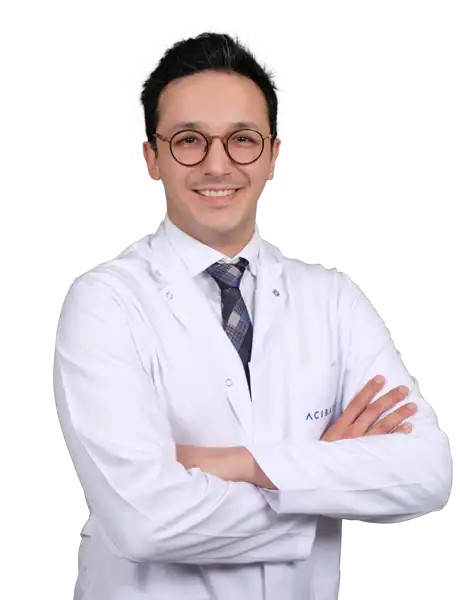
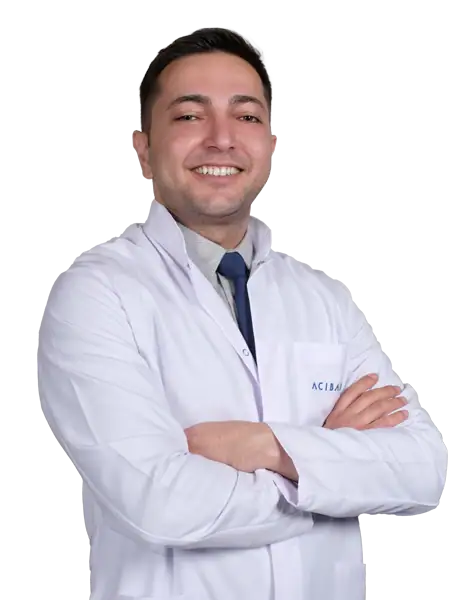
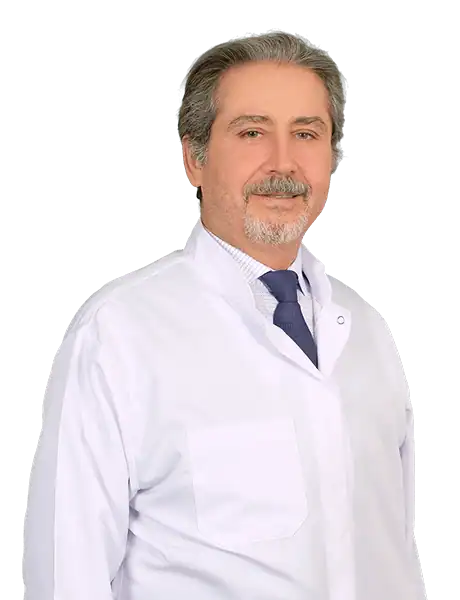
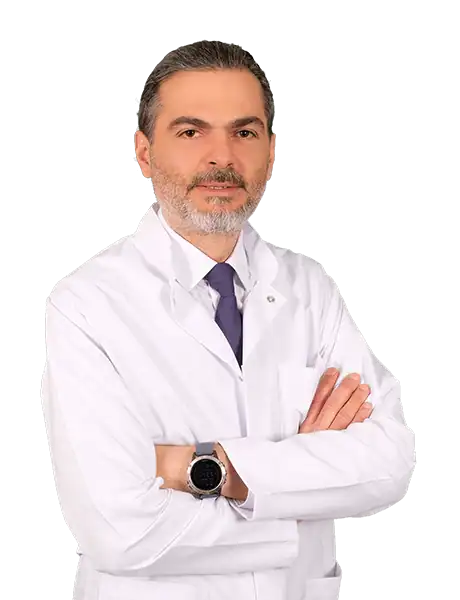
Doctors Performing This Treatment



Aesthetic Plastic & Reconstructive Surgery
Prof. Mehmet Veli Karaaltın, MD

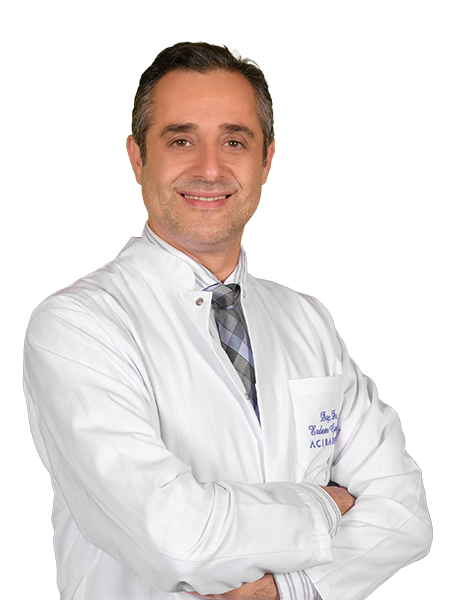
Aesthetic Plastic & Reconstructive Surgery
Assoc. Prof. Erdem Güven, MD

Aesthetic Plastic & Reconstructive Surgery
Assoc. Prof. Ahmet Küçükçelebi, MD
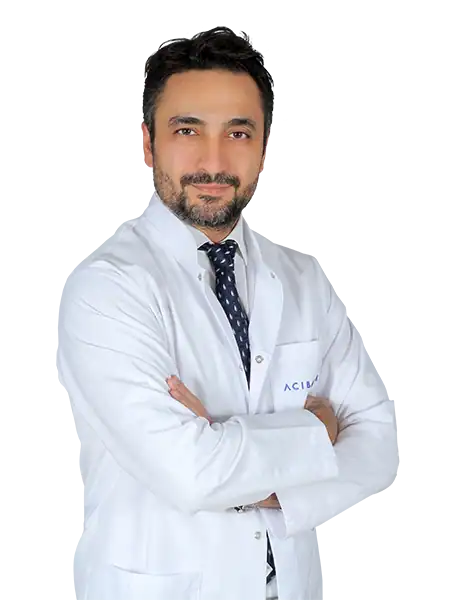
Aesthetic Plastic & Reconstructive Surgery
Assoc. Prof. Mehmet Altıparmak, MD

Aesthetic Plastic & Reconstructive Surgery