

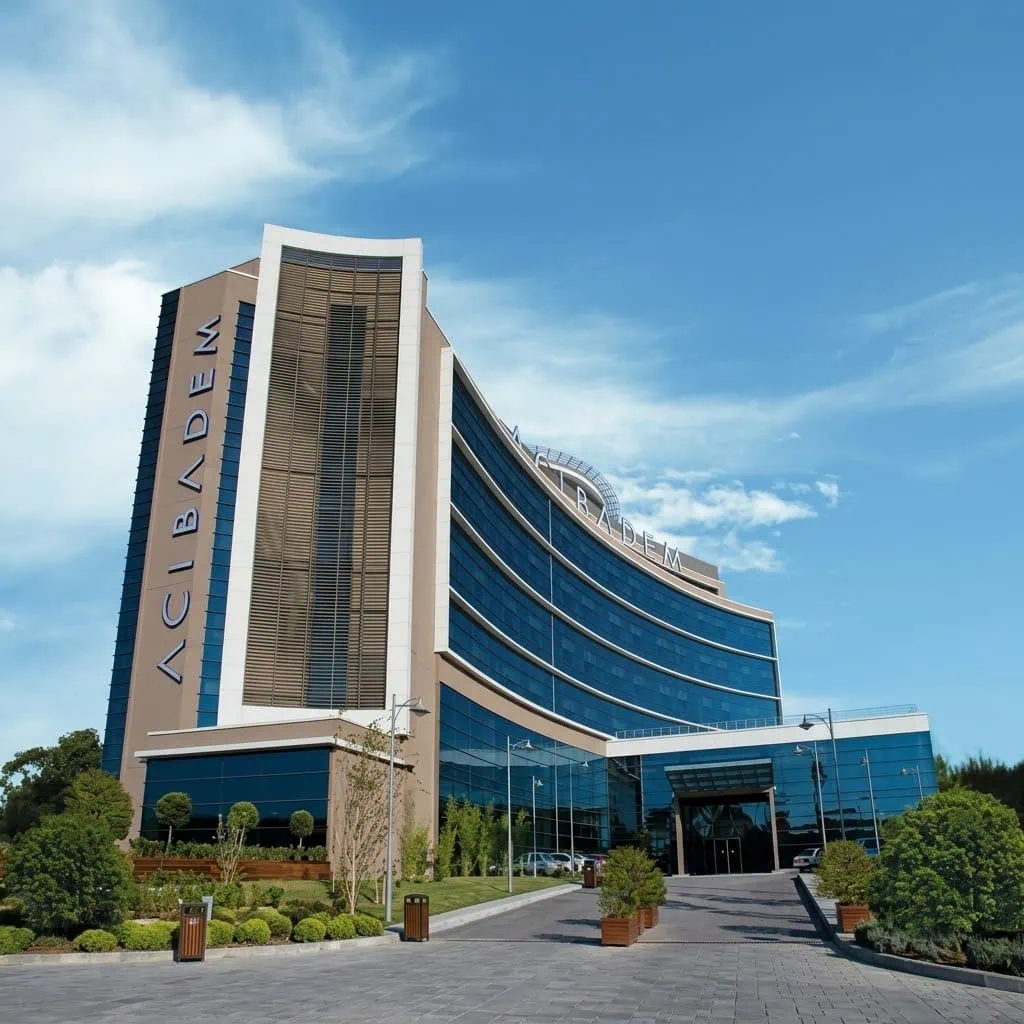
Acibadem Eskisehir Hospital
Acibadem Eskisehir Hospital in Eskişehir, Türkiye provides multidisciplinary healthcare services within the Acibadem Healthcare Group.
Get directions →
Acibadem Eskisehir Hospital at a Glance
Acibadem Eskişehir Hospital opened in 2010 to serve not one city but a region: Eskişehir first, and with it Afyon, Kütahya and Bilecik: the inner-Aegean corridor whose serious medicine would otherwise commute. It is a 21,137 m² smart-building campus with 133 beds, 5 operating theatres, 34 intensive-care beds including a neonatal unit, two delivery rooms and a baby-care room, isolated single-cabin intensive-care rooms and a decontamination room, infrastructure choices that read like a…
The Hospital in Numbers
Rooms & Suites
Choose a room type to see it, every room shares the same clinical infrastructure; suites add space and comfort for companions.
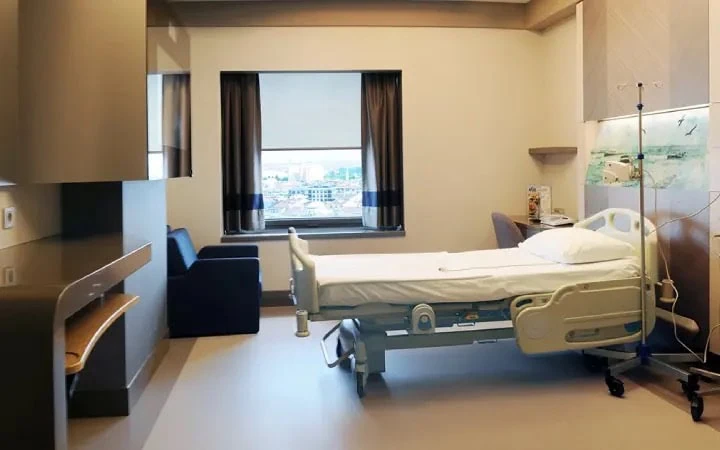 Standard Room
In-Room Features
- Electronic patient-controlled bed
- Individually adjustable climate control
- Digital assistant service
- Integrated nurse call system
- Personal safe
- Minibar
- Sofa bed for companion
Accessible RoomIn-Room Features
- Electronic patient-controlled bed
- Individually adjustable climate control
- Digital assistant service
- Integrated nurse call system
- Personal safe
- Minibar
- Sofa bed for companion
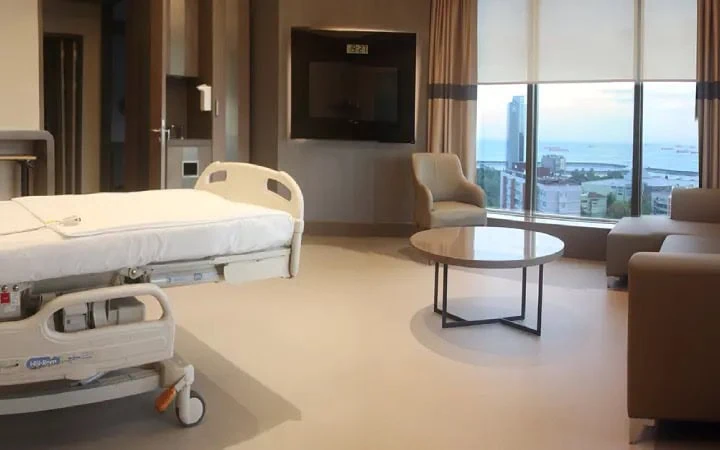 Suite
SuiteIn-Room Features
- Electronic patient-controlled bed
- Individually adjustable climate control
- Digital assistant service
- Integrated nurse call system
- Personal safe
- Minibar
- Sofa bed for companion
- Companion dining and rest area
- Companion bathroom
Facility Highlights
Medical oncology, radiation oncology, gynecologic oncology and nuclear medicine on one campus.
Cardiology and cardiovascular surgery with coronary intensive care.
IVF centre, obstetrics with 2 delivery rooms and a baby-care room, breast and menopause clinics.
34 intensive care beds including a neonatal unit, with single-cabin isolated intensive care rooms.
Decontamination room and independent emergency observation rooms.
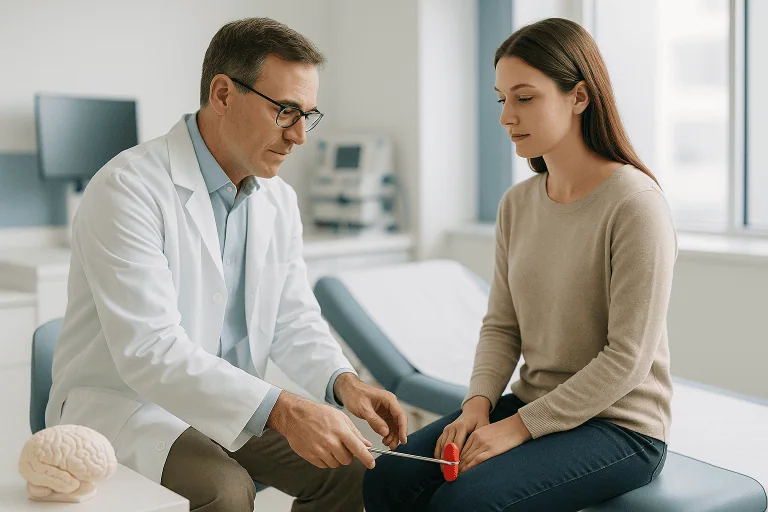
Neurosurgery and neurology among the hospital's leading fields.
Building systems monitored from 1,000 control points.
Central Eskişehir location reachable from the airport, highway, railway and bus terminal.
Amenities & Visiting Guide
- Parking
- Cafeteria
- Prayer room
- Hairdresser
- ATM
- Heliport
Acibadem Eskisehir Hospital, in depth
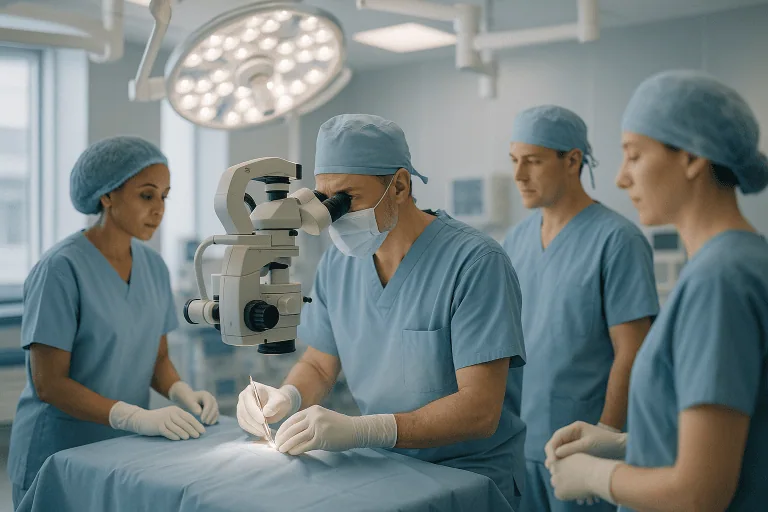
Acibadem Eskişehir Hospital opened in 2010 to serve not one city but a region: Eskişehir first, and with it Afyon, Kütahya and Bilecik: the inner-Aegean corridor whose serious medicine would otherwise commute. It is a 21,137 m² smart-building campus with 133 beds, 5 operating theatres, 34 intensive-care beds including a neonatal unit, two delivery rooms and a baby-care room, isolated single-cabin intensive-care rooms and a decontamination room, infrastructure choices that read like a safety engineer’s list because they are one. Clinically it runs the full width of departments with named depth in cardiology and cardiovascular surgery, oncology with radiation oncology on site, general surgery, obstetrics, orthopaedics, paediatrics and IVF.
What this building is organised around
Eskişehir’s brief was regional: place one full-standard hospital where four provinces can reach it, and size its serious floors so that “go to Istanbul” becomes the exception rather than the default. That is why the intensive-care count is high for the bed count, why radiotherapy: the treatment most likely to force a family’s relocation, runs on site, and why the heart floors carry surgery as well as diagnostics. The building itself participates: a smart-building system monitors the campus continuously, intensive care isolates its most vulnerable patients in single-person cabins, and the emergency floor keeps independent observation rooms. A university city with an engineering soul got a hospital built the same way.
Quality and safety: the honest frame
The hospital runs on the Acıbadem group’s single quality system, surgical checklists, medication-safety routines, infection control and credentialing audited across the group, with diagnostics through the group’s ISO-accredited laboratory network. Five Acıbadem hospitals in Türkiye hold JCI accreditation (Maslak, Altunizade, Atakent, Kent and Adana); Eskişehir runs on the same protocols those audits examine, and this page says that plainly rather than borrowing a badge. The isolation-cabin intensive care and decontamination infrastructure are that quality system in physical form.
The cancer pathway, with radiotherapy at home
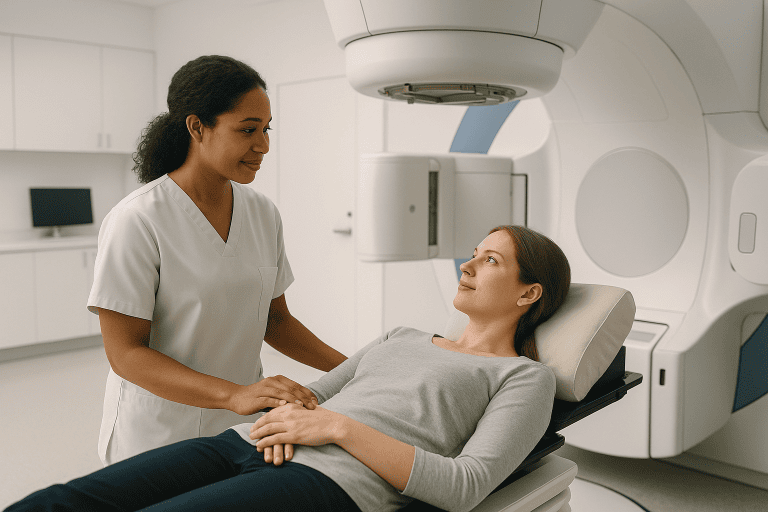
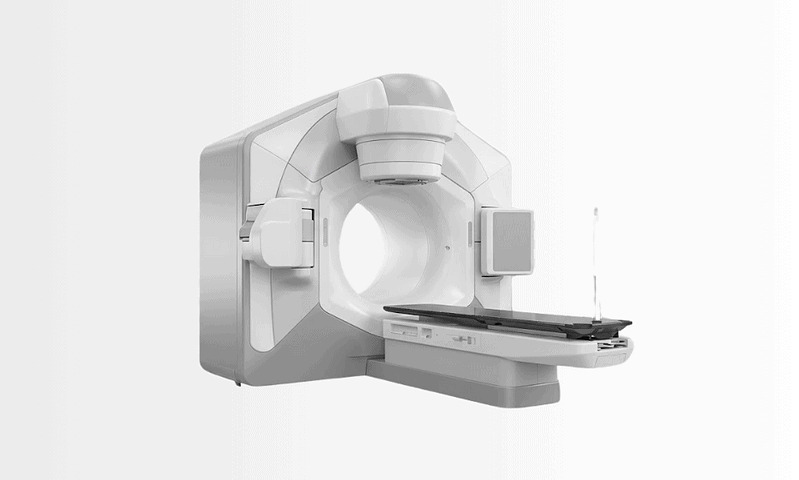
The campus carries the region’s oncology with the piece that matters most kept local: radiation oncology operates on site, so a radiotherapy course, weeks of daily sessions, the treatment most likely to uproot a household, happens at home. Medical oncology plans systemic treatment through the group’s tumour-board method, and general surgery carries the operative share. The honest boundary stands as everywhere: the rare plan needing an MR-Linac or radiosurgery machine is routed to Maslak or Altunizade and told why, but for the region’s common cancer medicine, the pathway is complete here.
Cardiology and cardiovascular surgery
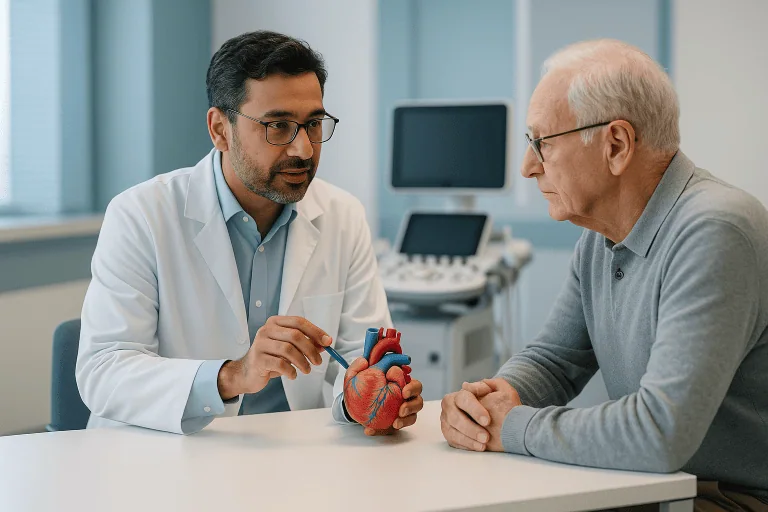
The cardiology unit runs the region’s diagnostic and coronary intensive-care load, and cardiovascular surgery gives the corridor its own theatre-grade answer to bypass and valve decisions, with the honest routing that pairs with it: complex congenital work belongs to Atakent’s programme, and the coordinators say so. For Afyon, Kütahya and Bilecik the practical meaning is that a heart event no longer has to choose between local speed and group standard.
Births, children and the IVF centre
Two delivery rooms and a baby-care room, a neonatal intensive-care unit behind them, and gynaecology and obstetrics carrying the pathway: the region’s births run with the safety net in the building. The campus’s IVF centre anchors the fertility pathway locally, and paediatrics covers childhood for four provinces’ families, with orthopaedics and traumatology handling the fracture-to-joint range that a young, active region generates.
Everyday specialist medicine for four provinces
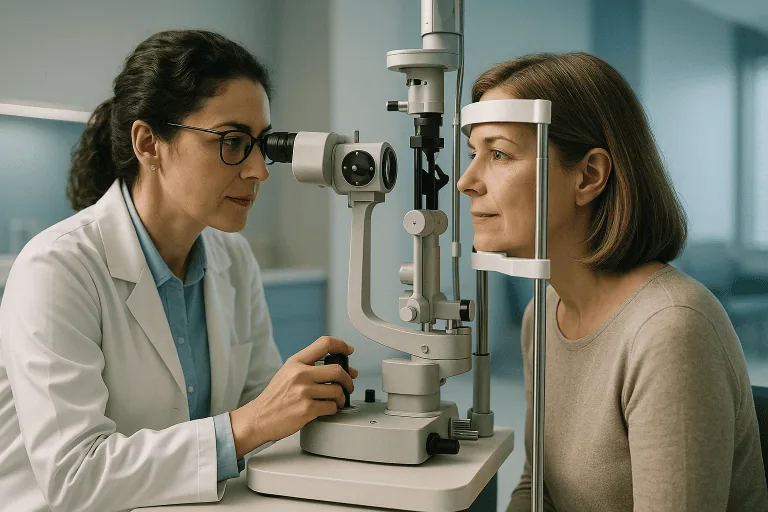
Around the named floors, the hospital renders services across all medical departments, internal medicine, neurology, urology, ENT, dermatology, ophthalmology and the rest of daily specialist life, with same-visit diagnostics through the group’s laboratories and imaging. The referral honesty runs both ways: the rare flagship-only case travels with its file, and the common case that does not is treated where the patient lives.
Technology, honestly framed
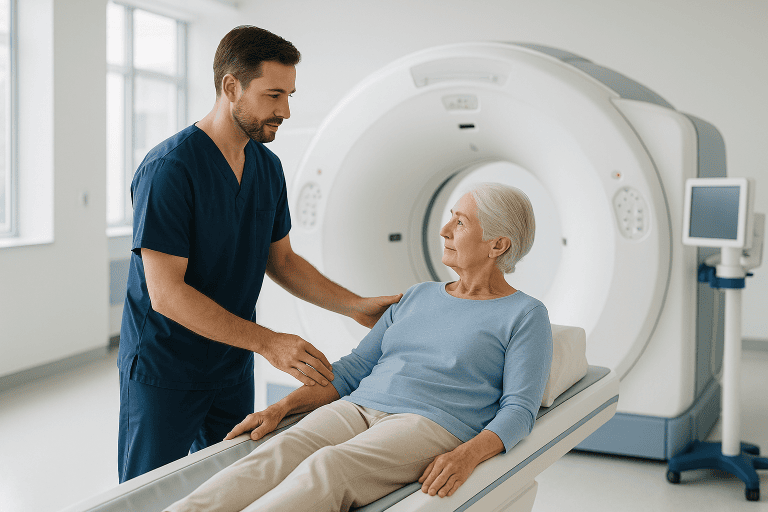
The installation matches the mission: radiotherapy on site, five theatres, 34 intensive-care beds with single-cabin isolation rooms, coronary intensive care, modern imaging, and a smart-building system monitoring the campus continuously. When a plan genuinely needs a machine this campus does not house, MR-Linac at Maslak, Gamma Knife or Tomotherapy at Altunizade, the coordinators route you there and say why. A regional hospital honest about that boundary is what makes its local completeness believable.
International patients at the regional campus
The group’s records-first process applies exactly as at the flagships: reports and imaging reviewed before travel, a written plan and cost estimate, interpreter support (English routinely, other languages arranged), and discharge notes written for the doctor continuing care at home. Eskişehir’s honest international profile is specific: the corridor’s own diaspora returning for planned care, the university city’s international students and staff, and the occasional visitor whose journey meets an emergency, each served by the same system, sized for a region rather than a tourist coast.
Getting here
The hospital serves Eskişehir, Afyon, Kütahya and Bilecik, with the full address, map link and phone in the identity card at the top of this page. High-speed rail links Eskişehir to both Istanbul and Ankara, a practical fact for regional patients and visiting families alike, and the coordinators arrange transfers for planned visits as standard.
How to decide whether Eskişehir is your hospital
Choose Eskişehir when the corridor is yours and the medicine is here, which for the region’s common serious cases it is: a radiotherapy course at home, chemotherapy through the tumour board, heart surgery, births with a NICU behind them, fertility treatment, children’s medicine, orthopaedic and general surgery, and every everyday specialty. Choose a flagship when your case needs an installation that genuinely lives only there, radiosurgery, MR-Linac, congenital-heart and transplant programmes, and expect that sentence early, file included. For four provinces, that division of labour is the whole point of this campus.
Frequently asked questions
When did Acibadem Eskişehir Hospital open?
In 2010, built to serve Eskişehir and the neighbouring provinces of Afyon, Kütahya and Bilecik.
How big is the hospital?
21,137 m² with 133 beds, 5 operating theatres, 34 intensive-care beds including a neonatal unit, two delivery rooms and a baby-care room, monitored by a smart-building system.
Is radiotherapy really available in Eskişehir?
Yes, radiation oncology operates on this campus, so a weeks-long radiotherapy course does not require relocating a household to Istanbul.
Is heart surgery performed here?
Yes, cardiovascular surgery alongside cardiology and coronary intensive care, with complex congenital work routed honestly to the group’s Atakent programme.
Is there a 24-hour emergency service?
Yes, with independent observation rooms, theatres and intensive care behind it, at group standard around the clock.
Is the hospital JCI-accredited?
Honestly: the JCI-accredited Acıbadem hospitals in Türkiye are Maslak, Altunizade, Atakent, Kent and Adana; Eskişehir runs on the same group-wide audited protocols with ISO-accredited laboratories behind its diagnostics.
What are the isolated intensive-care rooms?
Single-person cabin rooms within intensive care, infection-control architecture that protects the most vulnerable patients, part of the campus’s original design.
Can cancer be treated entirely at this campus?
The common pathway, diagnosis, surgery, chemotherapy, radiotherapy, runs on site, planned by tumour board; the rare plan needing an MR-Linac or radiosurgery machine is routed and told why.
Is IVF available in Eskişehir?
Yes: the campus houses an IVF centre, with the fertility unit guide’s honest success framing applying in full.
Are births attended here?
Yes, two delivery rooms with a baby-care room and a neonatal intensive-care unit behind them, which is the fact that matters when a birth stops being routine.
Can children be treated here?
Yes, paediatric clinics for the region’s families and children’s emergencies at any hour, with complex paediatric programmes routed within the group honestly.
Which provinces does the hospital serve?
Eskişehir first, with Afyon, Kütahya and Bilecik: the inner-Aegean corridor the campus was explicitly built for.
Do international patients use this hospital?
Yes: the region’s diaspora returning for planned care, the university city’s international community, and visitors in emergencies, all through the group’s records-first process.
Which languages are supported?
English routinely, with other languages arranged through the international office.
How does the records-first process work?
Reports and imaging reviewed remotely, a written plan and cost estimate, and scheduling coordinated so the visit is as short as the medicine allows.
Can I reach Eskişehir easily from Istanbul or Ankara?
Yes, high-speed rail links the city to both, and the coordinators arrange transfers for planned visits as standard.
Which insurances does the hospital accept?
Many private insurers, and Turkish social security in defined scopes; confirm your coverage in writing before planned care.
How does payment work?
A written estimate precedes planned care; for emergencies, treatment comes first and paperwork is sorted with you or your insurer after stabilisation.
Can my companion stay with me?
Yes, rooms accommodate companions, and intensive care has its own explained visiting protocol.
Can I get laboratory tests and imaging done quickly?
Yes, same-visit diagnostics through the group’s ISO-accredited laboratory network and on-site imaging, readable at every Acıbadem campus.
Do you repeat tests I already had?
Only for a stated reason, existing studies are integrated wherever usable, exactly as across the group.
Can I get a second opinion here?
Yes, including written records-based opinions without a visit; where the question belongs to a flagship subspecialist, the coordinators place it there and say so.
What is the smart-building system?
Continuous technical monitoring of the campus, climate, systems and safety, the same engineering logic that put isolation cabins in intensive care and a decontamination room by the emergency floor.
What happens if my case needs a machine Eskişehir does not house?
The coordinators route you within the group: MR-Linac at Maslak, Gamma Knife and Tomotherapy at Altunizade, transplant and congenital-heart floors at the flagships, with transport coordinated and the reason stated.
Will my doctor at home receive a handover?
Always, discharge notes and planned-care summaries are written for the clinician continuing your care, with imaging and laboratory data included.
What should I bring to a planned visit?
Reports and scans in any language, a complete medication list including supplements, and your written questions: the records-first rule.
How fast is scheduling for planned care?
Coordinator-managed and quick; the honest variable is whether your records arrive before you do.
Is orthopaedic surgery available?
Yes: the fracture-to-joint range at group standard, with the unit guide’s honest surgery-versus-alternatives framing.
Is the hospital open during holidays?
The emergency service never closes; clinic schedules around public holidays are confirmed by the coordinators when your visit is planned.
Why choose Eskişehir over travelling to Istanbul?
Because the region’s serious medicine, radiotherapy, chemotherapy, heart surgery, births, fertility care, is already here at group standard, and the coordinators will honestly name the rare cases where Istanbul’s installations are worth the journey.
Medical Units at This Hospital
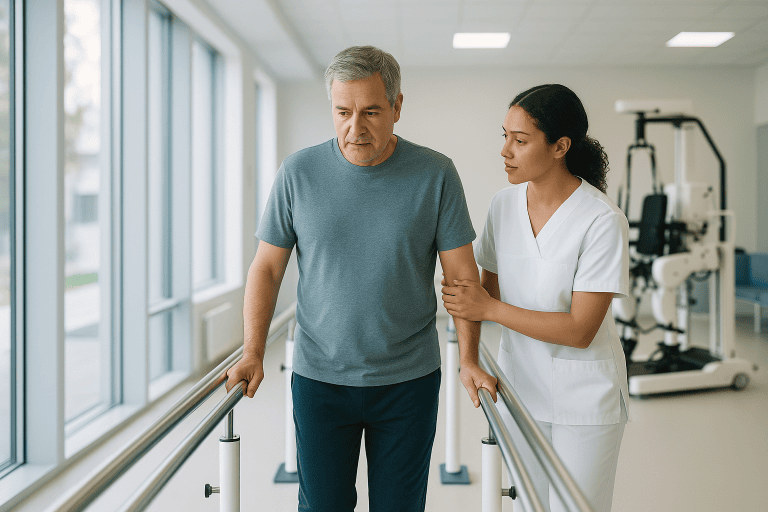
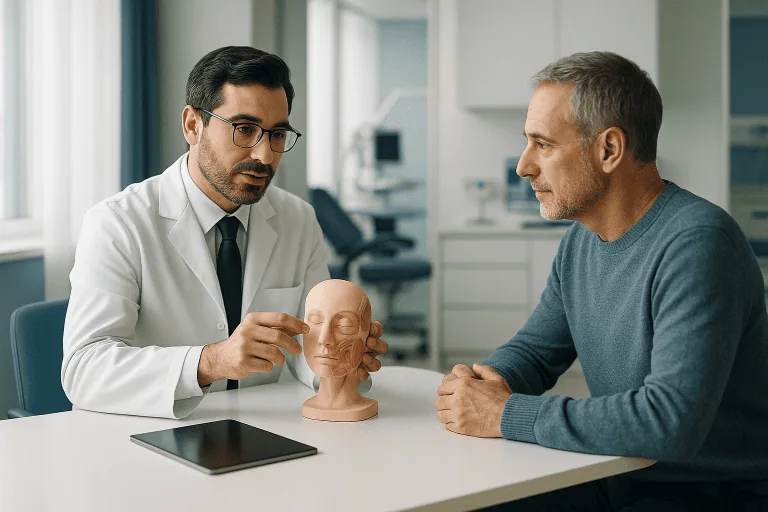
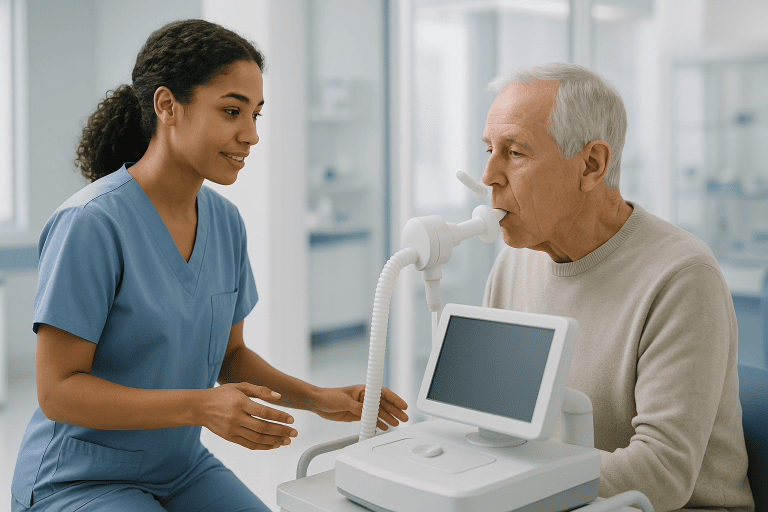
Every department that sees patients here, each one opens its own page with the team, technologies and treatments.


Doctors at This Hospital, Field by Field
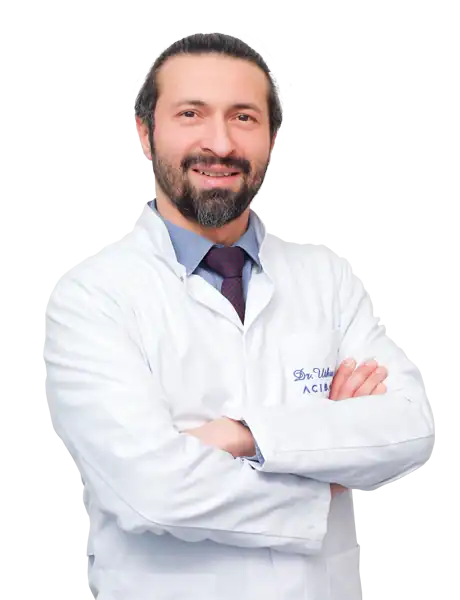
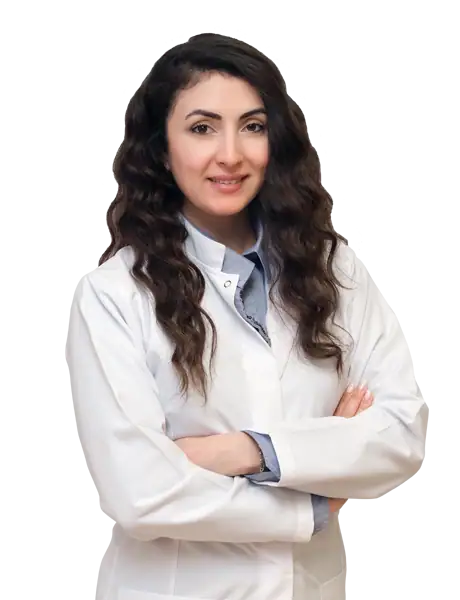
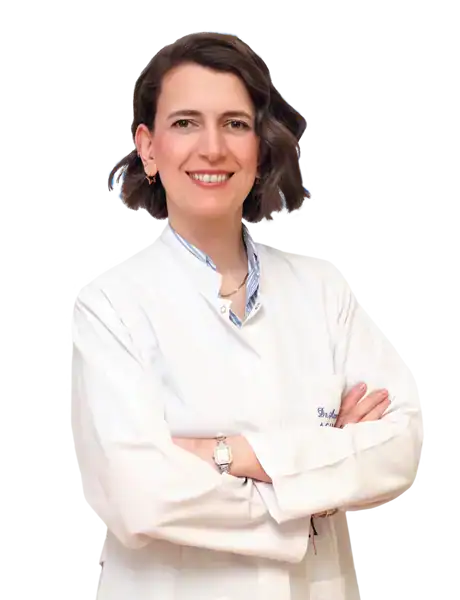
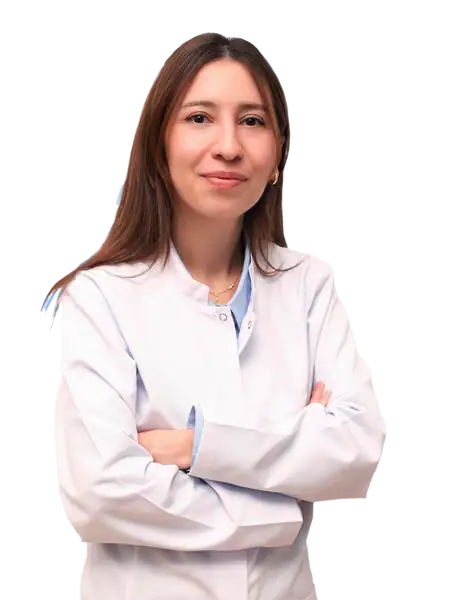
Choose a field to see every specialist who practises here in that department. All 93 doctors are listed.



























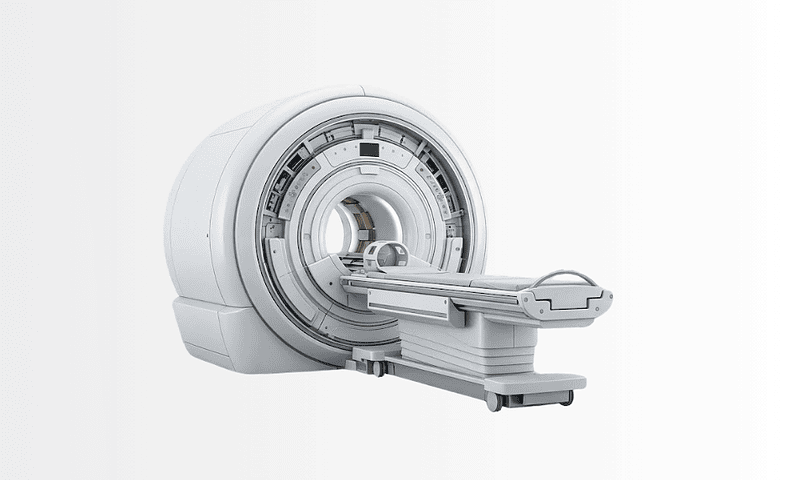
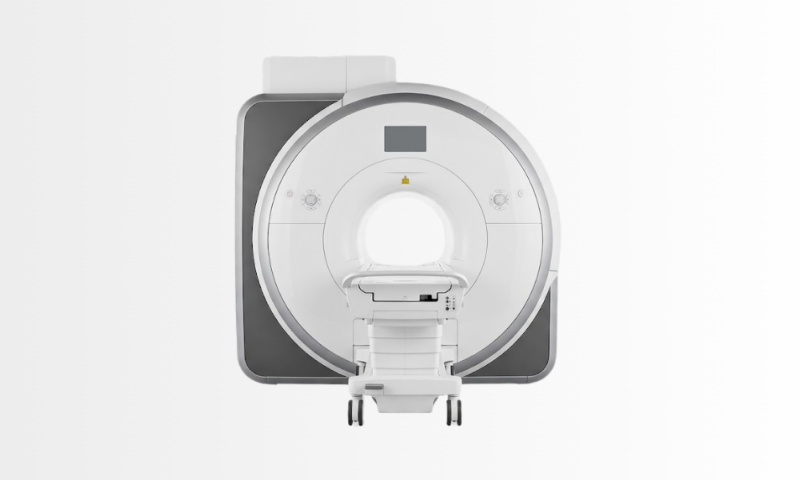
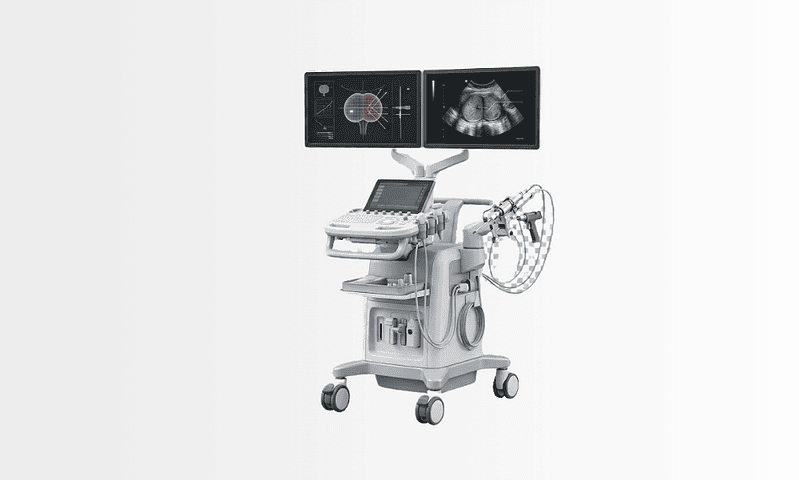
Medical Technologies at This Hospital
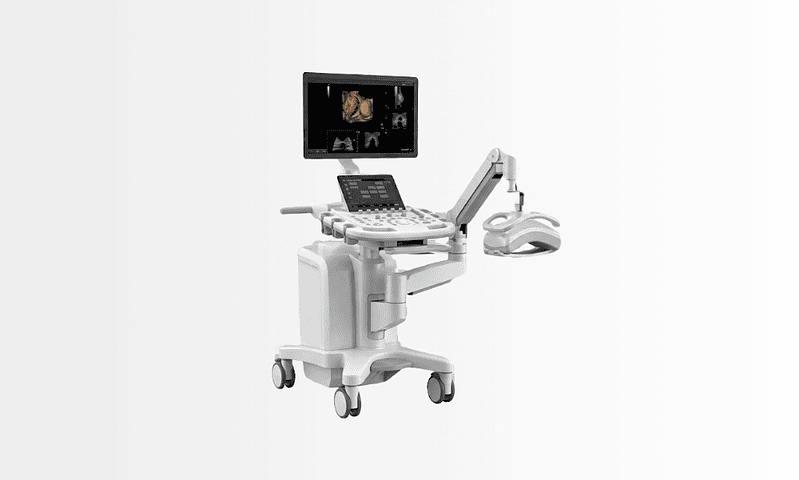
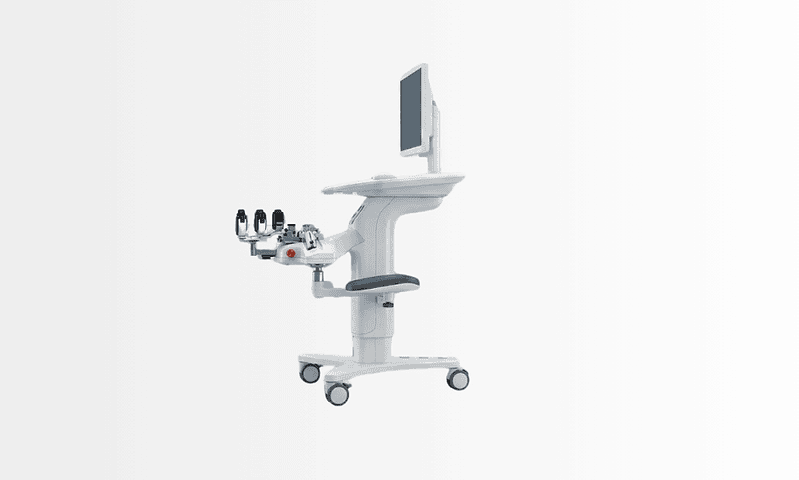
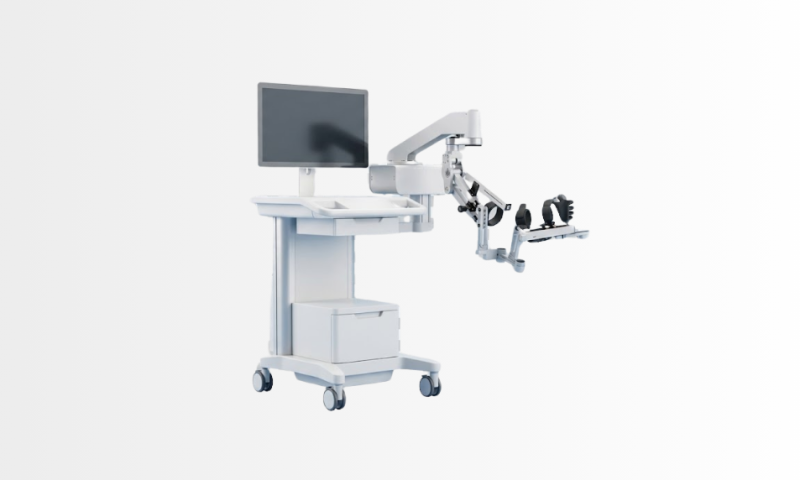
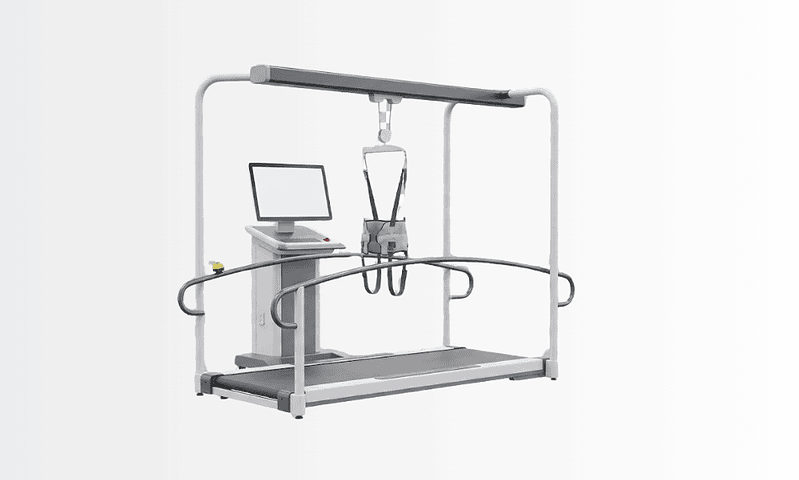
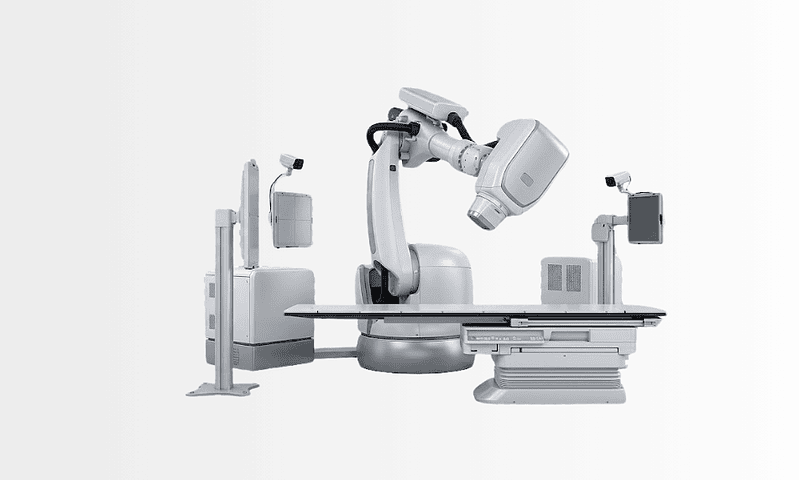
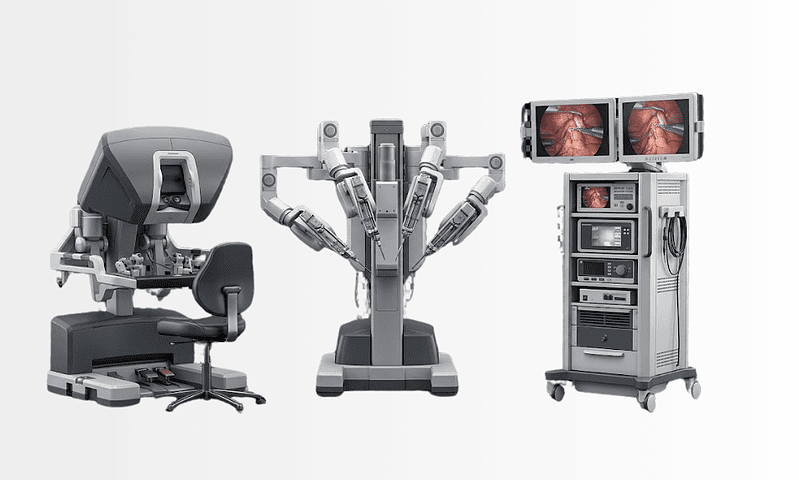
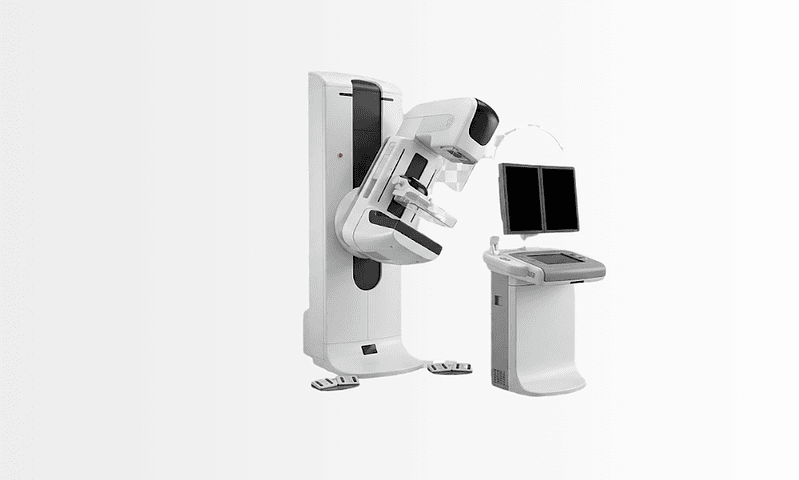
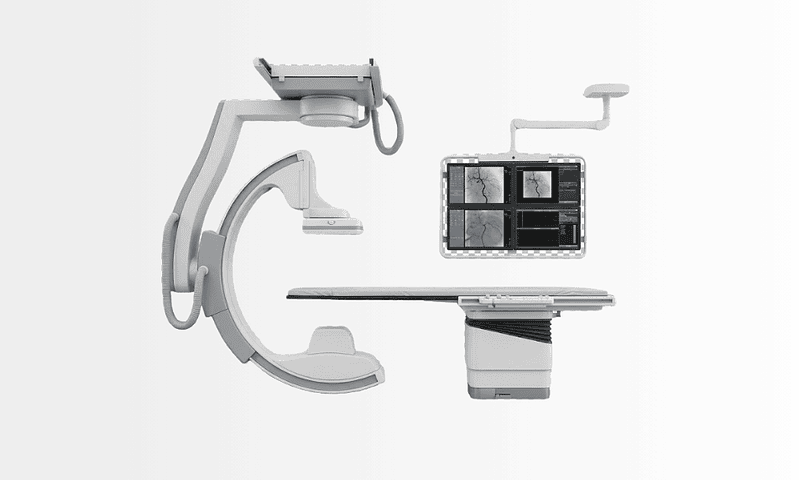
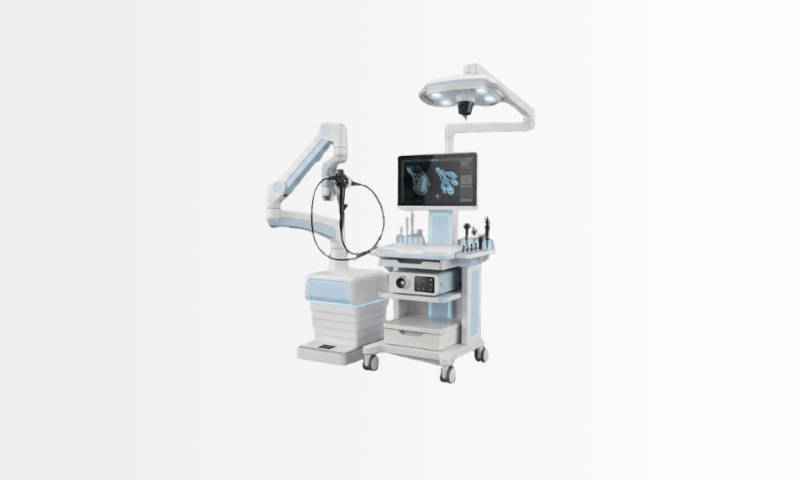
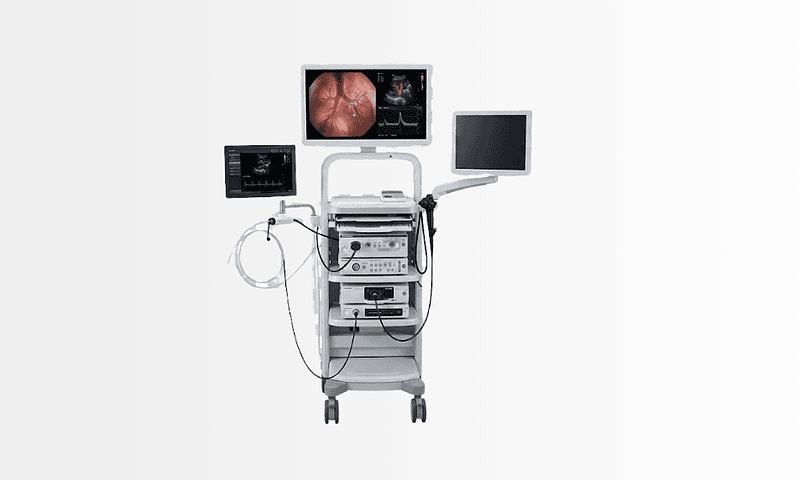
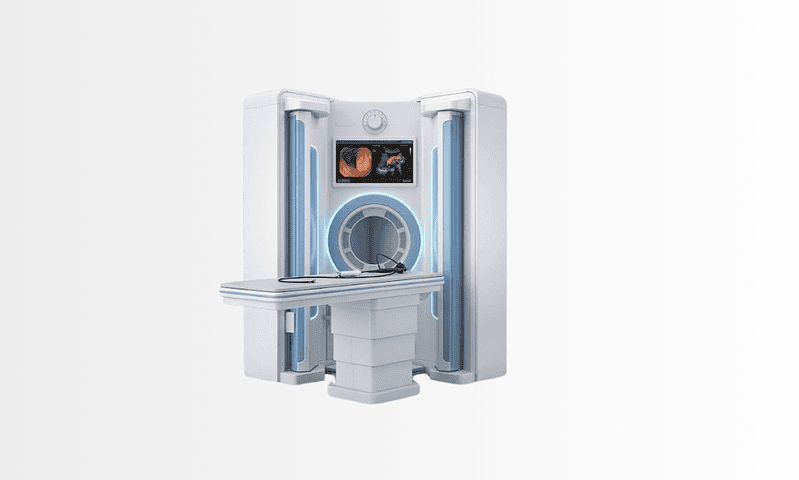
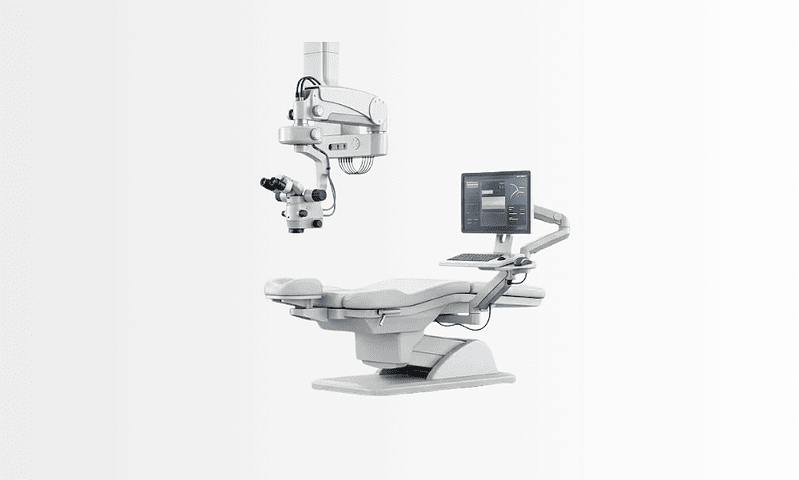
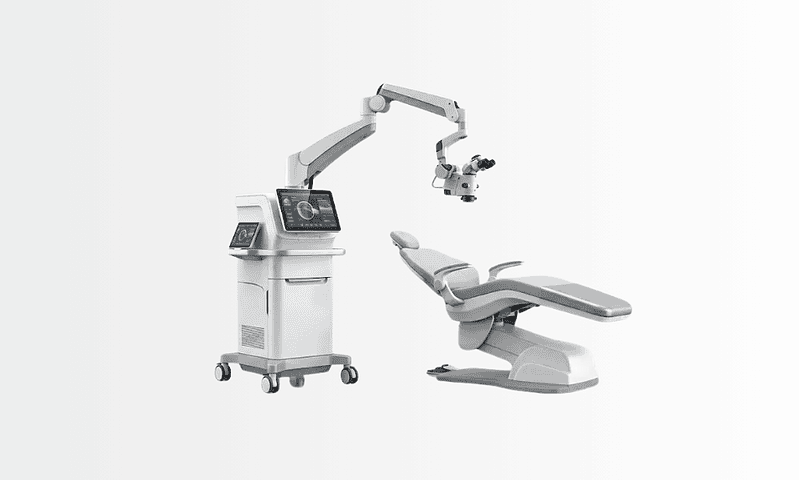
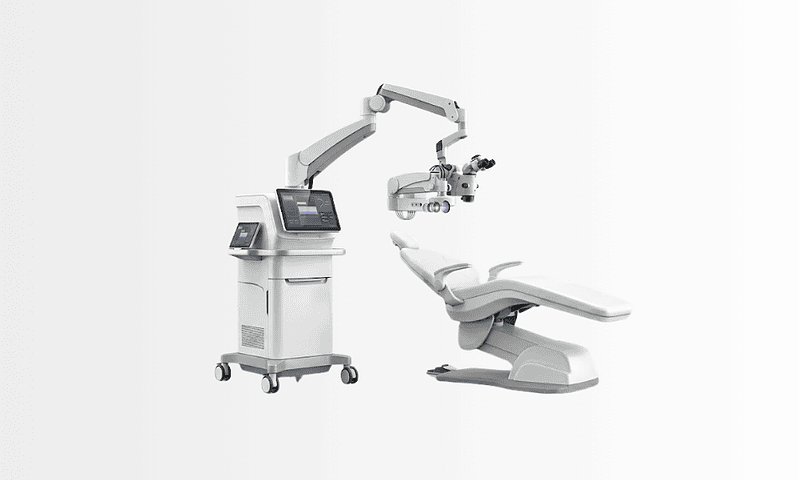
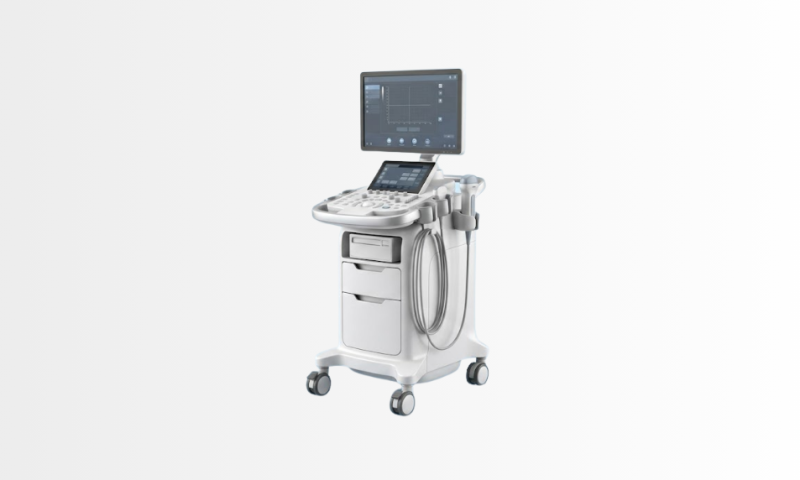
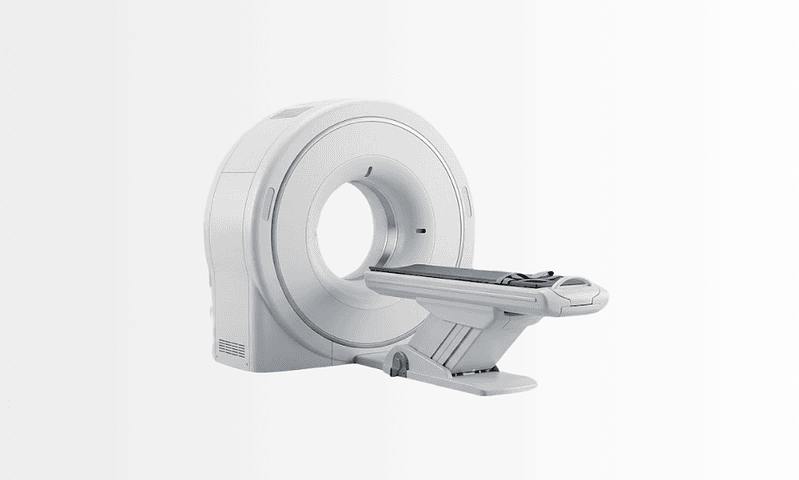
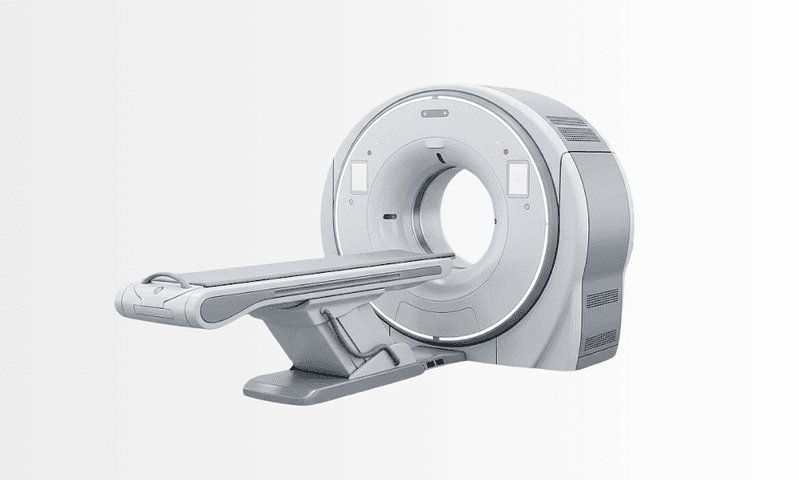
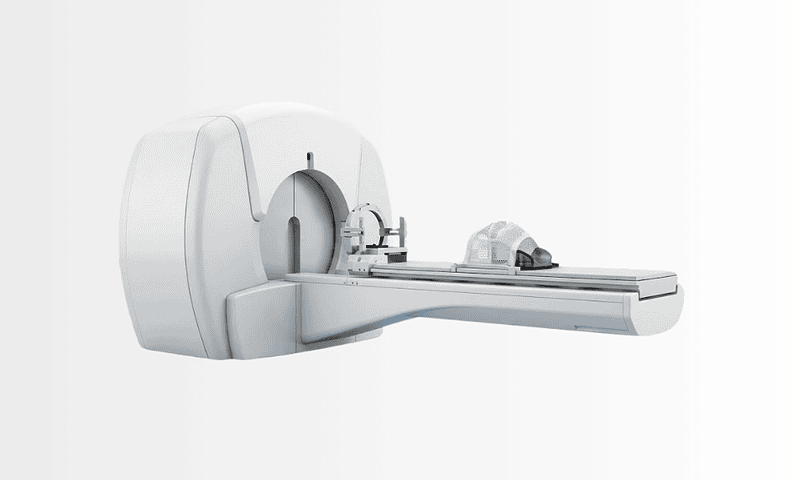
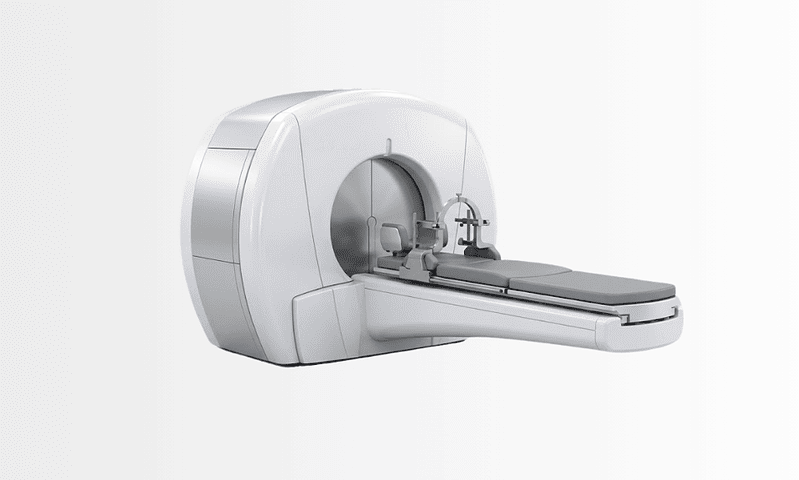
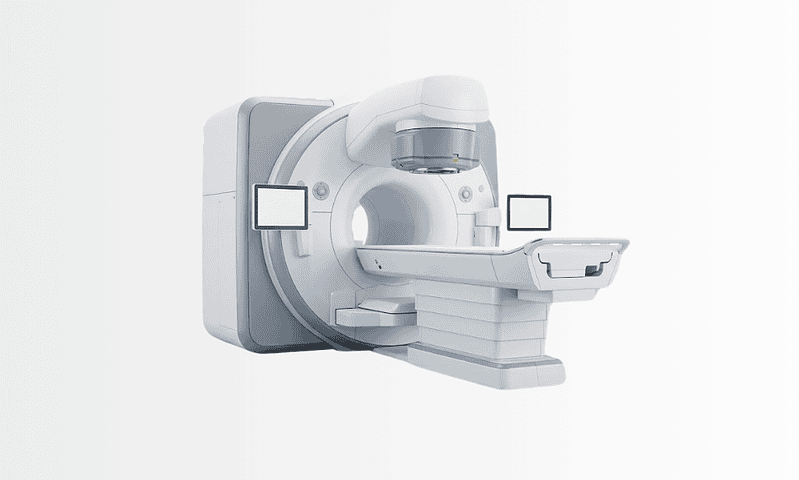
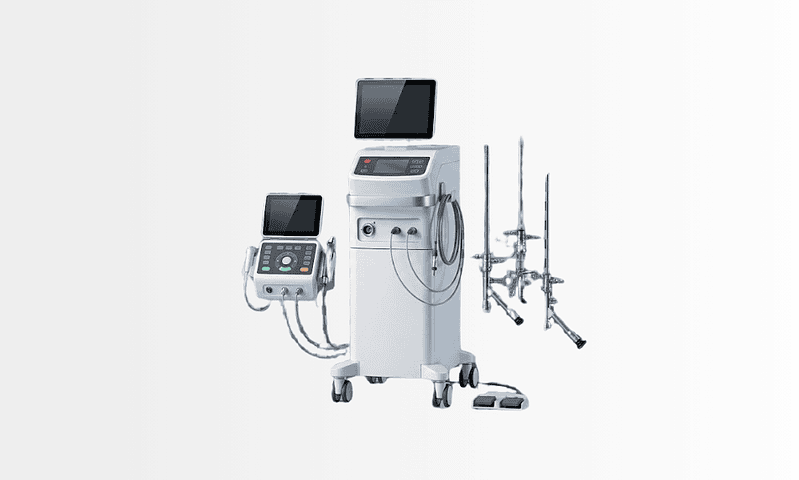
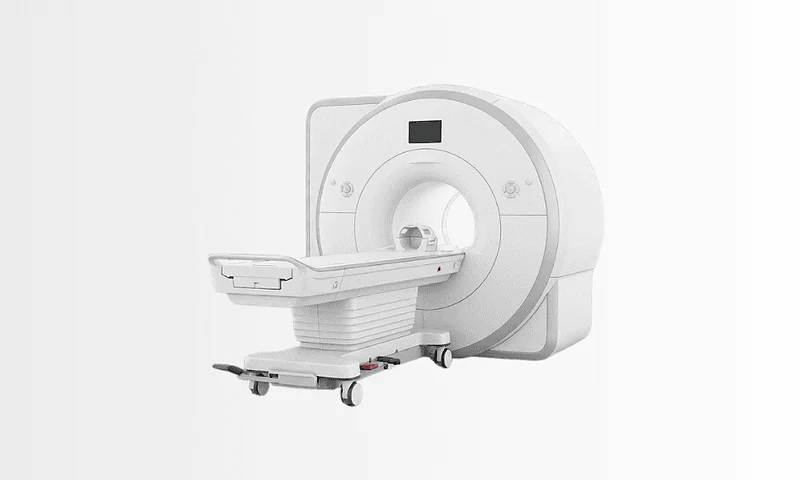
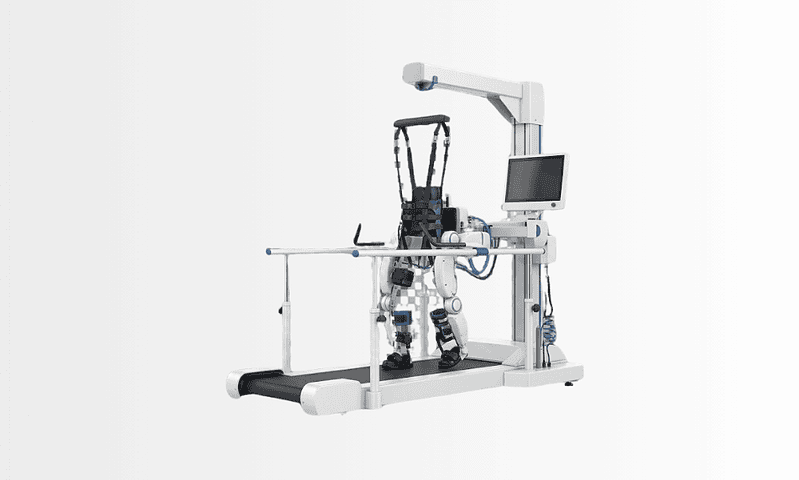
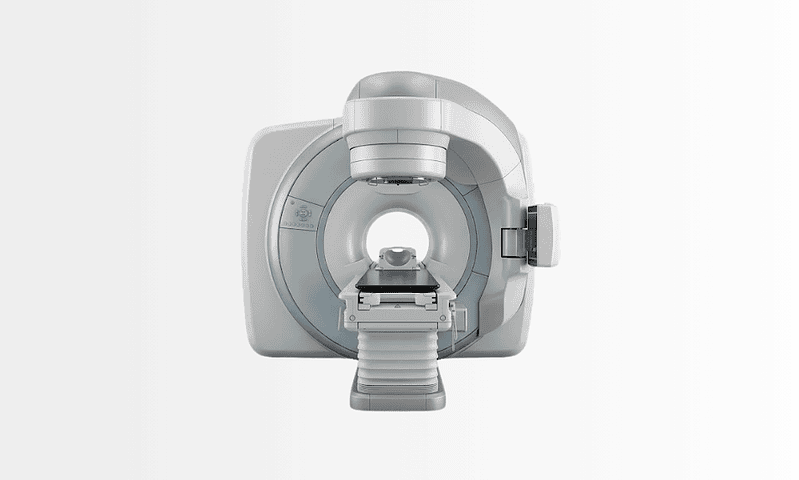
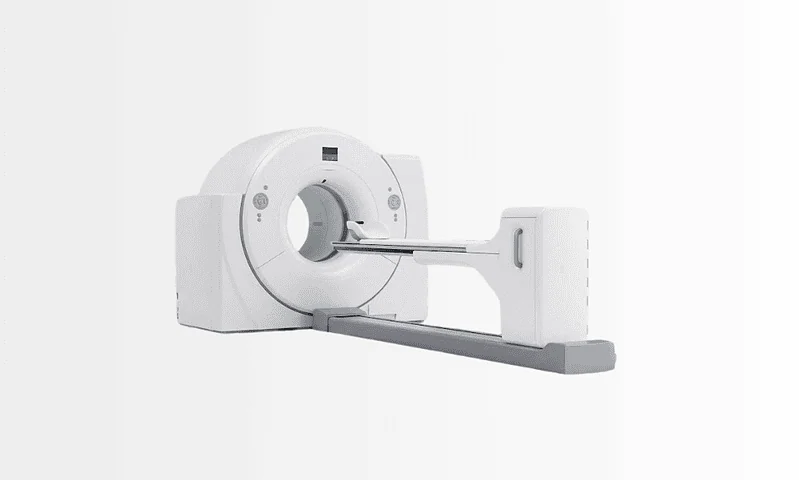
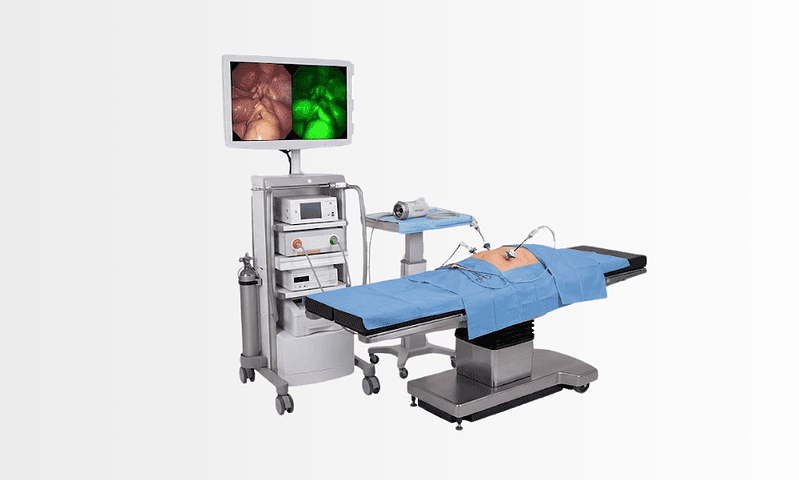
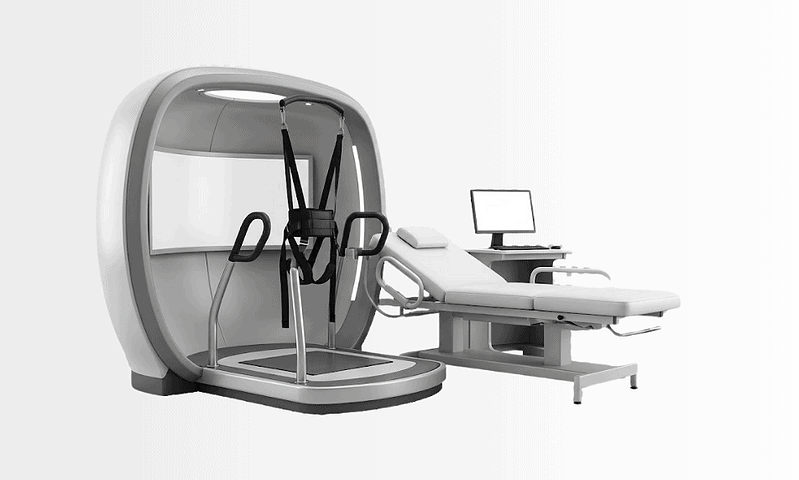
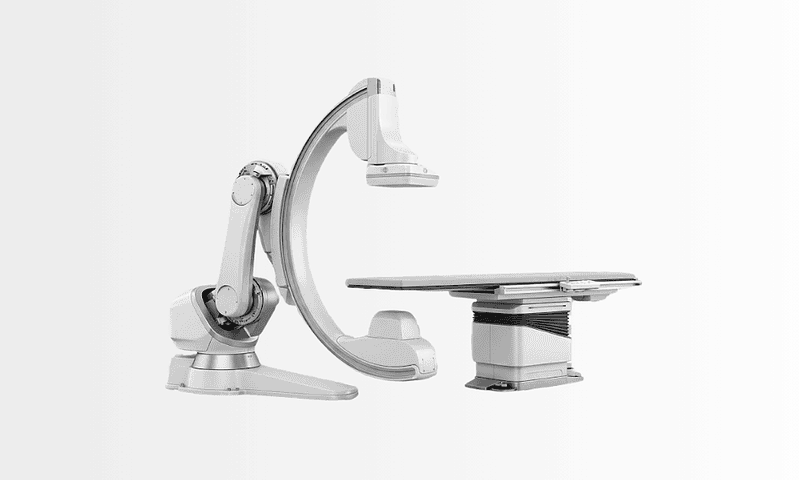
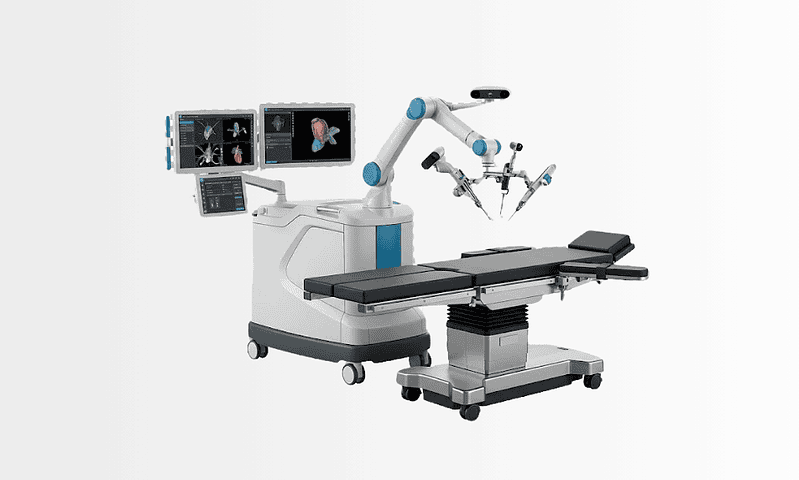
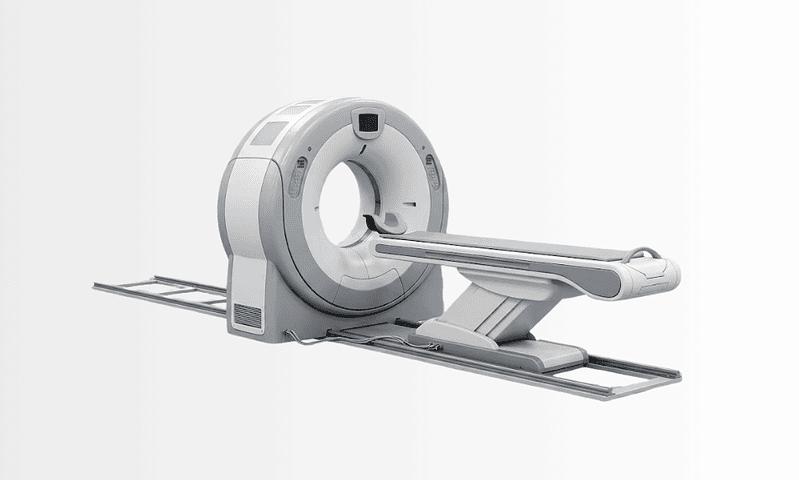
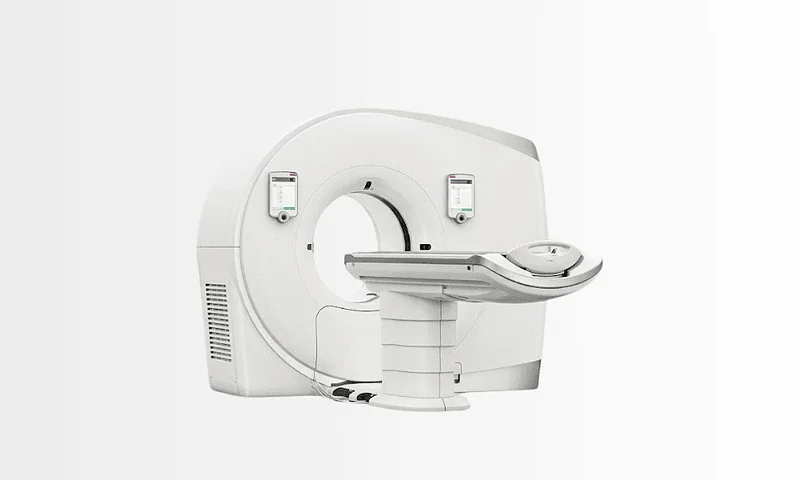
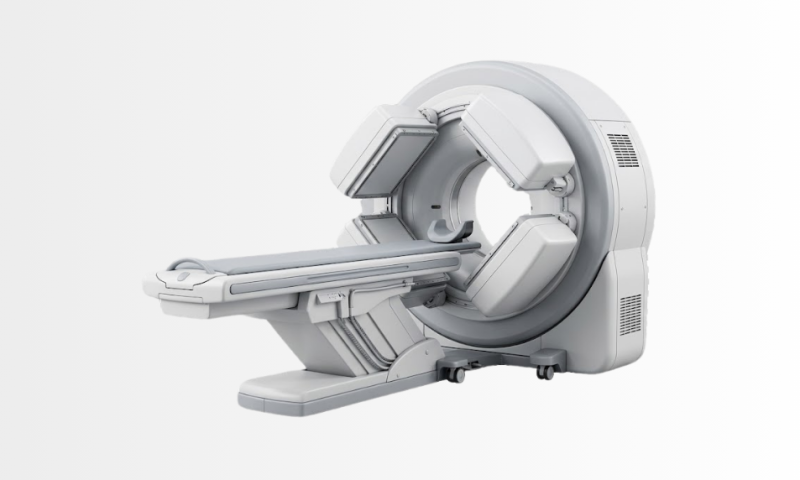
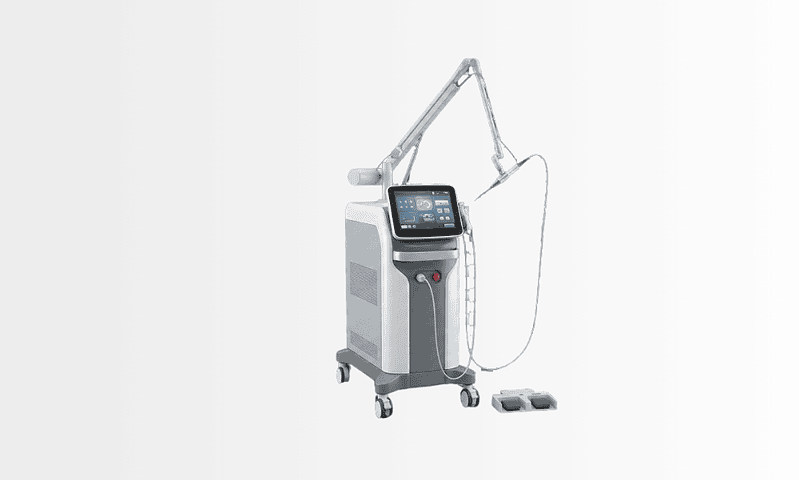
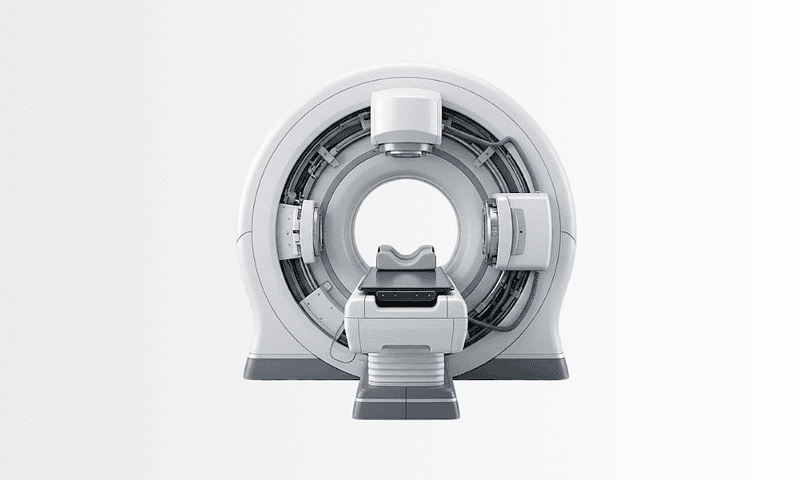
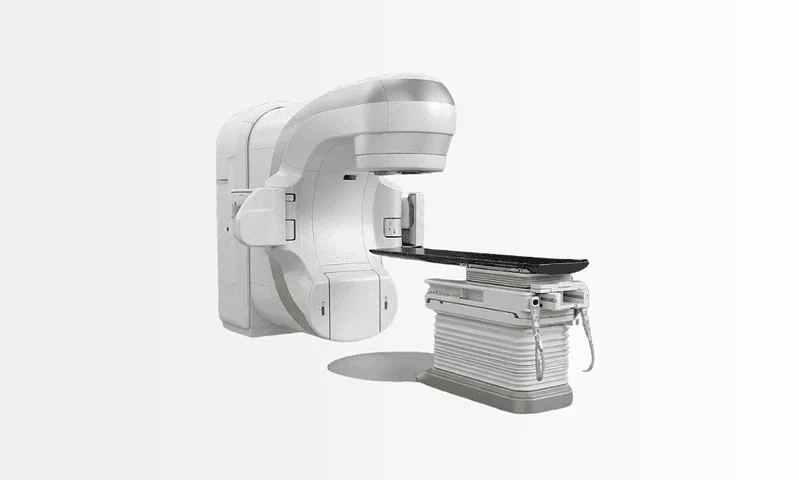
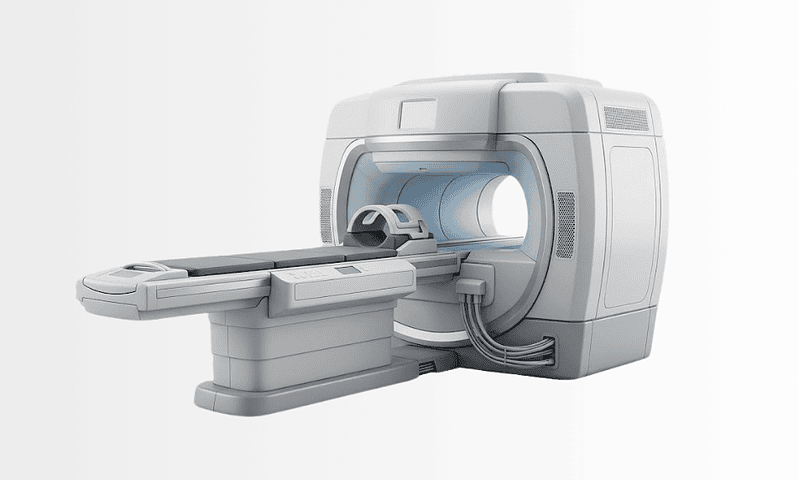
The imaging, radiotherapy, surgical and rehabilitation platforms installed here.
Send your reports: a physician-reviewed plan comes back before you travel.
Free · No obligation · Reply within 24 hours