

Quick answer
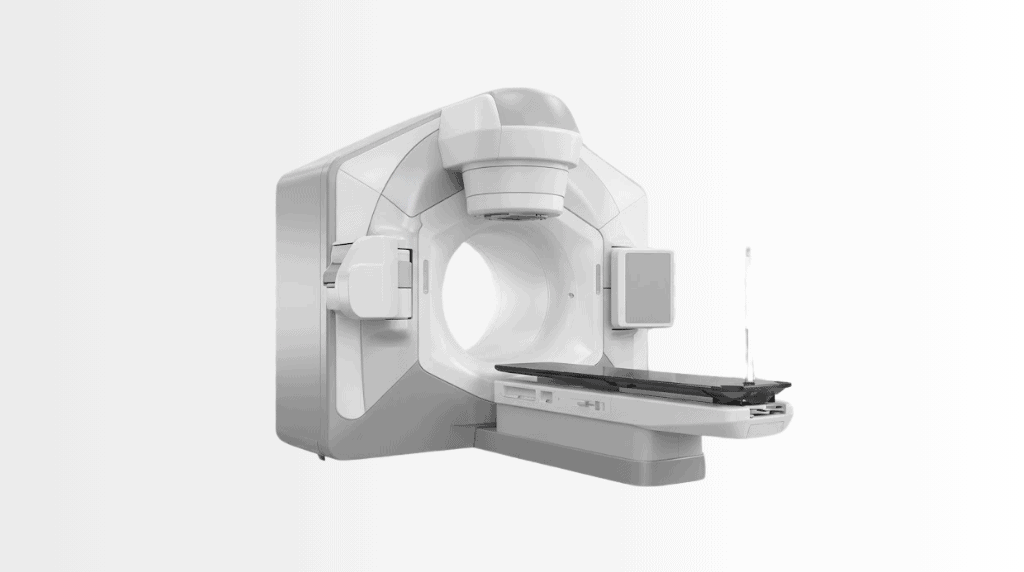
Ethos is an AI-guided adaptive radiotherapy platform that allows radiation oncology teams to review daily anatomy and adjust treatment plans when clinically appropriate. At Acibadem in Turkey, it supports personalised radiation delivery based on the tumour position and surrounding healthy tissues at each treatment session.
Ethos AI-Guided Adaptive Radiotherapy
Ethos is an advanced radiotherapy platform designed to help radiation oncology teams tailor treatment to the patient’s anatomy on the day of each session. It combines high-quality imaging, artificial intelligence (AI)-supported planning and precise radiation delivery in one coordinated workflow.
For many cancers, the position and shape of a tumour can change slightly between treatment sessions. Nearby organs may also move or change shape due to natural body processes, such as breathing, digestion or bladder filling. Ethos helps the clinical team assess these daily changes and, when clinically appropriate, adapt the treatment plan before radiation is delivered.
The goal is to direct radiation accurately to the tumour while helping to limit exposure to nearby healthy tissues. Ethos is part of the advanced radiotherapy and radiosurgery technology available through Acibadem International’s Radiation Oncology teams. Every treatment decision is made individually by experienced specialists, based on the patient’s diagnosis, imaging, medical history and overall treatment goals.
What Is Ethos in Plain Language?
Radiotherapy uses carefully planned doses of radiation to damage cancer cells and prevent them from growing or dividing. Traditional treatment planning is usually based on scans taken before the course of radiotherapy begins. This initial plan remains highly important, but the body does not stay exactly the same every day.
Ethos adds an adaptive approach. Before a treatment session, the system captures new images of the treatment area. These images help the team see the tumour region and surrounding organs as they appear that day. AI-supported tools can assist with contouring and planning tasks, allowing the radiation oncology team to review whether the original plan remains suitable or whether an adapted plan may offer a better fit.
AI supports the workflow, but it does not replace clinical judgement. Radiation oncologists, medical physicists and radiation therapists remain responsible for reviewing the images, validating the plan and ensuring that treatment is appropriate and safe for each patient.
How Ethos Adaptive Radiotherapy Works
Ethos treatment begins with a detailed consultation and planning process. Your radiation oncologist reviews your diagnosis, pathology reports, previous treatment, imaging and general health. If Ethos is considered suitable, the team creates a personalised radiotherapy plan designed around your tumour and the surrounding structures.
During each session, updated imaging is used to compare the anatomy of the day with the original planning scan. The system may identify changes in the position of the target area or nearby organs. When indicated, the care team can assess an adapted treatment plan that better reflects the current anatomy.
The clinical team reviews the proposed plan carefully before treatment begins. Once approved, radiation is delivered using precisely shaped beams designed to conform to the planned target. The session is supervised by trained professionals, with safety checks performed throughout the process.
Key Steps in the Ethos Workflow
- Specialist consultation and review of your medical records, scans and pathology results.
- Planning imaging to define the tumour, nearby organs and treatment target.
- Development of an individual radiotherapy plan by the radiation oncology and medical physics teams.
- Daily imaging before treatment to assess the anatomy at that session.
- AI-supported evaluation and, where clinically appropriate, adaptation of the treatment plan.
- Expert review and approval by the clinical team before radiation delivery.
- Ongoing monitoring of treatment response, side effects and overall wellbeing.
Clinical Applications of Ethos
Ethos may be considered for selected patients who could benefit from adaptive radiotherapy. Suitability depends on the cancer type, tumour location, stage, previous treatments, proximity to sensitive organs and whether daily anatomical changes are likely to influence treatment accuracy.
Adaptive radiotherapy can be particularly valuable when the target area or neighbouring organs may vary from day to day. Your radiation oncologist will explain whether this approach is appropriate for your individual treatment plan. Not every patient needs daily adaptation, and the most suitable technique is always chosen according to clinical need.
| Clinical applications | How Ethos may support treatment planning |
|---|---|
| Prostate cancer | May help account for daily changes in the prostate position and in nearby structures such as the bladder and rectum. |
| Bladder and pelvic cancers | Can support assessment of changes related to bladder filling, bowel position and pelvic anatomy before treatment. |
| Gynaecological cancers | May assist with adapting treatment to daily variations in pelvic organs and the treatment target when clinically appropriate. |
| Rectal and selected lower gastrointestinal cancers | May help the team evaluate anatomical changes that could affect the relationship between the target and sensitive nearby tissues. |
| Abdominal cancers | Can be considered in selected cases where internal organ movement or changes in body anatomy may influence treatment delivery. |
| Selected lung and thoracic tumours | May be used as part of a carefully planned approach when tumour position and surrounding anatomy require detailed assessment. |
| Re-irradiation or complex cases | May support highly individual planning when protecting previously treated areas and nearby organs is especially important. |
Clinical applications vary by hospital, specialist assessment and technology availability. For international patients, the Acibadem International coordination team can help arrange review by the appropriate Radiation Oncology team and confirm the most suitable hospital for the proposed treatment.
Conditions Ethos May Help Treat
Ethos is not a treatment for one specific disease. It is a method of delivering radiotherapy with the potential to adapt to daily anatomical changes. It may be used as part of treatment for certain localised or regionally advanced cancers, either alone or alongside surgery, chemotherapy, hormone therapy, immunotherapy or other oncology treatments.
Your multidisciplinary team may include radiation oncologists, medical oncologists, surgical oncologists, radiologists, pathologists, medical physicists, oncology nurses and supportive care specialists. This collaborative approach helps ensure that radiotherapy is considered in the wider context of your cancer care.
In some situations, radiotherapy is used with curative intent. In others, it may help reduce the risk of recurrence after surgery, control tumour growth, relieve symptoms or support quality of life. The purpose of treatment, expected benefits and possible side effects should always be discussed clearly with your treating physician.
Benefits and Advantages for Patients
The principal advantage of Ethos is its ability to help clinicians make treatment decisions based on the anatomy seen on the day of treatment. This may be especially meaningful when small internal changes could affect how radiation reaches the target area.
Adaptive radiotherapy is not automatically better for every patient. It is a specialised approach that may offer important advantages in appropriately selected cases. Your team will balance potential benefits with practical considerations, including treatment time, clinical priorities and the complexity of your case.
| Patient benefits at a glance | What this may mean for your care |
|---|---|
| Daily anatomy assessment | Your treatment can be reviewed against the position of the tumour and nearby organs at each session. |
| Personalised treatment adaptation | When clinically appropriate, the plan may be adjusted to better reflect the anatomy of that day. |
| Focus on precision | Radiation beams are planned to target the intended area while helping reduce unnecessary dose to nearby healthy tissues. |
| AI-supported workflow | AI can assist the clinical team with time-sensitive planning tasks, while specialists maintain full oversight and approval. |
| Non-surgical treatment approach | Radiotherapy does not involve an incision and is generally delivered on an outpatient basis, depending on your overall care plan. |
| Integrated multidisciplinary care | Your treatment can be coordinated with other cancer therapies and supportive services where needed. |
What to Expect Before, During and After Treatment
Before Your Treatment Starts
Before radiotherapy begins, you will have a consultation with a radiation oncologist. For patients travelling from abroad, Acibadem International can help coordinate the review of medical reports and imaging in advance. Please provide recent pathology reports, scan results, treatment summaries and a list of current medications whenever possible.
If you are a candidate for Ethos-guided treatment, a planning appointment will be arranged. This may include a CT simulation scan and, in selected cases, additional imaging. The team may use positioning supports or a customised immobilisation device to help you remain comfortable and in a consistent position during each session.
Your radiation oncologist will explain the purpose of treatment, the planned number of sessions, expected timing, preparation instructions and possible side effects. You will have the opportunity to ask questions before consenting to treatment.
During an Ethos Treatment Session
On the day of treatment, you may be asked to follow preparation instructions related to food, fluids, bladder filling or bowel management. These instructions vary by treatment area and are important because they can help achieve consistent positioning.
You will be positioned on the treatment couch. The team will leave the room during radiation delivery, but they will remain in close contact through cameras and an intercom system. You will not feel the radiation itself. The machine may move around you, and you may hear normal operating sounds.
Before delivering radiation, the team acquires treatment-day images. If the images show changes that are clinically relevant, the care team may review and approve an adapted plan. This assessment can make some sessions longer than standard radiotherapy appointments, but it is designed to support accurate treatment delivery.
After the Session
Most patients can return to their accommodation or normal daily activities after an outpatient radiotherapy session. Side effects, if they occur, usually develop gradually during treatment or in the period afterward. They depend on the body area being treated, the dose, the number of sessions and individual health factors.
Your team will advise you on what to expect and how to manage common concerns such as fatigue, skin sensitivity, bowel or bladder changes, swallowing discomfort or other site-specific symptoms. Contact your care team promptly if you experience severe, unexpected or worsening symptoms.
Safety, Quality and Clinical Oversight
Radiotherapy requires rigorous planning, verification and quality assurance. Ethos treatment is delivered by trained radiation oncology professionals who follow established safety procedures. The process includes image review, plan evaluation, machine quality checks and clinical verification before treatment is delivered.
AI-guided adaptive radiotherapy is a clinical support technology. It provides tools that can assist with imaging, contouring and treatment planning, but decisions remain under the supervision of qualified healthcare professionals. Your radiation oncologist and medical physics team assess whether the proposed plan meets the required standards for target coverage and protection of surrounding tissues.
Acibadem International supports care in JCI-accredited hospitals, where patient safety, quality improvement, infection prevention and coordinated clinical processes are central to the care experience. Your team will discuss any individual risks, precautions and alternatives relevant to your diagnosis.
Possible side effects of radiotherapy vary significantly. They may include tiredness and local effects in the treatment area, while certain patients may experience delayed side effects months or years after treatment. Your doctor will explain the risks in relation to your specific cancer, treatment region and medical history.
Why Ethos Matters for International Patients
Travelling for cancer care can feel complex, particularly when treatment requires repeated appointments. International patients need clear information, practical coordination and confidence that their care plan is designed around their individual needs. Acibadem International helps make this process more manageable by coordinating communication between patients, families and clinical teams.
Before travel, our international patient team can help collect and organise your medical documents for specialist review. If treatment is recommended, the team can assist with appointment planning, hospital coordination and language support. Your care pathway is explained clearly so that you understand the expected schedule and any preparation required.
Ethos may be relevant for patients seeking a highly personalised radiotherapy approach, especially when daily treatment adaptation is clinically beneficial. However, travel plans should always be based on the full medical assessment. The length of stay depends on the number of treatment sessions, required consultations, planning scans, follow-up needs and your personal recovery plan.
Where possible, the care team can also help coordinate communication with your doctors at home. This can support continuity of care after you return, including follow-up appointments, medication guidance and sharing of treatment summaries.
Frequently Asked Questions
Is Ethos safe?
Ethos is used by trained radiation oncology professionals within a structured clinical workflow that includes imaging, plan review and quality assurance. As with any cancer treatment, there are potential risks and side effects. Your specialist will explain the safety considerations, expected benefits and alternatives for your individual case.
Does AI make treatment decisions on its own?
No. AI-supported tools can help speed up parts of the adaptive planning workflow, such as identifying structures on images or generating planning options. The treating clinical team reviews the information and remains responsible for approving any treatment plan.
Will every treatment session be adapted?
Not necessarily. The treatment-day images are reviewed to determine whether the original plan remains appropriate. Adaptation is considered when the clinical team believes it may improve the fit of the plan to the anatomy seen that day.
Is Ethos suitable for every type of cancer?
No. Suitability depends on the tumour type, location, size, stage, previous treatment, nearby organs and overall treatment objectives. A radiation oncologist must review your case before recommending any technology or treatment approach.
Will my insurance cover Ethos-guided radiotherapy?
Coverage depends on your insurance policy, the country of coverage and the details of your approved treatment plan. You can share your insurance information with the international patient team, who can help clarify available options and explain the financial process before treatment begins.
How do I get started?
You can submit a consultation request and share your available medical reports, imaging and pathology results. A specialist can review your case and advise whether Ethos-guided adaptive radiotherapy may be appropriate. If you travel to Türkiye for care, the Acibadem International team can support you with treatment coordination and communication throughout your journey.
Personalised Radiotherapy Planning at Acibadem International
Ethos represents an important development in adaptive radiation oncology: the ability to assess the tumour and surrounding anatomy at each treatment session and tailor the plan when clinically appropriate. For selected patients, this can support a more responsive and precise approach to radiotherapy.
At Acibadem International, technology is always combined with specialist expertise, multidisciplinary collaboration and patient-centred coordination. Our teams focus on selecting the right treatment for the right patient, explaining every step clearly and supporting international patients from medical review through treatment and follow-up.
Related Medical Units
Available at these Hospitals







Related Treatments
Speak with our medical team
Find out how this technology could support your diagnosis or treatment.