

Bariatric & Metabolic Surgery
Gastric sleeve, gastric bypass, duodenal switch and revisional weight-loss surgery, with endoscopic balloon and gastroplasty options and the metabolic surgery pathway for type 2 diabetes.
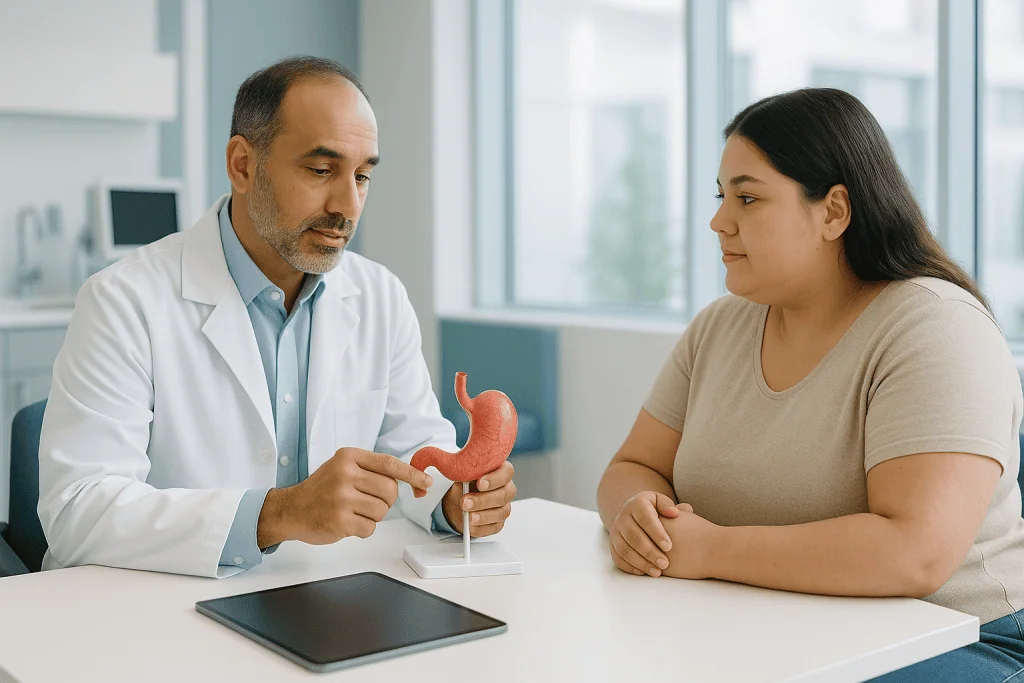
Four operations that fail differently, and the work of choosing between them
There is no best procedure. There is the one that fits a particular weight, metabolic picture, reflux history and willingness to be monitored for life, and working that out is most of what this unit does.
Weight-loss operations
Sleeve, bypass and duodenal switch procedures, laparoscopic as standard, plus revision of an operation that has failed.
Endoscopic and non-surgical
Balloon and endoscopic options for people below surgical thresholds, or who need to lose weight before another operation.
What the surgery is aimed at
The metabolic disease behind the weight, which is what metabolic surgery treats, and what the follow-up actually measures.
A hospital metabolic programme, not a weight-loss package
Bariatric surgery is the easiest field in medicine to sell and one of the hardest to do well over time. The difference shows in who is turned away, and in what happens after the flight home: a pathway that ends at the airport has delivered an operation rather than a treatment.
It also shows when something goes wrong. Severe obesity, sleep apnoea and diabetes raise what an anaesthetic and a complication demand, and a leak declaring itself on day five needs critical care, interventional radiology and endoscopy in the same building rather than a transfer.
What we will not do
- Accept everyone who enquires. A pathway that never recommends against surgery is selling rather than assessing.
- Fix the operation before the endoscopy. A hiatal hernia or oesophagitis changes the choice between a sleeve and a bypass.
- Quote a single figure without defining what it covers, including what happens if a complication needs treating.
- Promise a weight. The spread around any average is wide in both directions, and nobody can predict an individual result.
- Operate around an untreated eating disorder or an active dependence. Those are treated first, not worked around.
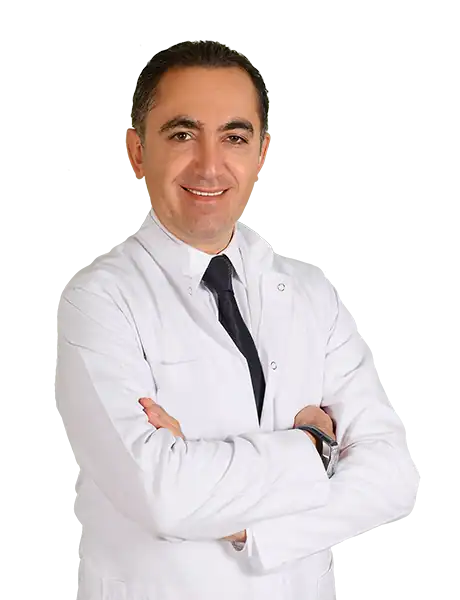
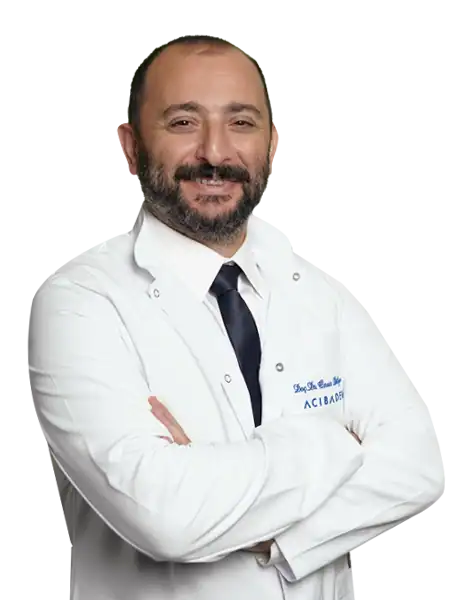
Bariatric and metabolic surgeons who lead this work
What actually happens, in order
Send the history, not just the weight
Current weight and height, the highest weight ever recorded, the full medicine list, existing diagnoses, and any previous bariatric operation with its operative note. The peak weight matters as much as the current one.
Consultant review before a date exists
Whether surgery is the right treatment at all, and which operation is being considered. A proportion of reviews conclude that it is not the right treatment, or not yet.
Assessment on arrival
Endoscopy, blood work, imaging and the cardiac, respiratory and anaesthetic evaluation, with dietetic and psychological consultations. A hiatal hernia found here can move the plan from a sleeve to a bypass.
Surgery and the days after
Laparoscopic as standard, walking within hours, fluids introduced in stages. Discharge is followed by a further period in the city, because the window for an early complication has not closed when someone first feels well.
Follow-up that outlives the flight home
The operative record, the supplement regimen and the monitoring schedule in a form another clinician can act on, then blood monitoring at intervals, indefinitely. This is the part that decides the ten-year result.
Six things worth knowing first
The operation is the smaller half
Surgery takes a few hours; the treatment runs for decades. Most of what determines the outcome is done afterwards, by the dietitian, the psychologist and the blood monitoring.
Restriction is not the mechanism
A stomach stretches. What actually changes is hunger and the gut hormone signalling that follows food into the small intestine, which is why a bypass improves diabetes days after surgery.
Reflux is the real trade with a sleeve
A sleeve can cause or worsen reflux, and that is the main reason sleeves are later converted to bypasses. Where reflux is already significant, a bypass is the operation that answers it.
Some regain is the normal pattern
Weight reaches a floor and then rises modestly from the lowest point in almost every published series. People who are not told this in advance experience it as a catastrophe.
Supplements are permanent, not a phase
Deficiency develops silently over years and feeling well is not evidence that levels are adequate. Blood monitoring continues for life, and it is the main obligation the operation creates.
A low headline price is a different scope
What is usually missing from the cheapest quotation is the assessment, the follow-up and the position on who pays if a complication needs treating. Compare scope, not headline.
Jump to what you came for
Quick answer
Bariatric and metabolic surgery is the hospital unit that evaluates and surgically treats obesity and related metabolic conditions when other weight-loss methods are not enough. At Acibadem in Turkey, care typically includes multidisciplinary assessment, personalized procedure planning, minimally invasive techniques when appropriate, and structured follow-up for nutrition, recovery, and long-term weight control.
What our bariatric and metabolic surgery unit covers, and who it is for
Bariatric surgery is not a cosmetic operation and it is not a shortcut. It is the treatment with the strongest long-term evidence for severe obesity and for the diseases that travel with it, type 2 diabetes above all, and it works by changing the physiology of hunger, fullness and gut hormones rather than by making the stomach a smaller container. That distinction matters, because it explains why the results hold in people for whom every diet has failed, and why the operation is only one part of a treatment that continues for the rest of a person’s life.
At Acıbadem International the work is organised into five strands.
- Primary bariatric surgerysleeve gastrectomy, Roux-en-Y gastric bypass, mini gastric bypass, SADI-S and duodenal switch, performed laparoscopically or robotically.
- Endoscopic and non-surgical optionsthe intragastric balloon and endoscopic sleeve gastroplasty, for people who do not meet surgical criteria or do not want an operation.
- Revision surgeryfor weight regain, for reflux after a sleeve, for band-related problems and for complications of an operation done elsewhere.
- Metabolic surgerythe same operations used with the primary goal of treating type 2 diabetes and metabolic disease rather than weight itself.
- The multidisciplinary programme around all of itdietitian, psychologist, endocrinologist, anaesthetist and specialist nurse, before and after the operation.
Two borders are worth stating early. Body contouring after major weight loss, the surgery that removes the skin left behind, belongs to plastic surgery and happens a year or more later, not at the same time. And medical management of obesity, including the newer weight-loss medications, is shared with endocrinology and nutrition and diet, because for a substantial number of people the right answer is not an operation at all.
Who is this page for? People weighing an operation they have been thinking about for years. People whose diabetes is not controlled despite maximum medication. People who had surgery elsewhere and have regained weight or developed reflux. And people who want to know what surgery genuinely delivers before they commit to it, including the parts a sales-driven clinic leaves out.
Who qualifies for bariatric surgery
The long-standing criteria, still the basis of most health systems’ pathways, are a body mass index of 40 or above, or a BMI of 35 or above with an obesity-related condition such as type 2 diabetes, obstructive sleep apnoea, severe joint disease, fatty liver disease or uncontrolled hypertension. More recent guidance from the major surgical societies extends consideration to BMI 35 without comorbidity and to BMI 30 to 35 where metabolic disease is present and not controlled, and lower thresholds are applied for people of Asian ethnicity, whose metabolic risk rises at a lower BMI.
Numbers, however, are the entry ticket rather than the decision. What a proper assessment establishes is whether surgery is the right treatment for this person now: whether previous attempts at weight loss have been genuinely supported rather than merely repeated, whether eating patterns include disorders that surgery would worsen, whether medical conditions are optimised for anaesthesia, and whether the person understands and accepts the permanent changes to eating and supplementation that follow.
Is there a bariatric surgery age limit?
There is no universal age cut-off, and both ends of the range are assessed individually. In adolescents, surgery is considered in specialist centres for severe obesity with significant comorbidity, after skeletal maturity is largely reached and with family engagement in the programme. In older adults, the question is physiological rather than chronological: a fit 68-year-old with disabling arthritis and controlled cardiac disease may be a better candidate than a 45-year-old with untreated heart failure. What rises with age is anaesthetic and healing risk, and what falls is the number of years over which the metabolic benefit accrues, both belong in the conversation.
Who is not a candidate, and why refusal is the assessment working
Surgery is deferred or declined for untreated eating disorders, for active substance dependence, for psychiatric illness that is not stable, for medical conditions that make anaesthesia unacceptably dangerous, and for people who cannot commit to lifelong vitamin supplementation and follow-up. None of these is a moral judgement; each is a predictor of harm. A programme that never turns anyone away is not assessing anyone, and that is the single most useful thing to know when comparing clinics.
What the bariatric surgery psychological evaluation is actually for
People often arrive expecting an exam they might fail. It is not that. The bariatric surgery psychological evaluation exists to find the things that make surgery go badly and to fix what can be fixed first: binge eating that will collide with a small stomach, night eating, using food to manage emotion, depression severe enough to derail follow-up, unrealistic expectations of what the operation will change in a person’s life. Where a problem is found, the usual outcome is treatment then surgery, not refusal. It also establishes something surgeons cannot judge in a clinic: whether this person has the support at home to get through the first three months.
Gastric sleeve: laparoscopic sleeve gastrectomy explained
Gastric sleeve surgery, sleeve gastrectomy, or in full laparoscopic sleeve gastrectomyremoves roughly three-quarters of the stomach along its outer curve, leaving a narrow tube about the shape and width of a banana. It is now the most commonly performed bariatric operation in the world, and its dominance is not an accident: it is technically simpler than a bypass, it leaves the intestine untouched, it does not create the internal spaces where a bowel can twist, and it does not interfere with the absorption of medication.
The part that is misunderstood almost universally is how it works. Making the stomach smaller matters far less than what is removed with it. The section taken away is the fundus, the main source of ghrelin, the hormone that drives hunger, and its removal changes appetite at the level of signalling rather than capacity. Patients describe not being hungry rather than being unable to eat, and that is the mechanism doing the work.
How the operation is performed
Under general anaesthesia, four or five small incisions admit a camera and instruments; in robotic cases the same ports carry robotic arms. A calibration tube is passed into the stomach to define the width of the remaining tube: this sizing decision is one of the genuine differences between surgeons, because too narrow risks stricture and too generous undermines the result. A stapling device divides the stomach along the tube, the removed portion is taken out through one of the ports, and the staple line is checked for bleeding and leakage, often reinforced and tested with dye or air under water. Operating time is commonly one to two hours. Any hiatus hernia found at the same time is repaired, because leaving one in place is a known route to severe reflux afterwards.
Gastric sleeve recovery, week by week
Gastric sleeve recovery is faster than most people expect physically and slower than most people expect in eating. Walking begins the same day. Hospital stay is commonly two to three nights. Pain is moderate and port-site based; the strangest early symptom is usually shoulder-tip discomfort from the gas used to inflate the abdomen, which settles within days. Fatigue in the first two to three weeks is universal and is a function of a very low calorie intake, not of the operation going wrong.
Return to desk work is typically two to three weeks, physical work four to six. Driving resumes when an emergency stop can be performed without hesitation and sedating medication has stopped. The eating progression, liquids, then purée, then soft, then normal textures, is set by the surgical and dietetic team and is described under diet stages. What continues far longer is adjustment: learning portion size by feel, learning which foods sit badly, and learning to separate drinking from eating.
Gastric sleeve complications, stated plainly
The two that matter most in the first weeks are bleeding and staple-line leak. A leak is uncommon but serious, presents with rising pulse, fever, abdominal or shoulder pain and a general feeling of being profoundly unwell, and is treated in hospital, often with drainage and an endoscopic stent rather than a major re-operation. Blood clots in the legs or lungs are prevented actively with early walking, compression and anticoagulation. Stricture, narrowing of the tube, causes persistent vomiting and is usually treated by endoscopic dilatation.
The commonest long-term issue is reflux, covered under GERD after gastric sleeve. Gallstones become more likely during rapid weight loss for everyone who loses weight quickly, whatever the method. And nutritional deficiency is not a complication but a certainty without supplementation, which is why bariatric vitamins are treated as part of the operation rather than an optional extra.
Gastric bypass: the Roux-en-Y operation
Gastric bypassRoux-en-Y gastric bypass, the operation against which every other is measured, creates a small pouch at the top of the stomach and connects it directly to a limb of small intestine, so food bypasses the remainder of the stomach and the first portion of the small bowel. The bypassed stomach and duodenum stay in place and continue to produce digestive juices, which rejoin the food stream further down.
It works through three mechanisms at once: a small pouch limits volume, the rerouting changes gut hormone signalling profoundly, and a modest degree of malabsorption is created. The hormonal effect is why bypass has the strongest record in type 2 diabetes, with improvement frequently seen within days, before meaningful weight has been lost, which tells you the mechanism is not weight alone.
Where bypass is preferred over sleeve: significant reflux or a large hiatus hernia, Barrett’s oesophagus, poorly controlled type 2 diabetes, very high BMI where a stronger metabolic effect is wanted, and revision of a sleeve that has failed or caused reflux. Where sleeve is preferred: when medication absorption must stay predictable, in inflammatory bowel disease, where the intestinal anatomy makes a bypass difficult, and where a patient prefers an operation with no rerouted bowel.
The trade-offs are real. Bypass creates internal spaces through which small bowel can herniate years later: a cause of intermittent severe abdominal pain that requires urgent surgical assessment wherever it happens. Marginal ulcer at the join is a recognised complication, strongly linked to smoking and to anti-inflammatory medication, both of which are therefore restricted permanently. Dumping syndrome is far more common than after a sleeve. And the malabsorption that helps the weight loss also applies to iron, calcium, B12 and fat-soluble vitamins for life.
Gastric sleeve vs gastric bypass: how the decision is actually made
The gastric sleeve vs gastric bypass question dominates every bariatric clinic, and the honest answer is that neither is universally better: they suit different people, and a surgeon who performs only one of them is describing their practice rather than your physiology.
Weight loss. Both produce substantial, durable loss. Bypass has historically produced somewhat more, with the gap narrowing in modern series and the difference between individuals far larger than the difference between operations.
Diabetes. Bypass has the stronger and faster metabolic effect, and is generally favoured where type 2 diabetes is the main reason for operating, particularly when it is long-standing or insulin-treated.
Reflux. This is the clearest divider. Sleeve can cause or worsen reflux; bypass usually improves it. Established significant reflux, and certainly Barrett’s oesophagus, pushes the decision firmly toward bypass.
Simplicity and reversibility. Neither is reversible in any practical sense: a sleeve removes stomach permanently, and a bypass can technically be reversed but rarely is. The sleeve leaves normal intestinal anatomy, which matters for future access to the biliary tree by endoscopy and for absorption of certain medicines.
Complication profile. Sleeve: leak, stricture, reflux. Bypass: internal hernia, marginal ulcer, dumping, more demanding nutritional follow-up. Neither list is longer than the other; they are simply different, and the right question is which set of risks fits your circumstances.
What should decide it, in order: reflux status and hiatus hernia; whether diabetes is the primary target; medication needs; previous abdominal surgery; and the patient’s own readiness for the follow-up each operation demands. What should not decide it: which operation is faster to schedule, or which appears in the advertisement.
Mini gastric bypass (one-anastomosis gastric bypass)
Mini gastric bypassproperly the one-anastomosis gastric bypass, OAGB, creates a long, narrow stomach tube and joins it to a loop of small intestine with a single connection instead of the two used in a Roux-en-Y. Fewer joins mean a shorter operation, one less place to leak, and no mesenteric defects to close, which removes the internal-hernia risk that follows a classical bypass.
Its metabolic and weight-loss results are broadly comparable to Roux-en-Y in published series, and it has become popular in Europe, Asia and the Middle East. The reservation that keeps it from universal adoption is bile reflux: because the intestinal loop carrying bile passes the stomach join directly, bile can wash upward, and where it does the symptoms are unpleasant and the long-term implications for the oesophageal lining are debated rather than settled. Surgeons manage this by limb-length choices and by declining the operation in patients who already have significant reflux. It is not offered as a “lighter” version of a bypass: the word “mini” refers to the number of connections, not to the magnitude of the operation or the seriousness of the follow-up.
SADI-S and the duodenal switch: the strongest metabolic operations
SADI-Ssingle anastomosis duodeno-ileal bypass with sleeve gastrectomy, begins with a sleeve and then divides the duodenum just past the stomach, joining it to a loop of ileum with a single connection. The classical duodenal switch does the same thing with two connections and a longer history. Both combine restriction with substantial malabsorption, and both produce the greatest weight loss and the highest rates of diabetes remission of any bariatric procedure.
That power is the reason for their limits. Malabsorption on this scale means lifelong, high-dose supplementation of fat-soluble vitamins with monitoring that cannot be skipped; protein malnutrition is a genuine risk in patients who do not follow the regimen; and bowel habit changes substantially. These operations are therefore reserved for high BMI, for severe metabolic disease, and for revision after a sleeve has not achieved enough, and they are offered only to patients who can commit to the follow-up they demand. A programme that performs them casually is a programme to avoid.
Gastric balloon: the non-surgical option
The gastric balloon is a soft silicone balloon placed endoscopically into the stomach and filled with saline or air, occupying space and slowing gastric emptying so that meals feel satisfying sooner. Placement takes fifteen to thirty minutes under sedation, with no incisions. Depending on the device it stays for six or twelve months and is then removed endoscopically; swallowable versions that pass naturally at the end of their life avoid the second procedure entirely.
It suits people who do not meet surgical criteria, who need to lose weight before another operation such as a joint replacement or a hernia repair, or who are not ready for a permanent change. Two things must be said plainly. The first week is genuinely difficult, nausea, cramping and vomiting are the rule rather than the exception, and medication is prescribed in advance for exactly that. And the balloon is a temporary aid, not a treatment: weight is regained after removal unless the eating and activity changes made during the balloon period continue. Used as a supported programme it works; used as a device on its own it does not.
Endoscopic sleeve gastroplasty
Endoscopic sleeve gastroplasty reduces the volume of the stomach without removing any part of it. Working entirely through the mouth with a suturing device mounted on an endoscope, the surgeon places a series of full-thickness stitches that fold the stomach in on itself, creating a narrow tube from the inside. There are no incisions and no staple line, most patients go home the same day or after one night, and the anatomy is preserved, which means the option of a formal operation later remains fully open.
Weight loss sits between the balloon and the surgical sleeve: less than a sleeve gastrectomy, considerably more than a balloon, and durable in series now running to several years. It suits patients with a lower BMI, those who refuse or cannot have surgery, and those who want a reversible-in-principle first step. The same honesty applies as everywhere else on this page: it is a tool inside a programme of dietetic and behavioural support, and without that support it underperforms.
Gastric band and lap band removal
The adjustable gastric band was the dominant operation of the 2000s: a silicone ring placed around the top of the stomach, connected to a port under the skin through which saline could be added or removed to tighten or loosen it. Its attractions were real, reversible, no cutting or stapling of the stomach, adjustable in clinic. Its long-term record was not: inadequate weight loss in a substantial proportion, band slippage, erosion into the stomach, oesophageal dilatation, port and tubing problems, and reoperation rates that climbed year after year. Very few centres now place them.
Lap band removal is consequently a large part of modern bariatric practice. Bands are removed for erosion, slippage, intolerance, dilatation of the oesophagus, or simply because they have stopped working. The decision that follows is whether to remove the band alone or to convert to a sleeve or bypass. Conversion in a single operation is possible in many cases and preferable for the patient; where inflammation or erosion is significant, removing first and converting after a healing interval is the safer sequence. Patients living with an old band and unexplained reflux, vomiting or heartburn deserve a proper assessment rather than another adjustment.
Revision bariatric surgery
Revision bariatric surgery is any operation performed after a previous bariatric procedure, and it splits into three quite different problems that are too often lumped together.
Inadequate weight loss or weight regain. Before any revision is planned, the reason is investigated: eating pattern, dietary drift, a dilated pouch or sleeve on endoscopy and contrast studies, medication effects, and the psychological factors that were present at the start. Revising the anatomy without understanding why the first operation stopped working reproduces the same result more expensively. Where revision is right, the usual routes are sleeve to bypass, sleeve to SADI-S, or lengthening the bypass limb.
Reflux after a sleeve. This is a different problem with a well-established answer: conversion to a Roux-en-Y gastric bypass, which reliably addresses the reflux while maintaining the metabolic effect. Repairing an overlooked hiatus hernia is part of it.
Complications and band problems. Stricture, chronic leak, fistula, ulcer and band erosion each have their own surgical solution and their own timing.
Revision surgery carries higher risk than a first operation, adhesions, altered anatomy, thicker tissue at previous staple lines, and it needs a surgeon and a hospital that do this specific work regularly, with endoscopy, interventional radiology and intensive care on site. For patients whose first operation was performed elsewhere, complete operative notes are not a formality: without knowing exactly what was done, a revision is planned blind.
Metabolic surgery: operating for diabetes rather than weight
Metabolic surgery describes the same operations chosen with a different primary aim: control of type 2 diabetes and metabolic disease. The evidence base here is unusually strong for surgery, randomised trials comparing operations with intensive medical therapy have consistently favoured surgery for glycaemic control, and major diabetes organisations now include surgery in treatment algorithms rather than treating it as a last resort.
The mechanism is hormonal rather than mechanical. After bypass and duodenal procedures, changes in incretin signalling improve insulin sensitivity and secretion within days, long before significant weight is lost. That is why the operation is considered at lower BMI thresholds when diabetes is present and poorly controlled, and why it is offered while the pancreas still has reserve rather than after two decades of disease.
Two honest qualifications belong with that. Remission is not cure: a proportion of patients see diabetes return over years, particularly those with longer disease duration and insulin use before surgery, and lifelong monitoring continues regardless of how good the early numbers look. And diabetes medication changes rapidly after these operations, doses are adjusted and some agents stopped by the treating physician, in the days around surgery, never independently by the patient. The whole pathway is run jointly with endocrinology rather than by the surgical team alone.
Weight-loss medication and surgery: the 2026 question
Every clinic now meets the same question: with the newer injectable weight-loss medicines available, is surgery still necessary? The honest answer is that they are not competitors so much as different tools with different profiles, and the choice is genuinely individual.
What the medications do. GLP-1 based agents reduce appetite and slow gastric emptying, and produce weight loss that was unavailable from any previous drug class. They avoid an operation entirely. They also require continued use, weight is regained after stopping in most people, carry gastrointestinal side effects that some cannot tolerate, cost money continuously rather than once, and have a shorter track record than operations followed for decades.
What surgery does. It produces greater average weight loss, has the strongest evidence for durable diabetes remission, and does not depend on a monthly prescription. It also carries operative risk, is permanent, and demands lifelong supplementation and follow-up.
How they are used together. Medication before surgery can reduce liver size and operative risk in very high BMI patients. Medication after surgery is increasingly used for weight regain rather than moving straight to revision surgery. And for people who do not meet surgical criteria, or who decline surgery, medication supported by a proper dietetic programme is a legitimate treatment in its own right. Any clinic that dismisses one option entirely, in either direction, is selling rather than assessing.
The liver shrinking diet before surgery
The liver shrinking diet is the low-calorie, low-carbohydrate regimen prescribed for roughly two weeks before bariatric surgery, and it is the pre-operative instruction patients most often misunderstand as a test of willpower. It is neither a test nor a head start on weight loss. In obesity the liver is enlarged and fatty, and its left lobe sits directly over the top of the stomach, exactly where the surgeon needs to work. Depleting the liver’s glycogen stores shrinks it measurably within days, and a smaller liver is easier to retract safely, gives a better view of the anatomy, and reduces the risk of tearing it during the operation.
The prescription varies between programmes and is set by the dietitian rather than by a website: typically meal replacements or a defined low-carbohydrate intake with plenty of fluid, for one to three weeks depending on starting BMI and liver size on imaging. The first two to three days are the hardest, headache and fatigue as the body switches fuel source, and then it becomes easier. Where diabetes medication or insulin is involved, doses are adjusted by the prescribing doctor before the diet starts, because a sharp reduction in carbohydrate with unchanged medication is genuinely dangerous.
Two practical points. Surgery is occasionally postponed on the day when the liver is found to be too large to work around safely: this is not a punishment but a judgement about operating conditions. And weight lost on this diet is not the operation’s result and should not be counted as such; it returns quickly if the diet is broken before surgery.
Bariatric surgery diet stages after the operation
The bariatric surgery diet stages exist to protect a healing staple line and to teach a new way of eating. Timings vary between programmes; the sequence does not, and the exact schedule for any individual comes from their own dietitian.
Stage 1, clear then full liquids, in the first days to two weeks. Water, broth, thin protein drinks, sipped constantly in small volumes. The goal is hydration, which is the single most common reason for readmission when it fails.
Stage 2, purée, typically weeks two to four. Anything of a smooth, thick consistency, protein first, in volumes measured in tablespoons rather than plates.
Stage 3, soft foods, typically weeks four to six. Foods that can be mashed with a fork: eggs, fish, minced meat, cooked vegetables, soft fruit.
Stage 4, normal textures, from around six to eight weeks, introduced one food at a time so that anything that sits badly can be identified.
Three rules run through every stage and continue for life: protein first at every meal; do not drink for around thirty minutes either side of eating, because fluid washes food through and defeats the sense of fullness; and chew far longer than feels necessary. The foods that most commonly cause trouble long-term are dry meats, bread, rice and pasta, fibrous vegetables and anything fizzy, not forever for everyone, but reliably in the early months.
The gastric sleeve diet in the long term
The gastric sleeve diet in the long term is not a diet in the usual sense, because the restriction is anatomical. What changes is the shape of eating: three small protein-led meals with planned snacks, volumes that would once have looked like a starter, and a permanent separation between drinking and eating. Most people settle into this within three to six months, and the ones who do best treat it as a new normal rather than a temporary phase.
Protein targets are set individually, typically expressed in grams per day by the dietitian, and are the priority because protein preserves muscle during rapid weight loss. Hydration targets sit alongside them, met by sipping through the day rather than drinking with meals. Alcohol deserves specific mention: it is absorbed faster and hits harder after bariatric surgery, particularly after bypass, and the risk of developing a problem with alcohol after these operations is well documented and openly discussed in good programmes rather than left as a surprise.
The window in which weight is lost most rapidly is roughly the first twelve to eighteen months. What determines the result at five years is what happens after that window, which is why the follow-up schedule matters more than any single instruction on this page.
Bariatric vitamins and lifelong supplementation
Bariatric vitamins are not an optional wellness product. Every bariatric operation reduces the intake, the absorption or both of nutrients the body cannot manufacture, and deficiency after these operations causes real, sometimes irreversible harm. Supplementation is therefore part of the treatment and continues for life.
The core set is a bariatric-specific multivitamin, additional ironabsorbed in the duodenum, which a bypass skips, and needed most by menstruating womenvitamin B12, which requires stomach acid and intrinsic factor and is commonly given by injection or high-dose sublingual route, calcium citrate with vitamin D for bone health, and after malabsorptive operations the fat-soluble vitamins A, D, E and K in specific formulations. Doses and forms differ by operation and are prescribed individually; taking a supermarket multivitamin and assuming the job is done is the commonest cause of deficiency years later.
Blood monitoring follows a schedule, typically at three, six and twelve months and then annually for life, checking full blood count, ferritin, B12, folate, vitamin D, calcium, parathyroid hormone, and after malabsorptive procedures zinc, copper, selenium and the fat-soluble vitamins. The deficiencies that cause the most damage are the quiet ones: B12 and copper deficiency can cause permanent neurological injury, thiamine deficiency after persistent vomiting can cause an acute and preventable brain injury, and osteoporosis develops silently over a decade. This is the part of bariatric care that a clinic offering surgery without follow-up simply does not provide.
Dumping syndrome
Dumping syndrome is the rapid passage of food, particularly sugar, from the stomach pouch into the small intestine, and it comes in two forms that are frequently confused.
Early dumping begins ten to thirty minutes after eating. A concentrated sugar load draws fluid into the bowel, and the result is cramping, nausea, bloating, diarrhoea, flushing, a racing heart, sweating and an overwhelming need to lie down. It is unpleasant, it is not dangerous in itself, and many patients come to regard it as a useful deterrent.
Late dumping occurs one to three hours after eating and is a different mechanism: an exaggerated insulin response to the sugar surge drops blood glucose, producing shakiness, sweating, confusion, hunger and, in severe cases, loss of consciousness. This one matters more, because it can be dangerous and because it is often mistaken for anxiety.
Management is dietary first and works well: avoid concentrated sugars and refined carbohydrates, eat protein and fat with any carbohydrate, keep meals small, and separate fluids from food. Persistent late dumping with documented hypoglycaemia is investigated properly, with continuous glucose monitoring where needed, because a small number of patients require medical treatment or, rarely, surgical revision. Dumping is common after gastric bypass, less so after sleeve, and it is a recognised effect of the operation rather than evidence that something has gone wrong.
GERD after gastric sleeve
Reflux is the sleeve’s characteristic long-term problem and deserves to be discussed before the operation rather than after it. The narrow tube is a higher-pressure system than a normal stomach, the angle that normally helps keep acid down is altered, and an unrecognised hiatus hernia makes it considerably worse. A proportion of patients develop new reflux after a sleeve, and some with pre-existing reflux find it worse.
Assessment when it happens is specific: endoscopy to look at the oesophageal lining and to exclude Barrett’s oesophagus, and where the picture is unclear, pH monitoring and manometry through gastroenterology. Management starts with acid-suppressing medication prescribed by a doctor, weight loss itself, and the practical measures that help any reflux, smaller meals, nothing within three hours of lying down, raising the head of the bed.
Where reflux is severe, persistent despite medication, or accompanied by Barrett’s changes, the definitive answer is conversion to a Roux-en-Y gastric bypass, which reroutes acid and bile away from the oesophagus. This is one of the commonest reasons for revision surgery, and it is precisely why significant pre-existing reflux points a patient toward bypass at the first operation rather than a sleeve.
Hair loss after bariatric surgery
Hair loss after bariatric surgery alarms more patients than almost any other post-operative change, and it is one of the few where straightforward reassurance is genuinely warranted. It typically begins around three to four months after surgery, peaks over the following two to three months, and settles by around a year. The mechanism is telogen effluvium: major surgery, rapid weight loss and a sharp drop in calorie intake push a large proportion of hair follicles into the resting phase simultaneously, and they shed together a few months later.
Because the follicles are resting rather than dead, hair regrows. What can be done meanwhile is to remove the factors that make it worse and prolong it: meeting the protein target every day, correcting iron and ferritin deficiency, maintaining zinc and B12, and taking the prescribed supplements consistently. What does not help is spending money on shampoos and unregulated hair supplements, several of which contain biotin at doses that interfere with thyroid and cardiac blood tests, producing false results at exactly the moment those tests matter. Hair loss that is patchy rather than diffuse, or that continues beyond a year, is investigated as a separate problem rather than assumed to be surgical.
Gallstones, bowel habit and other predictable after-effects
Gallstones form more often during rapid weight loss regardless of how the weight is lost, because cholesterol saturation of bile rises and the gallbladder empties less efficiently. Some programmes prescribe a bile-acid medication during the peak loss period; some remove the gallbladder during surgery if stones are already present; most simply monitor and treat symptomatic stones when they occur, which is a straightforward laparoscopic operation.
Bowel habit changes in both directions. Constipation is common early, driven by low intake, low fibre, iron supplements and reduced fluid. Diarrhoea and offensive wind are more typical of malabsorptive operations and respond to fat intake adjustment. Lactose intolerance appears or worsens in some patients after bypass.
Cold intolerance, fatigue and mood changes during rapid weight loss are common and usually settle. Persistent low mood deserves attention rather than endurance: the psychological adjustment after bariatric surgery is substantial, relationships shift as bodies change, and the food-based coping strategy that many people relied on is no longer available. Good programmes keep psychological support open for years, not weeks.
Weight regain: the honest conversation
Some weight regain after the lowest point is normal and expected: a modest rise after the eighteen-month mark happens to most patients and is part of the natural course rather than a failure. Significant regain, meaning a return of a large share of the lost weight, happens to a minority and has identifiable causes: drift in eating patterns back toward grazing and liquid calories, loss of contact with the follow-up programme, a dilated pouch or sleeve, untreated depression or binge eating, and medication effects.
What matters is the order of the response. Investigation first: what is being eaten, what does endoscopy and contrast imaging show, what has changed in life circumstances. Then non-surgical intervention: dietetic re-engagement, psychological support, and increasingly weight-loss medication used deliberately as a rescue rather than as a substitute. Only then, and only where anatomy explains the problem, revision surgery.
The framing that does patients most harm is the idea that regain means they failed. Obesity is a chronic relapsing disease and is treated as one. A programme that disappears at twelve months has built the conditions for regain and then blames the patient for it.
Pregnancy after bariatric surgery
Pregnancy after bariatric surgery is common, generally safer than pregnancy at severe obesity, and requires planning. Fertility often improves markedly and quickly, particularly in polycystic ovary syndrome, and it improves before most women expect it to, which is why contraception is discussed explicitly before discharge rather than assumed.
The standard advice is to avoid conception during the period of rapid weight loss, commonly stated as twelve to eighteen months after surgery, because a rapidly changing nutritional state is a poor environment for a developing pregnancy. After that window, outcomes compare favourably with pregnancy at high BMI: lower rates of gestational diabetes, hypertensive disorders and macrosomia. The trade-offs are a higher chance of a small-for-gestational-age baby and the absolute requirement for nutritional monitoring throughout, since iron, B12, folate, calcium and fat-soluble vitamin deficiencies affect the baby as well as the mother.
Two specifics that matter: the glucose tolerance test used to screen for gestational diabetes is often poorly tolerated after bypass because of dumping, so alternative monitoring is used; and abdominal pain in pregnancy after a gastric bypass is taken seriously as possible internal hernia, which is both harder to diagnose and more dangerous during pregnancy. Care is shared with gynecology and obstetrics from the outset.
Loose skin and body contouring after weight loss
Substantial weight loss leaves skin that no longer fits, and no operation, diet or exercise programme prevents it entirely. How much remains depends on how much weight was lost, how long the skin was stretched, age, genetics and smoking history. It is most noticeable on the abdomen, upper arms, thighs, breasts and neck, and its effects are not only cosmetic: skin folds cause rashes, infection and difficulty with hygiene, exercise and clothing.
Timing is the key decision. Body contouring is performed after weight has been stable for a period, commonly six to twelve months at a steady weight, generally twelve to eighteen months after the bariatric operation. Operating too early means operating on a body that is still changing, and the result deteriorates as loss continues. Nutritional status must be good, because these are large operations with long wound closures that depend on protein and micronutrients to heal.
The procedures, abdominoplasty, lower body lift, brachioplasty, thigh lift, breast reshaping, belong to plastic surgery, and are frequently staged across more than one operation rather than combined into a single marathon. The honest framing that patients deserve at the outset: this is a second surgical journey with its own risks, recovery and scars, and it is planned as such rather than presented as a finishing touch.
Bariatric surgery risks and safety
Modern bariatric surgery is performed laparoscopically or robotically in high-volume centres, and its complication profile compares favourably with other common abdominal operations: a point worth making because the perceived risk is often higher than the measured one. That said, the risks are specific and every patient is entitled to hear them named rather than summarised as “small”.
Early: bleeding; anastomotic leak or staple-line leak, the complication surgeons watch for most closely, presenting with tachycardia, fever, pain and a feeling of being profoundly unwell; venous thromboembolism, prevented with early mobilisation, compression and anticoagulation; wound and chest infection; and problems related to anaesthesia in patients with sleep apnoea, which is why sleep studies form part of the work-up.
Later: stricture, internal hernia after bypass, marginal ulcer, reflux after sleeve, dumping, gallstones, nutritional deficiency, and weight regain. Risk is raised by very high BMI, poorly controlled diabetes, smoking, previous abdominal surgery, sleep apnoea, cardiac and respiratory disease and revision procedures, several of which can be improved before an elective operation, which is the entire purpose of the preparation period.
What protects patients is structural rather than promotional: a hospital with intensive care and interventional radiology on site, a surgeon and team who perform these operations regularly, an anaesthetic service experienced in obesity, and a clear plan for what happens if a complication occurs after the patient has gone home. Those questions are more useful to ask than any published complication rate.
Gastric sleeve cost: what actually drives the figure
People researching gastric sleeve cost find a wide range of figures and very little explanation of why they differ. This page does not quote prices, for a reason that is worth stating: a number without its inclusions is not information, and the quotes that look cheapest are usually the ones with the most left out. What follows is what actually moves the figure, so that any quote can be read properly.
The operation chosen. A sleeve, a bypass, a SADI-S and a revision are different lengths, use different quantities of stapling and energy devices, and carry different theatre and implant costs.
Where it is performed. A full hospital with intensive care, on-site interventional radiology, an endoscopy service and a resident anaesthetic team costs more to run than a day clinic. That difference is invisible when everything goes well and decisive when it does not.
Length of stay and what it includes. Two nights or three, standard room or private, and whether the price covers the pre-operative work-up, blood tests, endoscopy, sleep study, cardiology or respiratory review where indicated.
The programme, not just the procedure. Dietitian sessions before and after, psychological assessment, the first year of blood monitoring, and access to the team when something is wrong at week six. A quote that covers only the operating day is quoting a fraction of the treatment.
Complication cover. What happens, and who pays, if a leak requires a stent and a week in intensive care. A written answer to that question tells you more about a clinic than any brochure.
What is genuinely not included anywhere: lifelong vitamins, later body contouring, and the cost of treatment at home if a complication appears after travel. Those belong in the patient’s own budget from the start.
Bariatric surgery in Turkey: what to ask before you book
Turkey has become one of the largest destinations in the world for bariatric surgery, and the reasons are legitimate: high surgical volume, experienced teams, modern hospitals and costs that are a fraction of those in the United Kingdom, Ireland or the United States. It is also, for exactly those reasons, a market with a wide quality range, and the difference between the best and the worst is not visible on a website.
Gastric sleeve in Turkey and gastric bypass in Turkey
Gastric sleeve in Turkey and gastric bypass in Turkey are performed here inside full JCI-accredited hospitals with intensive care, endoscopy and interventional radiology in the same building, by surgeons who do this work as their main practice. That is the specific claim worth checking anywhere you go, because bariatric surgery is safe in the hands of a system that can manage its complications and dangerous in the hands of one that cannot.
The questions that separate programmes, asked before any deposit is paid:
- Is the operation performed in a hospital or a clinic? Ask specifically whether intensive care and interventional radiology are on the same site.
- Who is the surgeon, and how many of this operation do they perform a year? A named surgeon with a named practice, not “our expert team”.
- What is included, in writing? Pre-operative tests, hospital stay, dietitian and psychologist sessions, and the first year of follow-up blood tests.
- What happens if there is a complication after I fly home? The honest answer includes a named contact, a plan for remote review, and a clear statement of who pays for what.
- Who provides my follow-up in my own country? A programme that does not raise this is not planning for your next five years.
- Is a psychological assessment part of the pathway? If it is skipped, the programme is selling an operation rather than treating a disease.
Practical planning. A bariatric trip is typically five to seven nights: arrival and tests, surgery, two to three nights in hospital, a review before discharge and a check before flying. Flying is not permitted immediately after abdominal surgery and the timing is set by the surgeon, with movement, hydration and compression stockings on the flight itself. Travel insurance that explicitly covers planned surgery abroad, and a written report to hand to your own doctor, matter more than any other paperwork.
One thing this unit will not do is treat a flight as part of the treatment plan. If the assessment concludes that surgery is not the right answer, that is the answer given, and a patient who is turned down has been served better than one who is operated on because they had already bought a ticket.
The multidisciplinary programme around the operation
The operation is the shortest part of bariatric treatment. What surrounds it determines the result at five years, and it is the part that differs most between programmes.
Before surgery: a surgical consultation that establishes indication and operation choice; dietetic assessment and the pre-operative diet; psychological assessment; endoscopy to identify hiatus hernia, ulcer or H. pyloriall of which change the plan; blood work including a full nutritional baseline, because deficiencies existing before surgery must be corrected first; a sleep study where apnoea is suspected; and anaesthetic review with cardiology or respiratory input where needed.
During the admission: anaesthesia adapted to obesity, early mobilisation, thromboprophylaxis, pain control that avoids anti-inflammatories where the operation forbids them, and a leak-watch protocol based on observation rather than a single test.
After discharge: a defined follow-up schedule with the surgeon and dietitian, blood monitoring at set intervals for life, psychological support available rather than merely offered, and, for international patients, a written summary detailed enough for a doctor in another country to take over. The team is drawn from surgery, endocrinology, nutrition and diet, psychology, gastroenterology and anaesthesiology, and the whole point of a unit rather than a surgeon is that those people talk to each other.
How to judge a bariatric programme: a checklist
- “Which operation do you recommend for me, and why not the other one?” A specific anatomical and metabolic answer, reflux status, diabetes, BMI, previous surgery, rather than a preference.
- “How many of this operation does this surgeon perform each year?” Volume of the specific procedure predicts outcome better than any other single measure.
- “Is there a psychologist and a dietitian in the pathway, before and after?” Their presence is the clearest marker of a programme rather than a service.
- “What is the follow-up schedule for the next five years, and what does it cost?” If the answer stops at twelve months, the plan stops there too.
- “What are your criteria for declining surgery?” A programme with no answer has none.
- “What happens if I develop a leak?” The answer should name intensive care, endoscopy and interventional radiology on the same site.
- “How do you manage weight regain?” A programme that answers only “revision surgery” has skipped the investigation that should come first.
- “Will I be given my full operative note and implant details?” Essential for any future surgery, and refused more often than patients expect.
One final marker, easy to check and rarely faked: does the programme talk about the years after the operation as much as the operation itself? Bariatric surgery is a treatment for a chronic disease. The clinics that describe it as an event are describing a transaction.
Frequently Asked Questions
What is a gastric sleeve?
A gastric sleeve, or sleeve gastrectomy, removes roughly three-quarters of the stomach along its outer curve, leaving a narrow tube. Most of the effect comes not from the smaller volume but from removing the part of the stomach that produces most of the body’s ghrelin, the hormone that drives hunger, which is why patients describe not feeling hungry rather than being unable to eat.
Who qualifies for bariatric surgery?
The established criteria are a BMI of 40 or above, or 35 or above with an obesity-related condition such as type 2 diabetes, sleep apnoea or severe joint disease, with lower thresholds applied for people of Asian ethnicity and, in recent guidance, for uncontrolled metabolic disease between BMI 30 and 35. Numbers are the entry point rather than the decision: the assessment also covers eating patterns, psychological readiness, medical fitness for anaesthesia and the ability to commit to lifelong supplementation and follow-up.
Gastric sleeve vs gastric bypass, which is better?
Neither is universally better; they suit different people. Bypass has the stronger and faster effect on type 2 diabetes and reliably improves reflux, while the sleeve leaves the intestine untouched, keeps medication absorption predictable and avoids internal hernia. Existing reflux or Barrett’s oesophagus points firmly toward bypass; a need for predictable drug absorption or certain bowel conditions points toward sleeve.
How long does gastric sleeve recovery take?
Walking begins the same day, hospital stay is commonly two to three nights, and desk work usually resumes in two to three weeks with physical work at four to six. Fatigue in the first two to three weeks is universal and reflects very low calorie intake rather than a problem. Eating progresses through liquids, purée, soft food and then normal textures over roughly six to eight weeks under the dietitian’s schedule.
What is the liver shrinking diet and why is it necessary?
It is a low-calorie, low-carbohydrate regimen for roughly two weeks before surgery that depletes the liver’s glycogen and shrinks it measurably. In obesity the enlarged left lobe of the liver sits directly over the top of the stomach, exactly where the surgeon needs to work, so a smaller liver means safer retraction and a clearer view. Where diabetes medication or insulin is involved, doses are adjusted by the prescribing doctor before the diet begins.
What are the bariatric surgery diet stages after the operation?
Clear then full liquids in the first days to two weeks; purée typically to week four; soft foods to around week six; then normal textures introduced one at a time. Three rules run through all of them and continue for life: protein first, no drinking for about thirty minutes either side of eating, and chewing far more than feels necessary. Exact timings come from your own dietitian rather than a general schedule.
Do I have to take vitamins forever after bariatric surgery?
Yes, and it is part of the treatment rather than an optional extra. The core set is a bariatric-specific multivitamin plus iron, vitamin B12, and calcium citrate with vitamin D, with fat-soluble vitamins added after malabsorptive operations. Blood monitoring typically runs at three, six and twelve months and then annually for life, because the deficiencies that cause lasting harm, B12, copper, thiamine, develop quietly and can cause permanent neurological damage.
What is dumping syndrome?
It is the rapid passage of food, particularly sugar, into the small intestine. Early dumping starts ten to thirty minutes after eating with cramping, nausea, flushing, a racing heart and diarrhoea; late dumping happens one to three hours later when an exaggerated insulin response drops blood glucose, causing shakiness, sweating and confusion. It is common after bypass, less so after sleeve, and is managed first by avoiding concentrated sugars, pairing carbohydrate with protein and fat, and separating fluids from meals.
Will I get reflux after a gastric sleeve?
Some patients do. The narrow tube is a higher-pressure system and an unrecognised hiatus hernia makes it considerably worse, which is why hernias are repaired at the same operation. Management begins with prescribed acid suppression and practical measures, and where reflux is severe, persistent or accompanied by Barrett’s changes, conversion to a Roux-en-Y gastric bypass is the definitive answer, which is also why significant pre-existing reflux points toward bypass from the start.
Is hair loss after bariatric surgery permanent?
No. It typically begins three to four months after surgery, peaks over the next two to three months and settles by around a year, because major surgery and rapid weight loss push many follicles into a resting phase simultaneously. Meeting protein targets and correcting iron, ferritin, zinc and B12 shortens and softens it. Patchy loss, or loss continuing beyond a year, is investigated as a separate problem.
What is a mini gastric bypass?
The mini gastric bypass, properly the one-anastomosis gastric bypass, creates a long stomach tube joined to a loop of small intestine with a single connection rather than the two used in a Roux-en-Y. Fewer joins mean a shorter operation and no internal-hernia risk, with results broadly comparable to a classical bypass. Its main reservation is bile reflux, which is why it is generally avoided in patients who already have significant reflux.
What is SADI-S, and who is it for?
SADI-S combines a sleeve gastrectomy with a single-anastomosis bypass of the duodenum to the ileum, producing the greatest weight loss and the highest diabetes remission rates of the common operations. That power comes from substantial malabsorption, so it demands lifelong high-dose fat-soluble vitamin supplementation and strict monitoring. It is reserved for high BMI, severe metabolic disease and revision after an inadequate sleeve, and only for patients who can commit to that follow-up.
Is a gastric balloon a good alternative to surgery?
It is a different tool rather than a lighter version of the same one. Placed endoscopically without incisions and removed after six or twelve months, it suits people who do not meet surgical criteria, need weight loss before another operation, or are not ready for a permanent change. Two honest points: the first week is genuinely difficult with nausea and cramping, and weight returns after removal unless the eating and activity changes made during the balloon period continue.
What is endoscopic sleeve gastroplasty?
It reduces stomach volume without removing anything, using a suturing device passed through the mouth to place full-thickness stitches that fold the stomach into a narrow tube. There are no incisions, most patients go home within a day, and the anatomy is preserved so that formal surgery remains available later. Weight loss sits between a balloon and a surgical sleeve, and it depends heavily on the dietetic and behavioural programme around it.
Can a gastric band be removed, and what happens next?
Yes, band removal is now a routine part of bariatric practice, performed for erosion, slippage, intolerance, oesophageal dilatation or simply because the band has stopped working. The decision that follows is whether to remove alone or convert to a sleeve or bypass; conversion in a single operation is often possible, while significant inflammation or erosion makes removal first and conversion after a healing interval the safer sequence.
What is revision bariatric surgery, and when is it needed?
It is any operation after a previous bariatric procedure, and it addresses three different problems: inadequate weight loss or regain, reflux after a sleeve, and complications such as stricture, fistula, ulcer or band erosion. For weight regain the sequence matters, investigate eating patterns, endoscopy and imaging first, because revising anatomy without understanding why the first operation stopped working tends to reproduce the same result. Revision carries higher risk than a first operation and needs a centre that performs it regularly.
Does bariatric surgery cure type 2 diabetes?
It produces remission in a substantial proportion of patients, often within days and before significant weight loss, because the effect is hormonal rather than purely mechanical. Remission is not the same as cure: diabetes returns over the years in some patients, particularly those with longer disease duration and insulin use beforehand, so monitoring continues regardless of how good the early results look. Medication is adjusted rapidly around surgery by the treating physician, never independently.
Should I try weight-loss injections instead of surgery?
They are different tools rather than competitors. GLP-1 based medications avoid an operation and produce weight loss no previous drug class achieved, but they require continued use, weight is usually regained after stopping, and carry ongoing cost and gastrointestinal side effects. Surgery produces greater average loss and has the strongest evidence for durable diabetes remission, at the cost of operative risk and permanence. They are also used together: medication before surgery to reduce operative risk, or after it for weight regain.
How much weight will I lose, and how fast?
Loss is fastest in the first six months, continues to a low point at roughly twelve to eighteen months, and then stabilises with some regain being normal. Individual results vary far more than the difference between operations, and the honest answer to “how much” is that no responsible surgeon can give you a personal number in advance. What predicts the five-year result better than the operation chosen is engagement with the follow-up programme after the first year.
Is weight regain after bariatric surgery a failure?
No, obesity is a chronic relapsing disease, and modest regain after the lowest point happens to most patients. Significant regain has identifiable causes: drift toward grazing and liquid calories, loss of contact with the programme, a dilated pouch or sleeve, untreated depression or binge eating. The response is investigation first, then dietetic and psychological re-engagement and sometimes medication, with revision surgery only where the anatomy explains the problem.
When can I get pregnant after bariatric surgery?
The standard advice is to avoid conception during the period of rapid weight loss, commonly twelve to eighteen months after surgery. Fertility often improves quickly, particularly in polycystic ovary syndrome, and sooner than most women expect, so contraception is discussed before discharge. After that window, pregnancy outcomes compare favourably with pregnancy at high BMI, with nutritional monitoring required throughout and specific adjustments to gestational diabetes screening after bypass.
What happens to loose skin, and when can it be treated?
Some loose skin is inevitable after major weight loss, and its extent depends on how much was lost, how long the skin was stretched, age, genetics and smoking. Body contouring is performed once weight has been stable, commonly six to twelve months at a steady weight, and usually twelve to eighteen months after the bariatric operation, because operating on a body still changing gives a result that deteriorates. It is a second surgical journey with its own risks and scars, performed by plastic surgery.
What are the main risks of bariatric surgery?
Early risks are bleeding, staple-line or anastomotic leak, blood clots in the legs or lungs, infection, and anaesthetic problems in patients with sleep apnoea. Later ones include stricture, internal hernia after bypass, marginal ulcer, reflux after sleeve, dumping, gallstones, nutritional deficiency and weight regain. Risk is raised by very high BMI, poorly controlled diabetes, smoking, previous abdominal surgery and revision procedures, several of which can be improved during the preparation period.
What is an anastomotic leak?
It is a breakdown at a surgical join or staple line allowing gut contents to escape into the abdomen, and it is the complication bariatric teams watch for most closely in the first days. The signs are a rising pulse, fever, abdominal or shoulder pain and a general feeling of being profoundly unwell, often before any scan is abnormal, which is why observation matters as much as imaging. It is treated in hospital, frequently with drainage and an endoscopic stent rather than a major re-operation.
Why does the pre-operative endoscopy matter?
Because what it finds changes the operation. A hiatus hernia must be repaired at the same time or it will cause reflux after a sleeve; an ulcer or H. pylori infection is treated before surgery; and Barrett’s oesophagus points the decision away from sleeve and toward bypass. A programme that skips endoscopy is choosing an operation without the information required to choose it.
Is bariatric surgery reversible?
Not in any practical sense. A sleeve removes part of the stomach permanently. A bypass can technically be reversed but rarely is, and reversal is a major operation in its own right. Bands were removable, which was their main attraction, and they were largely abandoned because their long-term results and reoperation rates did not justify it. Anyone considering surgery should treat it as permanent.
Can I drink alcohol after bariatric surgery?
Alcohol is absorbed faster and hits harder after these operations, particularly after bypass, and the risk of developing a problem with alcohol afterwards is well documented. Programmes discuss this before surgery rather than leaving it as a surprise, and the advice is generally to avoid alcohol entirely during the rapid weight-loss phase and to treat it cautiously afterwards. Anyone with a history of alcohol dependence needs that addressed as part of the assessment.
Is there an age limit for bariatric surgery?
There is no universal cut-off; both ends of the range are assessed individually. In adolescents surgery is considered in specialist centres for severe obesity with significant comorbidity and family engagement. In older adults the question is physiological rather than chronological: a fit patient in their late sixties with disabling arthritis may be a better candidate than a much younger one with untreated heart failure, with anaesthetic risk and remaining years of benefit both weighed openly.
How long should I plan to stay if I travel for surgery?
A typical bariatric trip is five to seven nights: arrival and pre-operative tests, surgery, two to three nights in hospital, a review before discharge and a final check before flying. Flying immediately after abdominal surgery is not permitted and the timing is set by the operating surgeon, with movement, hydration and compression stockings advised on the flight. Travel insurance that explicitly covers planned surgery abroad matters more than any other document.
What should I ask before booking surgery abroad?
Whether the operation is performed in a full hospital with intensive care and interventional radiology on site; who the named surgeon is and how many of the operation they perform annually; what is included in writing, including pre-operative tests and the first year of follow-up bloods; what happens and who pays if a complication appears after you fly home; who provides your follow-up in your own country; and whether psychological assessment is part of the pathway. A programme that cannot answer these in writing is selling an operation rather than treating a disease.
Conditions We Treat
One condition listed
All conditions A–ZGastric sleeve costs · Gastric balloon costsledger-based guide ranges, or browse the full Turkey Medical Price Index.
Medically reviewed by the Acıbadem International Medical Board September 26, 2026
See our medical review board →
Update history
- PublishedJune 7, 2026
- Medical review approvedSeptember 26, 2026
- Last content updateSeptember 25, 2026
References5
- Weight loss surgery nhs.uk
- Weight-loss (Metabolic & Bariatric) Surgery niddk.nih.gov
- Bariatric Surgery Procedures asmbs.org
- Dumping Syndrome niddk.nih.gov
- Understanding Adult Overweight & Obesity niddk.nih.gov
Add us as a Preferred Source to see more of our trusted health content across Google Search, AI Overviews and Discover.
Treatments in Bariatric & Metabolic Surgery
Specialists in this Unit






















Available at these Hospitals








What patients say about this unit
★★★★★From 2,400+ verified patient reviews“One year after my gastric bypass I have kept the weight off and my diabetes medication has been reduced under my own doctor’s supervision. The hospital team still checks in on labs. The trip was the easy part; the support after mattered more.”
“I travelled from abroad for metabolic assessment and the whole experience was seamless. Assoc. Prof. Kırım treated me as a person, not just a case. I only wish I had come here sooner.”
“I had been worried for months, but my metabolic assessment was sorted out quickly and clearly. Prof. Gökalp took the time to review my full history before recommending anything.”
“The bariatric surgery unit assigned me a coordinator who spoke my language and handled every appointment. Nothing felt improvised. Pain was managed well and I was walking the same evening, monitored the whole time.”
Patient stories from this unit
 Serbia Dušan Vlahović Completes His Beşiktaş Medical at Acibadem Altunizade Hospital
 Serbian international Dušan Vlahović completed his pre-transfer medical examination at Acibadem Altunizade Hospital in Istanbul ahead of his move to Beşiktaş JK.
Read the story → ▶ International Pediatric Liver Transplant at 11 Months: Adriana’s StoryAt 11 months old, Adriana faced liver cancer with no treatment options left at home. A living-donor liver transplant at Acibadem, with a graft…
Watch the story →Comparison guides for this specialty
Speak with our medical team
Share your case and our international patient team will guide you to the right specialist, free of charge.