Candidacy: who the sleeve serves, and who it does not
The broadly accepted frame: a body mass index over 35, or over 30 with obesity-related conditions such as type 2 diabetes, sleep apnea or hypertension, assessed case by case by a multidisciplinary team that includes surgical, endocrine, nutritional and psychological review. Those reviews are not bureaucracy; they catch the situations where the sleeve is the wrong tool, severe reflux that bypass handles better, eating patterns surgery will not fix, untreated conditions that make anaesthesia risky.
The honest-clinic test is built into candidacy itself: serious programmes decline patients who do not meet criteria, and document why. A provider whose assessment is a form on a website has told you what its follow-up will look like too. Where the choice between sleeve and bypass is genuinely open, reflux history, diabetes duration, BMI extremes, the decision belongs to the team after assessment, compared honestly on the gastric bypass in Turkey page. Non-surgical staging tools such as the gastric balloon serve a different, temporary purpose and should never be sold as equivalent.
What the sleeve costs in Turkey, and what moves it
Turkish packages typically land at a fraction of Western programmes: the band on this page is an indicative market range. What moves the figure: the hospital tier and nights included (two to three monitored nights is the serious standard), the pre-operative assessment battery, surgeon and team seniority, and, the differentiator worth paying for, the structure of aftercare: nutrition planning, supplement protocols and scheduled remote reviews across the first years.
Compare quotes as programmes, not prices: what assessment happens before you are accepted, how many nights of monitored care, what leak-prevention protocol the team uses, what follow-up continues after you fly home and for how long. A quote that answers those is a metabolic programme. A quote that answers with a total, a hotel and a transfer van is a production line.
Why the hospital setting is non-negotiable here
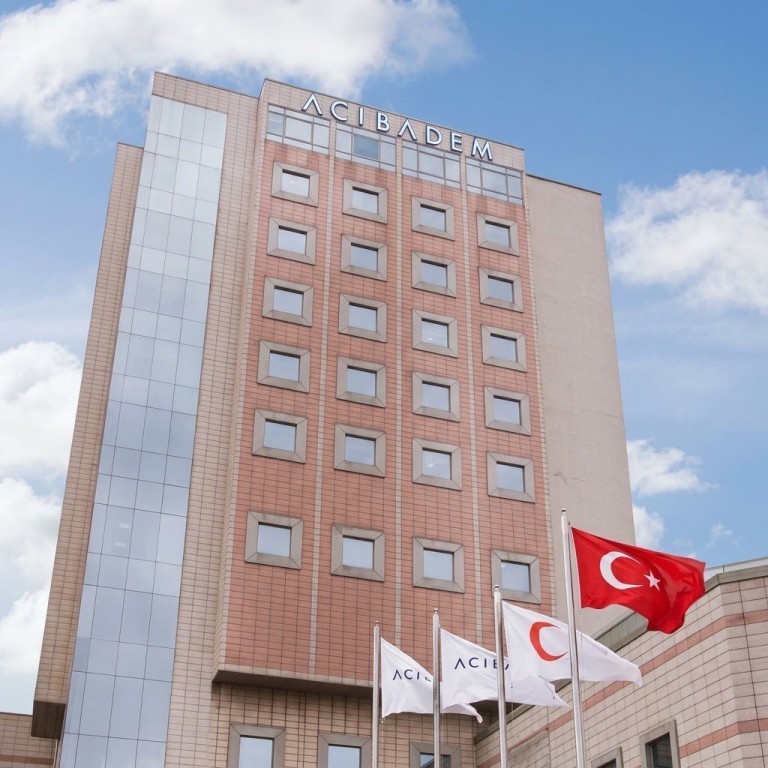
The sleeve's defining surgical risk is a staple-line leak, uncommon in experienced hands, serious whenever it occurs, and manageable in direct proportion to the infrastructure around the patient. Hospital-based programmes run leak-testing protocols during and after surgery, keep patients monitored for the nights that matter, and have intensive care, interventional radiology and endoscopy on the same campus if a problem declares itself. A clinic-and-hotel arrangement has a phone number.
Anaesthesia in patients with obesity is its own specialist discipline, airway management, dosing, positioning, and is exactly what a certified hospital anaesthesia department does daily. Add clot prevention protocols and early supervised mobilisation, and the pattern of this whole comparison repeats: the setting is not a comfort choice; it is the risk profile.
Aftercare: where the result is actually decided
The operation creates a tool; the follow-up delivers the outcome. The honest long-term picture: most patients lose the majority of their excess weight across the first one to two years, with substantial improvement or remission of type 2 diabetes common, and the results hold in proportion to follow-up adherence. That means staged nutrition (liquids to purees to solids across the first weeks), lifelong supplementation with periodic blood monitoring, and scheduled reviews, remote where distance requires, at defined intervals for years.
Ask any prospective programme to show you its aftercare in writing: the nutrition pathway, the supplement protocol, the review calendar, the named contact. This single request separates metabolic medicine from medical tourism faster than any review site, and it is the part of the package that earns its price many times over.
The journey: how a sleeve trip actually runs
Records first: weight history, medications, comorbidities and prior assessments reviewed by the team; provisional acceptance and an itemised programme in writing. On site: the assessment battery, laboratory work, imaging, anaesthesia and endocrine review, nutritional and psychological consultation, then laparoscopic surgery of one to two hours, followed by two to three monitored nights with leak protocol and early mobilisation. Most international patients plan five to seven days in Türkiye, flying only after the team's clearance.
The first weeks at home follow the written pathway: staged diet, hydration discipline, supplement start, and the first scheduled remote review. Energy dips and adjustment challenges in the early weeks are normal and managed, which is exactly why the named-contact question belongs in your provider comparison, not in your month-two search history.
Frequently asked questions
How much does gastric sleeve surgery cost in Turkey?
Typically a fraction of UK or US programmes: the range on this page is an indicative market band. Your figure follows records review and acceptance, itemised: assessment battery, hospital nights, team, and the aftercare programme that follows you home.
Am I a candidate for the gastric sleeve?
Broadly BMI over 35, or over 30 with obesity-related conditions, confirmed case by case by multidisciplinary assessment covering surgical, endocrine, nutritional and psychological dimensions. Treat a programme's willingness to say no as its strongest credential.
Is gastric sleeve surgery in Turkey safe?
In accredited hospital programmes with experienced teams, laparoscopic sleeve surgery has a strong safety record. The setting carries the safety: leak protocols, monitored nights, ICU and endoscopy on campus. The country is not the variable; the programme is.
How long do I stay in Turkey?
Commonly five to seven days: assessment, surgery, two to three monitored nights, and the team's clearance to fly. The return date is clinical, build flexibility into your booking.
Sleeve or bypass, which is better?
Neither, universally: reflux history, diabetes duration, BMI and eating pattern steer the choice, and it is made with the team after assessment, never from a price list. The comparison is laid out on the gastric bypass page; the decision is made in a consultation room.
What results should I realistically expect?
Most patients lose the majority of excess weight within one to two years, with common improvement or remission of type 2 diabetes, and long-term success tracks follow-up adherence: nutrition, supplements, reviews. The operation is the start of the programme, not the whole of it.
What does a sleeve package include?
Assessment battery, surgery, monitored hospital nights, medications, transfers, and, decisively, the written aftercare programme: staged nutrition, supplement protocol, review calendar, named contact. Compare packages by that last section first.
What about loose skin afterwards?
Substantial weight loss commonly leaves excess skin; contouring surgery is a later, separate decision once weight stabilises, typically after eighteen months or more. When the time comes, the tummy tuck comparison covers that conversation honestly.


 JCI accredited