


Acibadem Fulya Hospital
Overview of Acibadem Fulya Hospital in Istanbul, offering multidisciplinary medical and surgical care within Acibadem Healthcare Group.
Get directions →
Acibadem Fulya Hospital at a Glance
Acibadem Fulya Hospital serves one of Istanbul's densest districts, Beşiktaş, across all departments of medicine since 2010: a 22,000 m² campus with 101 beds, 8 operating theatres and 16 intensive-care beds. Two credentials give it a character no other group campus has. Its Athlete Health Center holds the "FIFA Medical Centre of Excellence" title with the F-Marc certificate: the football world's own audit of sports medicine, making Fulya the group's named…
The Hospital in Numbers
Rooms & Suites
Choose a room type to see it, every room shares the same clinical infrastructure; suites add space and comfort for companions.
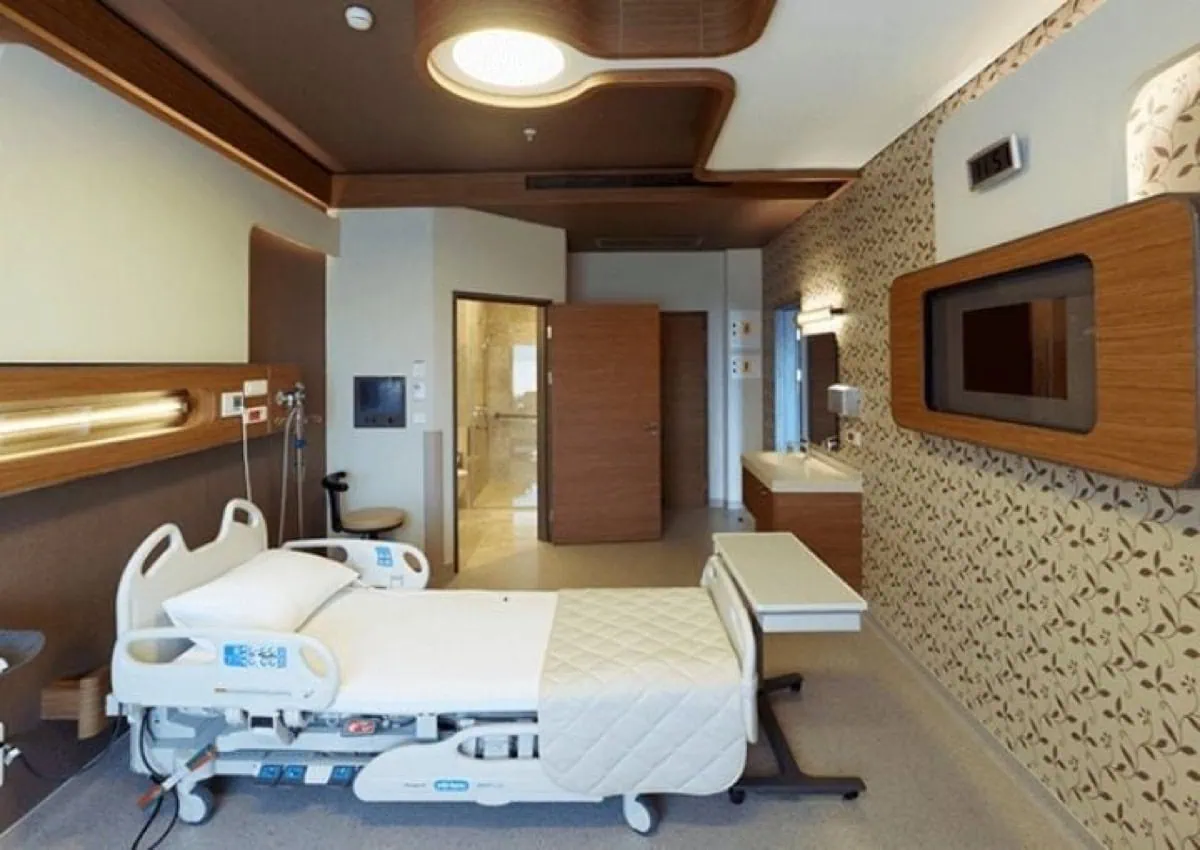 Standard Room
In-Room Features
- Electronic patient-controlled bed
- Smart toilet system
- Individually adjustable climate control
- Smart TV
- Digital assistant service
- Integrated nurse call system
- Scene lighting and room automation
- Personal safe
- Minibar
- Sofa bed for companion
Accessible RoomIn-Room Features
- Electronic patient-controlled bed
- Smart toilet system
- Spacious bathroom with seat
- Individually adjustable climate control
- Smart TV
- Digital assistant service
- Integrated nurse call system
- Scene lighting and room automation
- Personal safe
- Minibar
- Sofa bed for companion
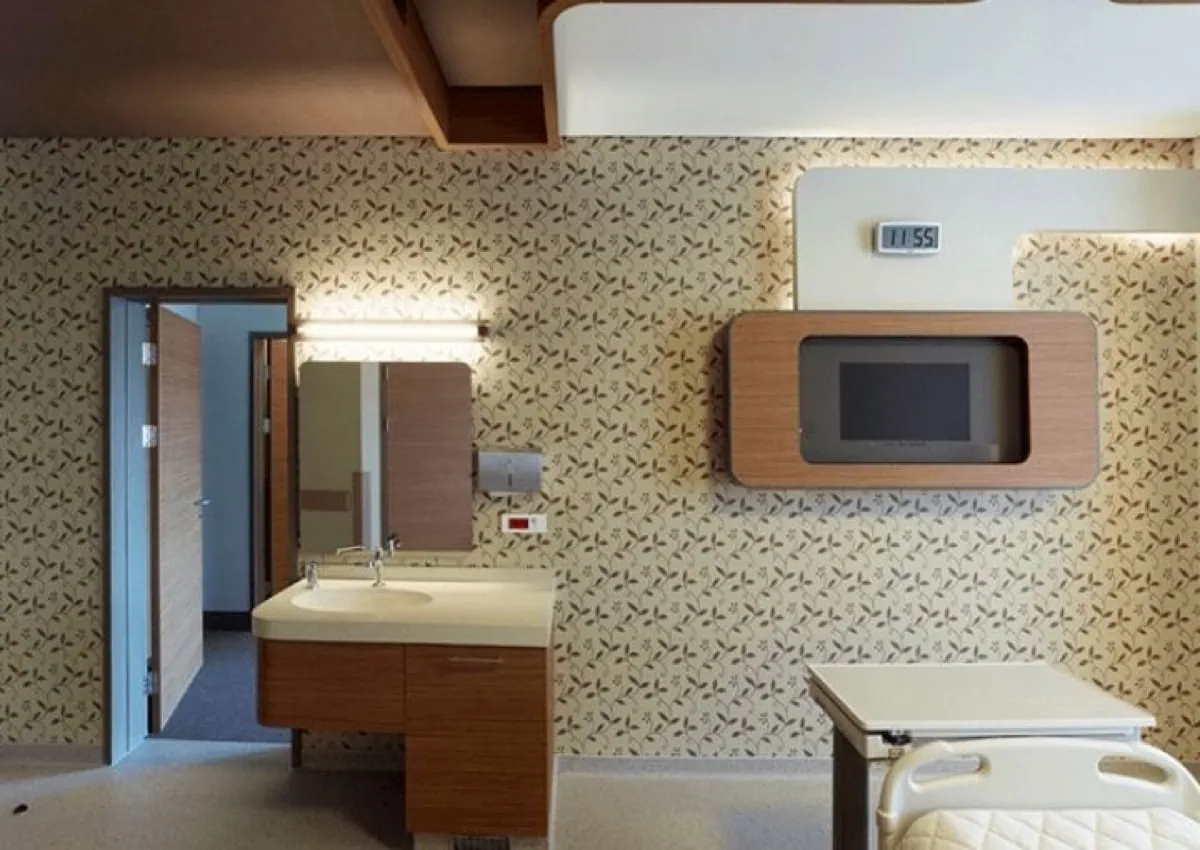 Suite
SuiteIn-Room Features
- Electronic patient-controlled bed
- Smart toilet system
- Spacious bathroom with seat
- Individually adjustable climate control
- Smart TV
- Digital assistant service
- Integrated nurse call system
- Scene lighting and room automation
- Personal safe
- Minibar
- Sofa bed for companion
Facility Highlights
Level-3 adult and level-3 neonatal intensive care within 16 intensive care beds.
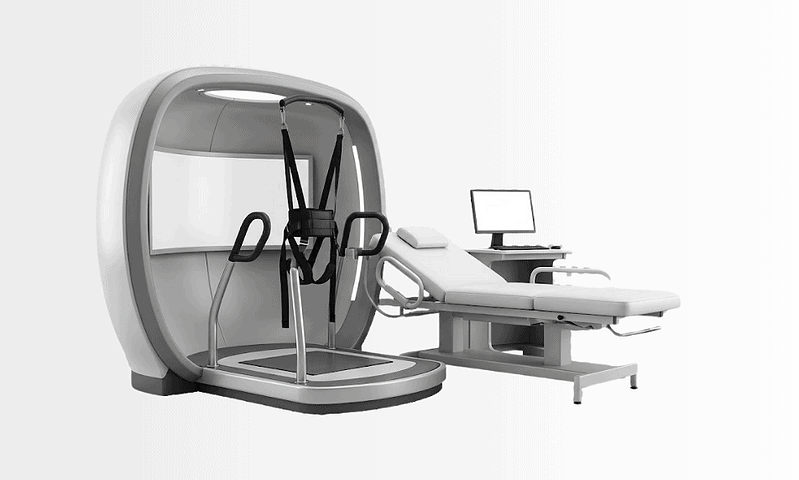
Sports Medicine Centre with F-MARC certification: performance laboratory, isokinetic measurement and proprioception assessment.
IVF centre, LDRP maternity rooms, breast health, menopause and endometriosis clinics; a Baby-Friendly Hospital approach to breastfeeding.
Crohn's and colitis, hemorrhoid and anorectal disease, foot health, sleep laboratory, addiction centre and Check-Up.
Central Fulya campus reached from both sides of the city by car, metrobus, bus and ferry connections.
8 operating theatres serving all departments of medicine since 2010.
Injury-risk assessment and performance evaluation for athletes and active patients.
Breastfeeding preparation from pregnancy onwards; mother and baby stay together after birth.
Amenities & Visiting Guide
- Parking
- Cafeteria
- Prayer room
- Hairdresser
- ATM
Acibadem Fulya Hospital, in depth
Acibadem Fulya Hospital serves one of Istanbul’s densest districts, Beşiktaş, across all departments of medicine since 2010: a 22,000 m² campus with 101 beds, 8 operating theatres and 16 intensive-care beds. Two credentials give it a character no other group campus has. Its Athlete Health Center holds the “FIFA Medical Centre of Excellence” title with the F-Marc certificate: the football world’s own audit of sports medicine, making Fulya the group’s named address for athletes and the injuries of movement. And it is a certified Baby-Friendly Hospital whose LDRP system lets labour, delivery, recovery and postpartum happen in one room. Sports medicine at one end, births at the other: a hospital organised around bodies in motion and lives beginning.
What this building is organised around
Fulya’s location put it beside Istanbul’s stadiums, gyms and studios, and its identity followed: this is where the group concentrated the medicine of the moving body: the athlete’s knee and shoulder, the runner’s stress injury, the weekend player’s rupture, under an external standard that football’s own medical establishment audits. Around that core runs a full-service hospital for Beşiktaş’s families: births designed around the mother rather than the ward’s convenience, an IVF centre upstream of them, paediatric floors beyond, and the everyday specialist medicine of a dense district. The pairing is less odd than it looks, both halves are medicine that rewards protocols, rehabilitation and honest timelines.
Quality and safety: the honest frame
The hospital runs on the Acıbadem group’s single quality system, surgical checklists, medication-safety routines, infection control and credentialing audited across the group, with diagnostics through the group’s ISO-accredited laboratory network. Five Acıbadem hospitals in Türkiye hold JCI accreditation (Maslak, Altunizade, Atakent, Kent and Adana); Fulya runs on the same protocols those audits examine, and this page says that plainly. Its own external audits are the specific ones: FIFA’s Medical Centre of Excellence title for the athlete floors, and Baby-Friendly certification for the birth floors, third-party standards for precisely the two things this campus claims as identity.
The Athlete Health Center: FIFA’s own standard
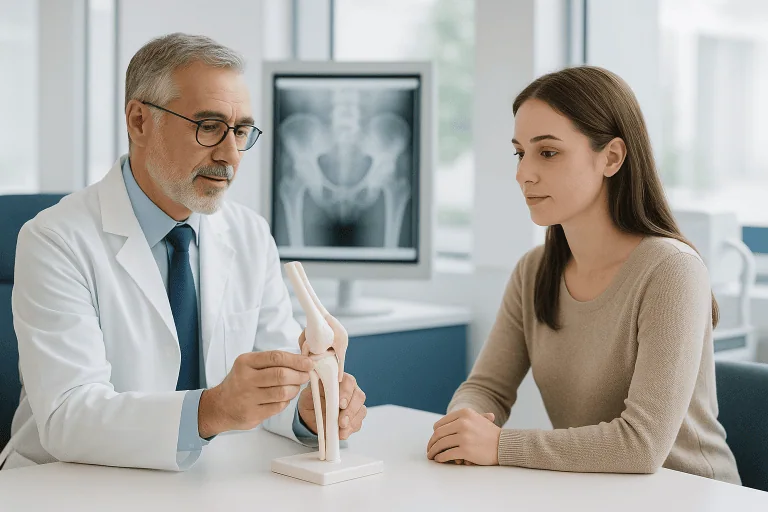
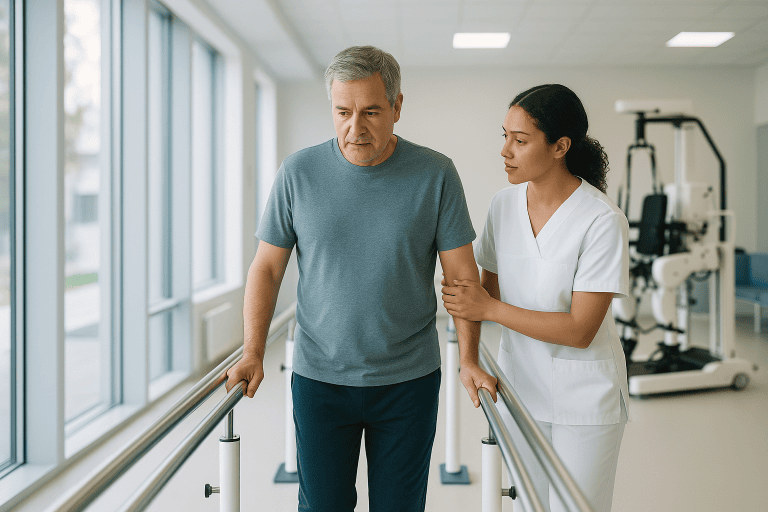
FIFA’s Medical and Research Centre, founded in 1994 to protect players’ health and reduce injury risk, honoured Fulya’s Athlete Health Center as a “FIFA Medical Centre of Excellence” and awarded its F-Marc certificate. In practice that means the orthopaedics and traumatology unit’s sports range, the ACL and meniscus decisions, the shoulder instabilities, the overuse injuries, is delivered here under the scrutiny of the sport’s own medical establishment, with physical medicine and rehabilitation carrying the half of sports medicine that happens after the theatre: the protocols, the graded return, the honest timeline. The unit guides’ discipline applies in full: the scan decides, alternatives are weighed aloud, and the operation not needed is the one not performed.
Births the Baby-Friendly way, and the pathway to them
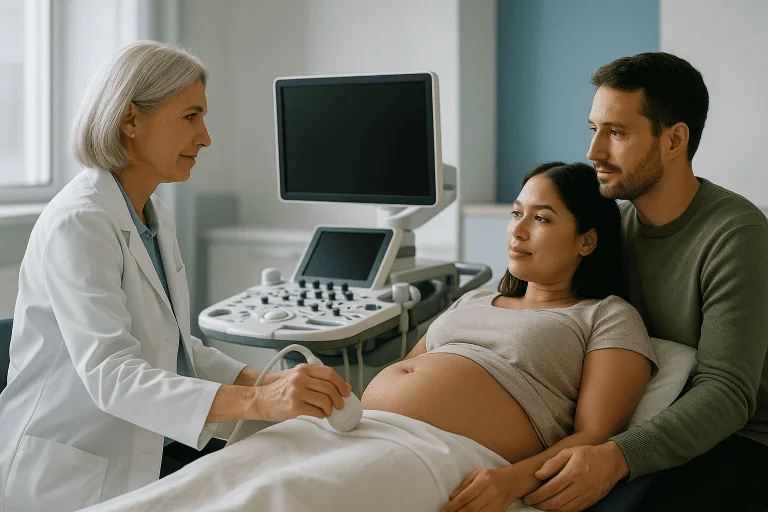
Fulya’s birth floors are certified Baby-Friendly: breastfeeding prepared before delivery and supported from the first hour, 24-hour rooming-in keeping the newborn beside the mother, and the LDRP system letting labour, delivery, recovery and postpartum happen in one room, no mid-birth transfers. Gynaecology and obstetrics carries the pathway, the campus’s IVF centre anchors the fertility half upstream, and paediatrics continues it, with the corporate record’s paediatric oncology and gynaecologic oncology mentions marking the campus’s deeper reach, through the group’s tumour-board oncologywhen family medicine turns serious.
Everyday specialist medicine for Beşiktaş
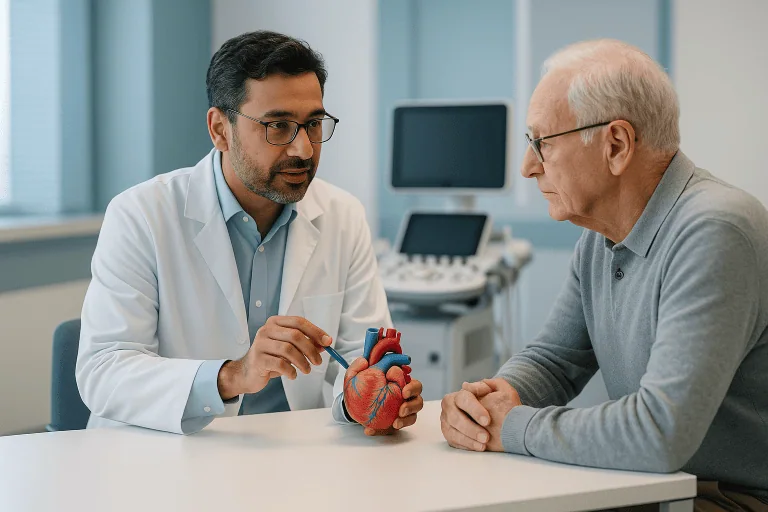
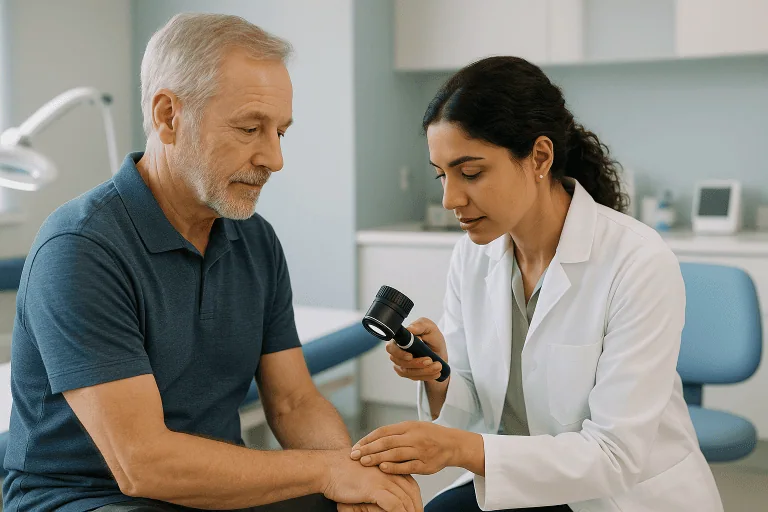
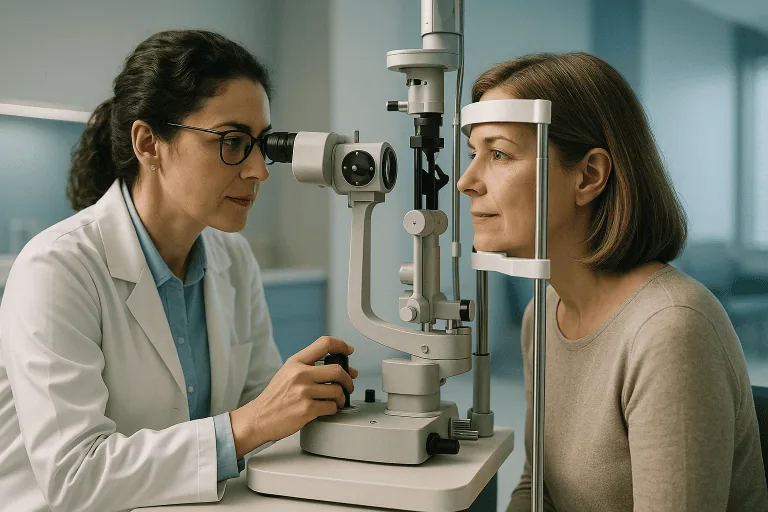
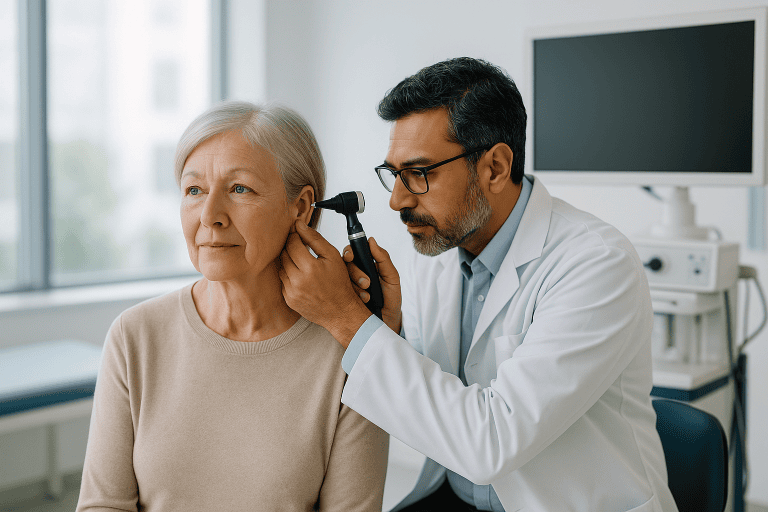
Around the two named identities, the outpatient floors carry the whole of a district’s daily medicine, internal medicine, cardiology, general surgery, neurology, urology, ENT, dermatology, ophthalmology, with eight theatres behind the surgical share and same-visit diagnostics through the group’s laboratories and imaging. The referral honesty applies as everywhere: the rare case needing a flagship installation crosses the city with its file, and the common case is treated where the patient lives and trains.
Technology, honestly framed
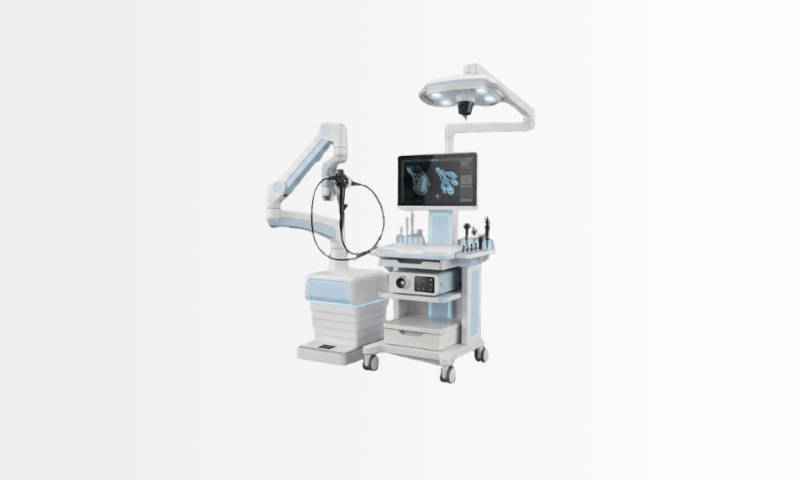
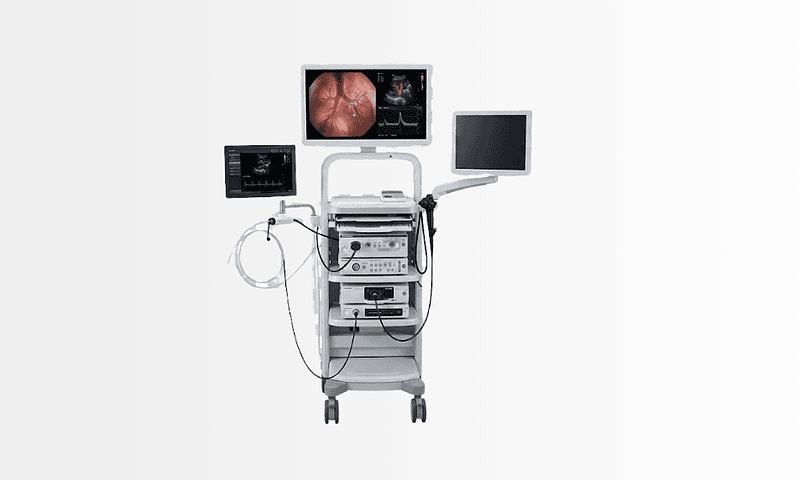
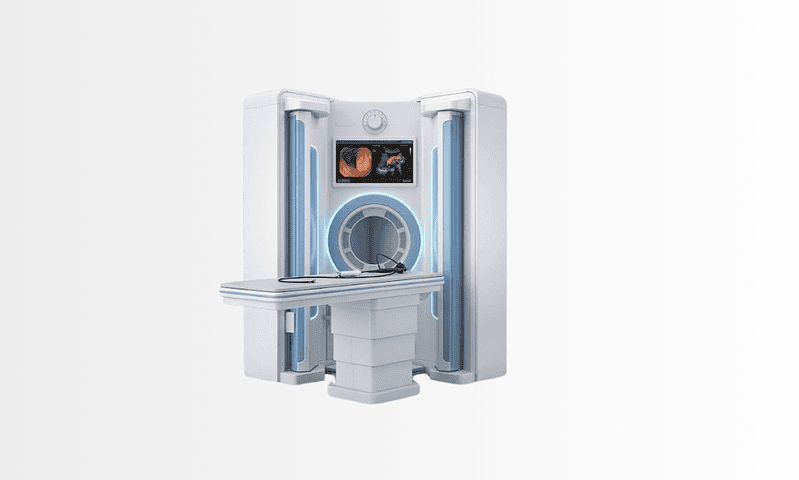
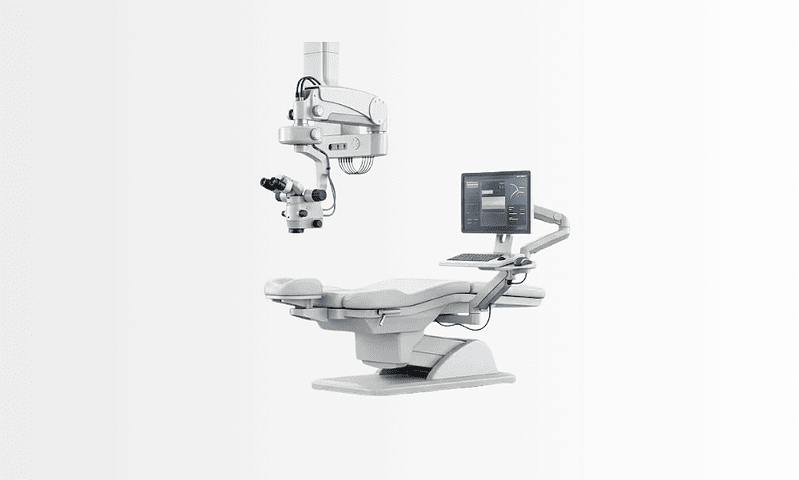
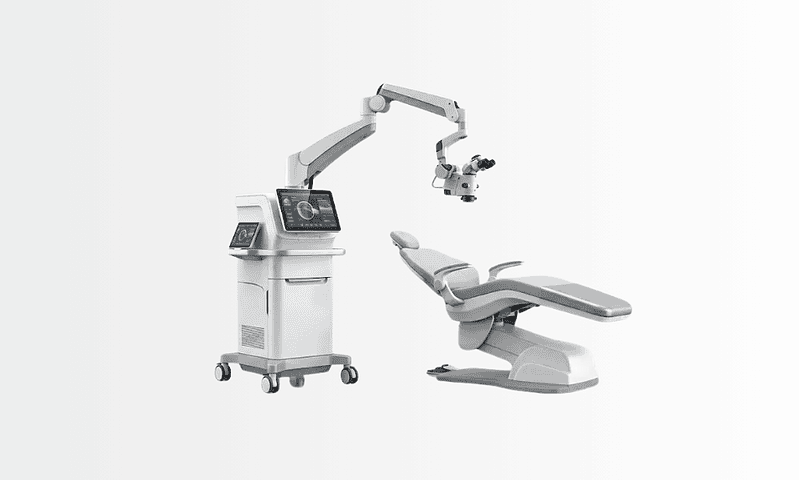
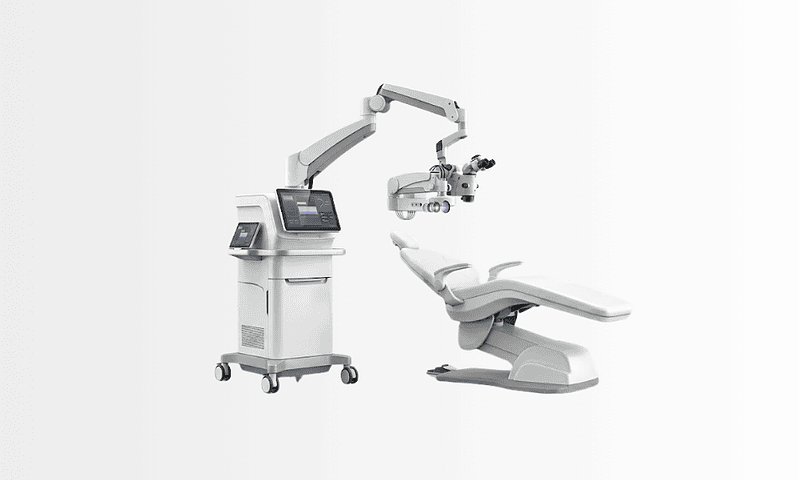
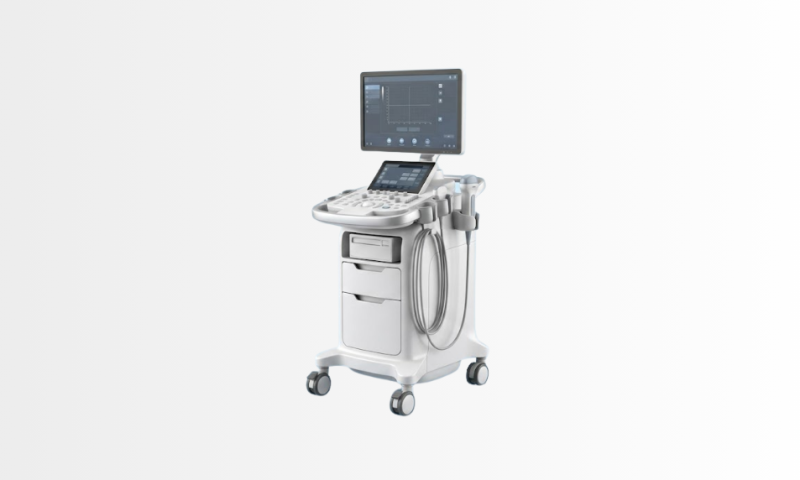
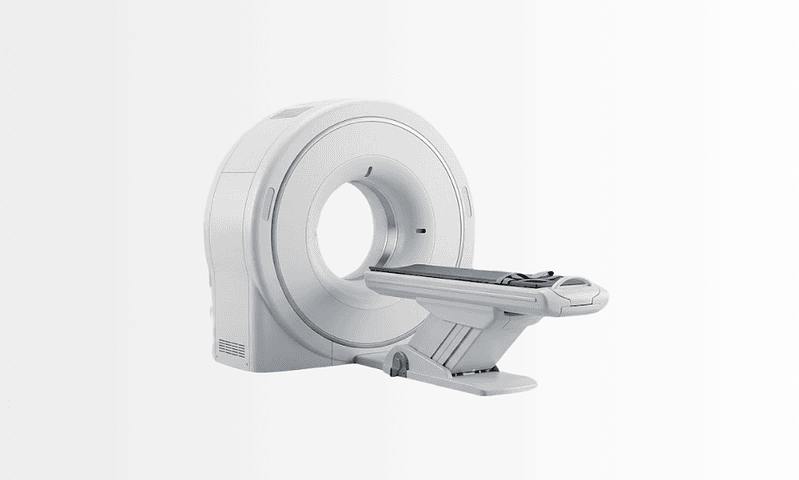
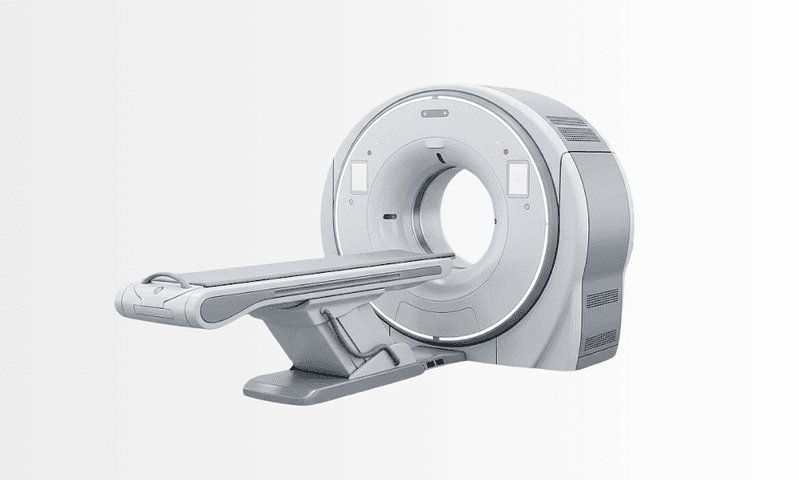
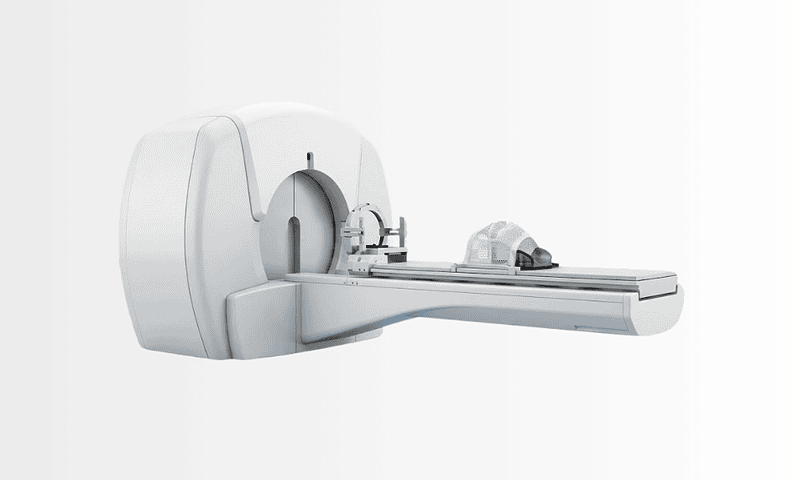
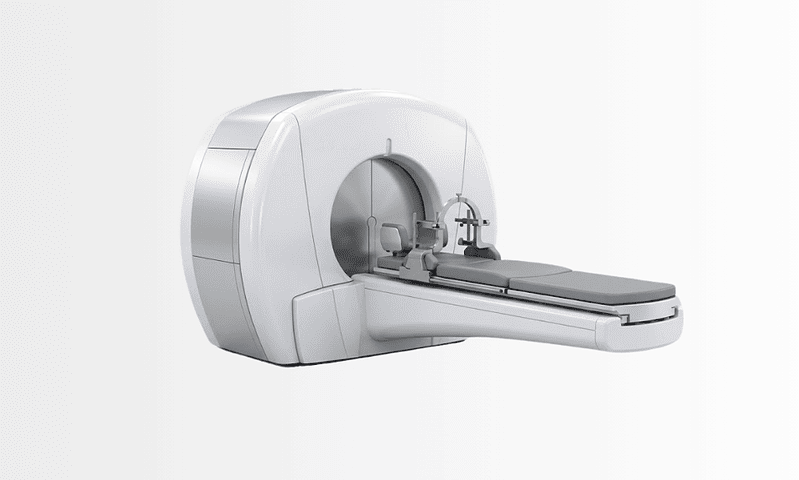
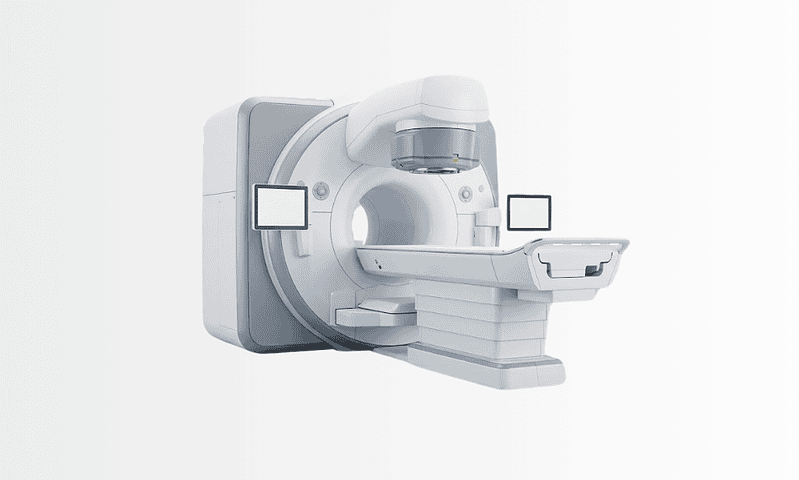
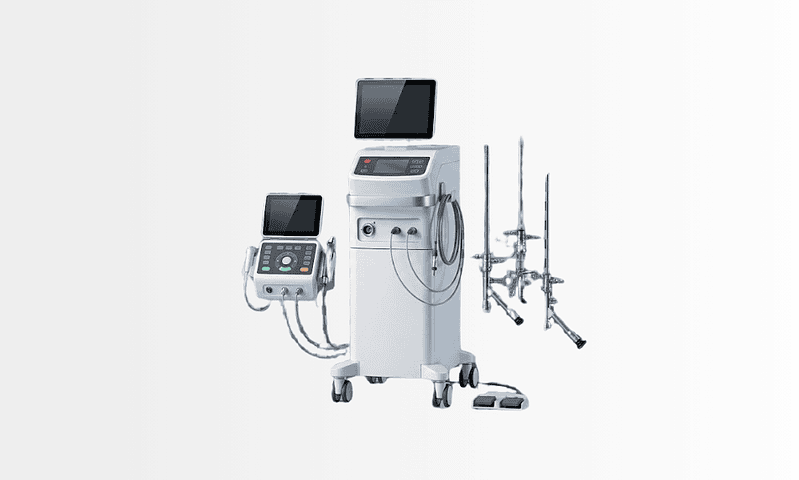
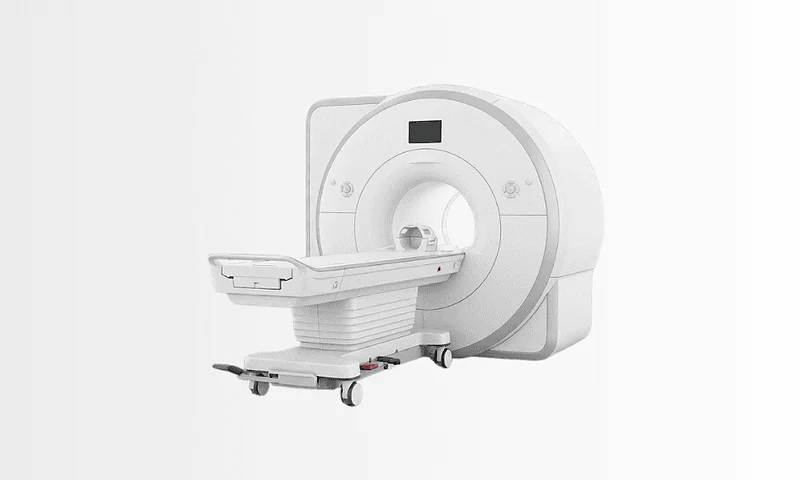
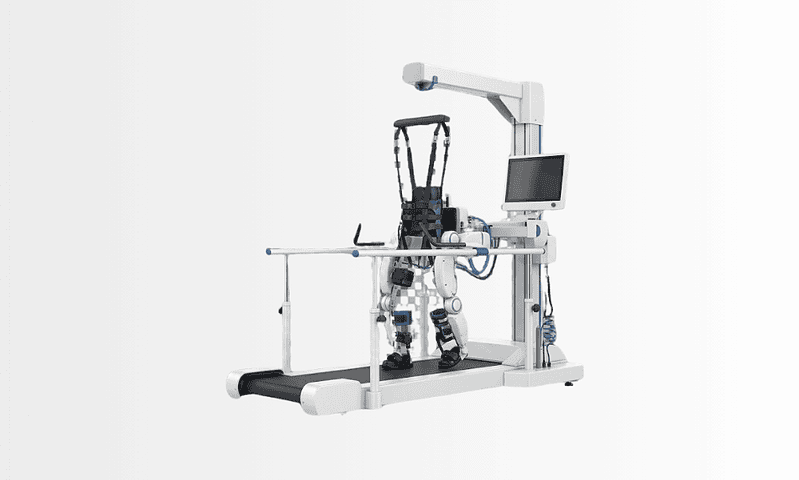
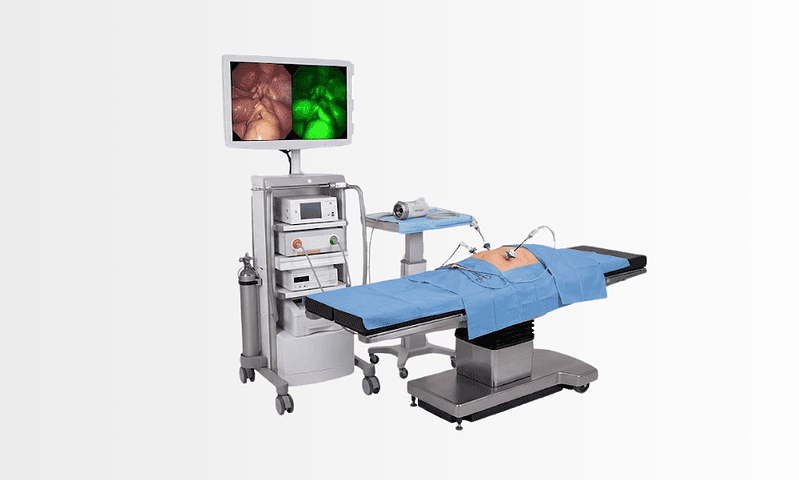
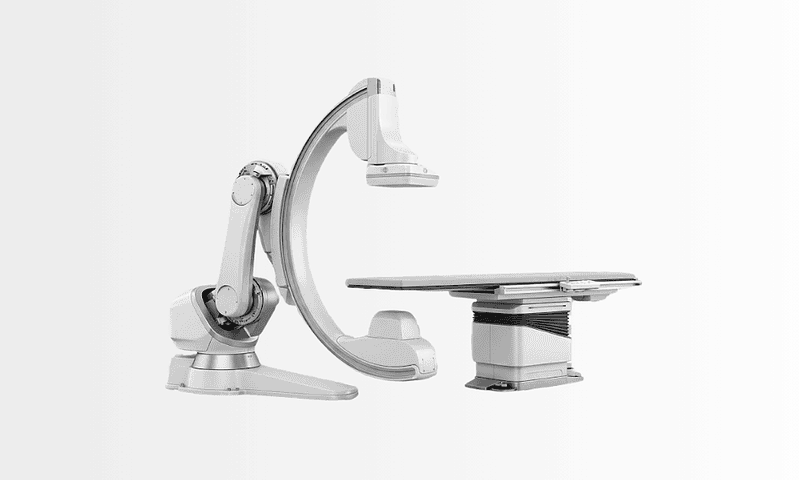
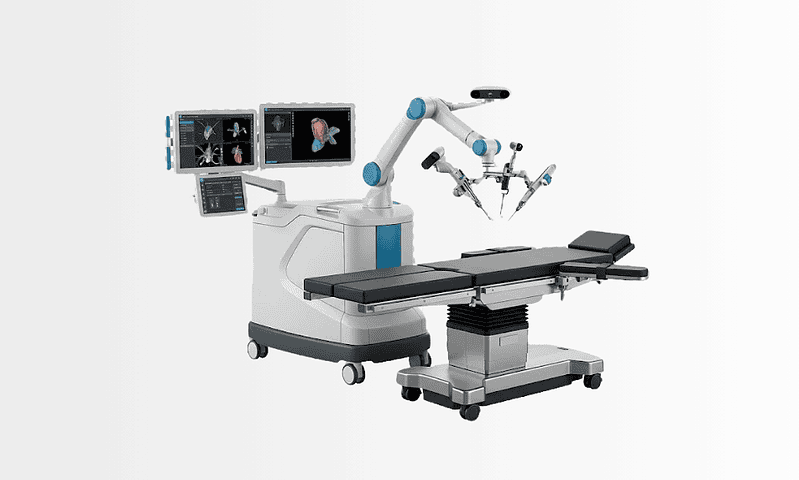
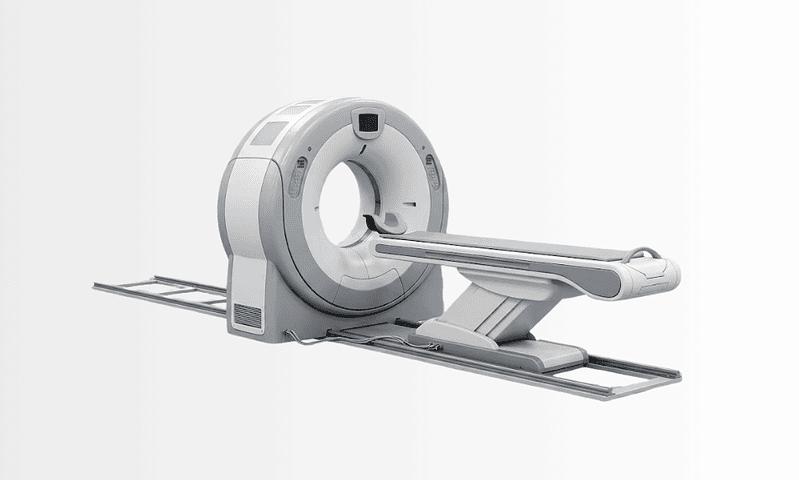
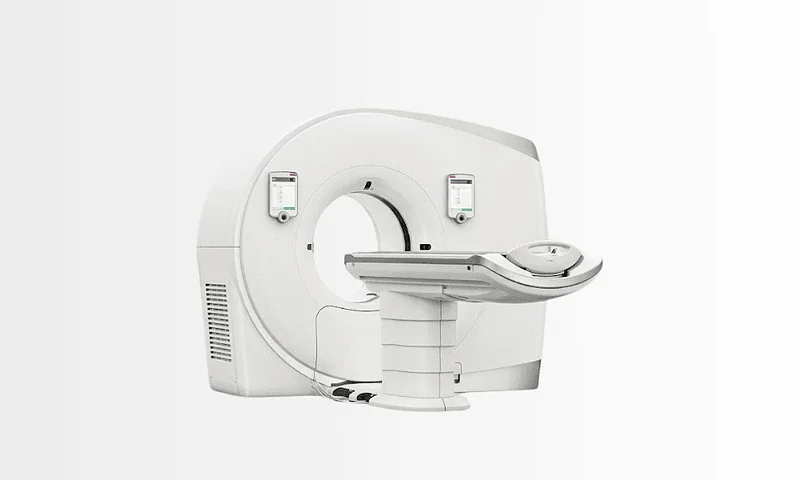
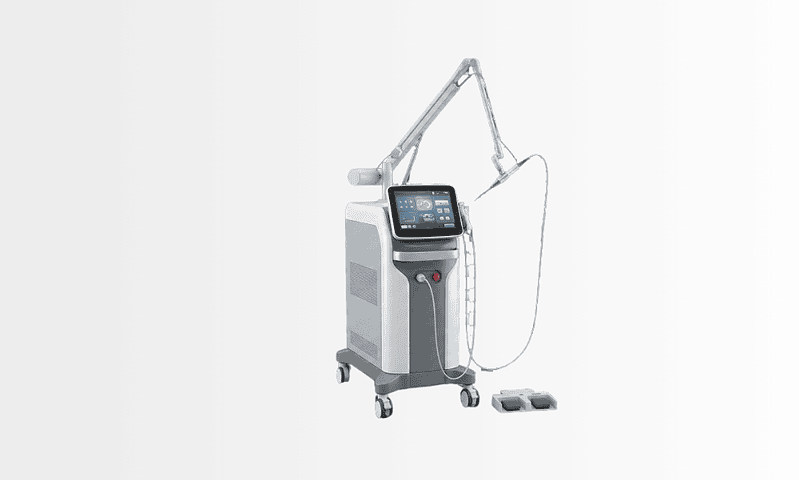
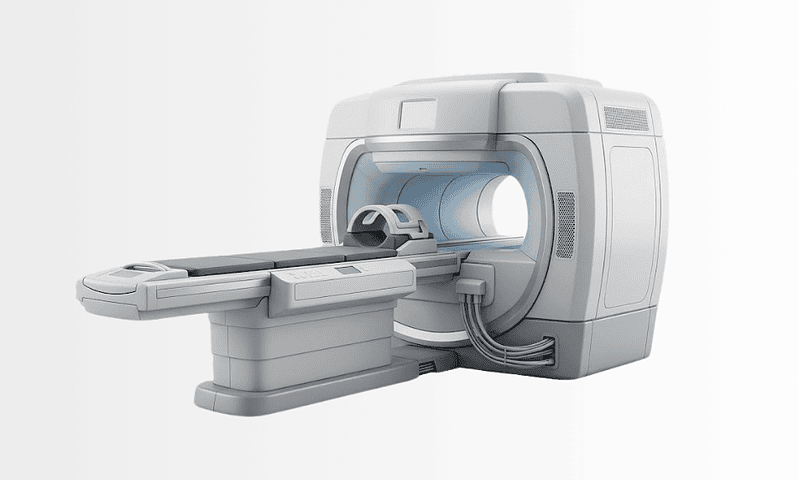
The installation matches the role: eight theatres, modern imaging and diagnostics, intensive care sized to the building, the athlete assessment infrastructure FIFA’s certificate audits, and LDRP birth rooms. The standing rule needs stating in one direction: when a plan genuinely needs a heavy machine, MR-Linac at Maslak, radiosurgery at Altunizade, flagship cancer floors, the coordinators route you there and say why. A campus with two external certificates does not need to borrow anyone else’s.
International patients at the athlete campus
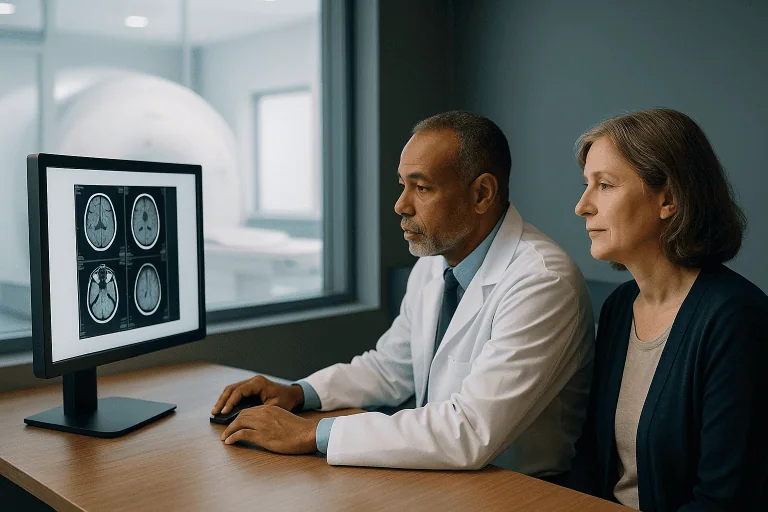
The group’s records-first process applies exactly as at the flagships: reports and imaging reviewed before travel, a written plan and estimate, interpreter support (English, Arabic, Russian, German and French routinely), and discharge notes written for the clinician continuing care at home. Fulya’s international profile has a specific accent: athletes and active patients travel well on records, an MRI usually settles whether surgery is warranted before a flight is booked, and a FIFA-audited centre is a rational destination for exactly that question. For families, the Baby-Friendly floors serve international residents of the central districts for whom birth in Istanbul is a plan, not an accident.
Getting here
The hospital stands in the Fulya quarter of Beşiktaş, central on the European side, with the full address, map link and phone in the identity card at the top of this page. Metro lines and the central road network serve the district, both airports connect by direct transfer routes, and the coordinators arrange transfers for planned visits as standard.
How to decide whether Fulya is your hospital
Choose Fulya when your question belongs to one of its two named strengths: a sports injury or athletic assessment under FIFA’s audited standard, or a birth designed around the mother with fertility care upstream, or when you live centrally and need the everyday whole of specialist medicine done well. Choose a flagship when your case is a programme built on installations only they house, the heavy cancer machines, radiosurgery, transplant and congenital-heart floors, and expect the routing to be said aloud, file included. Two external certificates and one honest boundary: that is this campus’s character.
Frequently asked questions
What is Acibadem Fulya Hospital best known for?
Its FIFA-certified Athlete Health Center and its Baby-Friendly birth floors with LDRP rooms, sports medicine and births, under external audits specific to each.
What does “FIFA Medical Centre of Excellence” mean?
FIFA’s Medical and Research Centre honoured Fulya’s Athlete Health Center with the title and its F-Marc certificate: the football world’s own standard for sports-medicine centres.
Do I have to be a professional athlete to use the Athlete Health Center?
No: the same assessment and treatment standard serves amateur athletes, active patients and weekend players; the injuries are the same, only the stakes differ.
What sports injuries are treated here?
The full range, ACL and meniscus injuries, shoulder instability, overuse and stress injuries, with surgery weighed honestly against rehabilitation, and the scan deciding.
What is an LDRP room?
A single room where labour, delivery, recovery and postpartum all happen, no mid-birth transfers, part of the campus’s Baby-Friendly design.
What does Baby-Friendly certification involve?
Breastfeeding prepared before delivery and supported from the first hour, and 24-hour rooming-in keeping the newborn beside the mother throughout.
How big is the hospital?
22,000 m² with 101 beds, 8 operating theatres and 16 intensive-care beds, serving all departments of medicine since 2010.
Where exactly is the hospital?
In the Fulya quarter of Beşiktaş, central Istanbul’s European side, full address, map link and phone in the identity card at the top of this page.
Is the hospital JCI-accredited?
Honestly: the JCI-accredited Acıbadem hospitals in Türkiye are Maslak, Altunizade, Atakent, Kent and Adana; Fulya runs on the same group-wide audited protocols: its own external certificates are FIFA’s and Baby-Friendly, specific to its two named strengths.
Is there a 24-hour emergency service?
Yes, around the clock at group standard, with theatres and intensive care in the same building.
Is IVF available at Fulya?
Yes: the campus houses an IVF and reproductive medicine centre, with the fertility unit guide’s honest success framing applying in full.
Can I give birth here as an international patient?
Yes: the Baby-Friendly floors serve central Istanbul’s international residents routinely, with the records-first process planning the obstetric care and paperwork ahead of the date.
Is rehabilitation available after sports surgery?
Yes, physical medicine and rehabilitation runs on site, so the protocol and the graded return to sport are managed where the surgery happened.
Can a sports injury be assessed from abroad?
Unusually well, sports orthopaedics rides on MRI, so a records-based written opinion usually settles whether surgery is warranted before any flight is booked.
Which languages are supported?
English, Arabic, Russian, German and French routinely, with other languages arranged through the international office.
Do I need an appointment for the emergency service?
No, emergencies are walk-in by definition; the records-first process applies to planned care only.
How does the records-first process work?
Reports and imaging reviewed remotely, a written plan and cost estimate, and scheduling coordinated so the visit is as short as the medicine allows.
Can my travel insurance be used here?
The international office handles travel-insurer and guarantee-letter paperwork routinely; for planned care confirm coverage in writing before treatment.
How does payment work?
A written estimate precedes planned care; for emergencies, treatment comes first and paperwork is sorted with you or your insurer after stabilisation.
Can my companion stay with me?
Yes, rooms accommodate companions, the birth floors keep families together by design, and intensive care has its own explained protocol.
Can cancer be treated at Fulya?
Cancer questions can start here, assessment, biopsies, imaging, with the corporate record’s paediatric and gynaecologic oncology reach, and treatment is planned through the group’s tumour boards, with heavy installations routed and explained.
Can children be seen here?
Yes, paediatric clinics for the district’s families and children’s emergencies at any hour, with complex paediatric programmes routed within the group honestly.
Can I get laboratory tests and imaging done quickly?
Yes, same-visit diagnostics through the group’s ISO-accredited laboratory network and on-site imaging, readable at every Acıbadem campus.
Do you repeat tests I already had?
Only for a stated reason, existing studies are integrated wherever usable, exactly as across the group.
Can I get a second opinion here?
Yes, including written records-based opinions without a visit, and for surgery-versus-rehabilitation questions that is precisely the right first step.
Which airport should I use?
Both connect to central Istanbul directly: Istanbul Airport by the main routes, Sabiha Gökçen across the Marmaray/metro links, with transfers arranged for planned visits.
What happens if my case needs a machine Fulya does not house?
The coordinators route you within the group: MR-Linac at Maslak, Gamma Knife and Tomotherapy at Altunizade, flagship cancer and transplant floors, with transport coordinated and the reason stated.
Will my doctor at home receive a handover?
Always, discharge notes, operative summaries and rehabilitation protocols are written for the clinician continuing your care, with imaging included.
What should I bring to a planned visit?
Reports and scans in any language, a complete medication list including supplements, and your written questions: the records-first rule.
Why choose Fulya over other central Istanbul hospitals?
For the two things it can evidence externally: sports medicine under FIFA’s own certificate, and births under Baby-Friendly certification with LDRP rooms, carried by a full-service campus with the group’s system and honest routing behind it.
Medical Units at This Hospital
Every department that sees patients here, each one opens its own page with the team, technologies and treatments.





Doctors at This Hospital, Field by Field
Choose a field to see every specialist who practises here in that department. All 113 doctors are listed.
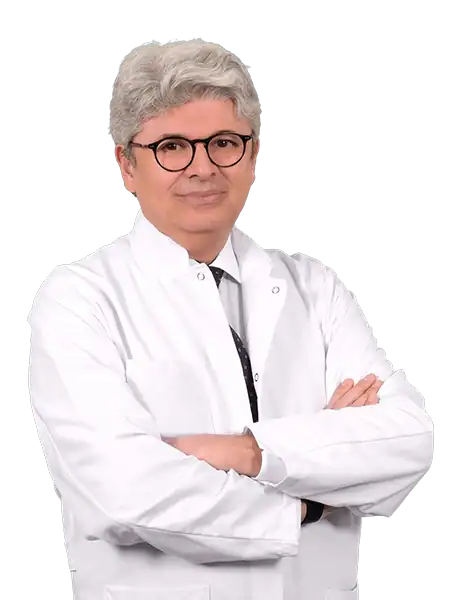
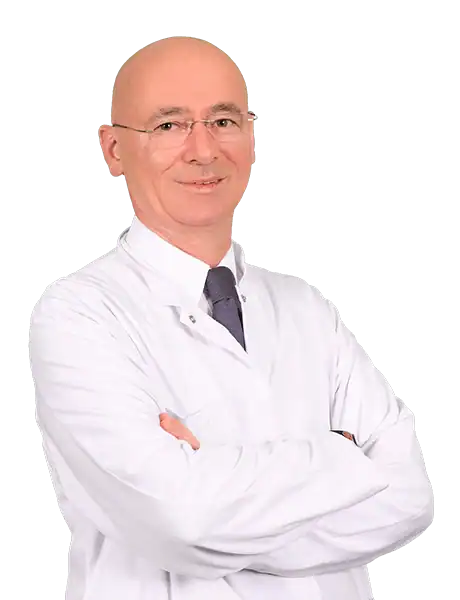
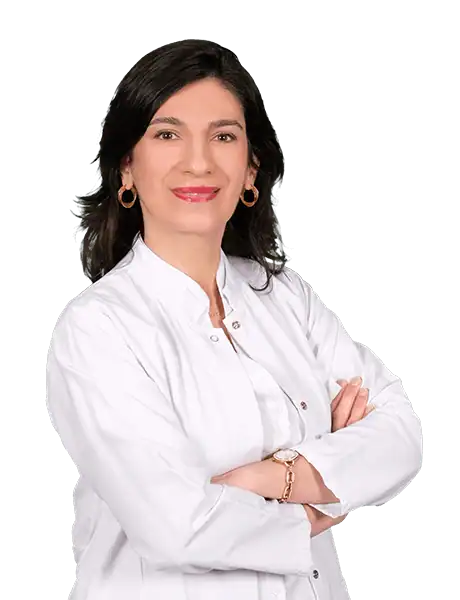
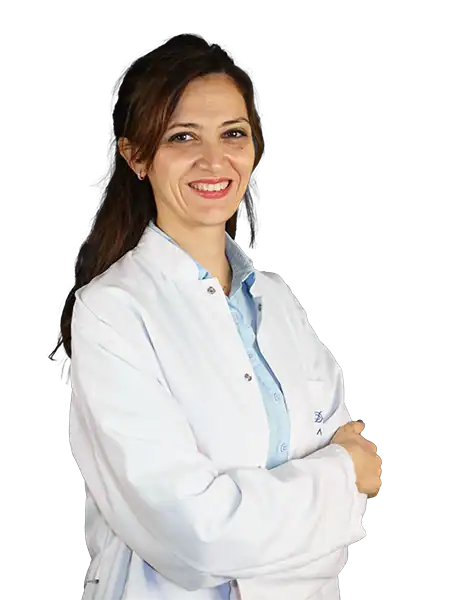
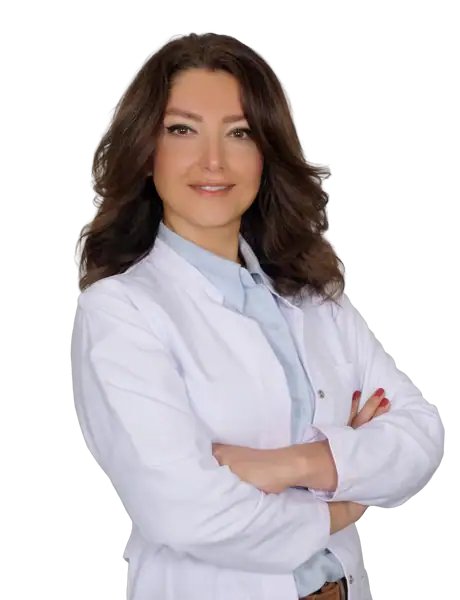


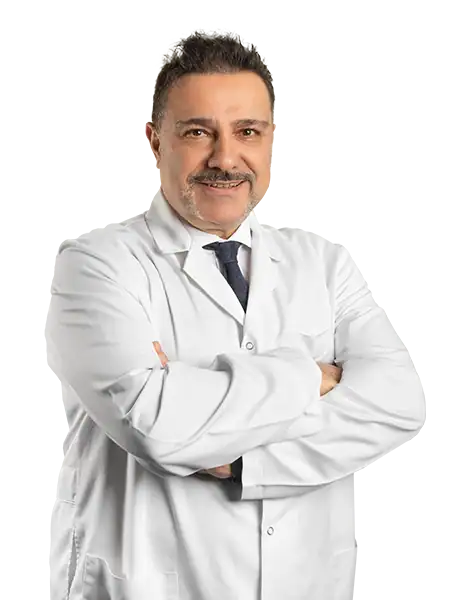
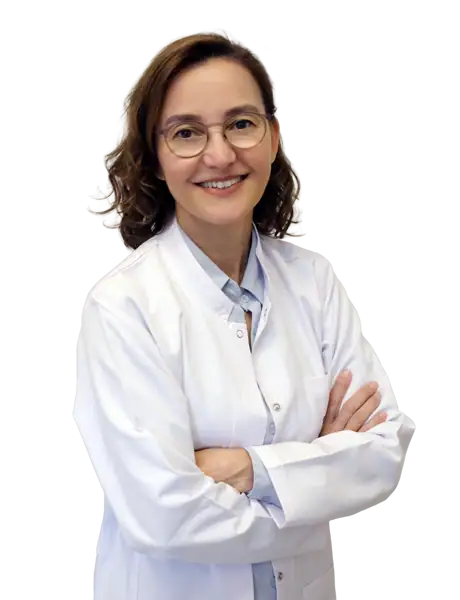
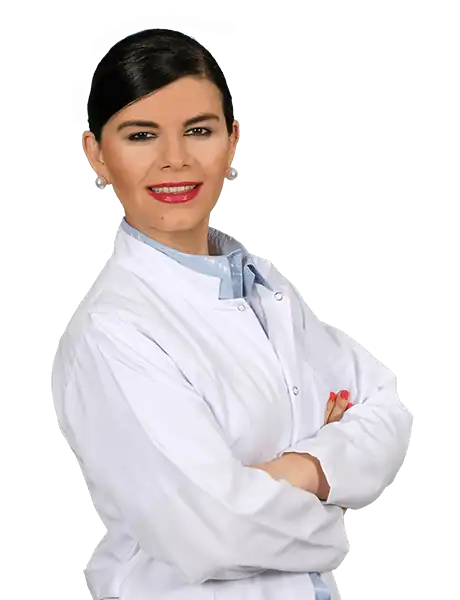
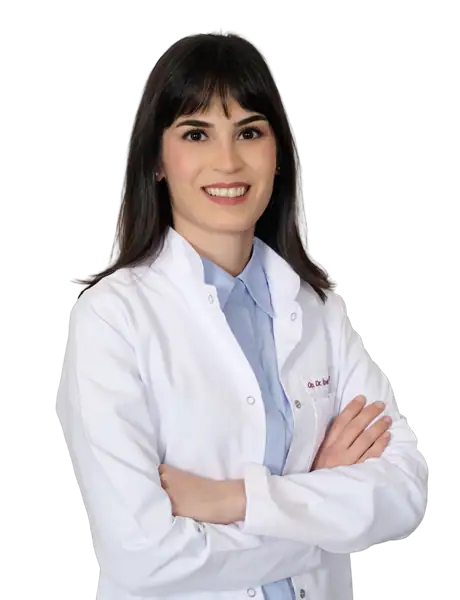

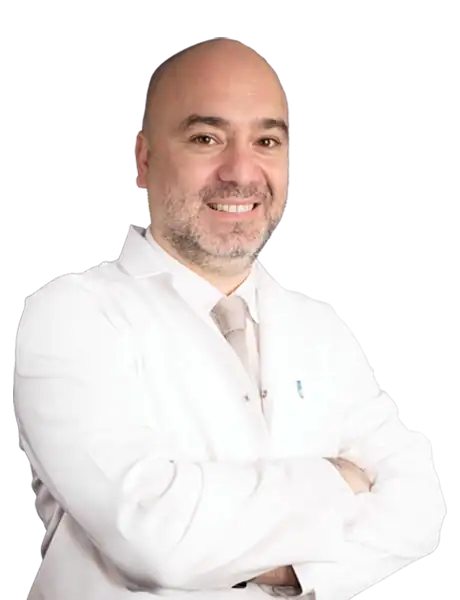
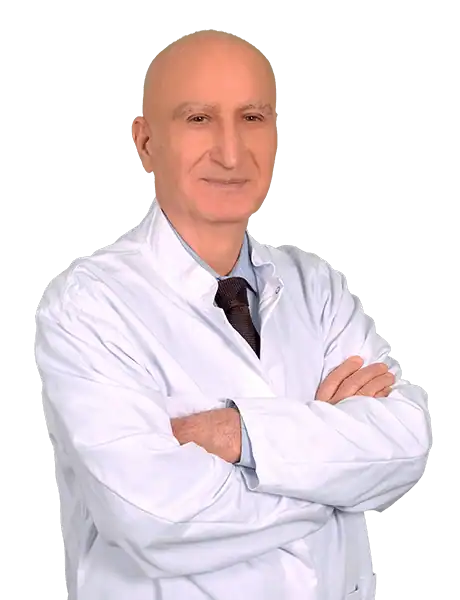


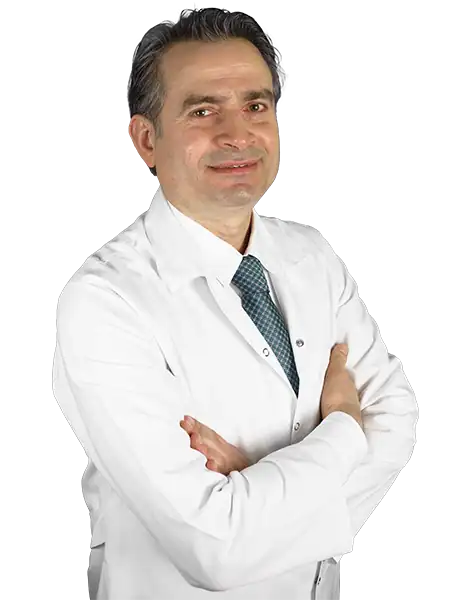
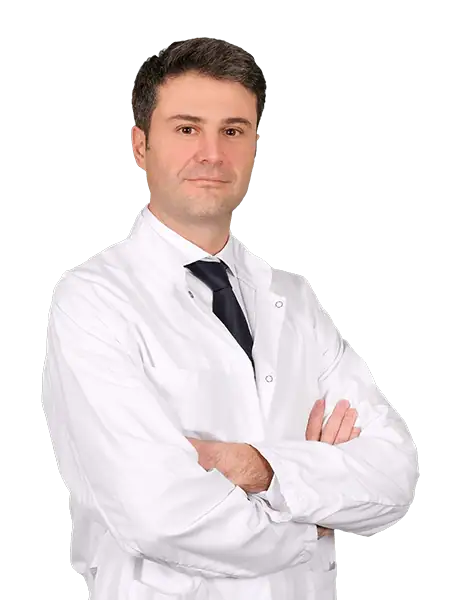
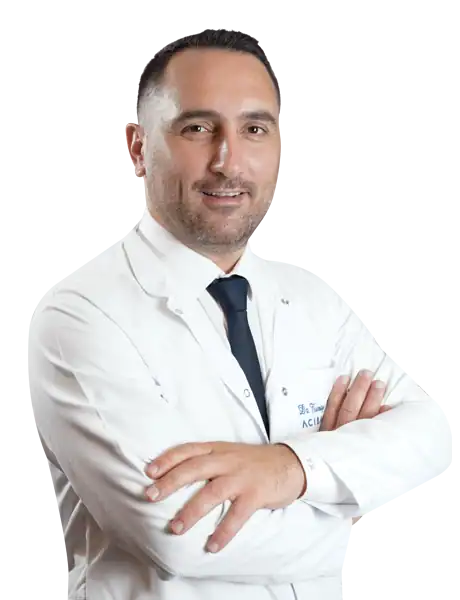
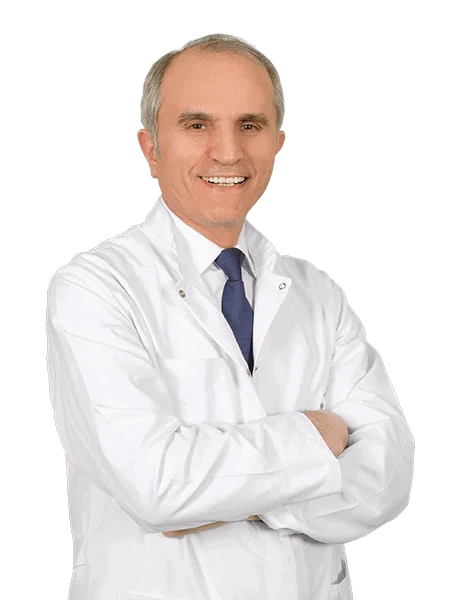
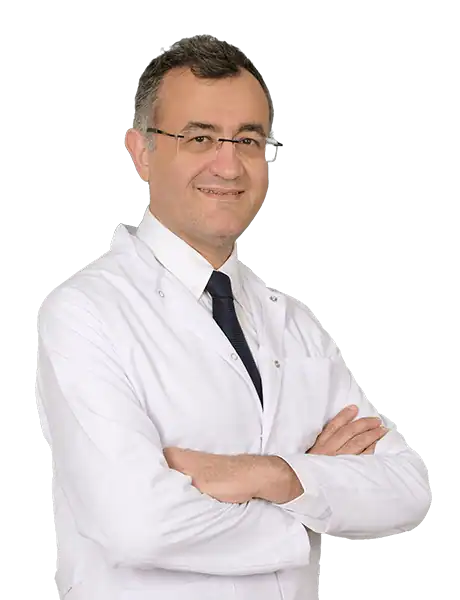
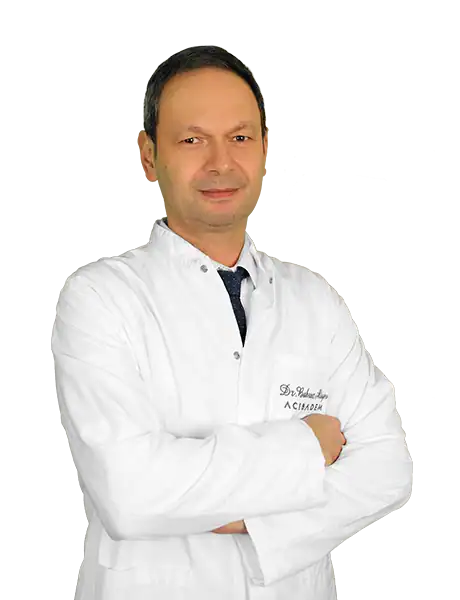


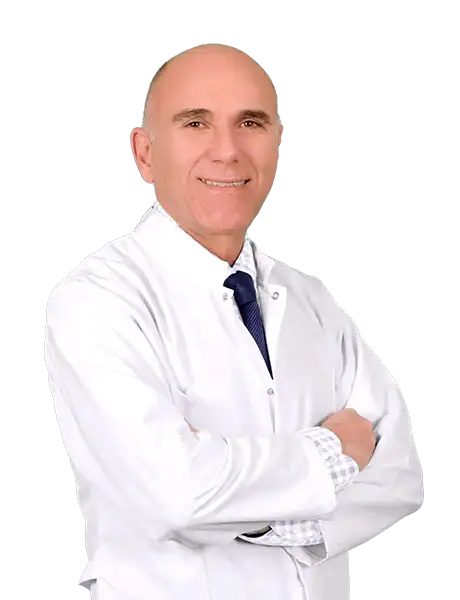
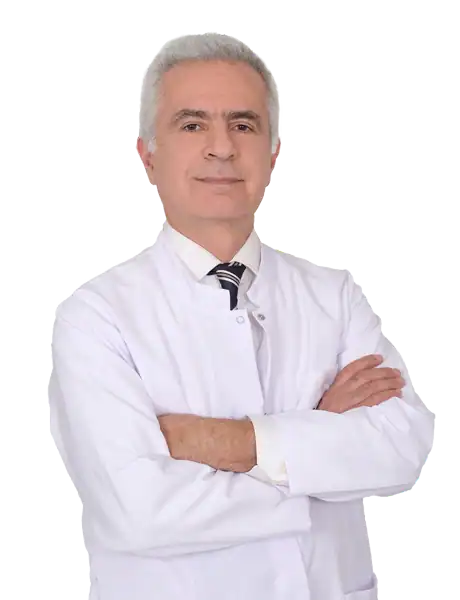
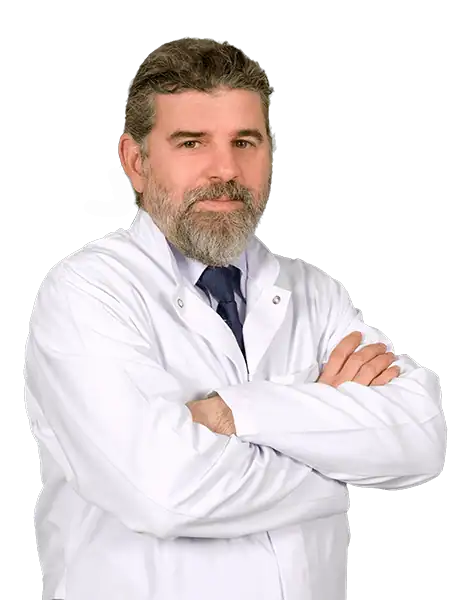

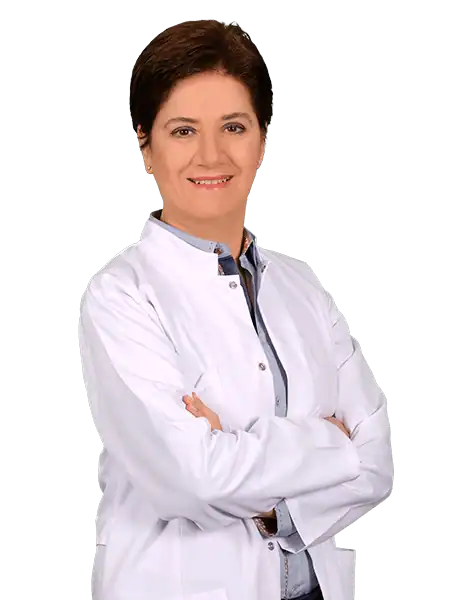
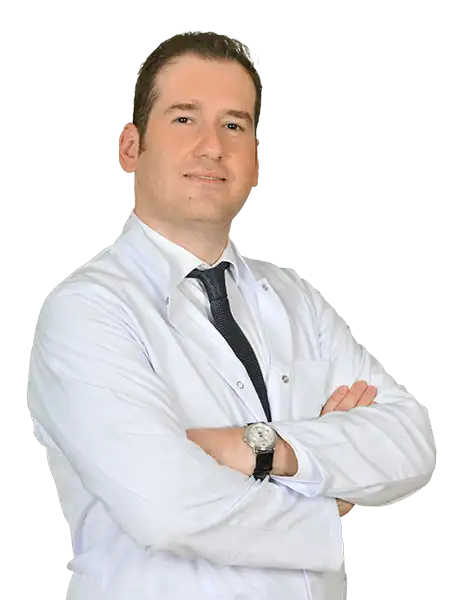


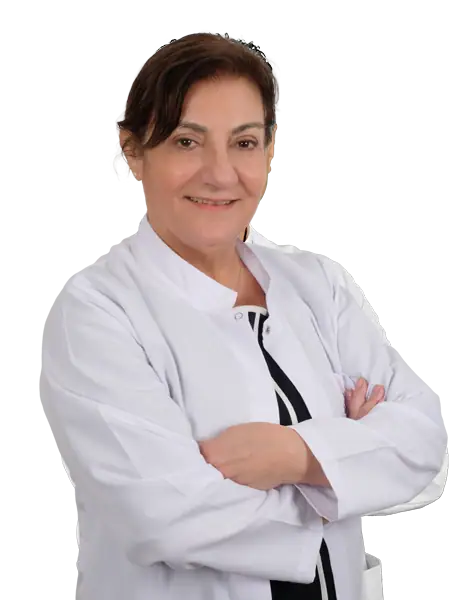
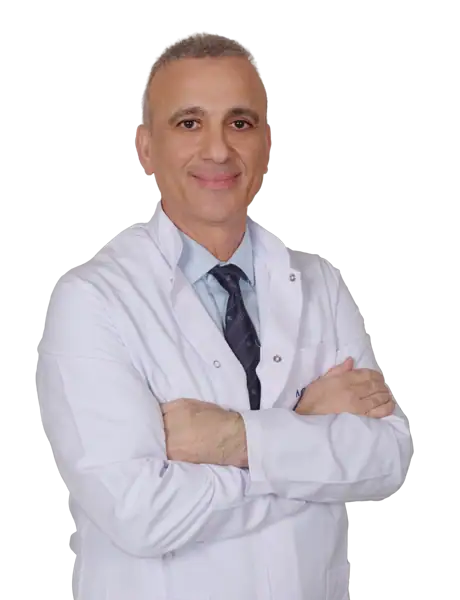
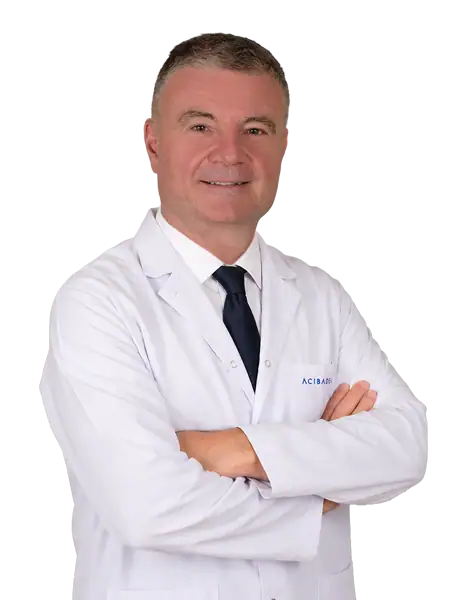


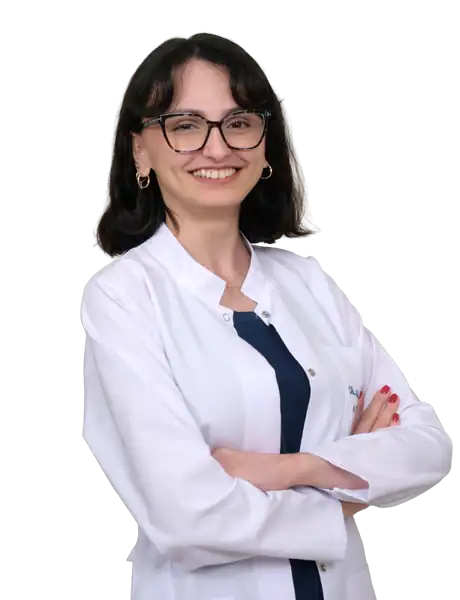
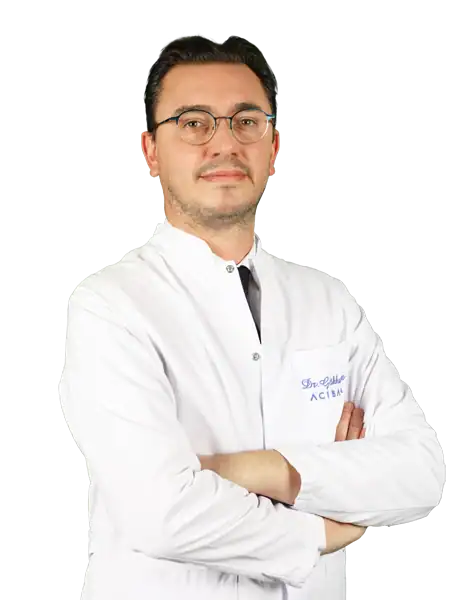

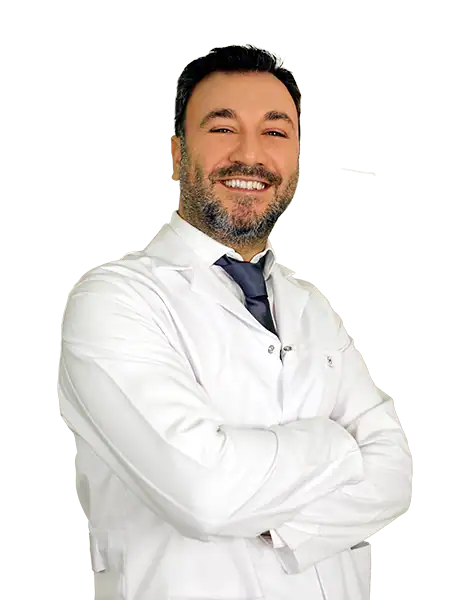

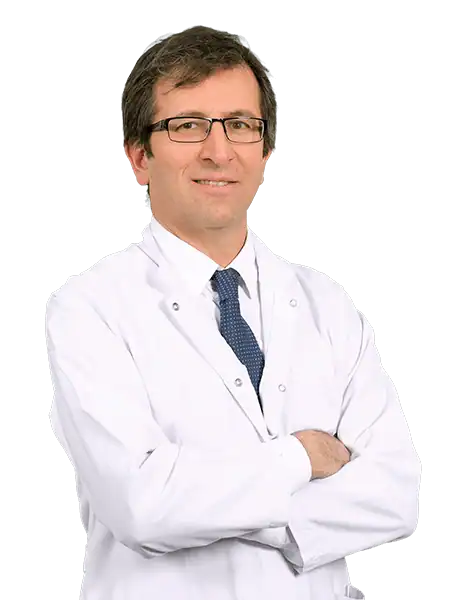

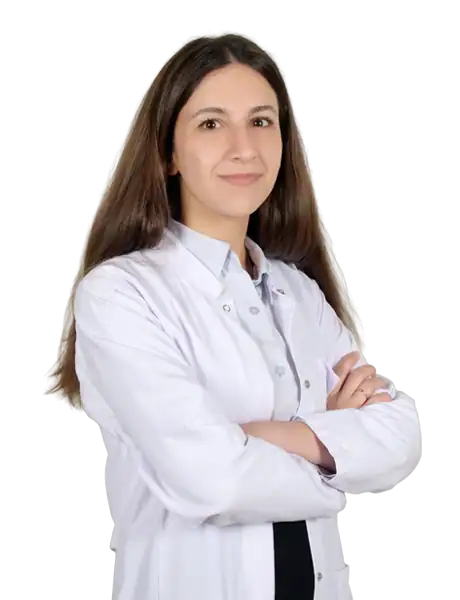
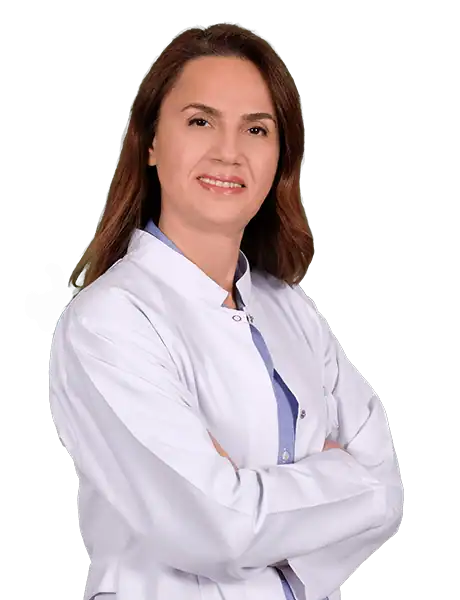
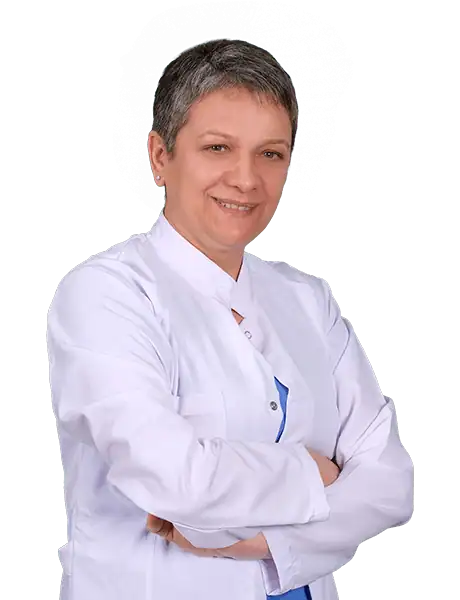
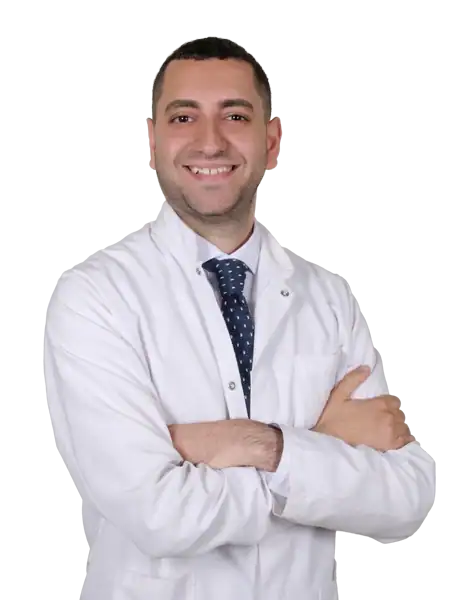
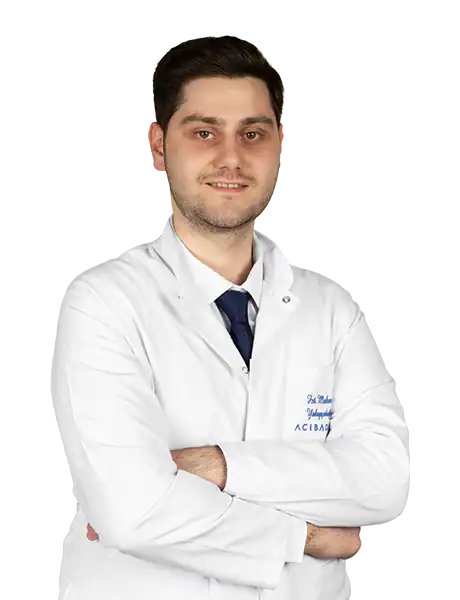

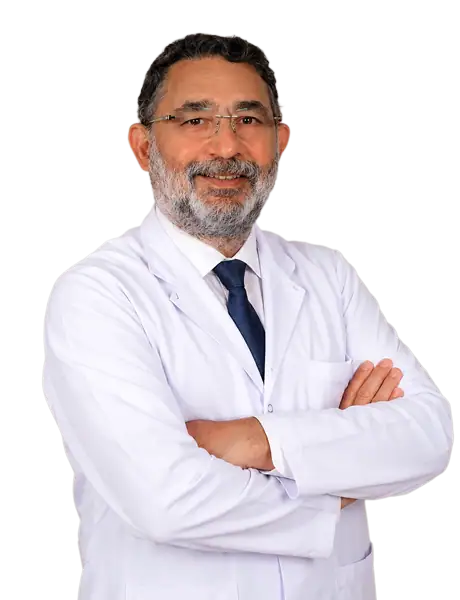
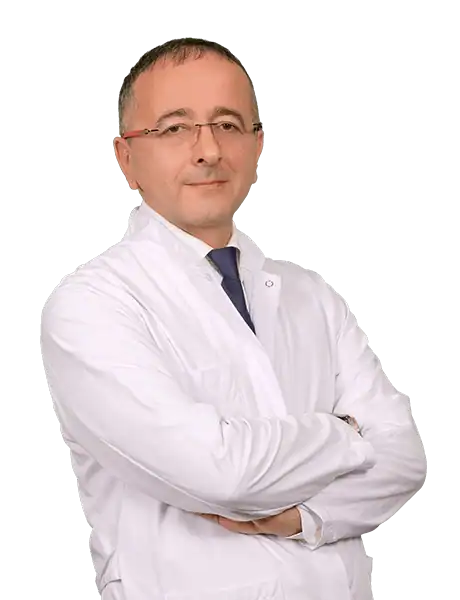
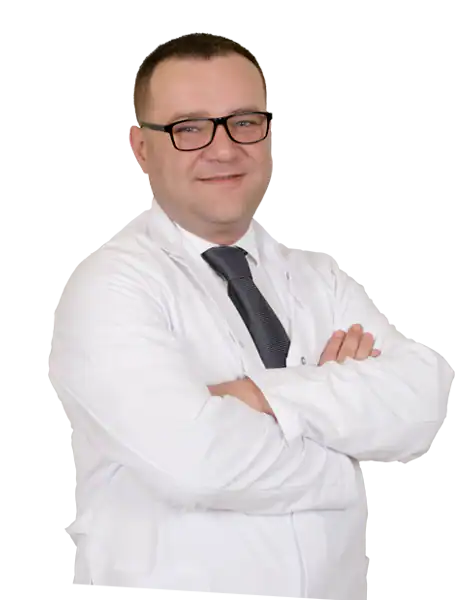

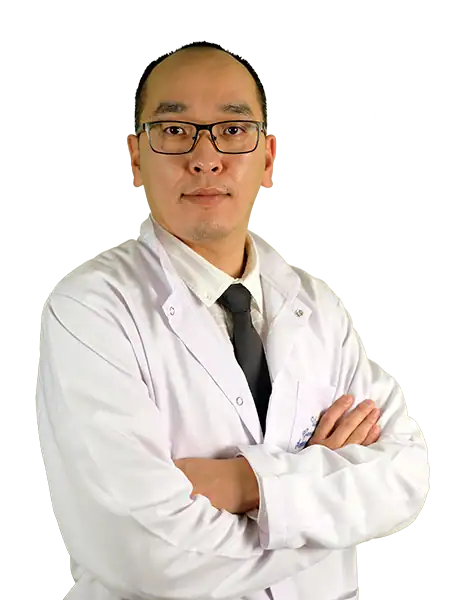
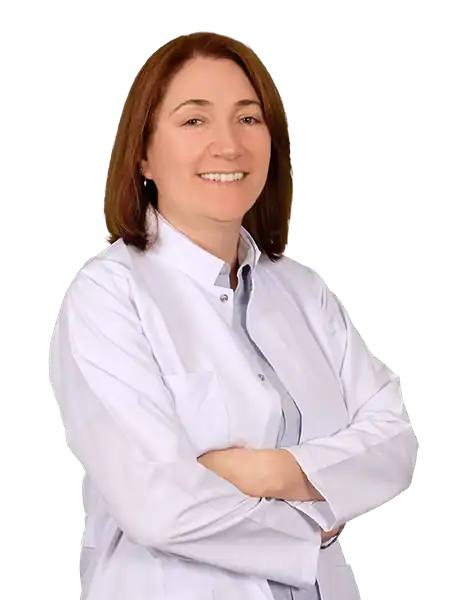
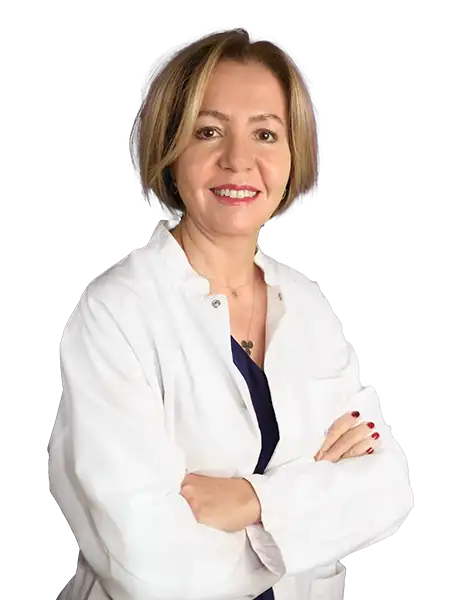

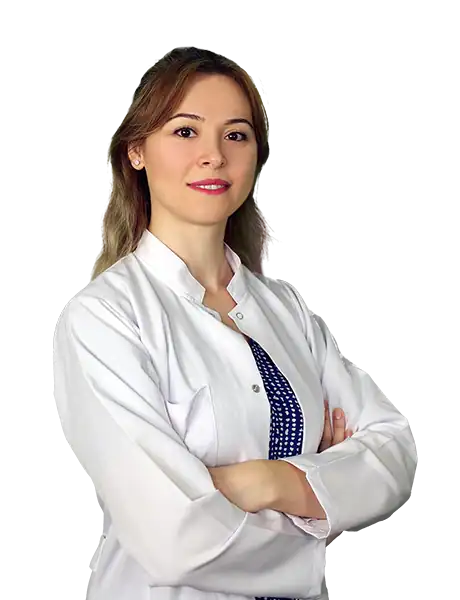

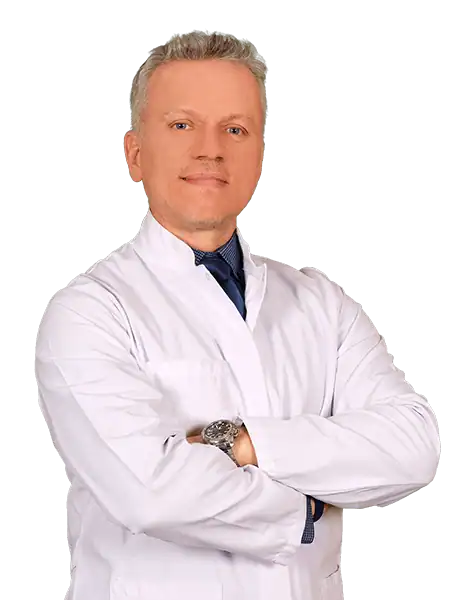

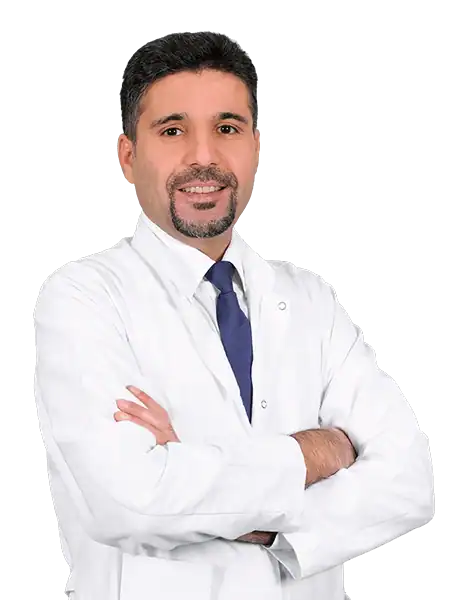
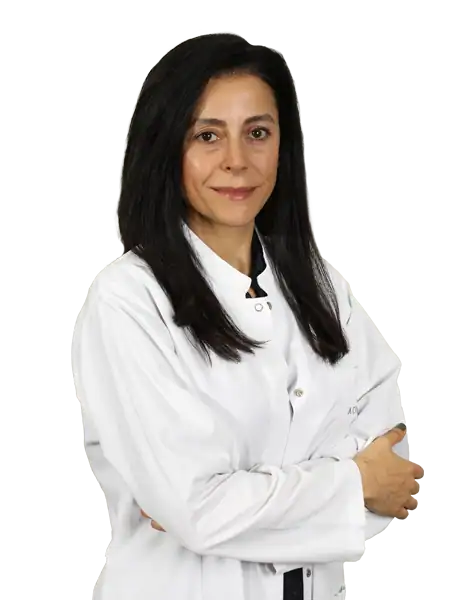


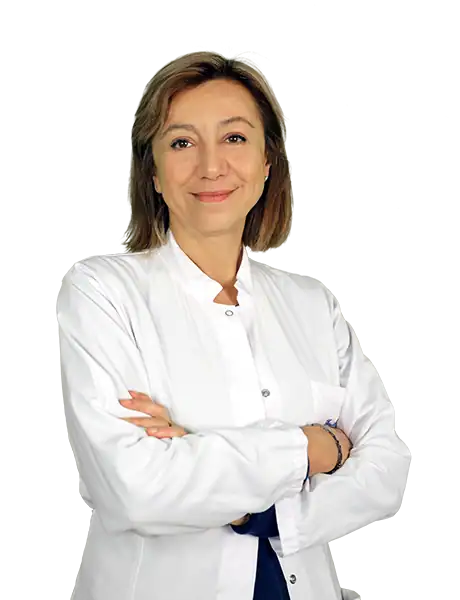
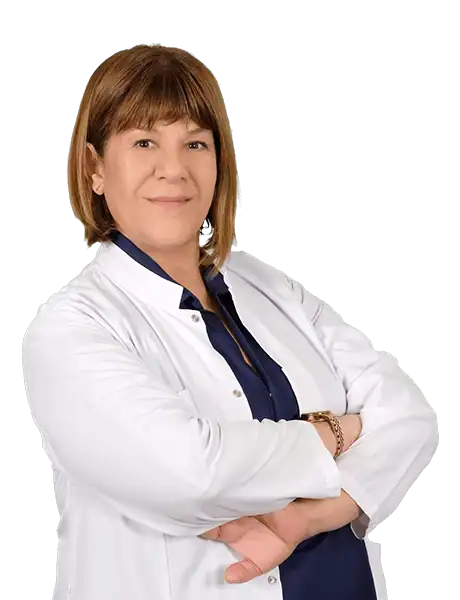
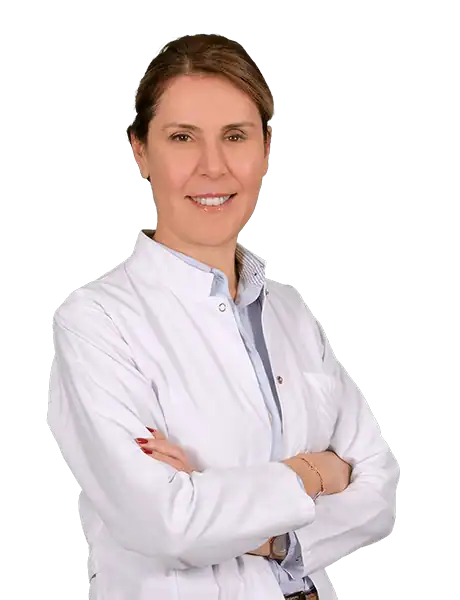



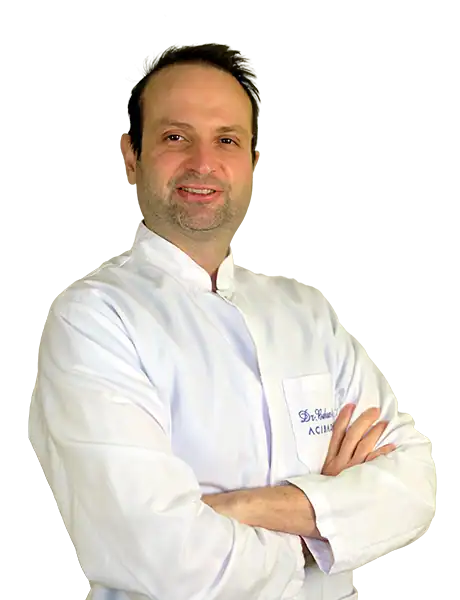
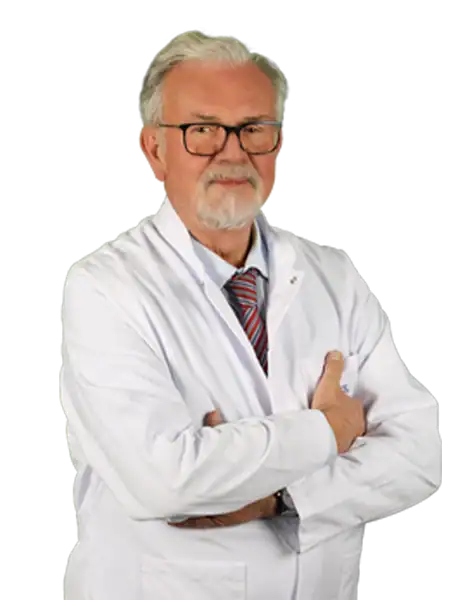
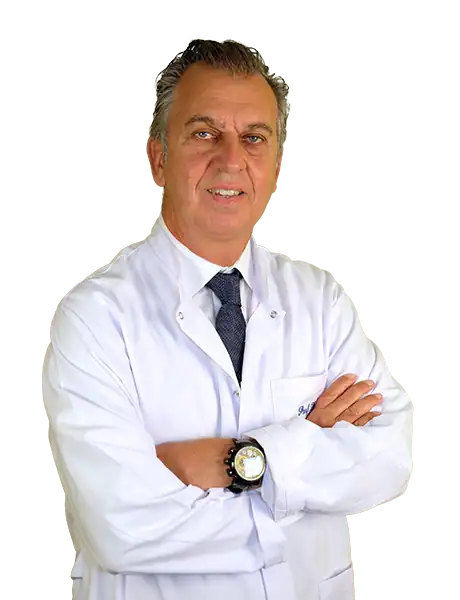
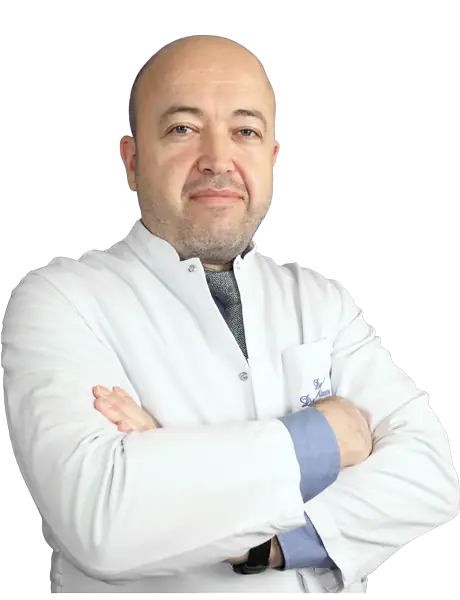


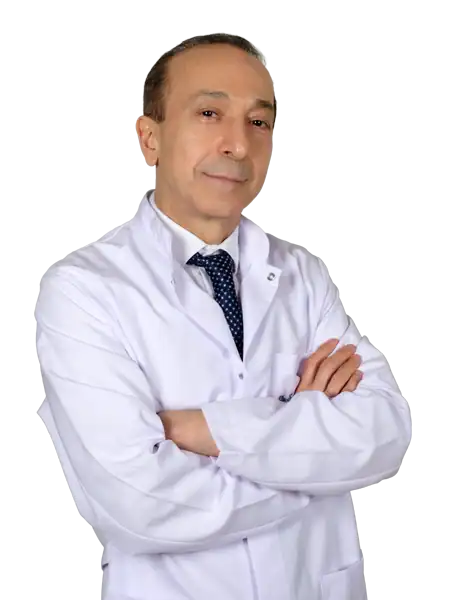

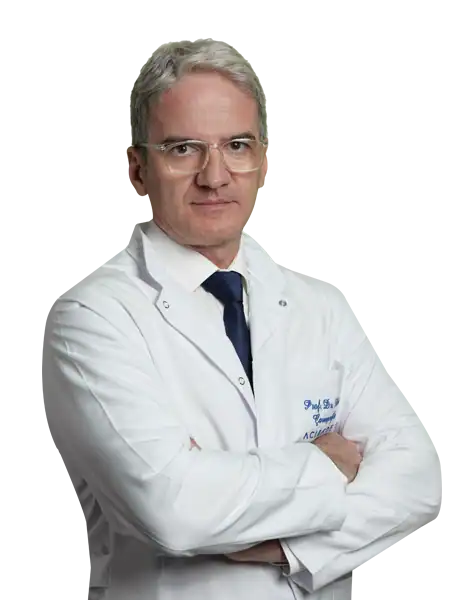
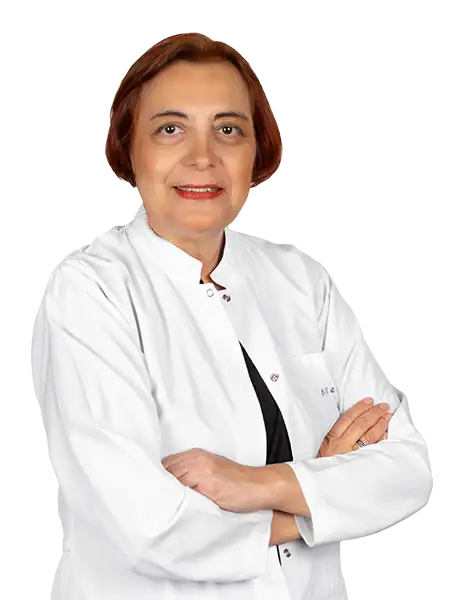
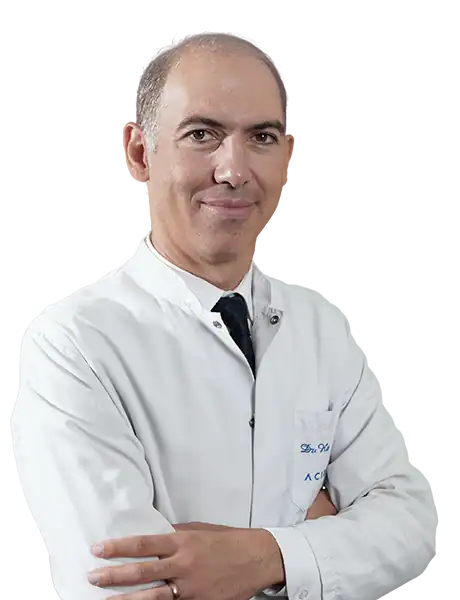
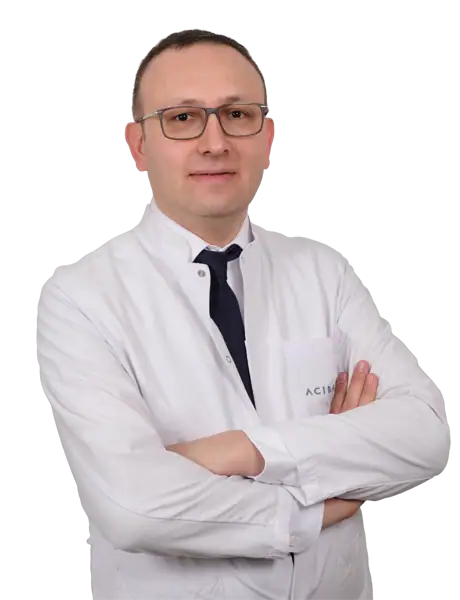
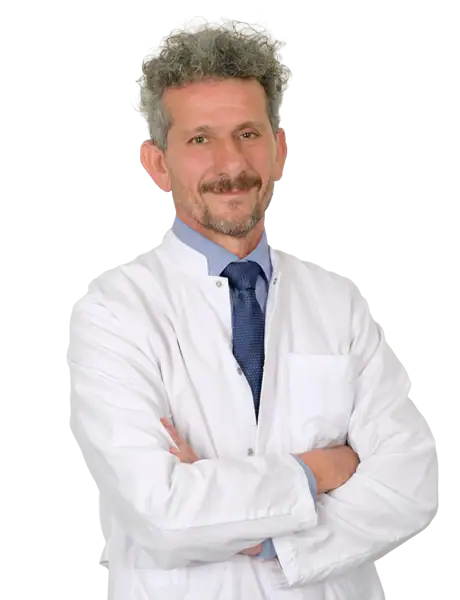

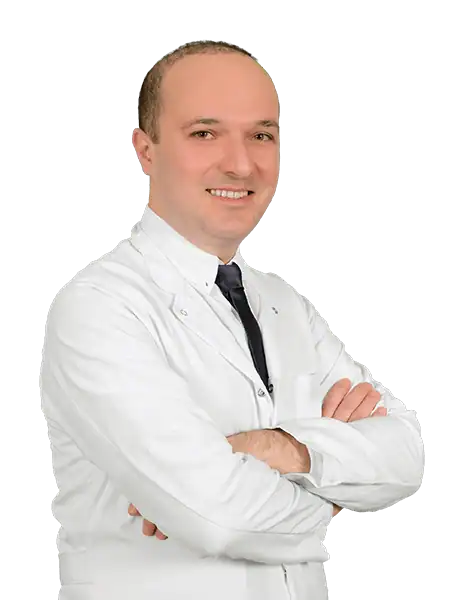

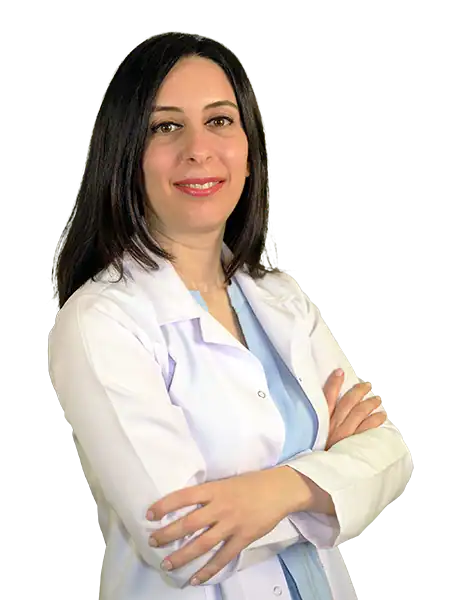
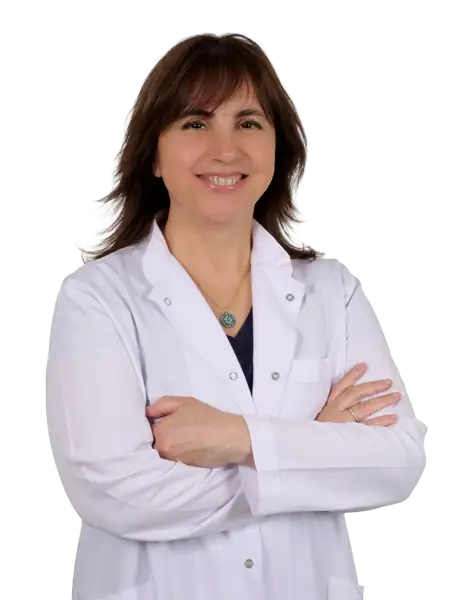
Infectious Diseases & Clinical Microbiology
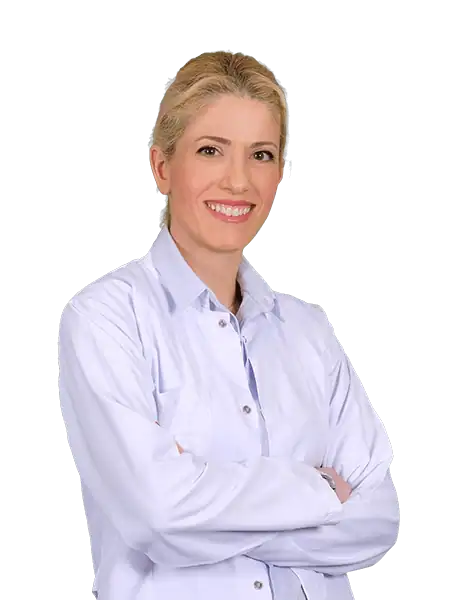
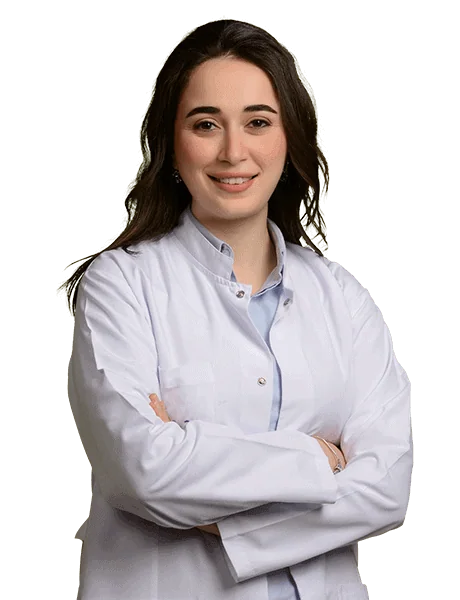
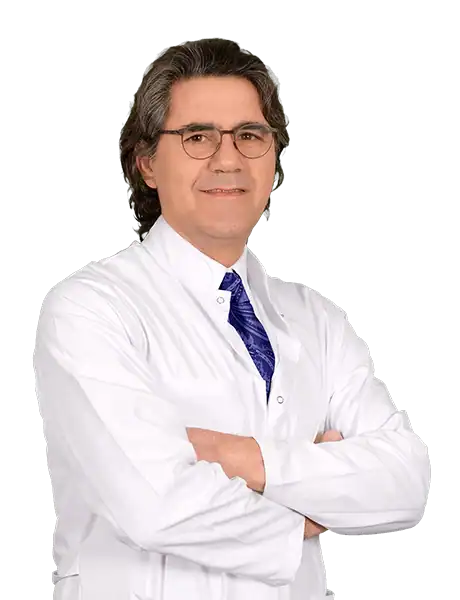
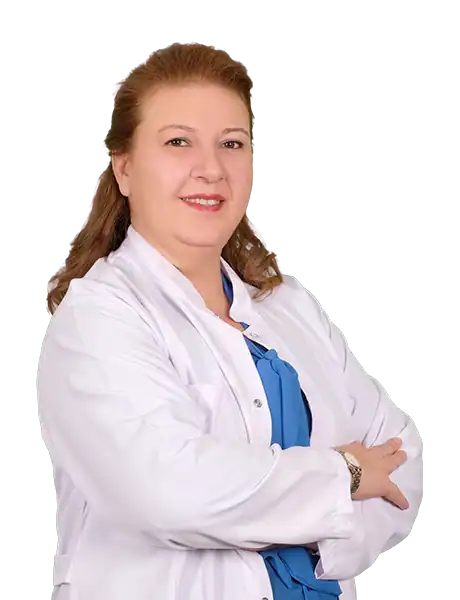
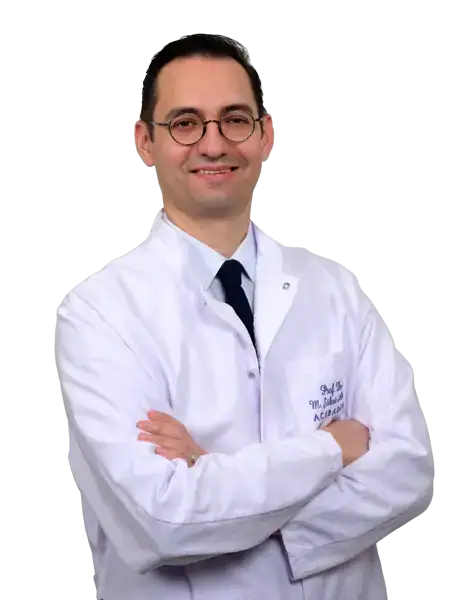
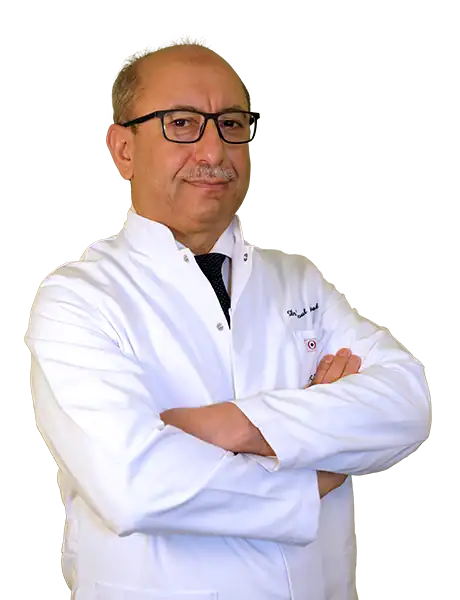
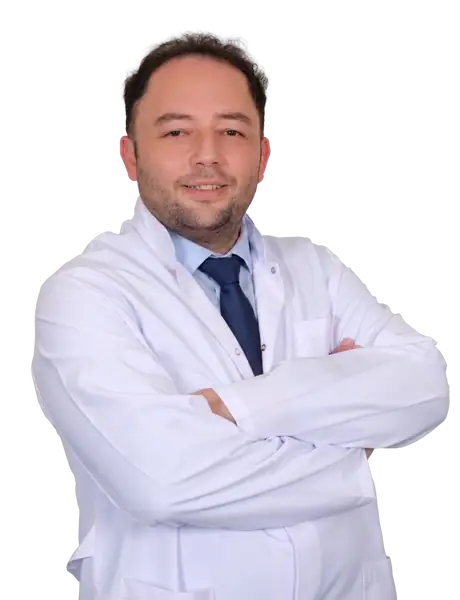
Prof. Cihadiye Elif Öztürk, MD

Infectious Diseases & Clinical Microbiology
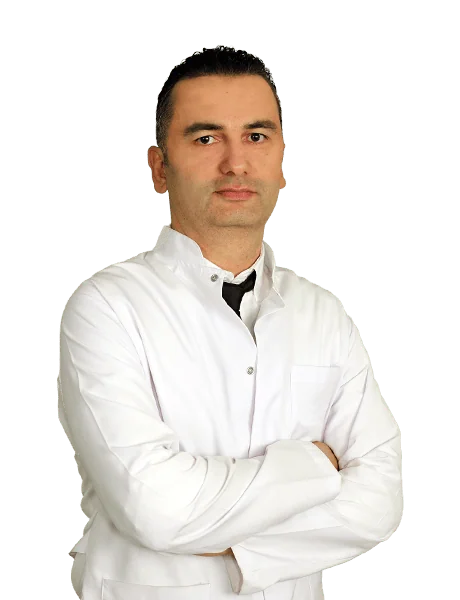
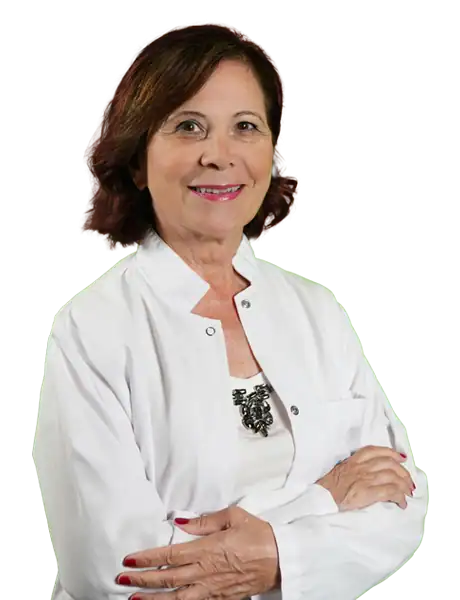
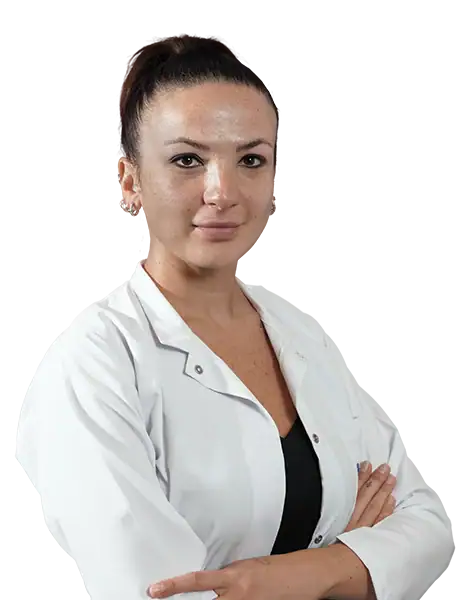
Asst. Prof. Hülya Kuşoğlu, MD









Medical Technologies at This Hospital
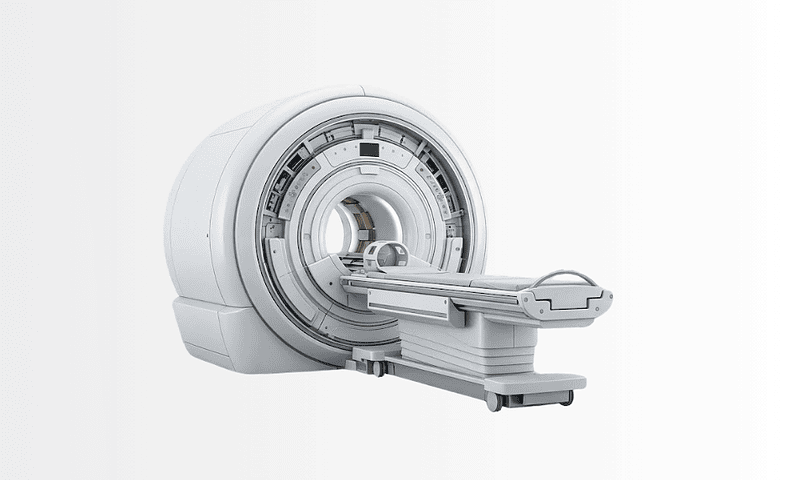
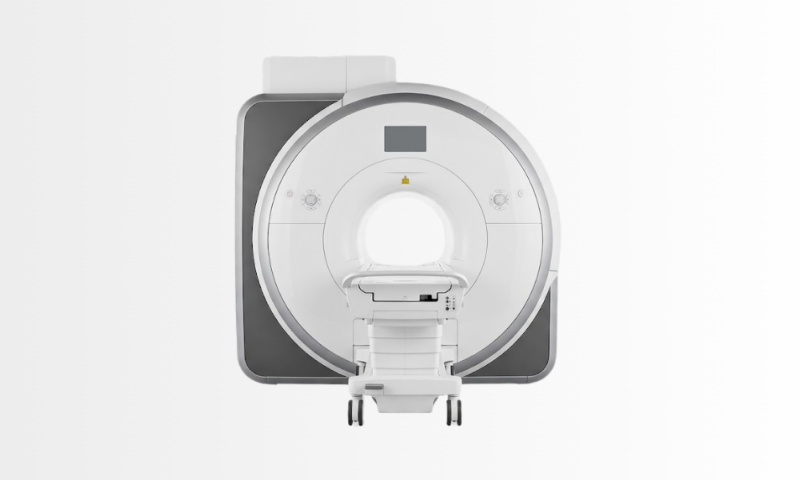
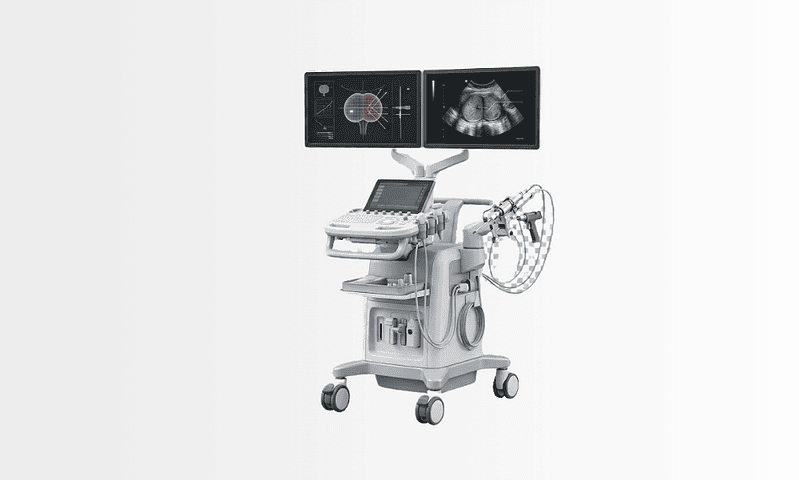
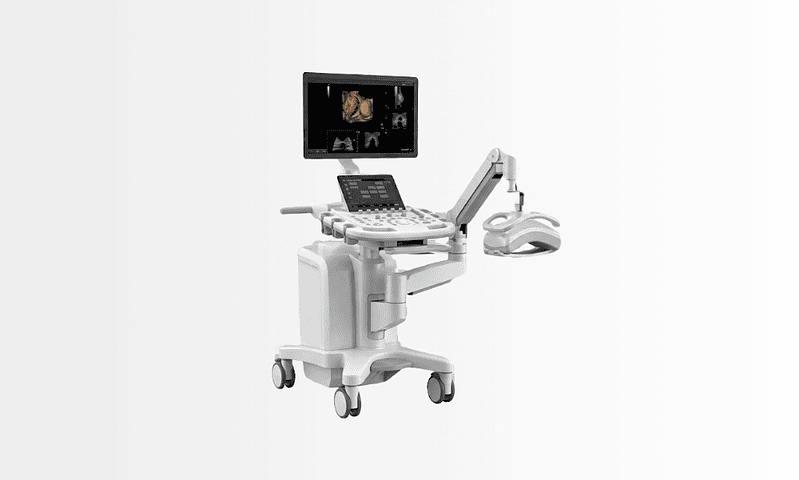
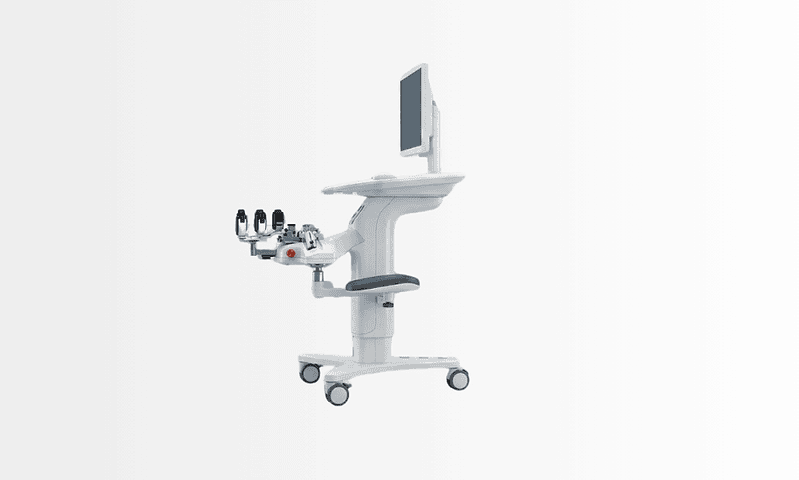
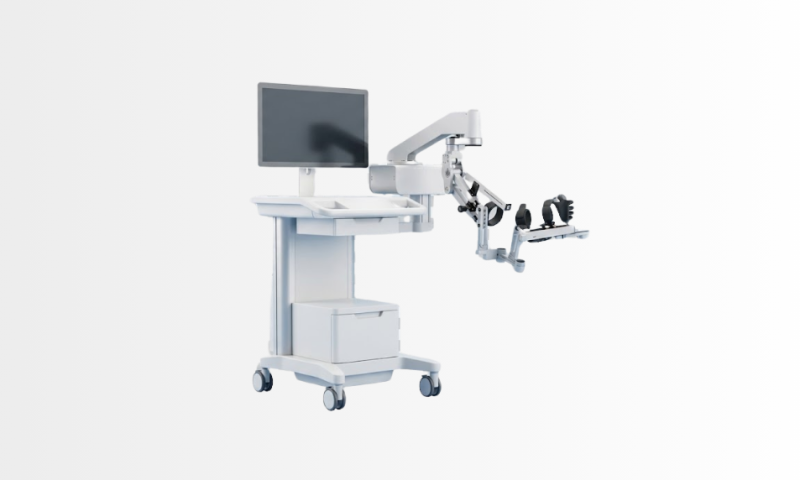
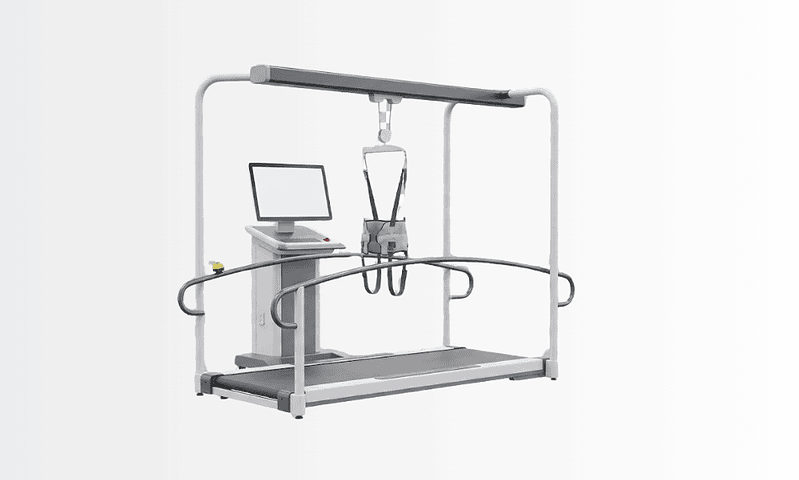
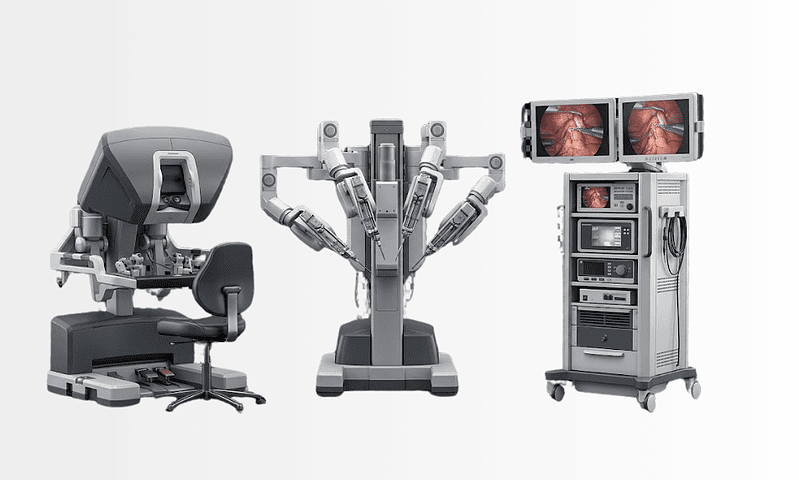
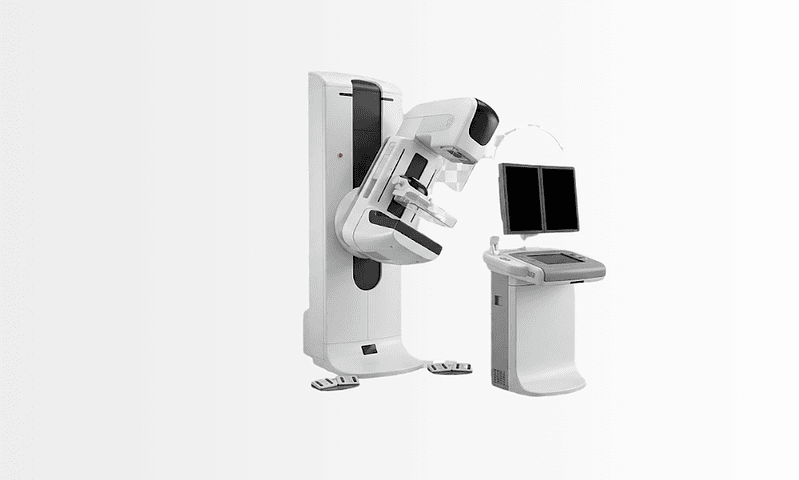
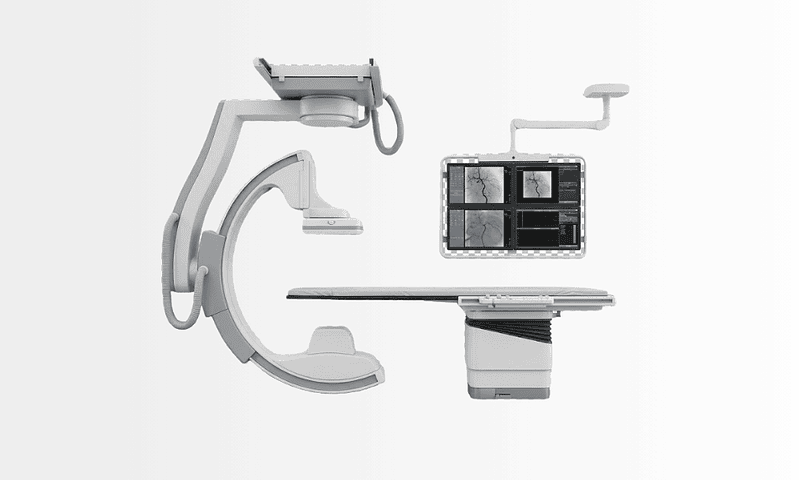
The imaging, radiotherapy, surgical and rehabilitation platforms installed here.
Send your reports: a physician-reviewed plan comes back before you travel.
Free · No obligation · Reply within 24 hours