

Da Vinci Robotic Surgery
Treatment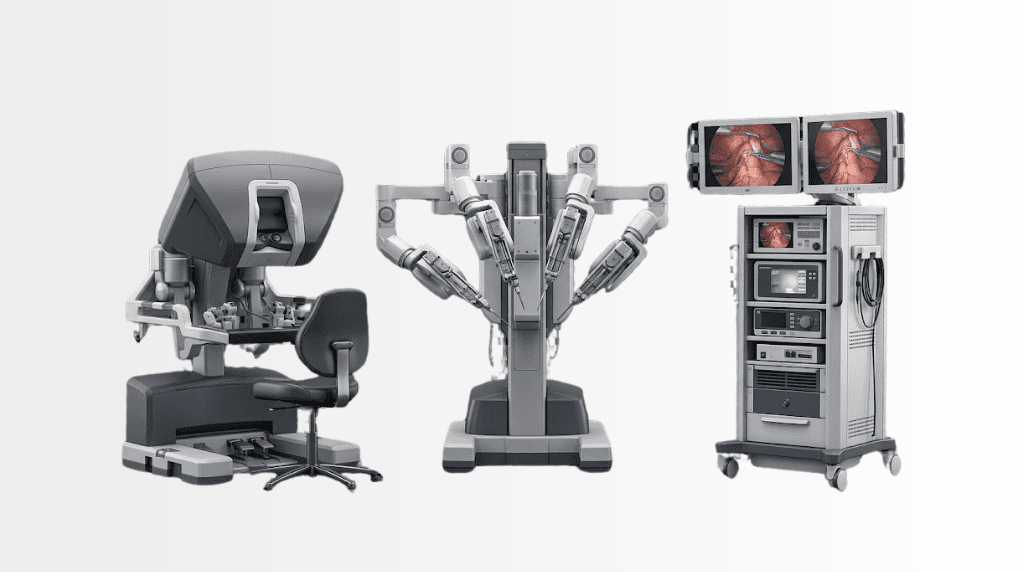
Quick answer
Da Vinci robotic surgery is a computer-assisted platform that enables trained surgeons to perform selected minimally invasive procedures through small incisions with enhanced visualization and precise instrument control. At Acibadem in Turkey, suitability and surgical planning are determined through individual clinical assessment, with the surgeon directing every stage of the operation.
Da Vinci Robotic Surgery
Da Vinci robotic surgery is an advanced, computer-assisted surgical technology that helps specially trained surgeons perform selected operations through small incisions. It is designed to support precision, control and clear visualization during minimally invasive procedures.
Despite its name, the robotic system does not operate independently. Your surgeon remains in complete control throughout the procedure, guiding every movement from a dedicated surgical console. The technology translates the surgeon’s hand movements into highly controlled movements of specialized instruments inside the body.
At Acibadem International, da Vinci robotic surgery may be considered for suitable patients in areas such as urology, gynecology and obstetrics, general surgery and robotic surgery. The decision to use this technology is always based on a detailed clinical assessment, your diagnosis, previous treatments, overall health and the most appropriate surgical approach for your individual needs.
What Is Da Vinci Robotic Surgery?
Da Vinci is a robotic surgical platform used to support minimally invasive surgery. It combines a surgeon-controlled console, a patient-side robotic system and advanced imaging technology. This allows the surgical team to perform carefully planned procedures through several small incisions rather than one larger open incision in selected cases.
The system is designed to give surgeons a detailed, magnified view of the operating area and the ability to use small instruments that can move with a wide range of motion. These features can be particularly useful when operating in complex or narrow anatomical spaces.
Robotic surgery is not suitable for every condition or every patient. Some procedures may be safer or more effective using conventional minimally invasive surgery or open surgery. Your specialist will explain the available options and recommend the approach that best supports your treatment goals and safety.
How Da Vinci Robotic Surgery Works
During a da Vinci procedure, the surgeon makes a number of small access points in the skin. Through these incisions, the surgical team places a camera and specially designed surgical instruments. The camera provides a high-definition, three-dimensional view of the treatment area.
Your surgeon sits at a nearby console and controls the instruments in real time. The robotic system responds directly to the surgeon’s movements. It does not make decisions, perform surgery on its own or replace the expertise of the operating team.
The platform can help refine hand movements and improve access in areas that may be difficult to reach with conventional instruments. It can also allow the surgeon to work with stable visualization and detailed tissue handling during selected operations.
- The surgeon stays in full control at every stage of the operation.
- A high-definition camera provides a magnified, detailed view of the surgical field.
- Small robotic instruments are introduced through carefully planned incisions.
- The system can support precise movement and access in selected anatomical areas.
- An experienced multidisciplinary operating team remains present throughout the procedure.
Clinical Applications
Da Vinci robotic surgery may be used across several surgical specialties. The exact procedure depends on the hospital, clinical indication, surgeon expertise and individual patient assessment. Your care team will confirm whether robotic surgery is appropriate for your diagnosis and where your treatment can be planned.
| Clinical applications | Examples of conditions or procedures | How robotic assistance may help |
|---|---|---|
| Urology | Selected prostate, kidney, bladder and urinary tract conditions; procedures such as prostate removal or partial kidney surgery when clinically appropriate | May support detailed dissection and reconstruction in sensitive areas of the urinary system |
| Gynecology and Obstetrics | Selected benign gynecological conditions, complex pelvic surgery, endometriosis-related procedures and gynecological cancer surgery where indicated | May help provide precise access and visualization within the pelvis |
| General Surgery | Selected procedures involving the digestive system, abdominal wall, gallbladder, colon, rectum, stomach or hernia repair | May support minimally invasive techniques in carefully selected abdominal procedures |
| Oncologic Surgery | Selected cancer operations in urology, gynecology or general surgery | May assist surgeons when precise tissue handling and anatomical visualization are important |
| Robotic Surgery Programs | Complex minimally invasive procedures requiring coordinated care from surgeons, anesthesiologists, radiologists, pathologists and nursing teams | Supports an integrated surgical approach tailored to the patient’s diagnosis and treatment plan |
Not every condition listed above requires or benefits from robotic surgery. In some cases, traditional laparoscopy, endoscopic treatment, non-surgical treatment or open surgery may be recommended instead. Your specialist will discuss the likely benefits and limitations for your situation.
Conditions It May Help Treat
Robotic surgery is not a diagnosis or a treatment on its own. It is a surgical tool that can be used as part of a broader treatment plan. Depending on the specialty, it may be considered for benign conditions, complex surgical needs and selected cancer procedures.
In urology, robotic-assisted surgery may be used for selected prostate conditions, kidney tumors, urinary tract reconstruction and bladder-related procedures. In gynecology, it may be considered for complex fibroids, endometriosis, prolapse-related procedures and certain gynecological cancers. In general surgery, the technology may support selected colorectal, upper gastrointestinal, gallbladder, hernia and abdominal procedures.
Your care plan may also involve imaging, laboratory tests, biopsy results, pathology review, medical oncology, radiation oncology, fertility counseling, nutrition support or rehabilitation. When needed, Acibadem International coordinates multidisciplinary review so that the surgical recommendation is aligned with your wider treatment needs.
Benefits and Advantages for Patients
For appropriately selected patients, da Vinci robotic surgery can offer potential advantages compared with conventional open surgery. These advantages vary according to the procedure, diagnosis, surgical complexity and individual recovery. Your surgeon will explain which benefits may reasonably apply in your case.
Because robotic procedures are commonly performed through small incisions, some patients may experience less disruption to surrounding tissues. This can contribute to a more comfortable recovery and may help patients return to normal daily activities sooner when medically appropriate.
| Patient benefits at a glance | What this may mean for you |
|---|---|
| Small incisions | Selected procedures may be completed through small access points rather than a larger incision. |
| Enhanced surgical visualization | Your surgeon can work with a magnified, detailed view of the surgical field. |
| Precise instrument control | Specialized instruments can support controlled movements during complex minimally invasive surgery. |
| Potentially less postoperative discomfort | Some patients may require less pain medication after minimally invasive surgery, depending on the procedure. |
| Potentially reduced blood loss | In selected operations, minimally invasive techniques may be associated with lower blood loss than open surgery. |
| Shorter hospital stay in suitable cases | Recovery timelines vary, but some patients may be able to leave hospital sooner after a minimally invasive procedure. |
| Earlier return to daily activities | When recovery progresses well, patients may return to work, travel and routine activity earlier than after some open procedures. |
These potential benefits should always be balanced with the risks of surgery, anesthesia and the specific procedure being performed. Results cannot be guaranteed, and recovery can differ significantly from one patient to another.
What to Expect Before, During and After Your Procedure
Before Your Surgery
Your journey begins with a detailed medical review. International patients can share medical reports, imaging results, pathology information and previous treatment records for preliminary assessment. A specialist reviews the information and advises whether an in-person consultation, further testing or robotic surgery evaluation may be appropriate.
Once you arrive, your clinical team confirms the diagnosis, assesses your fitness for surgery and explains the recommended approach. You may undergo blood tests, imaging, anesthesia assessment or other examinations depending on your condition. Your surgeon will discuss expected benefits, possible risks, alternatives and recovery planning before you make an informed decision.
The international patient team can support communication and coordination throughout this process. Language assistance, appointment scheduling, medical record coordination and practical guidance can help make the experience clearer and more comfortable while you are away from home.
During the Procedure
Da Vinci robotic surgery is generally performed under general anesthesia, meaning you are asleep throughout the operation. The exact duration depends on the procedure and complexity of your condition.
After anesthesia is administered, the surgeon and operating team position the robotic system and place the camera and instruments through small incisions. Your surgeon controls the system from the console while the patient-side team remains beside you in the operating room.
Every procedure follows a carefully planned surgical protocol. If the team determines that a different approach is safer during surgery, such as changing to conventional laparoscopy or open surgery, your surgeon will act in your best clinical interests. This possibility is discussed as part of the informed consent process.
After the Procedure
After surgery, you are transferred to a recovery area where your condition is monitored closely. Depending on the operation, you may spend time in a regular inpatient room or, in more complex situations, require higher-level observation.
Your recovery plan may include pain management, wound care, early mobilization, nutrition guidance, breathing exercises, medication management and follow-up tests. The care team will explain when you can eat, walk, shower, travel and resume normal activities.
Before discharge, you will receive clear instructions about medications, wound care, warning signs and follow-up. For international patients, the team can help coordinate medical documentation and plan appropriate follow-up communication with your local doctor where needed.
Safety, Expertise and Accreditation
Robotic surgery requires experienced surgeons, trained operating room teams, appropriate patient selection and robust clinical governance. At Acibadem International, da Vinci robotic surgery is delivered within an established hospital environment supported by anesthesiology, imaging, pathology, intensive care, nursing and other relevant specialties.
Our JCI-accredited hospitals follow internationally recognized quality and patient safety standards. This includes structured processes for infection prevention, medication safety, surgical verification, anesthesia monitoring, documentation and continuity of care.
Before surgery, your team carefully evaluates whether robotic assistance is suitable for you. Factors may include the type and stage of disease, previous operations, body anatomy, medical conditions, medication use, anesthesia risks and the expected benefit of a minimally invasive approach.
All surgery carries potential risks. These can include bleeding, infection, blood clots, injury to nearby structures, anesthesia-related complications, wound problems, pain, delayed recovery and the need for additional treatment. The risks vary by procedure. Your surgeon will discuss the risks most relevant to your case and answer your questions in detail.
Why Da Vinci Robotic Surgery Matters for International Patients
Traveling abroad for surgery can feel complex, especially when you are managing a serious health concern. Da Vinci robotic surgery can be part of a coordinated treatment pathway that brings together specialist assessment, advanced surgical technology and international patient support.
Acibadem International helps patients organize the medical steps before travel, including review of available reports and guidance on the information needed for a specialist opinion. After your clinical plan is confirmed, the team can assist with appointment coordination, interpreter support and communication between departments.
For many international patients, clear planning is as important as the treatment itself. Your team can explain the expected sequence of consultations, investigations, surgery, hospital recovery and follow-up. If you need to remain in Türkiye for a period after discharge, this will be discussed according to your procedure and clinical condition.
Language support helps ensure that you understand your diagnosis, consent process, recovery instructions and medication plan. You can also ask for guidance on preparing documents for insurance review. Coverage for robotic surgery depends on the terms of your individual policy, so it is important to share insurer information early in the planning process.
Is Da Vinci Robotic Surgery Right for You?
Da Vinci robotic surgery may be a valuable option for patients who need a suitable minimally invasive procedure, but it is not automatically the best approach for every operation. The right treatment is the one that offers the most appropriate balance of safety, effectiveness and recovery for your individual condition.
Your specialist will consider your diagnosis, disease extent, previous treatments, surgical history, general health and personal priorities. If robotic surgery is not recommended, the team will explain alternative options and why another treatment approach may be more appropriate.
Frequently Asked Questions
Is da Vinci robotic surgery safe?
Da Vinci systems are used routinely in appropriately equipped hospitals by trained surgical teams. Safety depends on many factors, including patient selection, surgeon experience, anesthesia care, operating room protocols and the complexity of the procedure. Our JCI-accredited hospitals follow strict patient safety and quality standards, and your team will explain the considerations specific to your case.
Does the robot perform the operation by itself?
No. The system does not operate independently. Your surgeon controls the instruments and makes every clinical decision throughout the procedure. The technology is designed to support the surgeon’s precision, visualization and movement during selected minimally invasive operations.
Will I have smaller scars?
Robotic surgery is commonly performed through small incisions, which may result in smaller scars compared with open surgery. However, scar appearance and healing vary by procedure, skin type, individual healing response and whether a larger incision becomes necessary for safety reasons.
How long will recovery take?
Recovery depends on the type of surgery, your health before the operation, the complexity of the procedure and whether any additional treatment is needed. Some patients recover more quickly after minimally invasive surgery than after open surgery, but your surgeon will provide guidance based on your specific procedure.
Will my insurance cover robotic surgery?
Insurance coverage depends on your policy, insurer requirements and the medical indication for treatment. You can share your insurance information with the international patient team, who can help clarify available options and explain the expected treatment process before you travel.
How can I start the assessment process?
You can submit a consultation request and share your available medical reports, imaging results and pathology information. A specialist can review your case and advise whether da Vinci robotic surgery may fit your treatment plan. Final suitability is confirmed after full clinical assessment.
Related Medical Units
Available at these Hospitals

















Related Treatments
Speak with our medical team
Find out how this technology could support your diagnosis or treatment.