Gallbladder Surgery
Gallbladder surgery removes the gallbladder, usually to treat painful gallstones or inflammation. It is commonly performed laparoscopically for faster recovery and relief of recurrent digestive symptoms.
Quick answer
Cholecystectomy is an operation to remove the gallbladder, a small organ beneath the liver that stores bile. It is most often performed for gallstones that cause pain, inflammation or blockage. Most operations are done laparoscopically, through a few small incisions under general anaesthesia. The gallbladder is not essential; after removal, bile flows directly from the liver into the small intestine.
Cholecystectomy: What Gallbladder Surgery Involves
Cholecystectomy is an operation to remove the gallbladder, a small pouch that sits beneath the liver and stores bile, the digestive fluid the liver produces to help the body break down fats. It is one of the most commonly performed abdominal operations in the world, and it is usually recommended when gallstones or gallbladder inflammation cause pain, infection or blockage of the bile ducts. Although the gallbladder has a useful function, it is not essential for life. Once it is removed, bile flows directly from the liver into the small intestine, and digestion continues without it.
People sometimes describe the procedure as a gallstones removal operation, but that phrase is slightly misleading. The purpose of surgery is not to pick stones out one by one. It is to remove the gallbladder itself, because stones tend to form again if the organ stays in place. For patients with repeated gallstone attacks, taking out the gallbladder addresses the source of the problem rather than managing it temporarily, and it usually provides durable relief from gallbladder-related pain.
Most operations today are performed laparoscopically, through a few small incisions, using a camera and long fine instruments. This approach generally causes less discomfort afterwards, allows earlier walking and eating, and shortens the time back to normal routines compared with traditional open surgery. In selected situations, severe inflammation, dense scar tissue from previous operations, complex anatomy or concern about injury to nearby structures: an open operation through a larger incision remains the safer choice. Gallbladder surgery is carried out by general surgery teams, often working alongside gastroenterologists and radiologists when the bile ducts are involved.
Is cholecystectomy considered major surgery?
Yes, cholecystectomy is classed as major surgery because it takes place inside the abdomen, requires general anaesthesia and involves working close to the bile ducts, blood vessels, liver and intestine. That said, it is also one of the most routine and well-understood abdominal operations performed anywhere. The laparoscopic version is deliberately designed to reduce the burden of that major operation: small incisions, a magnified view for the surgeon, less tissue disruption and, for many patients, discharge on the same day or after a single night in hospital. “Major” describes the category of the procedure, not the difficulty of your individual recovery: a straightforward elective laparoscopic operation and an urgent operation for a severely inflamed gallbladder are very different experiences, even though both carry the same label.
What is the main cause of cholecystectomy?
The main reason for cholecystectomy is symptomatic gallstones, hardened deposits that form inside the gallbladder and block the normal flow of bile. Some gallstones cause no symptoms at all and never need treatment. Others trigger recurrent attacks of pain, inflammation of the gallbladder wall, infection, or blockage of the bile ducts or pancreatic drainage. Surgery may also be recommended for gallbladder polyps with concerning features, for certain functional gallbladder disorders in which the organ does not empty properly, and for complications that involve the bile ducts or the pancreas. In every case, the decision rests on whether the gallbladder is genuinely the cause of the symptoms, not simply on whether stones are present.
When Gallbladder Symptoms Start to Disrupt Daily Life
Gallbladder problems often begin with symptoms that are easy to dismiss: pain after eating, bloating, nausea, or a growing sense that certain meals no longer agree with you. For many people, these episodes become more frequent over time. A sudden attack of pain in the upper abdomen, especially after a fatty meal, can be alarming. It is natural to wonder whether the pain will come back, whether the problem could become dangerous, and whether an operation is truly necessary.
Those concerns are reasonable. The gallbladder is a small organ, but when it becomes diseased it can cause significant discomfort and, at times, serious complications. Gallstones may trigger repeated pain, inflammation, infection or blockage of the bile ducts. In some cases, symptoms come and go for months before a clear diagnosis is made. In others, the condition presents suddenly as an urgent medical situation.
Good decision-making starts with clarity: an accurate diagnosis, a careful review of whether surgery is actually the right option for you, and a treatment plan matched to your symptoms, your anatomy and your overall health. Not every episode of upper abdominal pain comes from the gallbladder, and not every gallstone needs an operation. The sections below explain how doctors work through those questions, what the operation involves, and what recovery genuinely looks like.
Who May Need Gallbladder Removal
Gallbladder removal is not automatic just because stones are present. Many people discover gallstones incidentally on an ultrasound performed for another reason. If there are no symptoms and no signs of complications, observation is often appropriate. Surgery becomes relevant when the gallbladder is causing pain, repeated digestive distress or inflammation, or when tests suggest a higher risk of future problems.
Typical symptoms that lead to evaluation include pain in the upper right or upper middle abdomen, particularly after meals; pain that spreads to the back or right shoulder; nausea or vomiting; bloating; and recurring indigestion linked to food. Some people experience sudden, intense pain that lasts several hours: the classic pattern of biliary colic. Others have milder but repeated discomfort that interferes with eating, sleep and work.
Some findings carry more weight: fever, chills, worsening abdominal tenderness, jaundice (yellowing of the skin or eyes), dark urine, pale stools or persistent vomiting. These can point to acute inflammation, infection, bile duct obstruction or pancreatitis, conditions that clinicians treat as urgent and that often change the timing and shape of the treatment plan.
Diagnosis usually begins with a clinical assessment and imaging. Ultrasound is typically the first test, because it detects gallstones and signs of gallbladder inflammation reliably and without radiation. Blood tests look for evidence of infection, changes in liver enzymes or irritation of the pancreas. If there is concern that a stone has moved into the common bile duct, more detailed studies may follow, advanced cross-sectional imaging or specialised examinations of the bile ducts, because a duct stone changes the treatment plan.
A smaller group of patients has symptoms strongly suggestive of gallbladder disease even when standard imaging shows no obvious stones. Here, physicians consider possibilities such as gallbladder dysfunction, or small stones and sludge that routine tests do not easily reveal. The recommendation for surgery always rests on the full picture: symptoms, examination, laboratory results, imaging, and whether other causes of abdominal pain have been properly excluded.
Situations that commonly lead to surgery include:
- Repeated attacks of biliary colic: the characteristic pain caused by gallstones temporarily blocking the gallbladder outlet
- Acute cholecystitis, meaning inflammation of the gallbladder
- Gallstones associated with infection or suspected blockage of the bile ducts
- Gallstone-related pancreatitis, once the acute episode has been stabilised
- Gallbladder polyps or structural abnormalities that require surgical assessment
- Ongoing symptoms that affect quality of life despite dietary changes and medical management
Conditions Gallbladder Removal Surgery Can Address
Gallbladder removal surgery is most often performed for symptomatic gallstones, stones that are actually causing pain or other clinically important problems. The same operation is also used for several related conditions, each with its own logic and timing.
Symptomatic Gallstones
When stones block the normal flow of bile out of the gallbladder, they trigger recurrent pain attacks. These episodes often begin suddenly, frequently after meals, and tend to become more disruptive over time. Because the stones formed inside the gallbladder and will usually keep forming there, removing the organ addresses the source of the attacks rather than treating each episode as it comes.
Acute or Chronic Cholecystitis
Cholecystitis is inflammation of the gallbladder. The acute form usually develops when a stone stays lodged and causes persistent blockage; it can bring severe pain, fever and marked tenderness, and often requires hospital treatment. Chronic cholecystitis is quieter, repeated low-grade inflammation that leaves the gallbladder scarred and poorly functioning, with recurring symptoms that never quite resolve. Both forms are common reasons for surgery.
Choledocholithiasis and Bile Duct Problems
Choledocholithiasis means gallstones have left the gallbladder and entered the common bile duct. This can obstruct bile flow and lead to jaundice, infection of the bile ducts or pancreatitis. Treatment in these cases may involve both a bile duct intervention, often endoscopic, and gallbladder removal, coordinated within a single treatment plan so that the duct is cleared and the source of future stones is dealt with.
Gallstone Pancreatitis
A gallstone can temporarily block the pancreatic duct or its drainage point, triggering inflammation of the pancreas. Pancreatitis can be serious, and once the acute episode is controlled, gallbladder removal is usually recommended to reduce the chance of it happening again. The timing of surgery after pancreatitis is a clinical judgement based on how severe the episode was and how well the patient has recovered from it.
Gallbladder Polyps or Other Abnormalities
Most gallbladder polyps are benign and need no treatment beyond periodic monitoring. However, larger polyps, lesions that change over time, or findings combined with other risk factors may lead to a recommendation for removal so the tissue can be examined properly. Surgeons also evaluate rare congenital or structural conditions affecting the gallbladder or bile ducts.
Functional Gallbladder Disorders
In selected patients, the gallbladder fails to empty properly even though no typical stones are seen. When the symptoms are consistent, other causes have been excluded and specialised diagnostic studies support the diagnosis, surgery may be considered, carefully, because the benefit is less predictable than it is for stone disease, and honest counselling about that uncertainty matters.
How Gallbladder Surgery Is Performed
The operation begins well before the operating theatre. A safe and effective procedure depends on confirming the diagnosis, understanding the anatomy of the bile ducts and planning around your overall health. This groundwork matters most when there has been previous abdominal surgery, acute infection, jaundice, pancreatitis or any sign that stones may already be in the bile duct.
Before the Operation
Preoperative assessment typically covers your symptoms, imaging findings, blood tests, current medications, allergies and any conditions that could affect anaesthesia or healing. Patients taking blood thinners, diabetes medications or certain supplements receive individualised instructions from their treating doctor, never change any medication on your own initiative. If there is concern about a stone in the bile duct, additional imaging or an endoscopic procedure may be arranged before the operation so the surgical plan is built on complete information.
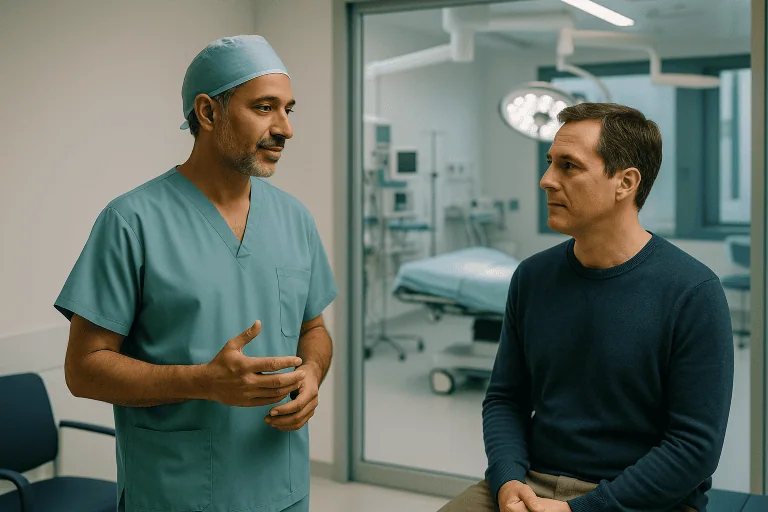
You will usually be asked not to eat or drink for a set period before anaesthesia. In urgent cases, that timeline is adjusted to the clinical situation. The surgical team should explain the planned approach, the reasons surgery is recommended, and the possibility that an operation intended to be laparoscopic could be converted to an open procedure if visibility or safety becomes a concern. Understanding that possibility in advance makes the day of surgery far less unsettling.
The Laparoscopic Procedure
Most gallbladder operations follow a well-established sequence under general anaesthesia:
- Anaesthesia and preparation. You are fully asleep throughout. The abdomen is cleaned and draped, and the team confirms the plan before any incision is made.
- Small incisions. The surgeon makes several small incisions in the abdominal wall. The abdomen is gently inflated with gas to create working space.
- Camera and instruments. Through one incision, a camera provides a magnified view of the surgical field on a screen. Through the others, fine instruments separate the gallbladder from surrounding tissue.
- Identifying the key structures. The surgeon identifies the cystic duct and cystic artery: the connections between the gallbladder, the biliary system and its blood supply. Careful, unambiguous identification of these structures is the single most important safety step of the operation.
- Securing and detaching. Once the relevant structures are secured, the gallbladder is detached from the underside of the liver.
- Removal and closure. The gallbladder is removed through one of the small incisions, which are then closed with sutures or surgical skin-closure methods designed to support healing and comfort.
If stones are suspected in the main bile duct, the team can evaluate the ducts during the procedure using specialised imaging. This determines whether additional treatment is needed at the same sitting or afterwards, rather than leaving the question open.
When Open Surgery Is Needed
Although the minimally invasive route is standard, open surgery remains important in certain situations. Severe inflammation, scarring from previous operations, bleeding, an unclear view of the anatomy or unexpected findings can all make a larger incision the safer option. Conversion to open surgery is not a complication in itself. It is a deliberate surgical judgement made to protect you when the laparoscopic view does not provide sufficient certainty, and a surgeon willing to convert when needed is exercising good judgement, not admitting failure.
How long does gallbladder surgery take?
A straightforward laparoscopic cholecystectomy typically takes around one to two hours of operating time, and the total time away from the ward, including anaesthesia, positioning and recovery from the anaesthetic, is longer than the operation itself. Procedure time varies with the reason for surgery, the severity of inflammation, your anatomy and whether the bile ducts need to be examined during the operation. A severely inflamed or scarred gallbladder takes longer to dissect safely, and if an additional endoscopic or open procedure is required, the overall treatment course extends accordingly. Ask your surgeon what is realistic in your specific case rather than relying on averages.
Technology Used and Why It Matters
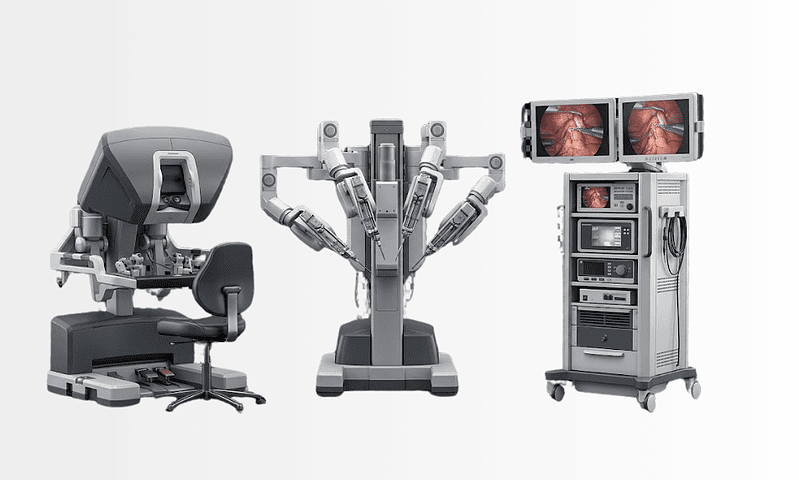
Modern gallbladder surgery depends on high-quality imaging, precision instruments and detailed intraoperative visualisation. Before the operation, ultrasound and advanced abdominal imaging confirm the diagnosis and reveal complications. During the operation, magnified camera views allow the surgeon to work through small incisions while seeing fine anatomical structures clearly. When bile duct anatomy is uncertain, or stones may have migrated beyond the gallbladder, real-time imaging of the ducts helps the team make informed decisions during the procedure itself. In some centres, robotic surgery platforms are also used for selected minimally invasive gallbladder operations, offering the surgeon additional dexterity and visualisation through similarly small incisions.
For you as a patient, this technology matters for practical reasons: a more accurate diagnosis, more precise dissection, and better planning when anatomy is complex or inflamed. It also gives the team options mid-operation, which is exactly when options are most valuable.
Immediately After Surgery
Once the operation ends, you are monitored while the anaesthesia wears off. Many patients drink fluids and walk on the same day. Discomfort at the incision sites is usually manageable with medication, and most people notice that it feels quite different from the gallbladder pain they had before surgery. Temporary nausea, bloating and shoulder discomfort, caused by the gas used during laparoscopy, are common and settle over the first days. How teams plan and adjust pain relief after abdominal operations is explained in our guide to how we control pain after surgery and invasive procedures.
Depending on the case, you may go home the same day or stay overnight. A longer stay is sometimes appropriate for older patients, those treated for acute infection, those recovering from open surgery, or those with associated bile duct or pancreatic complications. Length of stay is a clinical decision, not a target.
Why Acting Early Matters
Gallbladder disease does not always remain stable. A pattern of intermittent pain can progress to more serious problems, sometimes without warning. Attacks may become more frequent or more severe. Inflammation can lead to infection, tissue damage or abscess formation. Stones may migrate into the common bile duct, blocking bile flow and causing jaundice or infection of the ducts. In some cases, gallstones trigger pancreatitis, which can be serious and occasionally dangerous.
There is also a technical reason not to wait indefinitely. Surgery is often simpler before repeated inflammation causes scarring. A severely inflamed or scarred gallbladder makes dissection harder and increases the likelihood that an open procedure will be needed. Treating symptomatic gallbladder disease at the right time can reduce emergency admissions, repeated pain episodes and disruption to work, family life and travel plans.
None of this means every patient should have immediate surgery. The right timing depends on your symptoms, your imaging, your overall health and whether complications are already present. The point is timely specialist evaluation, so the condition can be monitored or treated before preventable problems develop, rather than after them.
Benefits of Gallbladder Surgery
When the operation is recommended for the right reason, the benefits are practical and show up in everyday life rather than only on scan reports.
| Benefit | What It Means for You |
|---|---|
| Relief from recurring gallbladder pain | Many patients no longer experience the repeated upper abdominal attacks that interfere with meals, sleep, work or travel. |
| Lower risk of future complications | Removing the gallbladder reduces the chance of further inflammation, infection, bile duct blockage and some forms of gallstone-related pancreatitis. |
| Minimally invasive approach for many patients | Small incisions usually mean less postoperative discomfort, earlier mobility and a faster return to normal routines than traditional open surgery. |
| Definitive treatment for symptomatic gallstones | Because the gallbladder is removed, the source of stone formation within that organ is eliminated rather than managed temporarily. |
| Improved quality of life | Patients often regain confidence around eating, social activities and daily planning without fear of another painful episode. |
Recovery After Gallbladder Surgery
Recovery varies from person to person, and it differs meaningfully between laparoscopic and open surgery. The timeline below describes the general pattern most patients experience after a typical operation.
| Time Period | What Patients Can Expect |
|---|---|
| Day 1 | Walking, drinking fluids and light eating are often encouraged soon after surgery. Mild to moderate soreness, fatigue, bloating or nausea can occur, especially after laparoscopy. |
| First week | Most patients become more comfortable day by day. Light activity is usually possible, but heavy lifting and strenuous exercise are typically limited. Bowel habits may be temporarily irregular. |
| First month | Many people return to work and usual daily routines within this period, often sooner after laparoscopic surgery, later after open surgery. Incisions continue to heal and energy improves. |
| Longer term | Most patients adapt well to living without a gallbladder. Some notice occasional loose stools or sensitivity to very fatty meals early on; this often settles with time and diet adjustment. |
How long does it take to recover from gallbladder surgery?
After laparoscopic surgery, many people are back to light daily activities within days and to work within one to two weeks, depending on how physical their job is. After open surgery, recovery is slower, often several weeks, because a larger incision needs more time to heal. Fatigue is normal in the early period and improves gradually; it is a sign of the body healing, not of something going wrong. Your surgical team will give you specific guidance on lifting, driving and exercise, because those limits depend on your operation, your incisions and your general condition rather than on a universal calendar.
What to eat after gallbladder surgery?
In the first days after surgery, most patients do best with simple, light meals eaten in small portions. There is no single mandatory diet, but a practical early approach looks like this:
- Start with fluids and light foods, then build up gradually as your appetite returns
- Choose smaller, more frequent meals rather than large ones
- Go easy on very fatty, fried or heavily spiced foods at first, since these are the most likely to cause bloating or loose stools early on
- Include easily digested proteins, cooked vegetables, rice, potatoes and similar plain staples
- Reintroduce richer foods one at a time, so you can tell what your digestion tolerates
Bile still reaches the intestine after gallbladder removal: it simply flows continuously from the liver instead of being stored and released in concentrated bursts. That is why most foods remain perfectly manageable, and why the adjustment period is usually short.
How long after gallbladder surgery can I eat normally?
Most people return to a broadly normal diet within a few weeks of surgery, and many manage ordinary meals much sooner. The sensible approach is gradual: expand your diet as your digestion allows rather than on a fixed date. A minority of patients remain sensitive to very fatty meals for longer, and a few find that certain rich foods reliably cause loose stools. If a specific food bothers you, reduce it and try again later, tolerance often improves over the first months. Persistent digestive problems are worth discussing with your doctor, because they are not always related to the gallbladder at all.
Travelling and Flying After Gallbladder Surgery
If you need to fly in the weeks after an operation, timing matters. Most patients can consider short flights within days to a couple of weeks after uncomplicated laparoscopic surgery, but the right window depends on your operation, your recovery and your surgeon’s assessment. Practical detail on timing, in-flight precautions and what to discuss with your team is covered in our guide to flying after gallbladder surgery.
Life Without a Gallbladder
What happens to your body after a gallbladder is removed?
After a gallbladder is removed, the liver continues to produce bile exactly as before. The difference is storage: instead of being held in the gallbladder and released in concentrated amounts at mealtimes, bile flows steadily from the liver through the bile duct into the small intestine. For most people, digestion adapts to this new pattern within weeks. You do not need lifelong medication because of the operation itself, and you do not lose the ability to digest fat: the process simply becomes less concentrated. Over time, the bile duct system accommodates its new role, and most patients stop thinking about the change at all.
What is the downside of having your gallbladder removed?
The most common downside is a period of digestive adjustment: loose or more frequent stools, bloating, or sensitivity to very fatty meals, particularly in the early weeks. For most people this settles; for a small number, some sensitivity to rich food persists longer and calls for modest dietary adjustment. As with any abdominal operation, gallbladder removal also carries surgical risks, bleeding, infection, injury to the bile ducts or nearby structures, and anaesthesia-related risks, which is precisely why the operation is reserved for patients whose gallbladder is genuinely causing problems, and why careful surgical technique around the bile ducts matters so much. A separate, honest caveat: if your symptoms were never actually caused by the gallbladder, removing it will not resolve them. That is why the diagnostic work described earlier is not a formality.
What Influences a Good Outcome
Gallbladder surgery is common and generally effective when the diagnosis is correct and the timing is appropriate. Still, outcomes are shaped by several identifiable factors, and it is worth understanding them before you decide.
The underlying condition matters most. A patient having an elective laparoscopic operation for recurrent biliary colic usually has a very different course from someone undergoing urgent surgery for severe acute cholecystitis, pancreatitis or bile duct infection. The same operation can sit at very different points on the spectrum of complexity.
Timing of treatment is next. Early evaluation can allow surgery before repeated inflammation creates scarring and distorted anatomy. When bile duct stones are present, outcomes improve with coordinated planning between surgeons, gastroenterologists, radiologists, anaesthesiologists and the postoperative care team, so that duct treatment and gallbladder removal fit together rather than happening in isolation.
Surgical expertise and careful technique are central to safety. The operation takes place near important bile ducts, blood vessels, the liver and the intestine. Unambiguous identification of anatomy, readiness to use intraoperative imaging when the picture is unclear, and willingness to convert to open surgery when visibility is limited are all marks of sound surgical judgement, and they protect you more reliably than speed does.
Patient health factors also shape recovery. Obesity, diabetes, liver disease, heart or lung conditions, previous abdominal surgery and active infection can all affect operative planning and healing. None of these rules out surgery, but each deserves attention in the preoperative plan.
Finally, expectations should be realistic. The operation is very effective for symptoms caused by the gallbladder itself. But not every digestive complaint is due to gallstones, and patients with atypical symptoms benefit from a broader diagnostic review before surgery, to make sure another gastrointestinal condition is not being overlooked. The best outcomes begin with the right diagnosis, not simply with the operation.
How Gallbladder Care Is Organised at Acibadem
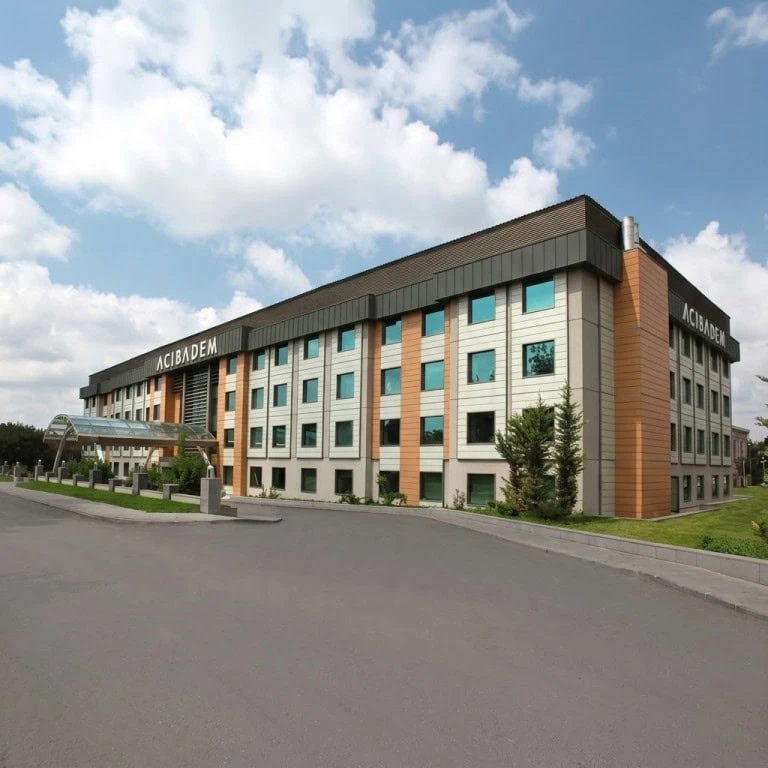
Gallbladder symptoms may seem routine at first, but the condition can quickly involve several specialties when there is jaundice, pancreatitis, infection or uncertainty about the bile ducts. In that setting, coordination matters as much as technical skill. At Acibadem, diagnosis, surgery, imaging, anaesthesia and postoperative care are organised as a connected pathway rather than separate appointments, which is particularly relevant for gallbladder disease: treatment decisions may hinge on ultrasound findings, laboratory changes, the need for advanced imaging, or the possibility of an endoscopic bile duct procedure before or after the operation.
More complex presentations, bile duct stones, gallstone pancreatitis, acute infection in medically vulnerable patients, are assessed in a multidisciplinary way, with general surgeons, gastroenterologists, radiologists, anaesthesiologists and intensive care specialists collaborating on the plan. For the patient, that means the plan can adapt quickly if the diagnosis evolves or an additional procedure becomes necessary, rather than starting from scratch with a new team.
The approach is deliberately conservative where it should be. Not every patient with gallstones needs surgery, and not every patient with abdominal pain benefits from gallbladder removal. Careful diagnostic work identifies who is most likely to benefit from an operation, when it should be scheduled, and whether the minimally invasive route is appropriate. Some patients need a straightforward elective laparoscopic operation; others need broader evaluation because symptoms are atypical, imaging is unclear or a bile duct stone is known to be present. Older adults and patients with complex medical histories receive a more tailored perioperative plan.
Questions Worth Discussing Before Surgery
If you have been told you may need gallbladder surgery, or you are living with repeated upper abdominal pain, nausea or gallstone complications, the most useful preparation is a clear conversation with your treating team. Questions that tend to produce genuinely useful answers include:
- Do I need surgery now, or is it reasonable to wait and monitor?
- Is laparoscopic surgery likely in my case, and what could change that during the operation?
- Could there be a stone in the bile duct, and how would that be checked and treated?
- How long is the operation likely to take for someone with my findings?
- How long should I expect to stay in hospital, and how long should I remain nearby afterwards?
- What should my first weeks of eating and activity look like, given my operation and my health?
In many cases, treatment is straightforward and the return to normal life is relatively quick, especially when the condition is addressed before complications develop. In others, a more detailed assessment is needed to establish whether the symptoms truly arise from the gallbladder and whether any bile duct treatment should be planned alongside the operation. Either way, understanding your own diagnosis, what the imaging shows, why surgery is or is not recommended, and what the realistic recovery path looks like, is the foundation of a good decision.
Preparation
- Before gallbladder surgery, patients usually have a surgical consultation, blood tests, and imaging such as ultrasonography to confirm the diagnosis. You may need to stop eating and drinking for several hours before the procedure and review current medications with your doctor. Smoking cessation and managing chronic conditions can help support safer surgery and recovery.
Aftercare
- After surgery, walking early, drinking fluids, and gradually returning to light meals are usually recommended. Mild abdominal discomfort, bloating, or shoulder pain can occur temporarily, especially after laparoscopic surgery. Follow wound care instructions, avoid heavy lifting for a period advised by your surgeon, and attend follow-up visits.
Frequently Asked Questions
What is gallbladder surgery and when is it needed?
Gallbladder surgery, also called cholecystectomy, is the removal of the gallbladder, usually because of gallstones, inflammation, infection, or blocked bile flow. It may be recommended if you have repeated pain after meals, nausea, bloating, fever, or complications such as pancreatitis. Some people also need surgery for gallbladder polyps or abnormal imaging findings. At Acibadem, general surgery and diagnostic teams evaluate your symptoms and scans to decide whether surgery is the most suitable treatment.
How do I know if I need gallbladder removal or another treatment?
Not every gallbladder problem needs immediate surgery. Doctors look at your symptoms, ultrasound or other imaging results, blood tests, and your overall health before recommending treatment. If you have frequent attacks, infection, severe pain, or complications from gallstones, surgery is often the most effective option. If symptoms are mild or the diagnosis is unclear, further testing may be advised. Acibadem specialists provide a personalized assessment to confirm the cause of your symptoms and explain the best next steps.
Is laparoscopic gallbladder surgery better than open surgery?
Laparoscopic gallbladder surgery is the most common approach because it uses small incisions, usually causes less pain, and often allows a faster recovery than open surgery. However, open surgery may be safer in some situations, such as severe inflammation, scar tissue from previous operations, or unexpected findings during the procedure. The right method depends on your anatomy, medical history, and imaging results. At Acibadem, surgeons choose the safest and most effective approach based on your individual condition.
How should I prepare for gallbladder surgery in Turkey?
Preparation usually includes a surgical consultation, imaging such as ultrasound, blood tests, and an anesthesia evaluation. You may be asked to stop eating and drinking for a certain period before surgery and to pause some medications, especially blood thinners, only under medical guidance. If you are traveling internationally, it helps to share your previous medical reports in advance. Acibadem teams can coordinate diagnostics and preoperative planning so your treatment journey in Turkey is organized and clear.
How long does gallbladder surgery take and how many days do I stay in hospital?
Gallbladder surgery is commonly completed within one to two hours, although the exact time depends on the surgical approach and how inflamed the gallbladder is. Many patients having laparoscopic surgery stay one night in hospital, while some may go home the same day if appropriate. More complex cases or open surgery may require a longer stay. Your surgeon will explain what to expect after reviewing your tests. Acibadem specialists tailor the plan to your health needs and travel schedule.
Is gallbladder surgery painful and what is the recovery like?
Most patients experience some discomfort after surgery, but pain is usually manageable with medication and tends to improve over several days. After laparoscopic surgery, many people walk the same day and return to light activities within about one to two weeks. Recovery after open surgery is generally longer. You may also notice temporary bloating, tiredness, or shoulder discomfort from surgical gas. Acibadem teams guide you on wound care, activity, diet, and warning signs during your recovery.
What can I eat after gallbladder removal surgery?
After gallbladder surgery, doctors usually recommend starting with light, low-fat meals and increasing your diet gradually as your digestion settles. In the first days, foods such as soup, rice, toast, yogurt, and lean protein are often easier to tolerate. Some people have temporary loose stools or bloating, especially after fatty meals. Most patients can return to a more normal diet over time. Acibadem specialists can provide personalized dietary advice based on your symptoms and digestive response.
Are there risks or complications with gallbladder surgery?
Gallbladder surgery is commonly performed and is generally safe, but like any operation it carries possible risks. These can include bleeding, infection, blood clots, bile leakage, injury to nearby structures such as the bile duct or intestine, and reactions to anesthesia. In some cases, a laparoscopic procedure may need to be changed to open surgery for safety. Your surgeon will discuss the risks in relation to your health, imaging findings, and previous operations before treatment.
Can I live normally without a gallbladder?
Yes, most people live normally without a gallbladder. The liver still produces bile, but instead of being stored in the gallbladder, bile flows more directly into the intestine. Many patients have no long-term dietary restrictions, although some notice temporary sensitivity to greasy or heavy meals after surgery. These changes usually improve with time. If you already have digestive issues, your doctor may suggest a tailored eating plan. Acibadem specialists can advise you based on your overall digestive health.
Why do international patients choose Acibadem in Turkey for gallbladder surgery?
International patients often look for experienced general surgeons, reliable diagnostics, modern hospital facilities, and coordinated care in one place. Acibadem offers evaluation, imaging, anesthesia assessment, surgery, and postoperative follow-up through multidisciplinary teams. This can be especially helpful if you are traveling and want a clear treatment pathway. Support for international patients may also make planning easier before arrival and during recovery. Your care plan is based on a personalized assessment, so recommendations match your symptoms and medical history.
What affects the cost of gallbladder surgery?
The final cost depends on the surgical approach, the severity of the gallbladder condition, required scans and laboratory tests, anaesthesia, surgeon and hospital fees, length of stay, medicines, pathology and any additional procedures. Travel-related services can also affect an international patient’s overall budget.
How can I receive a personalised quote?
A personalised estimate is usually prepared after a free consultation and review of your medical history, symptoms, imaging reports and current test results. The care team can explain what is included and identify whether further assessment is needed before surgery.
Does a gallbladder surgery package include tests and follow-up?
Package inclusions vary by hospital and clinical needs. A written quotation should clarify whether it includes consultations, standard pre-operative tests, surgery, anaesthesia, hospital services, medications, pathology, transfers, accommodation support and follow-up arrangements.
Can an operation become open surgery instead of laparoscopic surgery?
Yes. Although laparoscopic surgery is commonly planned, a surgeon may recommend or convert to open surgery if this is considered safer because of severe inflammation, scar tissue, bleeding, unclear anatomy or other unexpected findings.
What information should I send before travelling for gallbladder surgery?
Useful information includes recent ultrasound or other imaging reports, blood test results, a summary of symptoms and previous treatment, current medicines, allergies, medical conditions and any prior abdominal surgery. The specialist may request further evaluation after review.
Medically reviewed by the Acıbadem International Medical Board September 13, 2026
See our medical review board →
Update history
- PublishedAugust 10, 2026
- Medical review approvedSeptember 13, 2026
- Last content updateSeptember 12, 2026
Trusted care for international patients
Compare options, costs and recovery
From the Acibadem Blog

Why Might Pain Continue After Gallbladder Removal? Retained Stones and What Comes Next
Pain that persists or returns months after gallbladder removal is usually not caused by the surgery itself. Common explanations include a stone left behind…
How Is a Laparoscopic Cholecystectomy (Keyhole Gallbladder Surgery) Performed?
A laparoscopic cholecystectomy removes the gallbladder through three or four small cuts in the abdomen instead of one long incision. Under general anesthesia, the…

Gallbladder Surgery Recovery Milestones: Walking, Light Meals, Driving and Going Back to Work
After keyhole (laparoscopic) gallbladder removal, most people walk within hours, eat light meals the same or next day, drive after about a week once…