

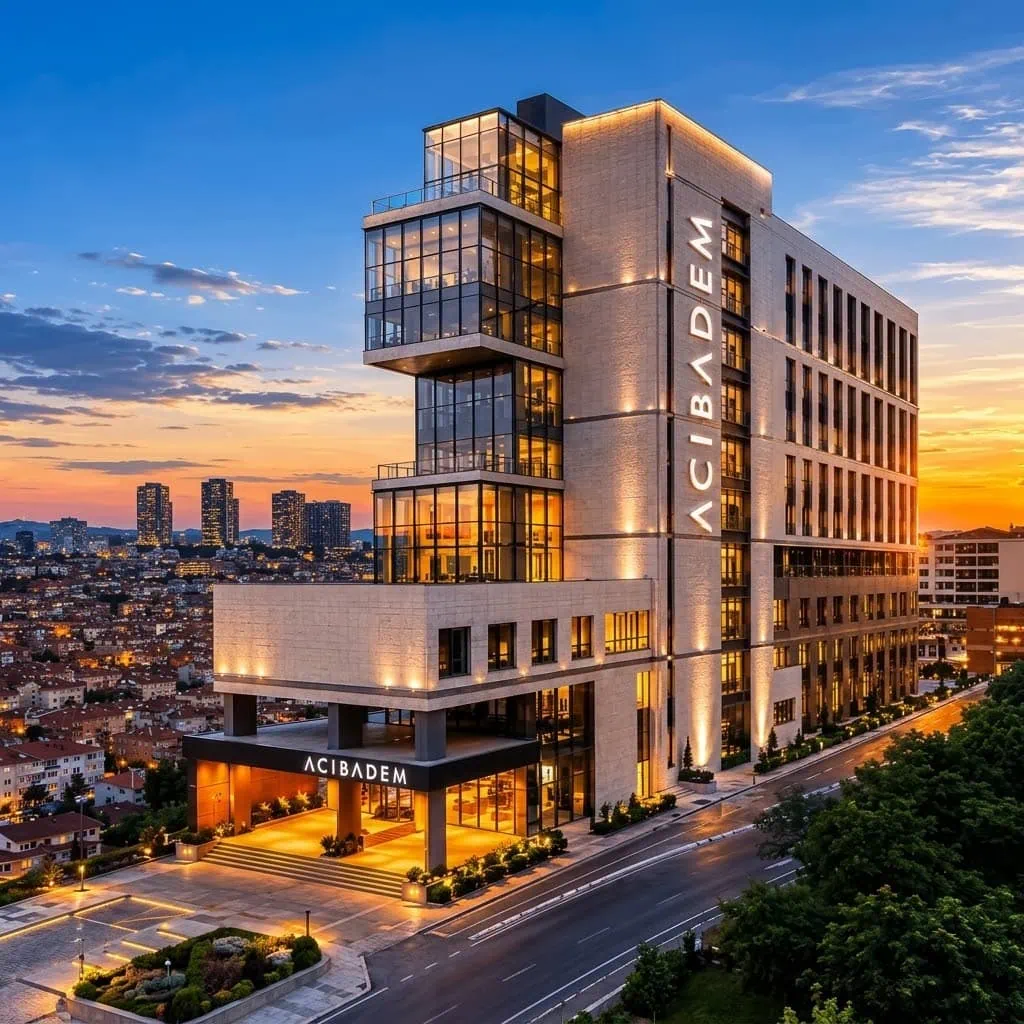
Acibadem Taksim Hospital
Acibadem Taksim Hospital in Istanbul offers multidisciplinary diagnostic and treatment services for local and international patients.
Get directions →
Acibadem Taksim Hospital at a Glance
Acibadem Taksim Hospital is the group's hospital in the heart of the city: opened in October 2015 as Acıbadem's 18th hospital, a compact full-service campus of 24,000 m² with 93 beds, 7 operating theatres and 17 intensive-care beds, minutes from Taksim Square, İstiklal Avenue and the hotel districts where Istanbul's visitors actually stay. Its role in the group is honest and specific: the accessible city-centre hospital, round-the-clock emergency care, full diagnostics, surgery and inpatient…
The Hospital in Numbers
Rooms & Suites
Choose a room type to see it, every room shares the same clinical infrastructure; suites add space and comfort for companions.
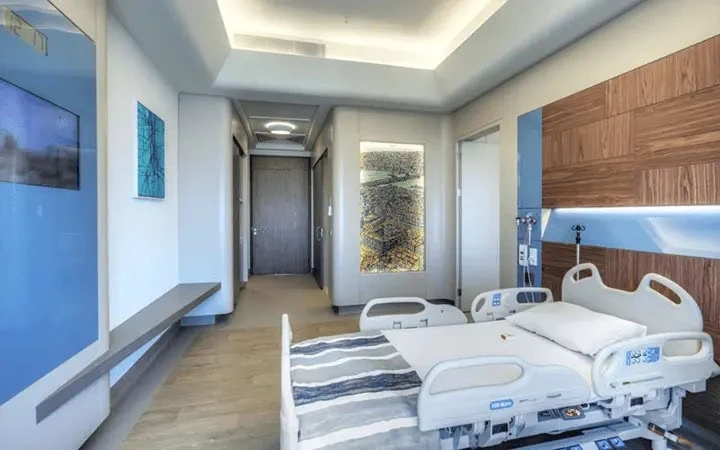 Standard Room
In-Room Features
- Electronic patient-controlled bed
- Spacious bathroom with seat
- Individually adjustable climate control
- Digital assistant service
- Integrated nurse call system
- Personal safe
- Minibar
- Sofa bed for companion
Accessible RoomIn-Room Features
- Electronic patient-controlled bed
- Spacious bathroom with seat
- Individually adjustable climate control
- Digital assistant service
- Integrated nurse call system
- Personal safe
- Minibar
- Sofa bed for companion
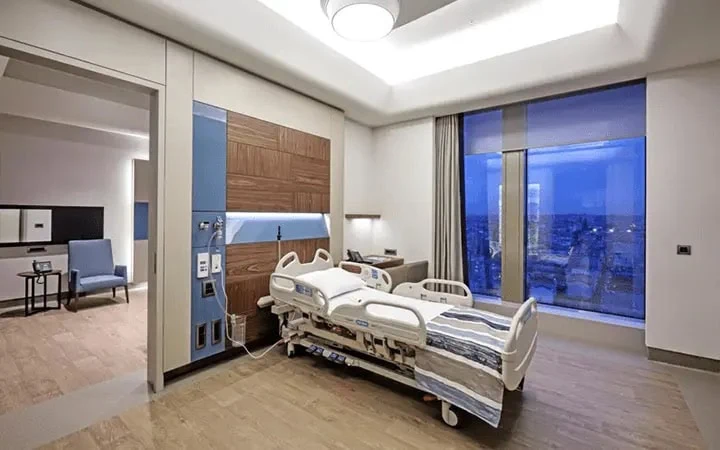 Suite
SuiteIn-Room Features
- Electronic patient-controlled bed
- Spacious bathroom with seat
- Individually adjustable climate control
- Digital assistant service
- Integrated nurse call system
- Personal safe
- Minibar
- Kitchenette
- Sofa bed for companion
- Companion dining and rest area
- Companion bathroom
Facility Highlights
10-bed general intensive care unit with 2 isolation beds, and a 7-bed neonatal intensive care unit with 1 isolation bed.
Birth, prenatal care, postnatal follow-up and counselling; positioned as a “Mother-Friendly Hospital” candidate under Ministry of Health rules.
Separate ambulance and walk-in entrances; resuscitation, surgical and orthopedic intervention rooms and an observation area.
Talimhane location in Taksim, reachable by car, metro and bus; surgical fields from plastic surgery to urology across 7 theatres.
Amenities & Visiting Guide
- Parking
- Cafeteria
- Prayer room
- Hairdresser
- ATM
Acibadem Taksim Hospital, in depth
Acibadem Taksim Hospital is the group’s hospital in the heart of the city: opened in October 2015 as Acıbadem’s 18th hospital, a compact full-service campus of 24,000 m² with 93 beds, 7 operating theatres and 17 intensive-care beds, minutes from Taksim Square, İstiklal Avenue and the hotel districts where Istanbul’s visitors actually stay. Its role in the group is honest and specific: the accessible city-centre hospital, round-the-clock emergency care, full diagnostics, surgery and inpatient medicine at group standard, plus a neurosurgical lead the unit guides name, serving residents of the central districts and the millions who visit them. This guide covers what that means in practice, with the live numbers, rooms and visiting rules in their own dedicated sections of this page.
What this building is organised around
Taksim’s design brief was location: bring Acıbadem’s systems, the laboratories, imaging, surgical standards and records, to the city’s densest square kilometres, where residents, offices and visitors concentrate and where “the hospital is far” should never be the reason care waits. The result is a compact hospital that does the whole of everyday medicine well: an emergency service that works at city-centre pace, operating theatres for general and specialist surgery, intensive care sized for the building, and outpatient clinics across the core specialties. It does not pretend to be a flagship campus: the group’s heavy installations live elsewhere, and this page routes to them honestly, but for the thing it was built to be, the city centre’s hospital, it is exactly that.
Quality and safety: the honest frame
Acibadem Taksim Hospital runs on the Acıbadem group’s single quality system: the surgical checklists, medication-safety routines, infection control and credentialing audited across the group, with diagnostics through the group’s ISO-accredited laboratory network. Five Acıbadem hospitals in Türkiye hold JCI accreditation (Maslak, Altunizade, Atakent, Kent and Adana); Taksim runs on the same protocols those audits examine, and this page says that plainly rather than borrowing a badge. In practice: the same tumour-board method for cancer questions, the same records systems, and the same international patient standards as the flagships, in a smaller, closer building.
The city-centre role: emergency and access
For central Istanbul, Beyoğlu, the hotel districts, the offices and the neighbourhoods around them, Taksim’s emergency service is the campus’s core promise: around the clock, at group standard, with theatres and intensive care in the same building rather than an ambulance ride away. For visitors, this is the hospital your hotel can reach in minutes when the night goes wrong: an injury, a chest pain, a child’s fever, assessed properly, treated or stabilised, and, when a case needs a flagship installation, transferred within the group with your file travelling along. No booking, no records-first process, no planning applies to an emergency; this section exists so that one honest sentence is findable in advance: the hospital is there, it is close, and it works at night.
Neurosurgery: the campus’s named lead
The neurosurgery unit’s Taksim professor is among the eight physicians that unit’s guide fronts, brain and spine surgery at group standard, on this campus, with the guide’s honesty applying in full: scans reviewed before surgery is proposed, radiosurgery weighed openly where it is a genuine alternative (the Gamma Knife lives at Altunizade, and candidacy is usually decidable from your MRI), and the operations this building’s theatres and intensive care genuinely support performed here, with the rare case needing flagship-scale infrastructure routed there and said so.
Everyday specialist medicine, city-centre close
The outpatient floors carry the specialties daily life actually consults: internal medicine for the whole-picture questions the internal medicine guide describes, cardiology checks, clinical nutritionwhose unit guide lists a Taksim-based lead, general surgery for the hernia-gallbladder-thyroid range, gynaecology, urology, ENT, orthopedics, dermatology and paediatrics for the neighbourhood’s families. The group’s referral honesty applies upward: when a finding needs a tumour board, a flagship installation or a subspecialist who practises elsewhere, the file moves inside the group with the coordinators arranging the step, which is precisely the advantage of a small hospital that belongs to a large system.
Technology, honestly framed
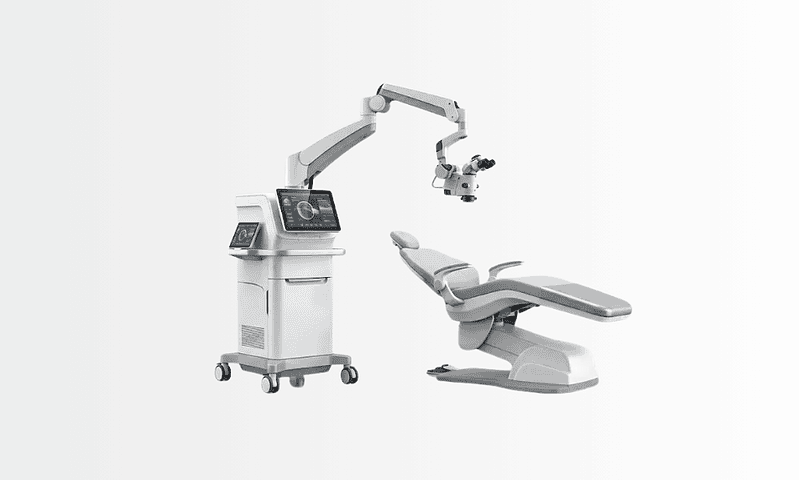
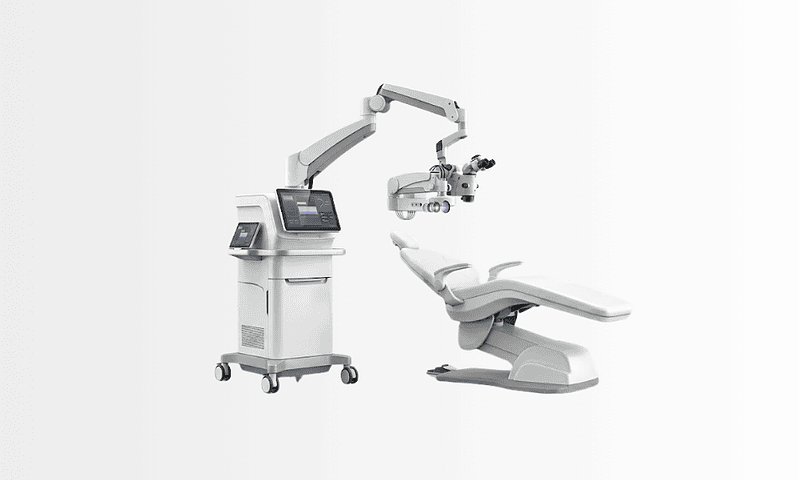
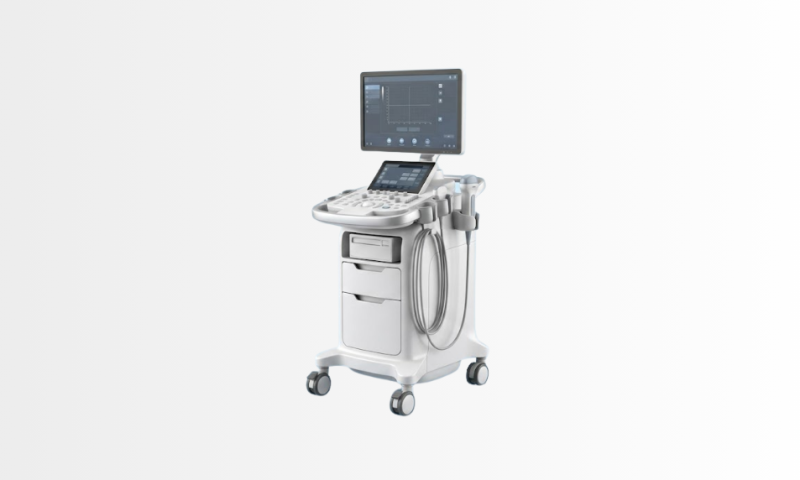
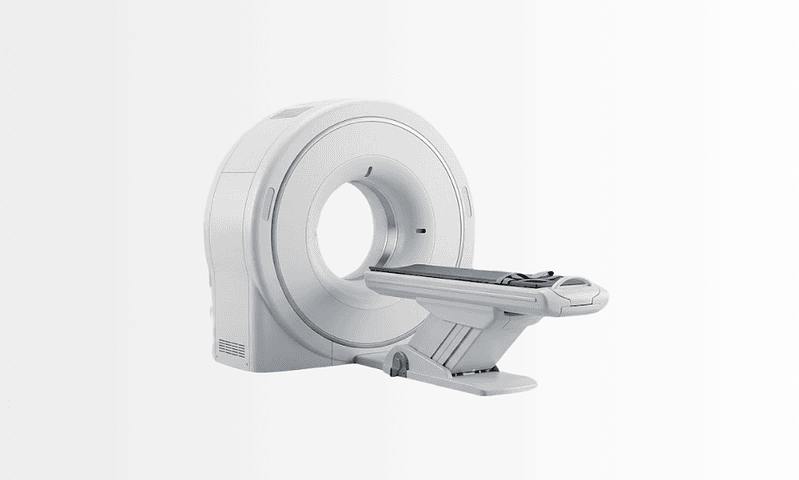
Taksim’s installation matches its role: modern imaging and diagnostics, seven theatres, intensive care sized to the building, and the group’s laboratory network behind every sample. The platform’s standing rule needs stating only in one direction here: when your plan genuinely needs a heavy machine: the MR-Linac at Maslak, Gamma Knife or Tomotherapy at Altunizade, PET staging at the flagship cancer floors: the coordinators route you there and say why. A hospital that is honest about what it does not house is exactly as trustworthy as one that lists what it does.
International patients at a city-centre hospital
Taksim’s international patients divide into two honest kinds. The first is unplanned: visitors whose Istanbul trip meets an illness or injury, for them the emergency section above is the whole story, plus this: interpreter support works at this campus too (English, Arabic, Russian, German and French routinely), your travel insurer’s paperwork is handled by the international office, and discharge notes are written for the doctor you will see back home. The second kind is planned but city-anchored: people staying centrally, long-stay visitors, business travellers, residents of the central districts, who want consultations, diagnostics, day procedures or surgery within minutes of where they live. For them the group’s records-first process applies exactly as at the flagships: records reviewed, a written plan and estimate, coordinated scheduling, with the honest routing note that complex programmes (a radiotherapy course, a transplant work-up, congenital heart surgery) belong at the campuses built for them, and this page will not pretend otherwise.
Getting here: the point of the place
Location is this hospital’s identity: minutes from Taksim Square and the hotel belt, reachable on foot from much of Beyoğlu, connected by metro and the funicular network to both sides of the city, with both airports linked by direct transfer routes the international office arranges as standard. For anyone staying centrally, “getting here” is a short taxi or a walk, which, at three in the morning with a sick child, is the entire argument for a city-centre hospital.
How to decide whether Taksim is your hospital
Choose Taksim when closeness is the deciding factor: you are staying or living centrally and need emergency care, everyday specialist medicine, diagnostics, a day procedure or surgery this building genuinely supports, including brain and spine surgery under its named professor. Choose a flagship when your case is a programme rather than an episode: the cancer floors, radiosurgery, metabolic surgery, congenital hearts and genetics live at Maslak, Altunizade, Ataşehir and Atakent, and the coordinators route you honestly, file included. Between those two truths there is no small print, and that, for a city-centre hospital, is the right shape of honesty.
Frequently asked questions
Is there a 24-hour emergency service at Acibadem Taksim Hospital?
Yes, around the clock, at group standard, with operating theatres and intensive care in the same building; for central Istanbul and its visitors, this is the campus’s core role.
Can tourists use the hospital?
Yes, unplanned visitor care is half of what this hospital exists for: emergency assessment and treatment, interpreter support, travel-insurer paperwork handled, and discharge notes written for your doctor at home.
Which languages are supported?
English, Arabic, Russian, German and French routinely, with other languages arranged, in the emergency service as well as the clinics.
Where exactly is the hospital?
Minutes from Taksim Square and the central hotel districts, walkable from much of Beyoğlu, with the full address, map link and phone in the identity card at the top of this page.
How big is the hospital?
24,000 m² with 93 beds, 7 operating theatres and 17 intensive-care beds: a compact full-service hospital, opened in October 2015 as the group’s 18th.
Is Taksim JCI-accredited?
Honestly: the JCI-accredited Acıbadem hospitals in Türkiye are Maslak, Altunizade, Atakent, Kent and Adana; Taksim runs on the same group-wide audited protocols, with ISO-accredited laboratories behind its diagnostics.
What surgery is performed here?
General and specialist surgery the building’s theatres and intensive care genuinely support, including brain and spine surgery under the neurosurgery unit’s Taksim professor, with flagship-scale cases routed within the group and said so.
Does a named neurosurgeon really practise here?
Yes: the neurosurgery guide fronts eight physicians and labels one at Taksim; his brain and spine work runs on this campus with the guide’s scan-first honesty.
Can I have a health check-up here while visiting Istanbul?
Yes, consultations and diagnostics suit this campus well for anyone staying centrally, and the check-up unit’s guide explains what a meaningful package contains versus a menu of tests.
Can cancer be treated at Taksim?
Cancer questions can start here, assessment, biopsies, imaging, and treatment is then planned through the group’s tumour-board method at the flagship cancer floors, with your file travelling and the routing explained; this page does not pretend the heavy installations are in this building.
What happens if my case needs a machine Taksim does not house?
The coordinators route you within the group: MR-Linac at Maslak, Gamma Knife and Tomotherapy at Altunizade, PET staging at the flagships, with transport coordinated and the reason stated.
Do I need an appointment for the emergency service?
No, emergencies are walk-in by definition; the records-first process on this page applies to planned care only.
How does the records-first process work for planned care?
As everywhere in the group: reports and imaging reviewed remotely, a written plan and cost estimate, and scheduling coordinated so the visit is as short as the medicine allows.
Can my travel insurance be used here?
The international office handles travel-insurer and guarantee-letter paperwork routinely, bring your policy details, and for planned care confirm coverage in writing before treatment.
How does payment work?
For planned care, a written estimate precedes treatment and payment arrangements are settled in advance; for emergency care, treatment comes first and the paperwork is sorted with you or your insurer after stabilisation.
Can my companion stay with me?
Rooms accommodate companions and the visiting rules on this page state current arrangements; intensive care has its own explained protocol.
Which airport should I use?
Both connect to the city centre directly: Istanbul Airport by the main routes, Sabiha Gökçen across the Marmaray/metro links, and transfers are arranged by the international office for planned visits.
Is parking or drop-off practical in the city centre?
Yes: the hospital operates its own drop-off and parking arrangements, and for most central stays a taxi is the simpler answer; the map link in the identity card gives the exact approach.
Can children be seen here?
Yes, paediatric clinics for the neighbourhood’s families and children’s emergencies at any hour; complex paediatric programmes are routed to the group’s children’s-medicine campuses honestly.
Can I get laboratory tests and imaging done quickly?
Yes: that is a city-centre hospital’s daily bread: same-visit diagnostics through the group’s ISO-accredited laboratory network and on-site imaging, with results readable by any Acıbadem campus.
Do you repeat tests I already had?
Only for a stated reason, existing studies are integrated wherever usable, exactly as across the group.
Can I get a second opinion here?
Yes, including written records-based opinions without a visit; and where the question belongs to a flagship subspecialist, the coordinators place it there and say so.
Will my doctor at home receive a handover?
Always, discharge notes and planned-care summaries are written for the clinician continuing your care, with your imaging and laboratory data included.
What should I bring to a planned visit?
Reports and scans in any language, a complete medication list including supplements, and your written questions: the same records-first rule as everywhere in the group.
Is dental or aesthetic treatment done at this campus?
The group’s dedicated units and guides cover those fields; where a service lives at another campus or clinic, this page’s routing honesty applies, ask the coordinators and you will be pointed right.
How fast is scheduling for planned care?
Coordinator-managed and quick by the standards of central Istanbul: the honest variable, as everywhere, is whether your records arrive before you do.
Is the hospital open during holidays?
The emergency service never closes; clinic schedules around public holidays are confirmed by the coordinators when your visit is planned.
What if I am admitted and my hotel booking runs out?
The international office helps companions rearrange accommodation nearby, one advantage of a hospital surrounded by the city’s densest hotel stock.
Does an emergency visit create records I can use later?
Yes: your file lives in the group’s system, readable at every Acıbadem campus, and discharge notes are written so your home doctor can continue care seamlessly.
Why choose Taksim over other hospitals in Istanbul?
For the thing it can evidence better than anyone: location, group-standard emergency and everyday medicine minutes from where central Istanbul lives and stays, a named neurosurgical lead, and honest routing into the flagships whenever your case outgrows the building.
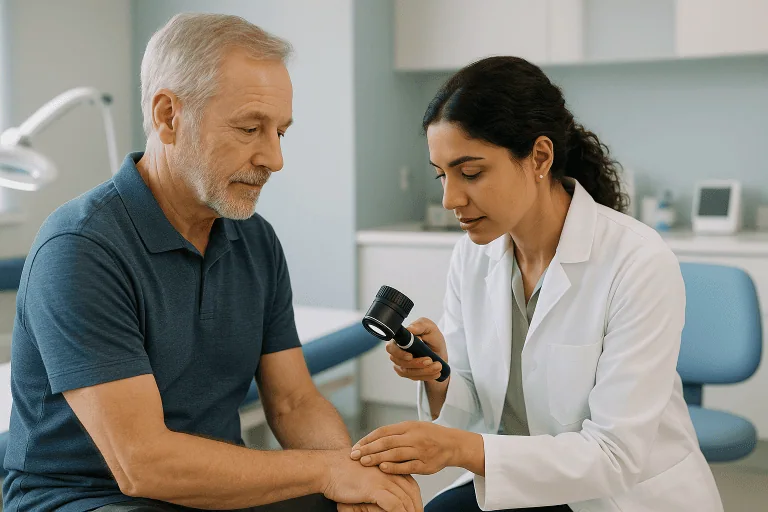
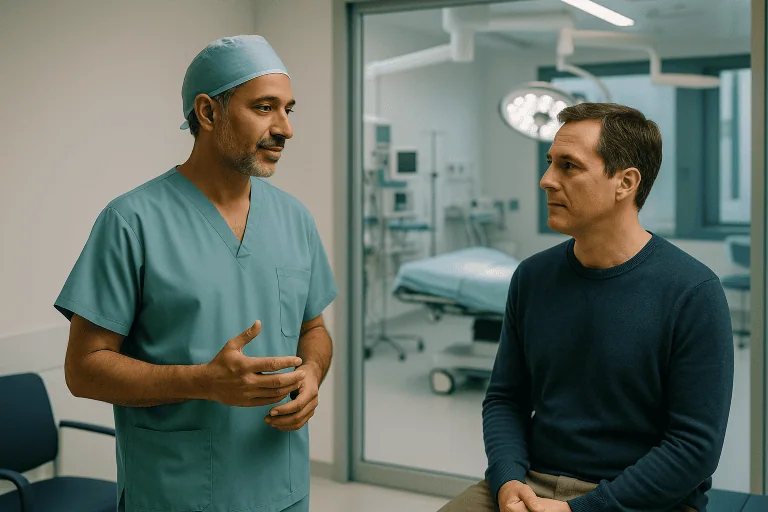
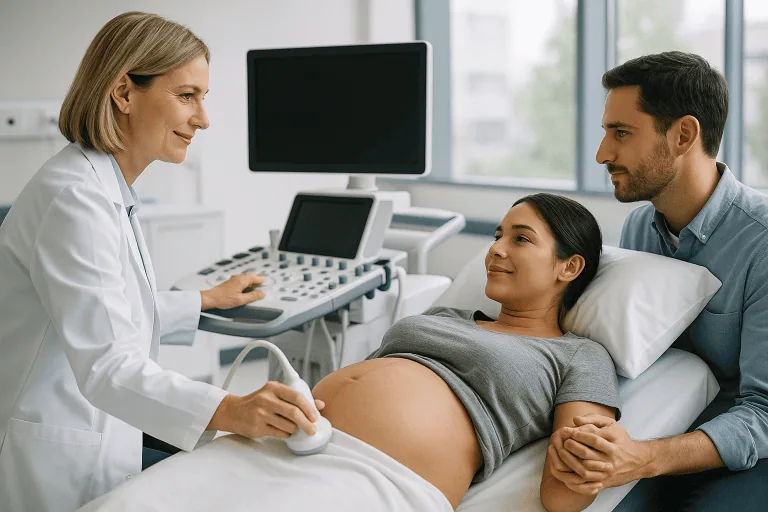
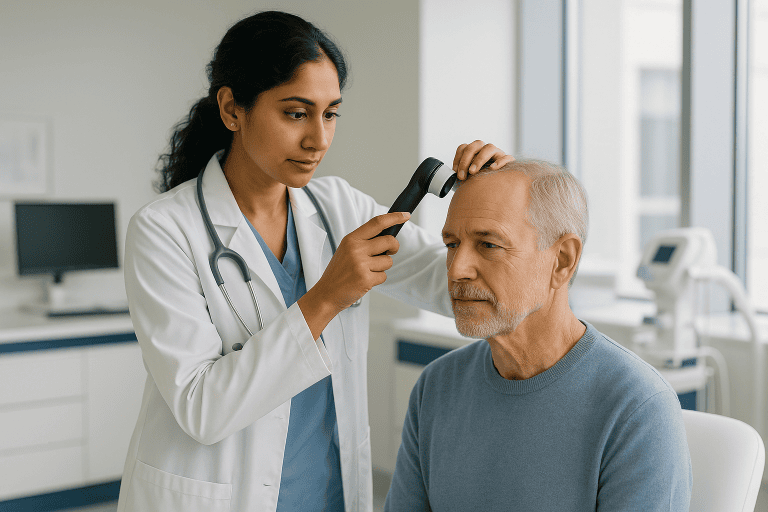
Medical Units at This Hospital
Every department that sees patients here, each one opens its own page with the team, technologies and treatments.

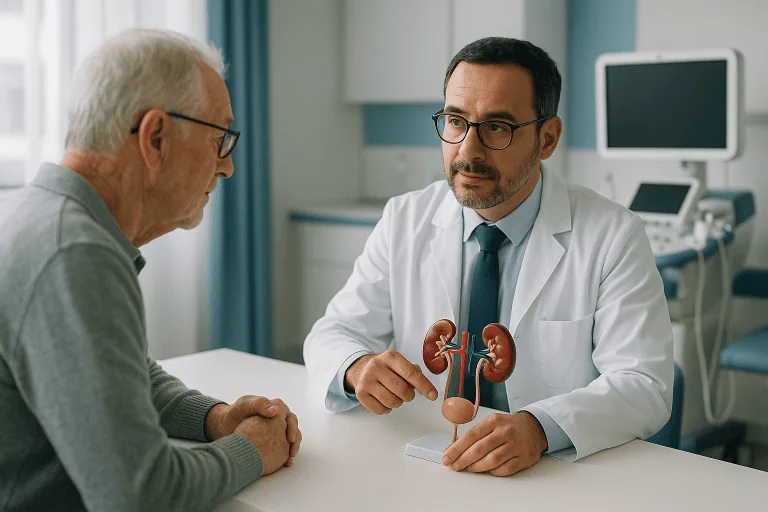
Doctors at This Hospital, Field by Field
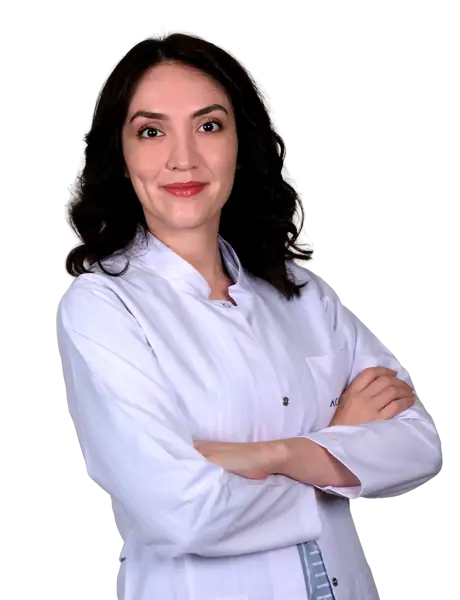
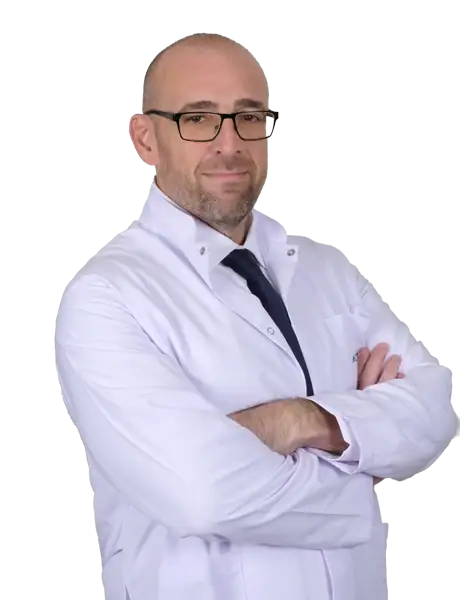
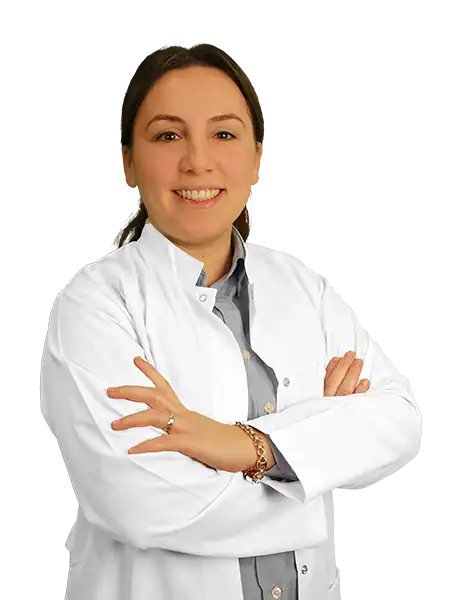
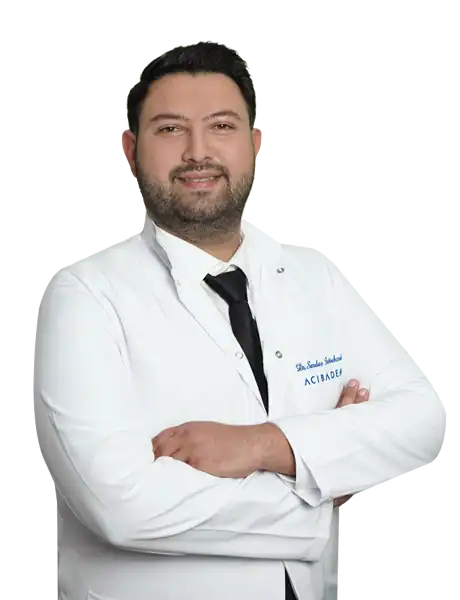
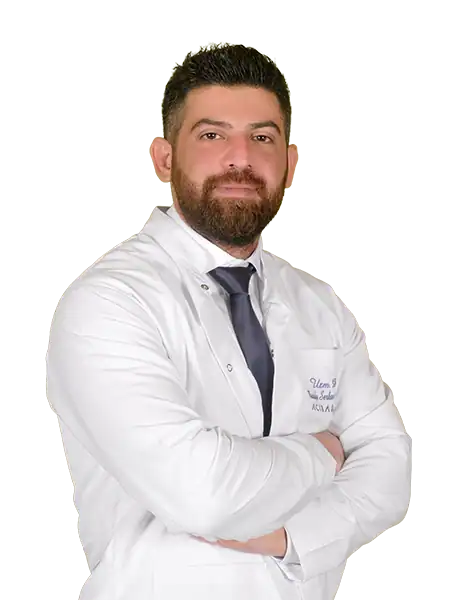
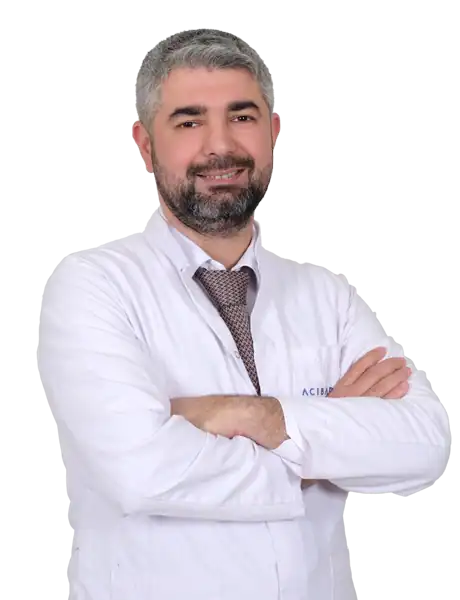
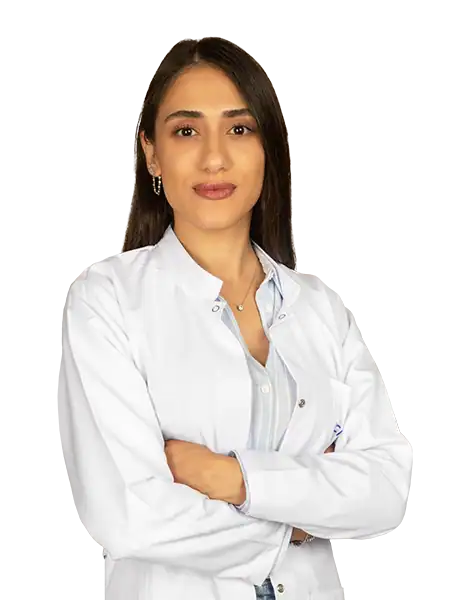
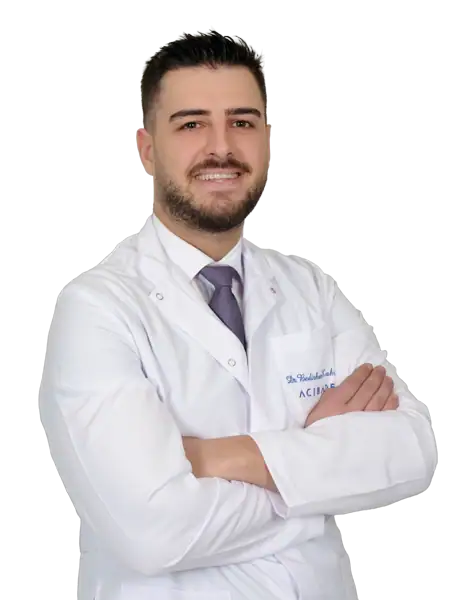
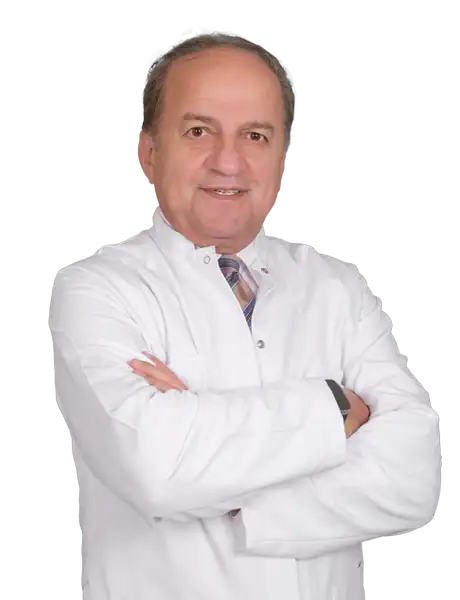
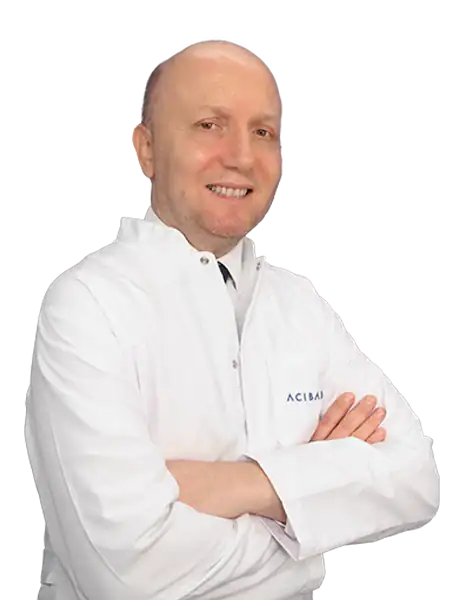
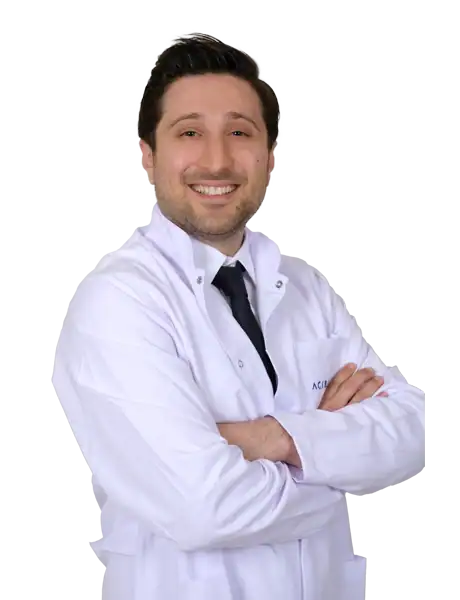
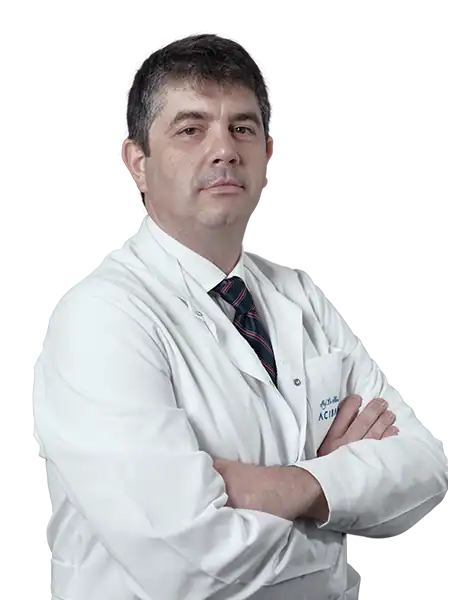
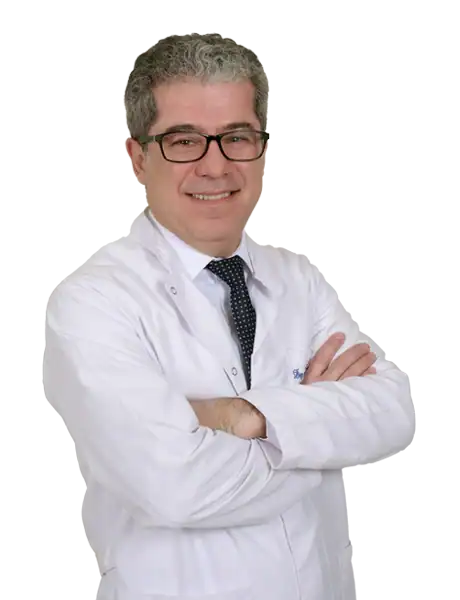
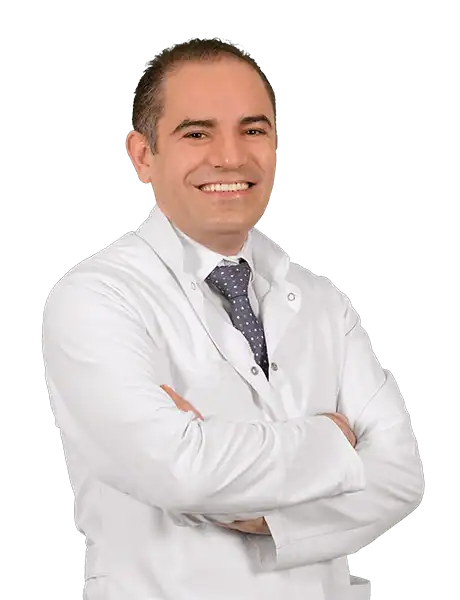
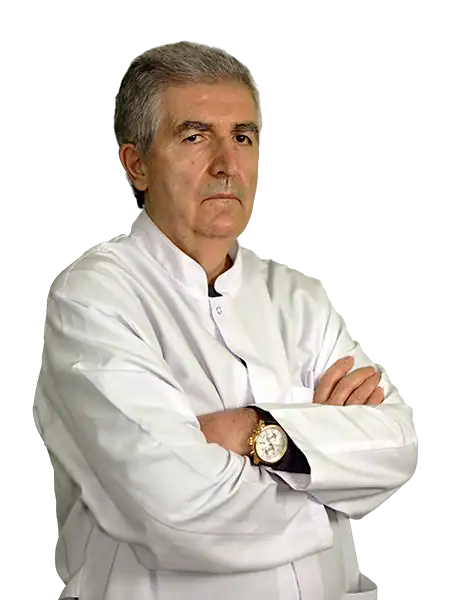
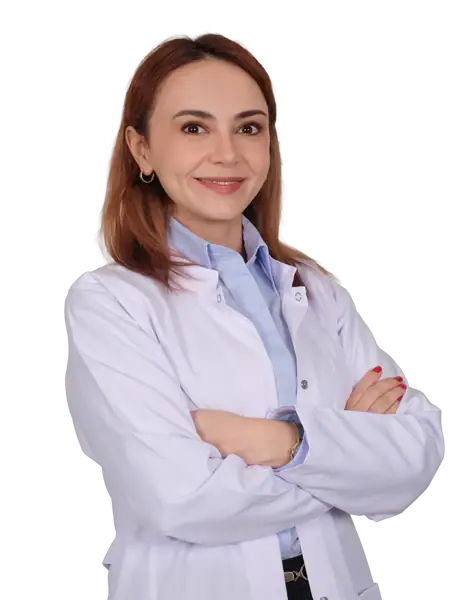
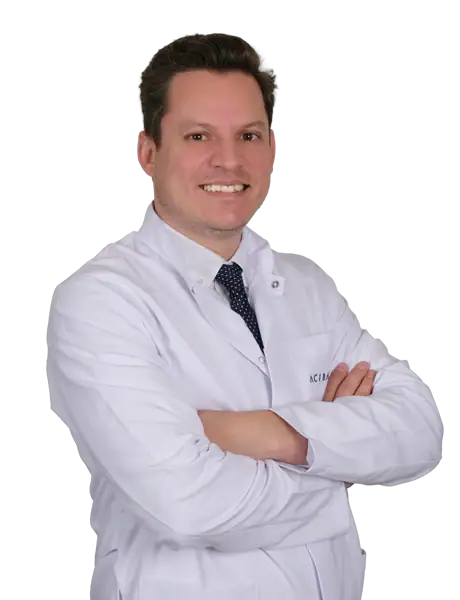
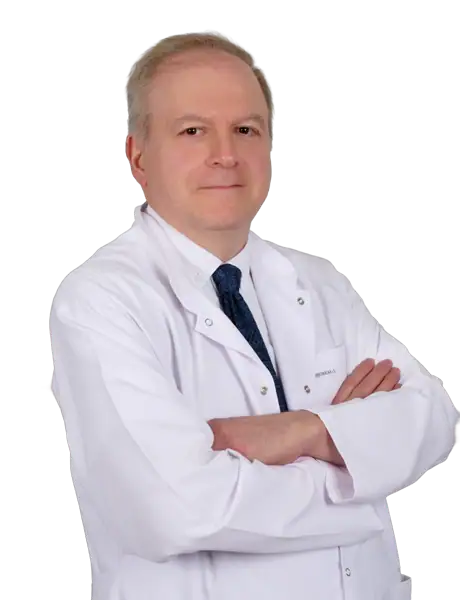
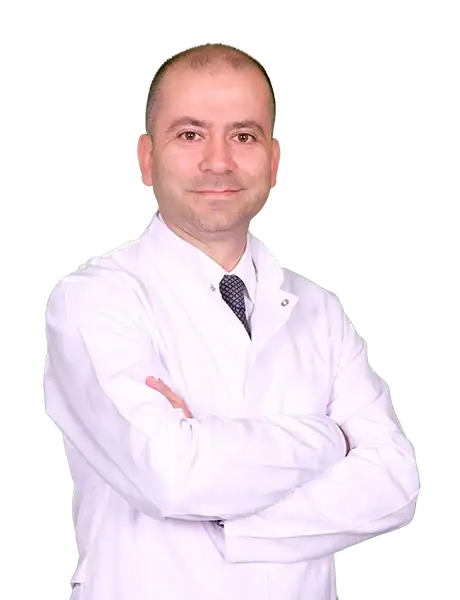
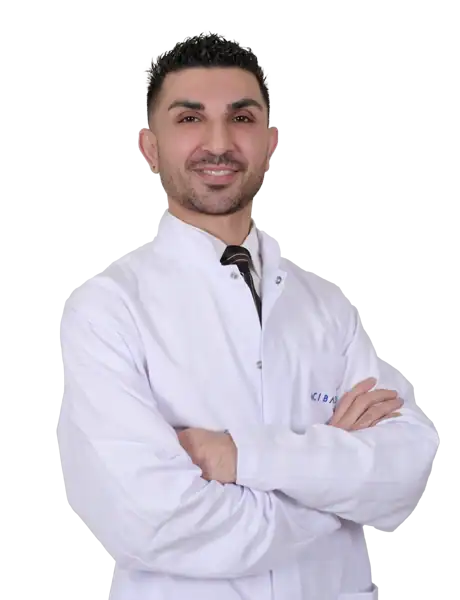
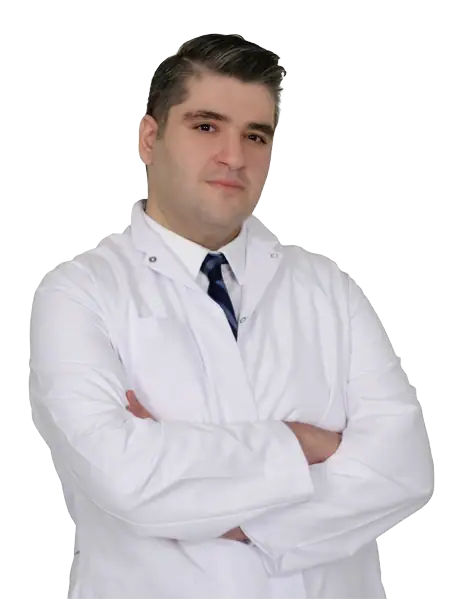
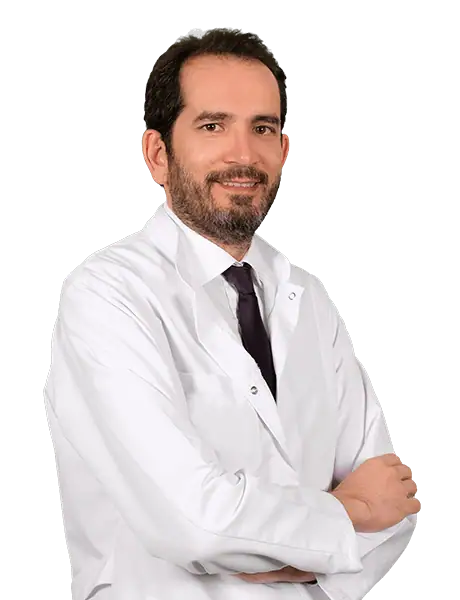
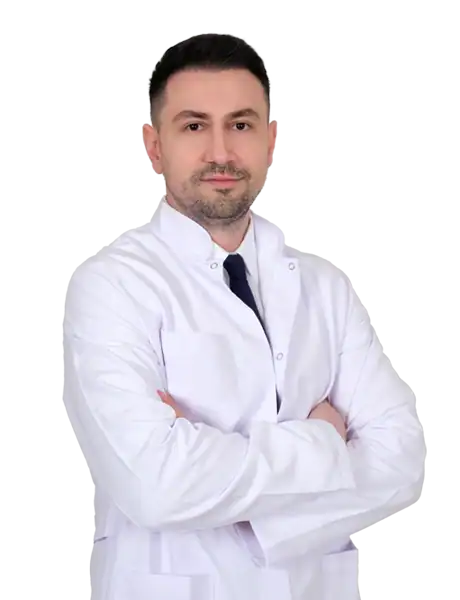
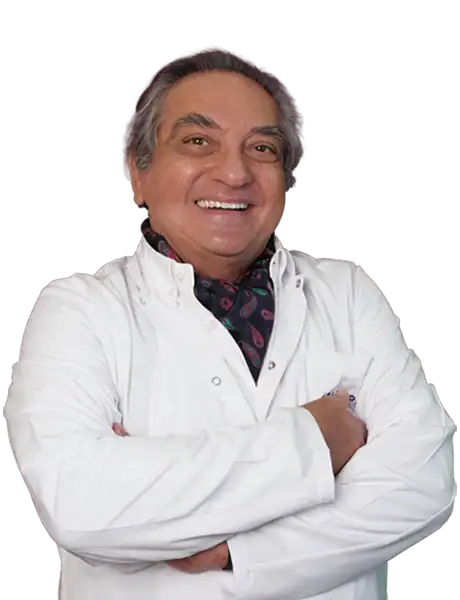
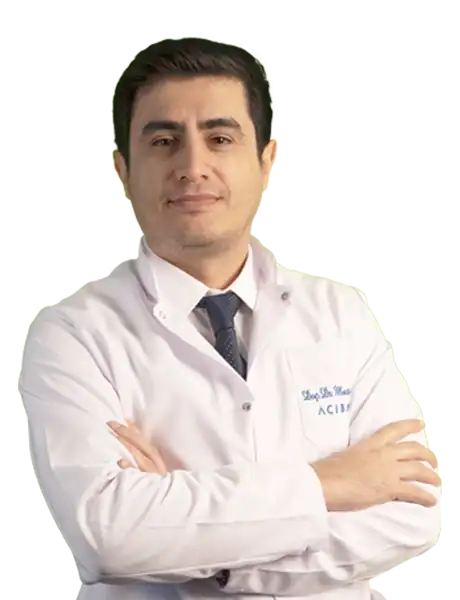
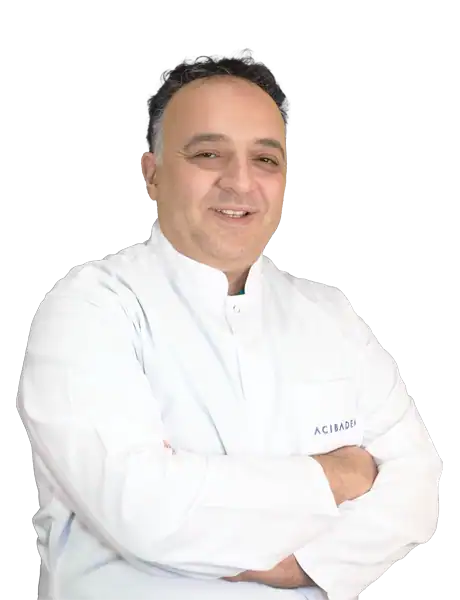
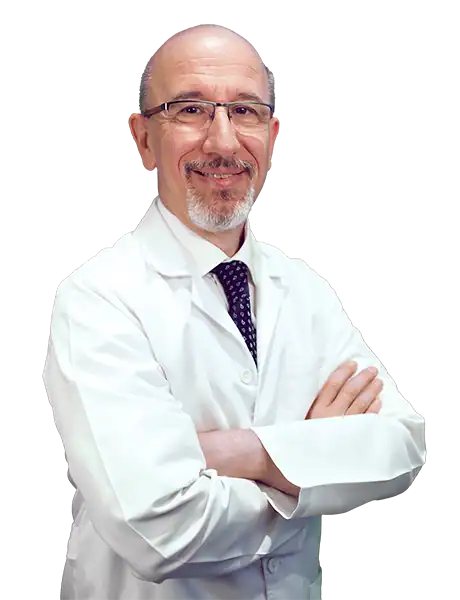
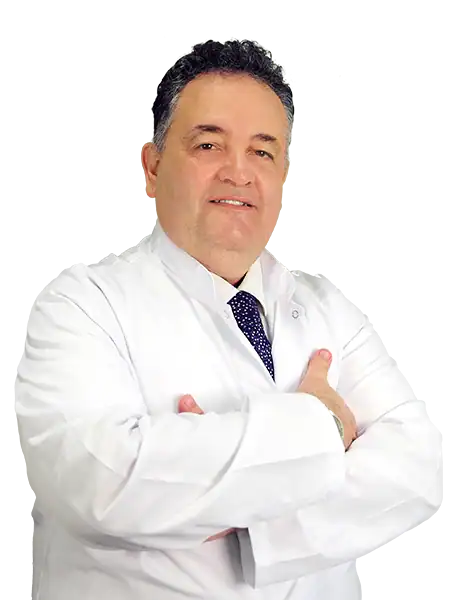
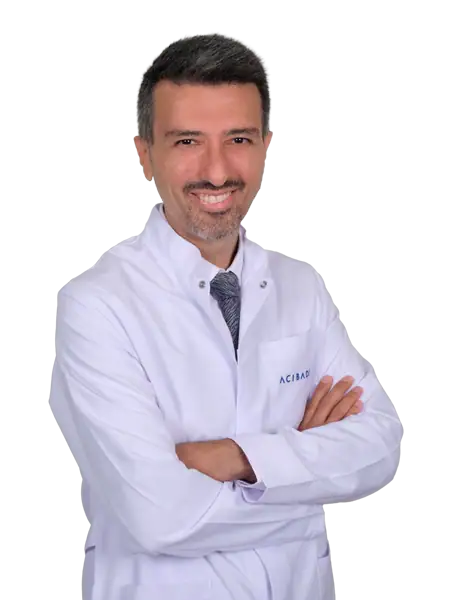
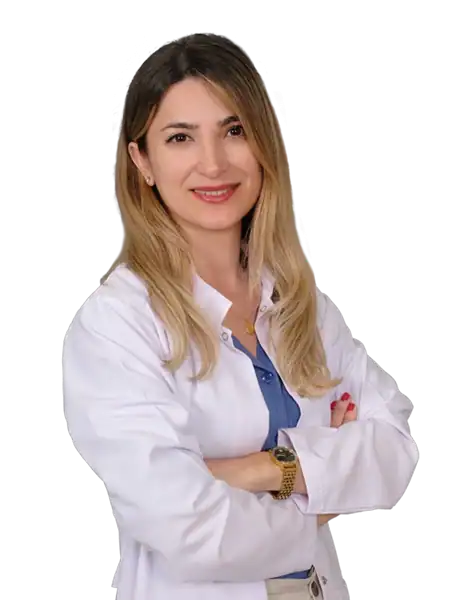
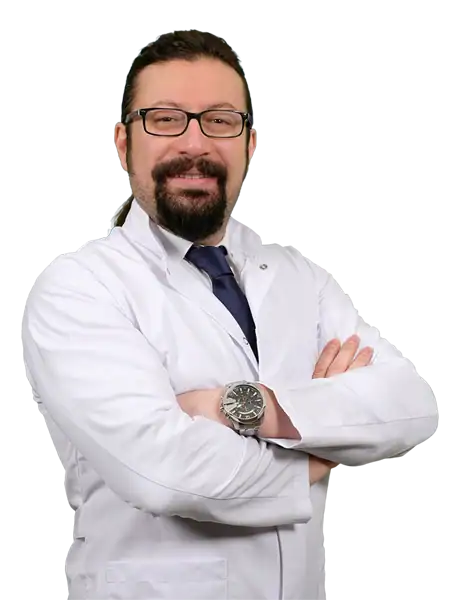
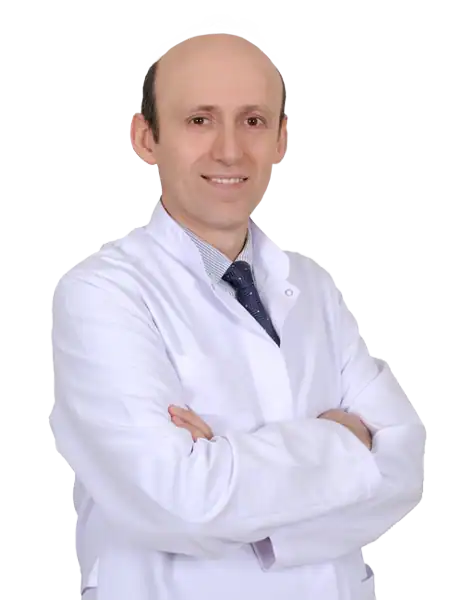
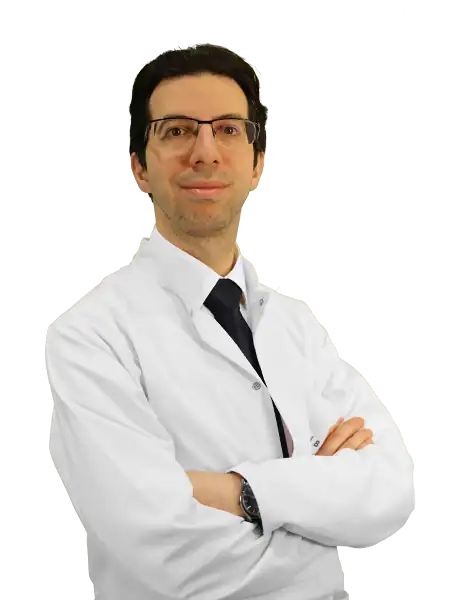
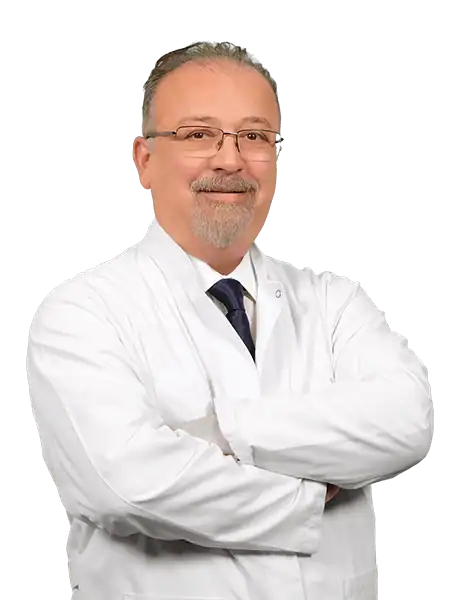
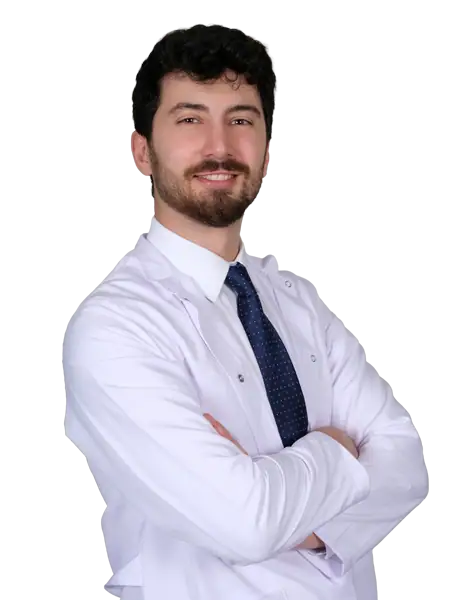
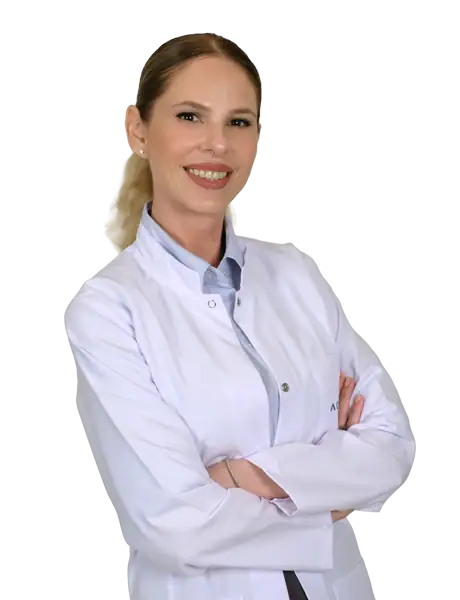
Choose a field to see every specialist who practises here in that department. All 60 doctors are listed.















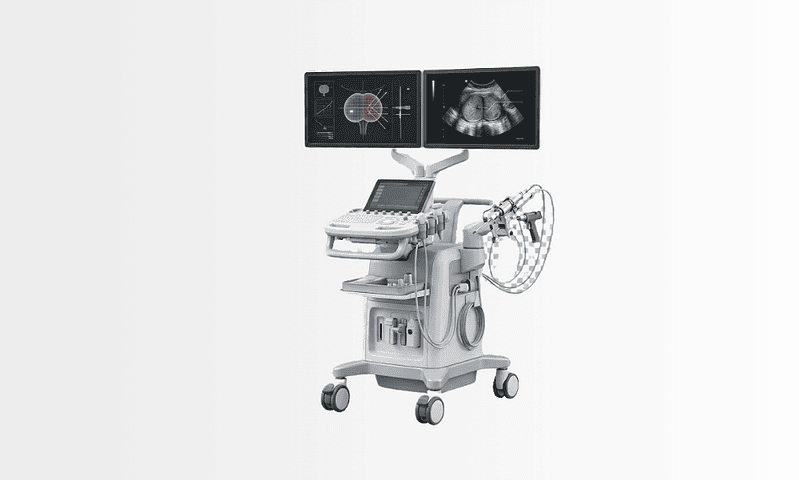
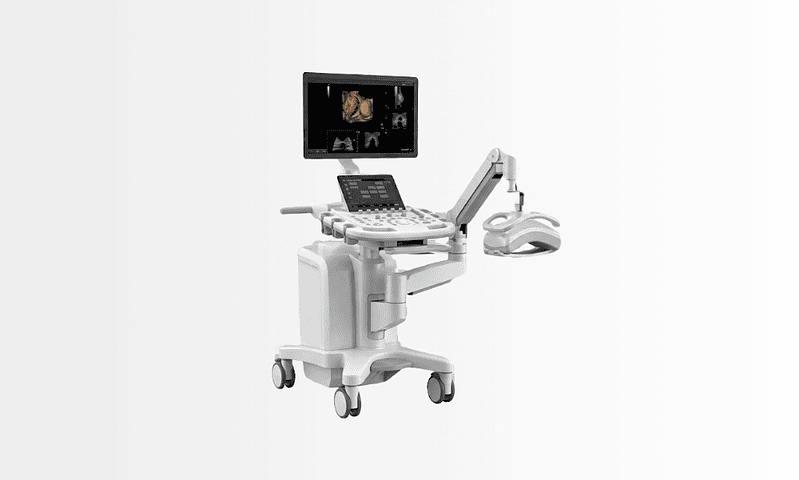
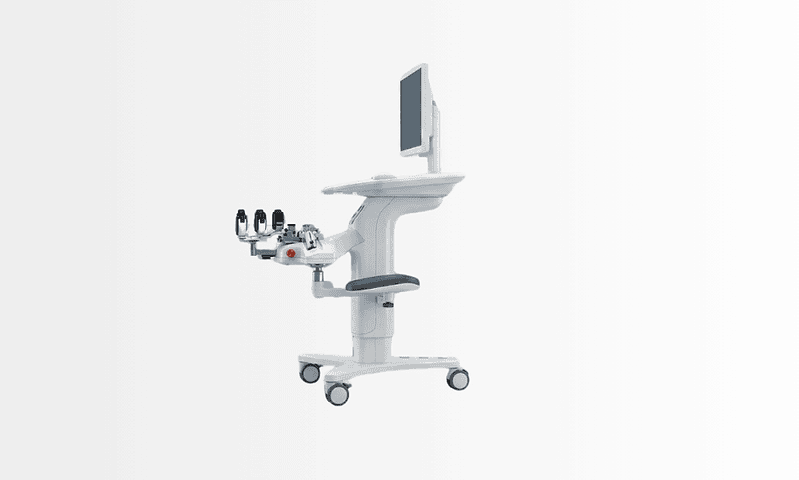
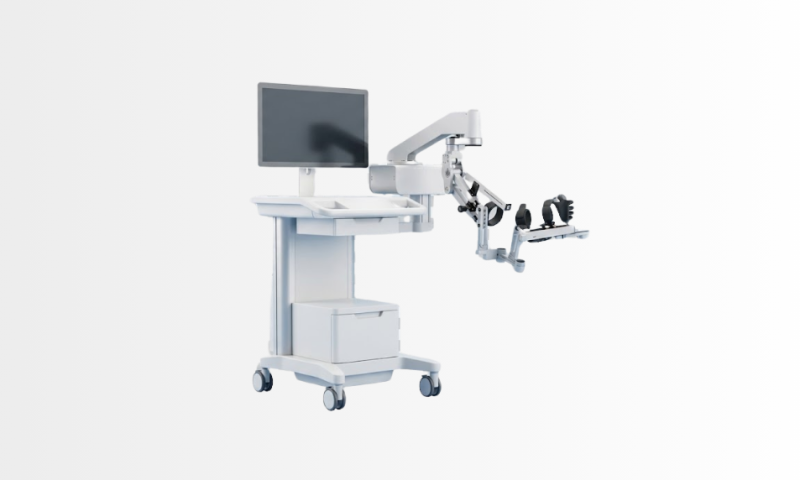
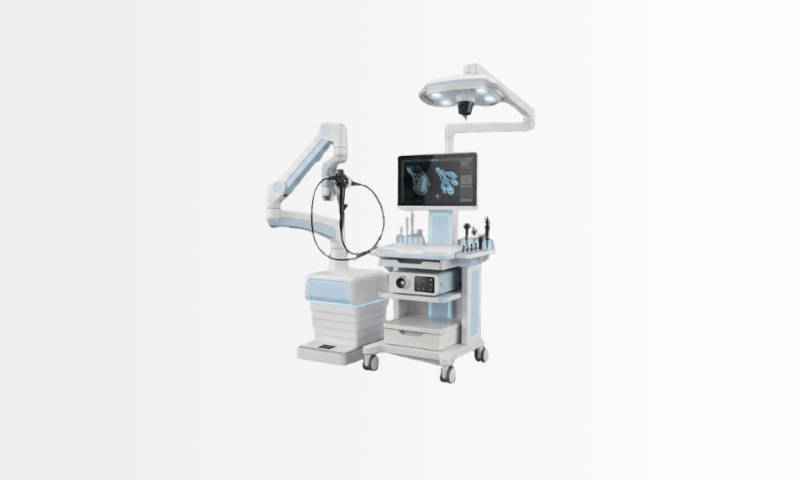
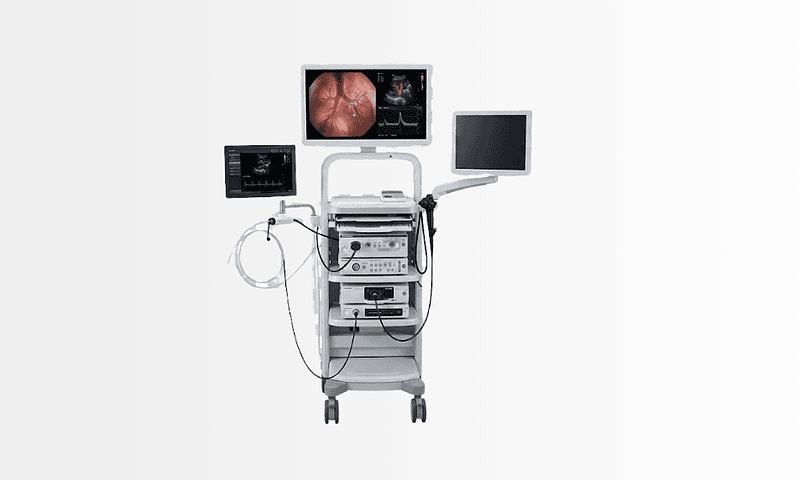
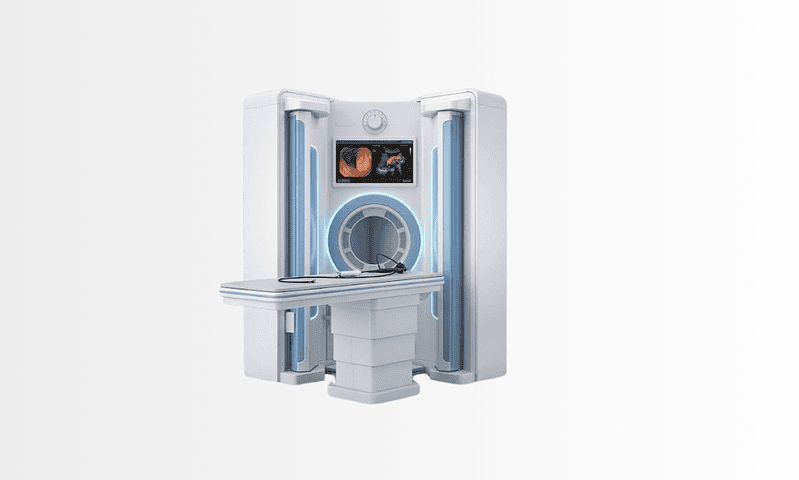
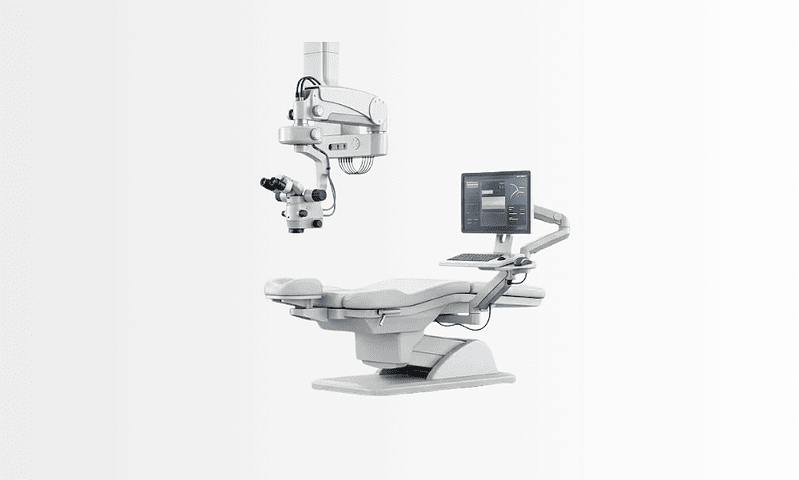
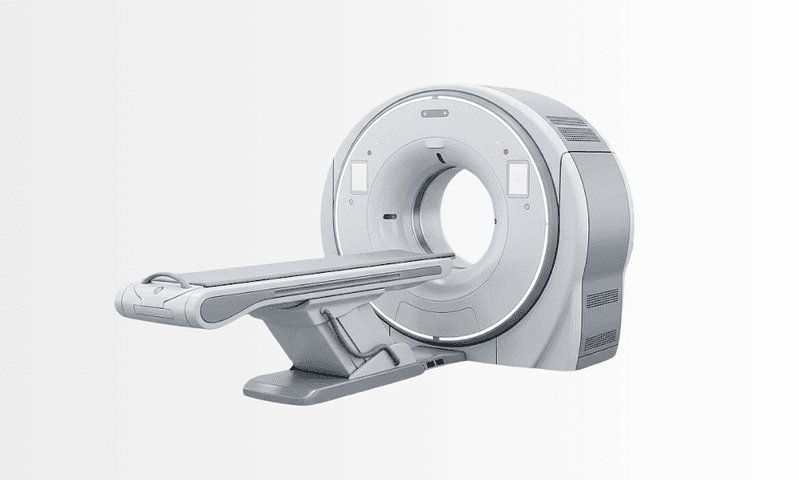
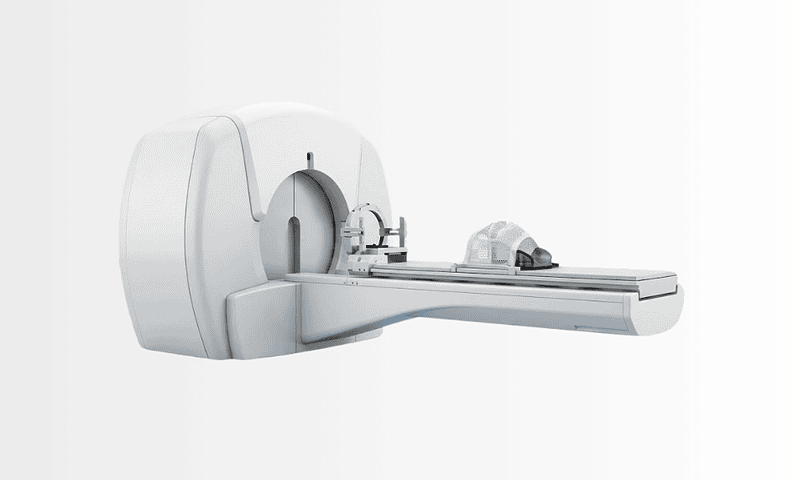
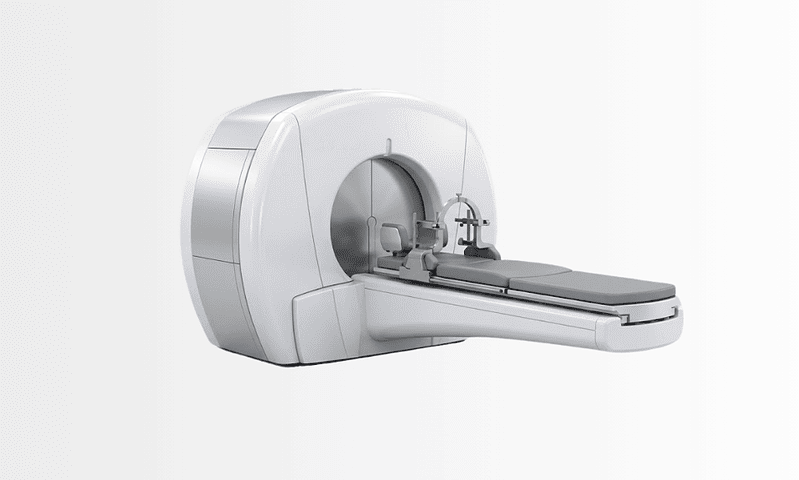
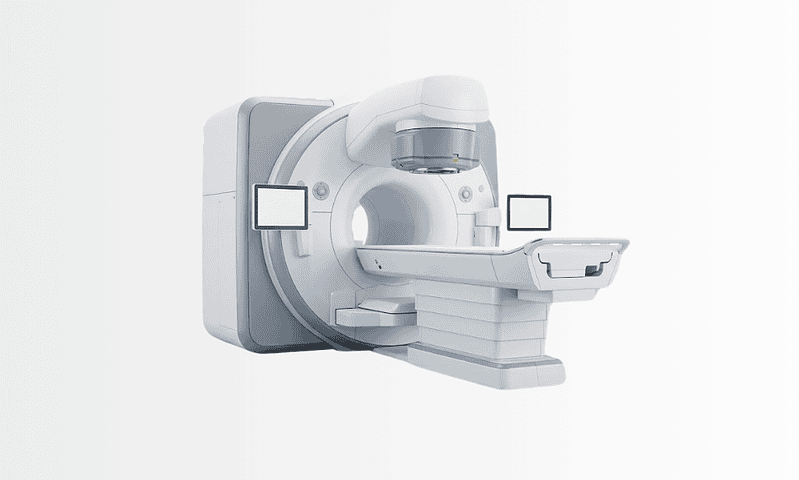
Medical Technologies at This Hospital
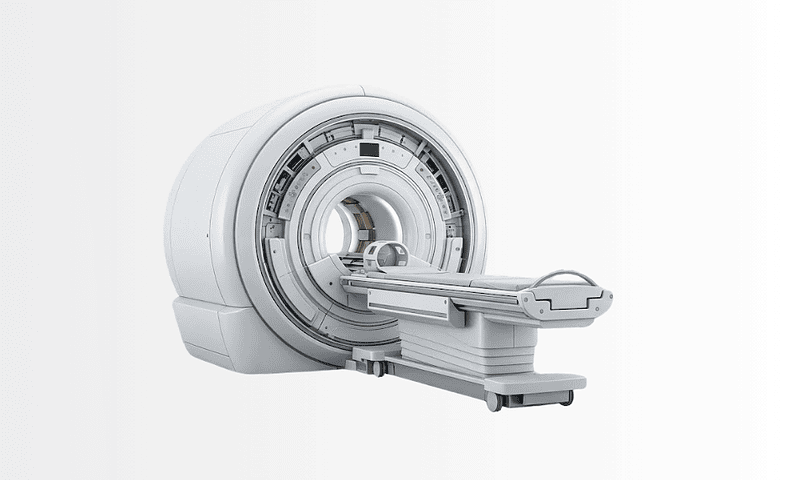
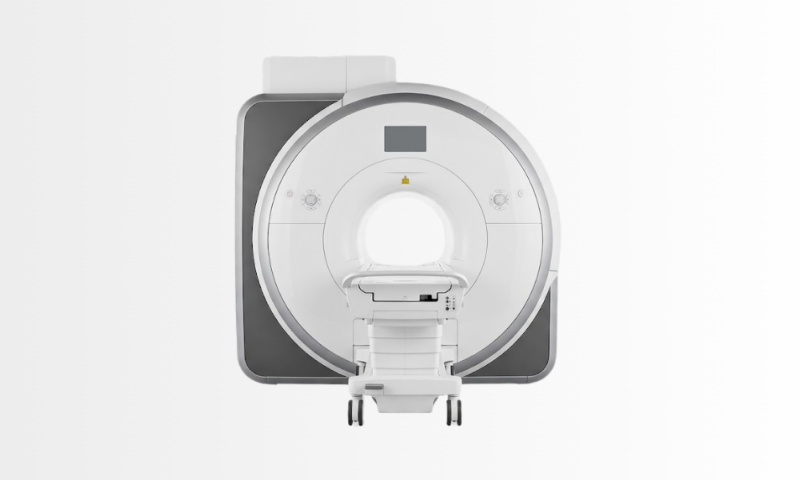
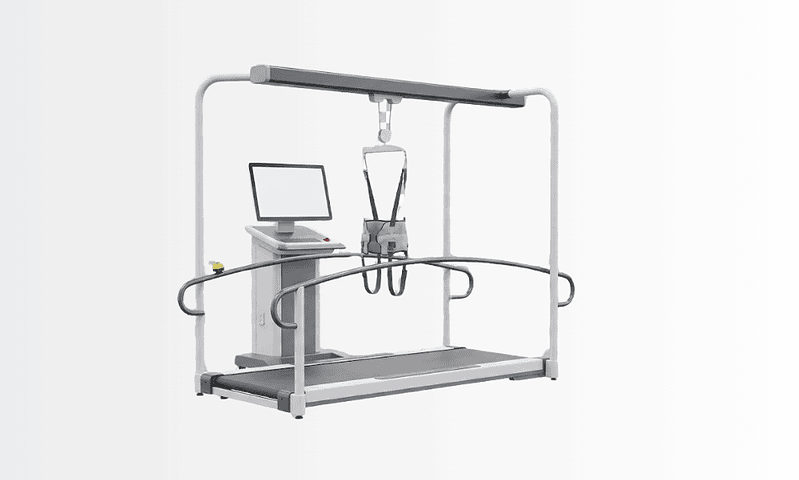
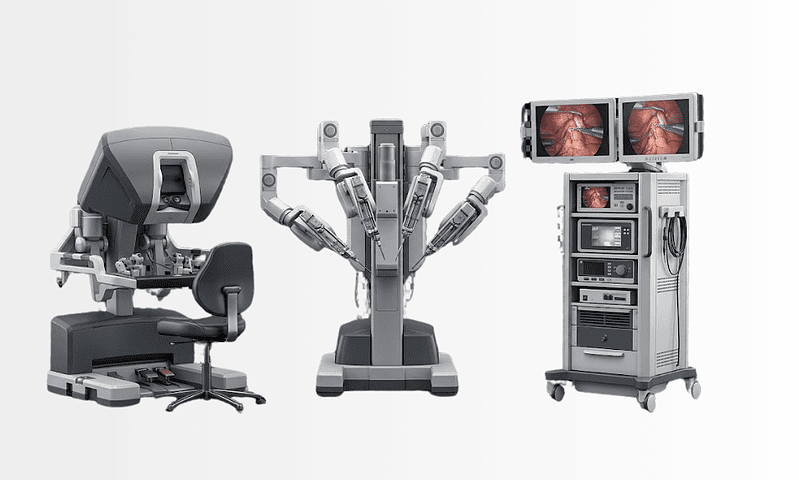
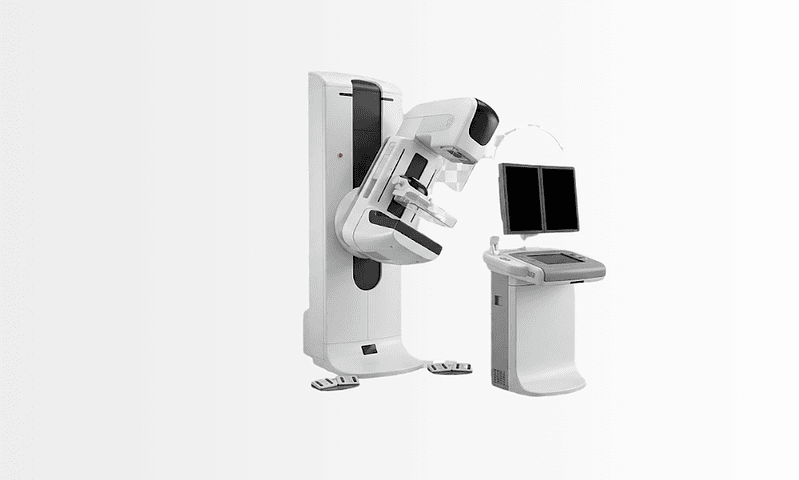
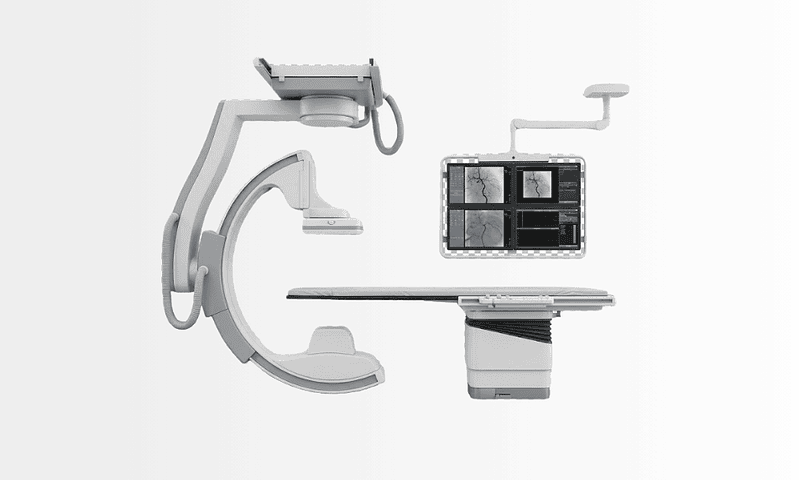
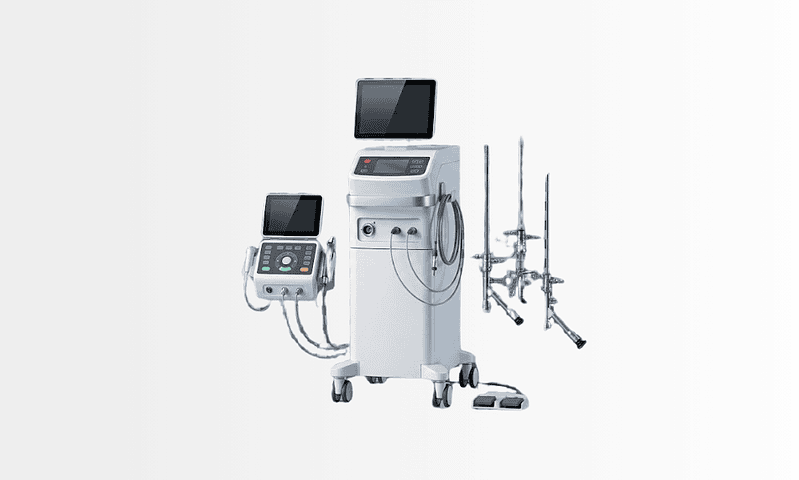
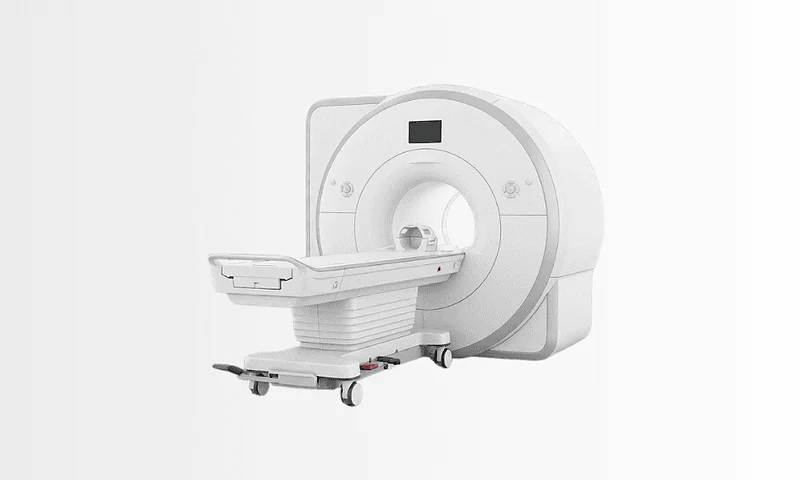
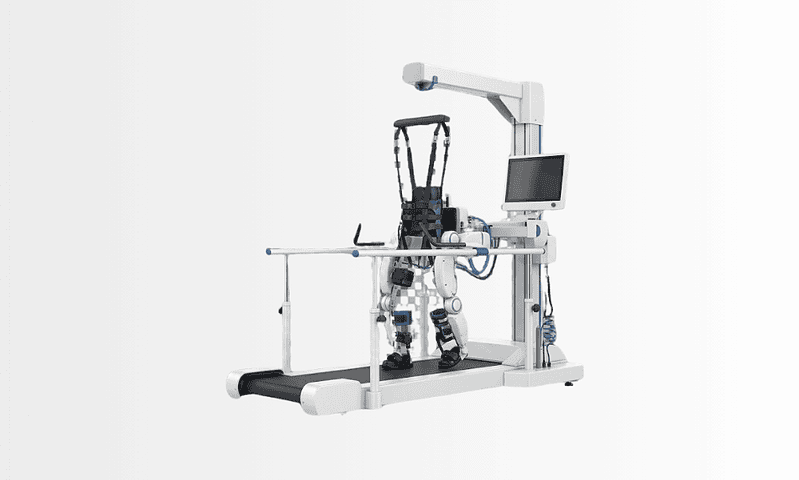
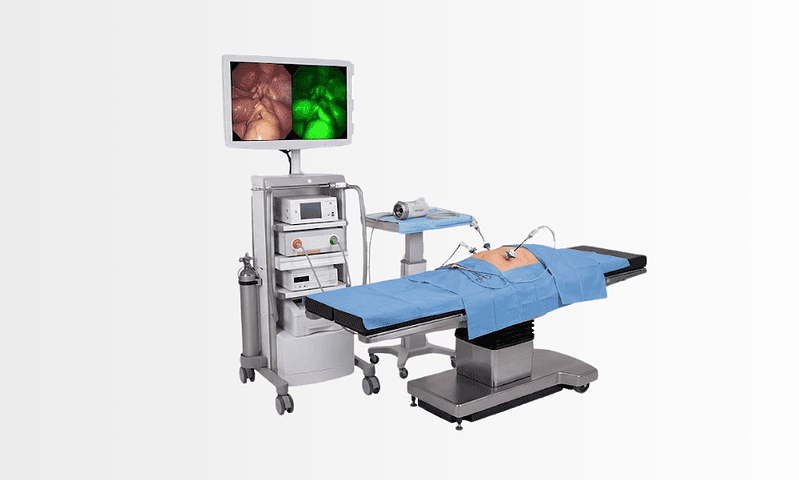
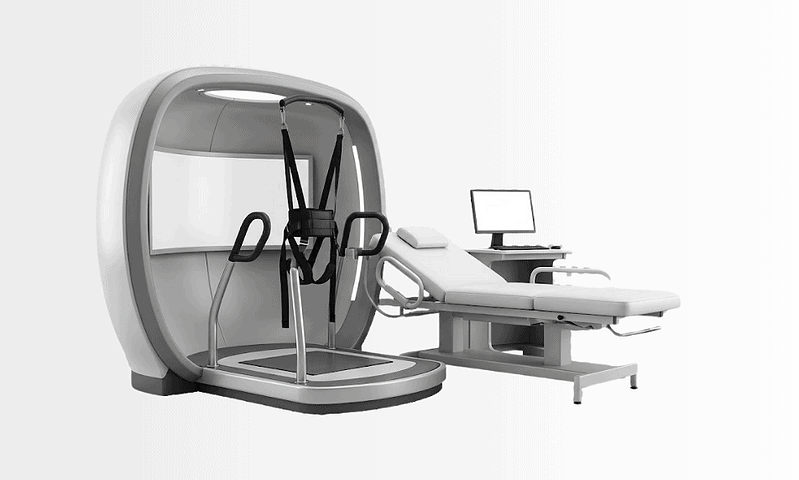
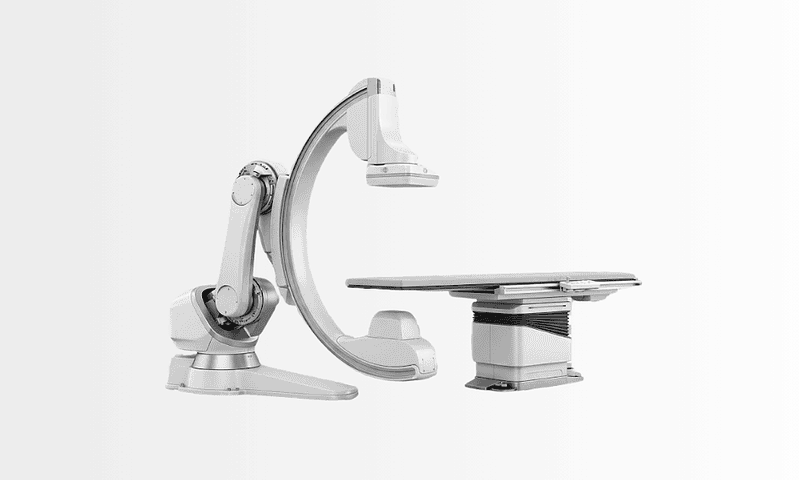
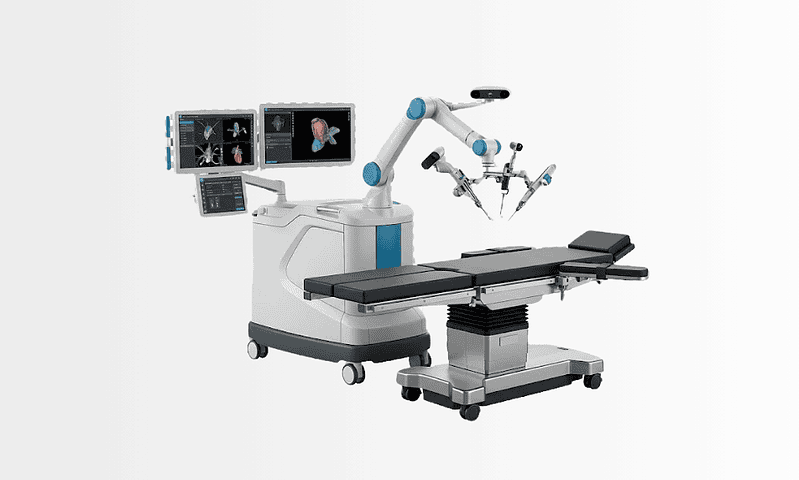
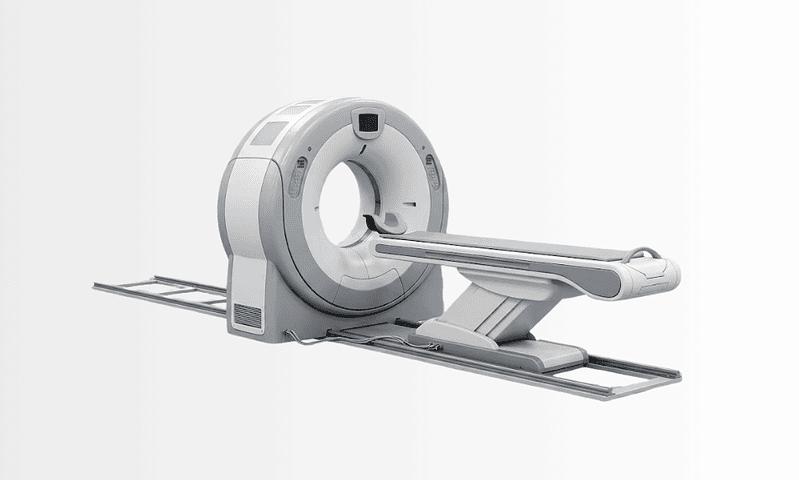
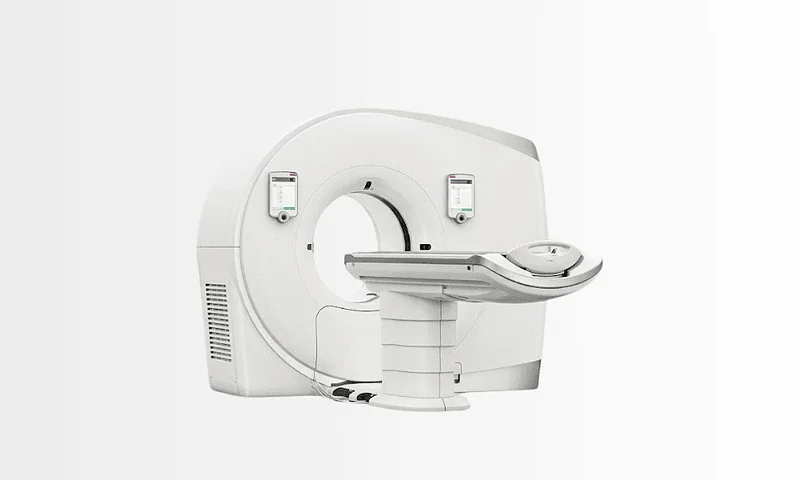
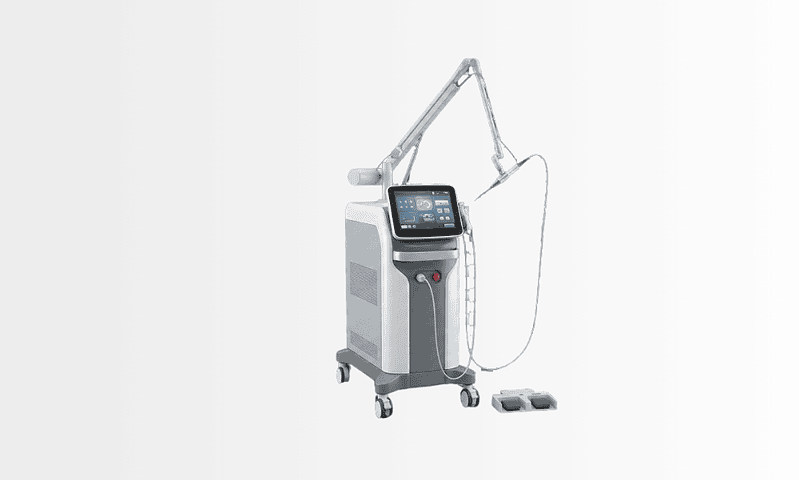
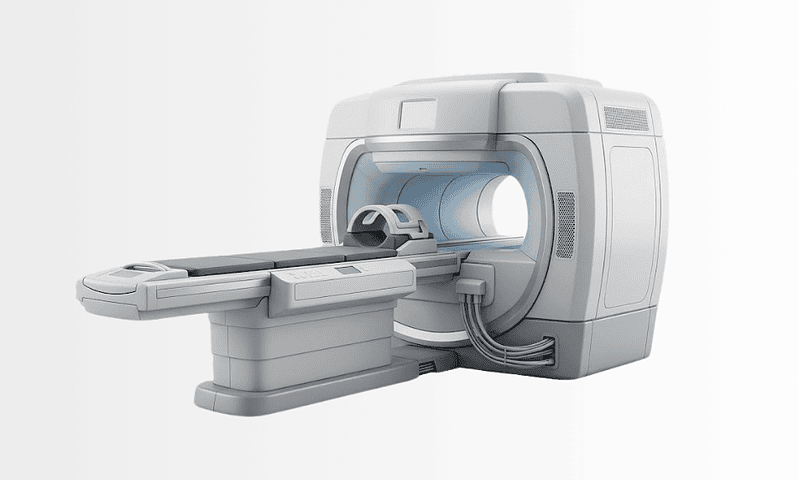
The imaging, radiotherapy, surgical and rehabilitation platforms installed here.
Send your reports: a physician-reviewed plan comes back before you travel.
Free · No obligation · Reply within 24 hours