

Quick answer
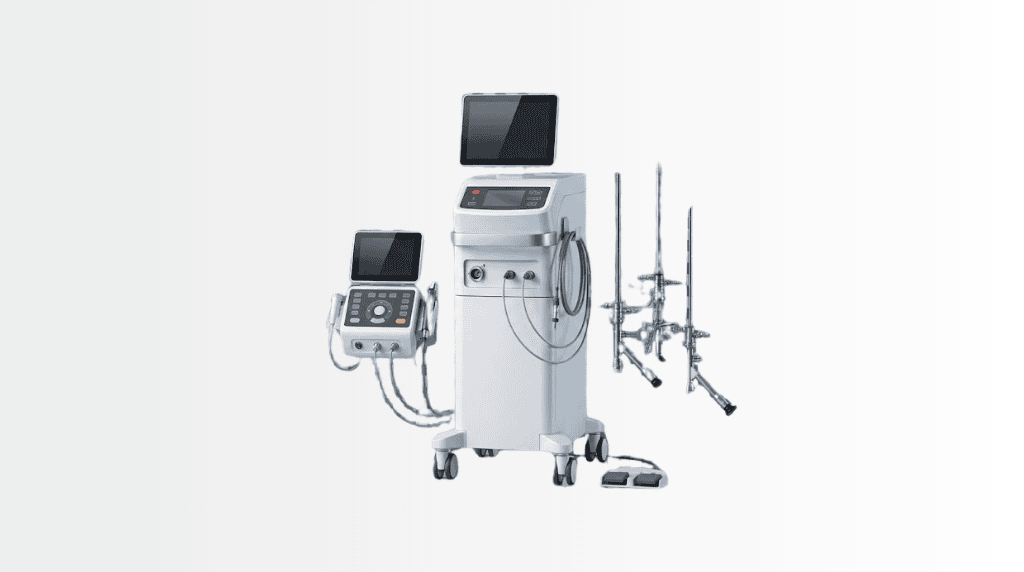
HoLEP is a minimally invasive treatment for urinary obstruction caused by benign prostate enlargement, using a holmium laser to remove obstructing tissue through the urethra without external incisions. At Acibadem in Turkey, urologists assess each patient’s prostate condition and urinary symptoms to determine whether HoLEP is appropriate.
HoLEP, holmium laser enucleation of the prostate, is the BPH operation urologists describe as size-independent: instead of shaving obstructing prostate tissue away in pieces, the surgeon uses a holmium laser to peel the entire overgrown inner gland off its capsule in one anatomical plane, then removes it through the natural channel. No abdominal incision, minimal bleeding, tissue preserved for pathology, and results that large studies show hold for many years, including in prostates too large for conventional resection. This page explains the operation the way Acibadem’s urologists explain it in clinic.
What is HoLEP surgery?
Benign prostatic hyperplasia (BPH) narrows the urinary channel as the inner prostate grows. HoLEP approaches the problem anatomically: through the urethra, no external cut, the surgeon guides a holmium laser along the natural plane between the overgrown adenoma and the prostate’s outer capsule, enucleating the obstructing tissue whole, the way a mandarin separates from its peel. A morcellator then retrieves the freed tissue through the scope. Because the laser seals blood vessels as it works, bleeding stays low, and because tissue is retrieved rather than vaporised, every gram goes to pathology.
HoLEP vs TURP and other BPH treatments
TURP, the decades-long standard, resects tissue in chips and meets its limits in very large prostates, where staged surgery or open operations once took over. HoLEP’s defining trait is that prostate size stops being the deciding factor: the enucleation plane exists whether the gland is 40 grams or 200. Against laser vaporisation techniques, HoLEP removes more tissue and returns it for analysis, which matters because a small percentage of BPH surgeries incidentally reveal prostate cancer. Against medication, the honest framing: drugs manage symptoms and suit many men for years; surgery enters when symptoms, retention episodes, bladder or kidney effects, or medication side-effects outweigh it. That decision belongs in a urology consultation, not on a page.
Who is a candidate?
Typical HoLEP candidates: men with moderate-to-severe BPH symptoms not controlled by medication; men with urinary retention, recurrent infections, bladder stones or kidney strain from obstruction; men with very large prostates for whom TURP is a poor fit; and, a genuine HoLEP strength, men on blood thinners, since the laser’s sealing effect keeps bleeding risk comparatively low. Candidacy is confirmed by flow studies, imaging and PSA-based assessment; where cancer is suspected, the diagnostic pathway comes first.
The operation, the stay, the recovery
HoLEP is performed under general or spinal anaesthesia and typically takes one to two hours depending on gland size. A urinary catheter stays in place briefly, commonly a day or two, and most patients leave the hospital within a day or two of surgery. Early recovery honestly includes urgency, frequency and some burning as the channel heals over weeks; temporary stress leakage occurs in a minority and usually resolves with time and pelvic floor exercises. The near-universal permanent effect worth stating plainly: retrograde ejaculation, semen flowing backward into the bladder, which affects ejaculation but not orgasm or erectile function as such. Your surgeon walks through all of this before consent, not after.
Results and durability
What HoLEP is respected for: strong, durable improvement in flow and symptoms, low transfusion rates, and one of the lowest long-term reoperation rates among BPH procedures, because the obstructing tissue is removed at its anatomical boundary rather than partially. Published series follow patients for a decade and more. Individual outcomes vary with bladder condition and health; the pre-operative assessment exists to predict yours honestly.
What determines the cost of HoLEP?
Costs differ by country and setting; the honest variables are anaesthesia type, length of stay, and the diagnostic work-up around the operation. At Acibadem, planned surgery follows the group’s written-estimate practice, the price is stated before the visit, and for international patients the records-first process usually settles candidacy from existing flow studies and imaging before travel is booked.
HoLEP at Acibadem
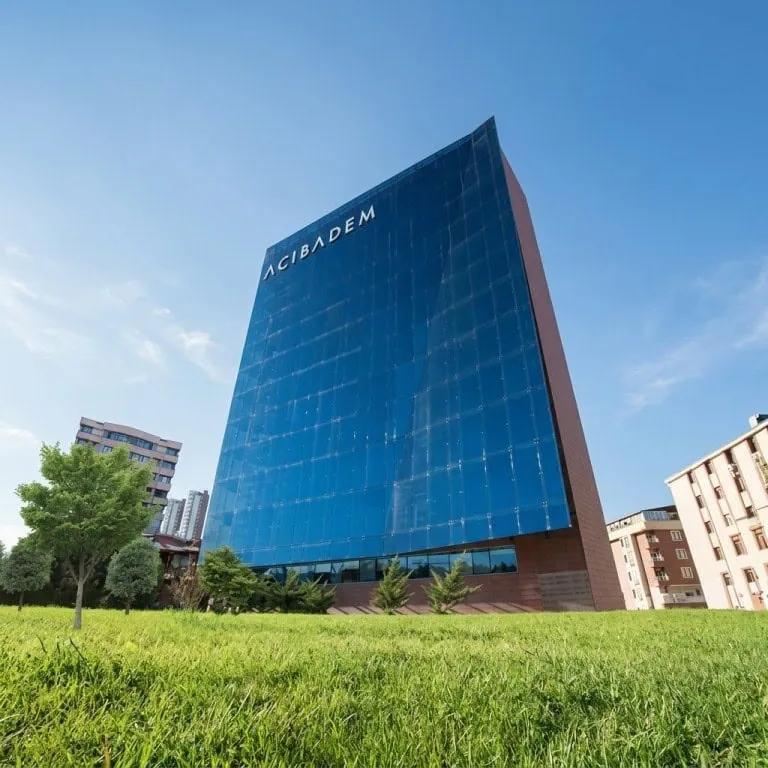
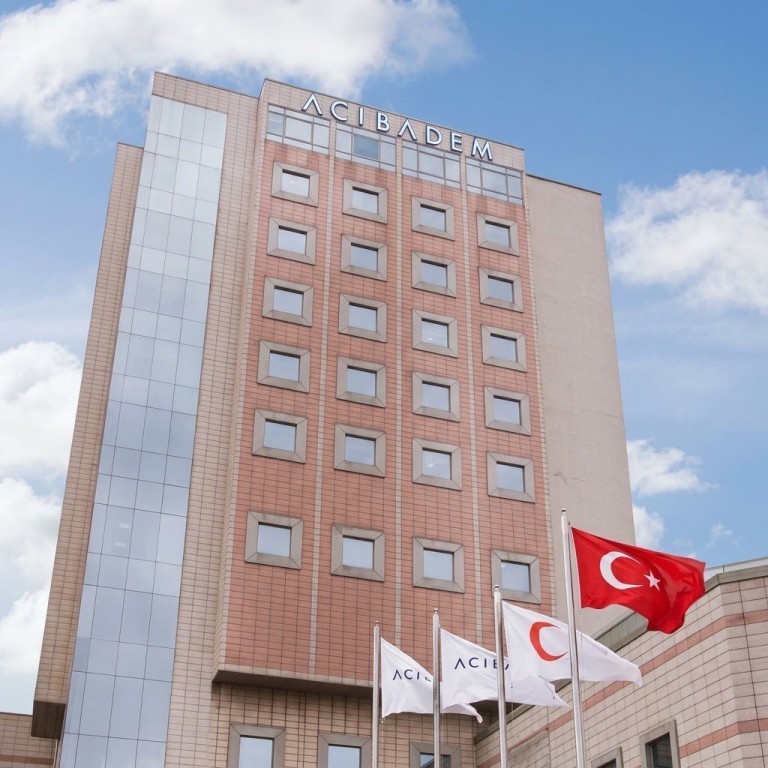
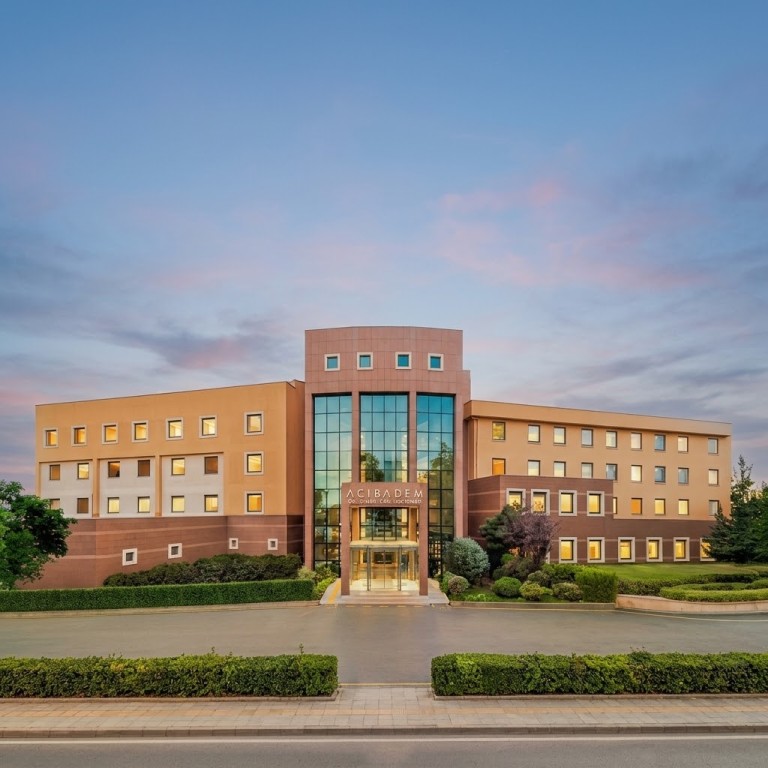
HoLEP is performed within the group’s urology practice, with holmium, and, in stone surgery, thulium-fiber, laser platforms across the network’s theatres, anaesthesia teams experienced in spinal and general approaches, and pathology reading every gram of removed tissue through the group’s ISO-accredited laboratories. Follow-up notes are written for the urologist continuing your care, wherever that is.
Preparing for HoLEP: the work-up that writes the plan
A good enucleation begins weeks before the theatre. The standard work-up: symptom scoring (the IPSS questionnaire turns “bothersome” into a number the follow-up can beat); uroflowmetry and post-void residual measurement, quantifying obstruction; prostate sizing by ultrasound, which shapes surgical time; PSA testing read in context: an enlarged gland raises PSA on its own, and where suspicion is real, MRI and biopsy precede any BPH surgery, because the operation for cancer is a different operation. Urine testing clears infection first; anaesthesia assessment settles spinal-versus-general and coordinates blood thinners rather than reflexively stopping them. Bladder health gets honest attention too: a bladder long strained by obstruction may take months to relearn, and in long-neglected cases some symptoms persist even after a perfect enucleation: the consultation says so beforehand, because honest expectations are part of the operation.
Life after HoLEP: the recovery arc in detail
Week one: catheter out early, flow noticeably stronger almost immediately, patients often describe the difference in the first days, with urgency, frequency and stinging as the raw surface heals; drinking well and avoiding straining are the whole job. Weeks two to six: irritative symptoms fade stepwise; a brief episode of blood-tinged urine around the two-to-four-week mark can accompany scab separation and settles with fluids; desk work resumes within days to two weeks, heavy lifting and cycling wait for clearance. Months two to three: the new normal declares itself: this is when symptom scores are re-measured against the pre-operative number, and when any lingering stress leakage has usually resolved with pelvic-floor exercises. Follow-up typically includes a flow re-check and PSA re-baselining, since enucleation removes most PSA-producing tissue. The pathology report on the removed tissue closes the loop, occasionally revealing incidental cancer early, one of enucleation’s quiet services.
Frequently Asked Questions
What tests are needed before HoLEP?
Symptom scoring, flow and residual measurement, prostate ultrasound, PSA in context and urine testing, plus anaesthesia review; where cancer suspicion exists, MRI and biopsy come first.
Why is my PSA checked before prostate surgery for BPH?
Because cancer and BPH are different operations: PSA, read against gland size and where needed MRI, makes sure the right one is planned.
Is bleeding a few weeks after surgery normal?
A brief blood-tinged episode around scab separation at two to four weeks can be: it usually settles with fluids; heavy or persistent bleeding warrants a call, and your discharge notes say exactly when.
Is HoLEP major surgery?
It is a real operation under anaesthesia, but with no external incision, access is entirely through the natural channel, which is why recovery is measured in days and weeks rather than months.
How long does HoLEP surgery take?
Typically one to two hours, depending mainly on prostate size.
How long will I have a catheter?
Commonly a day or two; your team confirms removal once the urine clears appropriately.
How long is the hospital stay?
Most patients go home within a day or two of surgery.
Is HoLEP suitable for very large prostates?
Yes, size-independence is HoLEP’s defining advantage; glands too large for TURP are routinely treated by enucleation.
Can I have HoLEP while on blood thinners?
Often yes: the laser’s sealing effect keeps bleeding comparatively low; your surgeon and cardiologist coordinate the exact plan.
Will HoLEP affect my sex life?
Erections and orgasm are not affected by the procedure as such; retrograde ejaculation, semen flowing backward, is near-universal and permanent, and your surgeon discusses it before consent.
Is the removed tissue tested?
Yes, everything removed goes to pathology, which occasionally reveals unsuspected cancer and is one of enucleation’s quiet advantages over vaporisation.
How soon do symptoms improve?
Flow typically improves quickly once the catheter is out; urgency and burning settle over the following weeks as the channel heals.
Can BPH come back after HoLEP?
Regrowth needing repeat surgery is uncommon: HoLEP carries one of the lowest long-term reoperation rates among BPH procedures.
HoLEP or medication, how do I decide?
Medication suits many men for years; surgery enters when symptoms, retention, bladder or kidney effects, or drug side-effects outweigh it: a decision made with a urologist against your studies, not from a page.
Can candidacy be assessed from abroad?
Largely yes, flow studies, imaging and PSA history travel well, so a records-based surgical opinion usually precedes any flight.
When can I return to work and normal life?
Desk life commonly within days to a week or two; heavy lifting and straining wait longer: your discharge notes state your personal timeline.
Related Medical Units
Available at these Hospitals











Speak with our medical team
Find out how this technology could support your diagnosis or treatment.