

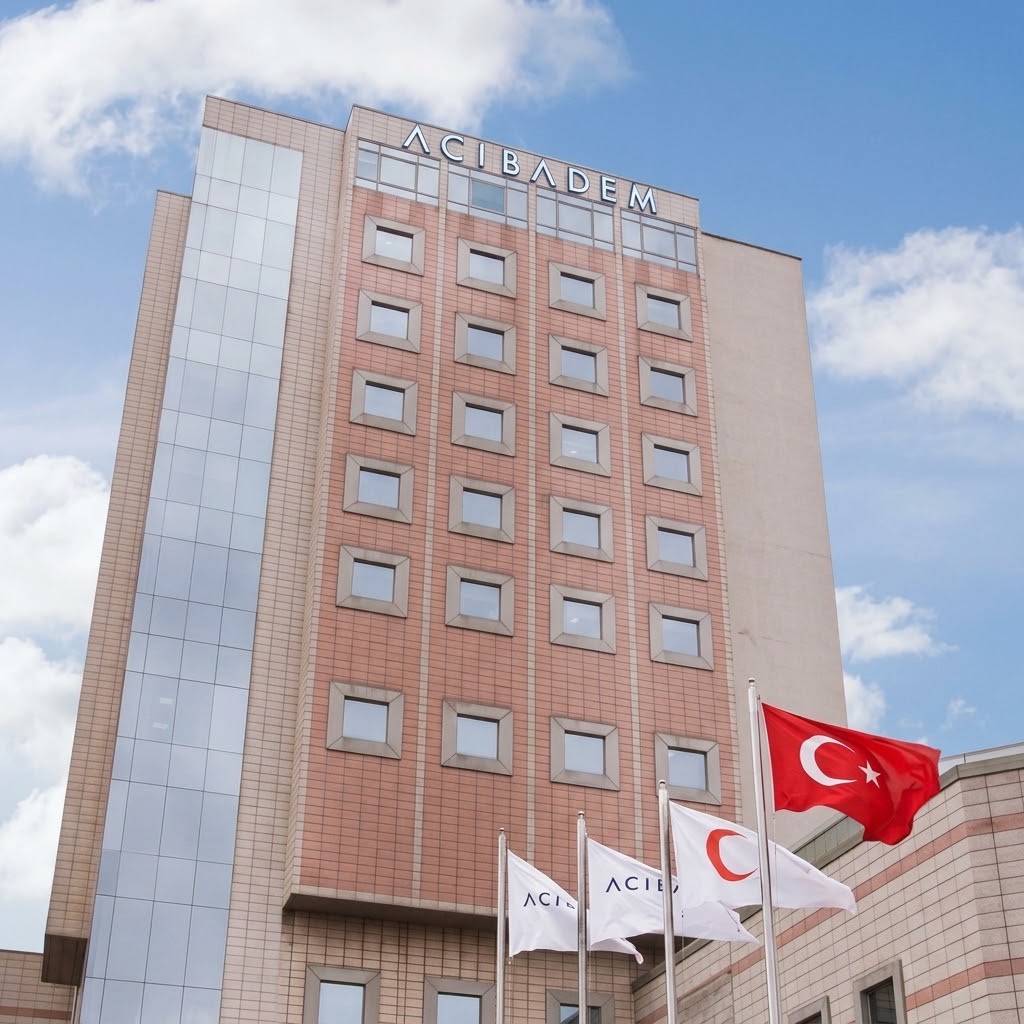
Acibadem Bakirkoy Hospital
Overview of Acibadem Bakırköy Hospital in Istanbul, including its role within Acibadem Healthcare Group and multidisciplinary care services.
Get directions →
Acibadem Bakirkoy Hospital at a Glance
Acibadem Bakırköy Hospital opened in 2000 as the Acıbadem group's first hospital on Istanbul's European side: a campus that has since defined a quarter-century of the group's westward story. Today it is an 18,000 m² hospital with 102 beds, 7 operating theatres, 27 intensive-care beds and a heliport for emergency transfer, serving Bakırköy and the dense residential districts around it. Its clinical identity has a clear centre of gravity: newborns and families: a…
The Hospital in Numbers
Rooms & Suites
Choose a room type to see it, every room shares the same clinical infrastructure; suites add space and comfort for companions.
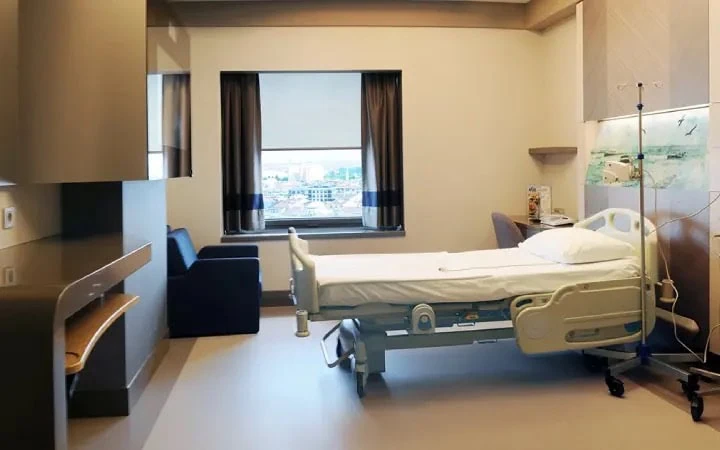 Standard Room
In-Room Features
- Electronic patient-controlled bed
- Spacious bathroom with seat
- Individually adjustable climate control
- Smart TV
- Digital assistant service
- Integrated nurse call system
- Personal safe
- Minibar
- Sofa bed for companion
Accessible RoomIn-Room Features
- Electronic patient-controlled bed
- Spacious bathroom with seat
- Individually adjustable climate control
- Smart TV
- Digital assistant service
- Integrated nurse call system
- Personal safe
- Minibar
- Sofa bed for companion
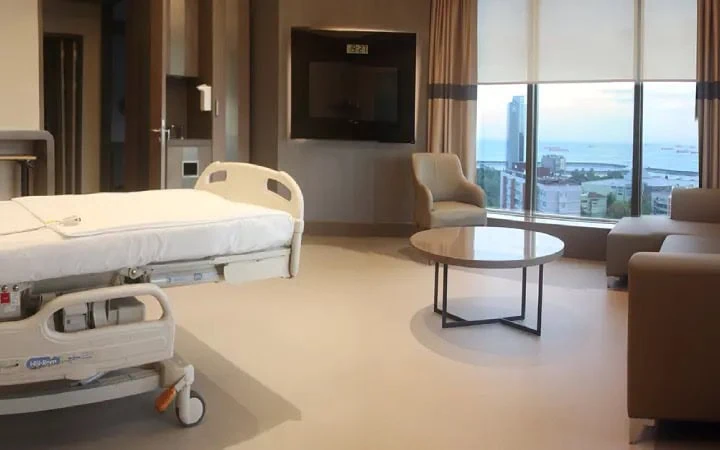 Suite
SuiteIn-Room Features
- Electronic patient-controlled bed
- Spacious bathroom with seat
- Individually adjustable climate control
- Smart TV
- Digital assistant service
- Integrated nurse call system
- Personal safe
- Minibar
- Sofa bed for companion
- Companion dining and rest area
- Companion bathroom
Facility Highlights
Intensive care for high-risk newborns, with neonatology, pediatrics, pediatric surgery, subspecialists and neonatal nurses working together.
Pediatric and adult cardiology and cardiovascular surgery, including angiography and stent procedures.
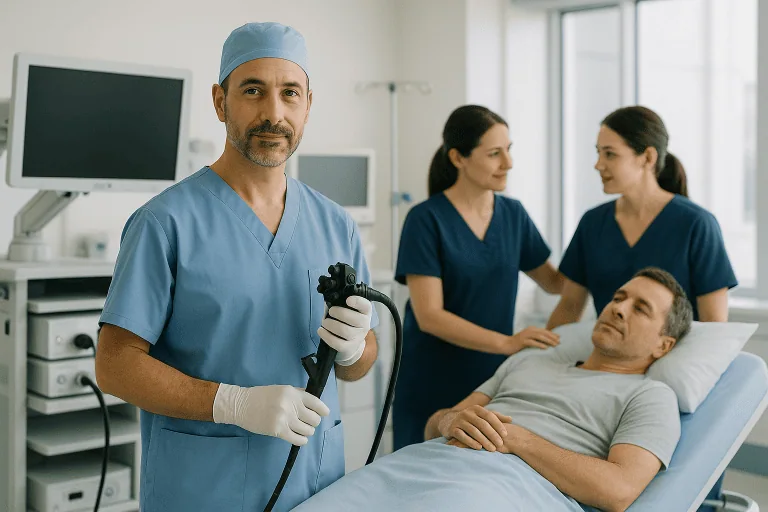
Colonoscopy, endoscopy and EUS in gastroenterology; navigation-assisted neurosurgery; full radiology and Check-Up.
Heliport for emergency transfer; a short walk from the Marmaray Bakırköy station, near Carousel shopping centre.
Amenities & Visiting Guide
- Parking
- Cafeteria
- Prayer room
- ATM
- Heliport
Acibadem Bakirkoy Hospital, in depth
Acibadem Bakırköy Hospital opened in 2000 as the Acıbadem group’s first hospital on Istanbul’s European side: a campus that has since defined a quarter-century of the group’s westward story. Today it is an 18,000 m² hospital with 102 beds, 7 operating theatres, 27 intensive-care beds and a heliport for emergency transfer, serving Bakırköy and the dense residential districts around it. Its clinical identity has a clear centre of gravity: newborns and families: a neonatal intensive care unit staffed by neonatologists with every paediatric division behind it, an IVF and reproductive medicine centre, and focused units for breast health, obesity and varicose veins, alongside paediatric and adult cardiology and navigation-guided neurosurgery.
What this building is organised around
Bakırköy’s design brief in 2000 was to carry Acıbadem’s system across the Bosphorus, and the hospital that grew from it is organised around family medicine in its fullest sense: the pathway from fertility treatment through pregnancy, birth, newborn intensive care and childhood runs under one roof, which is rarer than it sounds. Around that spine sit the focused units the corporate record names, breast health, obesity treatment, varicose vein treatment, and the surgical depth of a seven-theatre building with 27 intensive-care beds. A quarter-century in, the honest description is a veteran neighbourhood flagship: not the group’s largest campus, but one of its most complete for the medicine families actually live.
Quality and safety: the honest frame
The hospital runs on the Acıbadem group’s single quality system, surgical checklists, medication-safety routines, infection control and credentialing audited across the group, with diagnostics through the group’s ISO-accredited laboratory network. Five Acıbadem hospitals in Türkiye hold JCI accreditation (Maslak, Altunizade, Atakent, Kent and Adana); Bakırköy runs on the same protocols those audits examine, and this page says that plainly rather than borrowing a badge. The heliport is part of the same safety logic: when minutes matter, this campus can receive and send critical patients by air.
The newborn floor: the campus’s named depth
High-risk and critically ill newborns are cared for in the neonatal intensive care unit by neonatologists, paediatricians and physicians of every paediatric division, with paediatric surgeons and neonatal nursing behind them: the corporate record’s own description, and the campus’s proudest fact. For expectant parents the meaning is practical: births at Bakırköy happen with the full newborn safety net in the same building, and the paediatrics unit then carries childhood from those first days through the ordinary medicine of growing up. Paediatric surgery stands behind the rare newborn who needs an operation rather than observation.
From fertility to family: IVF, obstetrics, women’s health
The campus houses an in-vitro fertilisation and reproductive medicine centre, so the IVF unit guide’s honest medicine, realistic success framing by age and diagnosis, no promises the embryology cannot keep, has a European-side home. Gynaecology and obstetrics carries the pathway onward through pregnancy and birth with the NICU behind it, and the breast health unit gives women’s medicine its diagnostic depth: imaging, biopsy and honest triage of findings, with tumour-board planning behind any diagnosis that needs it.
Hearts and brains: the specialist floors
The corporate record names cardiology in both its adult and paediatric forms: the cardiology unit covering the diagnostic and rhythm work of daily cardiac medicine, with children’s hearts assessed by the paediatric side rather than squeezed into adult clinics. Neurosurgery operates with navigation guidance: the imaging-linked technique that lets a surgeon steer by the patient’s own scan, for the brain and spine work this building’s theatres genuinely support. The vascular side of the campus is deliberately practical: a focused varicose vein unit, with the cardiovascular surgery guide explaining honestly which vein problems deserve intervention and which deserve reassurance.
Everyday specialist medicine, west of the Bosphorus
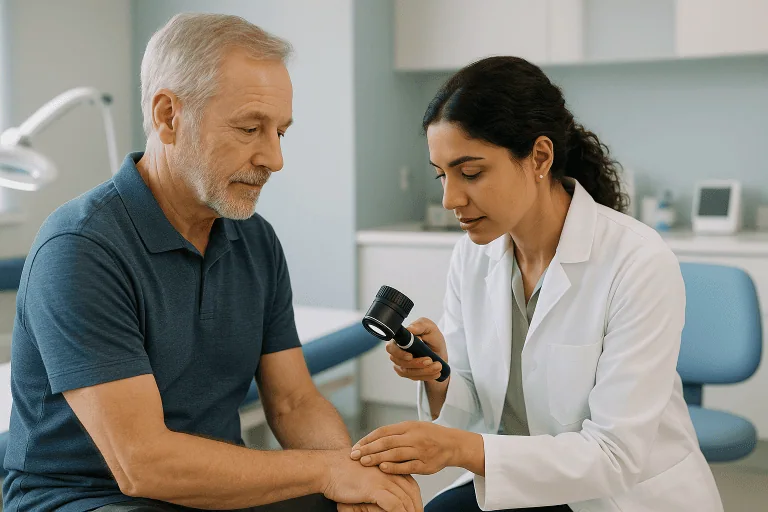
Around the named units, the outpatient floors carry the specialties the western districts consult daily, internal medicine, general surgery, obesity treatment with the honest framing the bariatric unit guide insists on (the group’s metabolic surgery centres live at Ataşehir and Altunizade, and routing is stated, not hidden), ENT, urology, orthopaedics, dermatology and ophthalmology, with same-visit diagnostics through the group’s ISO-accredited laboratories and on-site imaging.
Technology, honestly framed
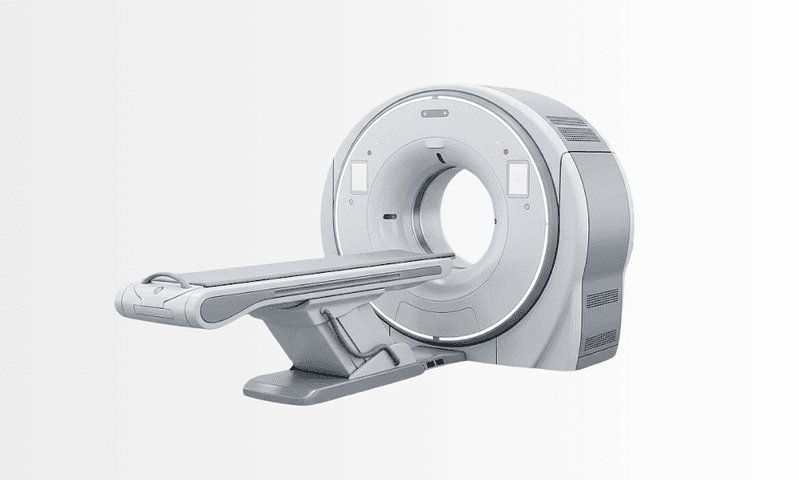
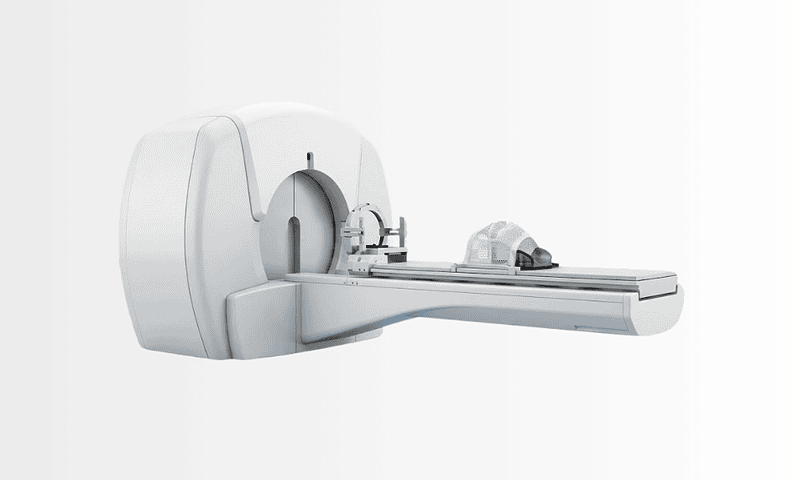
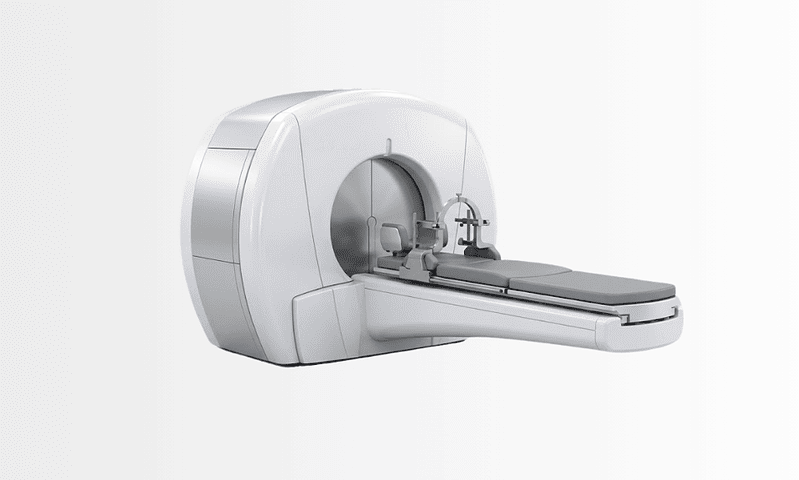
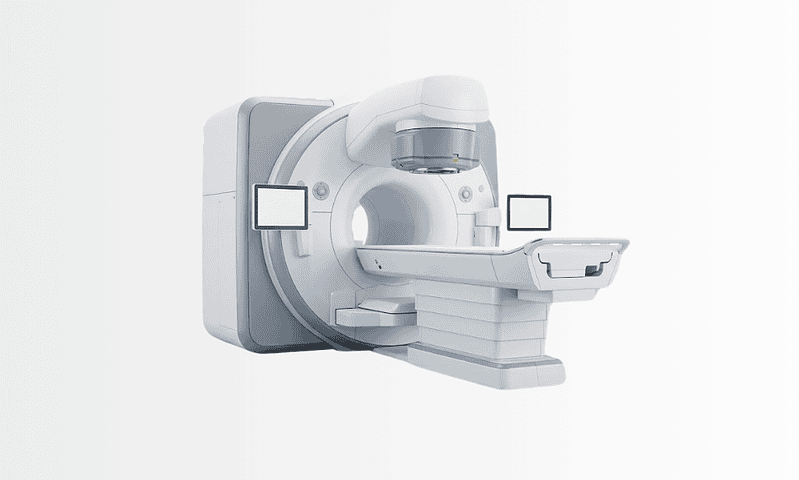
The installation matches the role: modern imaging and diagnostics, seven theatres, 27 intensive-care beds with the neonatal unit among them, navigation-guided neurosurgery, a heliport, and the group’s standing honesty about everything else: when a plan genuinely needs a heavy machine (MR-Linac at Maslak, Gamma Knife or Tomotherapy at Altunizade, PET staging at the flagship cancer floors), the coordinators route you there and say why, your file travelling ahead of you.
International patients on the European side
For international patients Bakırköy works exactly as the flagships do: records first, reports and imaging reviewed before travel, a written plan and estimate, interpreter support (English, Arabic, Russian, German and French routinely), and discharge notes written for the doctor continuing care at home. The campus’s location serves visitors staying in the western and coastal districts, and its IVF and newborn floors in particular draw families for whom the whole pathway, treatment, pregnancy, birth, NICU, staying in one building is precisely the point.
Getting here
The hospital stands in Bakırköy on Istanbul’s European side, with the full address, map link and phone in the identity card at the top of this page. Istanbul Airport connects by the main western routes, metro and Marmaray lines serve the district, and for planned visits the coordinators arrange transfers as standard, with the heliport handling the emergencies that cannot wait for traffic.
How to decide whether Bakırköy is your hospital
Choose Bakırköy when your medicine is the family kind: fertility treatment, a pregnancy and birth with a full NICU behind it, children’s medicine at any depth short of the rare flagship-only programme, breast health, everyday cardiology for adults and children, navigation-guided brain and spine surgery this building supports, or the whole diagnostic floor of daily life on the European side. Choose a flagship when your case is a programme, the cancer floors, radiosurgery, metabolic surgery, congenital heart surgery, and expect the routing to be said aloud, file included. Twenty-five years on, that honesty is what the campus has actually built.
Frequently asked questions
When did Acibadem Bakırköy Hospital open?
In 2000, as the Acıbadem group’s first hospital on Istanbul’s European side.
How big is the hospital?
18,000 m² with 102 beds, 7 operating theatres, 27 intensive-care beds and a heliport for emergency transfer.
What is the hospital best known for?
Newborn and family medicine: a fully staffed neonatal intensive care unit, an IVF centre, obstetrics, paediatrics in every division, alongside breast health, adult and paediatric cardiology and navigation-guided neurosurgery.
Is there a 24-hour emergency service?
Yes, around the clock at group standard, with theatres and intensive care in the same building and a heliport for critical transfers.
Is the hospital JCI-accredited?
Honestly: the JCI-accredited Acıbadem hospitals in Türkiye are Maslak, Altunizade, Atakent, Kent and Adana; Bakırköy runs on the same group-wide audited protocols with ISO-accredited laboratories behind its diagnostics.
Who staffs the neonatal intensive care unit?
Neonatologists, paediatricians and physicians of every paediatric division, with paediatric surgeons and neonatal care nursing: the full newborn safety net in one building.
Can I give birth at Bakırköy?
Yes, obstetric care through pregnancy and birth with the NICU behind it, which is the fact that matters when a birth stops being routine.
Is IVF really performed on this campus?
Yes: the hospital houses an in-vitro fertilisation and reproductive medicine centre, with the IVF unit guide’s honest success framing applying in full.
Is breast health a named service?
Yes: a focused breast health unit: imaging, biopsy and honest triage, with tumour-board planning behind any diagnosis that needs it.
Are children’s hearts treated here?
Paediatric cardiology assesses children’s hearts on this campus; complex congenital heart surgery belongs to the group’s Atakent programme and is routed there honestly.
What is navigation-guided neurosurgery?
Surgery steered by the patient’s own imaging in real time, used at Bakırköy for the brain and spine operations this building’s theatres genuinely support.
Is obesity treated at this campus?
Obesity treatment is a named unit here; metabolic surgery itself is centred at Ataşehir and Altunizade, and the routing is stated openly rather than discovered late.
Are varicose veins treated?
Yes: a focused varicose vein unit, with honest triage of which veins deserve intervention and which deserve reassurance.
Which languages are supported?
English, Arabic, Russian, German and French routinely, with other languages arranged through the international office.
Do I need an appointment for the emergency service?
No, emergencies are walk-in by definition; the records-first process applies to planned care only.
How does the records-first process work?
Reports and imaging reviewed remotely, a written plan and cost estimate, and scheduling coordinated so the visit is as short as the medicine allows.
Can my travel insurance be used here?
The international office handles travel-insurer and guarantee-letter paperwork routinely; for planned care confirm coverage in writing before treatment.
How does payment work?
A written estimate precedes planned care; for emergencies, treatment comes first and paperwork is sorted with you or your insurer after stabilisation.
Can my companion stay with me?
Yes, rooms accommodate companions, and the NICU and intensive care have their own explained visiting protocols.
Which airport should I use?
Istanbul Airport connects most directly to the European side; transfers for planned visits are arranged by the international office as standard.
Can I get laboratory tests and imaging done quickly?
Yes, same-visit diagnostics through the group’s ISO-accredited laboratory network and on-site imaging, readable at every Acıbadem campus.
Do you repeat tests I already had?
Only for a stated reason, existing studies are integrated wherever usable, exactly as across the group.
Can I get a second opinion here?
Yes, including written records-based opinions without a visit; where the question belongs to a flagship subspecialist, the coordinators place it there and say so.
Can cancer be treated at Bakırköy?
Cancer questions can start here, assessment, breast diagnostics, biopsies, tumour-board planning, with treatment courses placed at the campus whose installations fit the plan, and the routing explained.
What happens if my case needs a machine Bakırköy does not house?
The coordinators route you within the group: MR-Linac at Maslak, Gamma Knife and Tomotherapy at Altunizade, PET staging at the flagships, with transport coordinated and the reason stated.
Will my doctor at home receive a handover?
Always, discharge notes and planned-care summaries are written for the clinician continuing your care, with imaging and laboratory data included.
What should I bring to a planned visit?
Reports and scans in any language, a complete medication list including supplements, and your written questions: the records-first rule.
How fast is scheduling for planned care?
Coordinator-managed and quick; the honest variable is whether your records arrive before you do.
What is the heliport for?
Emergency transfer, receiving and sending critical patients by air when minutes matter, part of the campus’s safety infrastructure since its design.
Why choose Bakırköy over other hospitals on the European side?
For the completed pathway it can evidence: fertility to birth to NICU to childhood in one veteran campus, focused units for breast health, obesity and veins, group protocols behind everything, and honest routing to the flagships whenever a case outgrows the building.
Medical Units at This Hospital
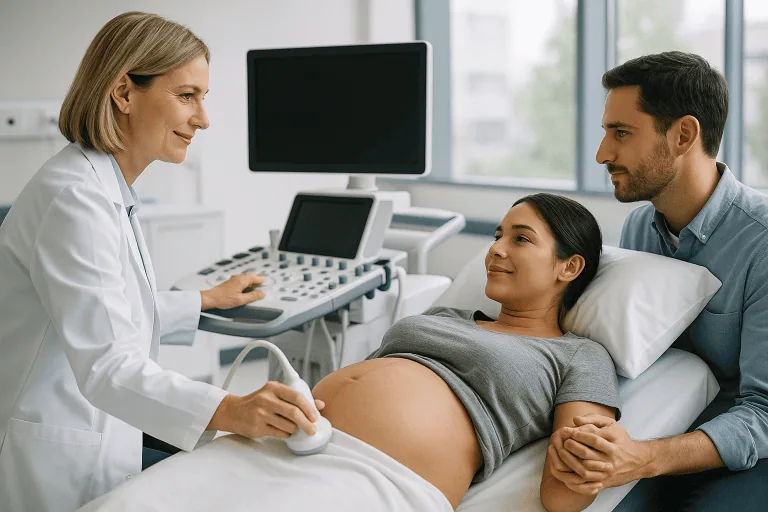
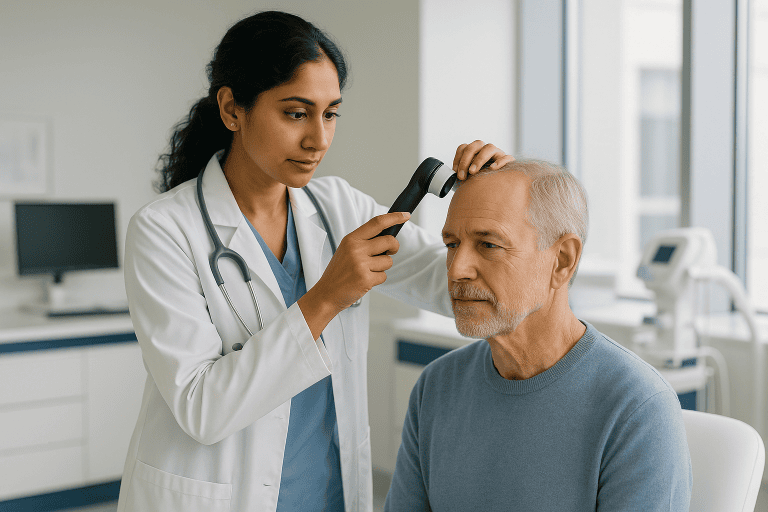
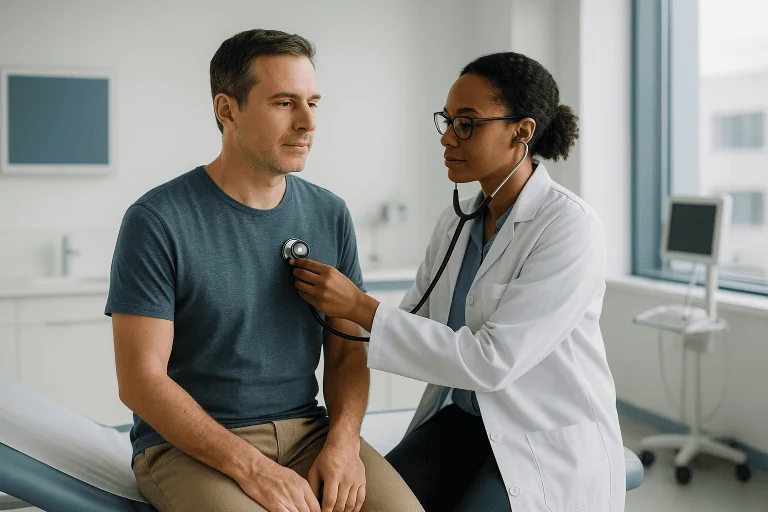
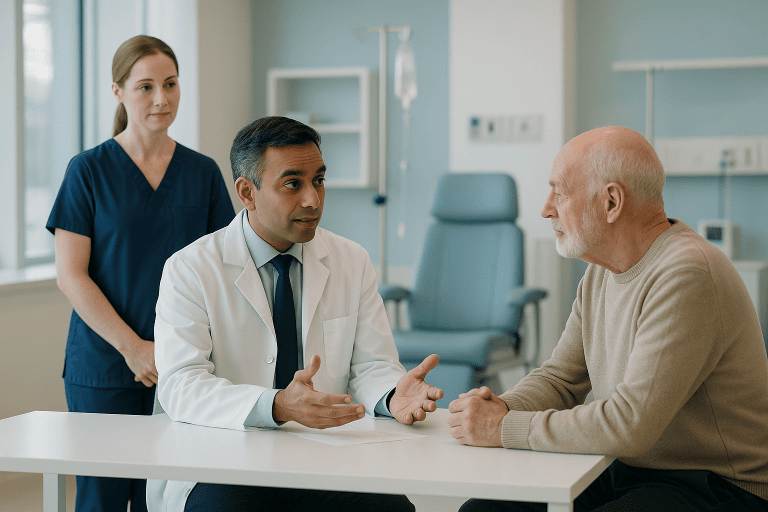
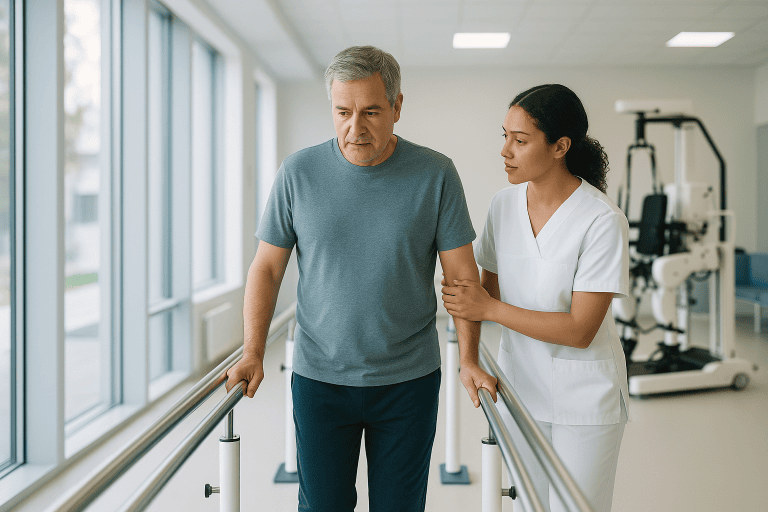
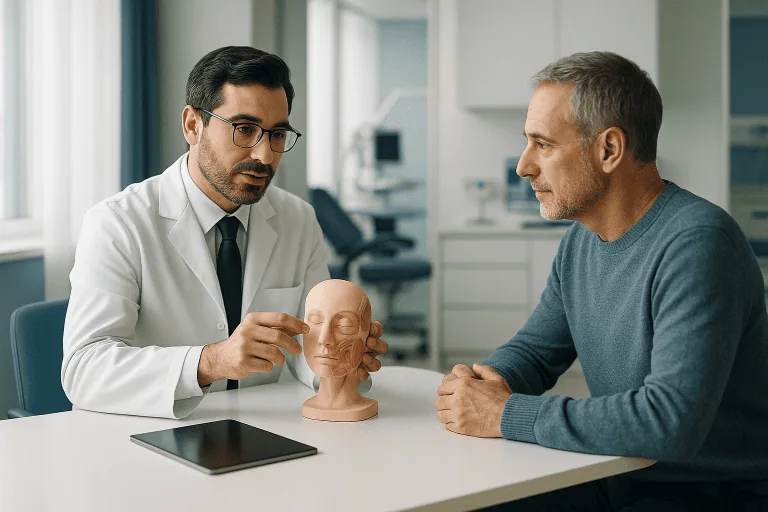
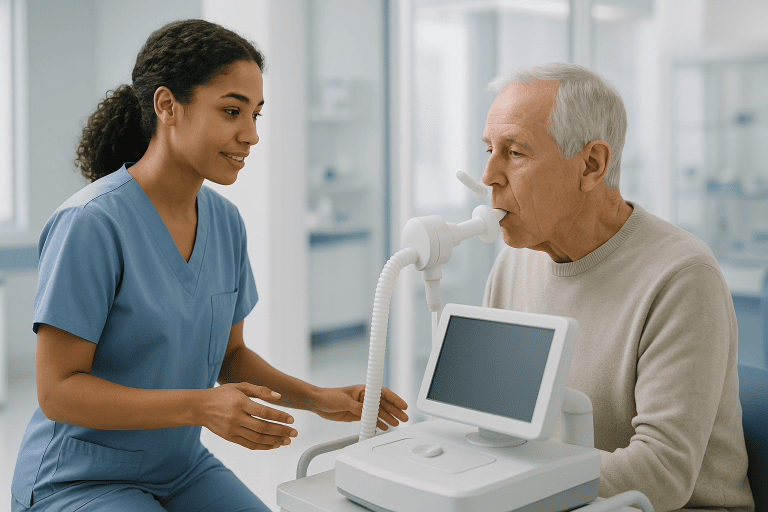
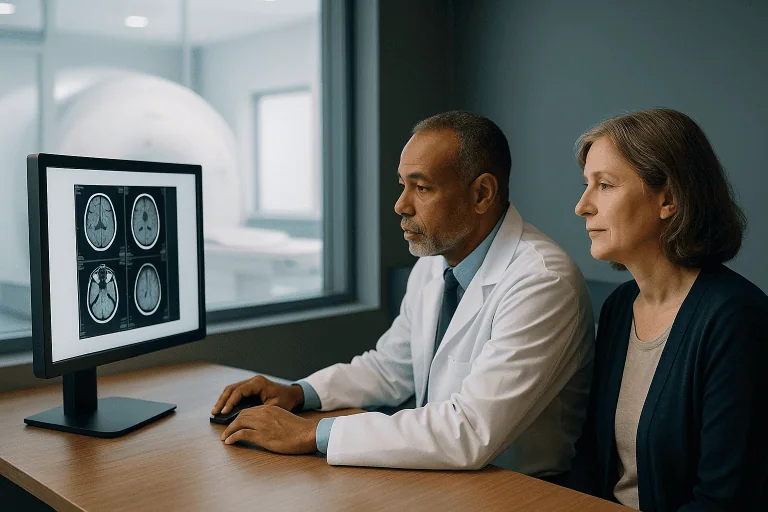
Every department that sees patients here, each one opens its own page with the team, technologies and treatments.
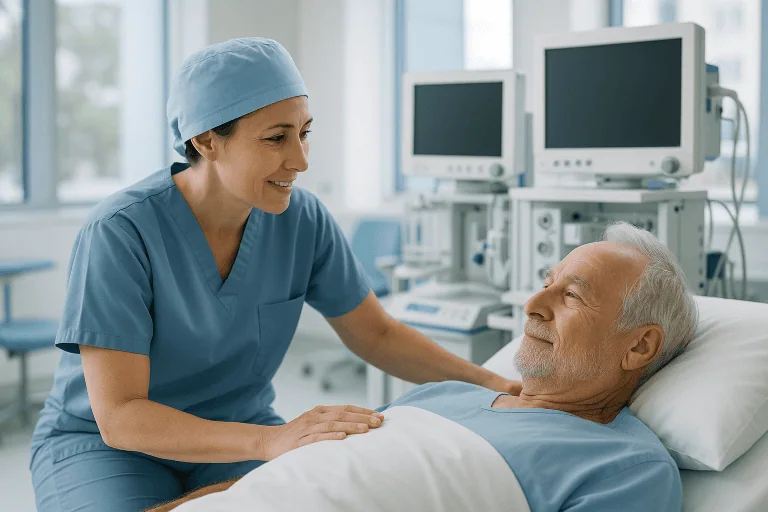




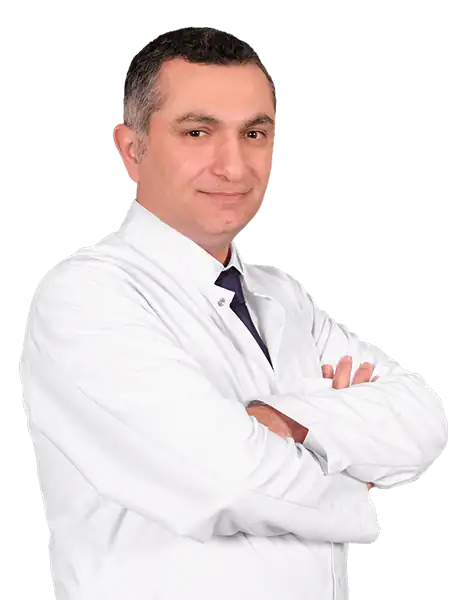
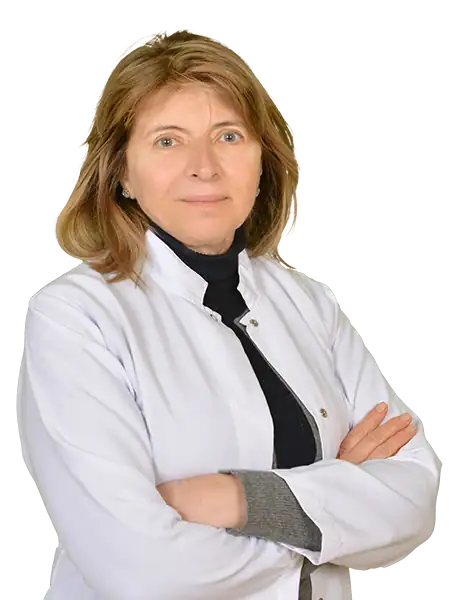
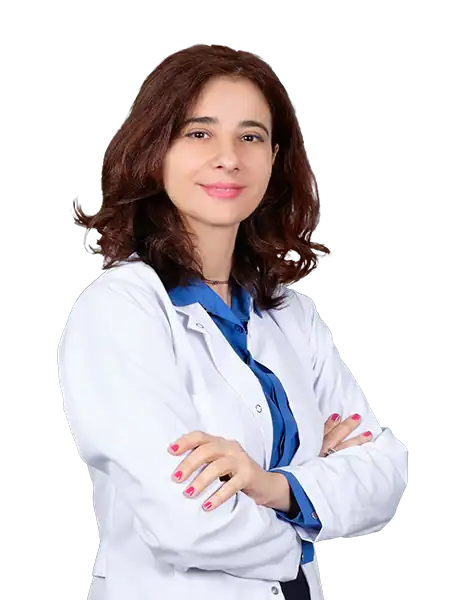
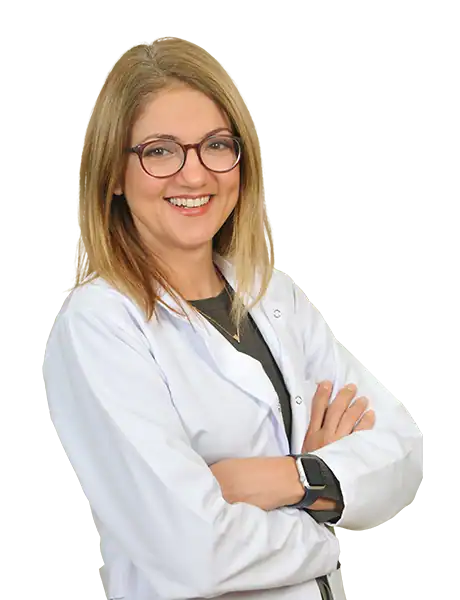
Doctors at This Hospital, Field by Field
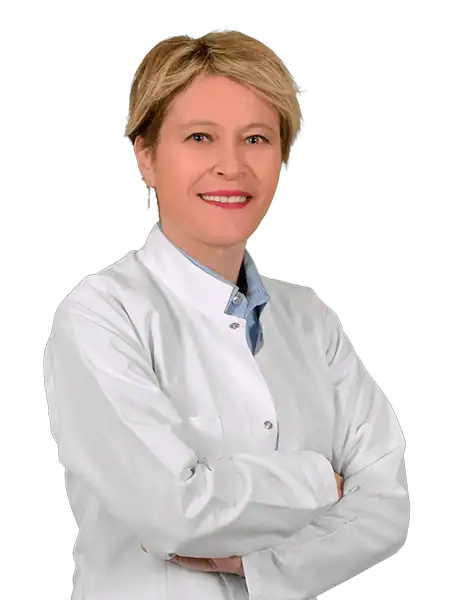
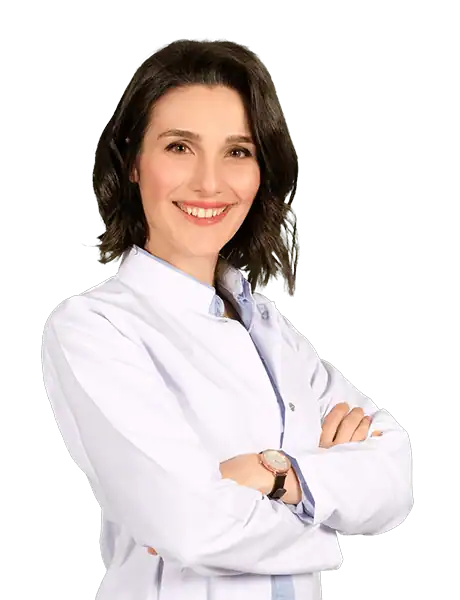
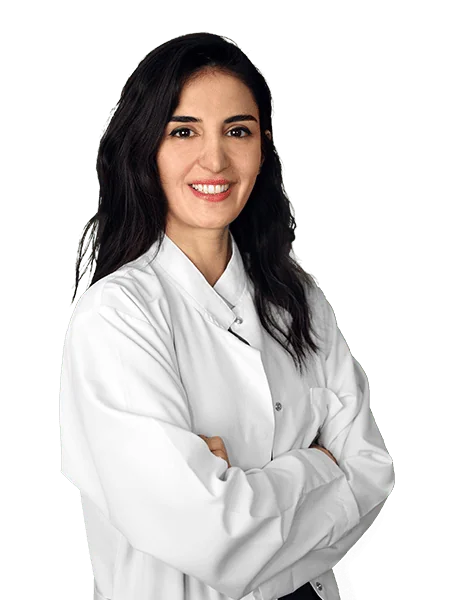
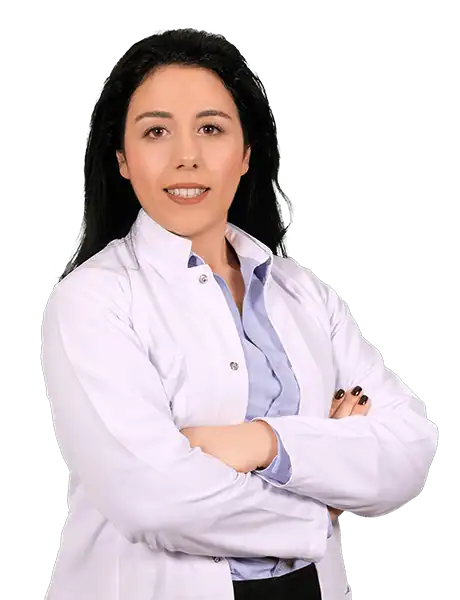
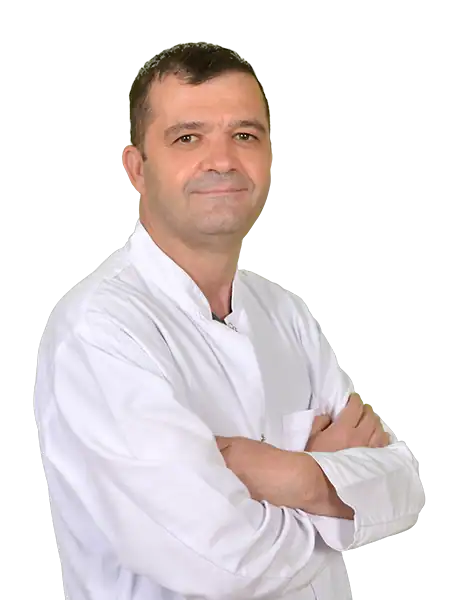
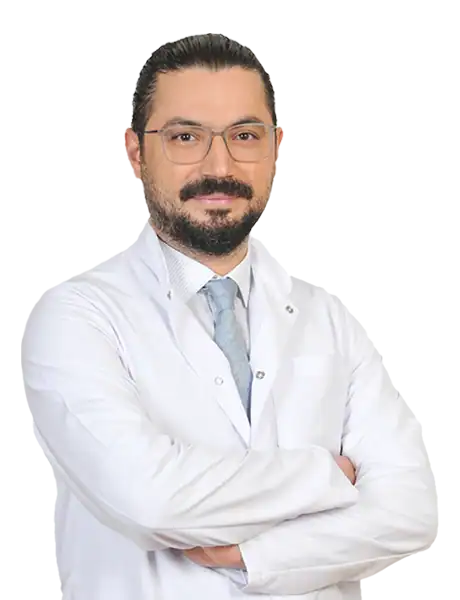
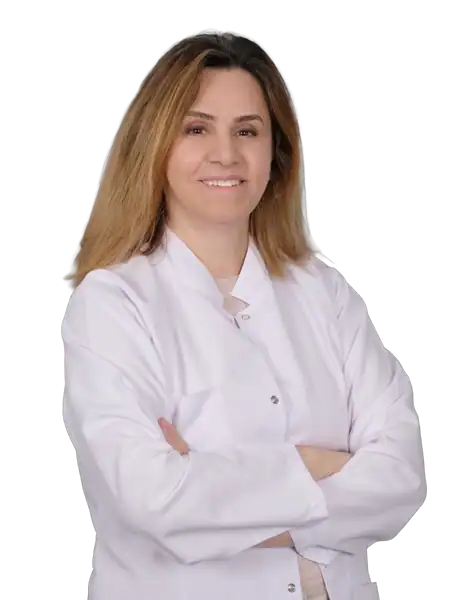
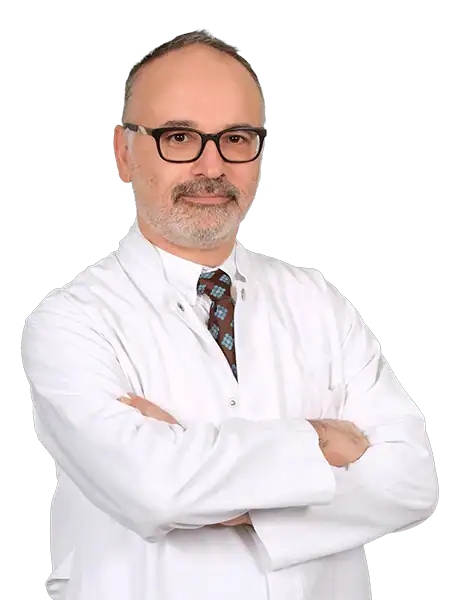
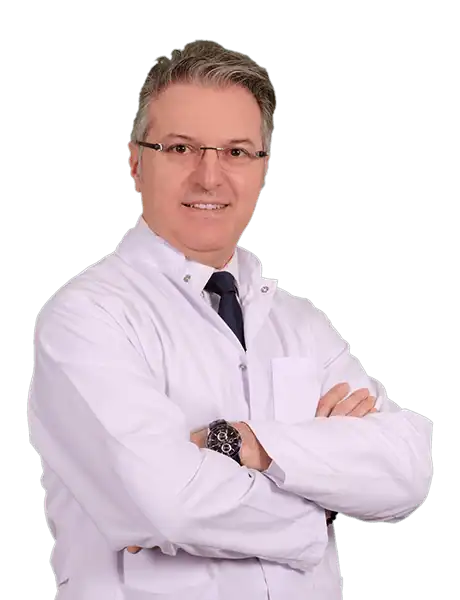
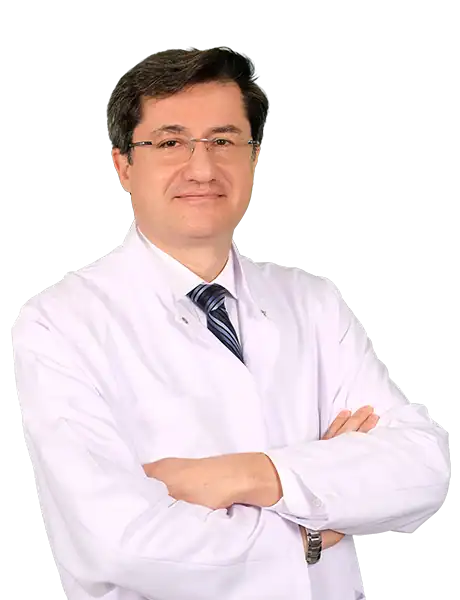
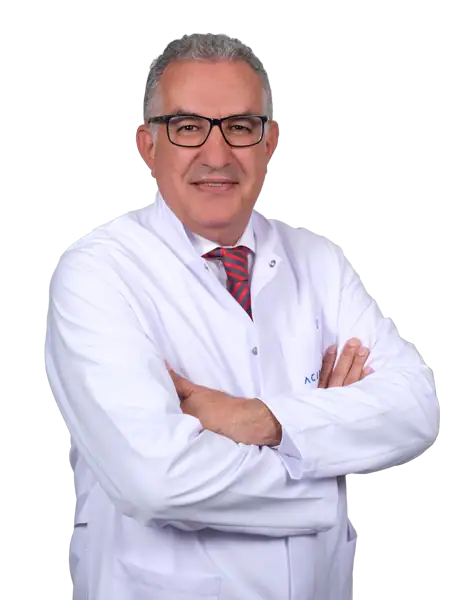
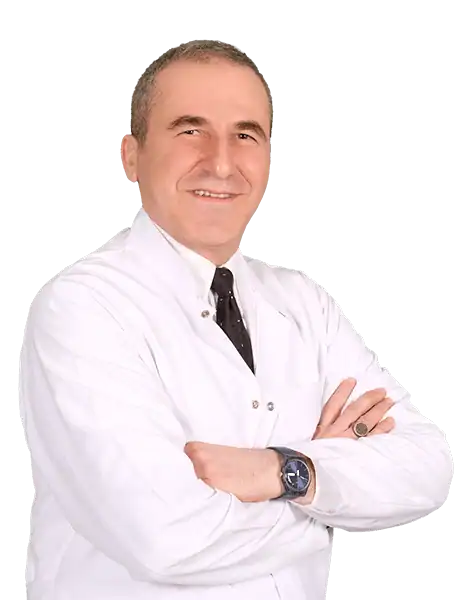
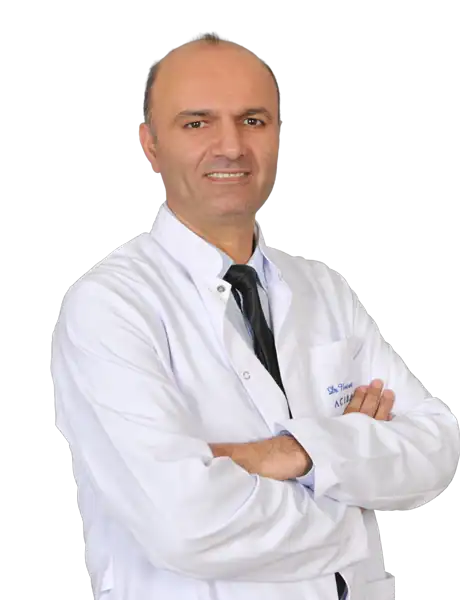
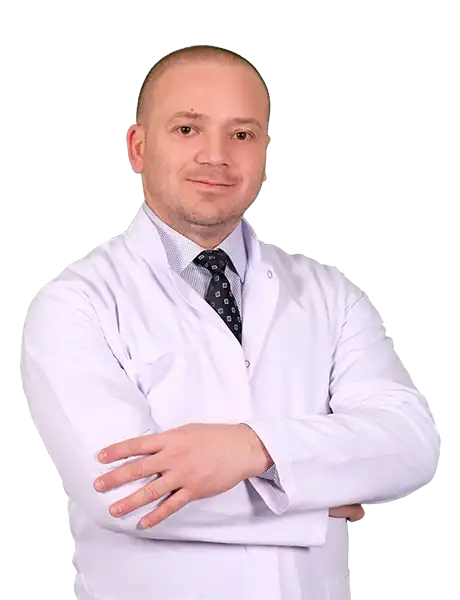
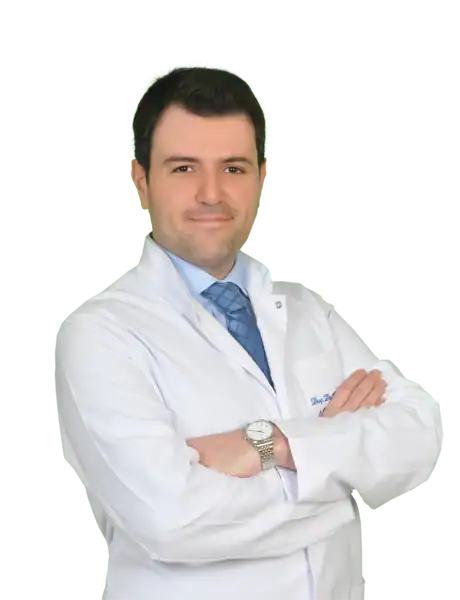
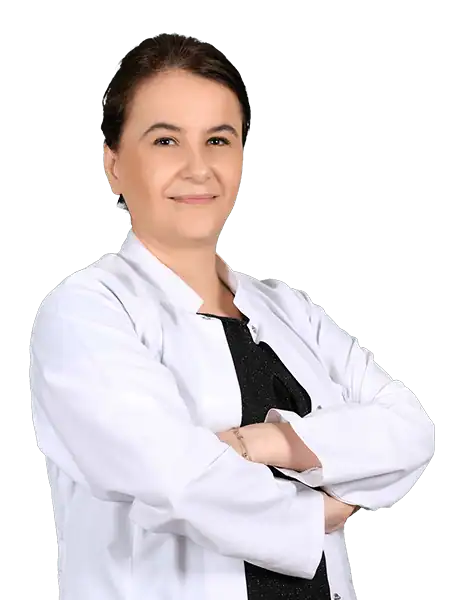
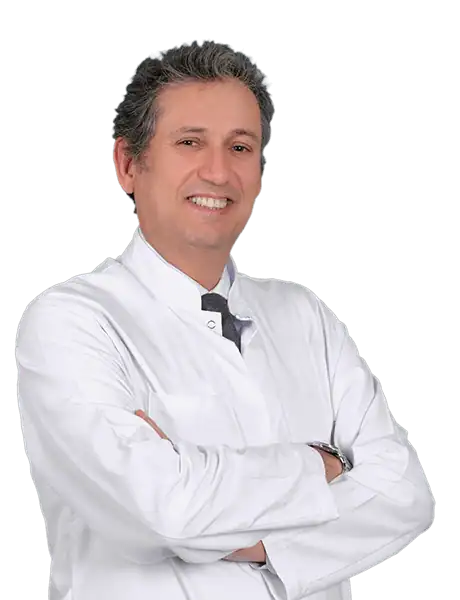
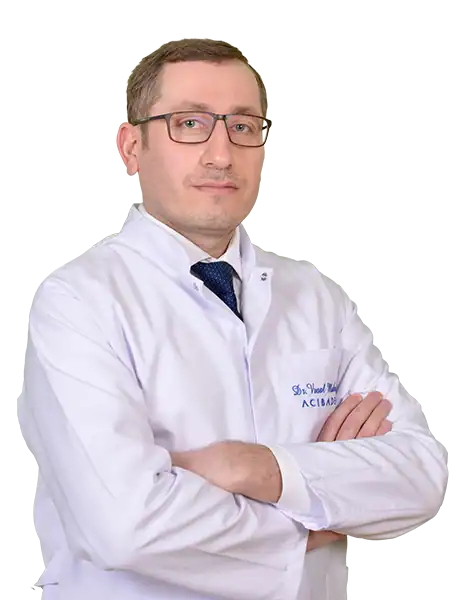
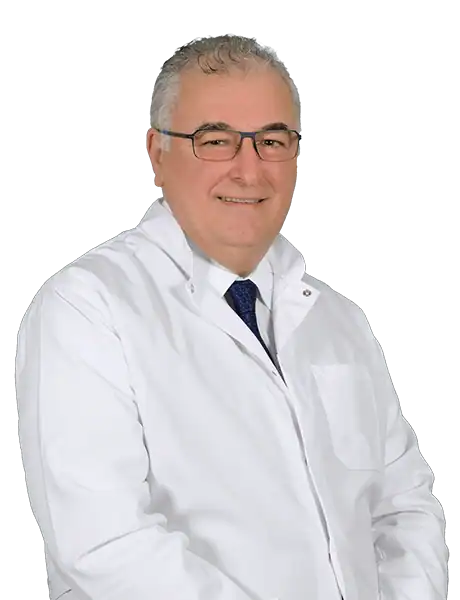
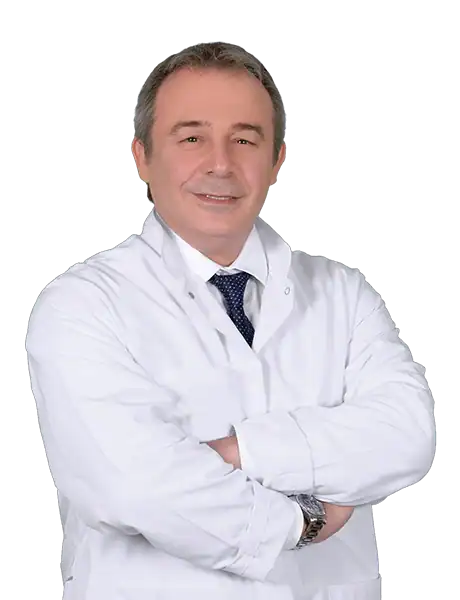
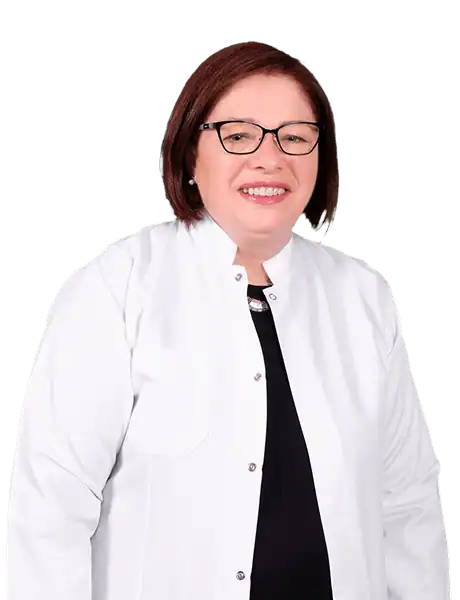
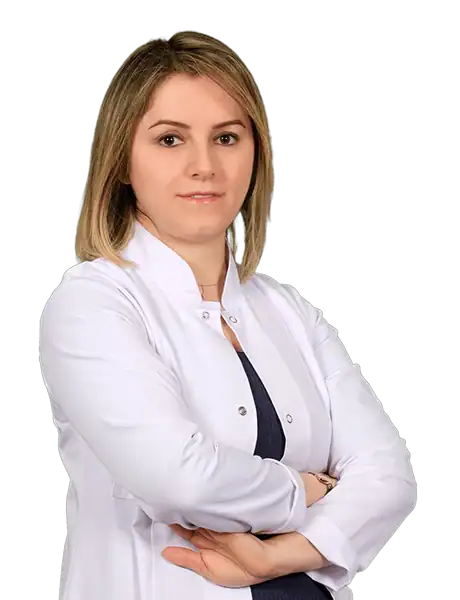
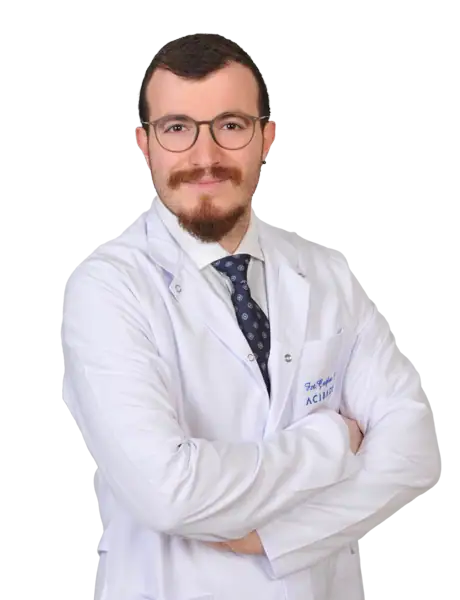
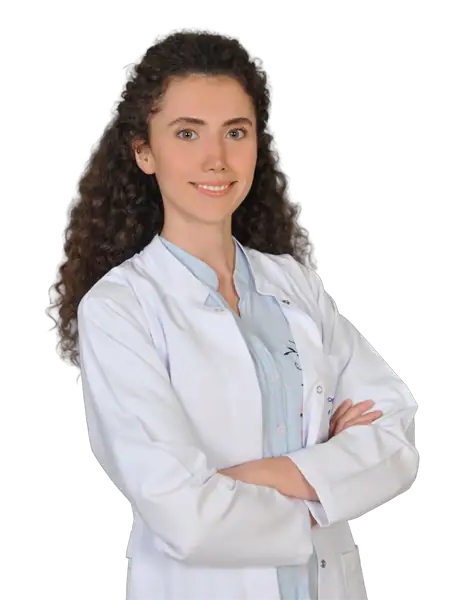
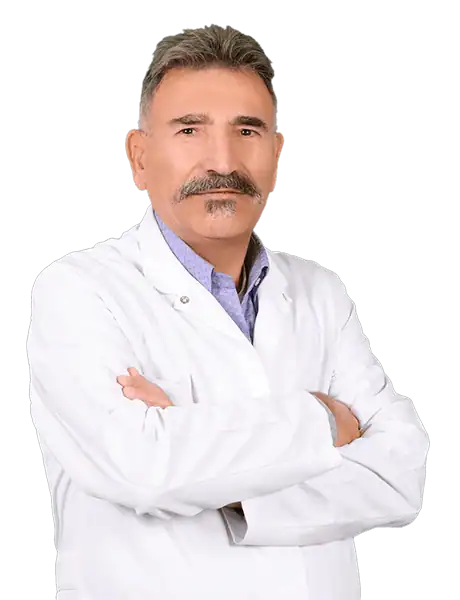
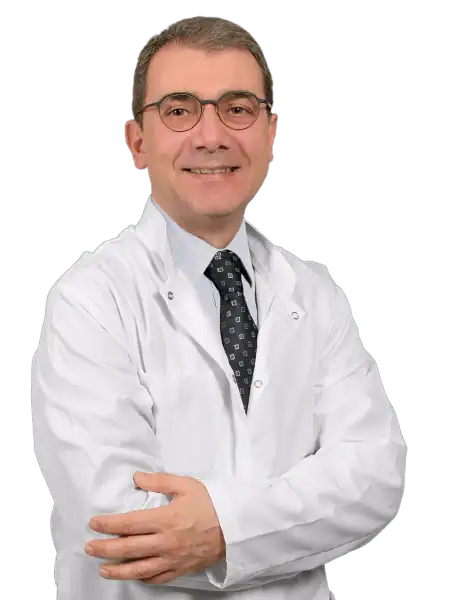
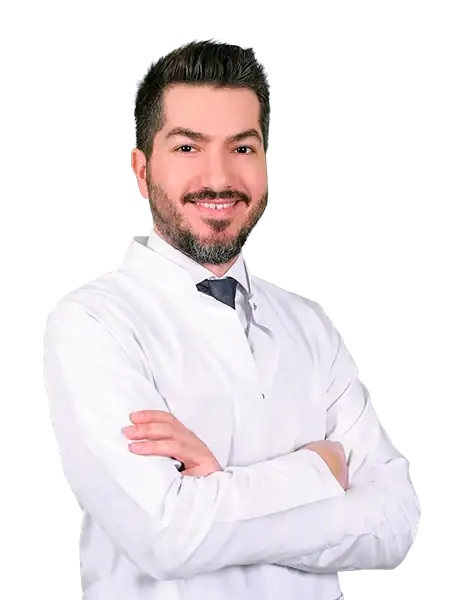
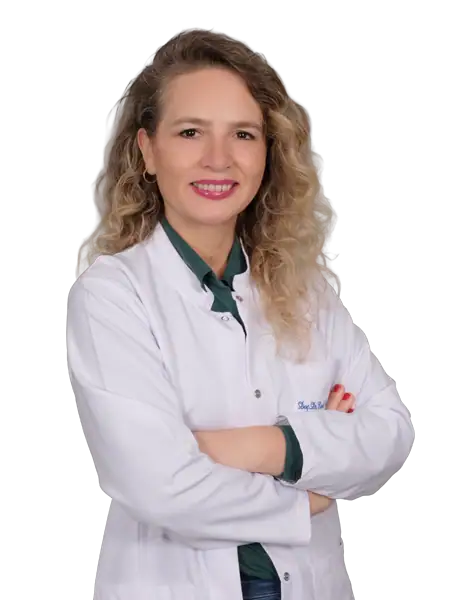
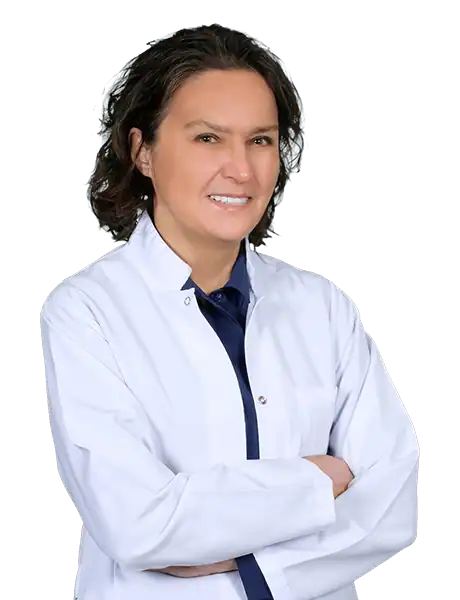
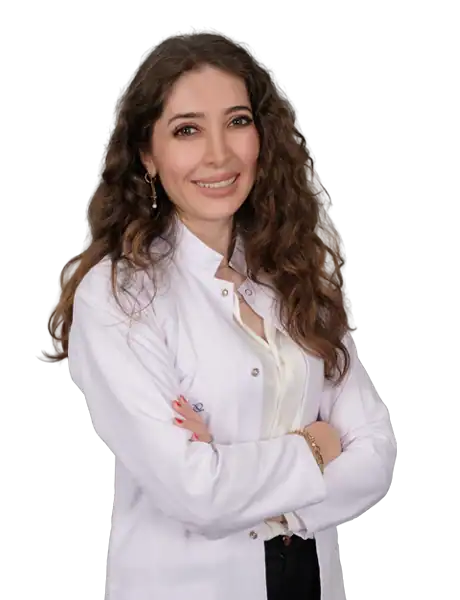
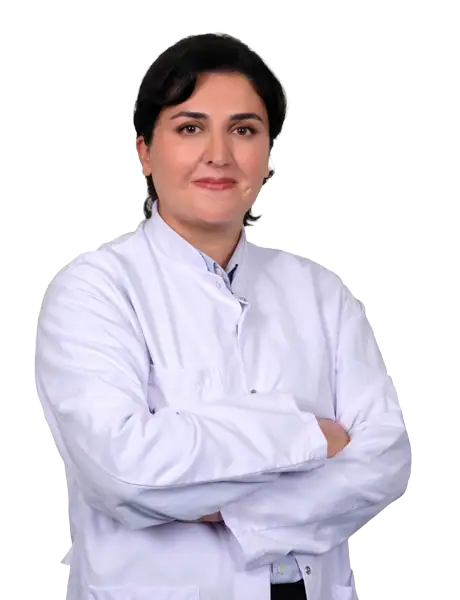
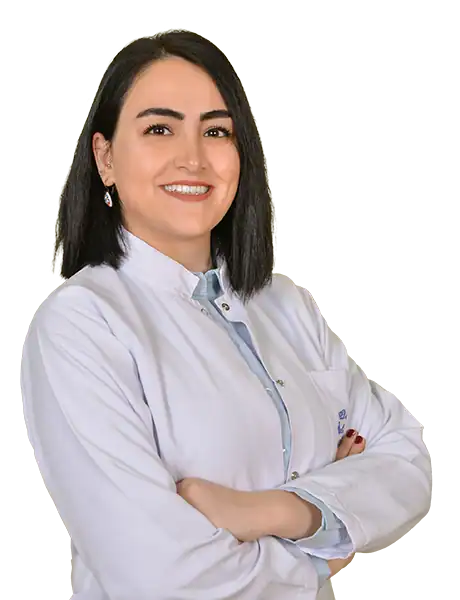
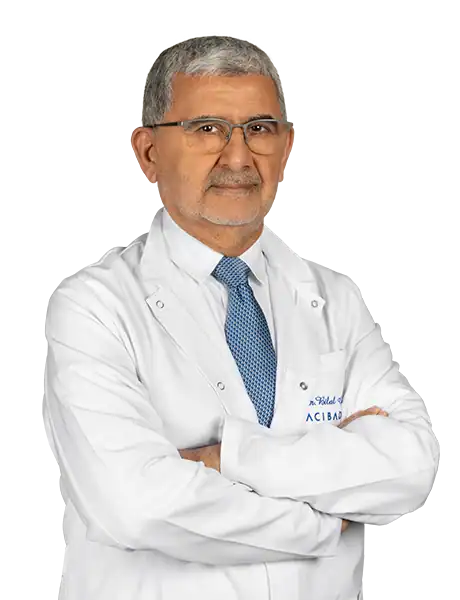
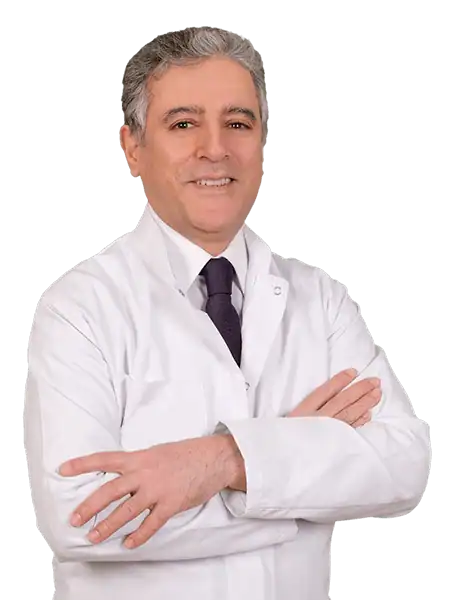
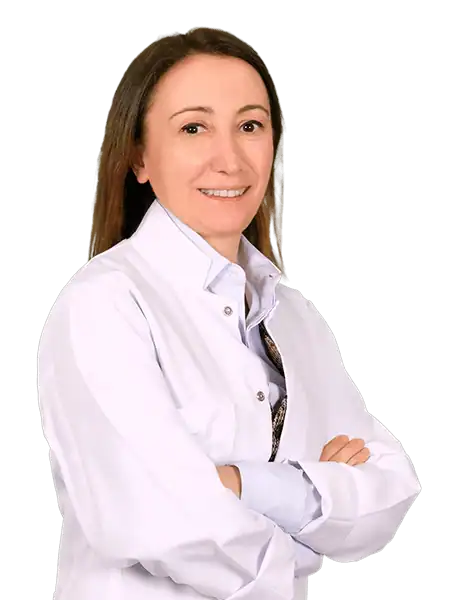
Choose a field to see every specialist who practises here in that department. All 108 doctors are listed.





























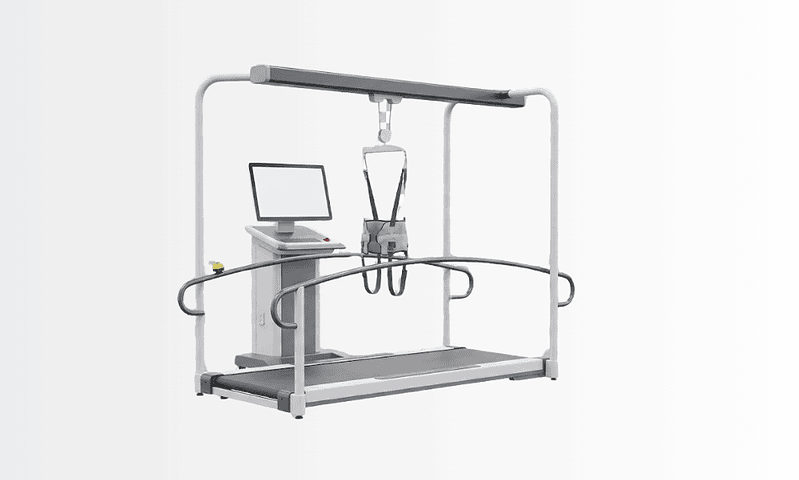
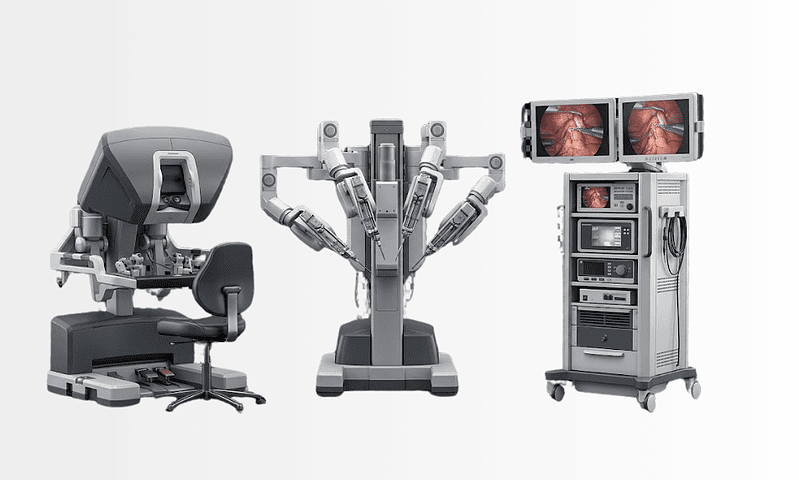
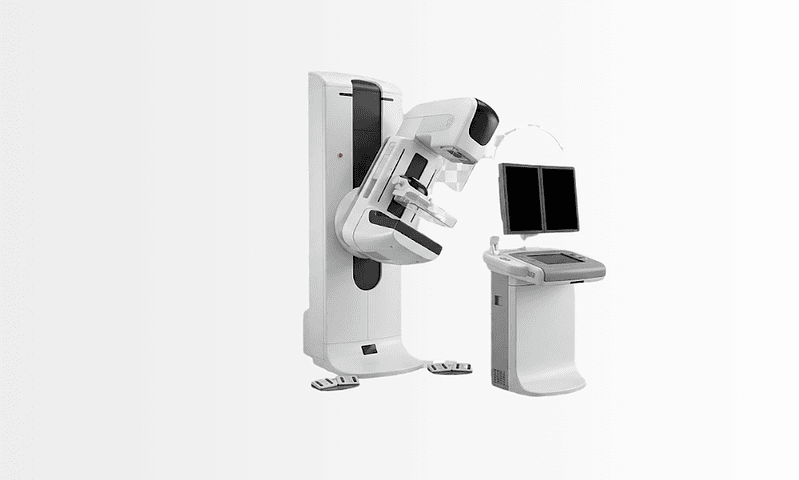
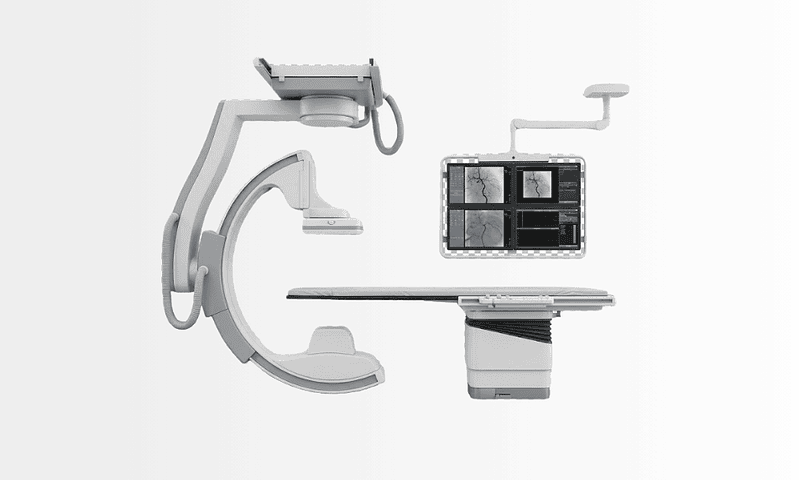
Medical Technologies at This Hospital
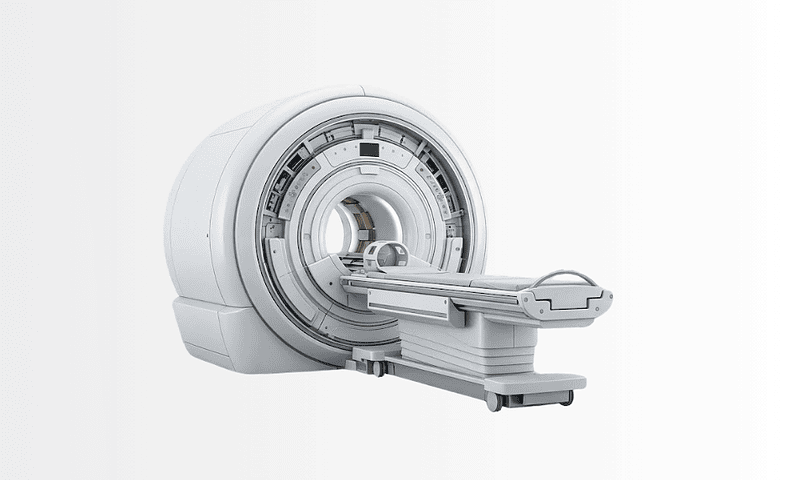
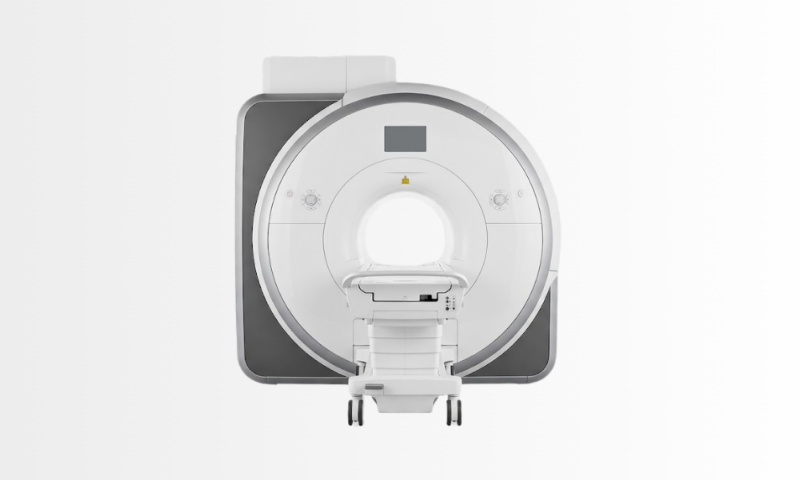
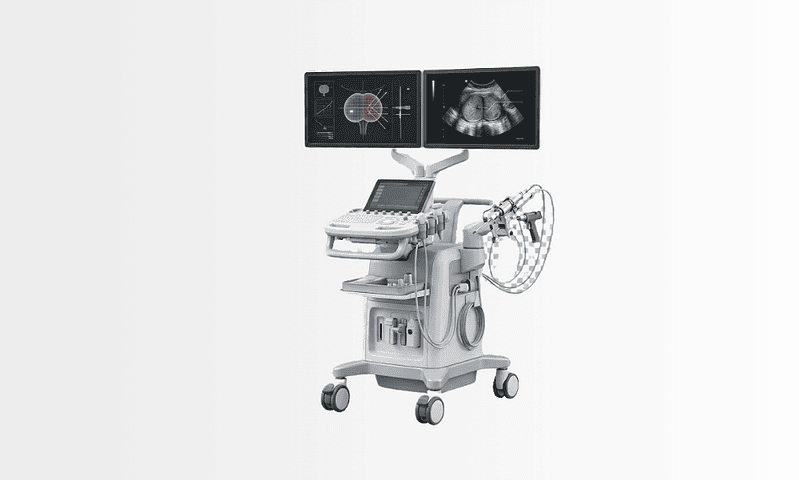
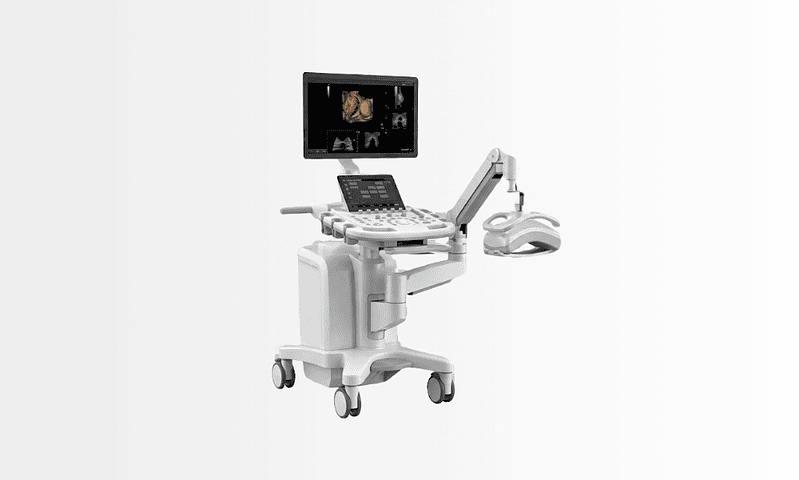
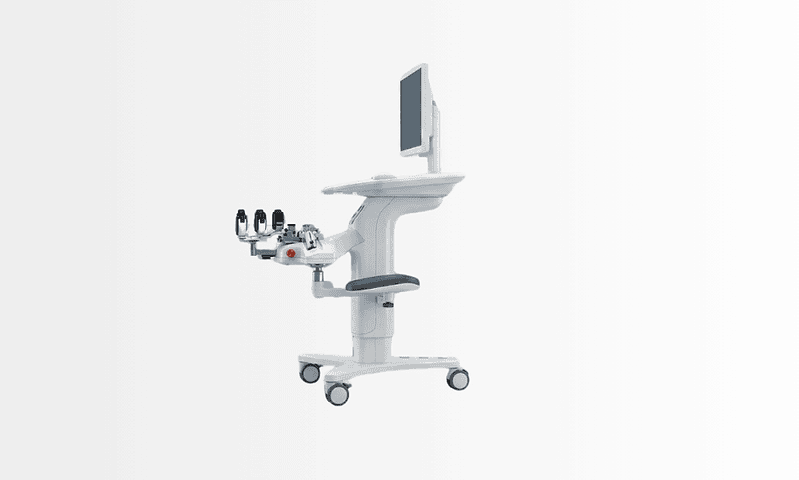
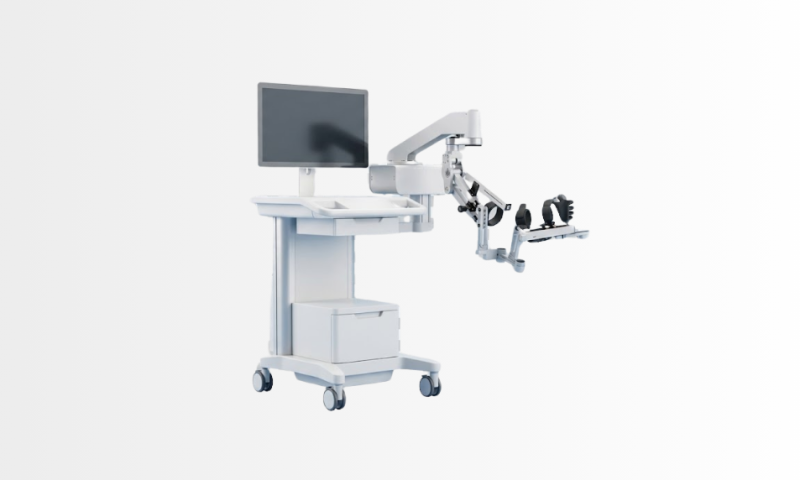
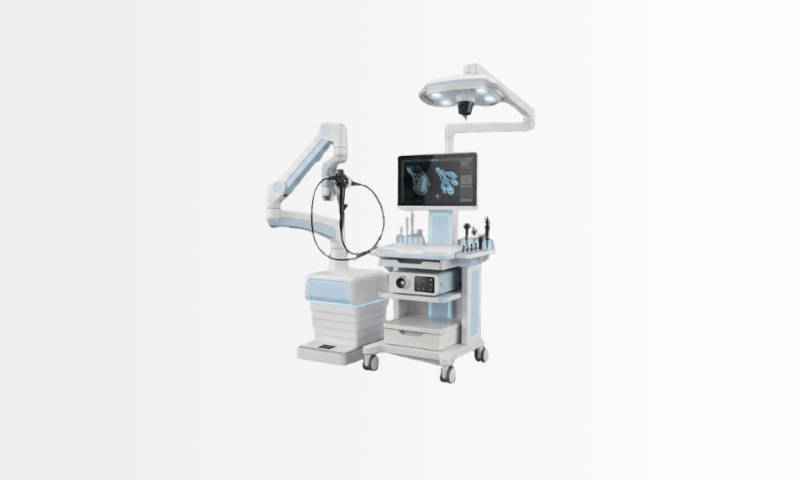
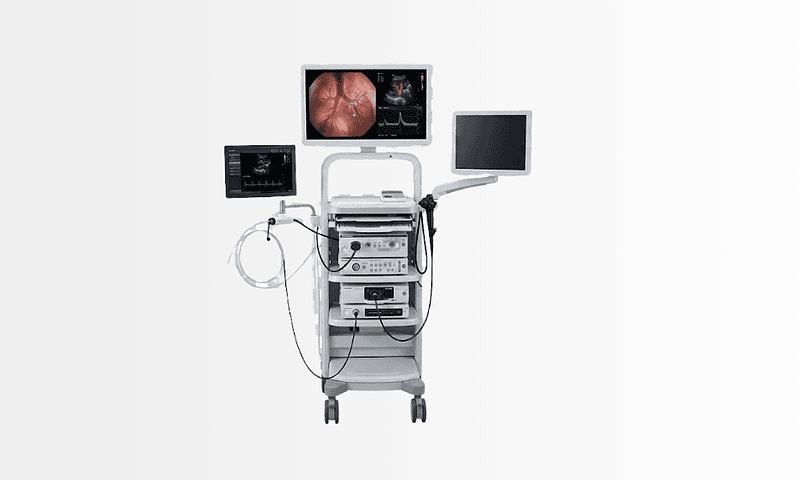
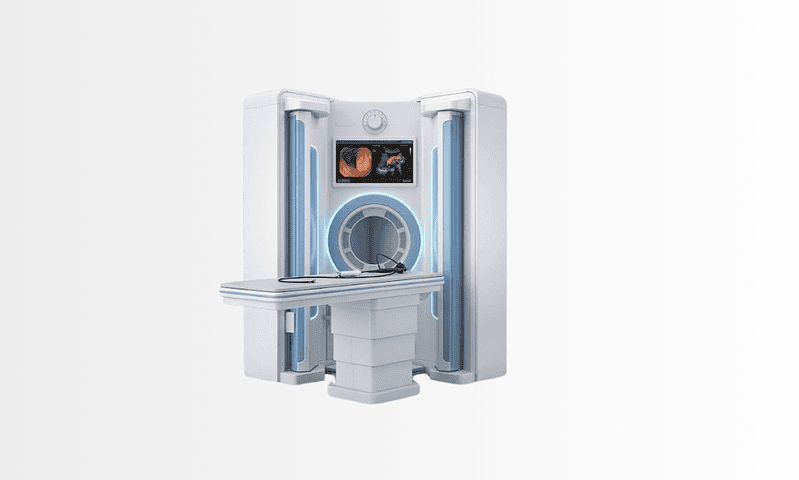
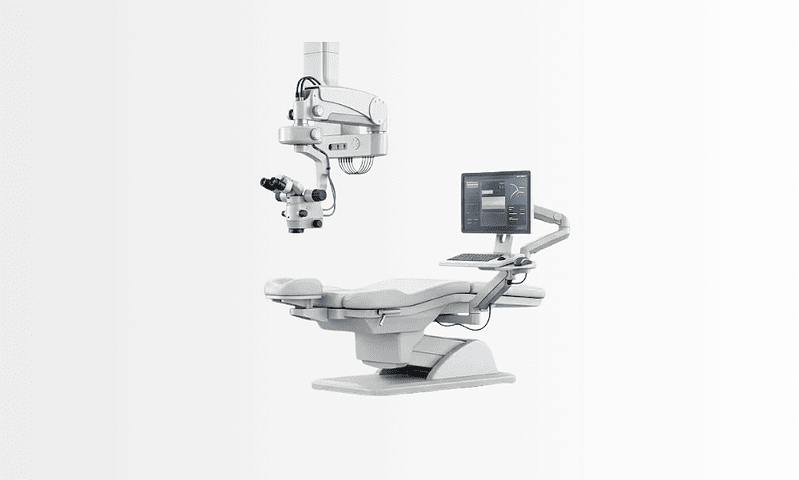
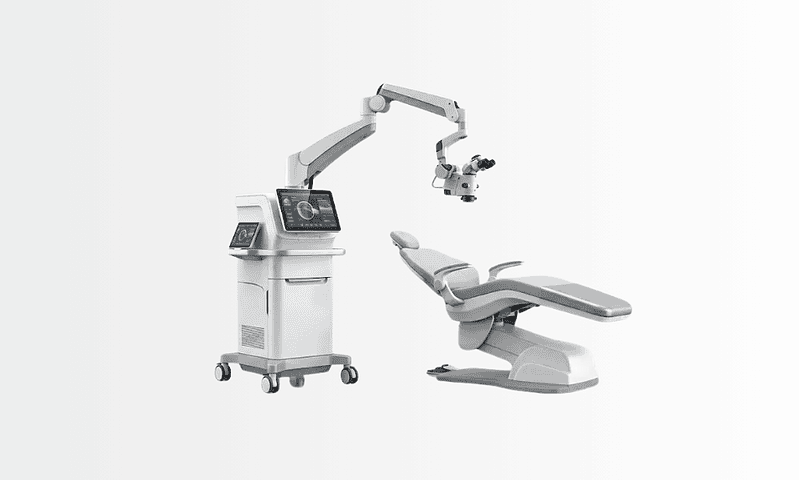
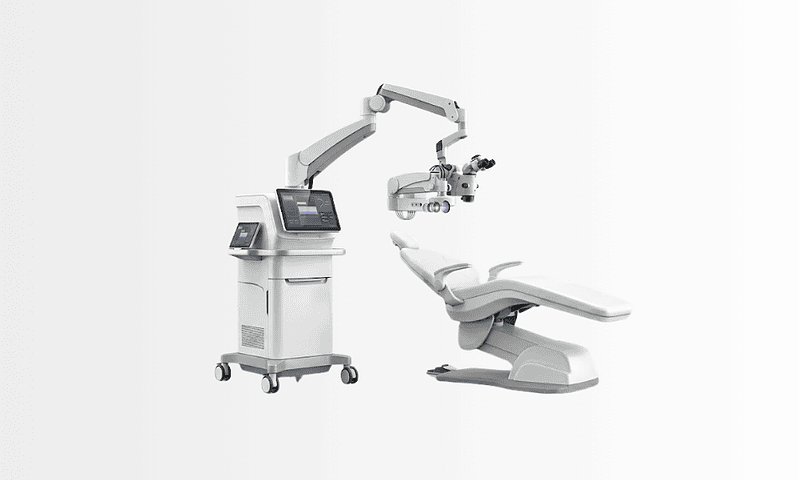
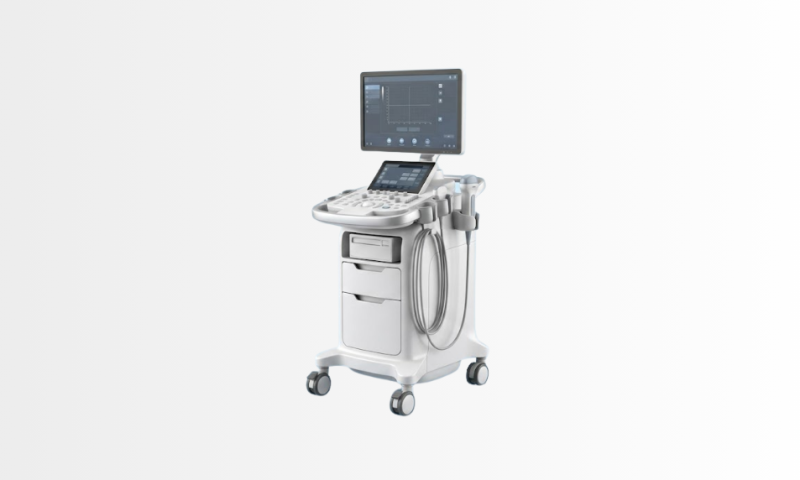
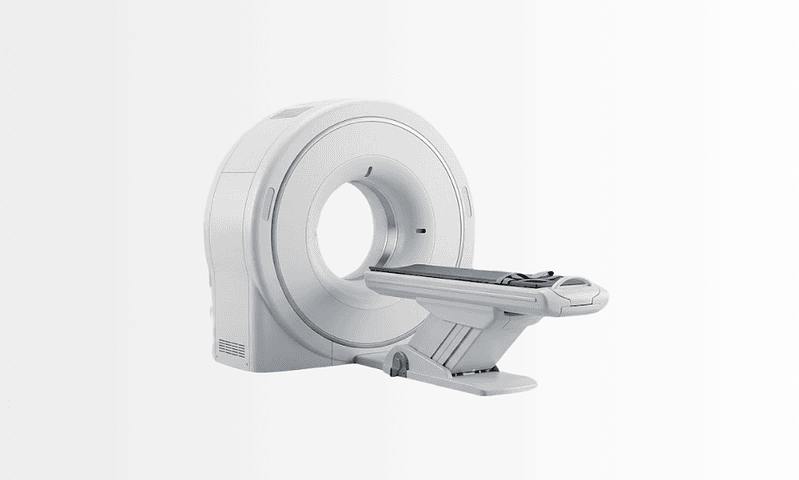
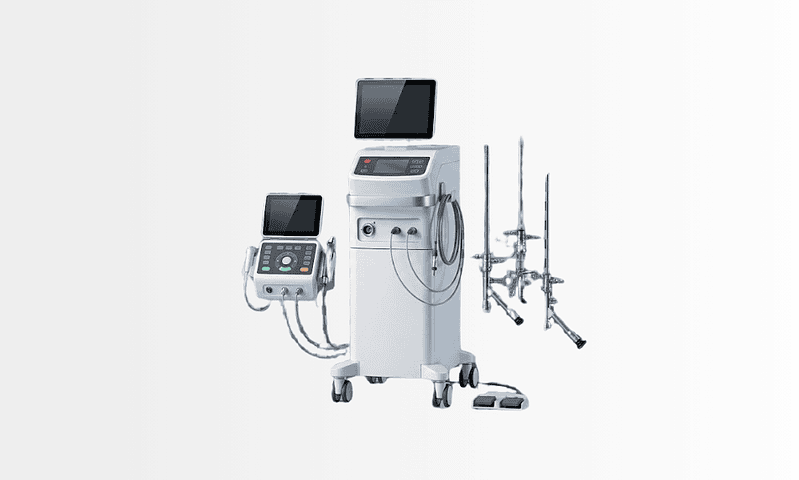
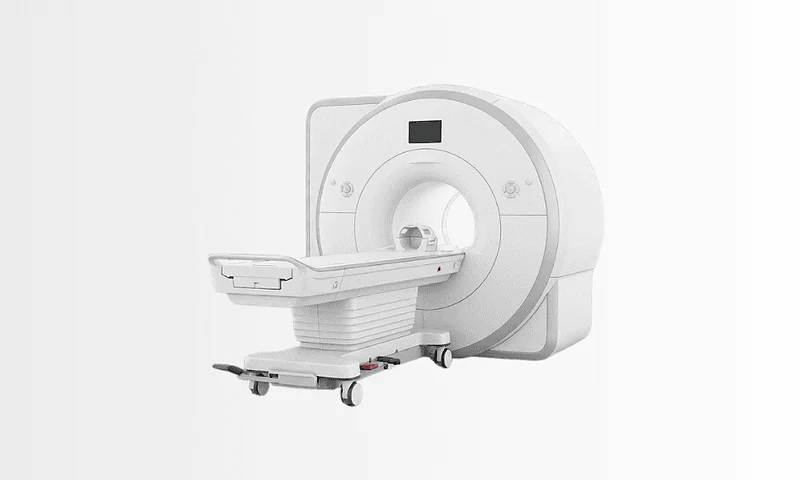
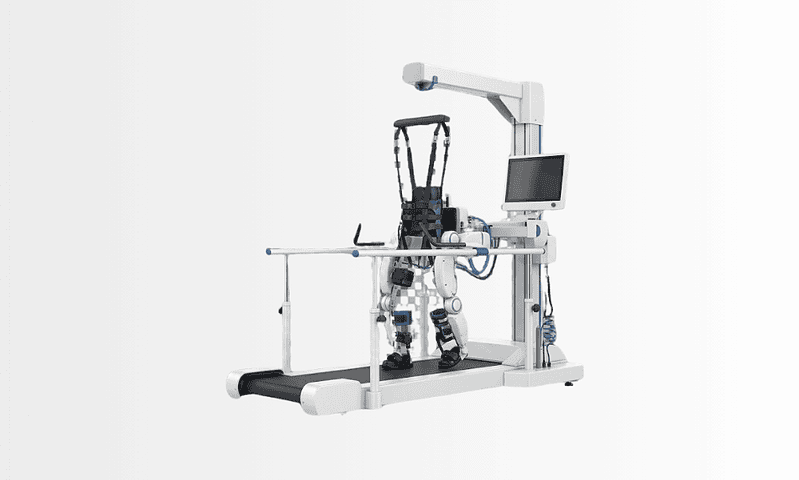
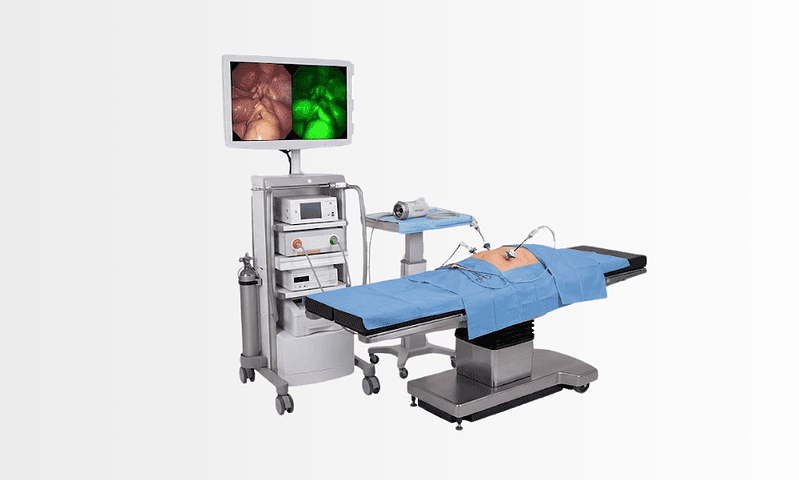
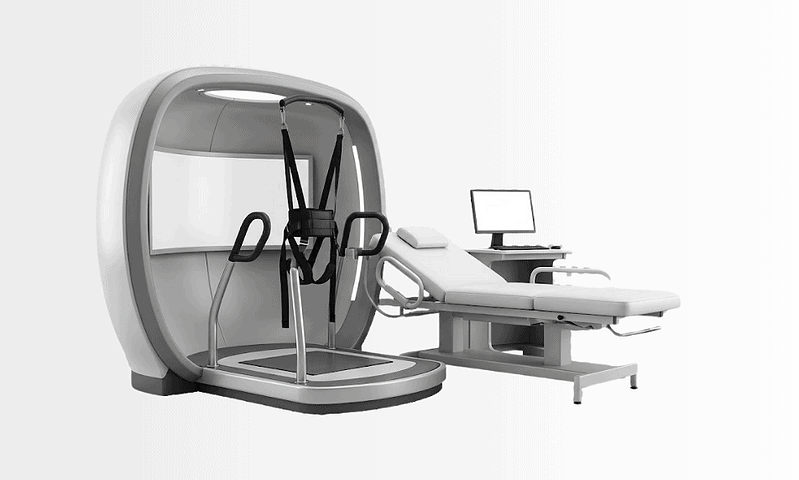
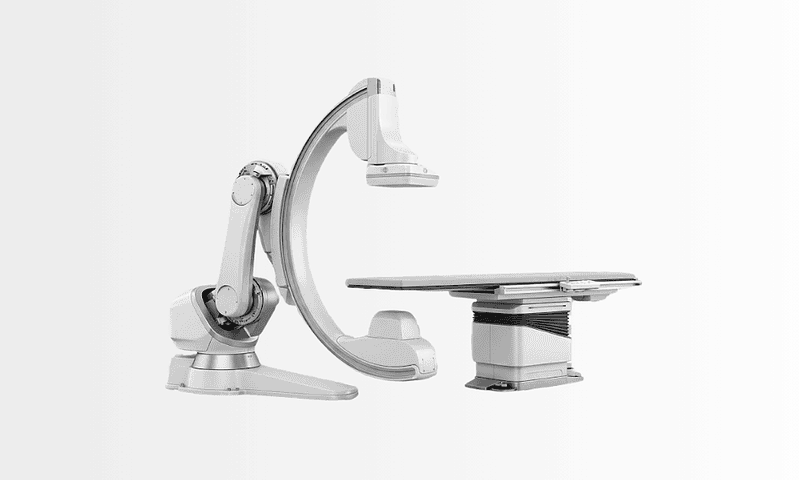
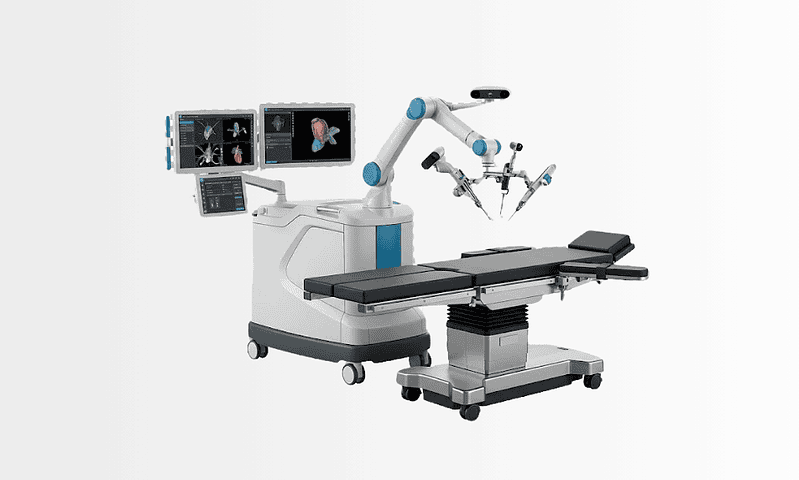
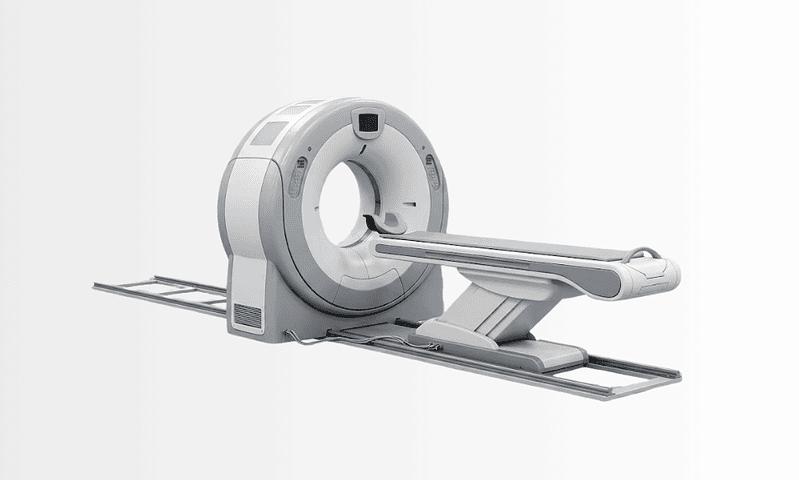
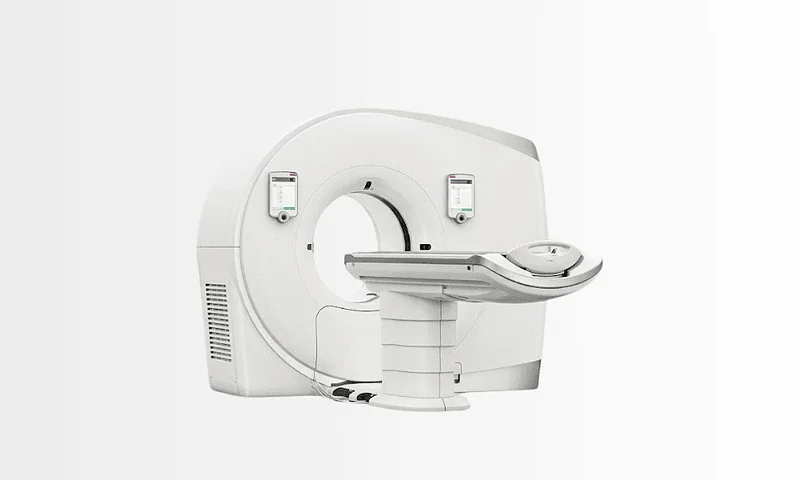
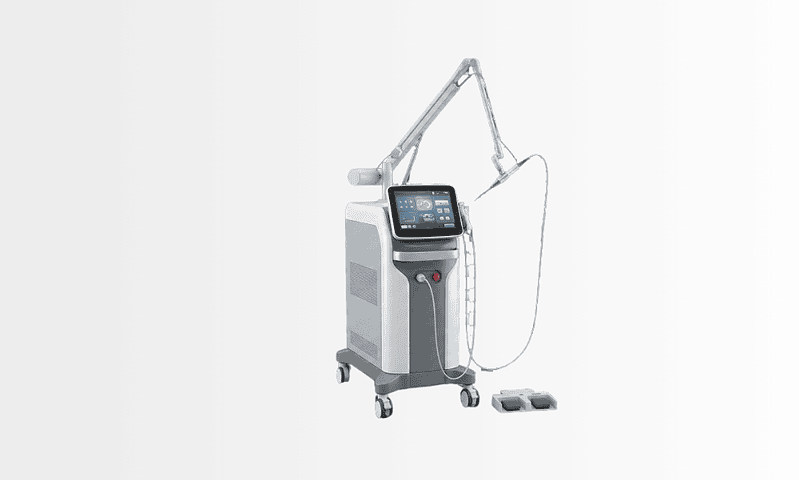
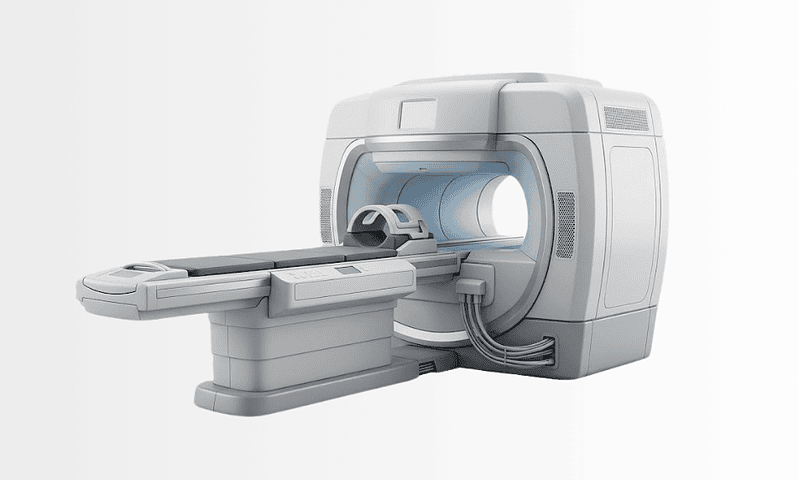
The imaging, radiotherapy, surgical and rehabilitation platforms installed here.
Send your reports: a physician-reviewed plan comes back before you travel.
Free · No obligation · Reply within 24 hours